Darling by Sean Brock
Sean Brock's Los Angeles debut on Robertson Boulevard brings the Southern-rooted cooking that defined his career into direct conversation with West Coast ingredients and California's broader fine-dining moment. The result is a rare cross-cultural proposition: deep Appalachian and Low Country technique applied to a city that has never lacked for ambition. Darling arrives in West Hollywood as one of the more consequential American restaurant openings in recent memory.
Pearl is the En Primeur Club membership app — saves, bookings, and concierge access live there. Same editors, same standards.
- Address
- 631 N Robertson Blvd, West Hollywood, CA 90069
- Phone
- (323) 203-0236
- Website
- darling.la
- Directions
- Get directions
 Saves & bookings on Pearl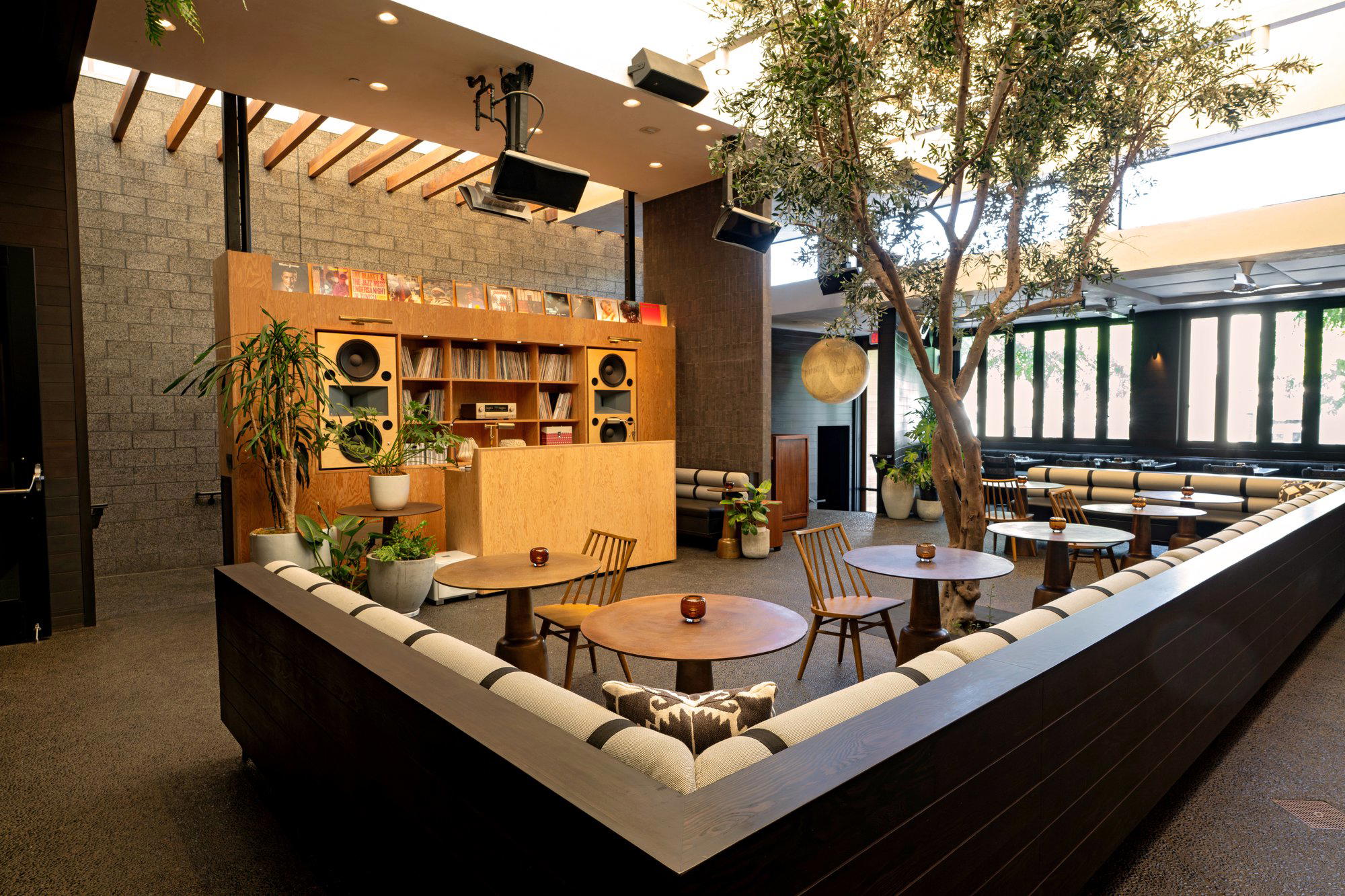
West Hollywood Receives a Southern Argument
Robertson Boulevard in West Hollywood sets the stage for Los Angeles dining that aims to make a statement. That is the physical context for Darling by Sean Brock at 631 N Robertson Blvd, a room that brings Sean Brock's Southern cooking to West Hollywood.
Los Angeles has spent the past decade building a fine-dining tier that is genuinely competitive with New York and the Bay Area. Restaurants like Providence, Kato, and Hayato have demonstrated that the city can sustain technically rigorous, recognition-backed dining at the highest level. Somni pushed that into avant-garde territory. What the city has had less of is a serious Southern American voice operating in that same tier. Darling addresses that absence directly.
The Technique-Ingredient Proposition
The editorial interest in Darling is precisely the tension it inhabits: a chef whose vocabulary was built on the foodways of Appalachia and the South Carolina Low Country, now working inside a California supply chain. That intersection is not a compromise, it is the concept. Imported method meeting indigenous product is one of the more productive creative pressures in contemporary cooking, and it is the engine running through what Brock is doing here.
The South's pantry traditions, fermented, cured, smoked, long-cooked, translate into techniques rather than ingredients when geography shifts. Applied to California's agricultural depth (citrus from the Central Valley, stone fruit from the inland valleys, seafood from the Pacific coast), those techniques produce something that does not exist in Charleston or Nashville. This is not fusion in the diluted sense of the word. It is a specific method applied to a different raw material set, which is how transplanted chefs have always extended their home tradition into new territory. Compare the logic, for instance, to how Atomix in New York City applies Korean culinary structure to a New York context, or how 8½ Otto e Mezzo Bombana in Hong Kong carries Italian training into an entirely different ingredient environment.
Result, at its leading, should produce dishes where the technique is Southern but the flavour profile is Californian, where smoke and brine frame ingredients that would never appear on a Low Country table. Whether the execution consistently delivers on that proposition remains to be seen.
Where Darling Sits in the Los Angeles Fine-Dining Tier
Los Angeles's premium restaurant tier at the $$$$ price point is now meaningfully segmented. Comparison venues in that bracket include Hayato (two Michelin stars, Japanese kaiseki), Kato (one Michelin star, New Taiwanese), and Vespertine (two Michelin stars, progressive). Camphor and Gwen round out the one-star French-Asian and New American steakhouse ends of that bracket respectively. Darling's comparable set is the American tasting-menu format, restaurants like Lazy Bear in San Francisco or Single Thread Farm in Healdsburg, which operate with a strong regional identity and a chef whose national reputation preceded the opening.
That comparison comparable set is useful because it clarifies the audience. Diners who seek out The French Laundry or Alinea in Chicago are not the same audience as those who book a neighbourhood bistro on Robertson. Darling is targeting the former group, guests who book around a chef's body of work, who read Michelin and James Beard results as orientation rather than curiosity, and who are willing to invest the price of a premium tasting menu in a room with a considered editorial point of view.
A Note on the West Hollywood Location
631 N Robertson sits in a section of West Hollywood that functions as a mid-corridor between the design district density to the south and the residential blocks to the north. For visitors, it is accessible from most central Los Angeles hotels without crossing into traffic patterns that add significant time. It is not a destination neighbourhood in the way that Downtown or Venice are, which means the restaurant itself is the draw, there is no neighbourhood buzz doing ambient marketing work. That is either a disadvantage or simply the condition of serious dining in a car city, depending on your perspective. For the international visitor, the address is a direct point on a Los Angeles dining itinerary rather than a neighbourhood to build around.
The Wider American Chef-in-California Pattern
Brock is not the first chef with deep American regional roots to open in Los Angeles, and the pattern is worth noting. California has a way of forcing chefs to reckon with abundance. The state's agricultural output means that technique-first cooking has to compete with ingredient-first cooking, with growers who can supply products that require almost no intervention to be compelling. Southern technique, with its emphasis on transformation (fermentation, smoking, curing, long rendering), is an interesting answer to that abundance: it argues that transformation adds something that raw material quality alone cannot supply.
That argument is not distinctive to Brock, but it is more central to his identity than it would be for, say, a French classicist moving west. Chefs from Emeril's in New Orleans or Le Bernardin in New York City carry different technique vocabularies into a California context. The Southern American tradition carries a specific set of preservation and transformation methods that are as rigorous as any European tradition, they have simply been less legible to the fine-dining credentialing system for most of the past thirty years. That is changing, and Darling represents one of the more high-profile tests of how far that change has progressed.
Planning Your Visit
| Detail | Darling by Sean Brock | Hayato (peer ref.) | Kato (peer ref.) |
|---|---|---|---|
| Location | 631 N Robertson Blvd, West Hollywood | Downtown LA | Culver City |
| Format | Fine dining (details to confirm) | Omakase, 10 seats | Tasting menu |
| Price tier | $$$$ | $$$$ | $$$$ |
| Recognition | No James Beard Awards listed | Michelin 2 Stars | Michelin 1 Star |
| Booking | Reservations recommended | Advance reservation required | Advance reservation required |
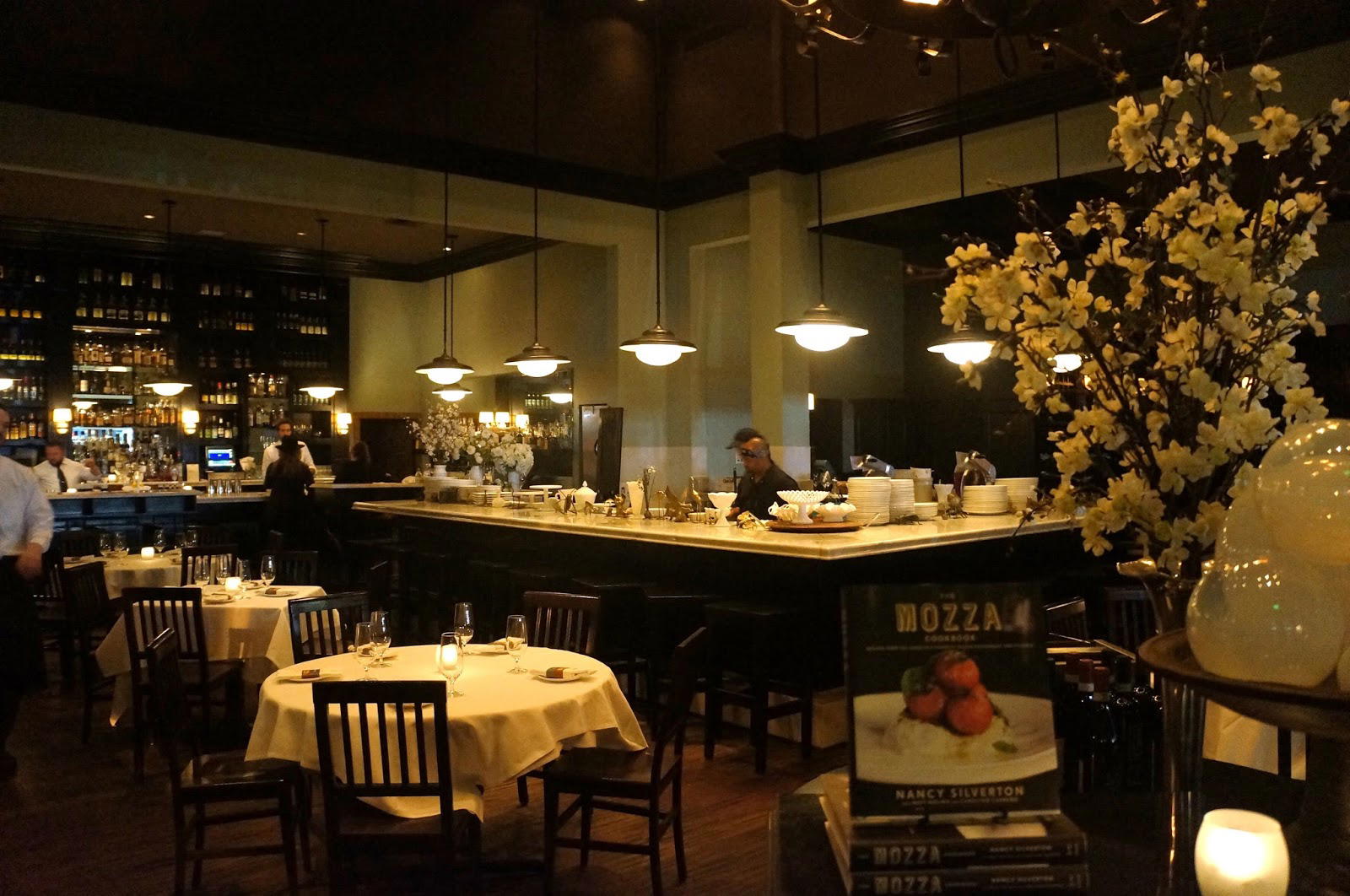
Osteria Mozza remains a reliable reference point for premium Italian dining on the west side.
Where the Accolades Land
Comparable venues nearby, for context on price, style, and recognition.
| Venue | Cuisine | Price | Notes |
|---|---|---|---|
| Darling by Sean BrockThis venue — the venue you are viewing | Seasonal Live-Fire California Grill House | $$$$ | Not listed |
| The Ivy | Upscale American & Italian with seafood in a romantic cottage setting | $$$$ | Beverly Grove |
| San Manuel Club | American Casual Dining | $$$ | Downtown |
| Norah | Eclectic California American | $$$$ | Crescent |
| Saddle Ranch Chop House | American Steakhouse & BBQ | $$$ | Sunset Hills |
| Mama Lion | Modern Californian Shared Plates | $$$ | Wilshire Center |
Continue exploring
More in Los Angeles
Restaurants in Los Angeles
Browse all →
Bars in Los Angeles
Browse all →
Hotels in Los Angeles
Browse all →
Wineries in Los Angeles
Browse all →
At a Glance
- Trendy
- Sophisticated
- Lively
- Modern
- Date Night
- Special Occasion
- Open Kitchen
- Craft Cocktails
- Local Sourcing
Current opening hours
- Monday
- Closed
- Tuesday
- Closed
- Wednesday
- 5:30–10 PM
- Thursday
- 5:30–10 PM
- Friday
- 5:30–10 PM
- Saturday
- 5:30–10 PM
- Sunday
- 5:30–10 PM
Hours can change for holidays and private events. Last verified .
Stylized hi-fi lounge with custom speakers, vinyl music, raw walnut paneling, eclectic folk art, and a lively atmosphere blending dining and listening bar vibes.