Darkroom

LA Times 101 Best Restaurants #69
Our verdict
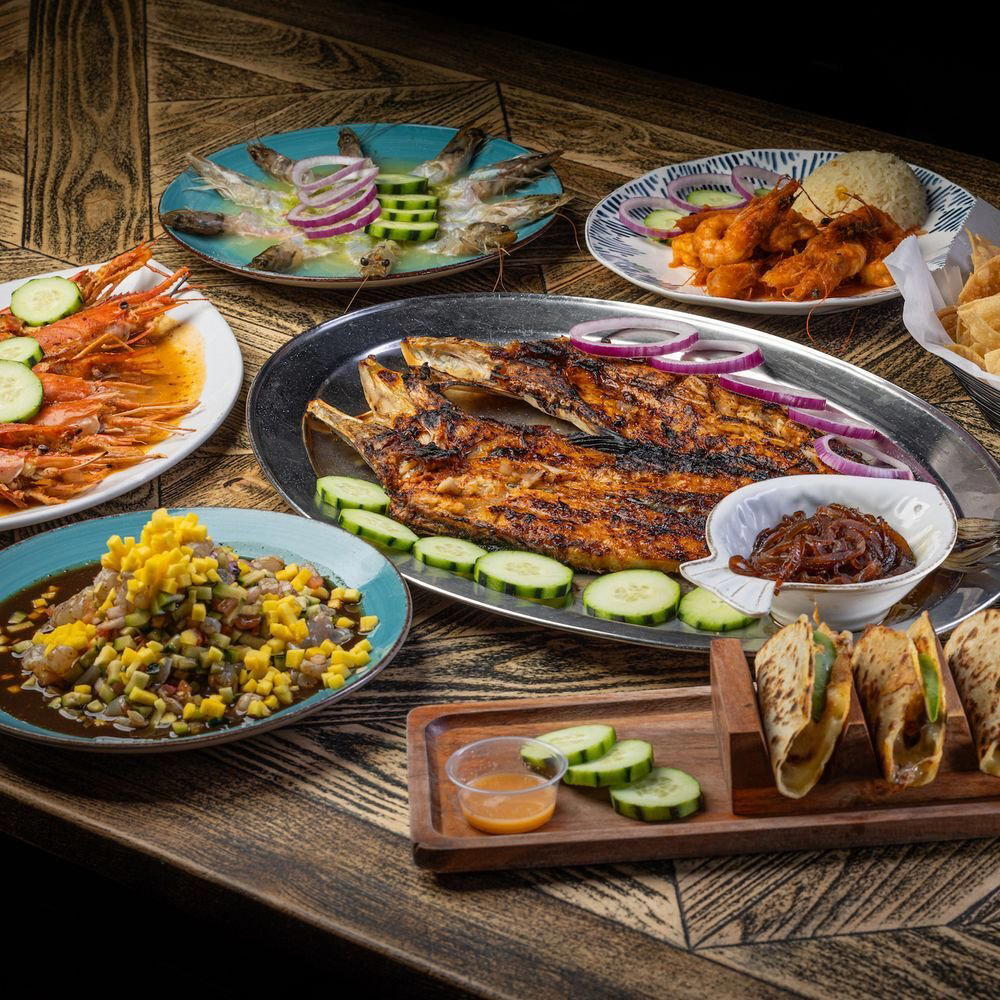
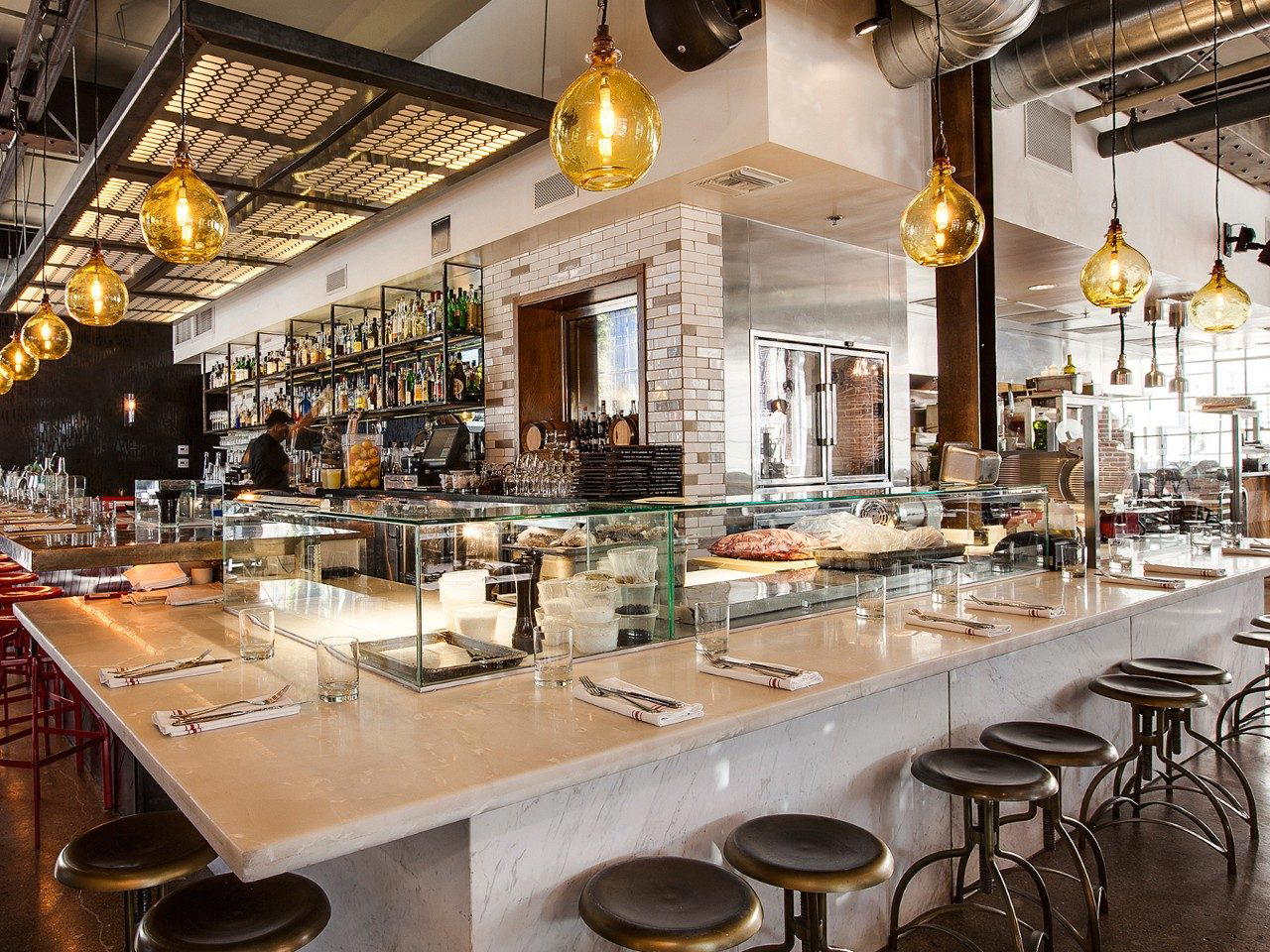
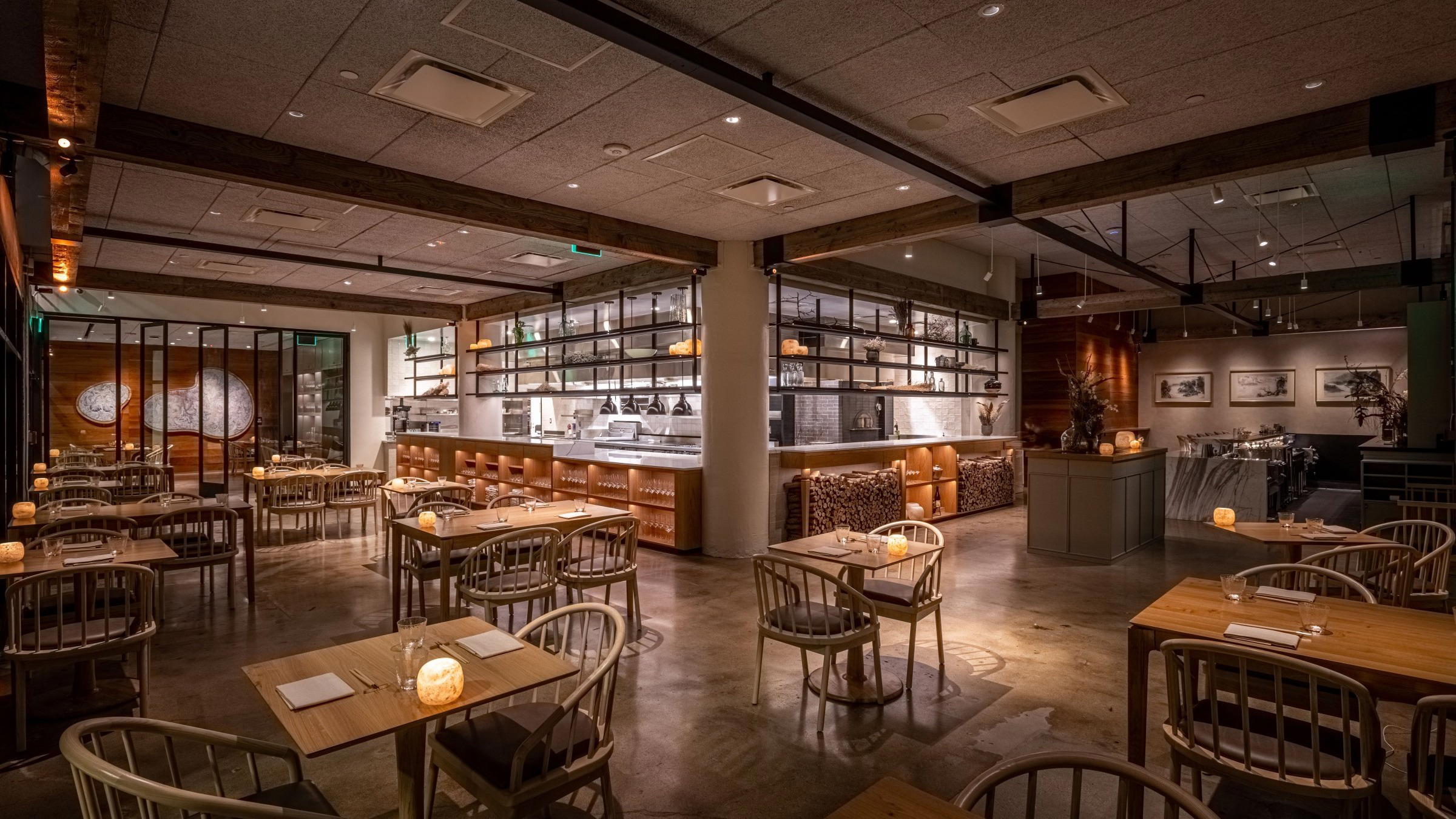
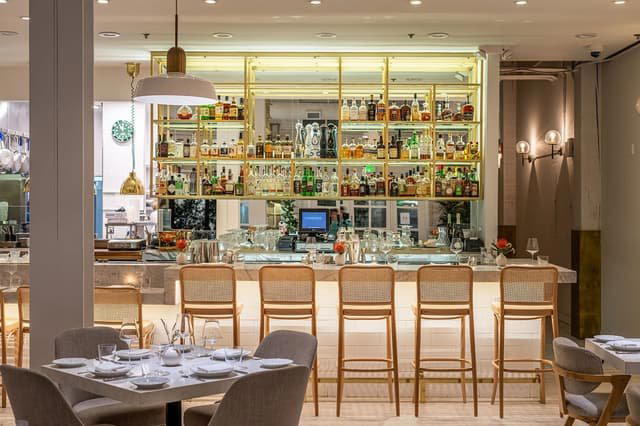
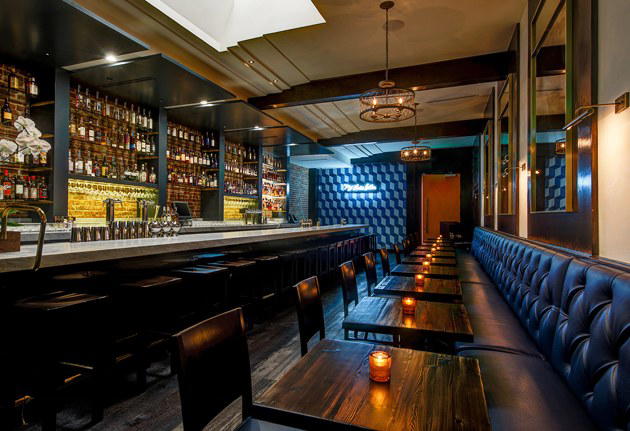
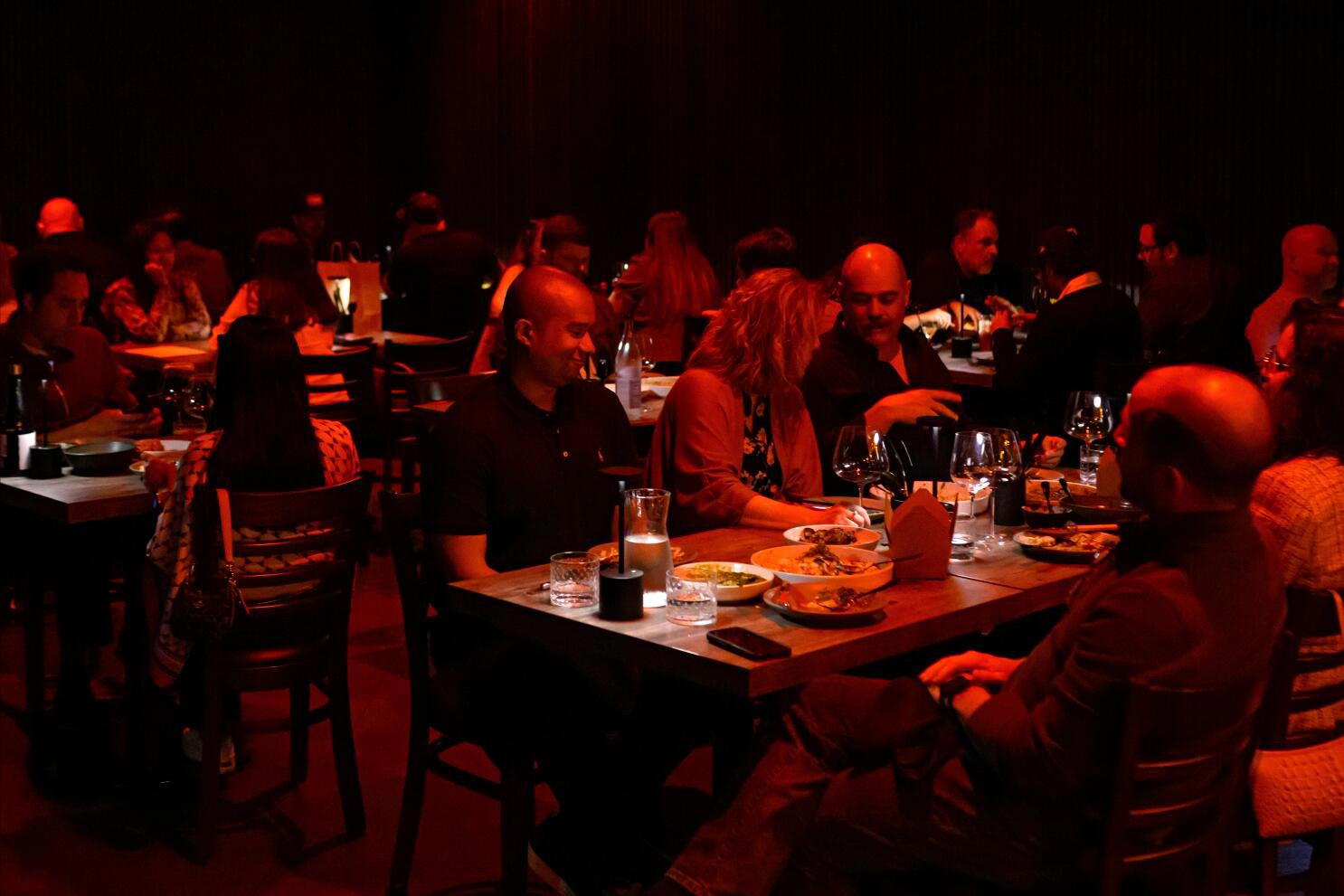
Darkroom operates in Santa Ana's dining orbit as a wine bar and restaurant built around California ingredients and globe-spanning technique — a format its founders describe as 'Every Day Fine Dining with a Side of Vinyl.' The ever-changing menu resists category, pairing serious kitchen ambition with a record-collection ease that separates it from the rigid tasting-menu tier.

Pearl is the En Primeur Club membership app — saves, bookings, and concierge access live there. Same editors, same standards.
Santa Ana, Orange County, and the Case for Dining Outside the Los Angeles Core
Southern California's serious dining conversation defaults to a handful of Los Angeles zip codes: the stretch of Melrose and Beverly Boulevard that produced Osteria Mozza, the downtown pockets that gave Kato its first foothold, the Koreatown adjacencies that continue to generate noise. What that conversation often skips is the Orange County corridor thirty miles south, where a smaller, less media-saturated restaurant scene has developed its own logic. Santa Ana, specifically, has shifted over the past decade from a city better known for taquerias and Vietnamese strips than for wine-forward destination dining. That shift is incomplete and uneven, but it is real, and Darkroom operates inside it.
The address on South Harbor Boulevard — a commercial strip more associated with retail centers than restaurant ambition — is part of the point. The gap between the setting and what happens inside it is exactly the kind of friction that tends to produce interesting rooms. Cities with lower overhead, less competition for press attention, and diners who aren't performing status through reservations tend to incubate a different register of hospitality. Orange County's restaurant scene, compared to its northern neighbor, has historically prioritized comfort over concept. Darkroom sits against that grain.
The Format: Fine Dining Without the Ceremony
The framing Darkroom uses for itself, "Every Day Fine Dining with a Side of Vinyl", is doing real editorial work. Fine dining in the United States has spent the better part of the last fifteen years trying to resolve the contradiction between serious cooking and serious formality. The resolution most kitchens have landed on is some version of what Darkroom describes: technique-driven food served without the weight of ceremony. Lazy Bear in San Francisco went the communal dinner-party route. Alinea in Chicago moved in the opposite direction, doubling down on theatricality. The Southern California version, represented by places like Darkroom, tends to land somewhere between those poles: the kitchen is serious, the room is relaxed, and the music is part of the atmosphere rather than an afterthought.
Vinyl component signals something specific about the hospitality philosophy. Record collections in restaurants have become a recognizable shorthand for a certain kind of owner-operated ambition: the suggestion that taste extends beyond the plate, that the same curatorial attention applied to wine selection or ingredient sourcing also shapes what plays while you eat.
California Ingredients, Global Technique
Menu structure at Darkroom, California produce and proteins interpreted through techniques drawn from multiple culinary traditions, reflects a broader pattern in how serious American kitchens now operate. The era of restaurants organized around a single nationality or cuisine has given way, at the ambitious mid-tier level, to menus where the ingredient determines the direction and the technique follows wherever it leads. This is how Kato built its reputation, and it's what restaurants like Single Thread Farm in Healdsburg practice at a higher price point. The key variable is whether the eclecticism is disciplined or merely restless.
Ever-changing menu format compounds this. A rotating menu signals either genuine responsiveness to seasonal availability, the model followed by The French Laundry and much of the California fine dining tradition that followed it, or a resistance to being pinned down. For a wine bar with fine dining ambitions, the rotating format also serves a practical function: it gives regulars a reason to return and gives the kitchen room to evolve without the pressure of defending legacy dishes. The wine bar component matters here. When the cellar is the anchor and the kitchen is the complement, menu flexibility becomes an asset rather than an identity crisis.
Where Darkroom Sits in Its Competitive Set
Comparison table below positions Darkroom against the Los Angeles area venues it overlaps with in format and intent, even where it differs in price tier and geography.
| Venue | Location | Format | Price Tier | Notable Credential |
|---|---|---|---|---|
| Darkroom | Santa Ana, OC | Wine bar + rotating menu | Not published | California ingredients, global technique |
| Kato | Los Angeles | Tasting menu | $$$$ | Michelin 1 Star, New Taiwanese |
| Hayato | Los Angeles | Omakase | $$$$ | Michelin 2 Stars, Japanese |
| Osteria Mozza | Los Angeles | À la carte Italian | $$$$ | James Beard recognition, Nancy Silverton |
| Providence | Los Angeles | Tasting menu, seafood | $$$$ | Michelin 2 Stars |
Distinction worth noting: Darkroom operates in a different register from the tasting-menu venues above. It shares their commitment to serious cooking but positions itself closer to the everyday end of the fine dining spectrum. That positioning is its own editorial statement about what a meal should feel like, and it resonates with the current direction of American dining at venues like Le Bernardin in New York and Atomix, both of which have modulated their formality without compromising kitchen ambition.
Planning a Visit
Darkroom's Santa Ana address places it roughly equidistant between downtown Los Angeles and San Diego, making it accessible from either direction but less convenient for visitors staying in central LA. The South Harbor Boulevard location is car-dependent. Given the rotating menu format, visiting the restaurant's own channels before booking is advisable to confirm what the current program looks like.
For a broader picture of the region's dining options, see our full Los Angeles restaurants guide, along with our Los Angeles bars guide, hotels guide, wineries guide, and experiences guide for context on the wider Southern California circuit. Comparable wine-and-kitchen formats in other cities include Emeril's in New Orleans and 8½ Otto e Mezzo Bombana in Hong Kong, both of which demonstrate how chef-driven restaurants with strong beverage programs operate across different market contexts.
Frequently asked questions
Is Darkroom award-winning?
Darkroom has received recognition including: A restaurant and wine bar from the minds of Zach Scherer and Drew Adams, offering an ever-changing menu of California ingredients prepared with techniques from all over the world. The dining experience is described as "Every Day Fine Dining….
What's the address for Darkroom?
Darkroom is located at 3751 S Harbor Blvd suite c, Santa Ana, CA 92704, Los Angeles.
What's the must-try dish at Darkroom?
Darkroom's menu changes continuously, built around California ingredients prepared through techniques drawn from multiple culinary traditions — so no single dish anchors the menu long enough to earn that designation. The better approach is to ask the team what arrived that week from local producers. The ever-rotating format is the point.
What's the best way to book Darkroom?
Phone and website details are not publicly listed for Darkroom at 3751 S Harbor Blvd, Suite C, Santa Ana. Searching the venue name directly or checking third-party reservation platforms is the most reliable current route. Given the fine dining format, advance booking is advisable rather than walking in.
What do critics highlight about Darkroom?
The framing that gets attention is the self-described "Every Day Fine Dining with a Side of Vinyl" — a deliberate pushback against the ceremony that typically accompanies this caliber of cooking. Co-founders Zach Scherer and Drew Adams have positioned Darkroom as a venue where the seriousness is in the sourcing and technique, not the formality of the room.
A Minimal comparable set
Comparable venues nearby, for context on price, style, and recognition.
| Venue | Cuisine | Price | Awards | Notes |
|---|---|---|---|---|
| DarkroomThis venue (the venue you are viewing) | Californian with global techniques | Not listed | LA Times 101 Best Restaurants #69 | Not listed |
| Chainsaw | Venezuelan Comfort Cafe & Pies | $20–30 | Not listed | Melrose Hill, Venezuelan-leaning bakery cafe |
| Club 104 | Rotating comfort-food stall in a modern food hall | $20–30 | Not listed | West Adams, Rotating comfort-food stall in a modern food hall |
| COMMISSARY | Modern Vegetable-Driven American | Not listed | Not listed | Koreatown, Modern Vegetable-Driven American |
| Neighbor | American Breakfast & Lunch Diner | $10–20 | Not listed | Hollywood Hills, American Breakfast & Lunch Diner |
| Pacific Electric | Classic American French Dip | $20–30 | Not listed | Naud Junction, Classic American French Dip |
Recognition history
Dated appearances from independent guides and award organizations, with the underlying list record or original source where available.
LA Times 101 Best Restaurants #69
LA Times