Daniel's Broiler Downtown
Daniel's Broiler Downtown sits at 808 Howell St in Seattle's hotel corridor, positioning itself within the city's premium steakhouse tier. The format follows the classic American chophouse progression: aged beef, tableside service, and a wine list weighted toward Cabernet. For Seattle's downtown business dining scene, it represents a reliable anchor in a category where consistency is the primary measure.
Pearl is the En Primeur Club membership app — saves, bookings, and concierge access live there. Same editors, same standards.
- Address
- 808 Howell St, Seattle, WA 98101
- Phone
- +12065969512
- Website
- danielsbroiler.com
- Directions
- Get directions
 Saves & bookings on Pearl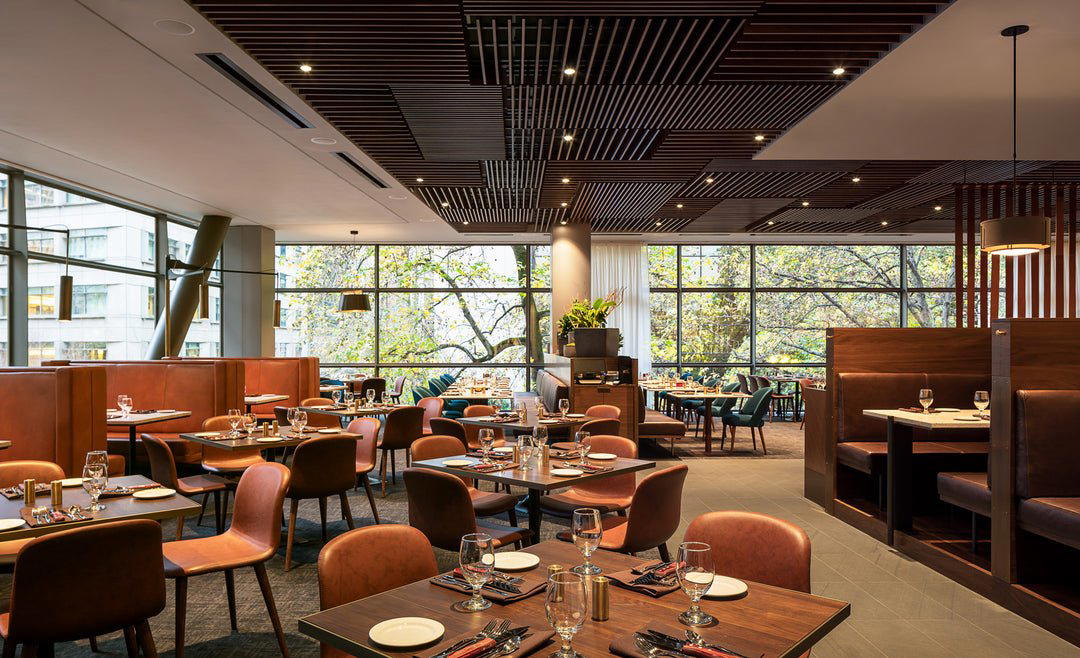
The Geometry of a Steakhouse Evening in Downtown Seattle
Daniel's Broiler Downtown is a restaurant in Seattle at 808 Howell St, with a $100 per person price point. Walk into the Howell Street address on a weeknight and the choreography is immediately familiar: white tablecloths, low amber light, the particular hum of a room where most parties arrived with a reservation and an agenda. Seattle's downtown steakhouse tier occupies a specific niche in the city's dining architecture, distinct from the ingredient-driven New American rooms like Canlis and equally distinct from the more technically adventurous kitchens reshaping the city's reputation. Daniel's Broiler Downtown sits squarely in the chophouse tradition, a format that rewards consistency over novelty and measures itself against a comparable set defined by cut quality, service tempo, and room confidence.
That tradition has deep American roots. The steakhouse as a formal dining institution predates most of what we now call fine dining in the United States, and its persistence in major business districts reflects something durable: a format optimized for conversation, for the slow movement of a meal across two hours, and for the kind of wine list that doesn't require explanation. In Seattle, where the restaurant conversation often gravitates toward Pacific Rim influences, restaurants like Joule and the seafood-forward counters of the Pike Place corridor, the downtown steakhouse holds its ground by being precisely what it promises.
The Arc of the Meal
The tasting progression at a serious chophouse follows a logic that hasn't changed much in fifty years, and that's the point. A first course tends toward raw or cured preparations, oysters, shrimp cocktail, a wedge or Caesar that arrives crisp and properly cold. The architectural purpose is contrast: something clean and sharp before the protein weight of the main event. In the American steakhouse canon, this sequencing mirrors the structure you'd find at any number of serious rooms nationally, from the formal service theaters of Le Bernardin in New York City to the wine-country deliberateness of The French Laundry in Napa, though the idiom differs considerably.
The center of the meal is beef, specifically the cut and its preparation. Premium steakhouse kitchens compete almost entirely on sourcing and execution at this stage: the grade of the beef, the aging method, the temperature precision of the broiler. The broiler format itself is a technical choice with consequences, high heat, fast surface caramelization, less control over gradients than a slower cook but a distinct flavor profile that chophouse regulars specifically seek. The side dishes in this tradition function as satellites, ordered separately and timed to arrive with the main, a format that makes sharing practical and pacing deliberate.
Close of the meal at a steakhouse tends toward the classical: desserts that read as American comfort interpreted with a fine-dining hand, a digestif program that skews toward whiskey and cognac, coffee that arrives without being asked. The experience is designed to be complete and unhurried, which is why the format survives in business dining contexts where the meal is itself a performance of hospitality.
Seattle's Premium Steakhouse Position
Within Seattle's dining geography, the steakhouse occupies an interesting secondary position. The city's most-discussed rooms tend toward localism, seafood, and cross-cultural technique. The premium steakhouse tier, by contrast, competes on a more standardized national template, which is both its limitation and its reliability. For visitors arriving from cities with deep steakhouse cultures, Chicago, New York, Dallas, the comparison points are immediate.
What differentiates the better rooms in this tier isn't dramatic innovation. It's the accumulation of small operational disciplines: a wine list with enough depth to support a long evening, floor staff who can pace a table without being asked, a kitchen that maintains cut-to-cut consistency through a full service. These are the metrics that return guests use, and in a format built on repeat business from a hotel corridor and a corporate dining account base, those metrics matter more than a single transcendent dish.
Restaurants that have pushed the tasting-menu format into new territory nationally, Smyth in Chicago, Lazy Bear in San Francisco, Addison in San Diego, represent a different ambition entirely. The chophouse tradition doesn't aspire to that register, and comparing the two formats is a category error. The useful comparisons are within tier: how does the room hold up against others in the city's hotel-district dining belt, and does it deliver the specific experience its format promises?
On the Wine Side
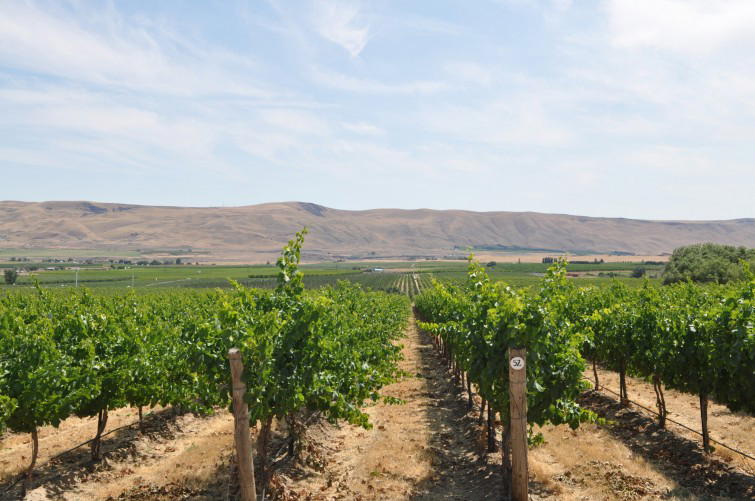
The wine program at a premium steakhouse follows predictable logic: Cabernet Sauvignon from Napa and Washington State anchors the list, with secondary representation from Bordeaux and a supporting cast of whites weighted toward Chardonnay. Washington State wine has earned genuine standing in the Cabernet category, and a steakhouse in Seattle operating at this price point is positioned to represent that local tradition with some depth. The Columbia Valley and Walla Walla AVAs produce Cabernets that pair naturally with the broiler format, and a list that leans into that regional story has an inherent advantage over one that simply replicates a generic national steakhouse selection.
Reputation Context
Comparable venues nearby, for context on price, style, and recognition.
| Venue | Cuisine | Price | Notes |
|---|---|---|---|
| Daniel's Broiler DowntownThis venue — the venue you are viewing | Classic Steakhouse with Prime Steaks and Seafood | $$$$ | Not listed |
| Bateau | Modern whole-animal steakhouse | $$$$ | Capitol Hill |
| El Gaucho | Classic Steakhouse | $$$$ | Belltown |
| wa'z | Modern Japanese Kaiseki | $$$$ | Uptown Triangle |
| Afternoon Tea at Fairmont Olympic | Traditional British Afternoon Tea | $$$$ | Central Business District |
| Tidal+ | Sustainable Pacific Northwest Seafood | $$$ | Belltown |
Continue exploring
More in Seattle
Restaurants in Seattle
Browse all →
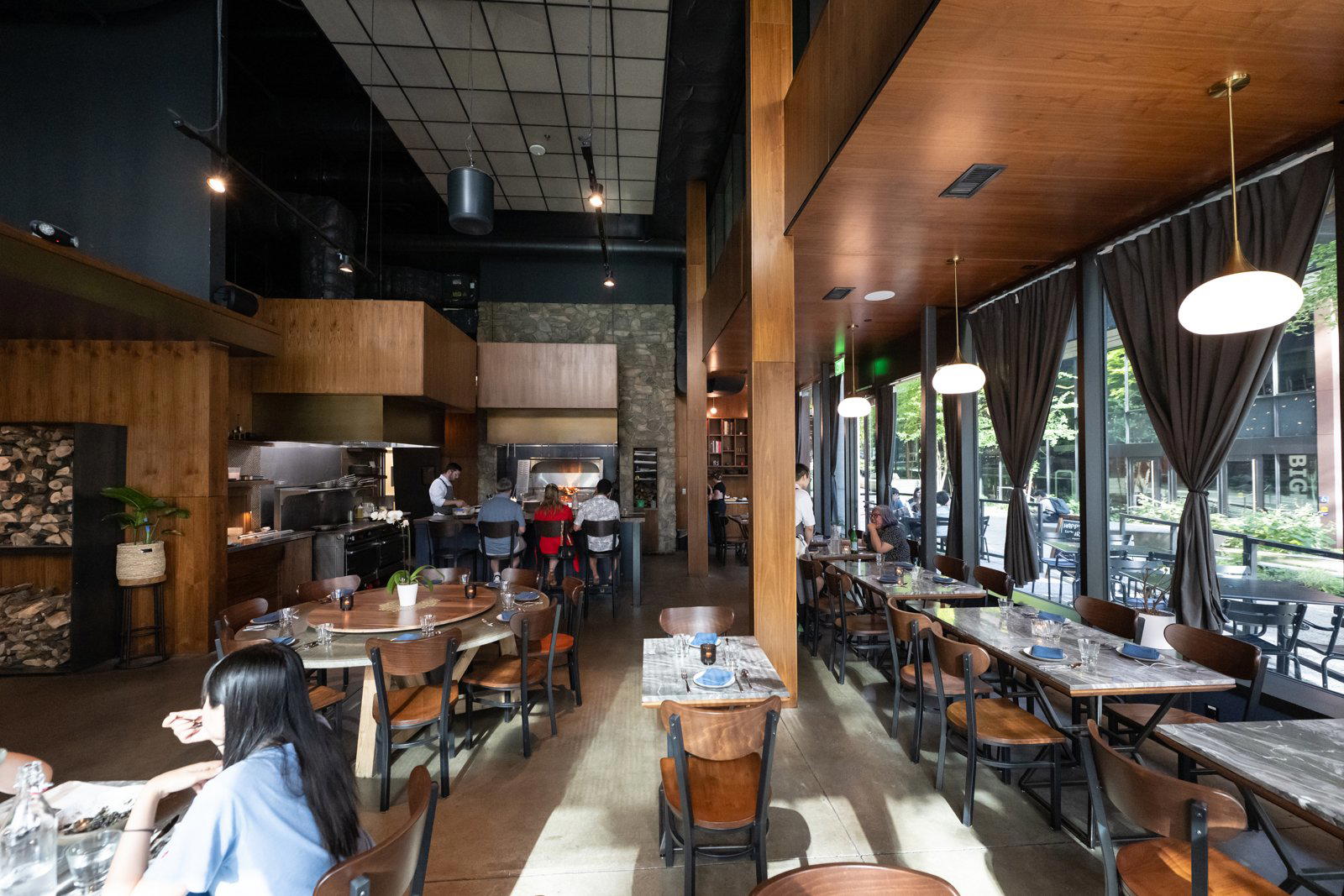
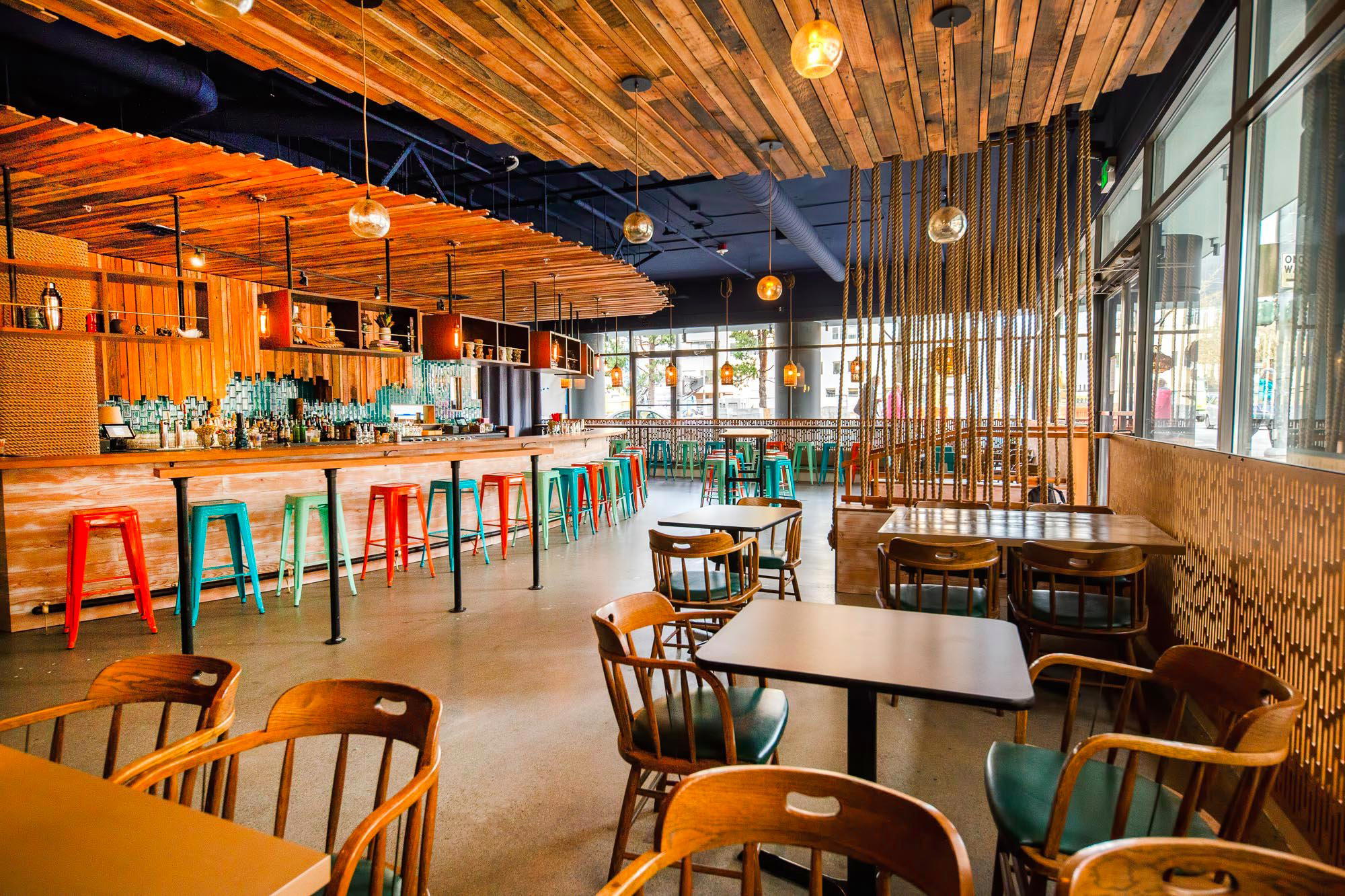
Bars in Seattle
Browse all →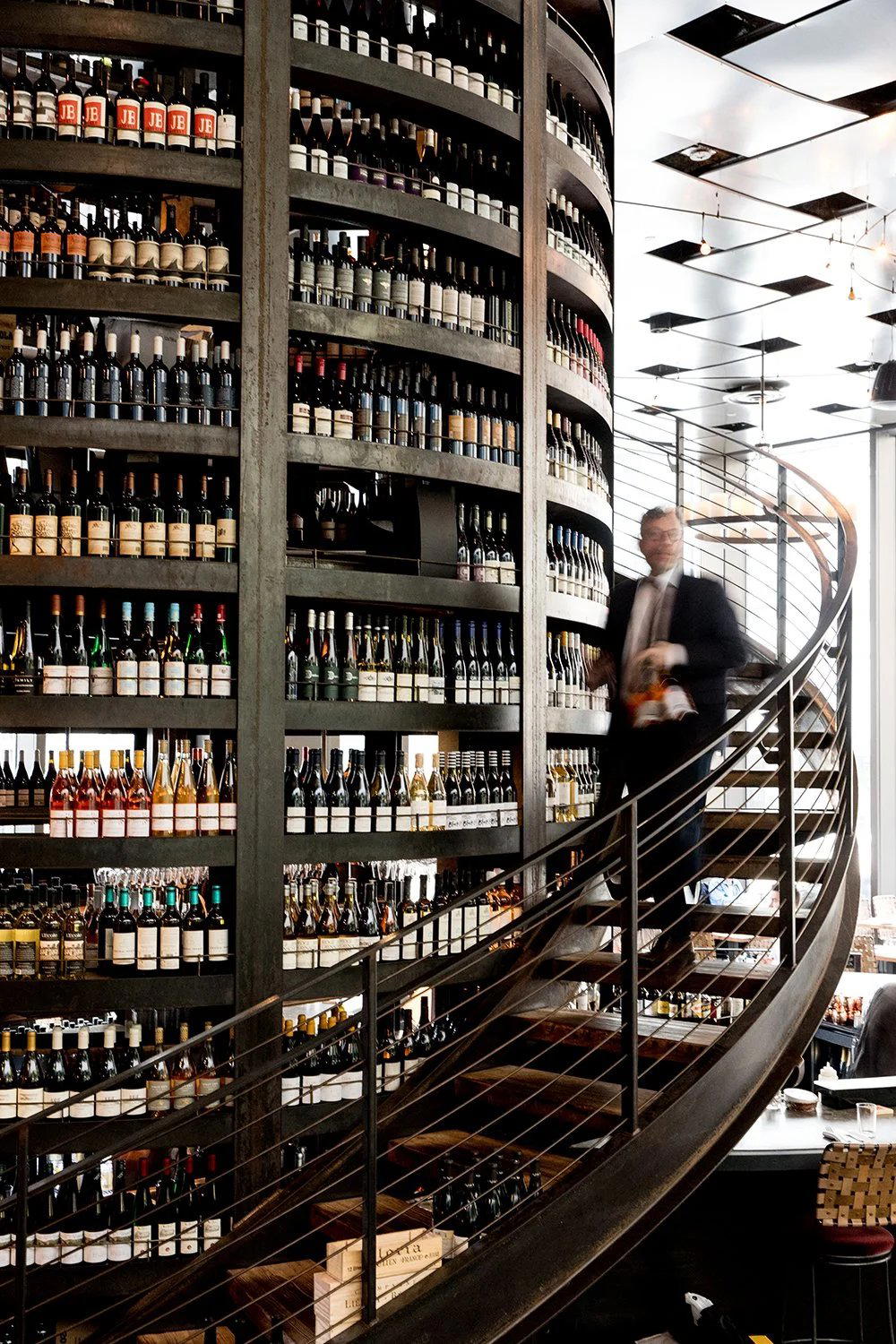
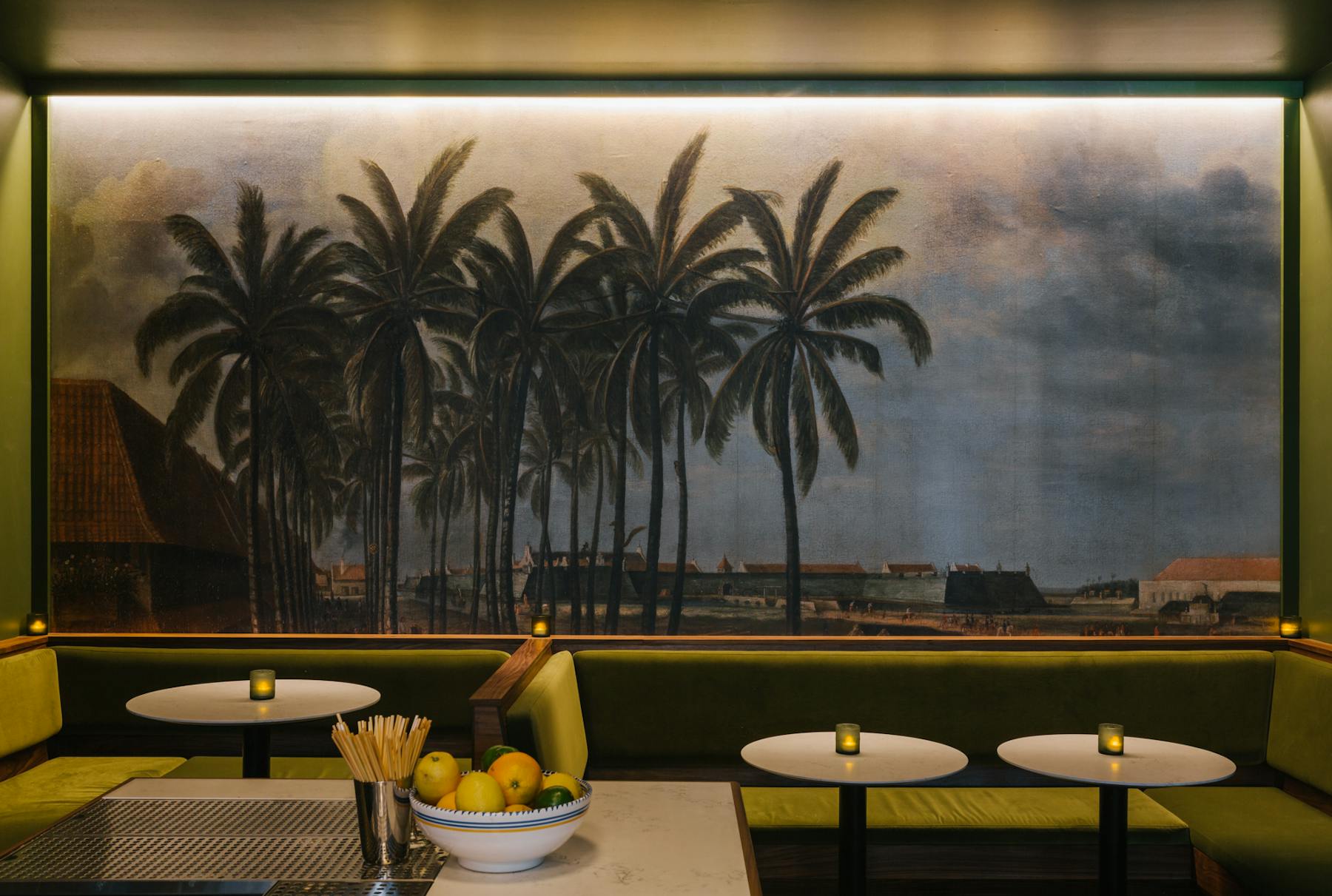
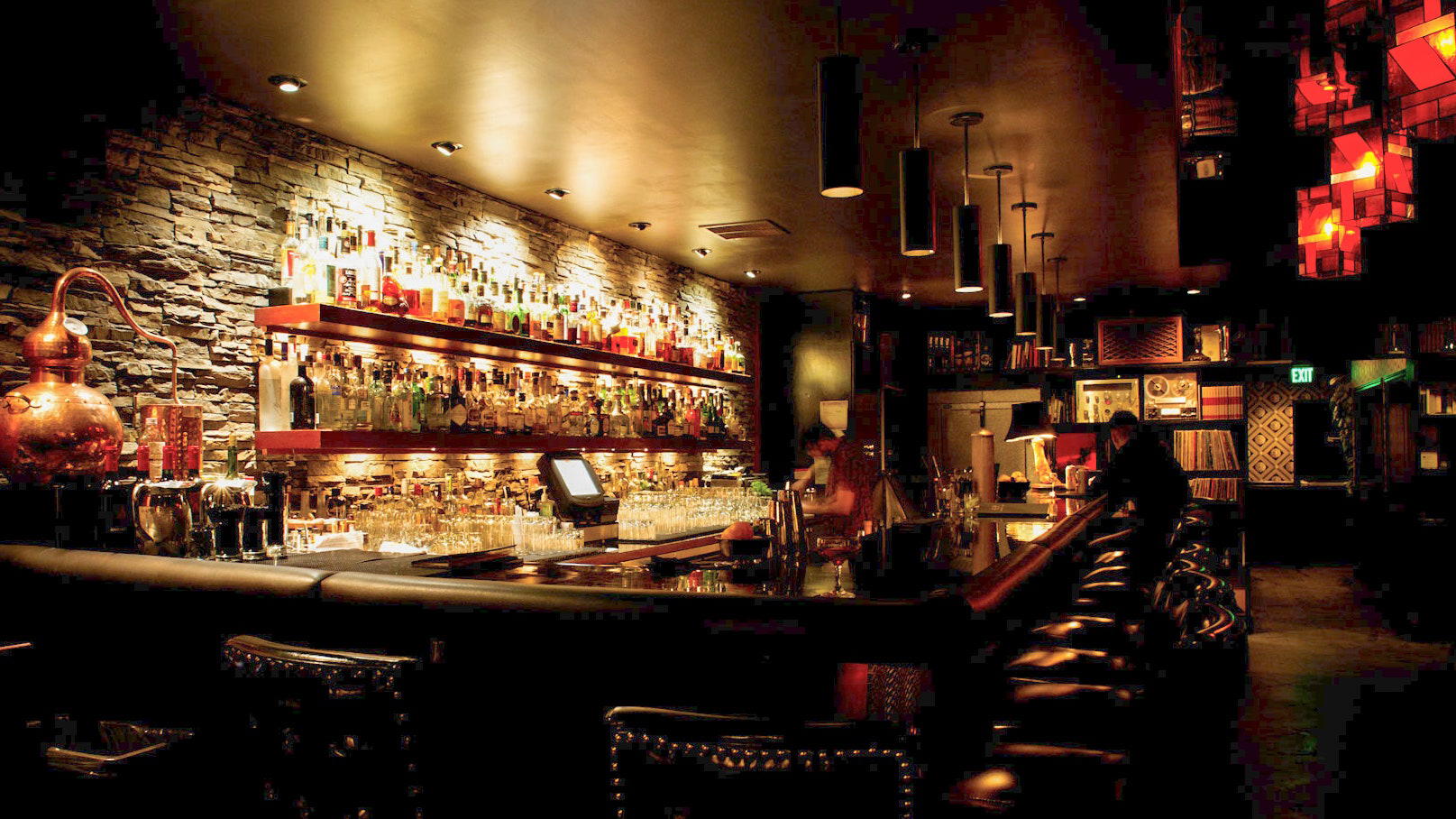
Hotels in Seattle
Browse all →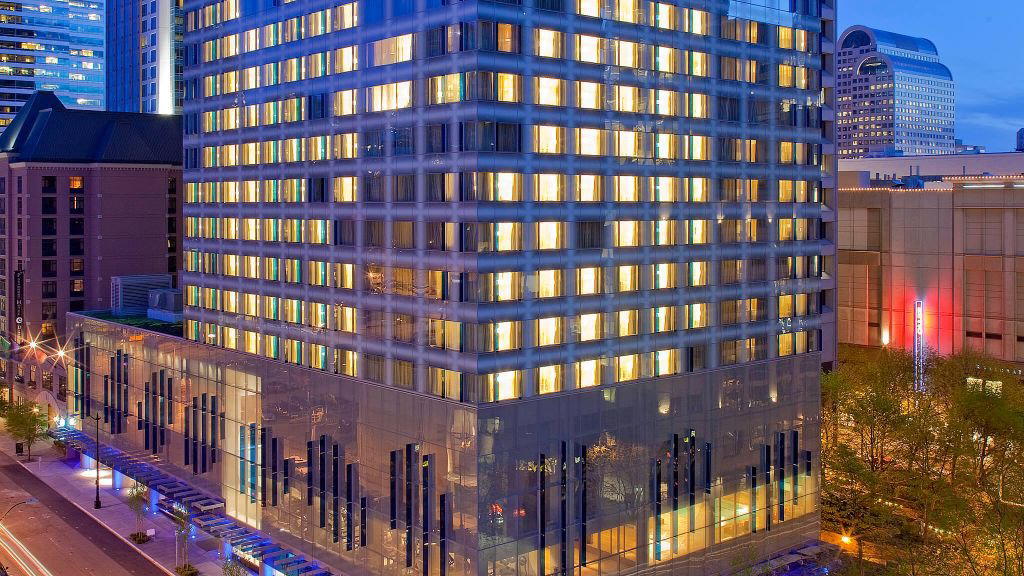
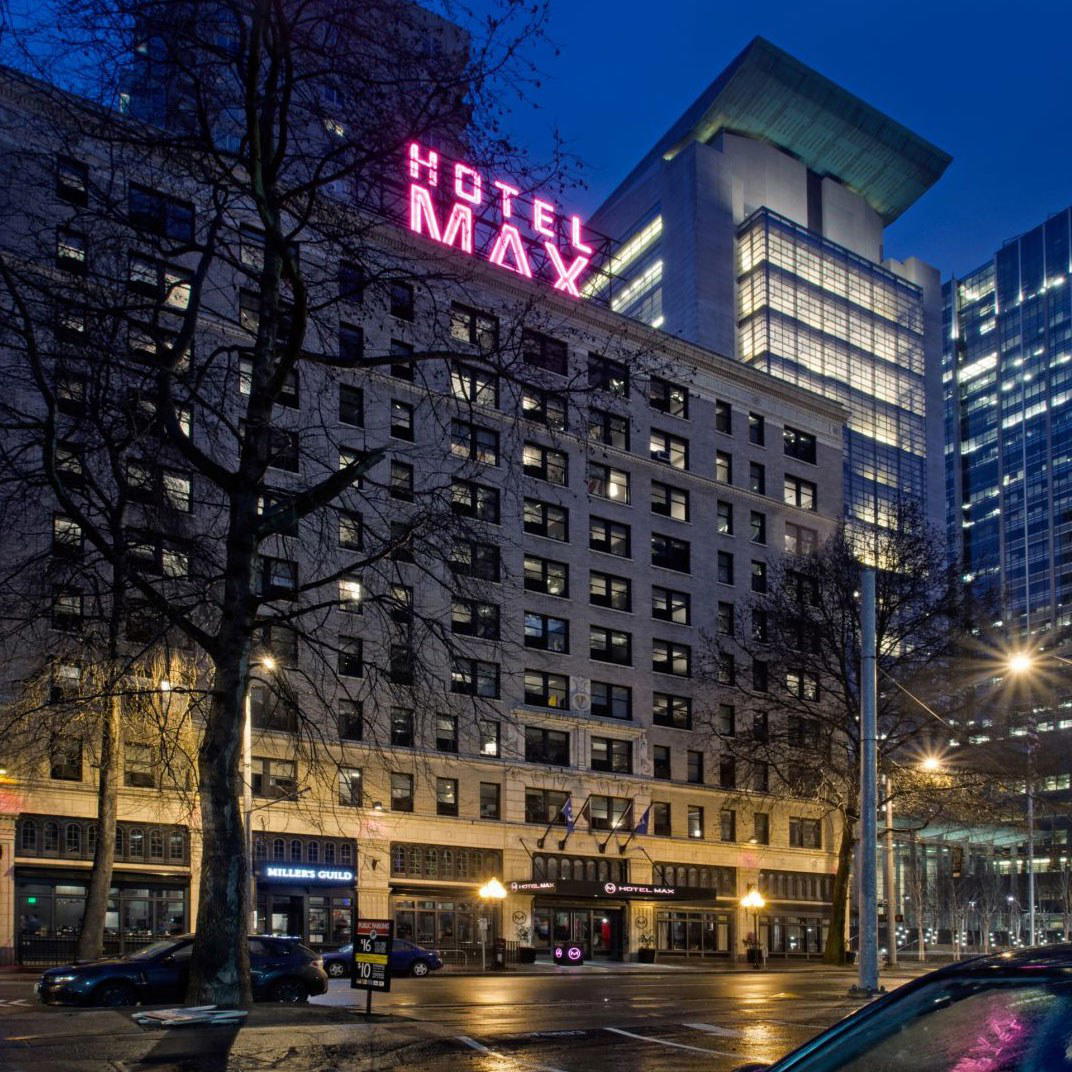
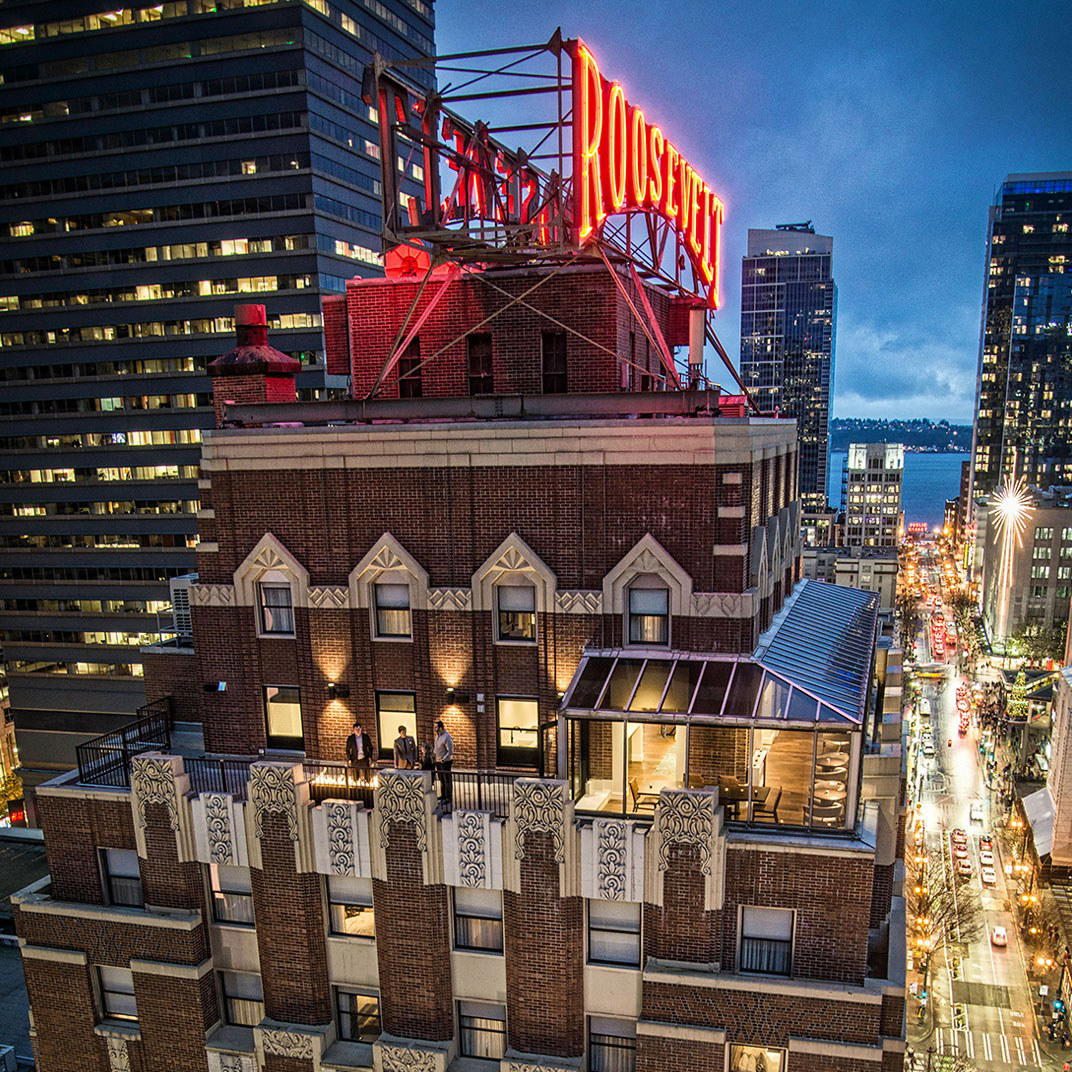
At a Glance
- Elegant
- Sophisticated
- Classic
- Date Night
- Business Dinner
- Special Occasion
- Live Music
- Private Dining
- Hotel Restaurant
- Panoramic View
- Extensive Wine List
- Skyline
Current opening hours
- Monday
- 4–10 PM
- Tuesday
- 4–10 PM
- Wednesday
- 4–10 PM
- Thursday
- 4–10 PM
- Friday
- 4–10 PM
- Saturday
- 4–10 PM
- Sunday
- 4–10 PM
Hours can change for holidays and private events. Last verified .
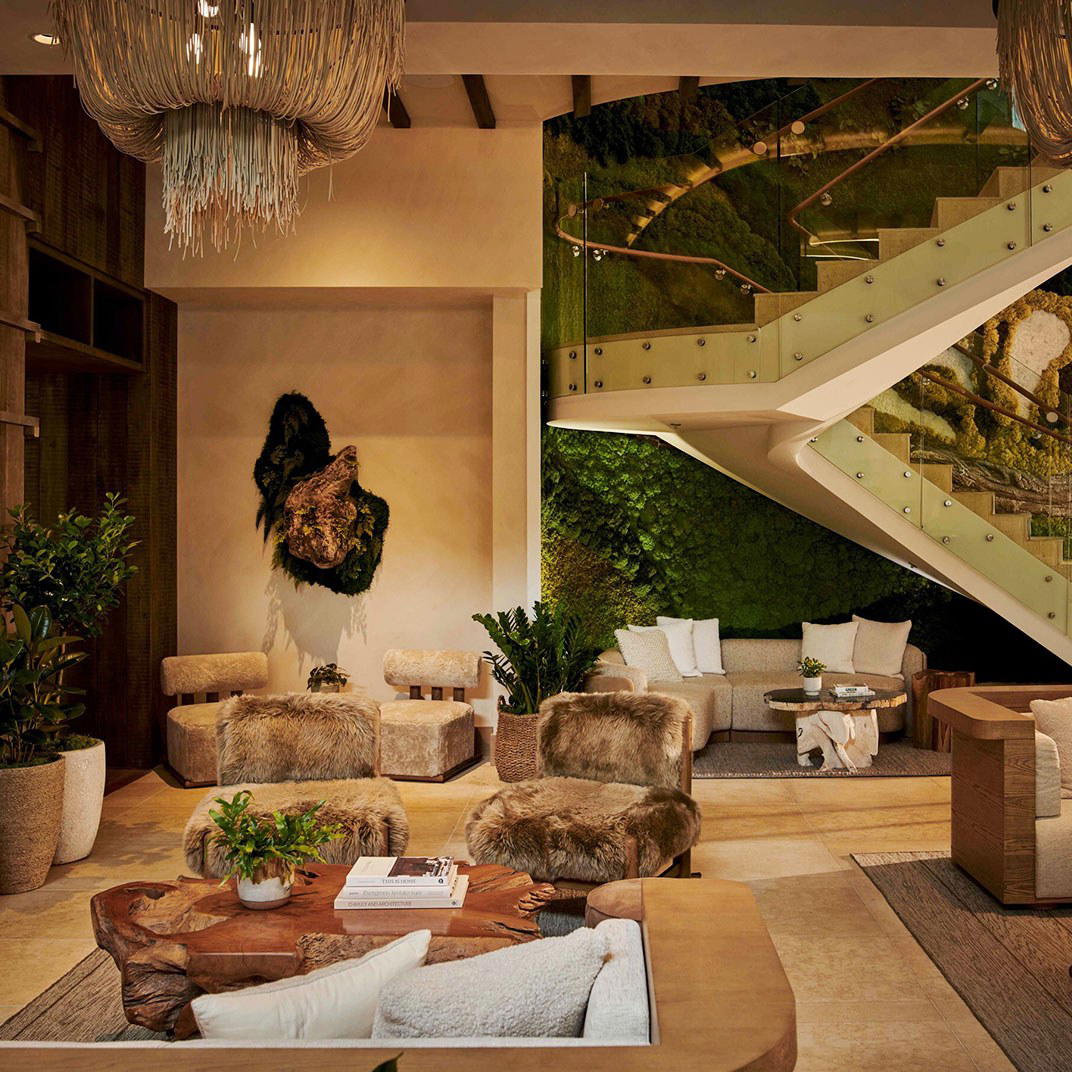
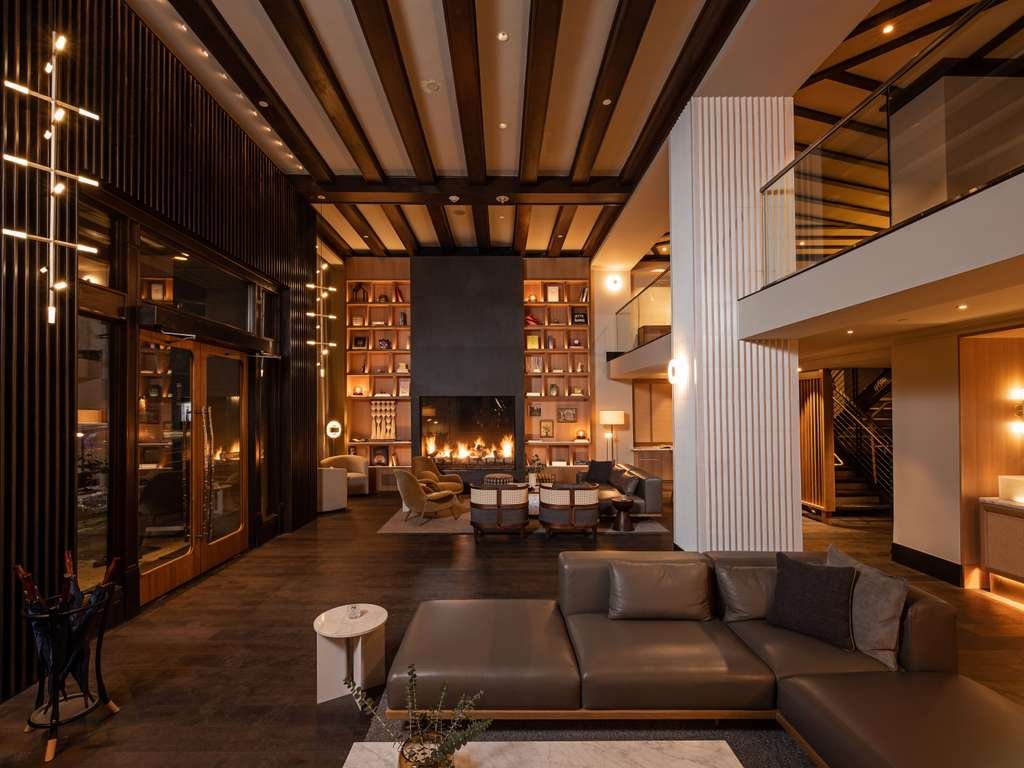
Sleek modern interior clad in whiskey-hued wood with bold art, comfortable lighting, and live piano music creating an elegant yet old-school steakhouse atmosphere.