Our verdict
On a quiet residential street in Dresden's Blasewitz district, Daniel occupies a corner of the city's fine dining scene that sits apart from the tourist centre. The address on Gluckstraße 3 places it among a small cluster of destination restaurants serving the Saxon capital's more considered end of the market. For visitors already exploring the city's modern cuisine circuit, it belongs on the itinerary alongside peers like elements and Genuss-Atelier.

Pearl is the En Primeur Club membership app, where members save venues, book tables and use the concierge.
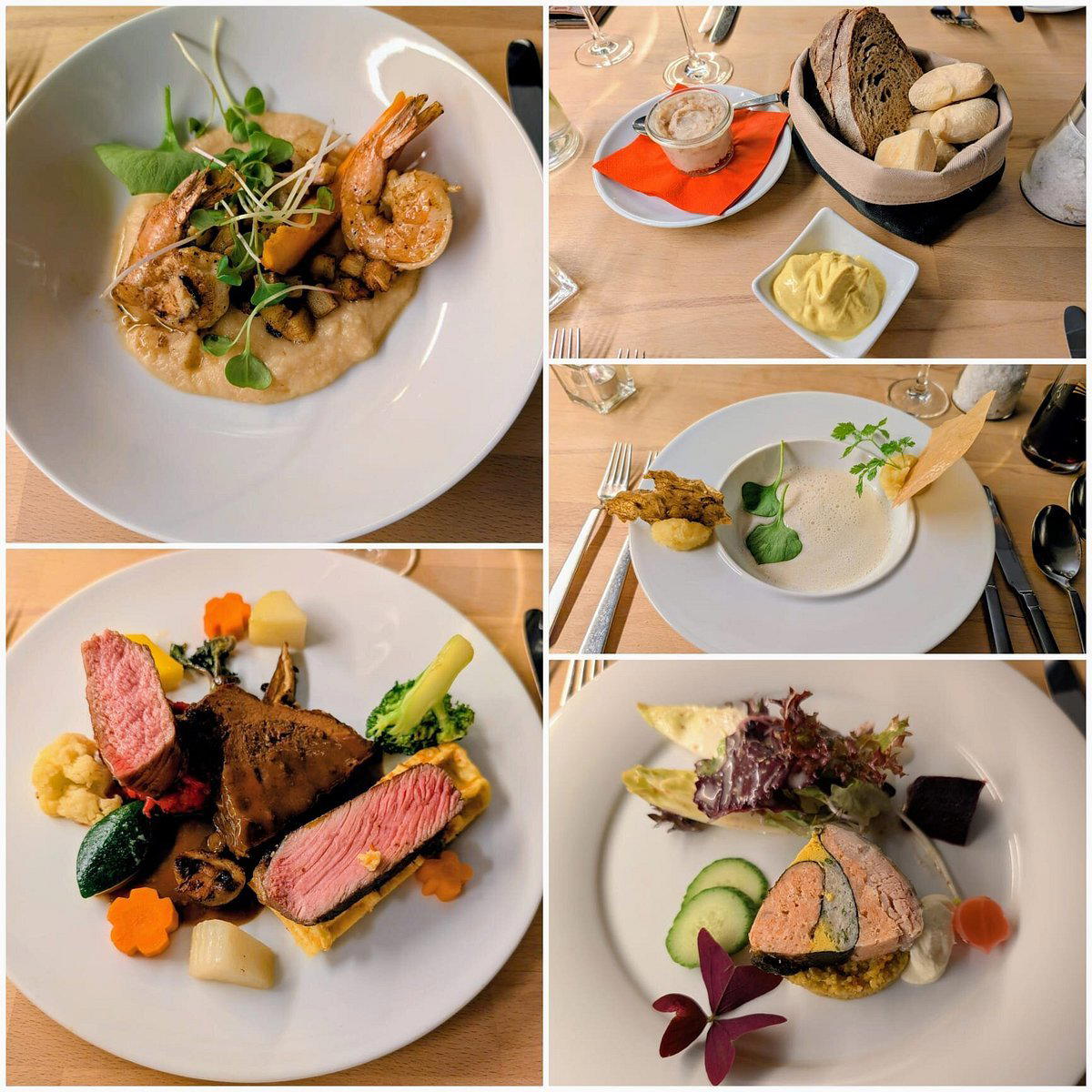
A Blasewitz Address and What It Signals
Dresden's serious restaurant scene does not cluster around the Altstadt postcard views. It spreads east, into the residential streets of Blasewitz and Striesen, where locals rather than tour groups set the pace. Gluckstraße 3, the address for Daniel, sits in that quieter geography. Approaching on foot from the tram stop, the neighbourhood reads as prosperous and unhurried: pre-war apartment blocks, linden trees, the odd independent wine merchant. The physical environment frames expectations before you reach the door. This is not a restaurant performing for foot traffic; it is one that relies on being sought out.
That model, common across Germany's mid-sized cities, distinguishes a certain tier of restaurant from the hotel dining rooms and market-square addresses that catch tourists first. In Dresden, the equivalent dynamic applies. Venues like Bülow Palais (German Fine) occupy the grand hotel bracket; Heiderand and elements operate in the modern cuisine tier at different price points. Daniel's Blasewitz positioning places it in a peer group defined more by neighbourhood loyalty and word-of-mouth pull than by lobby visibility.
Sourcing as the Organising Principle
In a city where Saxony's agricultural hinterland is genuinely close, restaurants that build their identity around regional sourcing are making a plausible, not merely fashionable, argument. The Elbe valley and the rolling farmland south toward the Erzgebirge supply game, brassicas, freshwater fish, and dairy products that distinguish Saxon cooking from the generic central-European register. A restaurant anchored to that geography has access to ingredients that carry genuine provenance rather than proximity as marketing language.
The broader German fine dining movement has moved consistently in this direction. Restaurants like Schwarzwaldstube in Baiersbronn and Waldhotel Sonnora in Dreis have long demonstrated that regional specificity, executed with precision, produces more compelling cooking than either international eclecticism or nostalgic rusticity. The argument is about the traceability of flavour: when you know where a carp was caught, which valley a mushroom came from, or how far the dairy is from the kitchen, the dish carries information that changes how you read it. That is the sourcing case at its most coherent, and it applies as much to a Blasewitz address as to a Black Forest destination.
Compared to Genuss-Atelier and Heiderand, which both operate within Dresden's modern cuisine circuit, the sourcing frame tends to produce menus that change with agricultural rhythms rather than seasonal marketing cycles. Wild garlic in April, white asparagus through June, game from October: these are not decorative calendar references but structural menu conditions. A kitchen organised around them will cook differently in March than in September, and the repeat visitor will notice.
Dresden's Modern Cuisine Tier: Where Daniel Sits
Dresden's restaurant scene has expanded and stratified since reunification in ways that still surprise visitors expecting either post-Soviet austerity or tourist-grade Central European cooking. The city now supports a genuine fine dining tier, anchored by a local professional class and a growing number of visitors who arrive specifically for architecture, culture, and, increasingly, food. Within that tier, price and format signal peer group. elements operates at the €€€€ level; Heiderand and [m]eatery occupy the €€€ bracket. Daniel's address and neighbourhood positioning suggest a restaurant calibrated for the same considered-dining audience rather than for casual traffic.
The comparison with Germany's decorated restaurants elsewhere is useful for framing ambition rather than direct equivalence. Aqua in Wolfsburg, JAN in Munich, and Vendôme in Bergisch Gladbach represent what the top end of German fine dining looks like with sustained critical recognition. ES:SENZ in Grassau, Schanz in Piesport, and Victor's Fine Dining by christian bau in Perl show how that ambition operates in mid-sized and smaller German cities. Dresden's tier is building toward that kind of recognition, and a Blasewitz restaurant with serious sourcing intent is part of that trajectory.
For context outside Germany: the sourcing-led fine dining model has international parallels. Lazy Bear in San Francisco built its identity around a communal format and hyper-local supply chains; Le Bernardin in New York City demonstrates what happens when sourcing discipline is applied to a single ingredient category over decades. The underlying logic, that traceability and quality of raw material determine the ceiling of what a kitchen can achieve, is consistent across formats and geographies.
Planning a Visit: What to Know
Gluckstraße 3 is accessible by tram from Dresden's centre, with the journey taking around fifteen minutes from the Altmarkt area. The Blasewitz neighbourhood has limited parking on residential streets but is direct to reach by public transport. As with most destination restaurants in this tier across German cities, booking ahead is advisable; the model that relies on neighbourhood word-of-mouth rather than walk-in traffic tends to fill from regulars and advance reservations rather than spontaneous demand. Visitors combining Daniel with other Dresden dining should consider that elements and Genuss-Atelier occupy different price points and formats, allowing a multi-night Dresden itinerary to cover genuine range within the modern cuisine category. For a broader orientation to the city's dining scene, our full Dresden restaurants guide maps the full tier structure.
For visitors already tracking Germany's most decorated dining rooms, adding CODA Dessert Dining in Berlin and Restaurant Haerlin in Hamburg to a broader itinerary provides useful comparison points for how different German cities approach the top end of the market.
Frequently asked questions
Is Daniel good for families?
Daniel sits in Blasewitz, a residential neighbourhood in eastern Dresden that draws a local, mixed-age crowd rather than a purely destination-dining set. Whether it suits families depends on the occasion and the children involved, the address and neighbourhood character suggest a relaxed local setting rather than a formal tasting-menu environment. Contacting the restaurant directly via their Gluckstraße 3 address is the most reliable way to confirm current policy on children and group configurations.
What's the vibe at Daniel?
Blasewitz sets the tone: this is a residential quarter of tree-lined streets and solid pre-war architecture, and the restaurants here tend to reflect the neighbourhood rather than perform for tourists. Daniel at Gluckstraße 3 operates within that register, a serious local address rather than a showy destination. Expect a room that prioritises the food and the company over theatrical staging.
Does Daniel in Dresden focus on Saxon regional ingredients?
Dresden's position close to Saxony's productive agricultural belt makes regional sourcing a credible and practical identity for restaurants in the city, and Daniel, based in the residential Blasewitz quarter at Gluckstraße 3, builds its menu around that supply chain. This approach places it within Dresden's modern cuisine tier, which has developed considerably since reunification into a scene that takes local provenance seriously rather than treating it as a marketing footnote.
What should I order at Daniel?
The kitchen's organising principle is regional sourcing from Saxony's agricultural hinterland, which means the menu shifts with what the season and local producers make available. Dishes built around that supply chain tend to be the most coherent expression of what the restaurant is doing, following the kitchen's lead rather than seeking a fixed signature item is the logical approach here. Checking current offerings directly with the restaurant before visiting will give the clearest picture.
Where is Daniel in Dresden?
Daniel is located at Gluckstraße 3, 01309 Dresden, Germany, Dresden.
What's the best way to book Daniel?
Daniel is located at Gluckstraße 3, 01309 Dresden, in the Blasewitz quarter. Phone and online booking details are not currently listed in public directories, so the most direct route is to visit or contact the restaurant in person, or check for updated booking information closer to your travel dates. Arriving during service to enquire about availability is a practical fallback given the neighbourhood's walkable character.
Comparable Venues
Comparable venues nearby, for context on price, style, and recognition.
| Venue | Cuisine | Price | Awards | Notes |
|---|---|---|---|---|
| DanielThis venue (the venue you are viewing) | German-Mediterranean Fine Dining | $50–100 | Not listed | Not listed |
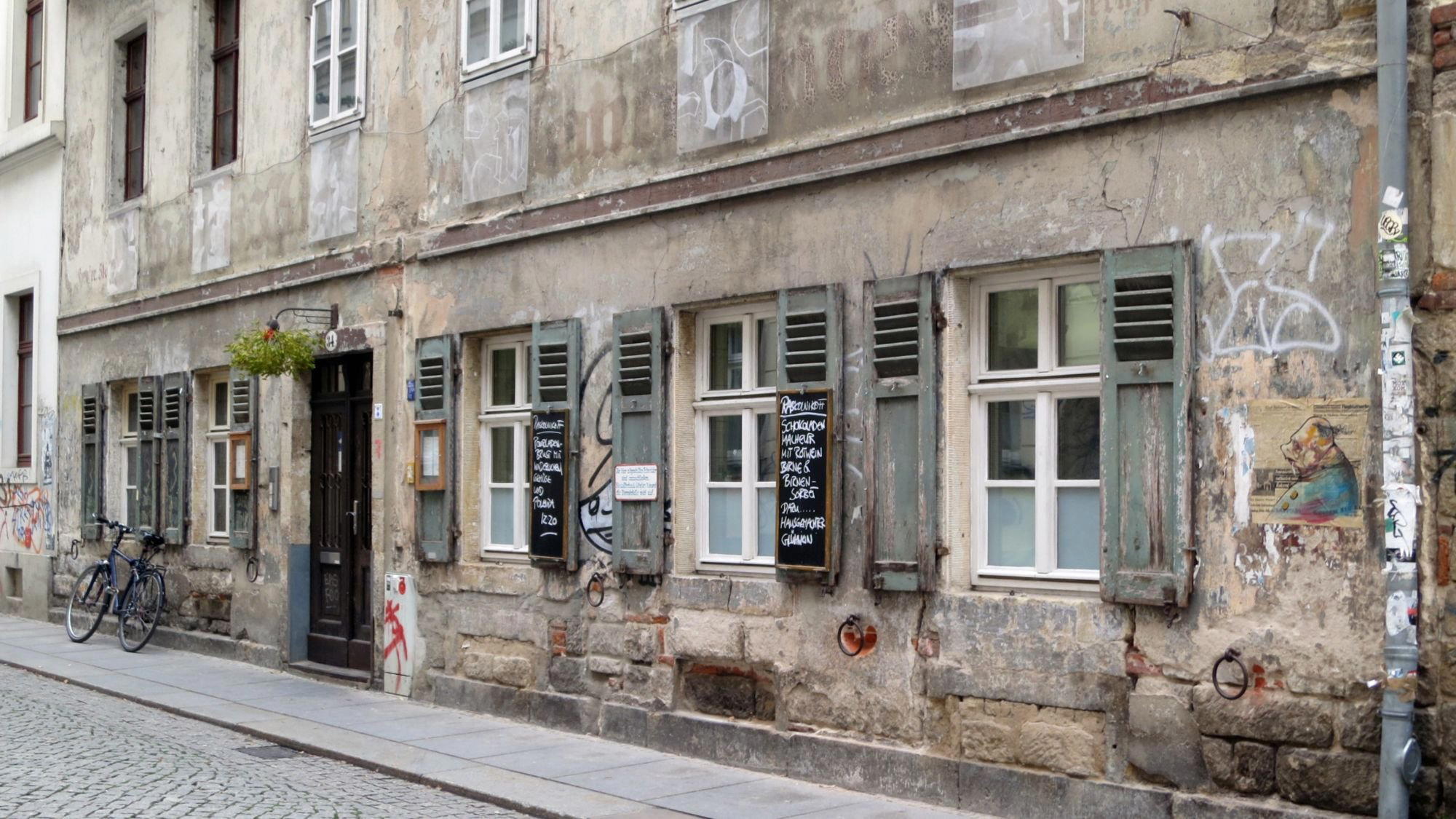
| Raskolnikoff | Regional Saxon-Russian Fusion | $20–30 | Not listed | Neustadt |
| [m]eatery | Dry-Aged Steakhouse | $50–100 | Not listed | Innere Altstadt |
| Stresa | Modern German Bistro with Fusion Elements | $50–100 | Michelin Plate | Striesen |
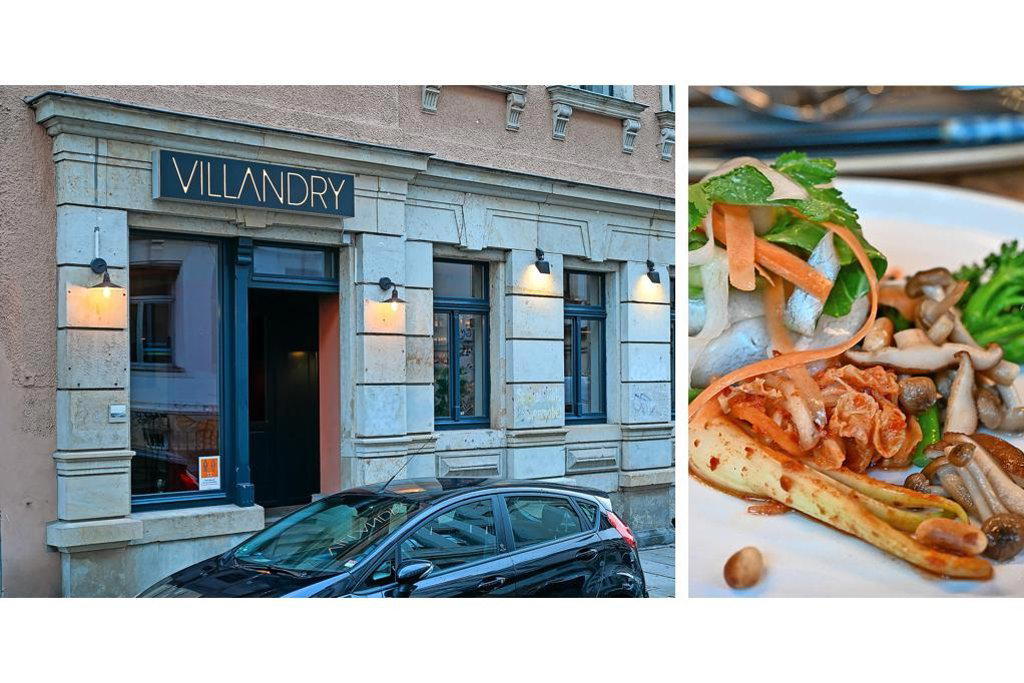
| Villandry Restaurant | Modern German Bistro | $50–100 | Not listed | Neustadt |
| Restaurant finesse | Modern Mediterranean Fine Dining | $50–100 | Michelin Plate | Dresden Old Town |


Continue exploring
More in Dresden
Restaurants in Dresden
All restaurants in Dresden →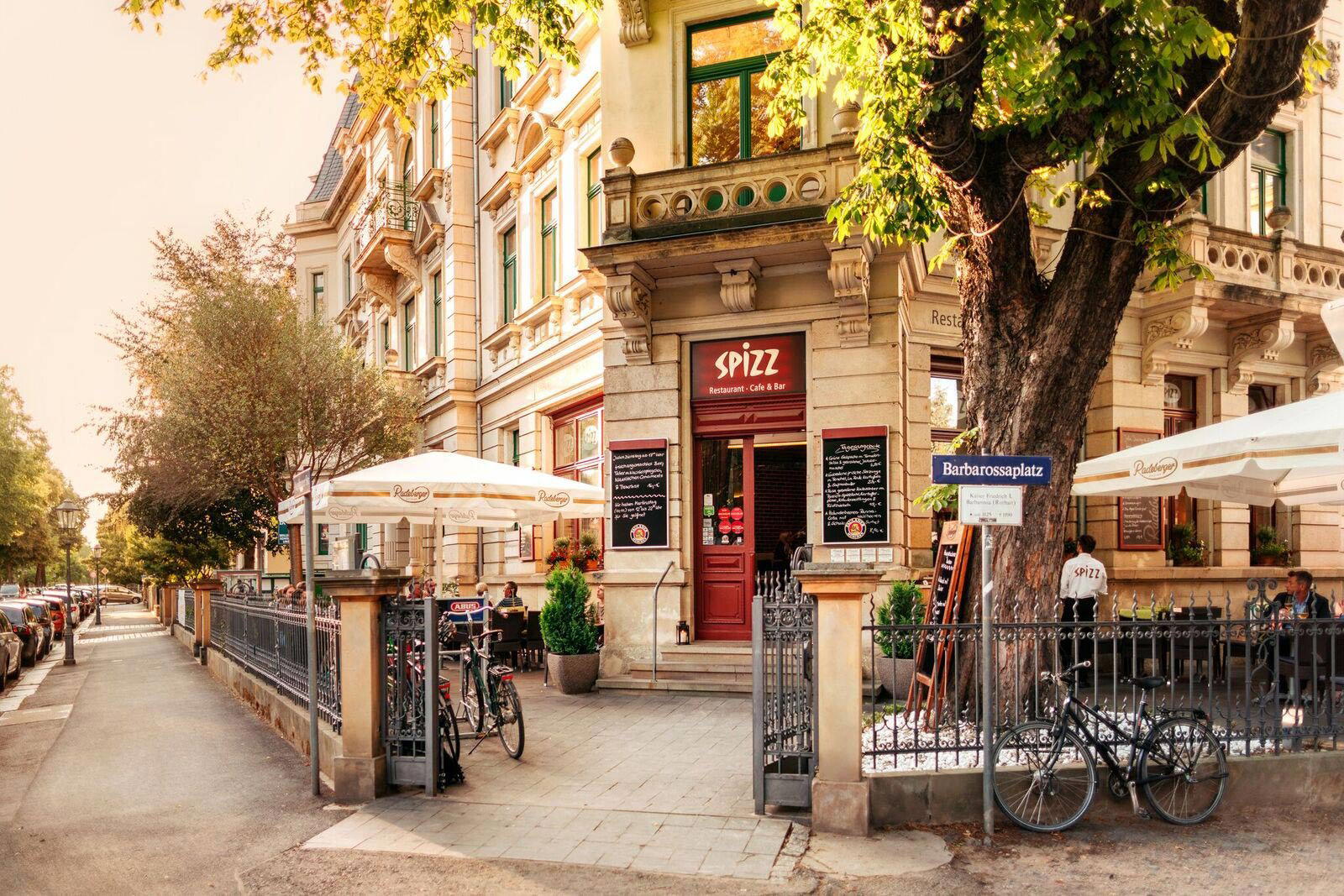
Bars in Dresden
All bars in Dresden →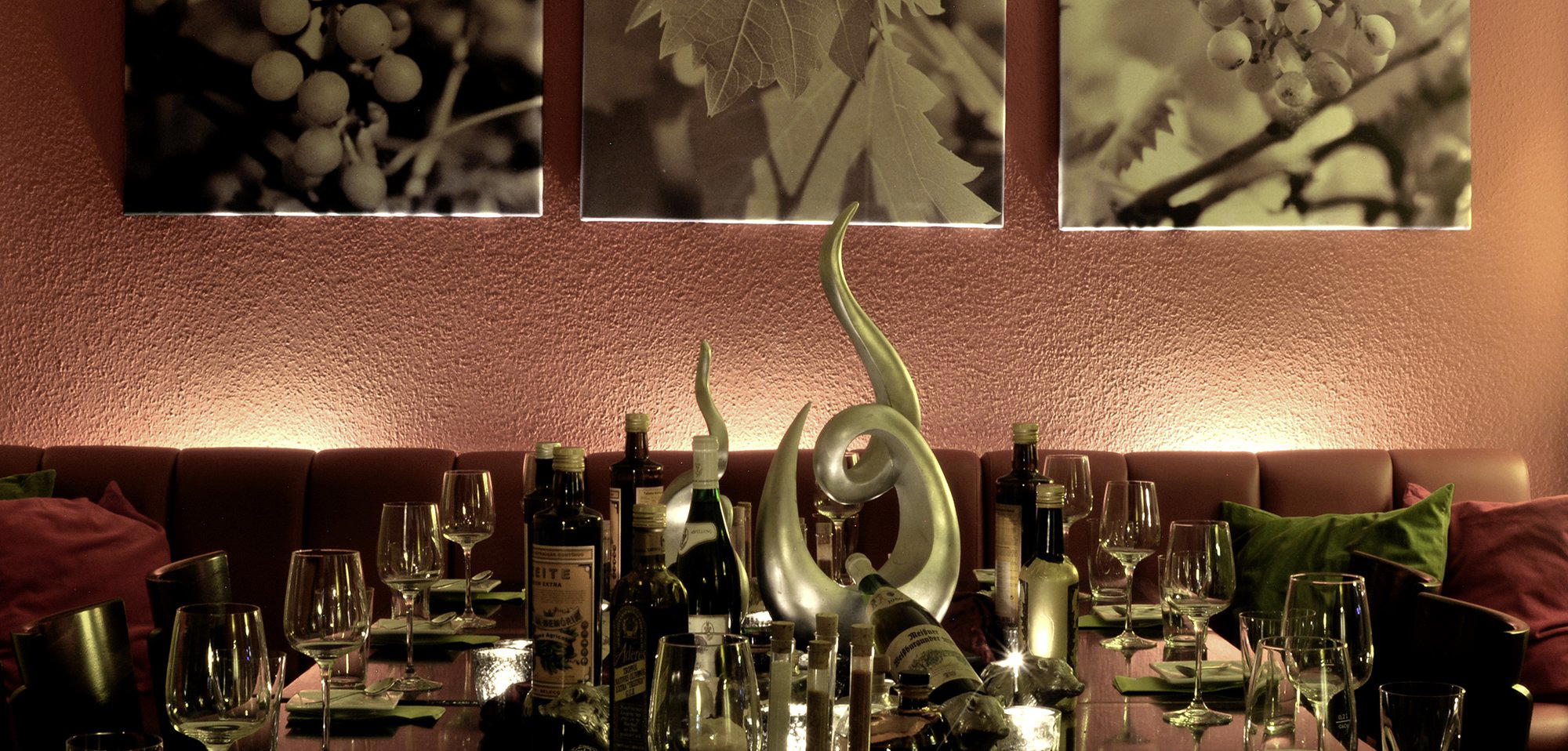
Hotels in Dresden
All hotels in Dresden →

Details
- Cozy
- Elegant
- Intimate
- Sophisticated
- Date Night
- Special Occasion
- Garden
- Terrace
- Extensive Wine List
- Local Sourcing
- Garden
- Tasting Menu
- A La Carte
- Vegetarian Friendly
- Vegan Options
Current opening hours
- Monday
- Closed
- Tuesday
- 5–10 PM
- Wednesday
- 5–10 PM
- Thursday
- 5–10 PM
- Friday
- 5–10 PM
- Saturday
- 5–10 PM
- Sunday
- Closed
Hours can change for holidays and private events. Hours as of .
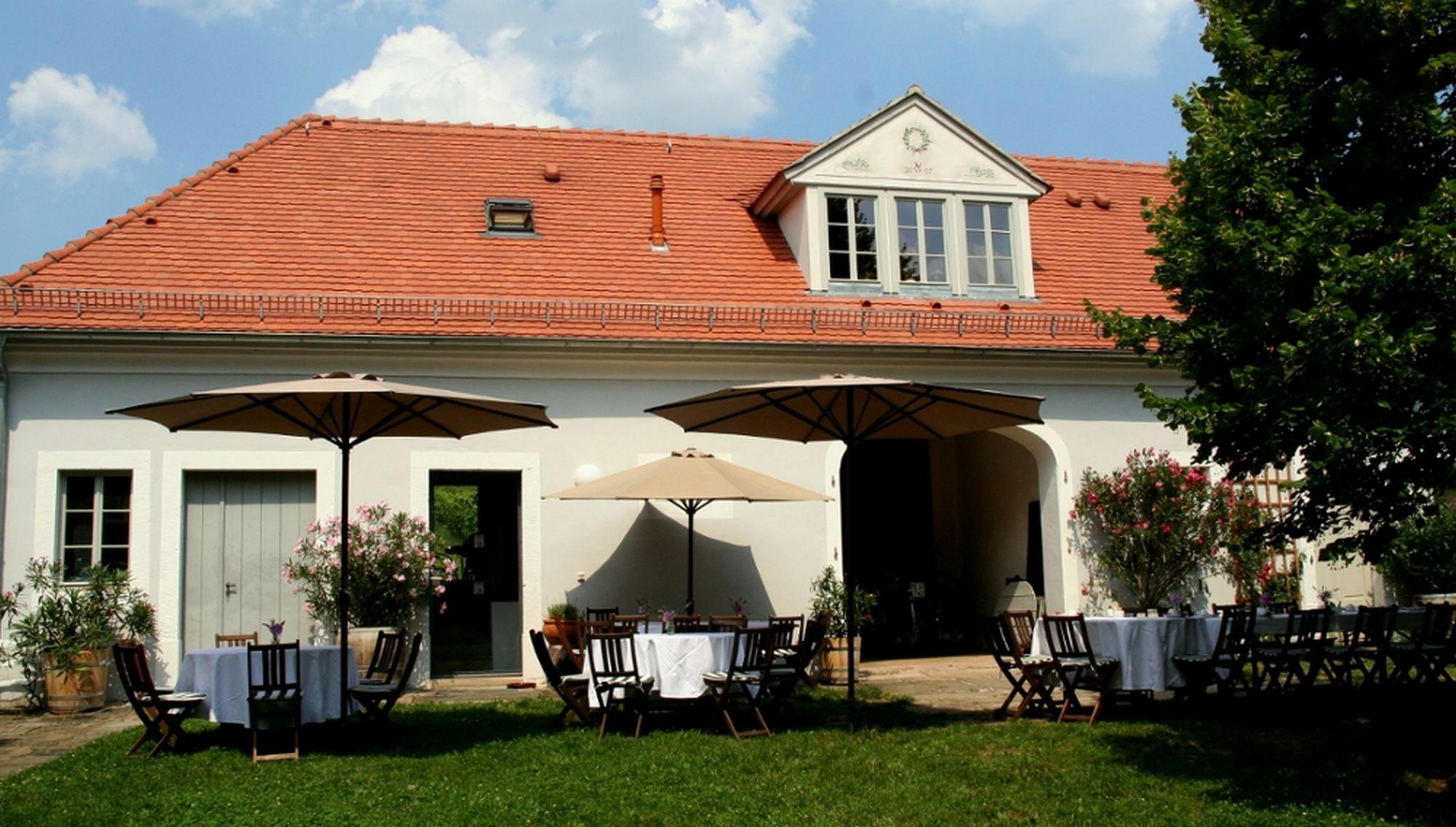
Cozy cellar fit-out with charming garden terrace, polished and inviting atmosphere praised for warmth and attentiveness.