Dancing Goats
Our verdict
On the northern edge of Old Fourth Ward, Dancing Goats occupies a stretch of North Avenue where Atlanta's coffee culture meets its appetite for deliberate, neighborhood-rooted hospitality. The address at 650 North Avenue NE places it inside one of the city's most active dining corridors, where independent operators have steadily displaced the generic. For visitors tracking Atlanta's serious café and dining scene, it warrants a stop alongside the heavier hitters further up the food chain.

Pearl is the En Primeur Club membership app — saves, bookings, and concierge access live there. Same editors, same standards.
- Address
- 650 North Avenue NE, Atlanta, GA 30308
- Phone
- (404) 874-0370
- Hours
- Mon–Fri 6:30 AM–7 PMSat–Sun 7 AM–7 PM
- Website
- dancinggoats.com
- Directions
- Get directions
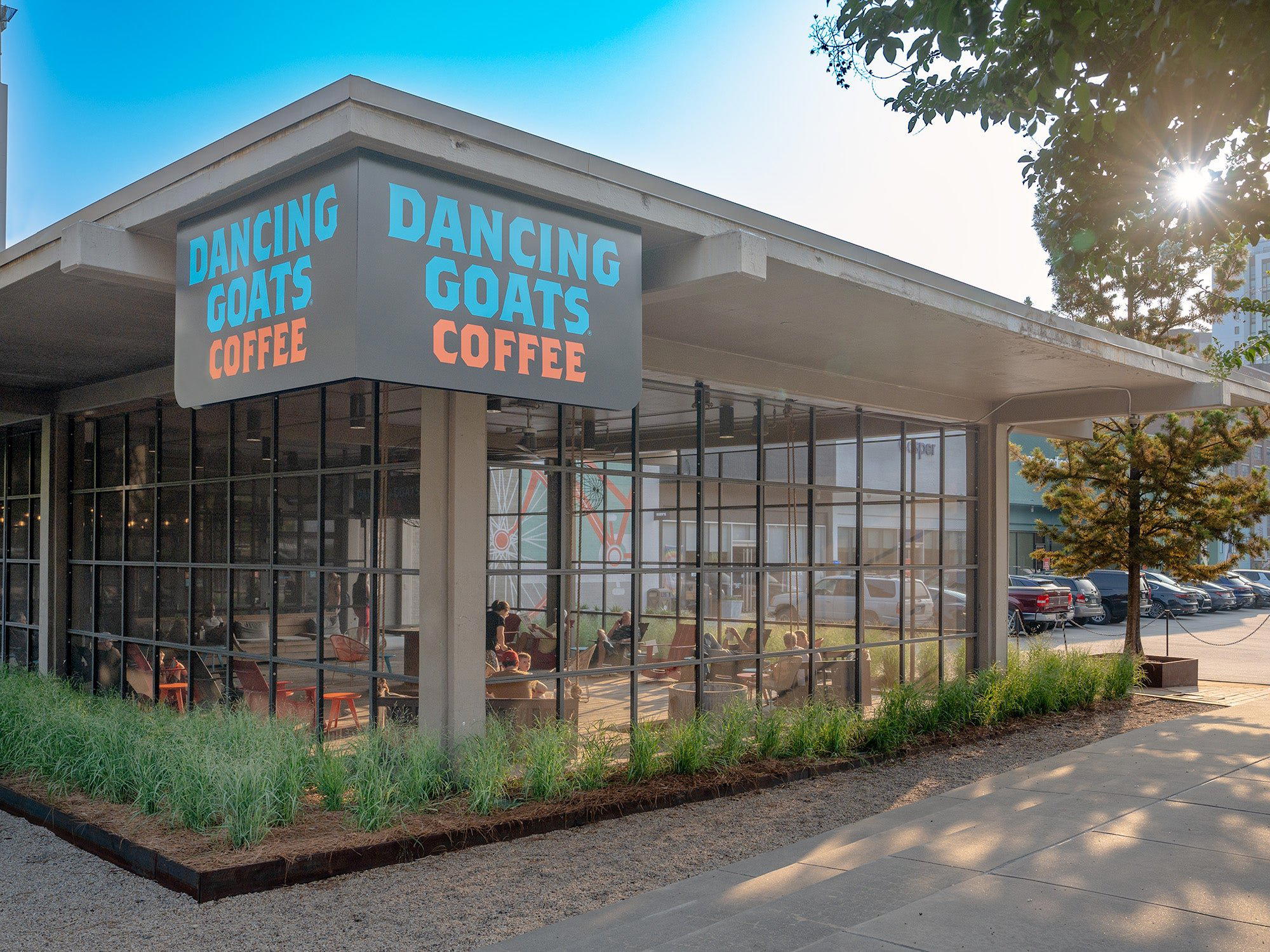
What matters functionally is how the space negotiates between a working café and a destination worth a deliberate visit. That tension defines a category of American coffee-forward hospitality that sits somewhere between the purely utilitarian and the performatively precious. That last element, front-of-house discipline in what could easily be treated as an informal setting, is where the editorial angle of team dynamic becomes legible. A café that holds quality across a full day of service is doing something organizationally that a restaurant delivering a three-hour dinner does more visibly but not necessarily more reliably. That positioning is not a criticism. American cities with functioning food cultures need operators who hold quality at the neighborhood level as much as they need destination restaurants. The comparison set for Dancing Goats is not Le Bernardin in New York City or The French Laundry in Napa or Blue Hill at Stone Barns in Tarrytown. It is the category of place that a well-traveled visitor uses to take the temperature of a city's day-to-day food culture, the kind of stop that tells you something about how a neighborhood actually lives rather than how it performs for visiting critics.
In that frame, Old Fourth Ward's version of this category reads well. Dancing Goats contributes to that coherence.
The Team Dynamic as Operational Philosophy
In venues at this tier, specialty café with serious sourcing credentials and a neighborhood anchor role, the quality signal that matters most is rarely the product alone. It is the alignment between the people making the coffee, the people serving it, and the people who designed how the space should feel and function. That alignment, when it holds, produces the consistency that turns a good café into a reliable one, and reliability is what converts a first visit into a regular habit.
The Batdorf and Bronson roasting background provides a sourcing framework, but sourcing without execution is incomplete. What operators in this category get right when they get it right is the handoff: from roaster to barista, from barista to guest, from the back of house to the front. That chain of custody over quality is not glamorous to describe, but it is exactly what separates the café that holds its standard on a Tuesday morning from the one that only delivers on a Saturday when everyone is paying attention.enprimeurclub.enprimeurclub.enprimeurclub.com/restaurants/smyth">Smyth in Chicago
What is Dancing Goats leading at?
The venue's clearest strength is its position as a neighborhood-anchored, sourcing-conscious café operating within Old Fourth Ward's increasingly serious food corridor. Its value is consistency and neighborhood reliability rather than destination-level spectacle.enprimeurclub.enprimeurclub.
Frequently asked questions
Where do I go for Dancing Goats?
Dancing Goats is located at 650 North Avenue NE, Atlanta, GA 30308, Atlanta.
Is Dancing Goats connected to Batdorf and Bronson Coffee Roasters?
Yes. Dancing Goats operates under the Batdorf and Bronson brand, functioning as the roaster's Atlanta café presence at 650 North Avenue NE in Old Fourth Ward. That direct roaster-to-café relationship means the sourcing chain is unusually short compared to independent cafés purchasing from third-party roasters. For coffee-focused visitors in Atlanta, that connection is the primary credential worth knowing before you arrive.
What should I eat at Dancing Goats?
Dancing Goats is built around its coffee program, drawing on Batdorf and Bronson roasting credentials, so espresso-based drinks are the logical starting point. The café format at 650 North Avenue NE positions beverages as the primary draw rather than a full food menu. If you're visiting for the first time, anchor the visit to the coffee rather than treating it as a meal destination.
What's the best way to book Dancing Goats?
Dancing Goats operates as a walk-in café, so there's no reservation process to manage. That puts it in a different planning category from Atlanta's table-service restaurants entirely. Arriving during off-peak hours will generally give you more room and counter time, particularly given the café's anchor role in the increasingly active Old Fourth Ward corridor.
What's Dancing Goats best at?
The clearest case for Dancing Goats is its position as a sourcing-conscious, neighborhood-rooted café in Old Fourth Ward, one of Atlanta's more competitive independent food and beverage corridors. The Batdorf and Bronson sourcing relationship gives the coffee program a verifiable supply-chain credential that separates it from generic café operations. For a neighborhood café, that's a meaningful distinction in a city where the upper dining tier draws serious national attention.
A Minimal comparable set
Comparable venues nearby, for context on price, style, and recognition.
| Venue | Cuisine | Price | Notes |
|---|---|---|---|
| Dancing GoatsThis venue — the venue you are viewing | Specialty Coffee Bar | $10–20 | Not listed |
| The Varsity | Classic American Drive-In | $10–20 | Downtown, Classic American Drive-In |
| Broad Street BBQ | Texas-influenced American barbecue with craft cocktails | Not listed | South Downtown, Texas-influenced American barbecue with craft cocktails |
| The James Room | American Small Plates & Cocktails | $30–50 | Old Fourth Ward, American Small Plates & Cocktails |
| Local Motives | Contemporary American Farm-to-Table | $30–50 | Downtown, Contemporary American Farm-to-Table |
| Daddy D'z BBQ Joynt | Southern Barbecue | Not listed | Grant Park, Southern Barbecue |