On Robson Street in Vancouver's West End, Damso Modern Korean Restaurant occupies a stretch of the city where Korean dining has quietly deepened in ambition over the past decade. The kitchen works within a modern Korean framework, drawing on the produce and proteins that define the Pacific Northwest while maintaining the structural logic of Korean technique. For the West End's dining circuit, it represents a considered middle ground between casual Korean staples and the more formal tasting formats found elsewhere in the city.
Pearl is the En Primeur Club membership app — saves, bookings, and concierge access live there. Same editors, same standards.
- Address
- 1680 Robson St, Vancouver, BC V6G 1C7, Canada
- Phone
- +1 604 558 1966
- Website
- damso-restaurant.ca
- Directions
- Get directions
 Saves & bookings on Pearl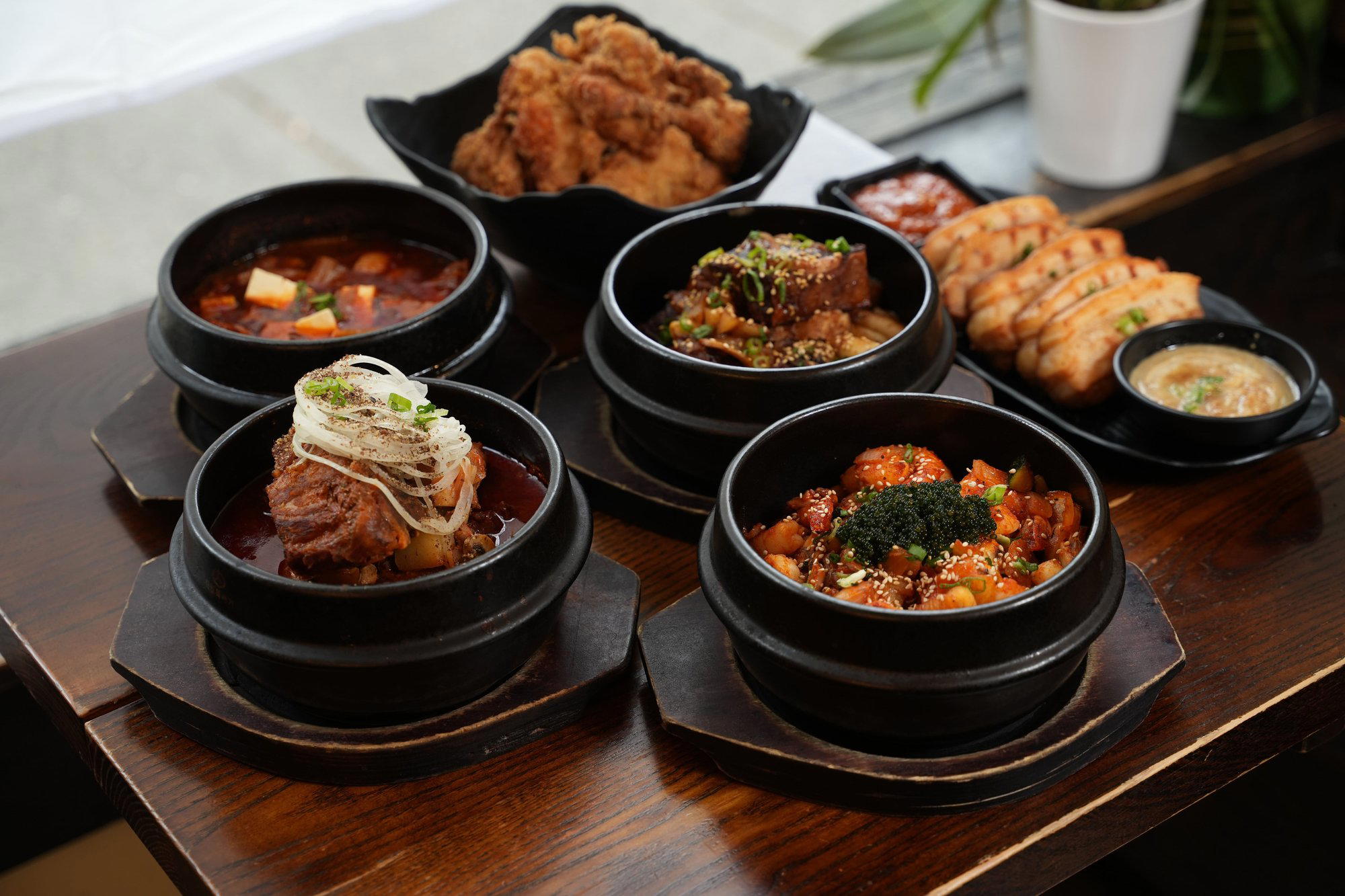
Where Robson Street's Korean Dining Ambitions Land
Robson Street has long functioned as Vancouver's most pedestrian-dense dining corridor, a block-by-block register of the city's shifting appetites. In the West End specifically, the street has absorbed successive waves of Korean dining: from early banchan-heavy canteens serving the local Korean community, to the generation of restaurants that began reframing Korean food for a broader Vancouver audience. Damso Modern Korean Restaurant sits at 1680 Robson, inside that second wave, in a neighbourhood where foot traffic is reliable but competition for the considered diner is genuine.
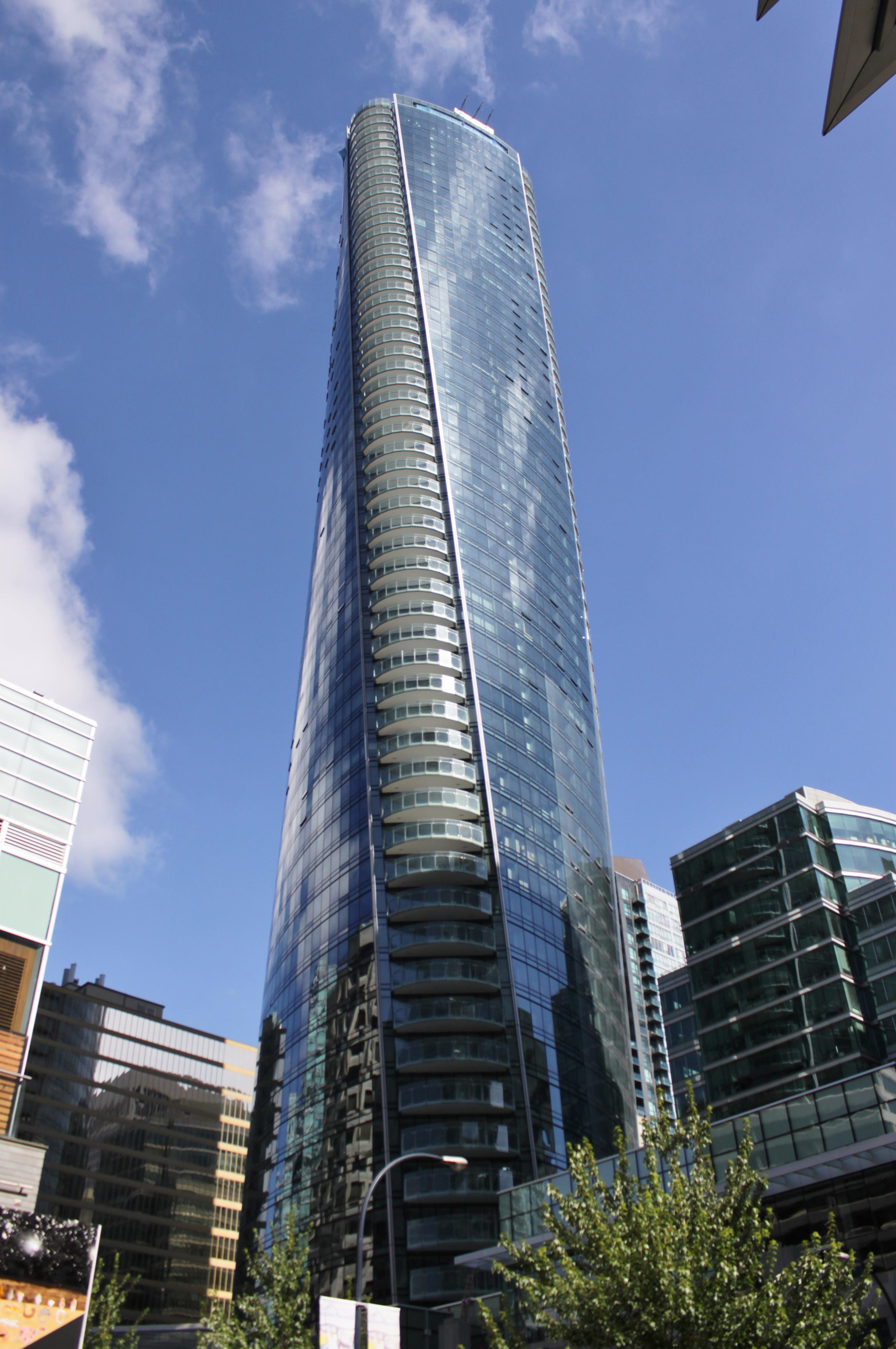
The physical approach on Robson tells you something about the positioning. This is a street-level restaurant, visible, and aimed at diners who are choosing between a range of cuisines rather than committed to Korean food before they leave the house. The address is street-level, visible, and aimed at diners who are choosing between a range of cuisines rather than committed to Korean food before they leave the house. That context matters because it shapes what a modern Korean restaurant at this location needs to do: speak legibly to a mixed audience while holding enough structural integrity to satisfy the palate that knows what doenjang jjigae is supposed to taste like.
The Case for Ingredient-Led Korean Cooking in Vancouver
Vancouver's geographic position makes it one of the more credible cities in North America for Korean cooking that takes sourcing seriously. The Pacific Northwest supplies seafood that overlaps productively with Korean technique: Dungeness crab, Pacific halibut, spot prawns, and geoduck all carry enough salinity and texture to sit inside Korean preparations without losing their identity. The region's agricultural output, particularly from the Fraser Valley, provides the vegetables and fermented inputs that underpin banchan and kimchi programs at the better end of the city's Korean dining circuit.
Modern Korean restaurants that work within this ingredient logic tend to produce dishes where the Korean structural elements, the fermentation, the heat calibration, the emphasis on texture contrast, are legible but not overridden by fusion impulse. The category distinction matters: "modern Korean" in Vancouver can mean anything from a decorative scatter of gochugaru over a Western protein to a kitchen that genuinely understands the relationship between a fermented paste and the dish it's meant to anchor. Damso's positioning on Robson, in a neighbourhood where diners are comparing across cuisines, creates an incentive to keep that distinction clear.
For context on how Vancouver's Asian dining has evolved at the higher end, the iDen & QuanJuDe Beijing Duck House and Masayoshi both sit in the $$$$ tier, demonstrating that serious Asian dining in this city now commands the same price bracket as the contemporary Canadian tables at AnnaLena or Barbara.
How the West End Positions This Kitchen
The West End is not Gastown, and it is not Chinatown. Its dining character is defined by density rather than destination: diners tend to be local residents, hotel guests from the nearby properties, and the pre-theatre or post-Stanley Park crowd. That audience skews toward familiarity with international cuisines without necessarily carrying deep knowledge of any single one. A Korean restaurant that reads clearly, prices accessibly relative to its neighbours, and executes on the core flavour logic of the cuisine occupies a useful position in that mix.
For comparison, the fusion-forward Kissa Tanto in Chinatown built its reputation by committing to a specific Italian-Japanese hybrid with enough conviction to earn sustained critical attention. The lesson for modern Korean in Vancouver is similar: the modifier "modern" has to mean something specific, whether that's sourcing transparency, a reinterpreted banchan sequence, or a tasting format that gives Korean technique room to demonstrate range. A restaurant that simply removes the plastic signage and installs warmer lighting has not moved the category forward.
Korean Cuisine and the Fermentation Conversation
One of the more durable arguments for Korean food's relevance to the contemporary dining conversation is fermentation. Before Nordic restaurants made lacto-fermentation a design feature and before American kitchens began cellaring their own miso, Korean cuisine had been running centuries-long experiments in controlled microbial transformation. Doenjang, ganjang, gochujang, kkakdugi: these are not condiments in the Western sense but structural elements that determine a dish's depth and acidity before the stove is involved.
Restaurants working within a modern Korean framework that takes this seriously tend to distinguish themselves from those that source these fermented inputs from industrial suppliers without adjustment. The difference is apparent in the way a broth reads, in whether the kimchi on the table has dimension or simply heat, in the salinity curve of a banchan line-up across four or five small plates. Vancouver diners who have spent time eating at the serious Korean tables in Los Angeles or New York, or who have benchmarked against the kind of regional Canadian sourcing evident at operations like Eigensinn Farm or Fogo Island Inn Dining Room, will calibrate quickly against that standard.
Planning Your Visit
Damso Modern Korean Restaurant is at 1680 Robson Street in Vancouver's West End, a short walk from the Robson Street retail corridor and accessible from the Burrard and Davie transit nodes. Current hours are Mon: 11:30 AM to 11 PM; Tue: Closed; Wed: 11:30 AM to 11 PM; Thu: 11:30 AM to 11 PM; Fri: 11:30 AM to 12 AM; Sat: 11:30 AM to 12 AM; Sun: 11:30 AM to 11 PM. Reservations are recommended. Robson Street tables in this segment of the West End tend to run busiest on Friday and Saturday evenings; mid-week visits typically offer a calmer experience for diners who want to engage with the food without the ambient noise of a full house.
- Korean BBQ
- Bibimbap
- Korean Tacos
- Pork Belly AYCE
- Topokki
- Korean Fried Chicken
Comparable Spots, Quickly
Comparable venues nearby, for context on price, style, and recognition.
| Venue | Cuisine | Price | Notes |
|---|---|---|---|
| Damso Modern Korean RestaurantThis venue — the venue you are viewing | Modern Korean Cuisine | $$ | Not listed |
| Pizzeria Bufala | Napolitana-Style Pizzeria | $$ | Arbutus Ridge |
| Nuba - Gastown | Modern Lebanese | $$ | Gastown |
| Kamei on Broadway | Authentic Japanese Fusion Sushi | $$ | Fairview |
| Kozak Ukrainian Restaurant | Authentic Ukrainian | $$ | Gastown |
| Via Tevere Pizzeria Victoria Drive | Authentic Neapolitan Pizza | $$ | Grandview-Woodland |
Continue exploring
More in Vancouver
Restaurants in Vancouver
Browse all →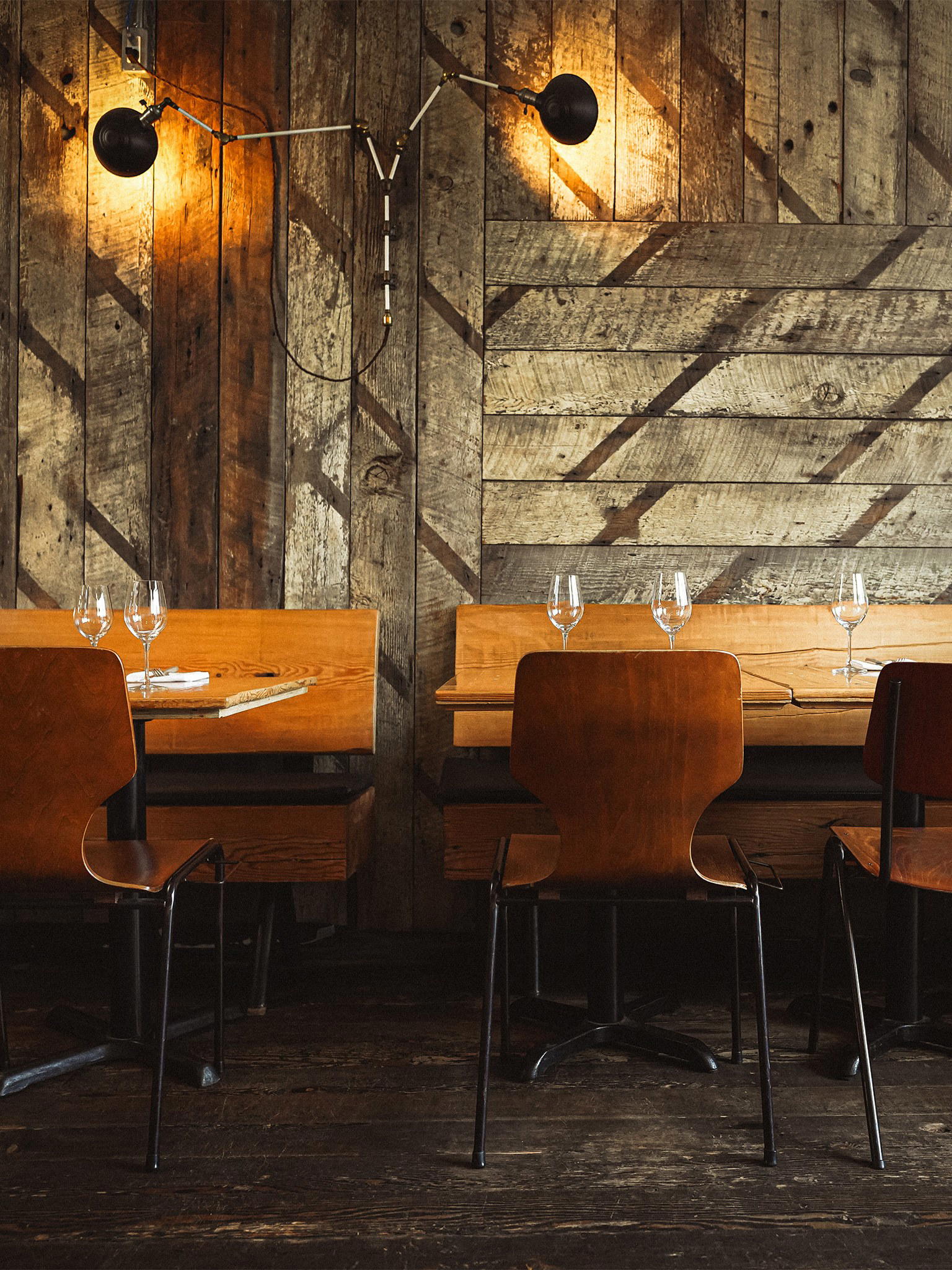
Bars in Vancouver
Browse all →
At a Glance
- Cozy
- Lively
- Modern
- Casual Hangout
- Group Dining
- Date Night
- Family
- Standalone
- Beer Program
Current opening hours
- Monday
- 11:30 AM–11 PM
- Tuesday
- Closed
- Wednesday
- 11:30 AM–11 PM
- Thursday
- 11:30 AM–11 PM
- Friday
- 11:30 AM–12 AM
- Saturday
- 11:30 AM–12 AM
- Sunday
- 11:30 AM–11 PM
Hours can change for holidays and private events. Last verified .
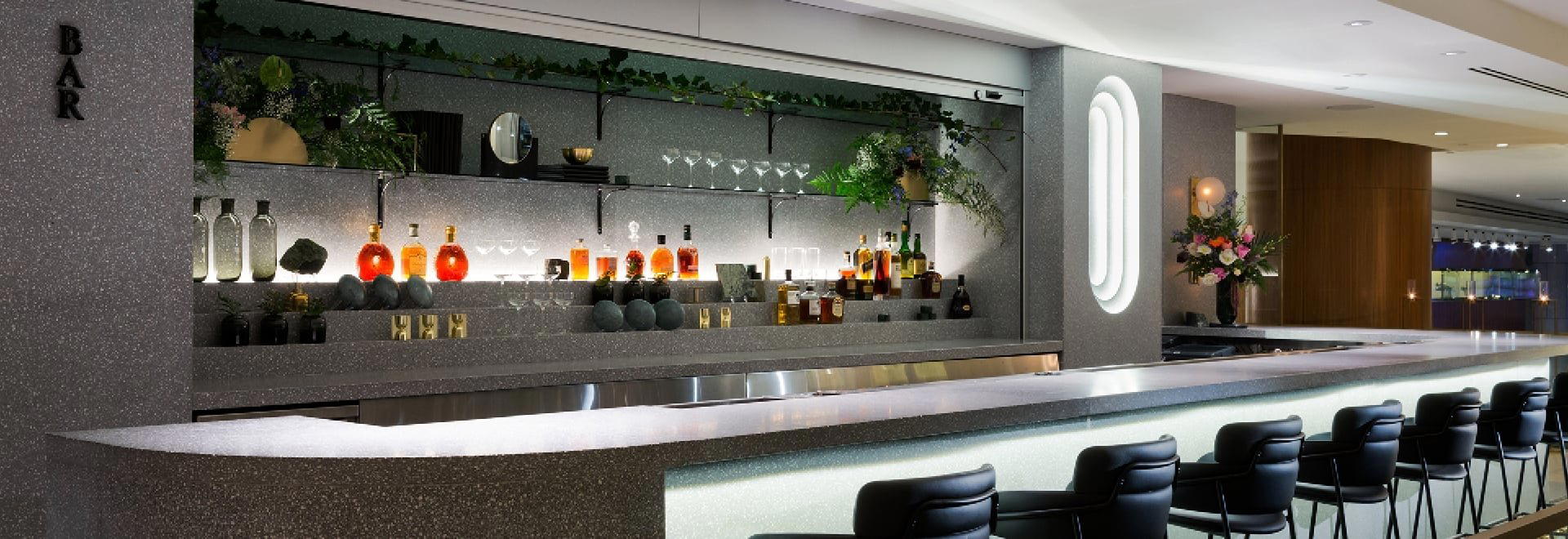
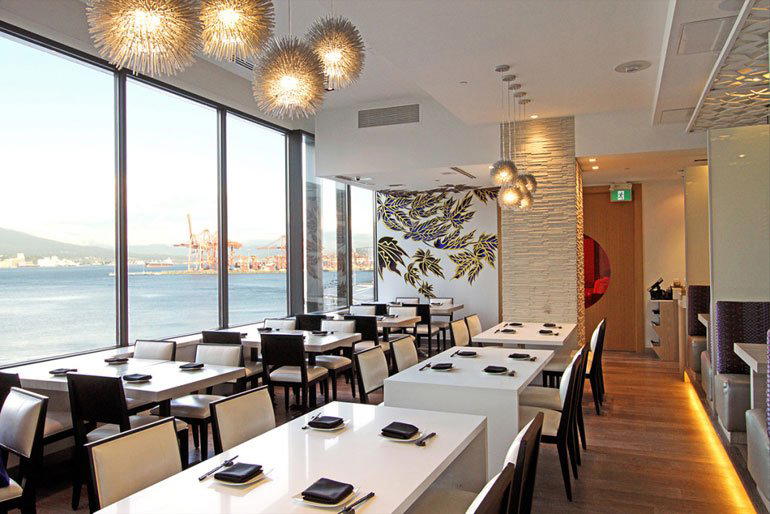
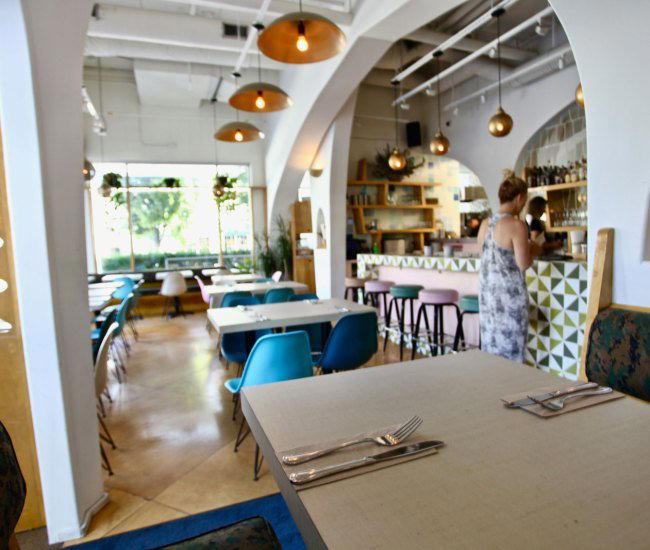
Small, cozy restaurant with a lively atmosphere; young, friendly staff create a welcoming environment. The space is intimate but can get crowded during peak hours, and the aroma of Korean cooking lingers noticeably.