Dalongyi hot pot
Dalongyi hot pot brings Sichuan-style communal dining to Fitzrovia, occupying a compact address on Berners Street that sits at some distance from London's more formal Chinese restaurant circuit. The format centres the table rather than the kitchen, with shared broths and raw ingredients as the structural logic. A useful reference point for those tracing London's growing interest in participatory, heat-led Chinese cooking.
Pearl is the En Primeur Club membership app — saves, bookings, and concierge access live there. Same editors, same standards.
- Address
- 5a Berners St, London W1T 3LA, United Kingdom
- Phone
- +442033408140
- Website
- opentable.com
- Directions
- Get directions
 Saves & bookings on Pearl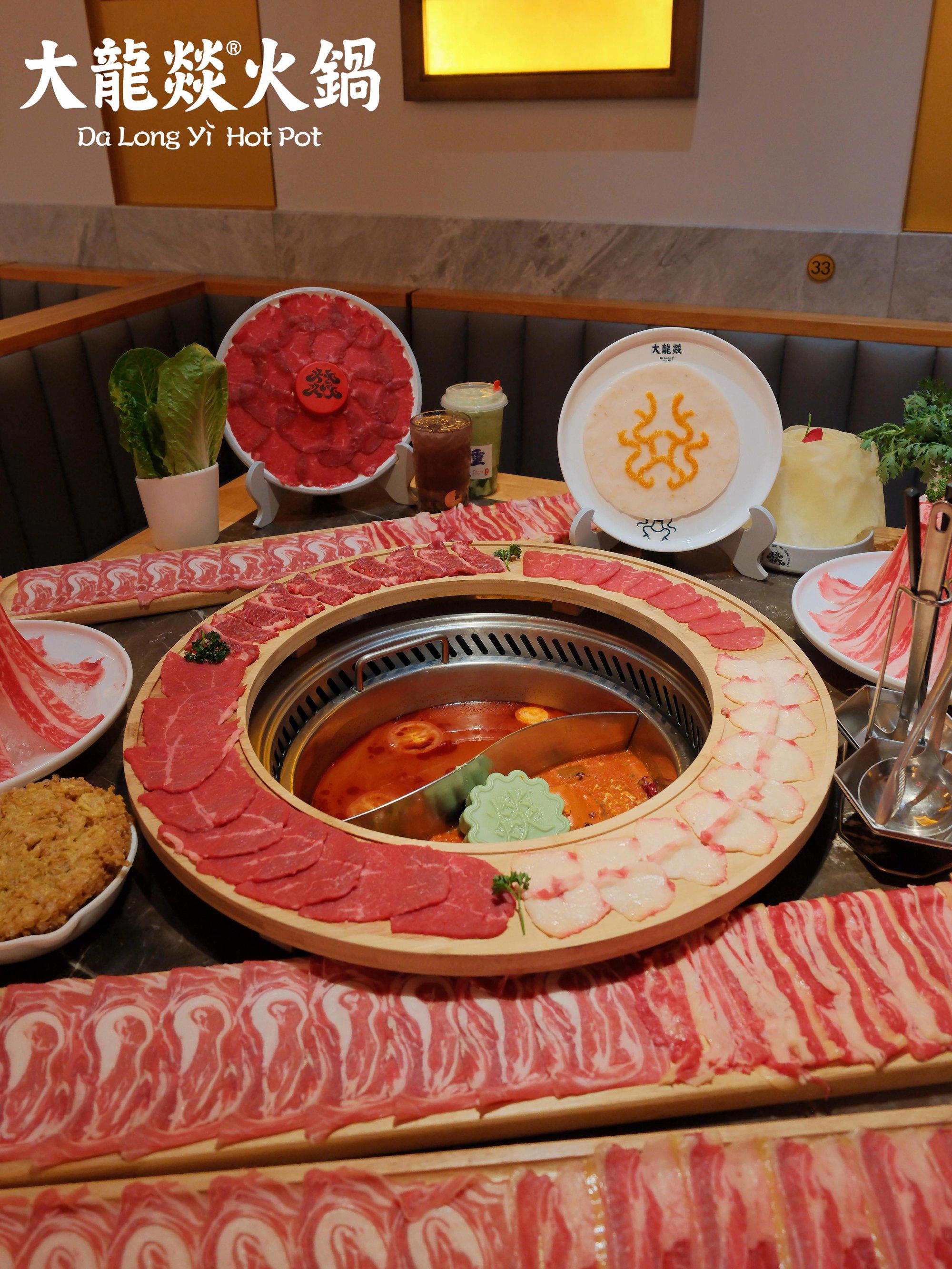
Communal Heat in Fitzrovia: How London's Hot Pot Scene Is Changing
The stretch of Berners Street that runs north from Oxford Street sits in a part of Fitzrovia that has quietly accumulated a density of independent restaurants over the past decade. It is not the city's most obvious address for Sichuan cooking, which tends to cluster further east in Chinatown or further north toward Archway and Finchley Road. That Dalongyi hot pot has established itself here, on 5a Berners Street, London W1T 3LA, says something about how Chinese communal dining formats are distributing themselves more broadly across inner London, following the population and appetite rather than the historic ethnic geography of the city.
Hot pot as a format sits in a distinct category within Chinese restaurant culture. Unlike the chef-led tasting menus that define the upper tier of London's Chinese fine dining, hot pot places the act of cooking in the hands of the table. A shared broth, typically offered in divided pots to accommodate both a numbing, chilli-laden Sichuan base and a cleaner alternative, arrives live, and diners cook their own selections of thinly sliced meats, offal, tofu, and vegetables in sequence. The pleasure is procedural and social in equal measure. It is a format that tends to resist the kind of singular critical attention that a kitchen-led restaurant attracts, because the quality of the experience depends as much on the company and the pace as on any single ingredient.
Daytime and Evening: Two Different Rhythms at the Same Table
The lunch and dinner divide at a Sichuan hot pot address in central London is more pronounced than it might appear from the outside. Lunchtime service at this end of Fitzrovia draws from the substantial office population between Tottenham Court Road and Great Portland Street, a crowd that tends toward efficiency, smaller group sizes, and a tighter selection of broth and add-ons. The format adapts: a solo diner or a pair can engage with hot pot at lunch without the full production of a larger evening gathering, though the communal logic of the format is somewhat compressed.
Evening service shifts the dynamic substantially. Groups arrive with more time, the table fills with more varied selections, and the procedural rhythm of a hot pot meal, ordering in waves, adjusting the broth's intensity, moving through lighter proteins before richer cuts, becomes a full event rather than a working lunch interlude. This is the version of hot pot that the format was built around, and it is the context in which Dalongyi is most coherently understood. The Fitzrovia address, within walking distance of the West End's theatre circuit and a short distance from Soho, means evening bookings can run later than the neighbourhood's quieter lunch trade might suggest.
The contrast also carries implications for value. Hot pot pricing, like much communal Chinese dining, is structured around per-person spend that scales with what you order rather than a fixed menu price. A focused lunchtime visit, a single broth base, a short selection of proteins and vegetables, will land at a different price point than an evening session that extends across multiple rounds of ordering. Neither version is less valid, but they represent meaningfully different propositions from the same address.
Where Dalongyi Sits in London's Wider Chinese Dining Picture
London's Chinese restaurant offer spans a wide range, from the banquet-hall Cantonese cooking of Chinatown to the growing cluster of Sichuan specialists that have opened in the past decade. The Michelin-starred end of the city's dining circuit, represented by addresses like CORE by Clare Smyth, Restaurant Gordon Ramsay, Sketch, The Lecture Room and Library, The Ledbury, and Dinner by Heston Blumenthal, operates in a completely different register: fixed tasting formats, chef-driven narratives, high per-cover spend. Hot pot dining at a Fitzrovia address is a different proposition entirely, and the comparison is instructive rather than hierarchical.
The relevant comparable set for Dalongyi is the emerging group of Sichuan and broader Chinese hot pot specialists operating in inner London, many of which have opened in the past five years as a second wave of regional Chinese cooking, beyond Cantonese, has found a wider audience. The format appeals to a dining public increasingly familiar with participatory, heat-centred cooking through Korean barbecue, shabu-shabu, and related traditions. Hot pot sits in that same conceptual space while remaining distinctly Chinese in both its ingredient logic and its social conventions.
full London restaurants guide covers the spectrum from neighbourhood spots to formal destination dining. Readers interested in the wider UK picture will find the country's formal dining tier well-represented at addresses including Waterside Inn in Bray, L'Enclume in Cartmel, Moor Hall in Aughton, Gidleigh Park in Chagford, Hand and Flowers in Marlow, Hide and Fox in Saltwood, Midsummer House in Cambridge, Opheem in Birmingham, Ynyshir Hall in Machynlleth, and Restaurant Andrew Fairlie in Auchterarder. Internationally, participatory dining formats at the premium tier are tracked at addresses such as Le Bernardin in New York City and Lazy Bear in San Francisco.
The Berners Street address is within easy reach of Tottenham Court Road station (Central and Northern lines) and Oxford Street, making it accessible from most parts of central London without a change. Reservations: Recommended. Contact the restaurant directly or check current platforms for availability. Dress: Smart casual. Budget: Per-person spend is about $30. Timing: Evening visits, particularly for groups of four or more, will give the fullest version of the hot pot format; lunch works for smaller groups and tighter schedules.
Questions Readers Ask
- What's the leading thing to order at Dalongyi hot pot?
- The structural logic of a Sichuan hot pot meal prioritises the broth split as the first decision: one side of the divided pot typically carries the numbing, chilli-laden Sichuan base, the other a cleaner stock. From there, thinly sliced lamb and beef are the conventional anchors across this style of restaurant, with tofu skin, lotus root, and mushroom selections rounding out the vegetable side.
- How hard is it to get a table at Dalongyi hot pot?
- Central London hot pot addresses that have built a following among both the Chinese dining community and a broader audience tend to see pressure on Friday and Saturday evenings, and weekend lunchtimes. Weekday lunch and mid-week dinner slots are generally easier to secure. Without live booking data for Dalongyi, the practical advice is to check in advance for evening weekend visits rather than walk in.
- What has Dalongyi hot pot built its reputation on?
- Dalongyi's reputation rests on the Sichuan hot pot format itself, a style of communal dining that has developed a consistent following in London over the past decade as regional Chinese cooking beyond Cantonese has gained wider familiarity. The Fitzrovia address places it in a part of the city where Chinese communal dining formats are less concentrated than in Chinatown, which gives it a distinct catchment.
- Do they accommodate allergies at the restaurant?
- Hot pot formats present particular complexity for allergy management because the shared broth and communal cooking approach means cross-contact is a structural feature rather than an incidental risk. No public allergy or dietary information is listed for Dalongyi at time of writing; London's food hygiene standards require allergen information to be available on request.
- Is the restaurant suitable for solo diners?
- Solo dining at a hot pot restaurant is possible but represents a different experience from the format's communal default. Many hot pot addresses in London and across the UK now offer individual pot options specifically for single diners, a practice that has become more common since the format's wider adoption post-2018.
Reputation First
Comparable venues nearby, for context on price, style, and recognition.
| Venue | Cuisine | Price | Notes |
|---|---|---|---|
| Dalongyi hot potThis venue — the venue you are viewing | Authentic Sichuan Hot Pot | $$$ | Not listed |
| Noble Palace | Modern Regional Chinese Fine Dining | $$$ | Westminster |
| Cafe Kowloon | Modern Cantonese inspired by Hong Kong cafés | $$$ | London Fields |
| Sichuan Fry and Dumpling Shack | Sichuan Fried Chicken & Dumplings | $$ | London Fields |
| Shanghai Me | Modern Pan-Asian with Chinese and Japanese influences | $$$$ | Mayfair |
| Hong Kong restaurant | Halal Cantonese Dim Sum | $$ | Canonbury |
Continue exploring
More in London
Restaurants in London
Browse all →
Bars in London
Browse all →
Hotels in London
Browse all →



At a Glance
- Lively
- Modern
- Energetic
- Trendy
- Group Dining
- Celebration
- Casual Hangout
- Open Kitchen
- Sake Program
Current opening hours
- Monday
- 12–11 PM
- Tuesday
- 12–11 PM
- Wednesday
- 12–11 PM
- Thursday
- 12–11 PM
- Friday
- 12–11:30 PM
- Saturday
- 12–11:30 PM
- Sunday
- 12–11 PM
Hours can change for holidays and private events. Last verified .
Bright and airy with traditional Chinese-inspired decor mixing bold Sichuan red and modern comforts for a lively, social atmosphere.