Positioned along Ram Path Road near Hanuman Garhi Tiraha, Dalmia's Saffron Vatika sits inside one of India's most religiously significant cities at a moment of intense transformation. The restaurant draws on the vegetarian cooking traditions that have defined Ayodhya's food culture for centuries, offering a grounded alternative to the pilgrim-trail food stalls that dominate the area.
Pearl is the En Primeur Club membership app — saves, bookings, and concierge access live there. Same editors, same standards.
- Address
- Shringar Haat, Vaidya Ji Ka Mandir, Main, Ram Path Rd, near Hanuman Garhi Tiraha, New Colony, Ayodhya, Uttar Pradesh 224123, India
- Phone
- +919936329497
- Website
- saffronvatika.com
- Directions
- Get directions
 Saves & bookings on Pearl
Ram Path, Pilgrims, and the Food That Feeds a Sacred City
Arriving in Ayodhya along Ram Path Road, Dalmia's Saffron Vatika is a vegetarian Indian restaurant in New Colony, Ayodhya, priced at about $12 per person. The city announces itself through sound before architecture: temple bells, the low current of devotional singing, the particular density of foot traffic that only forms around sites of deep religious significance. The stretch near Hanuman Garhi Tiraha is one of the busiest corridors in this reborn city, and it is here, within Shringar Haat, that Dalmia's Saffron Vatika occupies its position on the edge of the pilgrim economy. The physical approach matters in Ayodhya more than in most Indian cities. The Ram Mandir consecration of January 2024 fundamentally altered the city's hospitality and dining infrastructure almost overnight, driving a wave of new arrivals and accelerating demand for sit-down dining that could hold its own against the street-food tradition that had long been the default for visitors.
For readers familiar with the sacred-city dining circuits of Varanasi or Vrindavan, the pattern is recognisable: vegetarian cooking codified by religious observance, ingredient sourcing shaped by what local agriculture and the Sarayu river basin can supply, and a kitchen culture that measures quality through restraint rather than complexity. Ayodhya's food identity has always been Brahminical in character, meaning no onion, no garlic in particularly observant kitchens, and a reliance on asafoetida, ginger, and green chilli to build depth in their absence. That constraint, which looks like a limitation from the outside, is the source of considerable culinary discipline when executed with care. For comparison, see how Royal Vega in Chennai (Madras) has turned similar Sattvic restrictions into a formal fine-dining format, or how Kappa Chakka Kandhari in Chennai has built a regional identity around precisely sourced ingredients under comparable vegetarian principles.
Sourcing in a City That Has Always Grown Its Own
The ingredient story in Ayodhya is inseparable from the Gangetic plain's agricultural character. The eastern Uttar Pradesh belt produces wheat, lentils, mustard, and a range of seasonal vegetables that have fed this corridor for millennia. What distinguishes cooking traditions in cities like Ayodhya from their metropolitan counterparts is proximity: the supply chain is short, the seasons are legible in the kitchen, and the cooking calendar shifts with what the fields provide. Winter brings leafy greens, fresh peas, and the root vegetables that define the Awadhi cold-season table. Summer pivots to raw mangoes, ridge gourd, and the dried lentil preparations that hold well through the heat.
Saffron itself, referenced in the restaurant's name, carries specific weight in the Awadhi cooking tradition. The Lucknow-centred Awadhi kitchen, which sits roughly 130 kilometres west of Ayodhya, built its reputation partly on spice restraint and the considered use of aromatics including saffron in sweets, rice preparations, and dairy-based dishes. A restaurant in Ayodhya invoking saffron places itself within that lineage, signalling an alignment with the more refined tier of regional cooking rather than the rougher dhaba style that sustains the majority of pilgrim traffic. The positioning is contextually legible to anyone who knows the regional food hierarchy, even if the execution varies.
That framing puts Dalmia's Saffron Vatika in a different register from the high-volume street operations around Hanuman Garhi Tiraha. Sit-down vegetarian restaurants in pilgrimage cities occupy a specific function: they serve families across generations, devotees who need a full meal between temple circuits, and increasingly, the category of visitor who arrives in Ayodhya with accommodation booked in advance and an expectation of structured dining. This last group has grown significantly since 2024, and the dining infrastructure of the city is still catching up to it. For context on how India's more established pilgrimage-adjacent dining scenes have handled similar pressures, the work being done at Adaa at Falaknuma Palace in Hyderabad and The Malabar House in Fort Cochin shows what happens when regional culinary identity is given structural support and investment.
Where Dalmia's Saffron Vatika Sits in Ayodhya's Current Dining Tier
Ayodhya's restaurant scene, even after the surge of development that followed the Ram Mandir inauguration, remains relatively thin at the formal sit-down level. The city has abundant food, but much of it is served in formats, roadside stalls, temple prasad counters, and small dhabas, that prioritise volume and accessibility over environment or consistency. A named restaurant with a fixed address on Ram Path Road, operating within the Shringar Haat commercial cluster, positions itself as part of the city's emerging middle tier: more structured than street food, accessible in price by the standards of a pilgrimage-economy city, and oriented toward the family visitor rather than the solo traveller or business diner.
The vegetarian scope here connects Ayodhya's dining to a national conversation about what Indian vegetarian cooking can achieve when it is treated as a complete cuisine rather than a constraint. Farmlore in Bangalore has built a destination-level reputation around sourced Indian ingredients; Naar in Kasauli has done the same in a hill-station format. In sacred cities, the pressure is different: the cooking must be devotionally correct, seasonally grounded, and economically accessible, all at once. That is a harder set of constraints to satisfy than the sourcing-led model of a metropolitan tasting-menu restaurant, and the kitchens that do it well tend to be less visible to national food media precisely because they operate outside the usual circuits of award recognition and critic attention.
Planning a Visit
Dalmia's Saffron Vatika sits on Ram Path Road near the Hanuman Garhi Tiraha junction, placing it within walking distance of the main temple circuit. Reservations are recommended. The Hanuman Garhi area sees its highest foot traffic in the morning hours after dawn aarti and again in the late afternoon before evening prayers, so midday and early afternoon typically offer the quietest window for a sit-down meal. Visitors arriving from Lucknow by road or rail (Ayodhya Junction is the main station, with improved connectivity since 2023) will find the Ram Path corridor accessible by auto-rickshaw or on foot from the central temple zone. For readers comparing India's pilgrimage-circuit dining against broader regional options, Dining Tent in Jaisalmer, Neel in Patiala, and Palaash in Yavatmal each represent how different Indian cities at different scales have approached the relationship between place, ingredient, and dining format.
Comparable Venues
Comparable venues nearby, for context on price, style, and recognition.
| Venue | Cuisine | Price | Notes |
|---|---|---|---|
| Dalmia's Saffron Vatika RestaurantThis venue — the venue you are viewing | Fine Dining Vegetarian Indian | $$$ | Not listed |
| Tadka | Awadhi & North-West Frontier Indian Fine Dining | $$$ | Cantonment |
| Hotel Aganta Green | Indian Multicuisine | $$ | Fardapur |
| Mynt | Pure Vegetarian Indian | $$$ | Vrindavan |
| Dilli StreEAT | Indian Street Food | $$ | Indira Gandhi International Airport |
| Cafe Luv Kush, Ayodhaya | Indian Vegetarian | $$ | Civil Line |
Continue exploring
More in Ayodhya
Restaurants in Ayodhya
Browse all →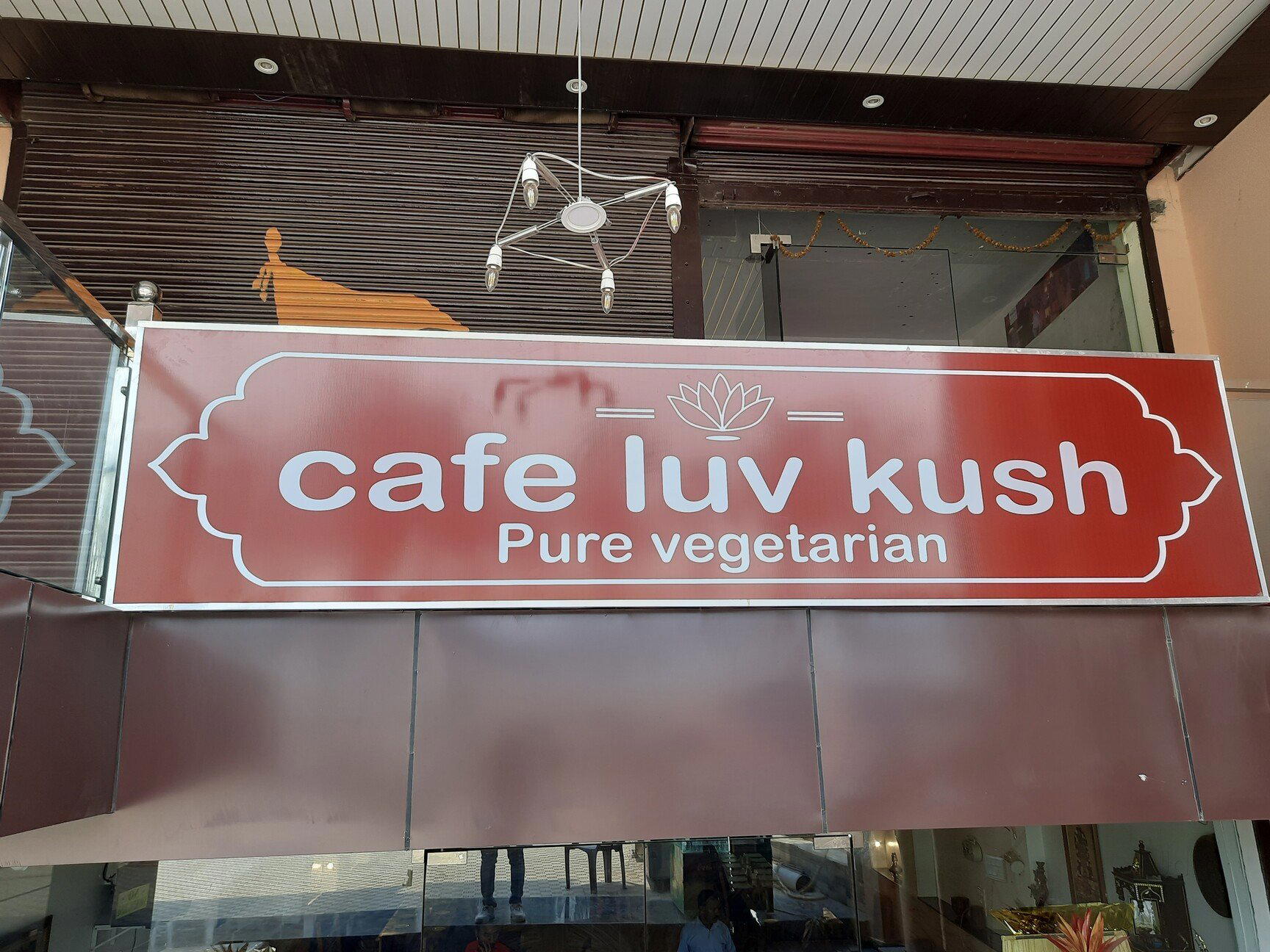
At a Glance
- Elegant
- Family
- Casual Hangout
- Standalone
Current opening hours
- Monday
- 9:30 AM–11 PM
- Tuesday
- 9:30 AM–11 PM
- Wednesday
- 9:30 AM–11 PM
- Thursday
- 9:30 AM–11 PM
- Friday
- 9:30 AM–11 PM
- Saturday
- 9:30 AM–11 PM
- Sunday
- 9:30 AM–11 PM
Hours can change for holidays and private events. Last verified .
Warm and inviting ambiance well-suited for family dining with a fine dining touch.