
Guía Repsol 1 Sol
Our verdict
Brut brings Llubí into Mallorca’s serious dining conversation through an ingredient-led lens rather than resort polish. Its 2026 Guía Repsol 1 Sol recognition places it among Spain’s inspected tables, while the village setting gives the kitchen a different frame from Palma’s hotel dining rooms and coastal tasting-menu circuits.

Pearl is the En Primeur Club membership app, where members save venues, book tables and use the concierge.
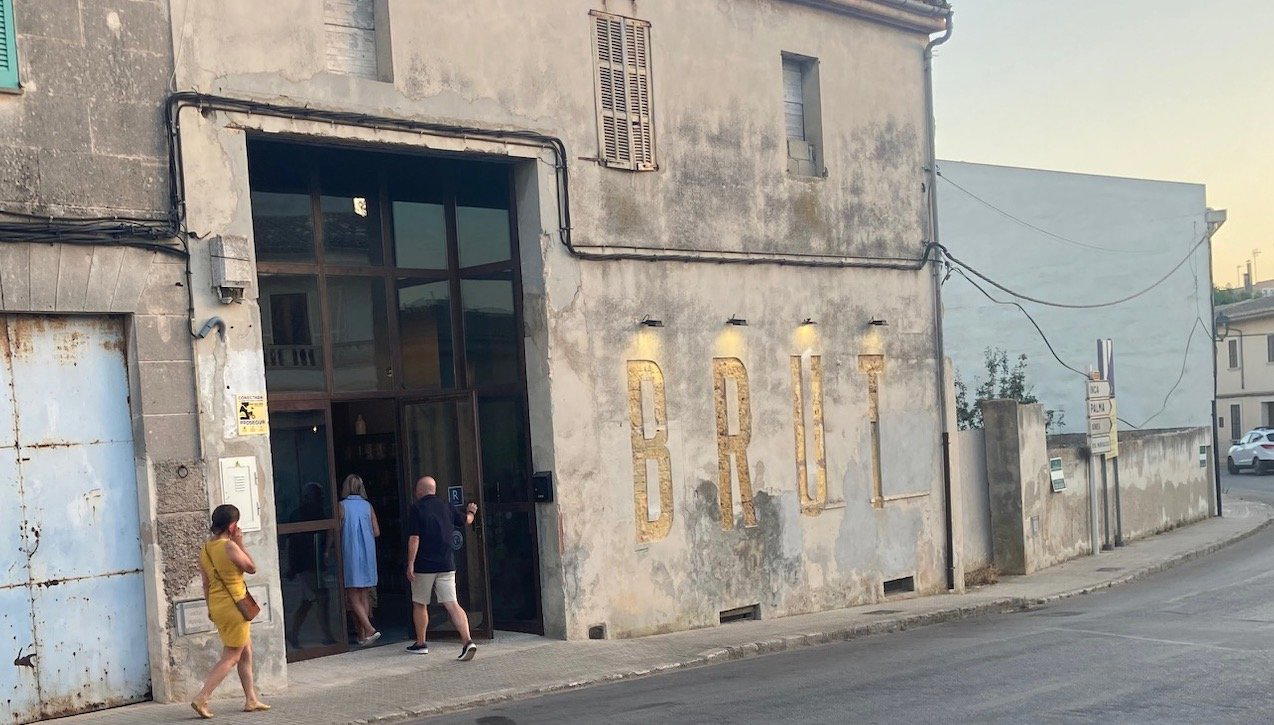
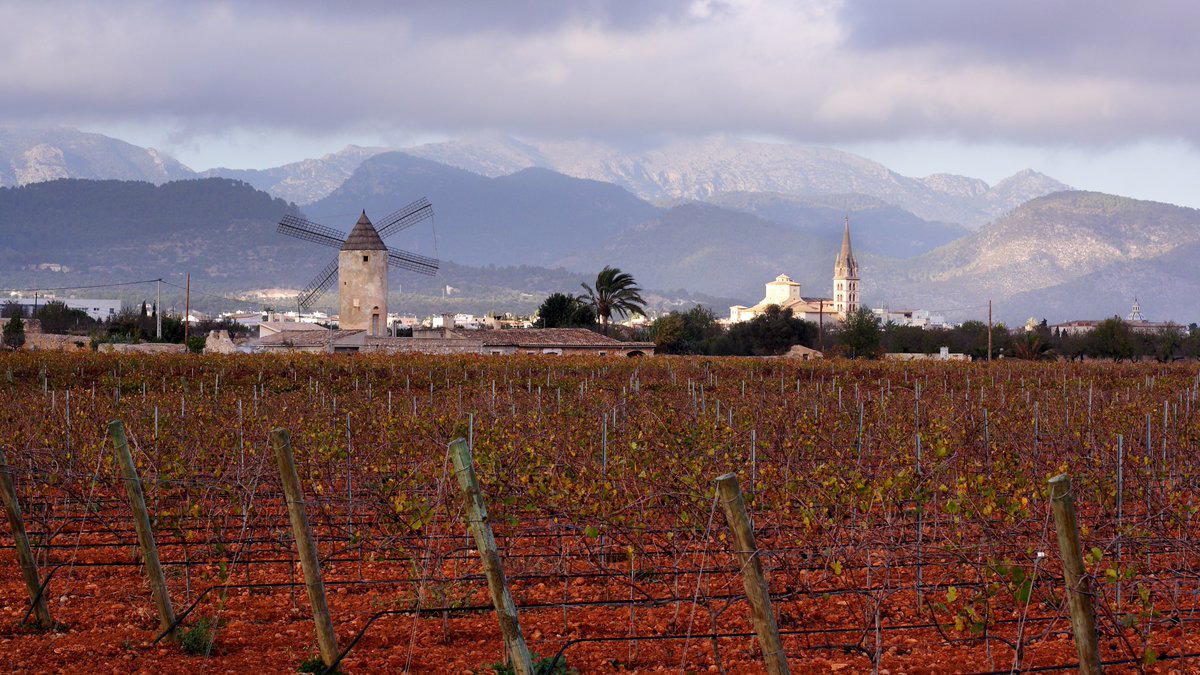
Approaching dinner in Llubí feels different from arriving at a dining room built for the coast. The village sits inland, away from the marina rhythm and beach-club timetable, so the appetite is shaped by stone streets, agricultural land and the slower evening logic of central Mallorca. In that context, Brut reads less as a destination restaurant dropped into a pretty town than as part of a sharper island conversation: what happens when Mallorcan produce is treated with the seriousness usually reserved for metropolitan tasting menus.
The more interesting movement in Mallorca is not simply the rise of expensive restaurants. It is the migration of ambitious cooking into smaller inland communities where proximity to growers, seasonal markets and local eating habits carries as much weight as décor. Llubí already has a dining reference point in Daica, and that matters: a village with more than one serious table begins to feel like a culinary stop rather than a detour. For the wider local picture, the full Llubí restaurants guide is the natural companion; the town’s appeal also depends on where visitors sleep, drink and spend the rest of the day, covered in the full Llubí hotels guide, the full Llubí bars guide, the full Llubí wineries guide and the full Llubí experiences guide.
Inland Mallorca gives the kitchen its strongest argument
Ingredient sourcing is the right way to read this restaurant category in Mallorca. The island’s serious kitchens increasingly compete on how intelligently they interpret local supply rather than on imported luxury signals. Inland villages have an advantage here: they sit closer to the everyday agricultural identity of the island, where vegetables, citrus, almonds, pork, olive oil and market fish all belong to a practical food culture before they become tasting-menu material.
That distinction matters because Balearic dining can easily split into two less interesting forms: resort luxury, where the room does much of the work, and rustic nostalgia, where tradition becomes a costume. The more persuasive middle ground is contemporary cooking that keeps the island legible. Brut’s recognition with 1 Sol in the Guía Repsol Soles 2026 places it inside Spain’s national conversation about restaurants worth tracking, but the stronger editorial point is local: Llubí is not Palma, Deià or a harbour town, and the cooking has to justify the journey through substance rather than scenery.
Within Mallorca, the comparison set is narrow but telling. Daica gives Llubí another serious dining anchor. Ca Na Toneta, Ca n'Ignasi, Joan Marc, Singular and other island restaurants help frame a broader local conversation without making Llubí feel like an isolated case. Those distinctions help explain the inland scene: diners are not choosing only between formal and casual, but between different arguments about Mallorcan identity. One prizes continuity, another interprets region through a more contemporary lens, and another asks whether a smaller village can carry the weight of destination dining.
Recognition changes the village-dining equation
A Guía Repsol Sol is not decorative in this context. In Spain, Repsol recognition often captures restaurants that matter regionally before they become international shorthand, and a 2026 1 Sol gives the table an external signal without forcing it into the Michelin-star vocabulary. For a Llubí restaurant, that is useful: the award tells serious diners to look inland, while leaving enough room for the village setting to remain part of the appeal rather than a logistical inconvenience.
Without leaning on an elaborate public personality narrative, the focus can stay where it belongs: on the island, the sourcing logic and the meal’s place in a broader rural dining pattern. Contemporary Spanish restaurant culture has no shortage of personality-led storytelling, but Mallorca’s inland kitchens are often more interesting when the produce carries the argument. A restaurant in this category succeeds when the menu feels tied to place without becoming a museum of local dishes.
For travellers mapping a Spain-wide itinerary, Brut belongs in the same research phase as other serious regional tables rather than only in a Mallorca shortlist. The comparison is not stylistic, but behavioural: diners willing to leave the obvious urban circuit may also be drawn to secondary towns, islands and neighbourhoods where local supply still shapes the plate. The point is not that these rooms cook alike; it is that Spain’s more rewarding dining map is often built from places where the setting, the produce and the rhythm of the meal remain closely connected.
Who should make the detour to Llubí
This is a stronger choice for diners who want Mallorca beyond the coastal script. Llubí changes the tempo of the evening: fewer pre-dinner distractions, more attention on the meal, and a clearer sense of how inland Mallorca differs from the island’s resort-facing identity. That makes the restaurant more compelling for travellers already interested in produce, regional cooking and the way small towns are being folded into Spain’s contemporary dining network.
It is less useful as a casual fallback. The setting asks for intention, and the 2026 Repsol signal means expectations should be calibrated above a simple village supper. Diners building a broader itinerary can pair the restaurant research with Llubí’s hotel, bar, winery and experience guides rather than treating dinner as an isolated reservation. The same editorial logic applies beyond the island too: focused, context-driven places can carry a larger cultural argument when the product and the setting are clear.
The verdict is practical rather than sentimental: Brut is for diners who see sourcing as the real luxury in Mallorca. The reward is not a famous waterfront view or a chef myth, but a serious inland table with national recognition and a village context that makes the island’s agricultural identity harder to ignore.
Frequently asked questions
Is Brut a family-friendly restaurant?
Brut is best approached as an intentional dinner booking in Llubí. Families should check directly with the restaurant before planning around children, timing or any special requirements.
What kind of setting is Brut?
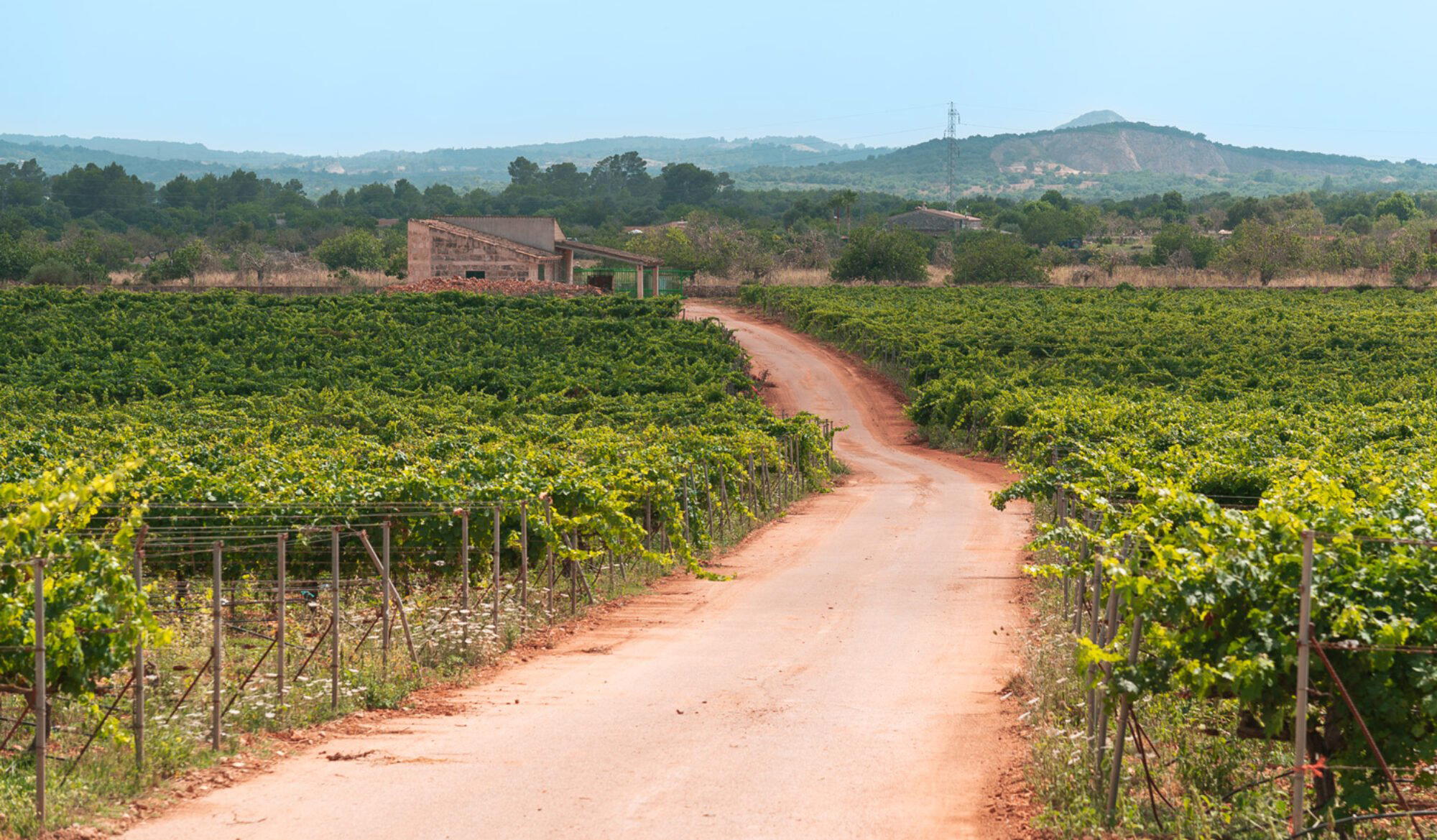
Brut sits in Llubí, an inland village in Mallorca, away from the island’s coastal dining circuit. The setting points to a low-key village context rather than a resort-room format.
What are the operating hours at Brut?
Check directly with Brut before making the trip to Llubí.
Where do I go for Brut?
Llubí.
What makes Brut worth seeking out?
The main credential is its Guía Repsol 1 Sol for 2026, which places Brut in Spain’s recognised regional dining conversation. Its Llubí location also matters, because it offers an inland Mallorca address rather than the usual coastal stop.
Do they accommodate allergies at Brut?
No allergy policy is confirmed in the provided venue details, so the practical move is to contact Brut directly and confirm any restrictions before planning a dinner there.
Comparison Snapshot
Comparable venues by cuisine and price in the same metro.
| Venue | Cuisine | Price | Awards | Notes |
|---|---|---|---|---|
| BrutThis venue (the venue you are viewing) | Radical seasonal tasting menu with in‑house brews in rural Mallorca | $150–200 | Guía Repsol 1 Sol | Not listed |
| Daica | Modern Mallorcan Fine Dining | Not listed | Michelin Plate · Guía Repsol 1 Sol | Traditional Cuisine |
| Joan Marc | Modern Mallorcan | $50–100 | Michelin Plate | Modern Cuisine |
| Ca Na Toneta | Modern Mallorcan Seasonal Tasting | $50–100 | Michelin Plate · Star Wine List | Mediterranean, Regional Cuisine |
Recognition history
Dated appearances from independent guides and award organizations, with the underlying list record or original source where available.
Guía Repsol 1 Sol
Guía Repsol
Continue exploring
More in Llubí
Restaurants in Llubí
All restaurants in Llubí →
Bars in Llubí
Browse all →

Details
- Lively
- Intimate
- Industrial
- Trendy
- Date Night
- Special Occasion
- Celebration
- Solo
- Chefs Counter
- Open Kitchen
- Historic Building
- Design Destination
- Standalone
- Natural Wine
- Beer Program
- Sake Program
- Zero Proof
- Farm To Table
- Local Sourcing
- Zero Waste
- Natural Wine
- Tasting Menu
- Counter Dining
- Craft Beer
- Natural Wine
- Kombucha
- Sake
- Allergy Accommodating
Current opening hours
- Monday
- Closed
- Tuesday
- Closed
- Wednesday
- 8–11 PM
- Thursday
- 8–11 PM
- Friday
- 8–11 PM
- Saturday
- 8–11 PM
- Sunday
- 8–11 PM
Hours can change for holidays and private events. Hours as of .
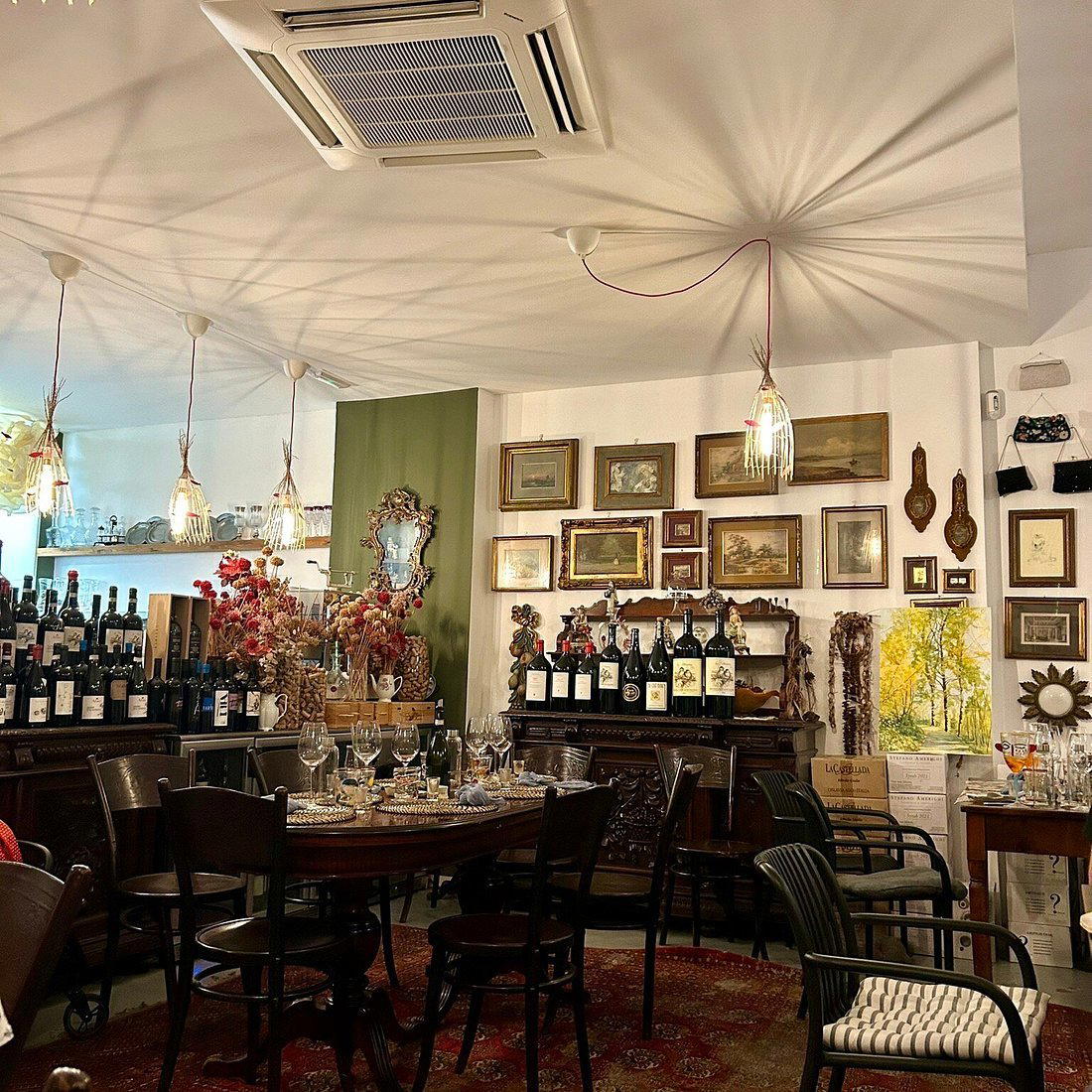
An intimate counter-style dining room inside a converted lumber warehouse, with raw concrete, brick and industrial details softened by warm lighting and close interaction with the chefs, creating a lively yet refined atmosphere focused on the open kitchen and bar.