Curcuma
Curcuma sits within Austin's growing category of ingredient-driven restaurants where sourcing decisions shape the menu before the kitchen does. The name alone signals a turmeric-forward, spice-conscious approach that positions it apart from the city's barbecue and New American mainstream. For visitors tracing Austin's more ambitious dining tier, it belongs on the shortlist alongside the city's other craft-focused rooms.
- Address
- Austin, United States
- Directions
- Get directions
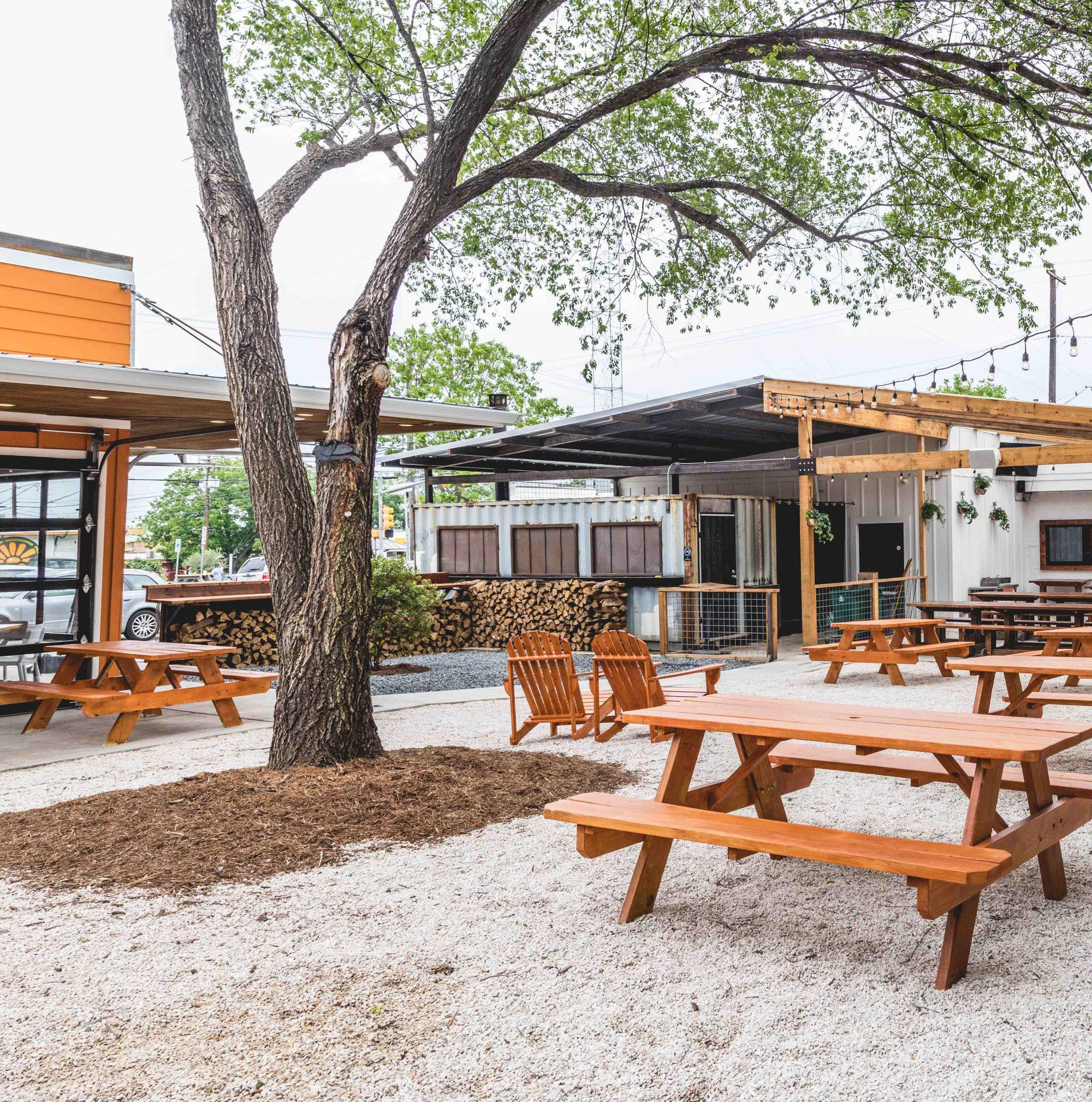
Where Spice Logic Meets the Austin Ingredient Economy
Austin's dining scene has spent the better part of a decade sorting itself into legible tiers. At the lower end, the barbecue institutions hold firm — places like la Barbecue and InterStellar BBQ that anchor the city's culinary identity in smoke and Central Texas tradition. At the upper end, a smaller cohort of chef-driven rooms has emerged, competing less with each other than with the broader national conversation about what ambitious American cooking looks like in 2025. Curcuma sits in that upper cohort, though its angle is distinctly its own: a kitchen that uses spice — turmeric in particular, as a structural principle rather than a finishing flourish.
That commitment to spice-forward cooking places Curcuma in a national conversation that runs through venues like Atomix in New York City, where Korean spice logic informs a fine dining framework, and Providence in Los Angeles, where ingredient provenance is treated as a form of editorial argument. The through-line in all of these rooms is the same: sourcing decisions made before service begins shape what lands on the plate more than technique does in the moment.
The Room and What It Signals
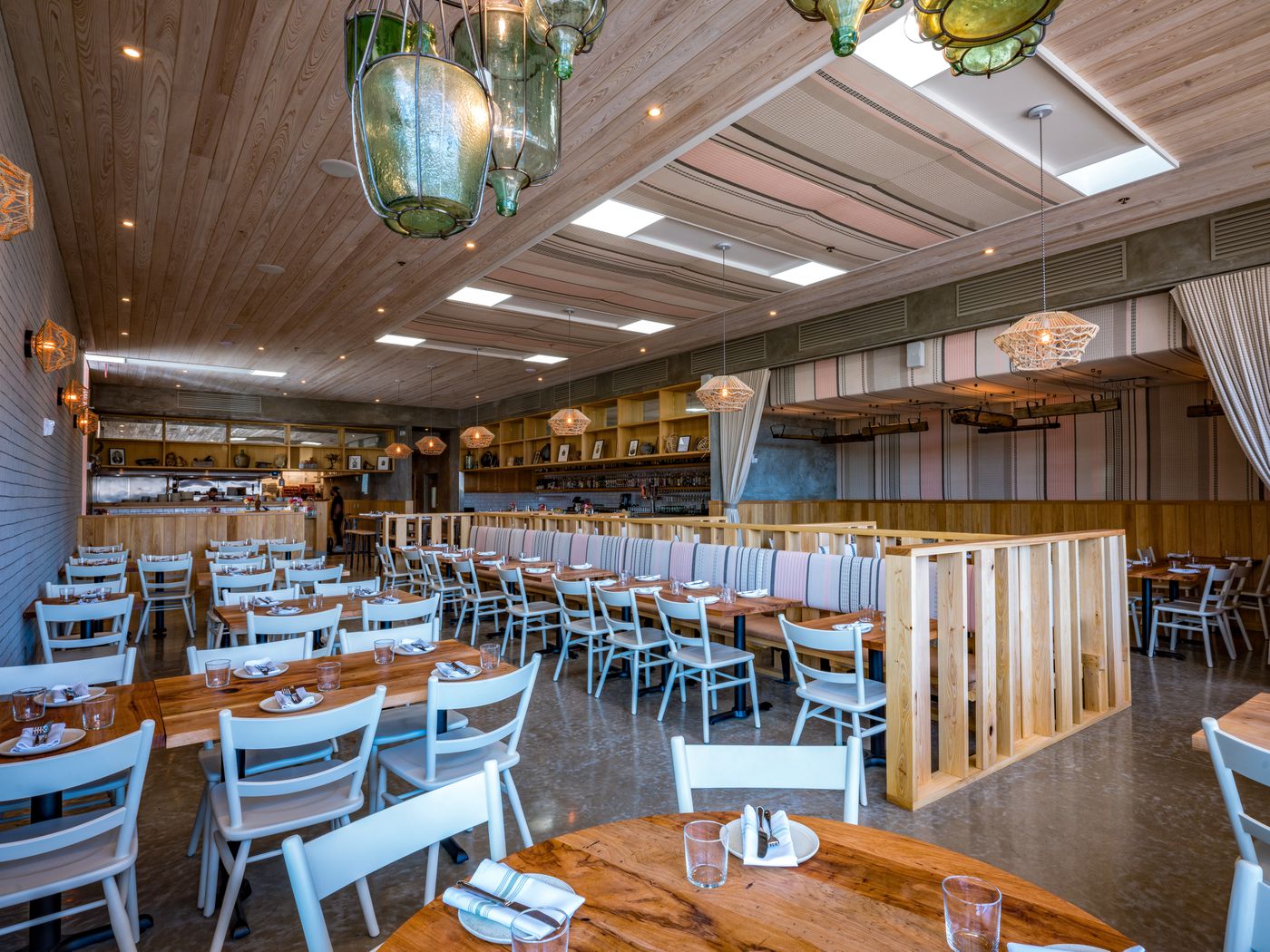
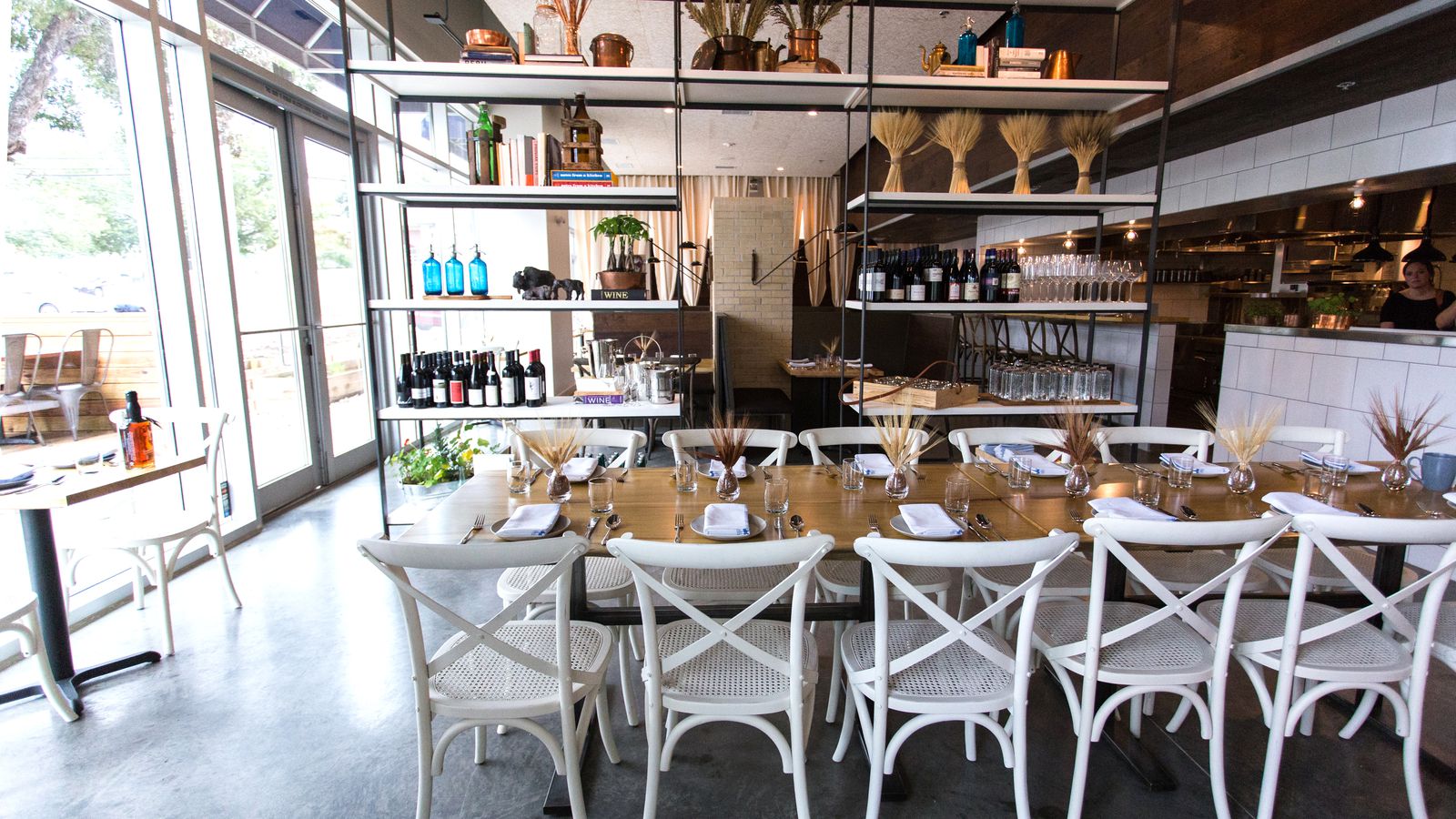
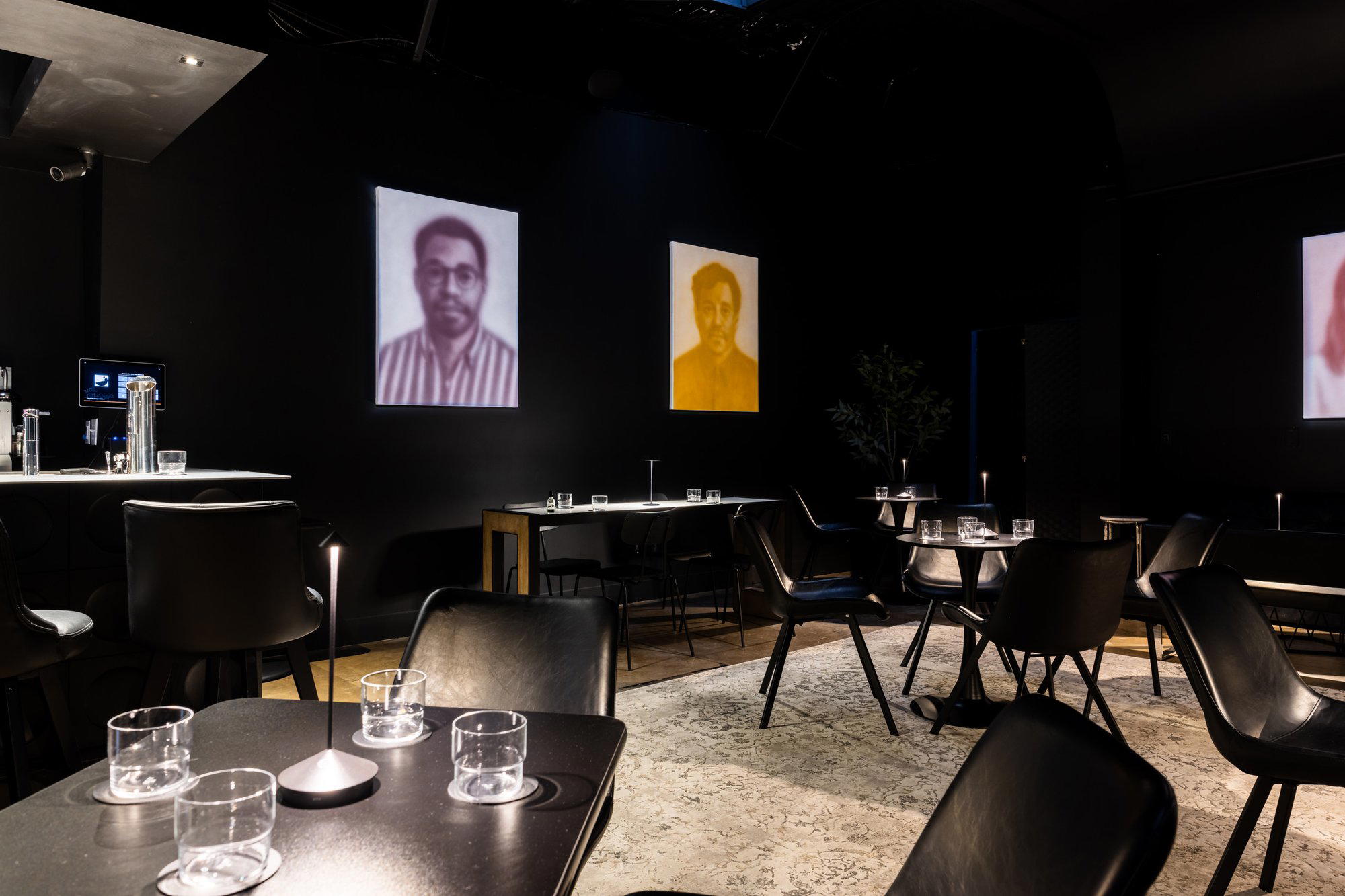
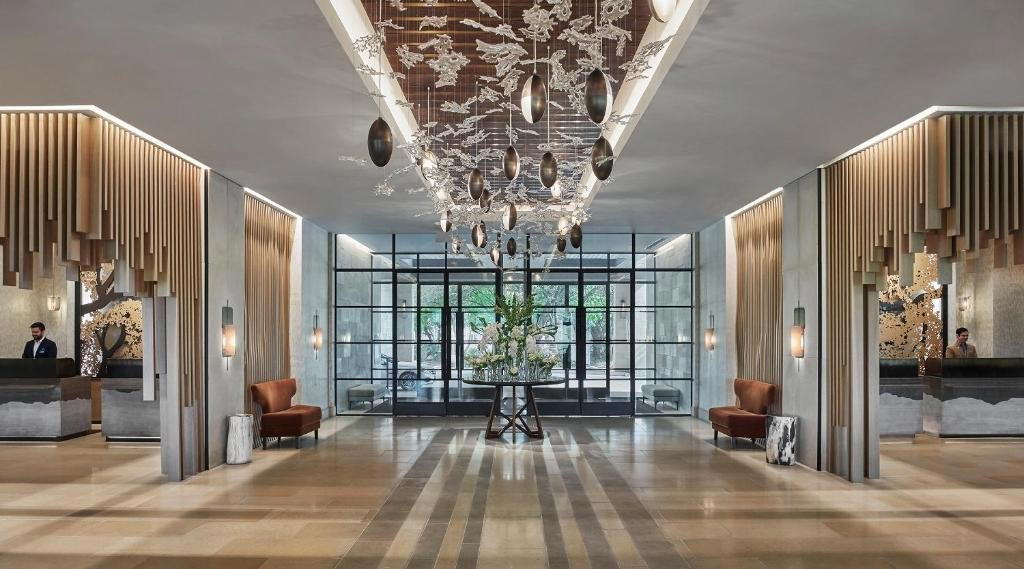
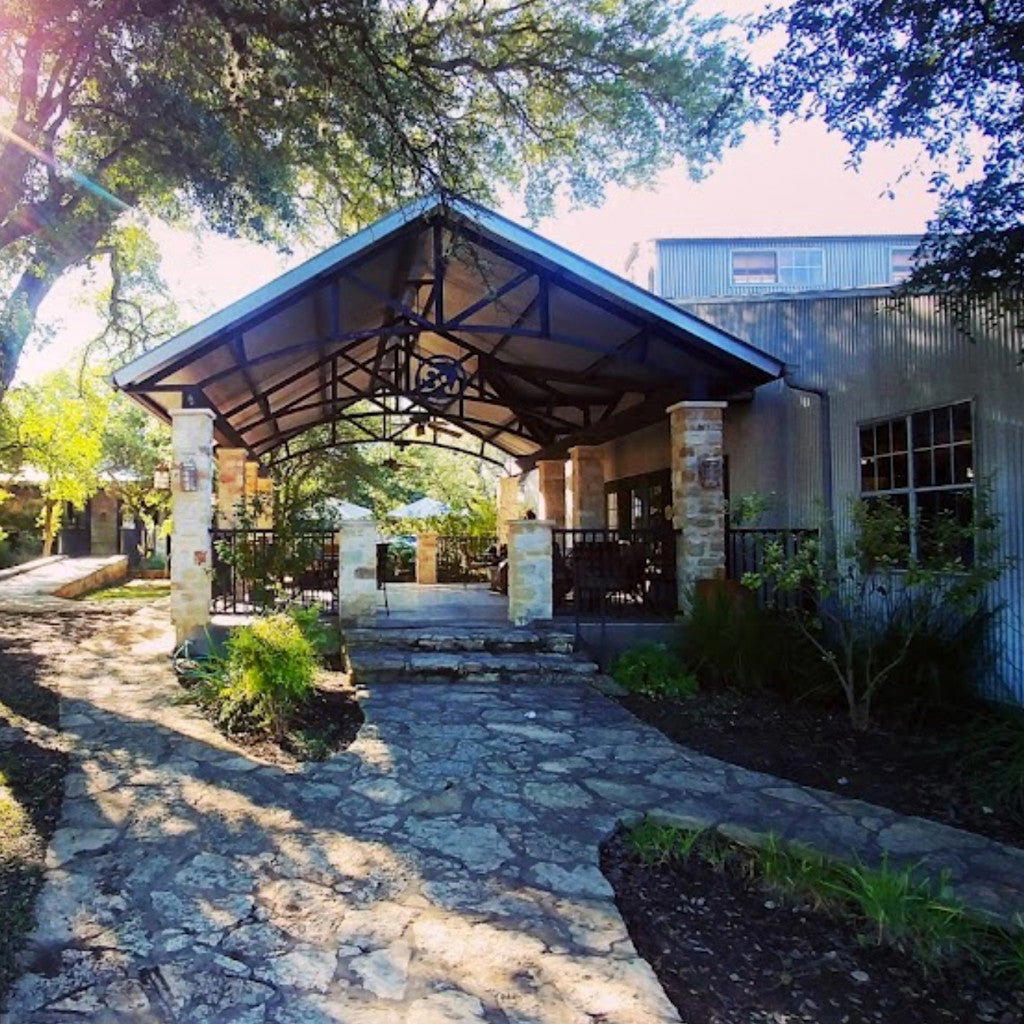
Entering Curcuma, the first register is warmth, not temperature, but palette. The visual language of turmeric and earth tones tends to carry into the spaces that serve this kind of cooking, and Austin's better ingredient-driven rooms have generally understood that the physical environment should reinforce the kitchen's commitments. That coherence between atmosphere and menu is something Austin's most serious dining rooms have learned from the national template: Blue Hill at Stone Barns in Tarrytown and Single Thread Farm in Healdsburg both demonstrate how the physical setting can become an extension of a sourcing argument. A room that looks like it belongs to its ingredients carries more authority than one that doesn't.
Austin's ingredient-forward tier is smaller than comparable cities, which works in Curcuma's favor. The city's serious dining conversation tends to concentrate around a handful of rooms: Hestia and its live-fire program, Barley Swine at the craft New American end, and Craft Omakase occupying the precision Japanese counter format. Curcuma arrives at that table with a different vocabulary: the spice-driven, produce-centric register that has become a credible counter-argument to the fire-and-protein dominance of Texas restaurant culture.
Sourcing as the Kitchen's First Language
The ingredient-sourcing framework that defines Curcuma's approach is not an Austin invention, but Austin's particular agricultural context makes it a useful lens. Central Texas grows year-round, and the state's farming network, particularly around the Hill Country corridor, gives kitchens that want to source locally a more viable supply chain than most landlocked American cities can claim. The restaurants that commit to that supply chain, rather than treating local sourcing as a marketing line, tend to build menus that shift seasonally in substantive ways rather than cosmetic ones.
Nationally, the most rigorous versions of this sourcing commitment appear at places like Smyth in Chicago, which operates its own farm, or The French Laundry in Napa, which maintains a kitchen garden across the road from the restaurant. These are extreme examples, but they define the logic that filters down to ingredient-driven city restaurants: the kitchen's authority derives partly from where the food begins, not only from what happens to it. At Curcuma, the turmeric-forward identity suggests a kitchen that has thought carefully about which ingredients carry the most structural weight in its cooking and built outward from there.
That approach connects Curcuma to a broader American movement in which spice and heat are being re-evaluated as primary flavors rather than supporting elements. The same shift is visible at Le Bernardin in New York City, where spice discipline is part of a long-established classical argument, and at Lazy Bear in San Francisco, where the tasting format allows a kitchen to build flavor progressions that a la carte service cannot. Curcuma occupies different territory from both, but the underlying commitment to ingredient hierarchy is shared.
How It Fits the Austin Dining Sequence
For visitors building an Austin itinerary around the city's serious dining tier, Curcuma functions as a counterweight to the smoke-and-protein concentration of the barbecue track. The city's food identity has been defined internationally by its barbecue, and that identity is earned, the leading Texas pits are doing genuinely serious work. But Austin's ingredient-forward restaurant tier offers a different argument about what cooking in this city can mean, and Curcuma is part of that argument.
The practical logic for visiting is direct. Austin's serious dining rooms tend to fill midweek as well as on weekends, driven partly by the city's tech and conference economy and partly by a growing local population that eats out frequently at the upper tier. Checking availability in advance is advisable rather than optional. For the full picture of what Austin's dining scene offers across all categories, our full Austin restaurants guide maps the competitive set from barbecue through to fine dining.
The comparison set for Curcuma's pricing tier sits against rooms like Addison in San Diego and The Inn at Little Washington in Washington at the national fine dining level, and more locally against the $$$-tier Austin rooms that have established the city's credibility in the craft restaurant conversation. At that tier, sourcing transparency and menu coherence are the metrics that matter most. Curcuma's identity, built around turmeric and spice logic, offers a more specific editorial argument than most Austin rooms at a comparable price point.
For context on how ingredient-driven cooking operates at its most ambitious international scale, the work being done at Atelier Moessmer Norbert Niederkofler in Brunico and Emeril's in New Orleans, two rooms on opposite ends of the sourcing-philosophy spectrum, illustrates how differently kitchens can apply the same underlying principle. Curcuma sits somewhere between those poles: more localized than a destination tasting room, more intentional than a neighborhood bistro.
Planning Your Visit
Specific booking details, hours, and address information for Curcuma are best confirmed directly through the restaurant's current channels, as operational specifics shift. Given Austin's competitive dining environment, advance planning is the sensible approach for any room operating in the craft tier. Visiting midweek generally improves availability without meaningfully changing the experience. For vegetarian diners, turmeric-forward, spice-conscious kitchens typically build menus where plant-based dishes carry as much structural weight as protein-centered ones, though confirming current menu scope directly is advisable.
Standing Among Peers
| Venue | Cuisine | Price | Awards |
|---|---|---|---|
| CurcumaThis venue — the venue you are viewing | Not listed | Not listed | This venue |
| Olamaie | Southern | $$$ | Michelin 1 Star |
| la Barbecue | Barbecue | $$ | Michelin 1 Star |
| Barley Swine | New American, Contemporary | $$$$ | Michelin 1 Star |
| Terry Black’s BBQ | Texas Barbecue | $$ | Texas Barbecue |
| Jeffrey's | French - Steakhouuse, Contemporary | $$$$ | French - Steakhouuse, Contemporary |
Continue exploring
More in Austin
Restaurants in Austin
Browse all →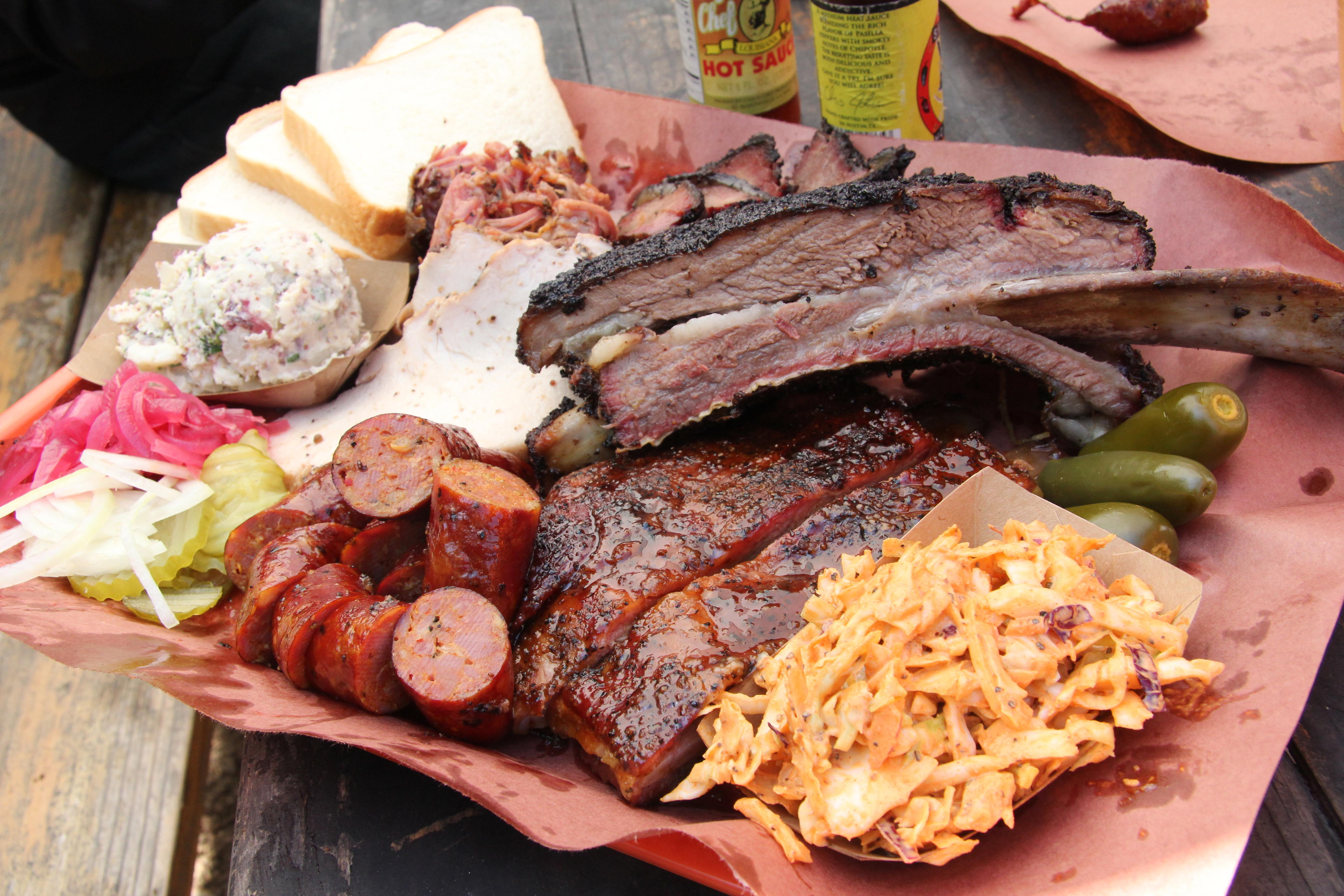
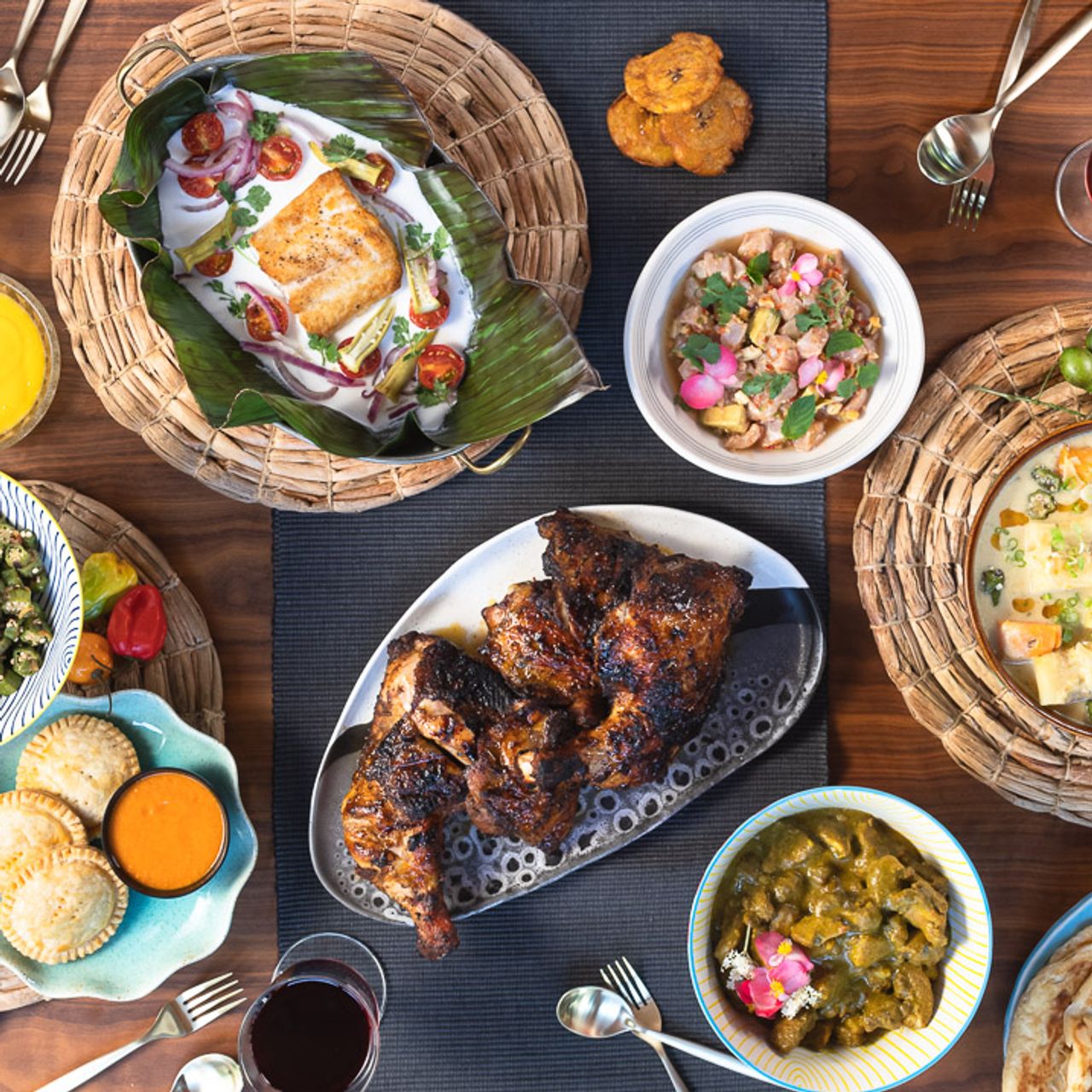
Bars in Austin
Browse all →
Hotels in Austin
Browse all →


At a Glance
- Trendy
- Cozy
- Casual Hangout
- Organic
Cheery and healthful atmosphere focused on intentional, healing foods.