

Michelin Bib Gourmand · Gault & Millau Türkiye 1 Toque
Our verdict
A Bib Gourmand recipient in both 2024 and 2025, Cuma sits in the Firuzağa quarter of Beyoğlu and brings a Mediterranean register to a neighbourhood better known for its meyhanes and coffee houses. At the ₺₺ price tier, it occupies a different competitive space from Istanbul's starred modern Turkish scene, accessible without being anonymous, and consistent enough to retain Michelin's value-focused recognition two years running.

Pearl is the En Primeur Club membership app, where members save venues, book tables and use the concierge.
The menu
What to order
- Sea bass ceviche
- Georgian dumplings
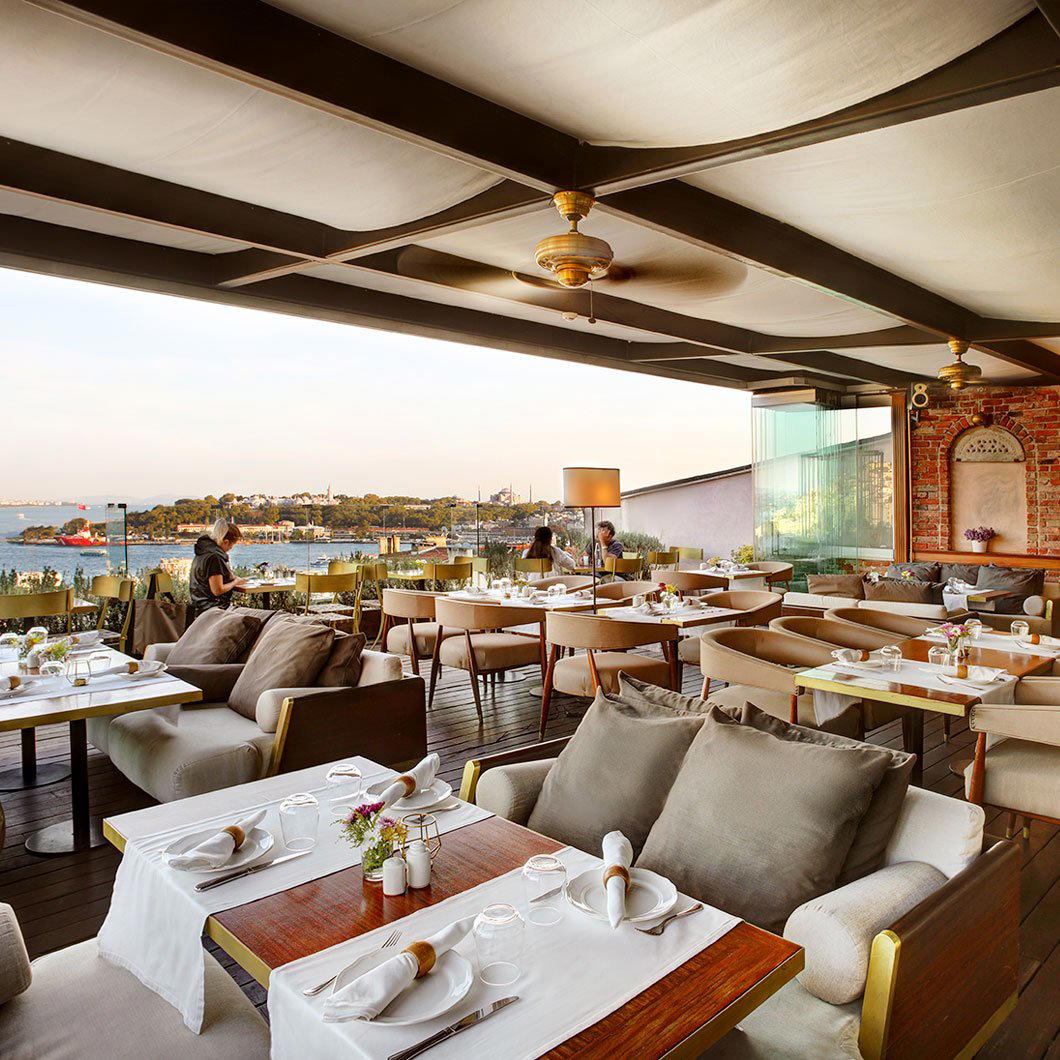
- Turkish breakfast
Beyoğlu's Mediterranean Table and What It Says About Istanbul's Mid-Market
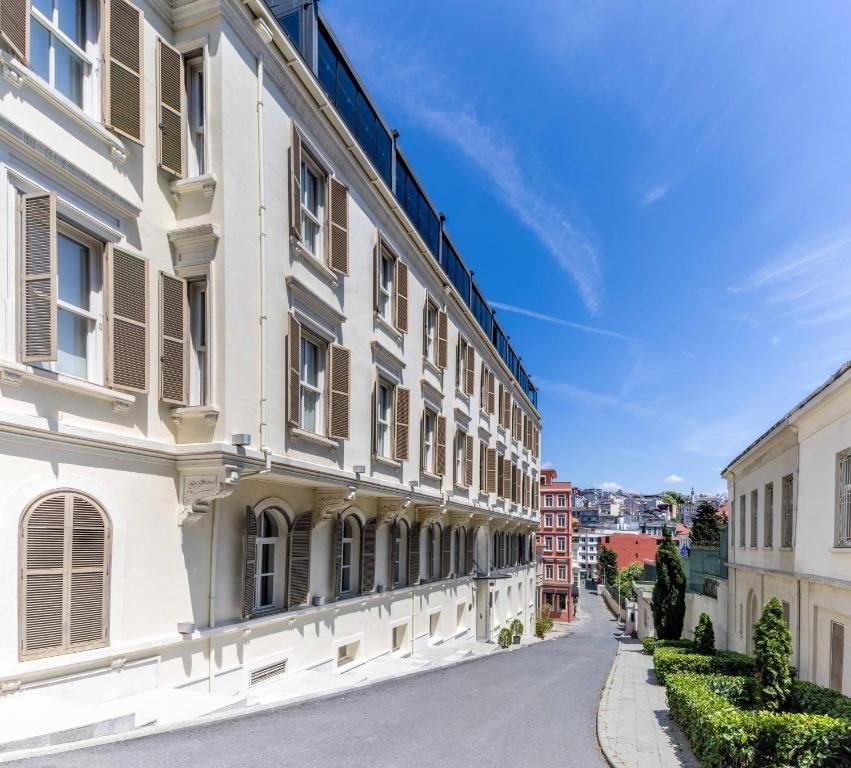
Firuzağa, the small residential pocket tucked inside Beyoğlu between the Grand Rue de Péra and the quieter residential streets descending toward the Bosphorus, has long resisted the kind of culinary branding that defines neighbourhoods like Karaköy or Galata. Its streets run narrow and unevenly paved; the buildings lean early Republican or late Ottoman, with the occasional interfering concrete addition. It is precisely the kind of setting where the gap between a good neighbourhood restaurant and a forgettable one becomes obvious, there is no tourist tide to carry either along. Cuma, at Çukur Cuma Cd. 53/A, operates in that environment and has done so with enough consistency to earn Michelin's Bib Gourmand two years in succession, in 2024 and again in 2025.
That double recognition matters as a signal rather than as decoration. The Bib Gourmand category is Michelin's mechanism for acknowledging places where quality exceeds what the price tier would lead a visitor to expect. At the ₺₺ level, Cuma sits well below the bracket occupied by Istanbul's starred modern Turkish scene, where venues like Turk Fatih Tutak (two stars, ₺₺₺₺) or Ruby set a very different price expectation. Michelin's examiners, in placing Cuma at the Bib level, are making an argument that the restaurant delivers at a standard that competes qualitatively upward, even if it doesn't price that way.
Mediterranean Cuisine in a City That Contains the Mediterranean
Istanbul's relationship with Mediterranean cooking is more complicated than it appears from outside. The city is geographically proximate to the Aegean and the southern coast, and Turkish cuisine shares ingredients, techniques, and produce networks with Greek, Levantine, and broader eastern Mediterranean traditions. But Istanbul's restaurant culture has historically sorted itself along sharper lines: Ottoman heritage at one end, modernist reinvention at the other, with meyhane culture running alongside both. A restaurant that describes itself as Mediterranean in this context is making a positioning choice, stepping outside the strict national frame without abandoning the region's produce logic.
That positioning has broader parallels across Turkey's dining scene. In Bodrum, Kitchen By Osman Sezener operates along a similar coastal Mediterranean grammar; in Izmir, Narımor draws on Aegean produce with comparable cross-regional ambition; in Antalya, 7 Mehmet holds its position through decades of regional consistency. Mediterranean cuisine in Turkey, in other words, is not a single format but a family of approaches, and Istanbul's version of it reflects the city's particular layering of European, Levantine, and Anatolian influence. Cuma's version of that register, executed at an accessible price point in a low-profile Beyoğlu street, reads as a local interpretation rather than an imported one.
Reinvention at the Mid-Market Level
Istanbul's restaurant scene has undergone considerable reconfiguration over the last decade. The rise of high-production modern Turkish fine dining, the growth of internationally oriented cocktail bars, and the increasing sophistication of the city's hotel dining have all raised the general expectation level. But the mid-market has evolved differently. In many Istanbul neighbourhoods, the meyhane tradition has both ossified and fragmented: some venues have become set-menu tourist operations, others have thinned their kitchen ambition to match tighter margins. The interesting movement has happened at places that treat the mid-tier not as a constraint but as a discipline.
Cuma's trajectory through two consecutive Bib Gourmand recognitions suggests it belongs to that latter group. Sustaining Michelin's value-category designation across years requires not just a strong opening impression but a degree of operational consistency that the inspectors, who return anonymously and repeatedly, can verify. In a city where restaurant quality can fluctuate significantly as costs rise and staff move, two-year Bib retention is a more informative signal than a single-year entry. For context, Istanbul's starred tier, including Turk Fatih Tutak and Ruby, operates under close scrutiny at a different investment level entirely; the Bib tier demands a different kind of discipline, one rooted in value engineering rather than showcase performance.
Chef Johnson Wong's presence in a Beyoğlu Mediterranean kitchen is itself a signal of how Istanbul's restaurant culture has diversified its talent pool. The city has historically drawn chefs from Anatolia and from the broader Ottoman diaspora; the arrival of internationally trained figures working outside the fine-dining register reflects a broader shift in how the mid-market is being approached. That shift is visible across the region: in Göcek, Ahãma has brought a similarly considered approach to a resort-adjacent context, while in Ürgüp, Aravan Evi has used Cappadocian produce within a format that resists easy categorisation. The pattern, in each case, is restaurants treating the Mediterranean-adjacent brief as an intellectual project rather than a default option.
Where Cuma Sits in the Beyoğlu Dining Order
Beyoğlu's restaurant spread runs from tourist-facing meyhane rows on Nevizade to serious modern kitchens in the streets between Taksim and Galata. Cuma's position in Firuzağa places it away from both the tourist circuit and the headline dining strip, which has historically been either a disadvantage or a filter depending on the venue. For the restaurants that work in that zone, the clientele tends to be local, informed, and less price-insensitive than the visitors who fill the Bosphorus-view terraces of places like Lokanta Feriye or the more tourist-oriented Greek-influenced formats like Giritli. The neighbourhood exercises a kind of editorial function on its restaurants.
That score, paired with the Michelin recognition, positions the restaurant inside a small cohort of Beyoğlu venues where the quality-to-price ratio holds across a broad audience rather than a self-selecting one. For visitors with limited meals to spend in Istanbul, that kind of cross-validated signal is worth weighing against the more obvious headliners. The full picture of where to eat in the city, including the starred modern Turkish tier, the Bosphorus-view category, and the value-focused mid-market, is mapped in our full Istanbul restaurants guide.
Planning a Visit
Cuma is located at Çukur Cuma Cd. 53/A in the Firuzağa quarter of Beyoğlu, reachable on foot from Taksim Square in around ten to fifteen minutes or via the Şişhane metro stop. Given the Bib Gourmand recognition and the neighbourhood's limited reservation infrastructure at the ₺₺ level, arriving with a booking or arriving early in service is the safer approach, particularly on weekends. No specific hours, booking method, or dress code are confirmed in available data, so contacting the venue directly before visiting is advisable. For broader Istanbul planning, our Istanbul hotels guide, bars guide, wineries guide, and experiences guide cover the full city across categories.
For those comparing Mediterranean dining across Turkey's coastal regions, the category has interesting regional expressions worth tracking: Agora Pansiyon in Milas works within the southern Aegean produce belt, while at the European end of the genre, La Brezza in Ascona and Arnaud Donckele and Maxime Frédéric at Louis Vuitton in Saint-Tropez represent what the format looks like at the starred, high-investment end of the spectrum. Cuma occupies a different position on that spectrum, but the double Bib recognition suggests the distance in quality is meaningfully smaller than the distance in price.
What People Recommend at Cuma
Cuma's Michelin recognition is anchored to its Mediterranean cuisine approach at the ₺₺ price point, with inspectors returning across two consecutive years (2024 and 2025) to confirm the restaurant's consistency. What the awards data does confirm is a kitchen operating with enough discipline to satisfy Michelin's value-category criteria repeatedly, under a city dining scene where the starred tier sets a high comparative benchmark. Visitors looking for a more specific pre-visit reference should consult recent reviews or contact the restaurant directly. For broader context on where The Red Balloon and other Beyoğlu restaurants sit relative to Cuma, our full Istanbul guide covers the competitive field in detail.
Frequently asked questions
What do people recommend at Cuma?
Cuma's Michelin recognition across two consecutive years (2024 and 2025) centres on its Mediterranean cuisine at the ₺₺ price tier, which positions it as one of Beyoğlu's more credible mid-market options. The Bib Gourmand designation specifically flags good cooking at moderate prices, so the draw is value relative to quality rather than any single showpiece dish. Located on Çukur Cuma Caddesi in Firuzağa, it sits away from the tourist-facing restaurant rows, which shapes the clientele and the pace of service. Regulars and inspectors alike have returned, suggesting the kitchen maintains consistency rather than relying on a single visit's impression.
What's the pricing like at Cuma?
Pricing at Cuma is listed as ₺₺.
What part of town is Cuma in?
Cuma is located at Firuzağa Mh, Çukur Cuma Cd. 53/A, 34425 Beyoğlu/İstanbul, Türkiye, Istanbul.
Is there a head chef associated with Cuma?
The chef associated with Cuma is Johnson Wong.
Peers in This Market
A quick peer check to anchor this venue’s price and recognition.
| Venue | Cuisine | Price | Awards | Notes |
|---|---|---|---|---|
| CumaThis venue (the venue you are viewing) | Modern Turkish-Mediterranean | $20–30 | Michelin Bib Gourmand · Gault & Millau Türkiye 1 Toque | Not listed |
| Turk Fatih Tutak | Modern Turkish Fine Dining | $200–300 | 2 Michelin Stars · World's 50 Best #66 | Modern Turkish, ₺₺₺₺ |
| Mikla | New Anatolian Kitchen | $100–150 | 1 Michelin Star · World's 50 Best #44 | Modern Turkish, Mediterranean Cuisine, ₺₺₺₺ |
| Neolokal | Modern Turkish Fine Dining | $200–300 | 1 Michelin Star · World's 50 Best #100 | Modern Turkish, Turkish, ₺₺₺₺ |
| Arkestra | Modern European with Global Influences | $100–150 | 1 Michelin Star · Gault & Millau Türkiye 3 Toques | Fusion, ₺₺₺₺ |
| Nicole | Contemporary Turkish Fine Dining | $150–200 | 1 Michelin Star · Gault & Millau Türkiye 3 Toques | Modern Turkish, Modern Cuisine, ₺₺₺₺ |
Recognition history
Dated appearances from independent guides and award organizations, with the underlying list record or original source where available.
Michelin Bib Gourmand
Michelin
Gault & Millau Türkiye 1 Toque
Gault & Millau · Gault & Millau Türkiye 2026 - 1 Toque
Full recognition history (3 entries)
Michelin Bib Gourmand
Michelin
Continue exploring
More in Istanbul
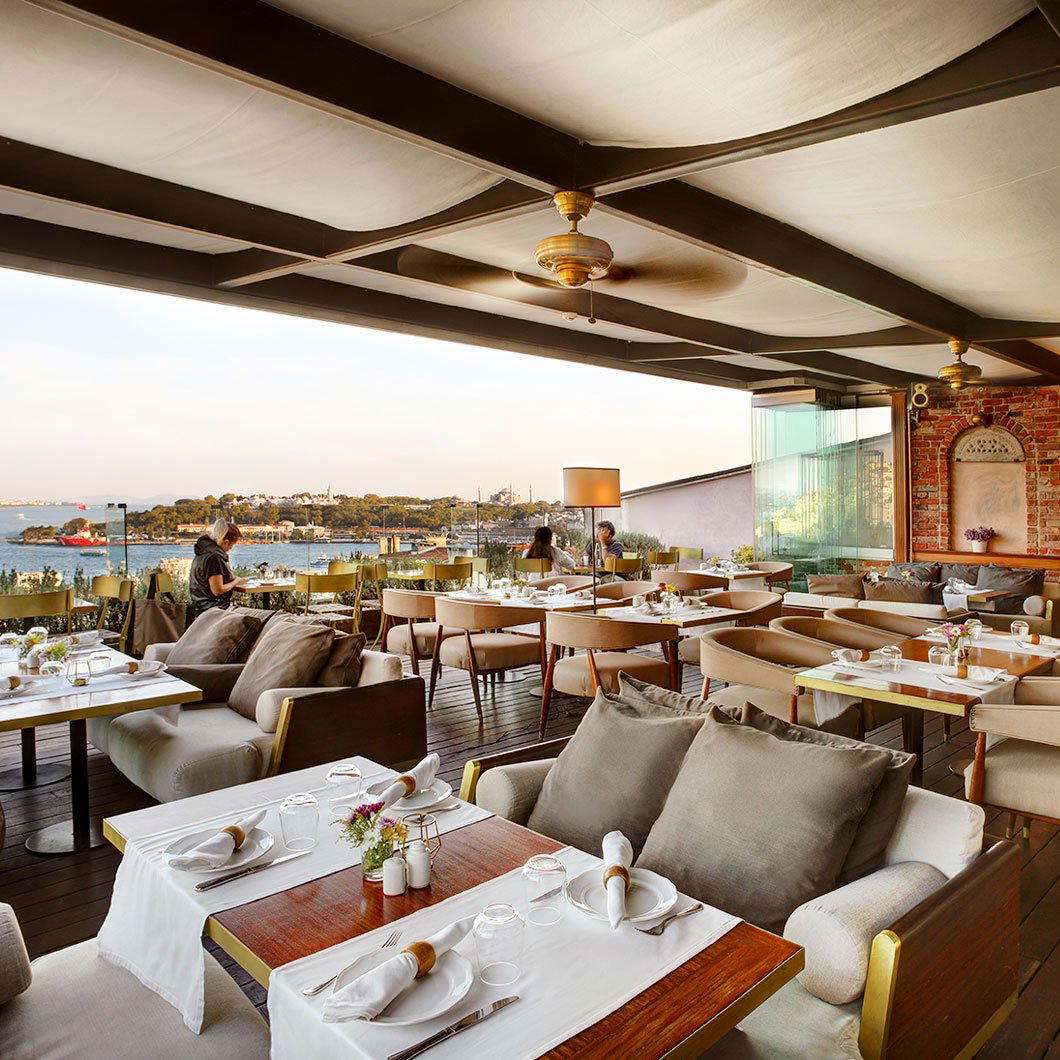
Restaurants in Istanbul
All restaurants in Istanbul →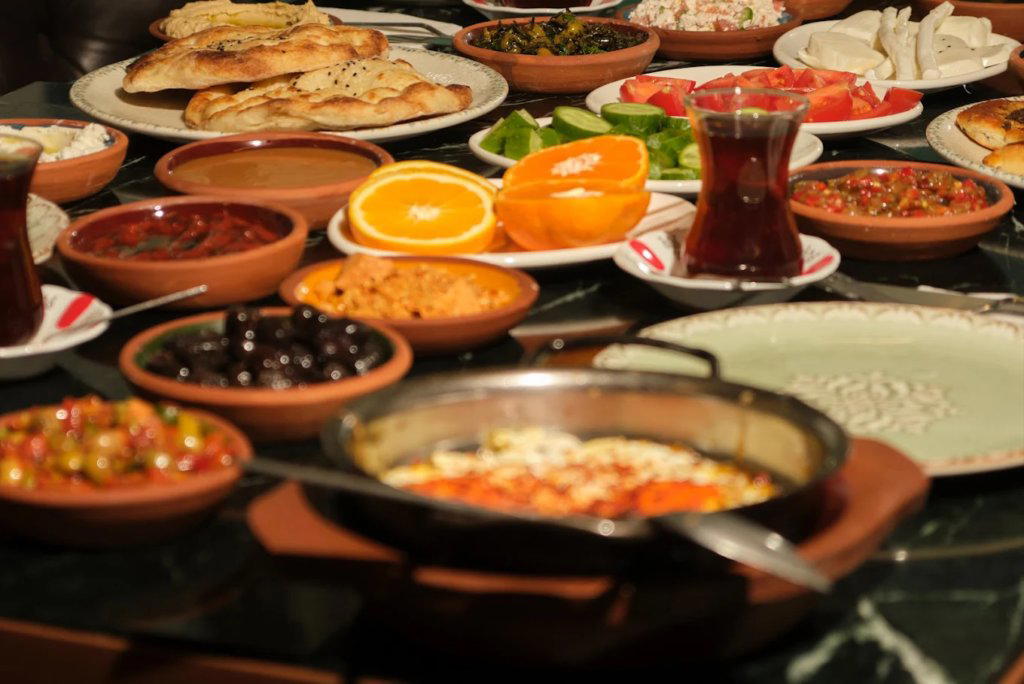
Bars in Istanbul
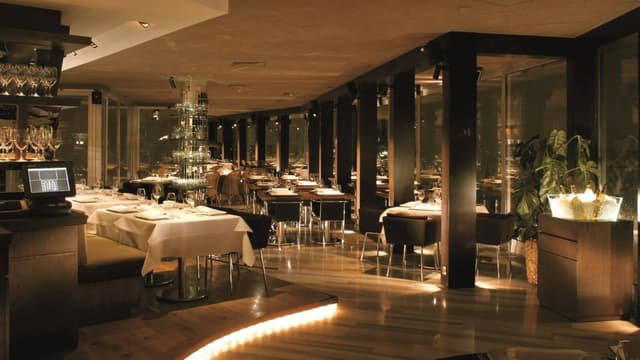
All bars in Istanbul →
Details
- Cozy
- Modern
- Trendy
- Intimate
- Date Night
- Brunch
- Casual Hangout
- Terrace
- Garden
- Extensive Wine List
- Local Sourcing
- Garden
- Street Scene
- A La Carte
- Small Plates
- Vegetarian Friendly
- Vegan Options
- Gluten Free Options
Current opening hours
- Monday
- 10 AM–12 AM
- Tuesday
- 10 AM–12 AM
- Wednesday
- 10 AM–12 AM
- Thursday
- 10 AM–12 AM
- Friday
- 10 AM–12 AM
- Saturday
- 10 AM–12 AM
- Sunday
- 10 AM–12 AM
Hours can change for holidays and private events. Hours as of .
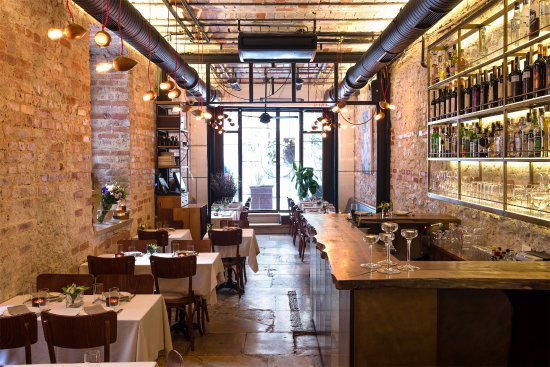
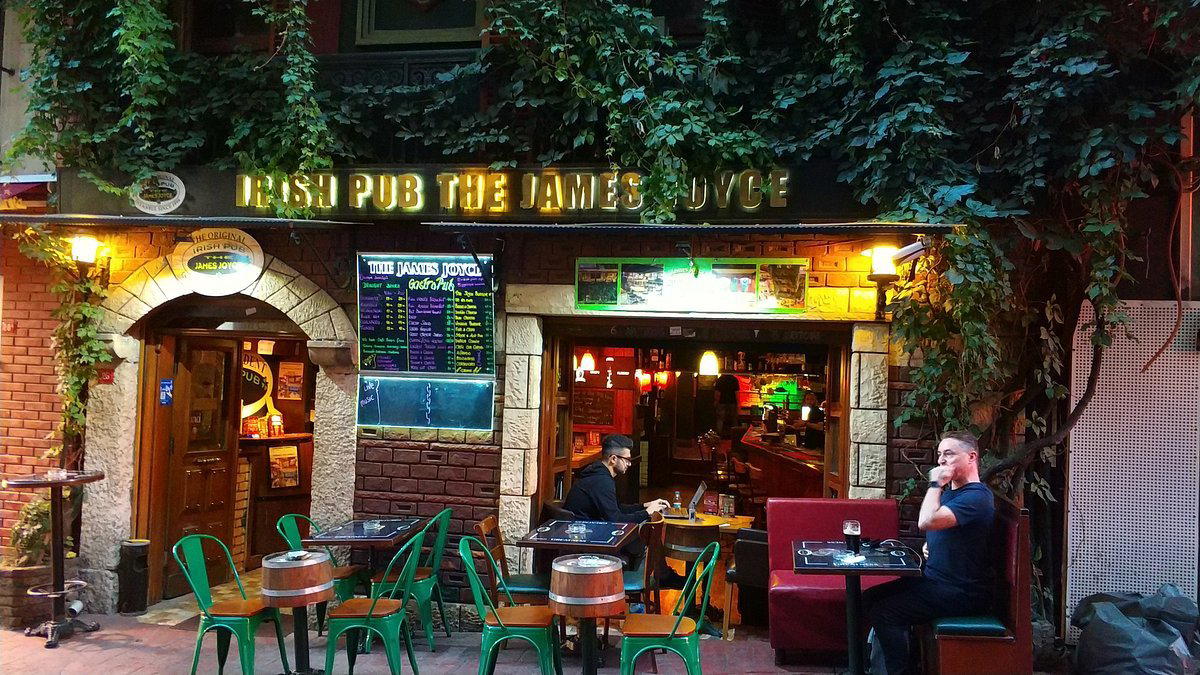
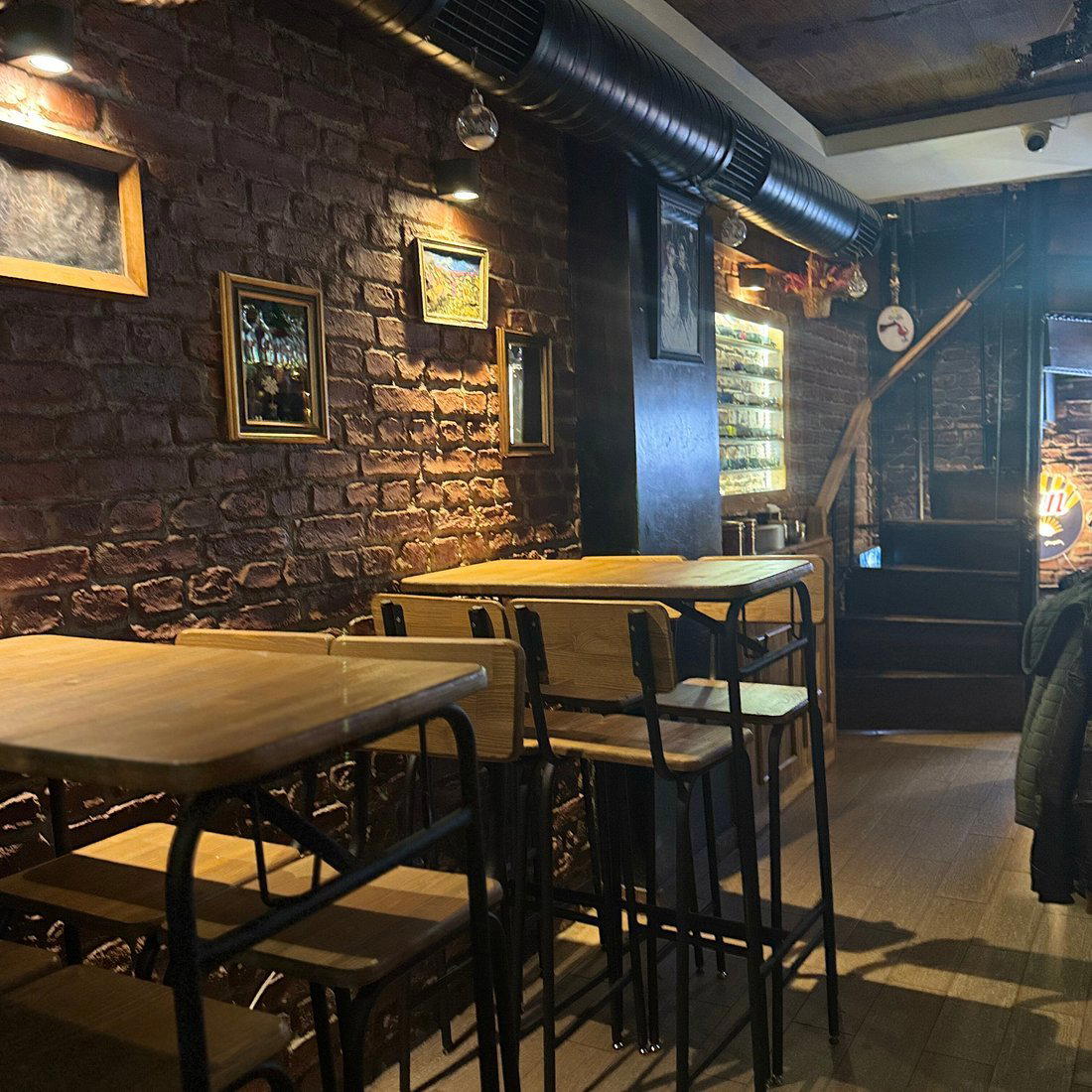
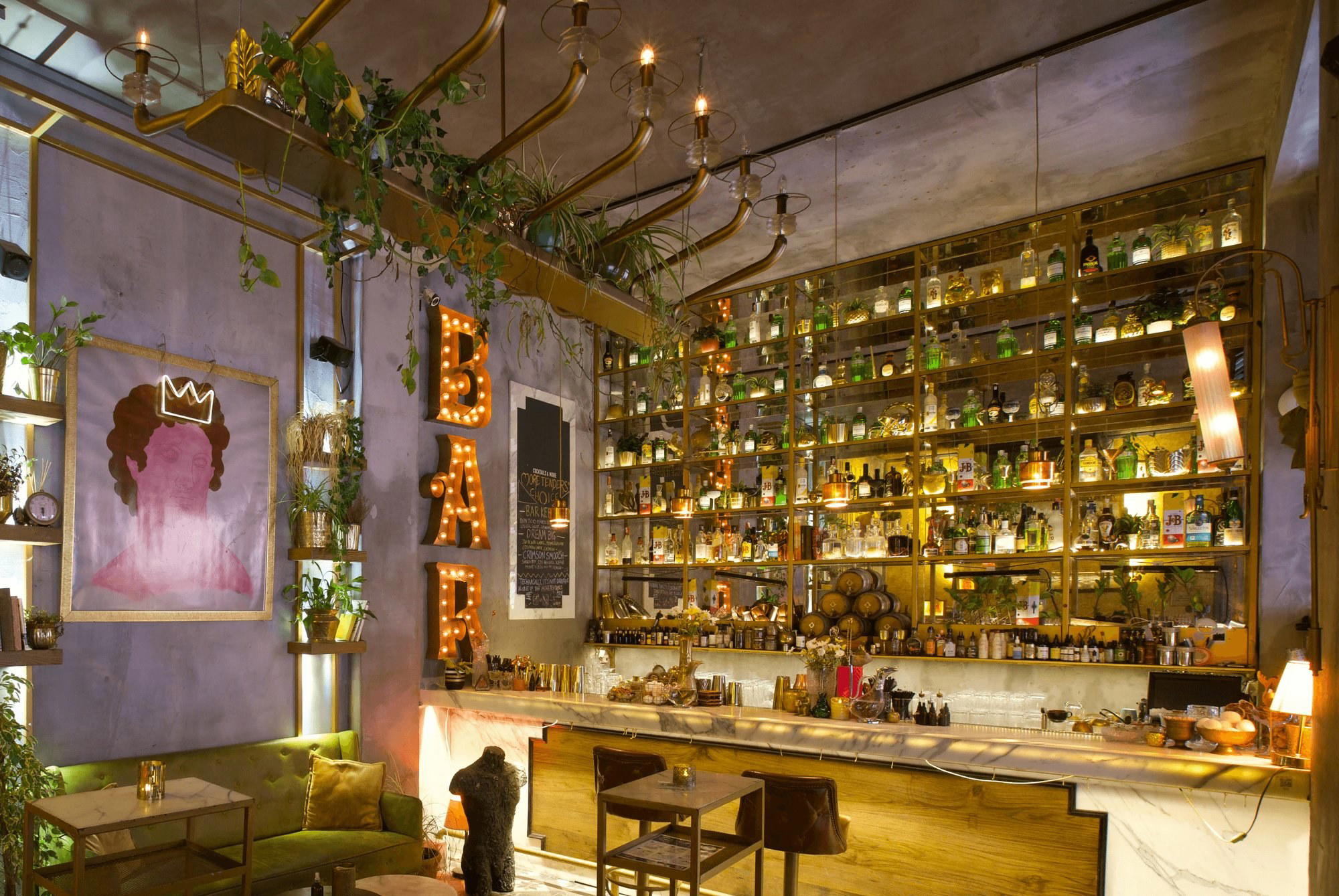
Modern yet cozy decor with soft lighting, tasteful furnishings, and a lively yet relaxed atmosphere enhanced by a charming garden terrace.