

Michelin Plate · We're Smart World 4 Radishes
Our verdict
A vegetarian restaurant on Rue de l'Arbre Sec in Lyon's 1st arrondissement, Culina Hortus holds a Michelin Plate and four We're Smart Radishes, positioning it as a serious address in a city better known for quenelles and offal. The menu draws almost entirely from organic, local, and French-origin produce, with vegetables treated as the structural centre of each course rather than a supporting act.

Pearl is the En Primeur Club membership app, where members save venues, book tables and use the concierge.
Vegetables at the Table in Lyon's First Arrondissement
Rue de l'Arbre Sec runs through the Presqu'île, the narrow tongue of land between the Rhône and the Saône that has defined Lyon's gastronomic reputation for generations. The street sits a short walk from the traboules of Vieux Lyon and within easy reach of the covered markets of Les Halles Paul Bocuse. It is, in other words, about as embedded in France's most meat-forward food culture as an address can be. That Culina Hortus has built a credible, recognised vegetable-led kitchen here, at a price point that sits in the same tier as Burgundy by Matthieu and below Lyon's upper bracket of €€€€ addresses like Le Neuvième Art, is the editorial point worth sitting with before anything else.
Lyon's dining culture has historically organised itself around protein. The bouchon tradition, the canonical trajectory that runs from La Mère Brazier through the era of Paul Bocuse, and the modern creative addresses like Takao Takano and Au 14 Février, all of them centre animal protein as the organising logic of a menu. Vegetable-led cooking at this level of seriousness, with structured coursing and sourcing rigour, represents a genuine departure from the city's dominant mode, not an accommodation of it.
The Arc of a Meal: How the Courses Build
The editorial angle that matters most at Culina Hortus is how a tasting progression works when the kitchen has committed to vegetables as a complete culinary system rather than a dietary workaround. In high-performing vegetable-focused restaurants globally, from Fu He Hui in Shanghai to Lamdre in Beijing, the test is whether successive courses can carry textural contrast, temperature variation, and flavour accumulation across a full service without leaning on meat or fish as a structural anchor. The We're Smart Radish rating system, which scored Culina Hortus at four Radishes, is specifically designed to assess this. It evaluates vegetable-centric menus on creativity, ingredient quality, and the coherence of the tasting arc, making it a more precise trust signal for this category than a generalised Michelin star.
The kitchen's declared commitment to organic, local, and French-origin ingredients sets the sourcing framework from which the menu's seasonal logic flows. Produce-led menus of this kind tend to move with the French agricultural calendar more sharply than omnivore menus, since there is no protein fallback to maintain consistency across leaner seasons. This means the menu in late spring, when the Rhône-Alpes region begins producing courgettes, broad beans, and early tomatoes, will read differently from the one in February, when root vegetables, preserved items, and cold-weather brassicas become the available palette. Timing a visit accordingly makes sense.
From Opening Courses to the Close
What the restaurant's sourcing framework does suggest is an opening register built on raw or lightly treated ingredients, where the freshness of organic produce is most legible, transitioning into more technically involved middle courses where the kitchen's approach to texture and cooking method carries the weight of the meal. Pasta appears in the documented assessment as part of the menu's scope, indicating that the kitchen works across grain-based and vegetable forms rather than limiting itself to a single register. Finishing courses at vegetable-centric addresses at this level tend to resolve toward fermented, pickled, or preserved elements that close the meal with acidity and concentration rather than sweetness. That arc, when executed with discipline, is what the four-Radish score indicates Culina Hortus can deliver.
The Michelin Plate recognition in both 2024 and 2025 confirms that the guide's inspectors found the kitchen's cooking worthy of notice without reaching the starred tier. In Lyon's context, where Michelin has historically distributed stars across a compact set of very technically accomplished tables, a Plate at a vegetable-focused restaurant in the €€€ tier carries a different signal than in other French cities. It indicates that the kitchen meets the guide's threshold for quality ingredients and competent cooking, which in Lyon's competitive field is a meaningful data point rather than a consolation.
Positioning Within Lyon's Dining Field
At the €€€ price point, Culina Hortus occupies a middle band in Lyon's market. It is priced above the bouchon tier and below the serious tasting-menu addresses at €€€€ such as Le Neuvième Art. Its closest peer by price and format might be read as Burgundy by Matthieu, though the culinary category separates them entirely. For a visitor building a Lyon itinerary, Culina Hortus fills a specific role: a structured, award-signalled vegetable-led meal in the city's core, at a price that does not require the same occasion-dining framing as a starred counter. That slot does not have many occupants in Lyon's current restaurant field.
The broader context worth noting is that vegetable-forward fine dining has expanded across France's gastronomic centres over the past decade, driven partly by sourcing culture at addresses like Bras in Laguiole, whose garden-to-plate approach established an intellectual framework that influenced a generation of French chefs, and partly by the growing relevance of evaluation systems like We're Smart that gave vegetable cooking its own credentialling structure. Lyon arriving at this point later than Paris or the Atlantic coast is consistent with the city's general conservatism around innovation, which makes the restaurant's existence here more notable, not less.
Planning a Visit
Culina Hortus is at 38 Rue de l'Arbre Sec in Lyon's 1st arrondissement, a walkable position from the Hôtel de Ville metro stop and the main concentration of Presqu'île restaurants. At the €€€ level with Michelin and We're Smart recognition, this is not a restaurant where walk-in access on peak evenings should be assumed. Booking ahead, particularly for weekend dinner, is the practical approach. For those assembling a wider Lyon trip, the full set of EP Club guides, restaurants, hotels, bars, wineries, and experiences, provides the fuller itinerary context. For travel outside Lyon, France's leading tables include Alléno Paris au Pavillon Ledoyen, Flocons de Sel in Megève, Mirazur in Menton, and Troisgros in Ouches, each anchoring a distinct regional food culture worth cross-referencing against Lyon's own.
Frequently asked questions
How much does it cost to eat at Culina Hortus?
Pricing at Culina Hortus is listed as €€€.
Can I walk in to Culina Hortus?
With consecutive Michelin Plate recognition in 2024 and 2025, plus four We're Smart Radishes, Culina Hortus draws a consistent crowd at the €€€ price point. Advance booking is the safer approach, particularly for evening services. The address at 38 Rue de l'Arbre Sec is walkable from Hôtel de Ville, so spontaneous visits are easy to attempt, though a reservation avoids the risk of a full house.
Reputation First
| Venue | Cuisine | Price | Awards | Notes |
|---|---|---|---|---|
| Culina HortusThis venue (the venue you are viewing) | Modern French Vegetarian Fine Dining | $50–100 | Michelin Plate · We're Smart World 4 Radishes | Not listed |
| Le Neuvième Art | Modern French Gastronomique | Not listed | 2 Michelin Stars · La Liste Top Restaurants | Contemporary French, Creative |
| Rustique | Contemporary French Peasant Cuisine | Not listed | 1 Michelin Star · Gault & Millau Remarkable Restaurant | Creative |
| La Mere Brazier | Modern Lyonnaise Fine Dining | $50–100 | 2 Michelin Stars · La Liste Top Restaurants | French |
| Burgundy by Matthieu | Modern French Fine Dining | $150–200 | 1 Michelin Star · Gault & Millau Remarkable Restaurant | Modern Cuisine |
| Miraflores | Franco-Peruvian Fine Dining | $150–200 | 1 Michelin Star · Gault & Millau Remarkable Restaurant | Peruvian |
Recognition history
Dated appearances from independent guides and award organizations, with the underlying list record or original source where available.
Michelin Plate
Michelin
We're Smart World 4 Radishes
We're Smart World
Full recognition history (5 entries)
Michelin Plate
Michelin
We're Smart World 3 Radishes
We're Smart World
Michelin Plate
Michelin
Continue exploring
More in Lyon
Restaurants in Lyon
All restaurants in Lyon →
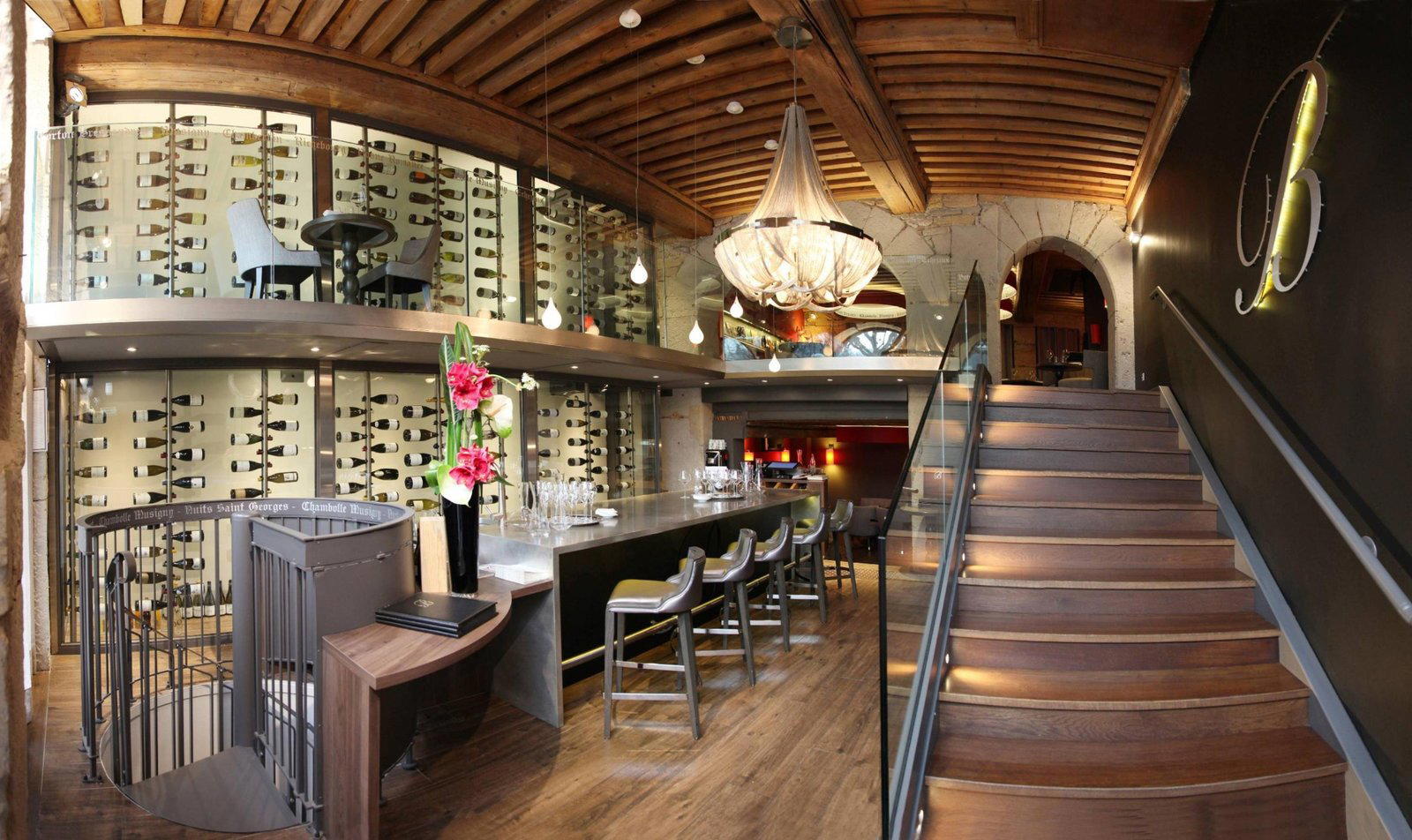
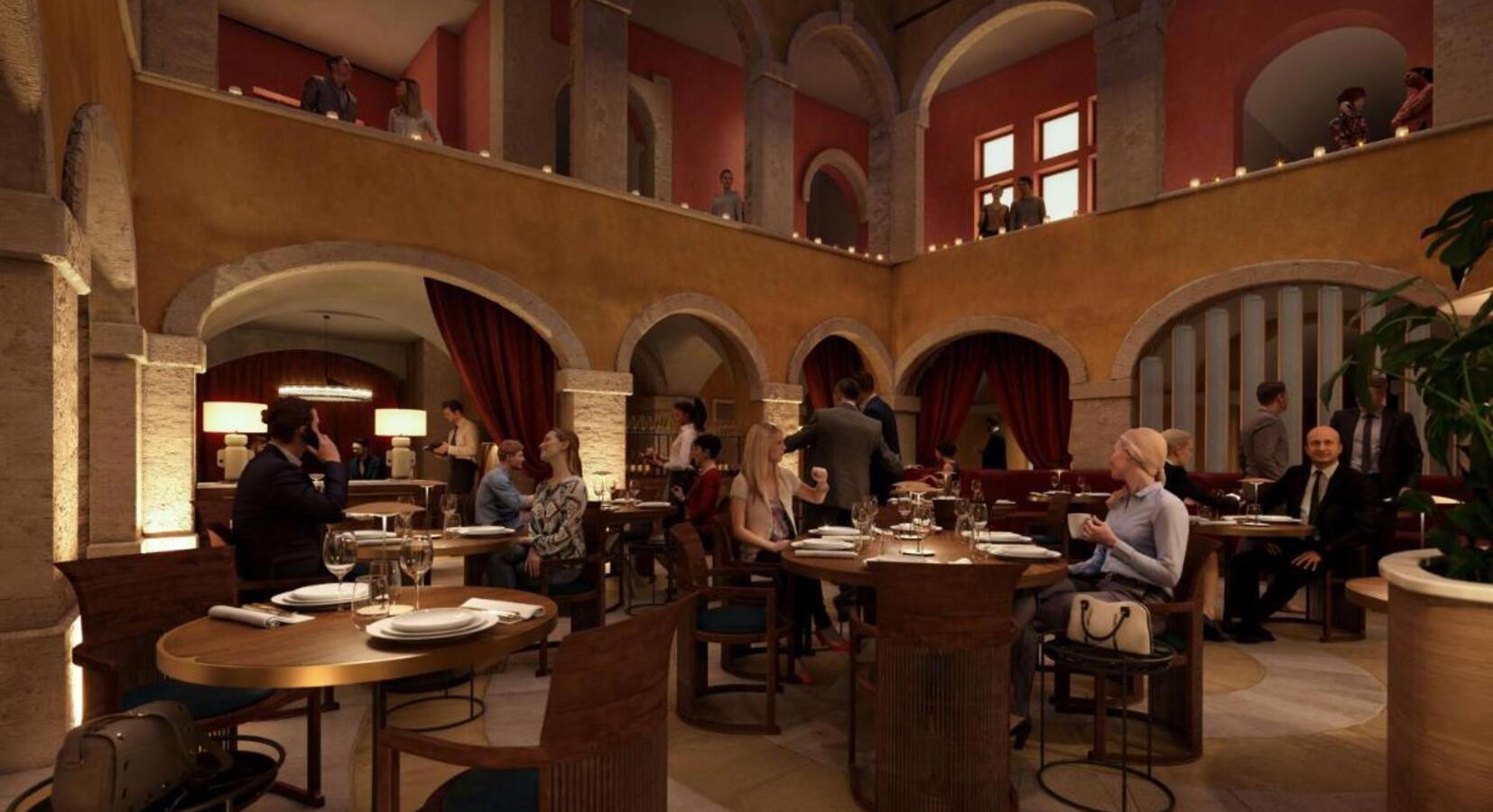
Bars in Lyon
All bars in Lyon →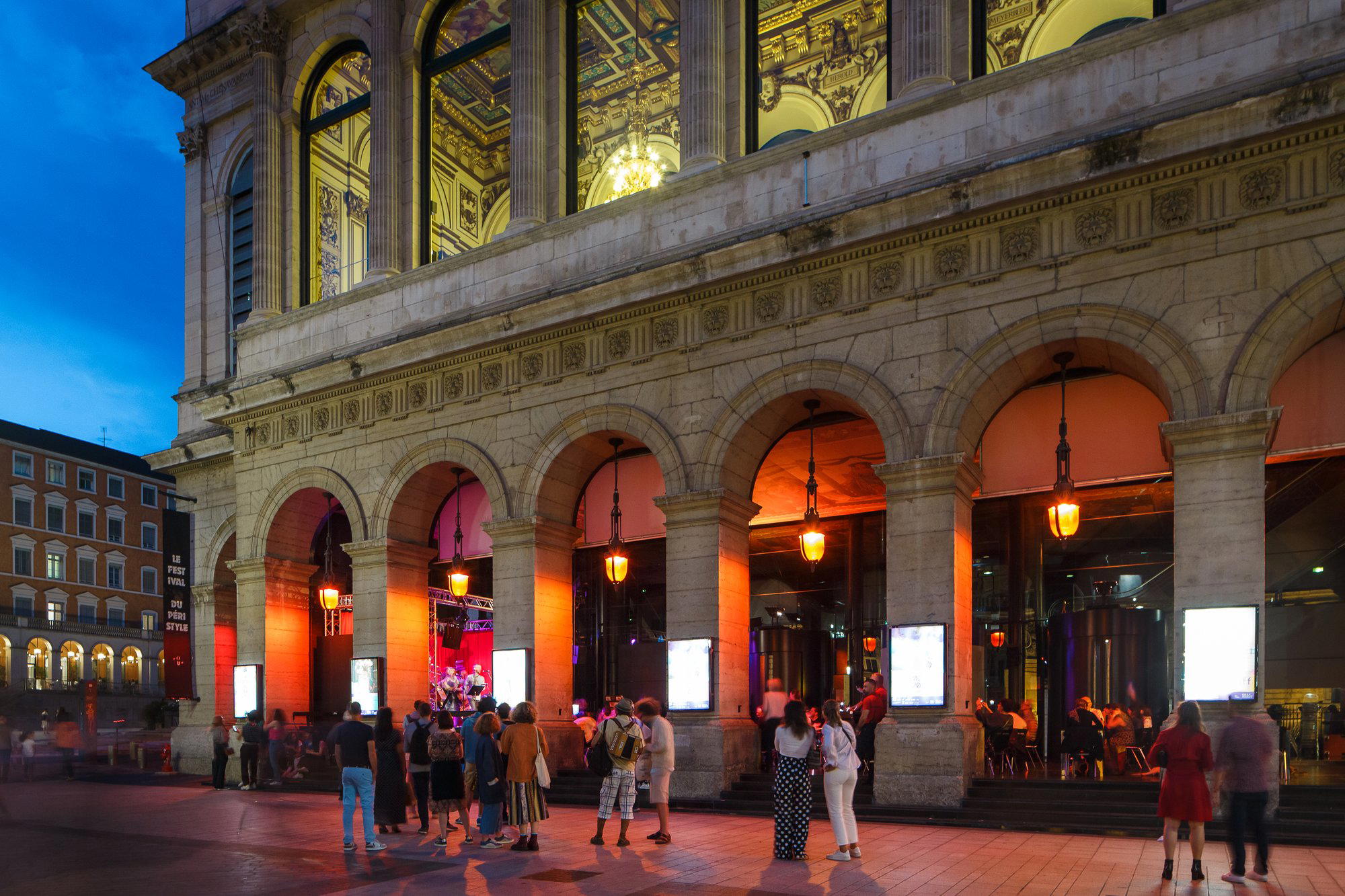
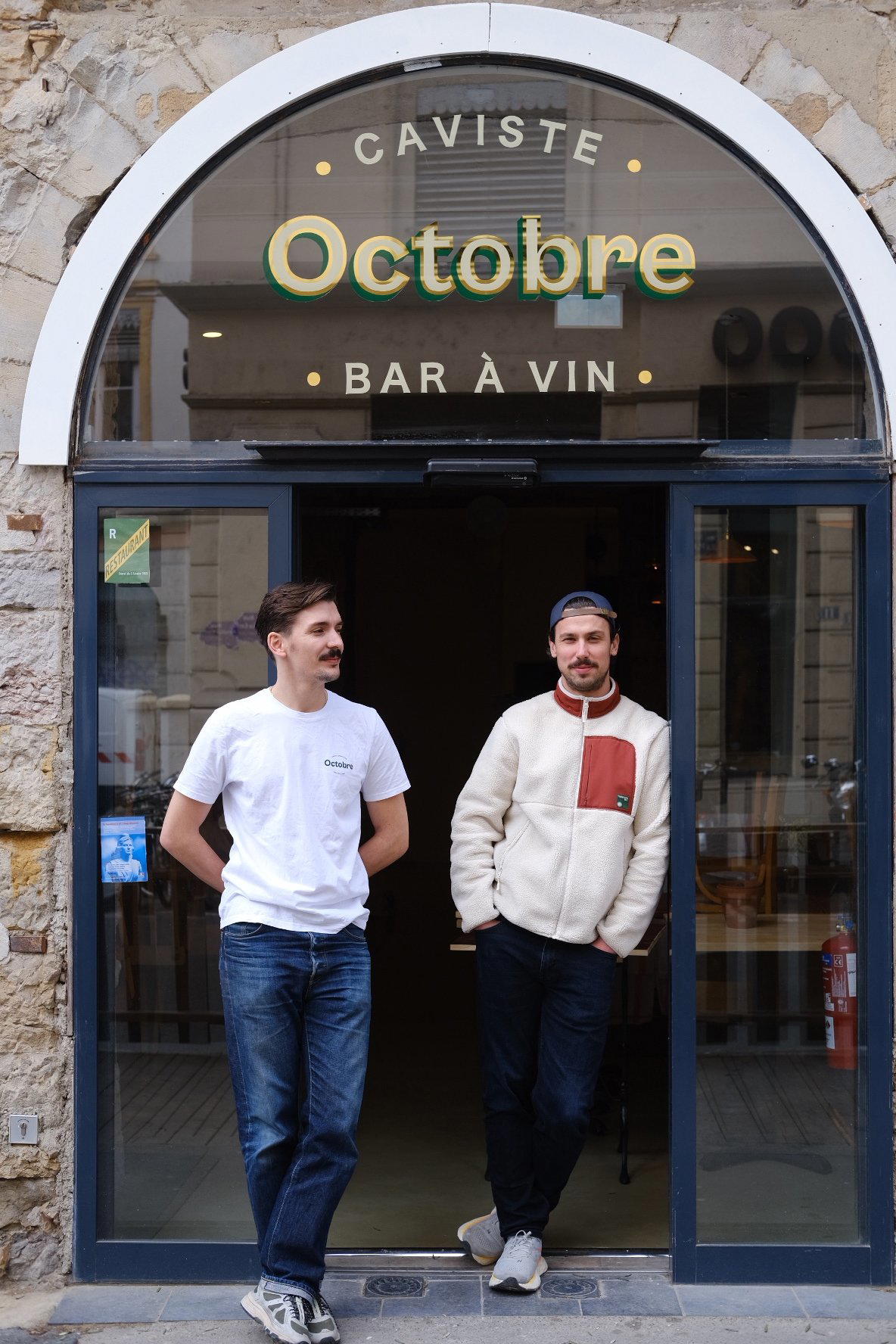

Details
- Modern
- Cozy
- Elegant
- Intimate
- Date Night
- Special Occasion
- Open Kitchen
- Extensive Wine List
- Organic
- Local Sourcing
- Tasting Menu
- Vegetarian Friendly
- Gluten Free Options
- Vegan Options
Current opening hours
- Monday
- Closed
- Tuesday
- 12–3 PM, 7:15–11 PM
- Wednesday
- 12–3 PM, 7:15–11 PM
- Thursday
- 12–3 PM, 7:15–11 PM
- Friday
- 12–3 PM, 7:15–11 PM
- Saturday
- 12–3 PM, 7:15–11 PM
- Sunday
- Closed
Hours can change for holidays and private events. Hours as of .
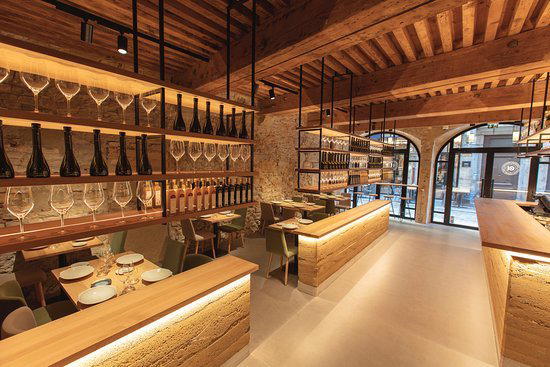
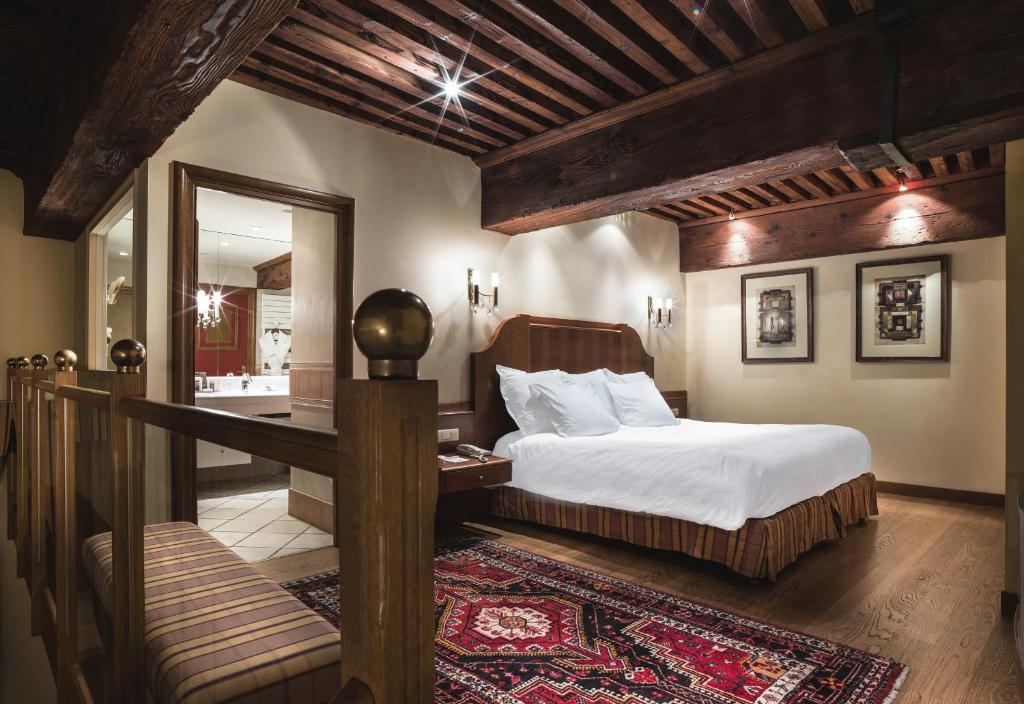
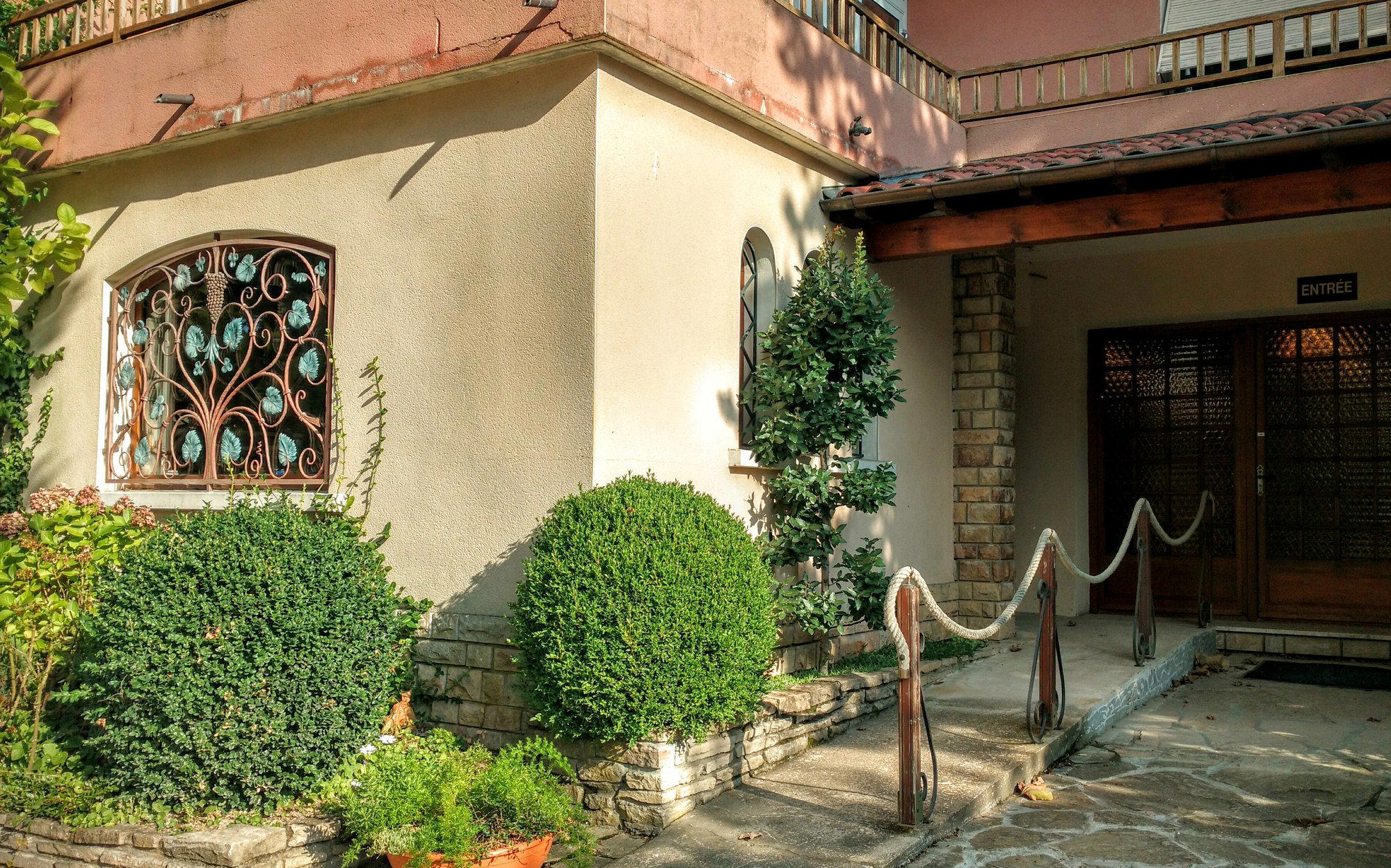
Snug, modern decor featuring wood, concrete, adobe, stone, and glass for a stylish, warm, and airy atmosphere.