Cucina Toscana
Cucina Toscana sits in Salt Lake City's downtown dining corridor, representing the city's appetite for Italian cooking rooted in regional tradition rather than generic pasta-house fare. The kitchen draws on Tuscan sourcing principles at a moment when ingredient provenance has become the defining line between serious Italian restaurants and their imitators. For visitors and locals alike, it occupies a distinct position in a dining scene that continues to mature beyond its mountain-town reputation.
- Address
- 282 300 W, Salt Lake City, UT 84101
- Phone
- +18013283463
- Website
- toscanaslc.com
- Directions
- Get directions
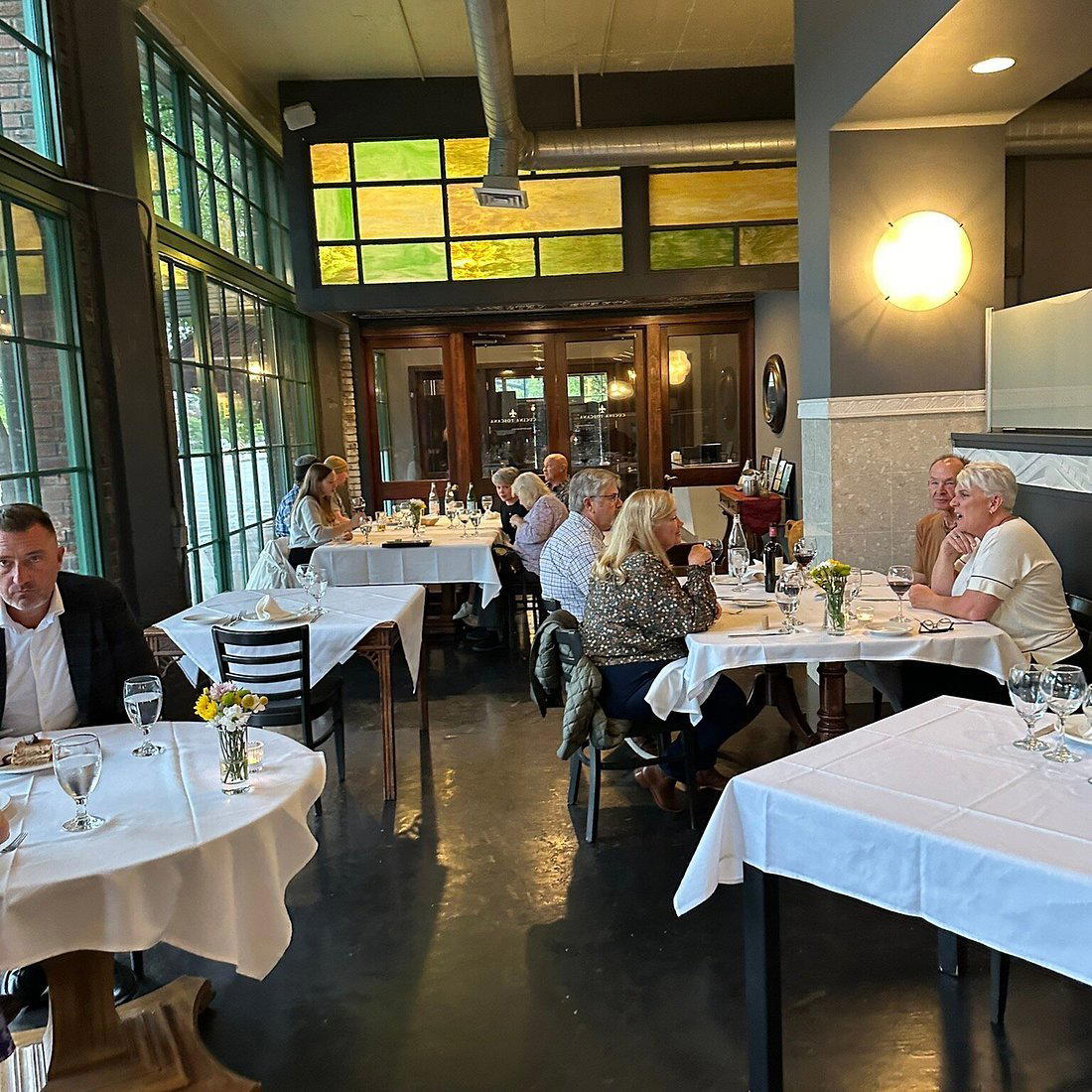
Where Salt Lake City's Italian Tradition Meets the Sourcing Question
Downtown Salt Lake City's restaurant corridor along 300 West has grown into something worth paying attention to. The strip sits within walking distance of the Eccles Theater and the broader CBD, which means it draws a mixed crowd: pre-show diners, hotel guests, and locals who know where to go on a weeknight. In that environment, a restaurant committed to Tuscan cooking faces a specific test. Italian cuisine in the American interior has long defaulted to crowd-pleasing adaptation — cream sauces, oversized portions, wine lists organized by varietal rather than region. The restaurants that have pushed back against that tendency are the ones shaping what Salt Lake City's dining identity looks like in the mid-2020s.
Cucina Toscana, at 282 300 West, operates in that context. The name signals a regional commitment rather than a pan-Italian scope, and regional commitment in Italian cooking is almost always a sourcing argument before it becomes a flavor argument. Tuscany's culinary identity is built on restraint: olive oil over butter, legumes over cream, the bitter edge of cavolo nero against the fat of a slow-braised cut. Getting those flavors right in Salt Lake City — a landlocked city at elevation, far from the coastal producers and the Po Valley farms, is a logistical and culinary challenge that separates restaurants with genuine conviction from those with a theme.
The Sourcing Argument in Landlocked Italian Cooking
The broader conversation about ingredient provenance has transformed Italian restaurants across the United States over the past decade. Properties like Blue Hill at Stone Barns in Tarrytown and Single Thread Farm in Healdsburg built their reputations around treating the supply chain as the menu's first chapter. Smyth in Chicago applies a similar logic at the fine-dining tier. The movement has filtered into every price bracket, and Italian cooking has been a particular beneficiary: the cuisine's emphasis on a short list of precise ingredients means that sourcing quality shows up immediately on the plate.
In Salt Lake City, that conversation is happening at a moment of genuine market maturation. Comparison venues like Cosmica have demonstrated that the city's diners will engage seriously with regional Italian cooking rather than defaulting to familiarity. Caputo's Market and Deli, a longstanding local institution, has educated a generation of Salt Lake City eaters about imported Italian products, Calabrian chiles, aged aceto balsamico, DOP-certified cheeses, which means the customer base arriving at a restaurant like Cucina Toscana is more literate than the national average might suggest.
The Utah agricultural season adds its own logic. The state's high-desert growing conditions produce stone fruits, heritage grains, and lamb with qualities that align naturally with Tuscan cooking's preference for ingredients that carry their own weight. A kitchen paying attention to what's available from Utah's Cache Valley and the farms along the Wasatch Front can construct a Tuscan-inflected menu that is simultaneously local and regionally coherent, not a contradiction, but a direct expression of how Italian regional cooking has always worked. Neighboring restaurants on the Salt Lake City dining circuit, including Avenues Proper and Arlo Restaurant, have shown that local sourcing and a defined culinary identity are not mutually exclusive in this market.
Tuscan Cooking's Place in the American Fine-Dining Conversation
It is worth situating Tuscan cooking within the broader American fine-dining hierarchy. The cuisine does not occupy the same critical tier as French technique-driven kitchens, places like Le Bernardin in New York City or The French Laundry in Napa, nor does it chase the tasting-menu format that defines restaurants like Atomix in New York City or Lazy Bear in San Francisco. Italian regional cooking, when executed at its finest, operates on a different set of values: generosity over precision, communal rhythm over choreography, season over technique.
That makes it a different kind of restaurant to evaluate. The question is not whether the kitchen can produce technically flawless cooking in the modernist sense, but whether it can deliver the specific emotional and gustatory experience that Tuscan cooking promises, warmth, weight, the slow satisfaction of a ribollita or a bistecca fiorentina that has been handled with genuine care. For a city that increasingly attracts visitors through its proximity to world-class ski terrain and national parks, having a downtown Italian table at that level matters. Bambara Salt Lake City has long served the hotel-adjacent dining market; Cucina Toscana occupies a different position, one more closely aligned with neighborhood regularity than event dining.
Internationally, the farm-to-table Tuscan model finds its clearest expression at properties like Atelier Moessmer Norbert Niederkofler in Brunico, where the sourcing argument is pursued with near-absolute rigor. American interpretations rarely match that intensity, but they benefit from a more flexible brief: the point is not purity but direction. A restaurant that knows what it is trying to cook, and sources accordingly, is already ahead of the majority of the field.
Planning Your Visit
Cucina Toscana is located at 282 300 West in downtown Salt Lake City, within the central business district. The address places it in easy reach of the city's main hotel corridor and the Eccles Theater, making it a natural choice for pre-theater dining in the October-through-April performance season, when the combination of a warming kitchen and Tuscan cooking's structural richness aligns well with the colder evenings. Spring and early summer shift the calculus: Utah's growing season accelerates quickly, and kitchens with genuine sourcing commitments tend to show at their most interesting when the first local produce arrives. For visitors building a broader Salt Lake City dining itinerary, the full Salt Lake City restaurants guide covers the range of options across price tiers and neighborhoods. Additional strong options in the downtown and adjacent areas include Blind Rabbit Kitchen and Adelaide.
Continue exploring
More in Salt Lake City
Restaurants in Salt Lake City
Browse all →
Bars in Salt Lake City
Browse all →
Hotels in Salt Lake City
Browse all →


Wineries in Salt Lake City
Browse all →
At a Glance
- Elegant
- Cozy
- Intimate
- Sophisticated
- Date Night
- Special Occasion
- Business Dinner
- Historic Building
- Extensive Wine List
- Farm To Table
- Local Sourcing
Current opening hours
- Monday
- 5–9:30 PM
- Tuesday
- 5–9:30 PM
- Wednesday
- 5–9:30 PM
- Thursday
- 5–9:30 PM
- Friday
- 5–9:30 PM
- Saturday
- 5–9:30 PM
- Sunday
- Closed
Hours can change for holidays and private events. Last verified .
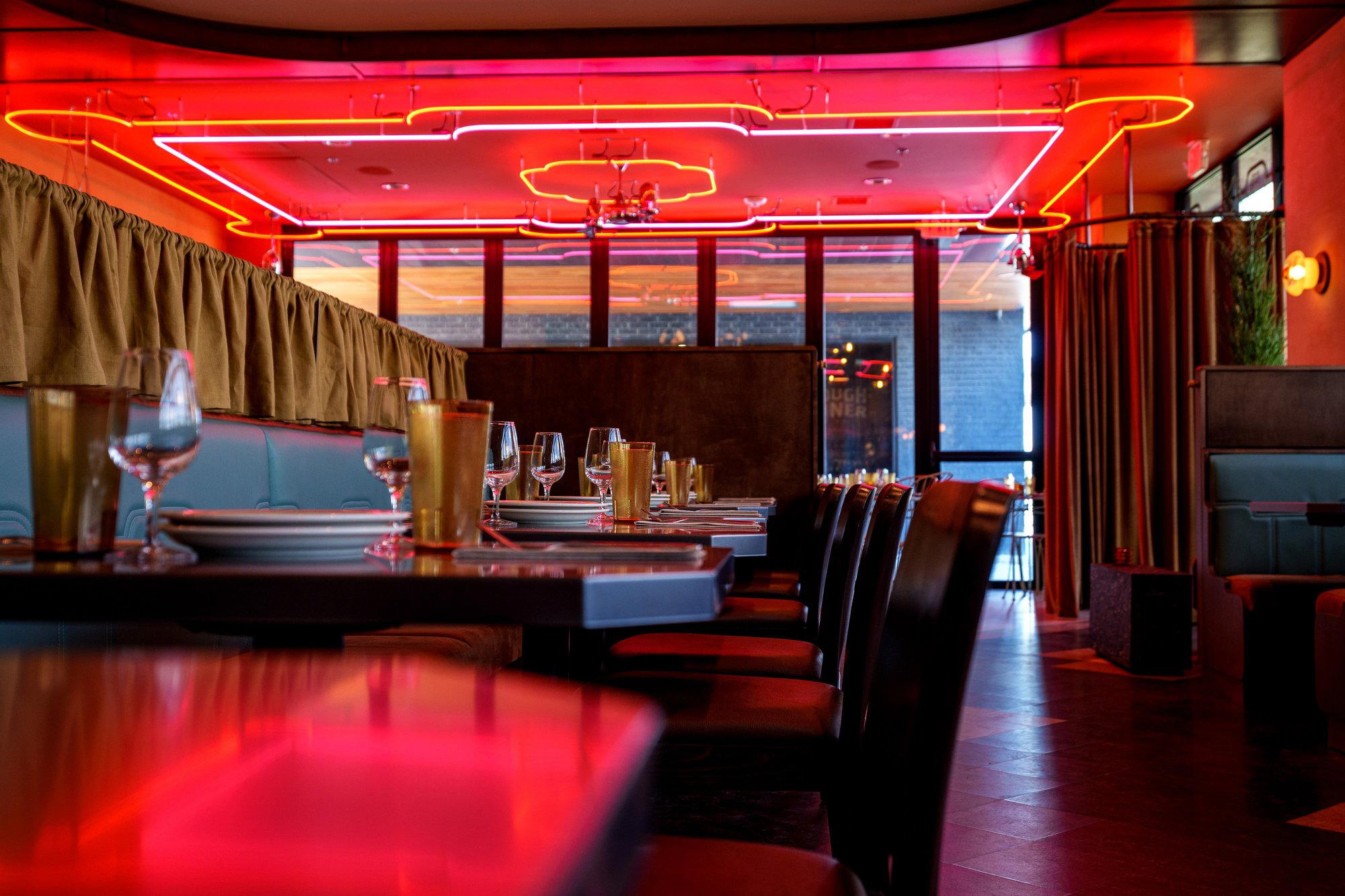
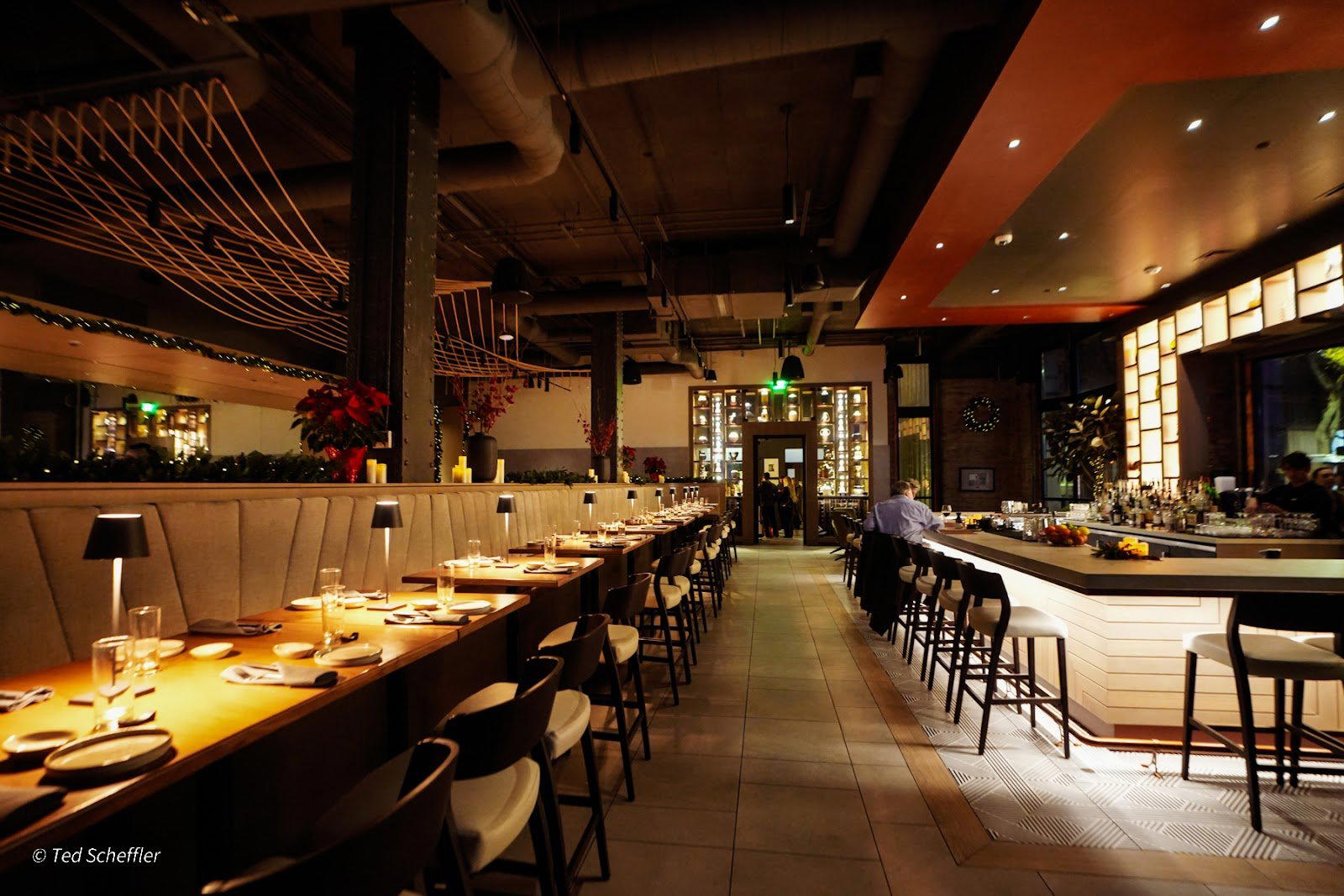
Sophisticated yet understated interior creating a cozy and intimate atmosphere.