Cuba Libre Restaurant & Rum Bar
Our verdict
The concept anchors itself in Cuban and Latin Caribbean cooking, paired with an extensive rum program that tracks the spirit's regional origins. It sits in a different tier from the area's chain-heavy dining options, trading theme-park adjacency for a more deliberate food and drink identity.

Pearl is the En Primeur Club membership app — saves, bookings, and concierge access live there. Same editors, same standards.
- Address
- 9101 International Dr, Orlando, FL 32819
- Phone
- (407) 226-1600
- Hours
- Mon–Thu 5–10 PMFri 5 PM–2 AMSat 12 PM–2 AMSun 12–10 PM
- Website
- cubalibrerestaurant.com
- Directions
- Get directions
- Booking
- Book on SevenRooms
The menu
What to order
- Ropa Vieja
- Plato Gaucho
- Red Snapper
That specificity matters more than it might first appear. Cuban cuisine draws from a layered pantry: Spanish technique, African flavor influence, and Caribbean ingredient availability all shaped what became the island's cooking. The sofrito base, the slow-braised meats, the plantain preparations in multiple forms, the use of citrus as acid and marinade alike — these are not decoration. They reflect actual sourcing patterns and preparation traditions that developed over centuries. A venue that claims this cuisine and takes it seriously has to track ingredients to their origins, and the rum bar component extends the same logic: rum is not a generic spirit category but a regionally diverse one, with production differences between Cuban-style, Barbadian, Jamaican, and agricole expressions that are as meaningful as the differences between Burgundy and Bordeaux.
The Rum Program as a Sourcing Document
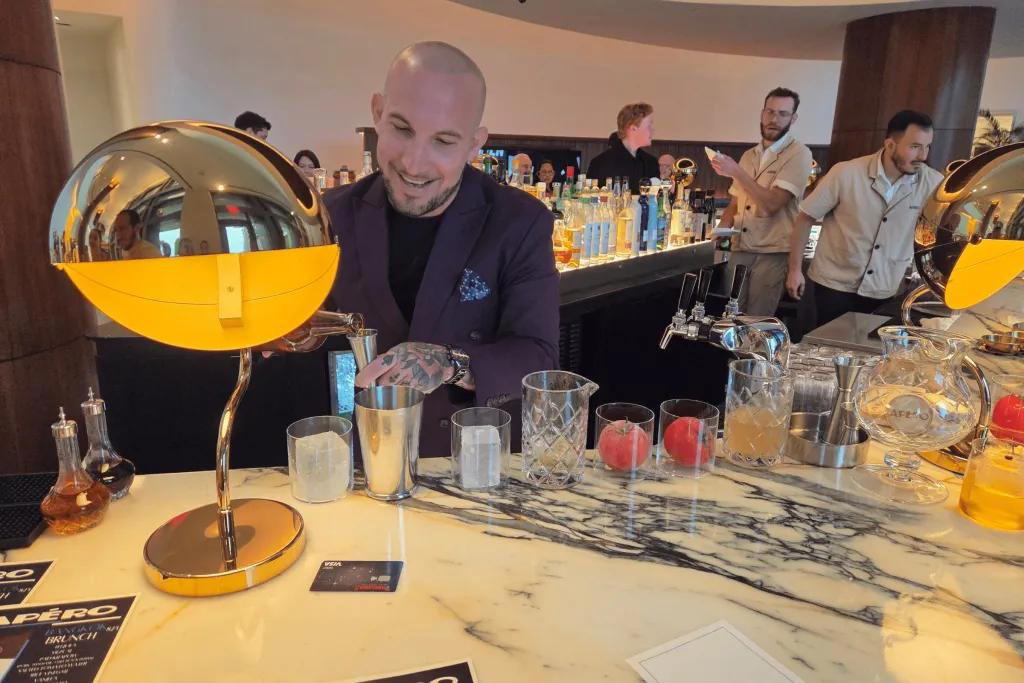
The bar program at Cuba Libre is where ingredient provenance becomes most legible. Rum's regional variation is substantial and often misunderstood by consumers trained to treat it as a single category. Cuban-style rums, historically associated with lighter, column-distilled profiles, differ structurally from the heavier pot-still expressions of Jamaica or the grassy agricole rums of Martinique, which are produced from fresh cane juice rather than molasses. A well-constructed rum list is effectively a sourcing map: it tells you where the sugar cane was grown, how it was processed, what fermentation and distillation choices the producer made, and how age and climate shaped the final spirit.
For a restaurant built around Cuban and Caribbean identity, the rum program functions as both a complement to the food and an argument about the seriousness of the sourcing philosophy. The cocktail formats most associated with Cuban drinking culture — the daiquiri, the mojito, the cuba libre itself, are technically simple drinks that expose the quality of the base spirit immediately. There is nowhere to hide a mediocre rum in a two-ingredient cocktail, which is why a program that tracks rum by origin and style rather than just brand name signals something about how the venue approaches the rest of the menu. The corridor's dining tends toward broad menus designed to offend no one. A venue organized around a specific national cuisine and its corresponding spirits tradition is operating from a different premise, and that premise shapes everything from the ingredient sourcing decisions to the staff training requirements. For context on what sourcing-led dining programs look like at higher price points, venues like Blue Hill at Stone Barns in Tarrytown, Single Thread Farm in Healdsburg, and Oyster Oyster in Washington, D.C. have made ingredient provenance central to their identity at a fine-dining scale. Cuba Libre operates at a more accessible price point and a higher volume, but the underlying logic of letting sourcing define the menu is shared.
Atmosphere and What to Expect Walking In
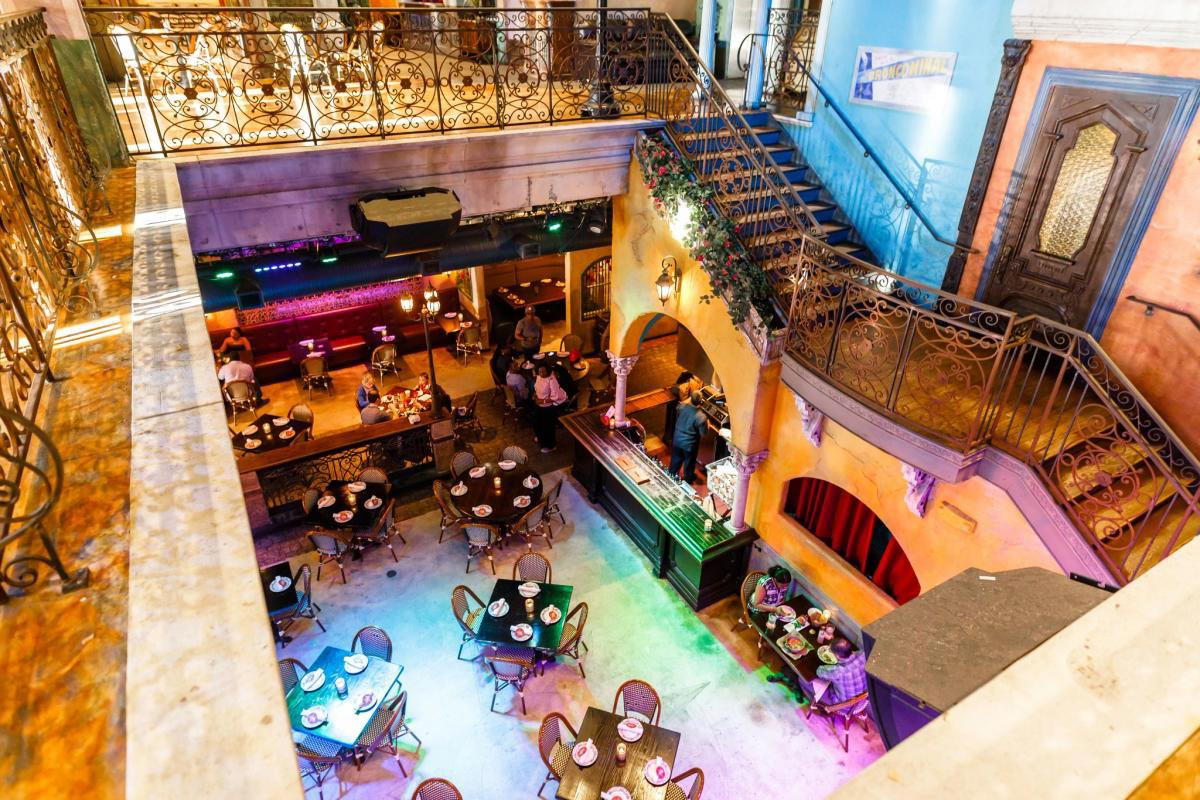
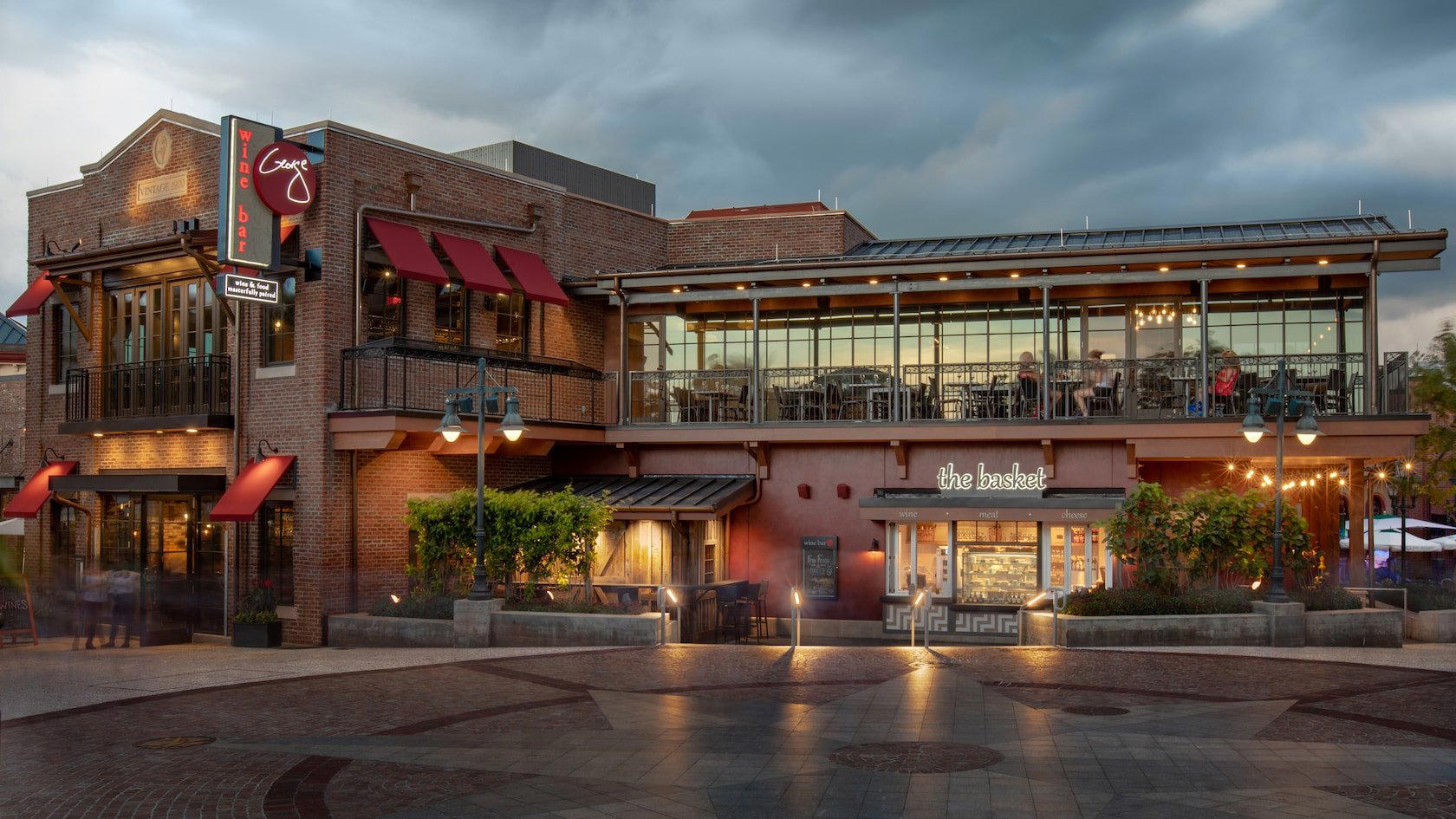
The interior at Cuba Libre is designed to read as Havana circa the 1940s and 1950s: warm lighting, architectural details that suggest colonial Caribbean buildings, a general aesthetic of faded elegance rather than modern minimalism. The space is designed for energy rather than quiet; this is a dining room that expects conversation, music, and a degree of noise that suits the rum bar component.
The atmosphere skews toward groups and social occasions rather than quiet dinners for two, and the format reflects that. Latin music is part of the environment, not background filler, and on busier evenings the bar area functions as a destination in its own right rather than just a waiting zone. Visitors looking for the quieter, more controlled environment of tasting-menu dining should look elsewhere: the fine-dining restraint of venues like Le Bernardin in New York City, Atomix in New York City, or The French Laundry in Napa belongs to a different register entirely. Cuba Libre is aiming for convivial rather than contemplative, and within that category it executes with more intentionality than most of its immediate neighbors on the Drive.
How It Fits the Orlando Dining Scene
Orlando's dining scene has developed significantly over the past decade, with neighborhoods like Thornton Park, Mills 50, and the Dr. Phillips area building genuine local restaurant culture at some distance from the tourist corridor. Cuba Libre occupies a middle ground: it is not a local neighborhood restaurant, and it does not pretend to be, but it applies more culinary specificity than the corridor's dominant formats. For those willing to travel further for a more ambitious meal, our full Orange County restaurants guide maps the broader options. Regionally, concepts with similar commitments to Latin American cuisine and ingredient sourcing include ITAMAE in Miami, which operates at a higher price point and with Peruvian rather than Cuban focus, and Emeril's in New Orleans, where Southern and Creole sourcing traditions anchor a similarly large-format dining room.
Other regional comparison points for sourcing-committed American restaurant programs include Bacchanalia in Atlanta, Frasca Food & Wine in Boulder, Addison in San Diego, Smyth in Chicago, Lazy Bear in San Francisco, Providence in Los Angeles, The Wolf's Tailor in Denver, Atelier Moessmer Norbert Niederkofler in Brunico, which has made regional Alpine ingredient sourcing its entire identity at three-Michelin-star level. These are not direct peers, but they illustrate the spectrum of ambition that sourcing-led restaurant concepts can span. The location makes it logistically convenient for visitors already in the area. Given its position on one of Orlando's highest-traffic dining corridors, evenings on weekends and during convention periods tend to fill quickly; a reservation is the more reliable approach for groups or anyone with a specific time constraint. Walk-in availability at the bar is generally more flexible than the dining room. Current hours, pricing, and booking options should be confirmed directly with the venue, as those details were not available at time of publication.
Frequently asked questions
Is Cuba Libre Restaurant & Rum Bar okay with children?
The format works for families, particularly earlier in the evening before the bar crowd builds. Cuba Libre's 9101 International Drive location puts it firmly in Orlando's tourist corridor, where family dining is the default expectation. That said, the bar-forward atmosphere and Latin music program make it a better fit for older children than younger ones.
What should I expect atmosphere-wise at Cuba Libre Restaurant & Rum Bar?
The interior references Havana in the 1940s and 1950s: warm lighting, colonial Caribbean architectural details, and a room designed for social energy rather than quiet dinners. Latin music runs through the evening, and the bar stays active throughout service at the International Drive location. If you want a low-key meal, the format will work against you.
How does Cuba Libre's rum selection compare to a standard bar program in Orlando?
Most Orlando bars treat rum as a single category; Cuba Libre's program breaks it into meaningfully different spirit styles, covering Cuban-style light rums, Jamaican pot-still expressions, and Barbadian blends among others. That regional organization makes the selection a practical education in how geography and production method shape flavor. Even drinkers who default to whiskey or tequila tend to find the guided rum approach more accessible than expected.
What should I order at Cuba Libre Restaurant & Rum Bar?
Start with the rum-based cocktails: the bar program is the most differentiated element on the menu, and classic Cuban formats like the daiquiri and mojito are the clearest demonstration of what a sourced rum selection actually means in practice. From there, the food program focuses on Cuban and Latin Caribbean cooking that goes beyond generalized Latin-American menu templates.
What part of town is Cuba Libre Restaurant & Rum Bar in?
Cuba Libre Restaurant & Rum Bar is located at 9101 International Dr, Orlando, FL 32819, Orange County.
Do they take walk-ins at Cuba Libre Restaurant & Rum Bar?
Bar seating at the 9101 International Drive location is generally more accessible for walk-ins than the dining room, especially on busy weekend evenings when I-Drive foot traffic peaks. If your priority is a specific table in the dining room, arriving early or contacting the venue ahead of time is the more reliable approach.
What has Cuba Libre Restaurant & Rum Bar built its reputation on?
The concept rests on two elements working in combination: a Cuban and Latin Caribbean food program with more culinary specificity than most International Drive competitors offer, and a rum program organized by regional style and production method rather than by brand familiarity alone. On a corridor built for volume and speed, that level of sourcing focus is the distinguishing factor.
At-a-Glance Comparison
Comparable venues nearby, for context on price, style, and recognition.
| Venue | Cuisine | Price | Notes |
|---|---|---|---|
| Cuba Libre Restaurant & Rum BarThis venue — the venue you are viewing | Classic & Contemporary Cuban | $30–50 | Not listed |
| Bandeja Paisa Latin Restaurant | Colombian Latin | $20–30 | Sky Lake South |
| Café Osceola | American Breakfast Buffet | $20–30 | Convention Center |
| Krazy Good Food | American Seafood and Burgers | $20–30 | Millenia |
| Brother Jimmy's BBQ | North Carolina-Style BBQ | $20–30 | Convention Center |
| Beaches & Cream | Classic American Soda Shop | $20–30 | Walt Disney World |
Cuba Libre Restaurant & Rum Bar
The wine
- Wine program
- Curated wine list
- Craft cocktails
- Beer program
Details
- Lively
- Energetic
- Trendy
- Group Dining
- Celebration
- Late Night
- Live Music
- Private Dining
- Open Kitchen
- Craft Cocktails
- Beer Program
- A La Carte
- Small Plates
- Rum
- Mojitos
- Vegetarian Friendly
- Vegan Options
- Gluten Free Options
Current opening hours
- Monday
- 5–10 PM
- Tuesday
- 5–10 PM
- Wednesday
- 5–10 PM
- Thursday
- 5–10 PM
- Friday
- 5 PM–2 AM
- Saturday
- 12 PM–2 AM
- Sunday
- 12–10 PM
Hours can change for holidays and private events. Last verified .
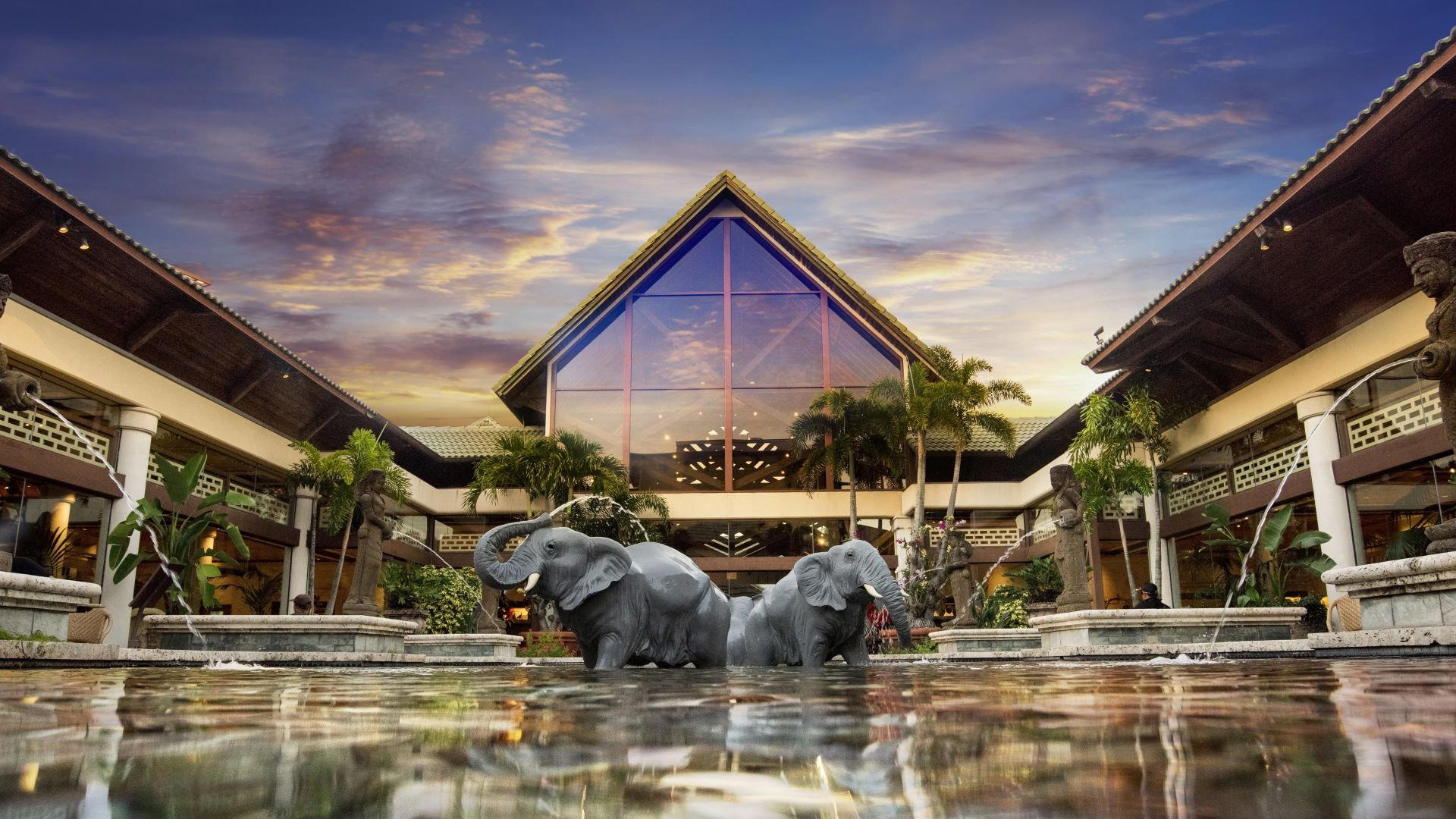
Lively open-air courtyard with tropical foliage, vintage Havana decor, upbeat Latin music, and colorful multi-level verandas.