Crystal

This listing is retired after a June 2026 status audit found the place inactive at its stored address.
- Address
- Hornweg 5, 6380 St. Johann in Tirol
- Phone
- +43 5352 62630
- Website
- hotel-crystal.at
- Directions
- Get directions
Creative Cooking in the Tyrolean Alps: Where Crystal Sits in the Regional Picture
The Austrian Alpine dining scene has split into two recognisable tiers. At the leading sit the full-starred houses, places like Gourmetrestaurant Tannenhof in Sankt Anton am Arlberg and Griggeler Stuba in Lech, where tasting menus run long and the formality is deliberate. Below that, in the valleys and ski towns of Tirol and Salzburgerland, a smaller group of Michelin Plate-recognised kitchens operate with genuine creative ambition but without the ceremonial weight of a starred room. Crystal in Sankt Johann in Tirol occupies that second tier, and within that tier it is among the more consistent performers.
Sankt Johann in Tirol sits in the Kitzbüheler Alps, roughly equidistant between Kitzbühel and the Salzburg border. It is a working Alpine town rather than a resort village, which shapes the character of what good restaurants here tend to do: they cook for a local and regional audience as much as for visitors, and the sourcing geography tends to be tight. The farms and dairies of the Inn Valley, the forested slopes above the town, and the suppliers clustered between Innsbruck and Salzburg represent the credible radius for a kitchen operating at this level. That context matters for understanding what creative cooking means here, as opposed to what it means at, say, Ikarus in Salzburg or Alléno Paris au Pavillon Ledoyen, where the supply chain is effectively global.
What the Michelin Plate Signal Actually Means
The Michelin Plate, awarded to restaurants producing food of good quality rather than notable complexity, functions as a reliable quality floor rather than a ceiling. In practice, Plate-level kitchens in Alpine Austria tend to be serious working restaurants: technically accomplished, ingredient-led, and operating without the performance apparatus of a starred tasting-menu format. The peer group for Crystal is not Steirereck im Stadtpark in Vienna or Döllerer in Golling an der Salzach at the €€€€ tier, but rather the cluster of regionally-grounded creative kitchens that operate at €€€ price points across Tirol and Salzburgerland. Within that group, consecutive Plate recognition carries weight.
At the €€€ price point, Crystal prices in a range where a composed, multi-course meal is expected but where the margin for sourcing and technique is tighter than at fully starred houses. Kitchens operating here tend to make sharper decisions about where the money goes on the plate: the primary protein, the dairy, the allium. Restaurants in this bracket that hold Michelin recognition across multiple years, as Crystal has, are typically doing so on the consistency of ingredient decisions rather than on theatrical elaboration.
Ingredient Geography at This Altitude
The creative-cuisine designation at Crystal places it in a category that, across Austria, has increasingly resolved around a specific sourcing logic: regional provenance applied with enough technical confidence to make the food feel contemporary rather than folkloric. This is the approach that separates the better Tyrolean creative kitchens from the ones simply applying Central European flavours to modern plating formats. The Alpine environment produces dairy of unusual richness, milk fat levels in valley herds above 800 metres can differ measurably from lowland equivalents, and the foraging radius above tree line offers wild herbs, roots, and fungi that do not travel well, which means cooking with them requires proximity.
For context on what this sourcing discipline looks like at higher intensity, compare the approach at Kräuterreich by Vitus Winkler in Sankt Veit im Pongau, where the herb and plant focus is central to the kitchen's identity, or at Ois in Neufelden. Crystal at €€€ operates with less capital per cover than those programs allow, but the Michelin recognition suggests the sourcing decisions are being made at a level that inspectors consider credible. That is not nothing in a region where many restaurants at the same price tier rely on standard wholesale supply chains.
The Room and How to Read It
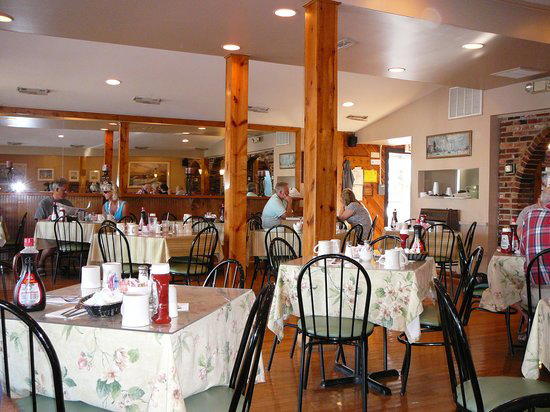
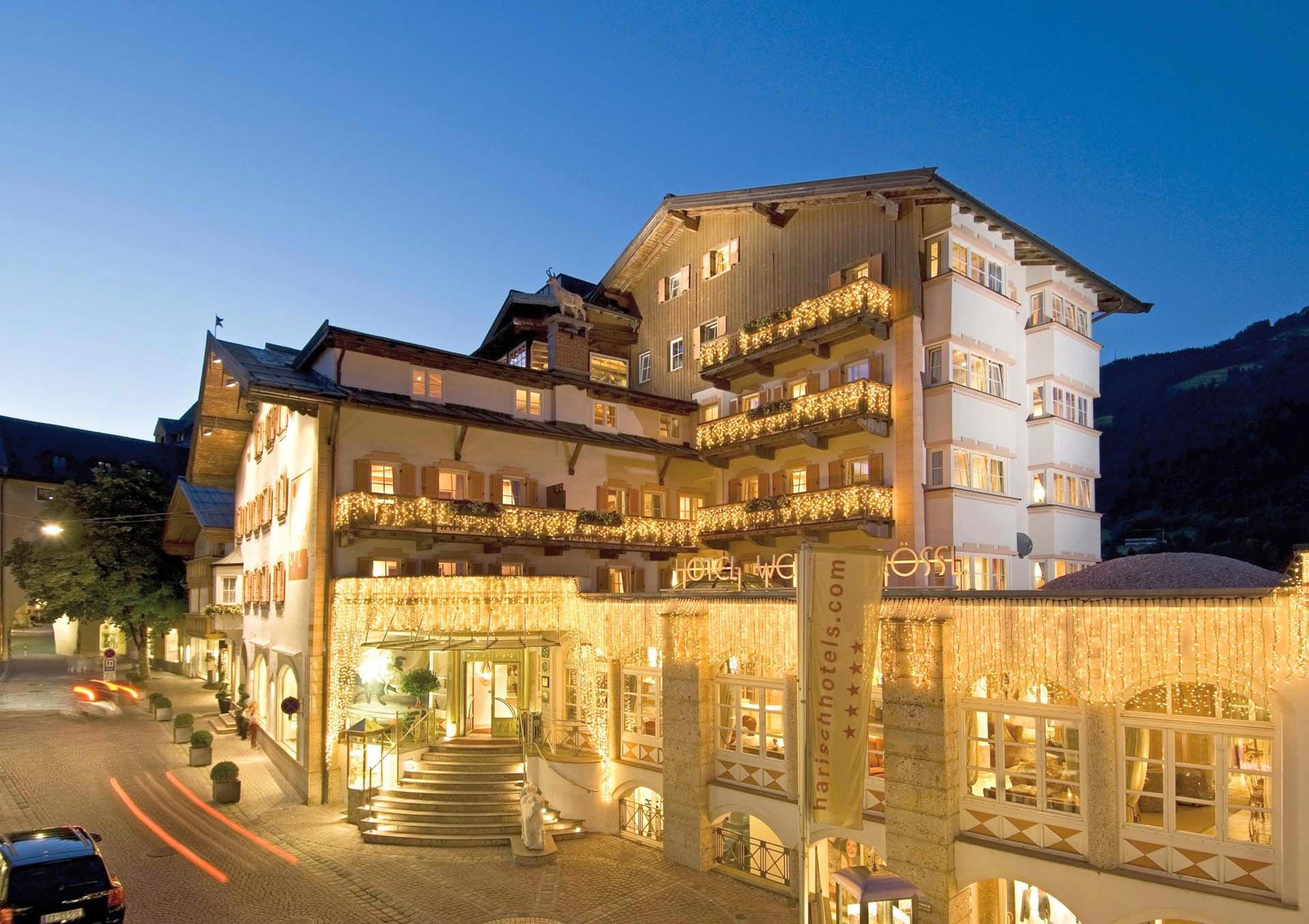
Crystal sits at Hornweg 5 in Sankt Johann in Tirol, an address that places it in the residential-commercial fabric of the town rather than inside a hotel or resort complex. This is relevant because it implies a standalone kitchen with its own identity, distinct from the captured-audience dynamics of hotel dining. Standalone creative restaurants in Alpine towns of this size tend to run smaller rooms and rely on a local following supplemented by visitors during ski season and summer hiking periods. The consistency across two Michelin cycles suggests the room delivers what it promises.
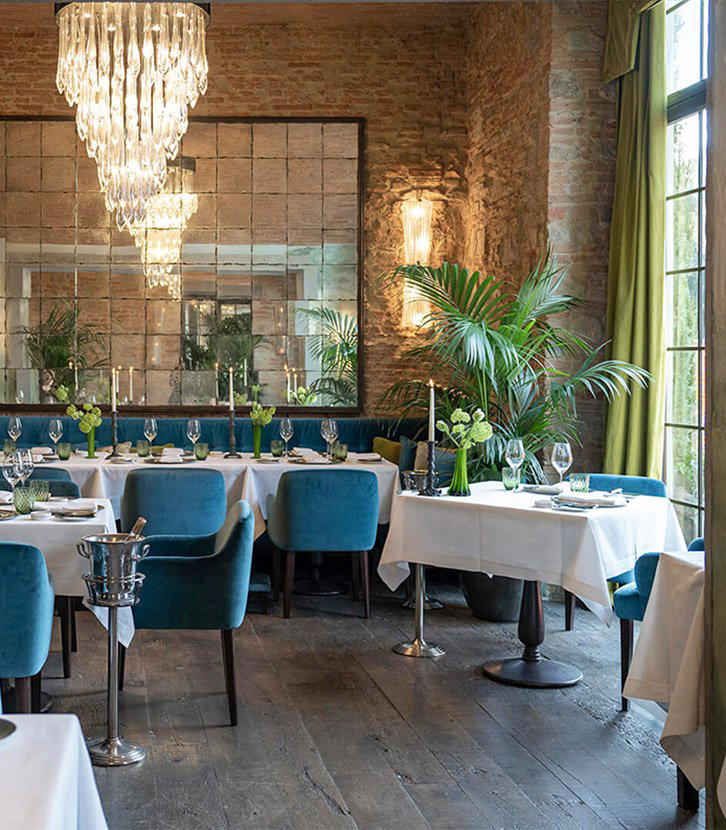
The atmosphere at a restaurant like this in a town like Sankt Johann tends toward the composed and relatively quiet: not the convivial noise of a brasserie, not the hushed solemnity of a starred room, but the considered register of a serious local restaurant where the food is the primary event. For visitors arriving from Kitzbühel or passing through on a longer Tyrolean itinerary, this is the practical value of the Hornweg address: dinner without a hotel reservation required and without the full formality of the starred Alpine circuit.
Where Crystal Fits on a Longer Austrian Itinerary
Travellers building a serious Alpine dining itinerary through Austria would typically anchor around the starred houses, Obauer in Werfen, Landhaus Bacher in Mautern an der Donau, or Restaurant 141 by Joachim Jaud in Mieming, and use Plate-level kitchens for the evenings between. Crystal functions well in that role. It is the kind of restaurant that rewards a single visit from a guest who wants cooking above the standard hotel-restaurant level without committing to a long tasting experience. The creative designation and back-to-back Michelin recognition indicate a kitchen with a point of view. That, combined with the €€€ price point and the direct Hornweg address, makes it a strong creative dinner in Sankt Johann at this price tier. For the broader creative-cuisine reference points in the region, Schwarzer Adler in Hall in Tirol offers a useful comparison from the Innsbruck corridor, and Arpège in Paris represents the apex of the ingredient-led creative tradition that kitchens across Austria increasingly reference in their sourcing logic.
How It Stacks Up
Comparable venues nearby, for context on price, style, and recognition.
| Venue | Cuisine | Price | Awards | Notes |
|---|---|---|---|---|
| CrystalThis venue — the venue you are viewing | Modern Austrian Fusion Fine Dining | $$$ | Michelin Plate | Not listed |
| Sitzwohl | Modern Austrian Fusion | $$$ | Michelin Plate | Stadtforum |
| Seerestaurant 1884 | Austrian & Regional Fine Dining | $$$$ | Michelin Plate | Millstatt am See |
| Die Gersberg Alm | Traditional Austrian with Regional Influences | $$$ | Michelin Plate | Gersberg |
| Lois Stern | Asian-European Fusion | $$$ | Michelin Plate | centre |
| Wilder Mann | Austrian | $$$ | Michelin Plate | Lans |
Recognition history
Dated appearances from independent guides and award organizations, with the underlying list record or original source where available.
Michelin Plate
Michelin
Michelin Plate
Michelin
Continue exploring
More in Sankt Johann in Tirol
Restaurants in Sankt Johann in Tirol
Browse all →
Bars in Sankt Johann in Tirol
Browse all →



At a Glance
- Romantic
- Cozy
- Elegant
- Date Night
- Special Occasion
- Hotel Restaurant
- Extensive Wine List
- Local Sourcing
- Farm To Table
- Mountain
Relaxed, familial atmosphere with attentive service, emphasizing slow dining for savoring distinctive flavor combinations.