Set on Guérande's medieval market square, Crêperie les 2 Marais plants itself firmly in the salt-country tradition: buckwheat galettes and sweet crêpes made in a region where the raw materials, fleur de sel, local dairy, Breton grains, are as serious as any starred kitchen's larder. For visitors arriving from the marshes or the walled town's cobbled lanes, it reads as the honest, unhurried lunch the area calls for.
Pearl is the En Primeur Club membership app — saves, bookings, and concierge access live there. Same editors, same standards.
- Address
- 2 Pl. du Vieux Marché, 44350 Guérande, France
- Phone
- +33251739517
- Website
- kanoss.eatbu.com
- Directions
- Get directions
 Saves & bookings on Pearl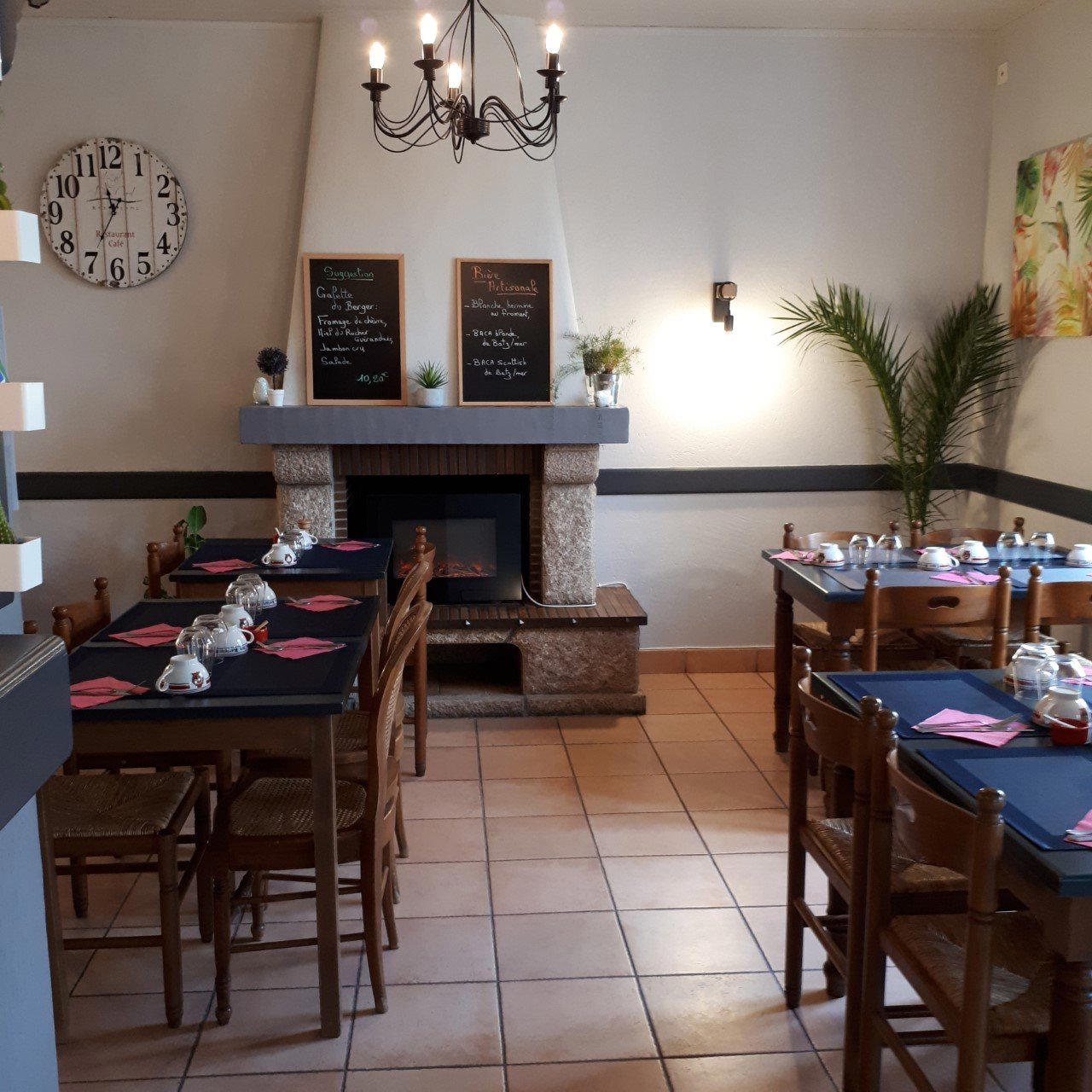
Salt Country on a Plate: Guérande's Crêpe Tradition
There is a particular logic to eating crêpes in Guérande that does not apply in Paris or Rennes. The walled medieval town sits at the edge of one of France's most celebrated salt-producing territories, the marais salants, where hand-harvested fleur de sel has been traded since the Middle Ages. That geography shapes everything on the table here. The buckwheat grown across the Breton interior, the dairy from farms a short drive inland, the salt that finishes each galette: in this part of Loire-Atlantique, the distance between field and plate is short in a way that the grand dining rooms of, say, Mirazur in Menton or Alléno Paris au Pavillon Ledoyen achieve through elaborate sourcing programs. Here, it is simply the default.
Crêperies occupy a distinct tier in the French dining hierarchy, one that the restaurant establishment has occasionally undervalued but that regional food culture has always defended. Brittany and its border territories treat the galette de sarrasin, the savoury buckwheat crêpe, as a serious format, not a tourist shorthand. The leading crêperies in this corridor source their buckwheat carefully, pay attention to the fat content and freshness of their butter, and adjust the batter's hydration to the humidity of the day. It is craft work, even if it never attracts the kind of attention directed at Bras in Laguiole or Maison Lameloise in Chagny.
Place du Vieux Marché: The Setting Does the Work
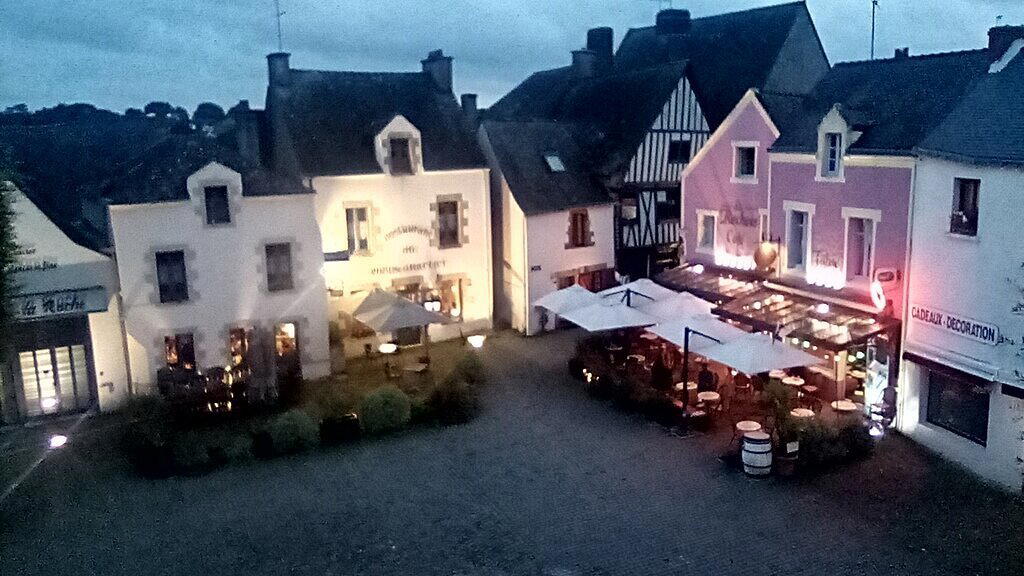
Crêperie les 2 Marais sits directly on the Place du Vieux Marché, the historic market square at Guérande's centre. The square is ringed by stone buildings that have been trading under various guises since the town's salt-merchant prosperity peaked in the late medieval period. Arriving on foot through one of the town's four fortified gates, the square opens up as the natural gathering point, the place where, historically, commerce and community overlapped. A crêperie here is not an accident of real estate; it is a continuation of what the square has always been for.
The physical environment at this address does much of the atmospheric work before you sit down. Guérande's intra-muros is compact enough that the walk from any gate to the square takes under five minutes, and the absence of through-traffic inside the walls keeps the pace calm in a way that purpose-built tourist zones rarely manage. Visitors arriving from the salt marshes on the D99 or from the coast at La Baule, roughly six kilometres west, tend to find the walled town a natural lunch stop rather than a destination in itself, which means the crêperie catches a cross-section of travellers, locals running errands, and walkers coming off the marsh paths.
Why the Sourcing Argument Matters Here
The ingredient sourcing case for Guérande's crêperies rests on three pillars: buckwheat, dairy, and salt. Buckwheat, sarrasin in French, is not native to Brittany but has been cultivated here for centuries, and the region's cooler, wetter climate produces a grain with a more pronounced, slightly bitter flavour than varieties grown further south. That bitterness is not a flaw; it is the structural backbone of a good galette complète, the savoury crêpe traditionally filled with egg, ham, and cheese.
Butter and cream from Breton farms have a regional designation and a reputation that French pastry chefs have traded on for generations. The fat content of Breton butter runs higher than many European equivalents, and the flavour profile, slightly cultured, clean, is a functional difference in crêpe-making, where butter appears in the batter, on the billig (the cast-iron cooking plate), and often as a finish. The dairy supply chain between farm and crêperie in this part of Loire-Atlantique is short enough that these qualities are not theoretical.
Then there is the salt. Guérande's fleur de sel is harvested by paludiers, salt workers, using hand rakes, a technique unchanged in its essentials for centuries. The crystals form on the surface of the salt pans on calm, sunny days and are skimmed before they sink. The result is a salt with irregular crystal structure and a mineral complexity that finishing salts from other regions do not replicate. In a crêpe context, a pinch of local fleur de sel on a caramel-butter crêpe is not a garnish decision; it is the point. France's most decorated kitchens, from Les Prés d'Eugénie in Eugénie-les-Bains to Georges Blanc in Vonnas, source this salt deliberately. At les 2 Marais, it is a local product in every sense.
Where This Sits in the Guérande Eating Scene
Guérande is not a restaurant town in the way that, for instance, the villages around Auberge de l'Ill in Illhaeusern or the orbit of Paul Bocuse in Collonges-au-Mont-d'Or attract serious dining pilgrimages. Its culinary identity is quieter: market produce, salt-country ingredients, and the kind of direct regional cooking that does not need tasting menus to make its argument. Within that context, a well-run crêperie on the market square occupies the anchor position, the place you go not because there is nowhere else but because the format fits the town's tempo and its ingredient story perfectly.
The broader Loire-Atlantique coast runs a dense corridor of crêperies between the Breton interior and the Atlantic resorts. Quality varies considerably. The markers of a kitchen taking the format seriously include the use of whole-grain buckwheat flour (rather than blends), proper billig temperature control, and butter sourced from named dairies. Visitors comparing options in the Guérande peninsula and the La Baule area will find the walled town's in-walls options generally preferable to the resort-strip alternatives, where volume and tourist throughput tend to flatten quality.
Planning Your Visit
The Place du Vieux Marché address at 2 Pl. du Vieux Marché, 44350 Guérande, puts les 2 Marais within easy walking distance of all four of the town's medieval gates. Guérande is approximately 80 kilometres south of Nantes and roughly six kilometres north of La Baule-Escoublac on the Atlantic coast. Visitors driving from Nantes typically take the N165 west before turning south on the D213 toward Guérande; the walled town's intra-muros is pedestrianised, so parking is on the periphery near the gates. Flocons de Sel in Megève and Le 1947 à Cheval Blanc in Courchevel through to L'Oustau de Baumanière in Les Baux, Auberge du Vieux Puits in Fontjoncouse, La Table du Castellet, La Vague d'Or in Saint-Tropez, Troisgros in Ouches, and beyond France to Le Bernardin in New York City and Lazy Bear in San Francisco.
At-a-Glance Comparison
Comparable venues nearby, for context on price, style, and recognition.
| Venue | Cuisine | Price | Awards | Notes |
|---|---|---|---|---|
| Crêperie les 2 MaraisThis venue — the venue you are viewing | Breton Crêperie | $$ | Not listed | Not listed |
| L'Agapé Bistrot | French Bistronomique | $$$ | Michelin Plate | Cité Médiévale |
| La Tête de l'Art | French-Japanese Fusion Gastronomic | $$$ | Michelin Plate | Faubourg St Michel |
| brut. | Modern French Gastronomique | $$$ | Michelin Plate | Saillé |
| La Marine | Breton Crêperie | $$ | Not listed | Historic Centre |
| Crêperie Saint-Sauveur | Modern Breton Crêperie | $$ | Not listed | Saint-Sauveur |
At a Glance
- Cozy
- Rustic
- Intimate
- Casual Hangout
- Family
- Terrace
- Historic Building
- Local Sourcing
- Street Scene
Current opening hours
- Monday
- 12–2 PM
- Tuesday
- 12–2 PM, 7–8:30 PM
- Wednesday
- 12–2 PM, 7–8:30 PM
- Thursday
- 12–2 PM, 7–8:30 PM
- Friday
- 12–2 PM, 7–8:30 PM
- Saturday
- 12–2 PM, 7–8:30 PM
- Sunday
- 12–2 PM
Hours can change for holidays and private events. Last verified .
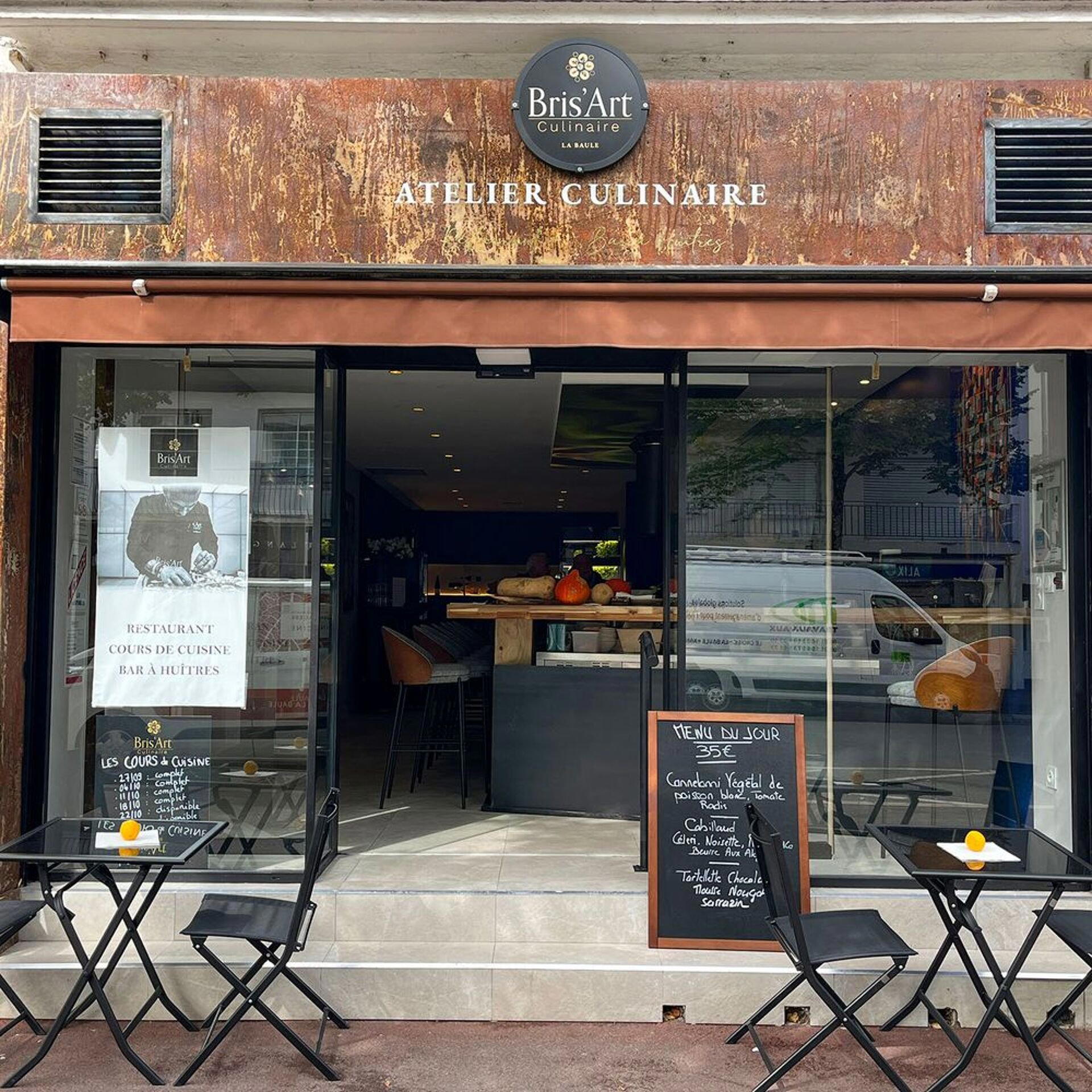
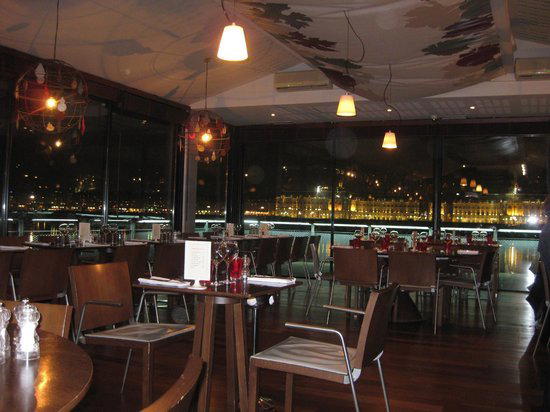
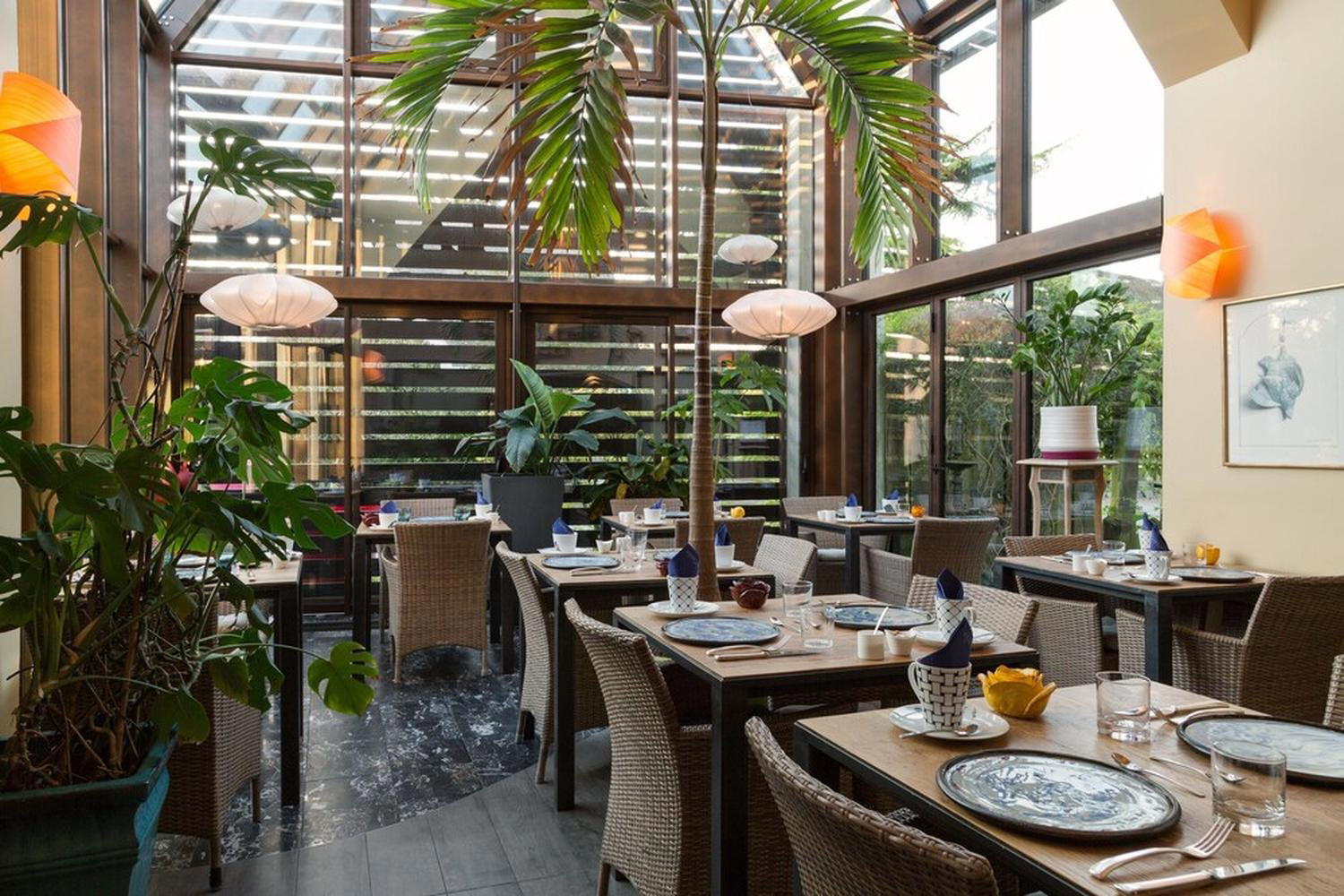
Warm and relaxed atmosphere in the dining room, covered patio, or on the paved medieval square terrace.