
A third-generation crotto in Malnate holding a Michelin Plate for consecutive years, Crotto Valtellina serves the mountain cuisine of the Valtellina valley in a setting of wooden tables, period furnishings, and a summer veranda overlooking a sandstone garden wall.
Pearl is the En Primeur Club membership app — saves, bookings, and concierge access live there. Same editors, same standards.
- Address
- Via Fiume, 11, 21046 Malnate VA, Italy
- Phone
- +39 0332 427258
- Website
- crottovaltellina.it
- Directions
- Get directions
 Saves & bookings on Pearl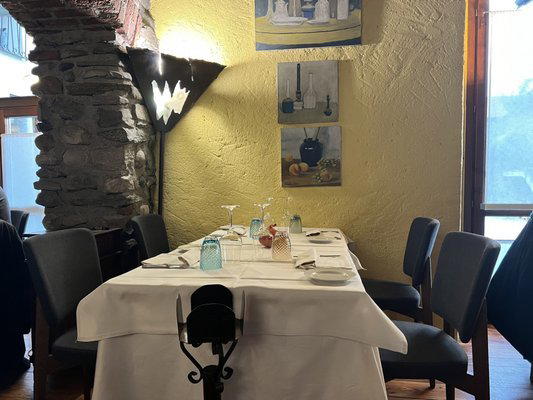
Stone, Wood, and the Logic of a Crotto
A crotto is not simply a restaurant built into rock, it is a vernacular form with its own microclimate and social logic. The natural caves of the Valchiavenna and Valtellina foothills maintain near-constant cool temperatures year-round, making them historically useful for storing wine and cured meats before refrigeration existed. Over time, the better-stocked grottos began feeding guests alongside storing provisions, and the crotto as a dining institution was established. That origin still shapes what you expect when you sit down in one: a close relationship between the cellar, the larder, and the plate.
Crotto Valtellina is a restaurant in Malnate, Italy, with a Michelin Plate recognition and an average price of about $40 per person. On Via Fiume in Malnate, Crotto Valtellina reads the context correctly. The entrance leads into a room where wooden tables and period furnishings signal continuity rather than renovation. Floral touches soften the aged materials without domesticating them. The overall register is elegant but anchored, the kind of interior that has absorbed several decades of dinner conversations without losing its composure. In summer, the veranda shifts the atmosphere entirely: tables look out onto a lush garden and a sandstone wall that roots the space in the geology of the territory. That wall is not decorative; it is the building's argument for why this food makes sense here.
Valtellina on the Plate: What the Mountains Actually Produce
The Valtellina valley, running northeast from Lake Como toward Switzerland, generates one of Italy's more distinctive alpine food cultures. The growing season is short and the terrain steep, which concentrates flavour in the ingredients that do thrive: buckwheat, savoy cabbage, Casera cheese, bresaola cured from beef grazed at altitude, and the Nebbiolo-based wines sold under the Sassella, Grumello, and Inferno crus. A kitchen drawing from this geography is not presenting a fixed historical menu so much as working within a set of constraints that were once economic necessity and are now culinary identity.
Pizzoccheri, the valley's primary pasta, embodies that logic. The noodles are made with a high proportion of buckwheat flour, which gives them a dense, slightly grainy texture and a mineral quality that separates them from any wheat-based alternative. Traditionally finished with Casera, potatoes, and savoy cabbage, the dish is a direct expression of what the land reliably produced: a staple grain substitute, a mountain cheese, a root vegetable, and a hardy brassica. Restaurants working in this tradition, including Altavilla in Bianzone and Crotasc in Mese, treat pizzoccheri as the benchmark dish, the one that tells you whether a kitchen respects the grain or treats it as a novelty.
At Crotto Valtellina, the menu holds the regional anchor in place while allowing the kitchen to develop contemporary plates alongside it. The saltimbocca of larded quail with fennel, escarole gel, pickled apricot, and zucchini flan demonstrates that the more modern side of the menu is not a departure from ingredient logic but an extension of it: the larding technique preserves the valley's tradition of fat-enriched preparations, while the acidulated elements, pickled apricot, gel, show a kitchen that understands how to balance weight with brightness. These are not decorative modernisations; they are considered adjustments made within the constraints of a regional repertoire.
Three Generations and What That Actually Means for the Kitchen
Family continuity in Italian restaurants is common enough that it risks becoming background noise, but the span matters here. The Valbuzzi family has operated the restaurant for over fifty years, now in its third generation, a timeline that covers the entire arc of Italian fine dining from the trattorias of the 1970s through the modernist disruptions of the 1990s and 2000s to the current return-to-roots moment. A kitchen that has held its ground through that cycle has made active choices at each turn: what to preserve, what to update, what to refuse. The Michelin Plate recognition in both 2024 and 2025 confirms that the current version of those choices reads as coherent to an external authority, not merely to loyal regulars.
That volume of feedback at that rating is not a statistical accident; it suggests a kitchen delivering reliably across a wide range of guests and occasions, which is its own kind of discipline for a mid-fine-dining room at the €€€ price tier.
For comparison, the tier above, Italy's three-Michelin-star rooms like Osteria Francescana in Modena, Dal Pescatore in Runate, Enoteca Pinchiorri in Florence, Enrico Bartolini in Milan, Le Calandre in Rubano, Piazza Duomo in Alba, Atelier Moessmer in Brunico, Uliassi in Senigallia, Reale in Castel di Sangro, and Quattro Passi in Marina del Cantone, operate at price points and format expectations that are categorically different. The restaurant occupies a distinct position: a regionally specific, long-established room where the case for dining is built on ingredient provenance, family continuity, and a specific alpine food culture, rather than on tasting-menu architecture or international prestige signalling.
Planning a Visit to Malnate
The restaurant sits at Via Fiume, 11 in Malnate, a small town in the Varese province of Lombardy. The address places it within easy reach of Varese and Como, and within an hour of Milan, making it a practical destination for a longer lunch or dinner outside the city. Given the terrace and garden, late spring through early autumn offers one atmospheric setting, with the veranda coming into its own on warm evenings. For a meal of this character, regional, unhurried, rooted in a specific geography, the rhythm of a long lunch is the appropriate format rather than a quick midweek dinner.
Malnate has a small but considered dining and drinking scene; Osteria degli Angeli offers a Mediterranean alternative in the same town.
How It Stacks Up
Comparable venues nearby, for context on price, style, and recognition.
| Venue | Cuisine | Price | Awards | Notes |
|---|---|---|---|---|
| Crotto ValtellinaThis venue — the venue you are viewing | Traditional Valtellina Cuisine | $$ | Michelin Plate | Not listed |
| Osteria degli Angeli | Modern Italian Osteria | $$$ | Michelin Plate | Malnate |
| 85 Bistrot | Lombardian Trattoria | $$ | Michelin Plate | Sesto San Giovanni |
| Alla Corte Lombarda | Modern Lombard Italian | $$ | Michelin Plate | Mornago |
| /gu.stà.re/ oltrecucina | Modern Piedmontese | $$ | Michelin Plate | Borgomanero |
| Menzaghi | Seasonal Italian Fine Dining | $$ | Michelin Plate | Fagnano Olona |
Recognition history
Dated appearances from independent guides and award organizations, with the underlying list record or original source where available.
Michelin Plate
Michelin
Michelin Plate
Michelin
Michelin Plate
Michelin
Continue exploring
More in Malnate
Restaurants in Malnate
Browse all →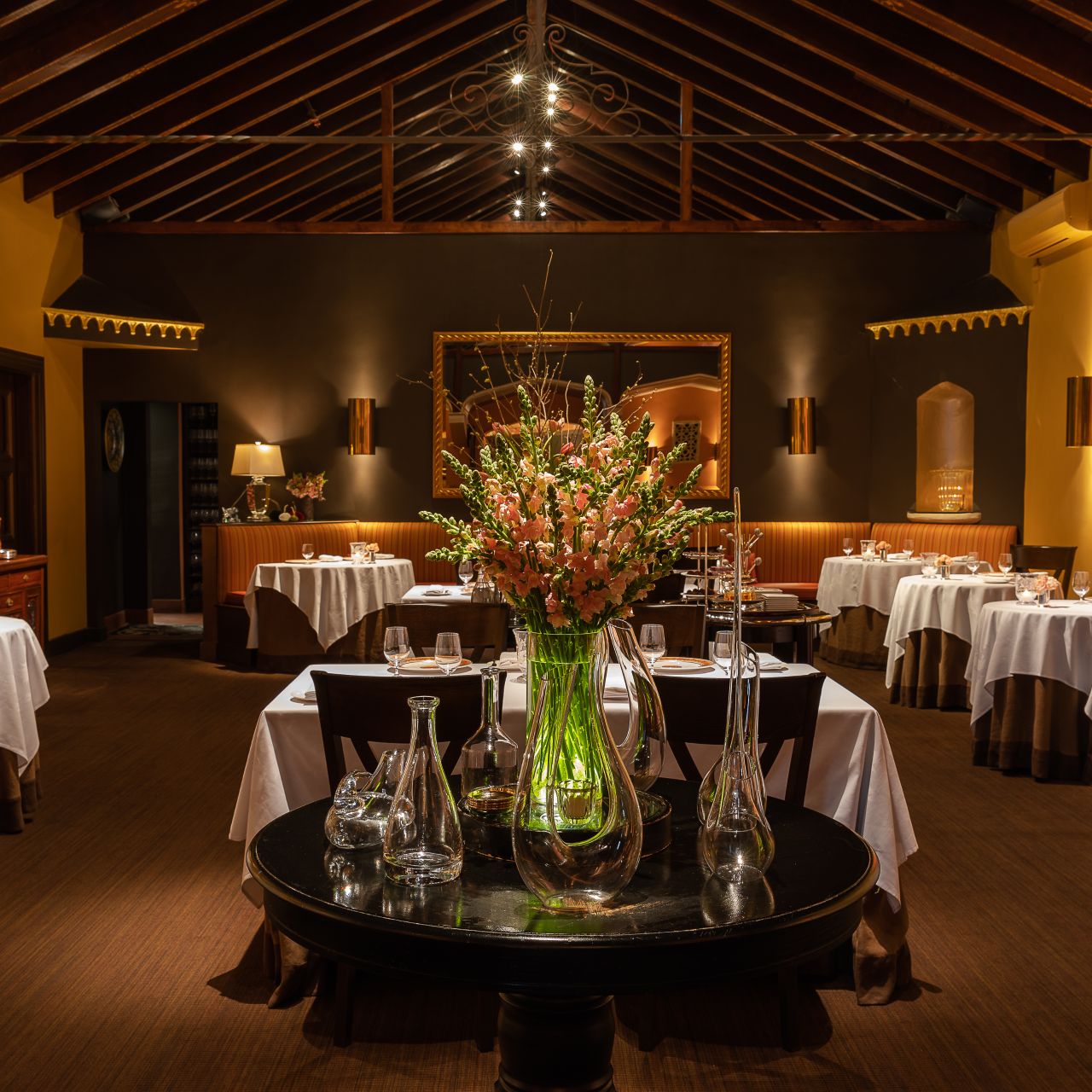
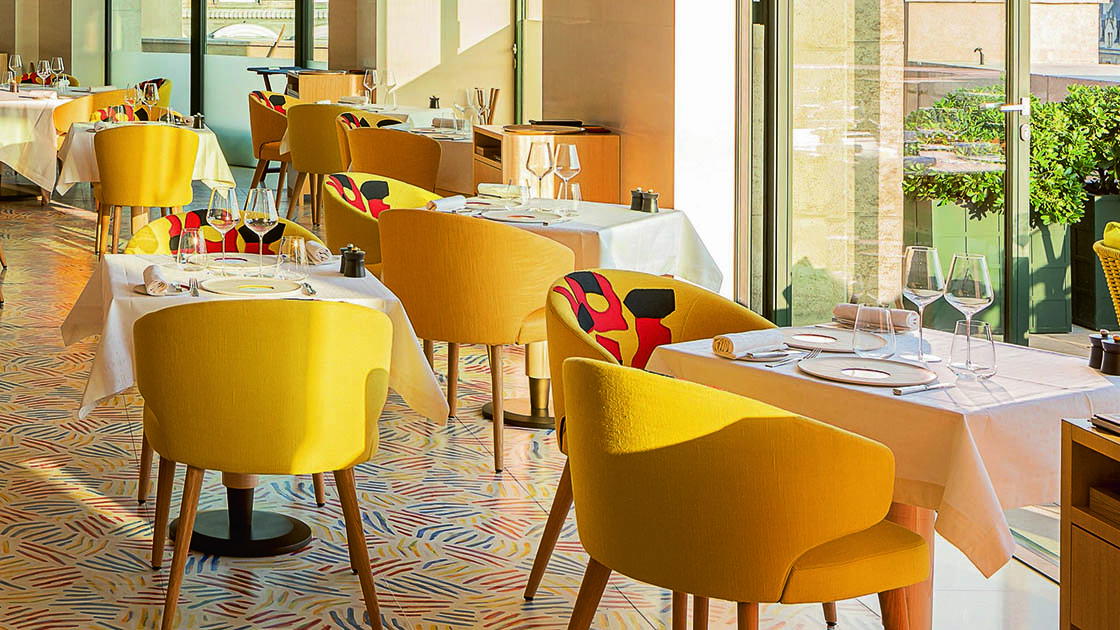
Bars in Malnate
Browse all →
Hotels in Malnate
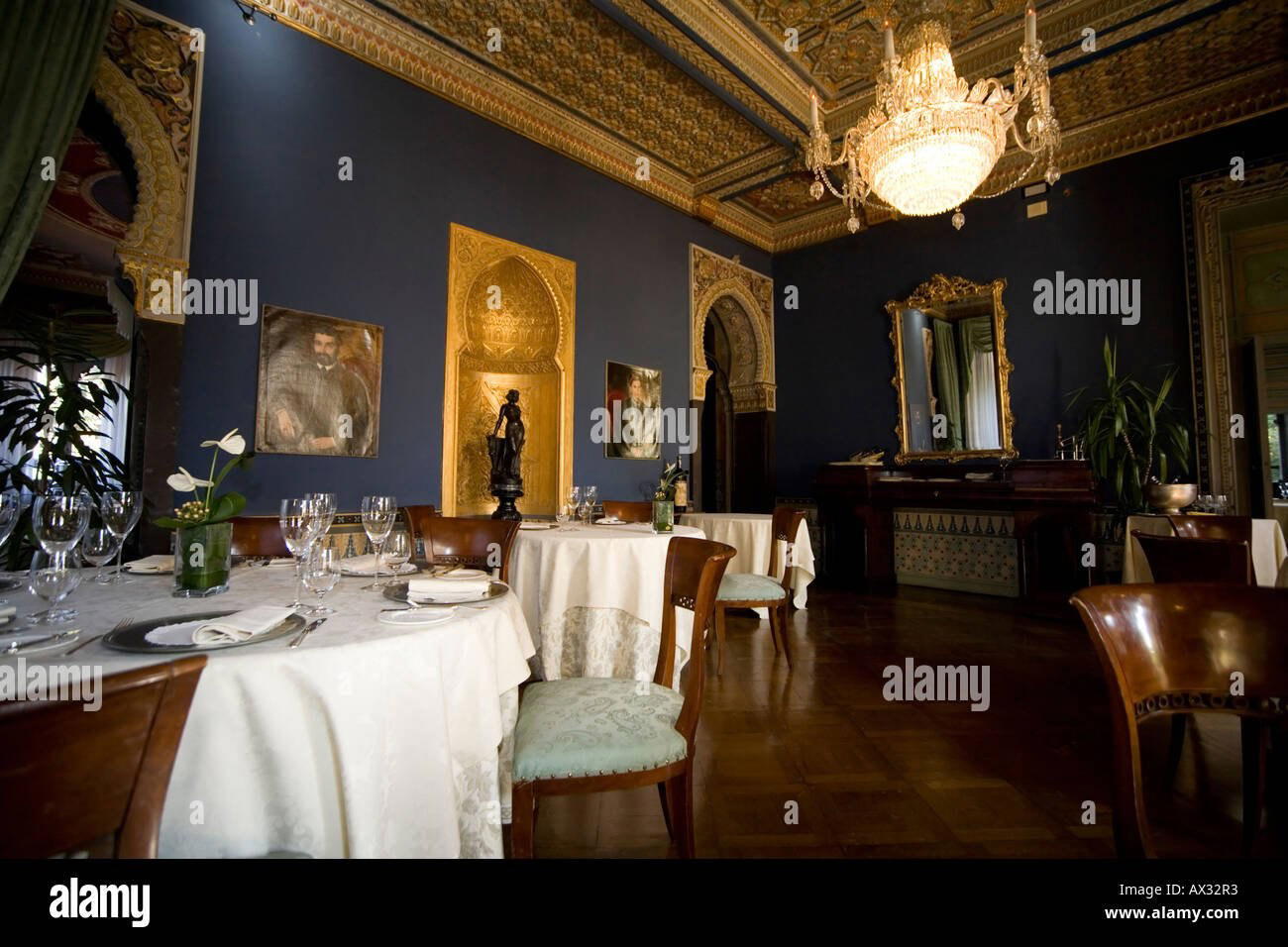
Browse all →

At a Glance
- Rustic
- Cozy
- Elegant
- Romantic
- Historic
- Date Night
- Special Occasion
- Group Dining
- Family
- Historic Building
- Terrace
- Extensive Wine List
- Local Sourcing
Current opening hours
- Monday
- 7:30–10 PM
- Tuesday
- Closed
- Wednesday
- 7:30–10 PM
- Thursday
- 7:30–10 PM
- Friday
- 7:30–10 PM
- Saturday
- 12–2 PM, 7:30–10 PM
- Sunday
- 12–2 PM, 7:30–10 PM
Hours can change for holidays and private events. Last verified .
Rustic, warm, and welcoming with wooden tables, period furnishings, floral touches, and a cozy yet sophisticated historic atmosphere.