Crawfish Café
Crawfish Café on North Shepherd Drive plants Houston's Viet-Cajun seafood tradition firmly in the Heights corridor, where boiled crustaceans arrive loaded with garlic, butter, and Southeast Asian spice. The format is communal and hands-on, built for the kind of eating that requires paper-lined tables and sleeves rolled past the elbow. It sits in a price tier and register that separates it from the city's fine-dining shellfish counters.
Pearl is the En Primeur Club membership app — saves, bookings, and concierge access live there. Same editors, same standards.
- Address
- 1026 N Shepherd Dr, Houston, TX 77008
- Website
- crawfishcafe.com
- Directions
- Get directions
 Saves & bookings on Pearl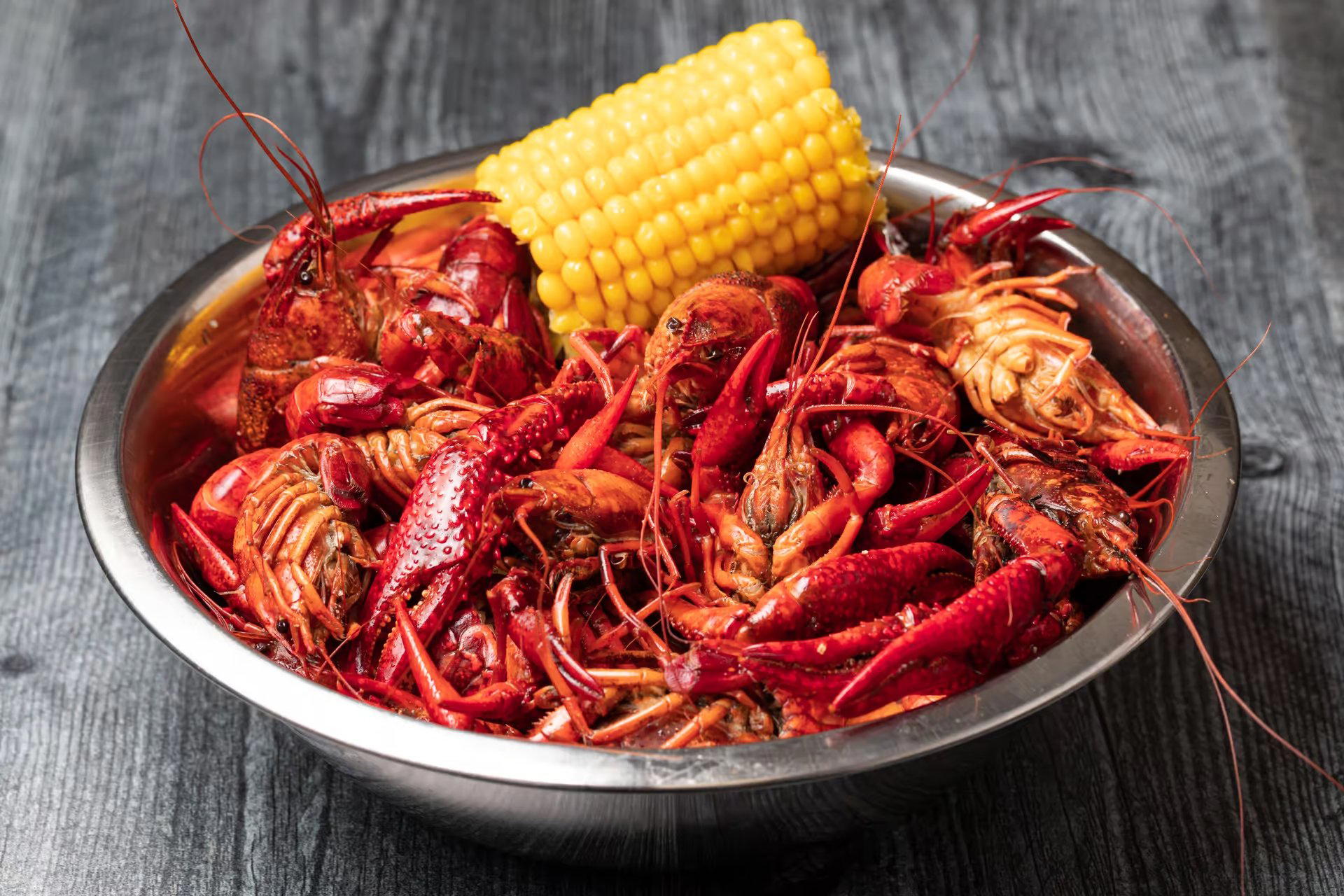
Where Gulf Coast and Mekong Delta Meet at the Table
Houston's Viet-Cajun seafood tradition is, at this point, a fully formed culinary category rather than a fusion experiment. It emerged from the Vietnamese fishing communities that settled along the Gulf Coast after 1975, bringing with them a fluency with crustaceans, a tolerance for heat, and a willingness to absorb Cajun spice logic into something distinctly their own. By the 2010s, that tradition had moved from strip-mall informality into a recognised subcategory of American regional cooking, drawing attention from food journalists who recognised that Houston, not New Orleans, had become its primary laboratory. Crawfish Café at 1026 N Shepherd Drive operates inside that tradition, positioned in the Heights neighbourhood where a younger, more restaurant-literate crowd has settled alongside the city's older Vietnamese dining infrastructure.
The Shellfish at the Centre
The editorial logic of Viet-Cajun cooking is almost entirely crustacean-driven. Crawfish are the anchor, and the season matters: Louisiana crawfish run from roughly January through June, with peak size and yield landing in March and April. Outside that window, shrimp and crab absorb the same sauce architecture, which typically layers butter, garlic, lemon pepper, and some proportion of chilli against the sweetness of shellfish. The technique is a boil-and-toss rather than a roast or grill, which keeps the proteins moist and lets the sauce penetrate the shell before it reaches the table. What distinguishes the better kitchens in this category is the balance of the sauce: too much garlic overwhelms the natural brininess; too little and you're eating competent but flat boiled seafood. The question at any Viet-Cajun table is always whether the kitchen has calibrated that ratio with enough conviction to carry a two-pound order.
Crab, when it appears, tends toward Dungeness or snow crab clusters, both of which hold sauce differently than crawfish. Snow crab's longer legs and firmer meat take the butter blend well but need more sauce by volume. Blue crab, which is genuinely Gulf-adjacent, appears on some Houston menus in this category and brings a sweeter, more delicate flesh that rewards a lighter hand with the spice. The range of what a kitchen chooses to feature in this format tells you something about how seriously it treats the shellfish as the subject rather than the sauce.
The Heights as Context
North Shepherd Drive sits in Houston's Heights neighbourhood, a stretch that has absorbed significant restaurant investment over the past decade without fully shedding its working-neighbourhood character. The dining mix here runs from taqueria counter service to wine-forward New American rooms, and the density has made it one of the more coherent dining corridors in a city that typically resists that kind of concentration. For a Viet-Cajun operation, the Heights location represents a deliberate positioning: closer to the demographic that discovered the cuisine through food media than to the original Vietnamese commercial corridors along Bellaire. That shift is common to a second wave of Viet-Cajun spots that opened in inner-loop neighbourhoods, trading some of the utilitarian strip-mall atmosphere for something slightly more considered without abandoning the paper-lined table format that defines the eating experience.
If you're building a Houston evening around multiple stops, the Heights and its surrounds give you options at different registers. March and Le Jardinier Houston represent the city's fine-dining tier with Venetian and French frameworks respectively, while BCN Taste & Tradition anchors Spanish cooking at the top of the market. The Crawfish Café register is a different proposition entirely, one that fits within a broader Houston eating day rather than competing with the tasting-menu set. See our full Houston restaurants guide for a mapped view across price tiers and cuisines.
How This Format Eats
The communal mechanics of Viet-Cajun seafood require some calibration if you haven't eaten in this format before. Orders arrive in plastic bags or on trays, shells intact, typically with a pair of gloves provided. The eating is physical and progressive: you work through the pile, cracking and peeling as you go, and the sauce accumulates on your hands in a way that makes phone checks inconvenient and conversation the natural default. Party size matters. A solo order of crawfish is a slightly melancholy experience; the format rewards tables of four or more who can spread the work and compare notes on spice levels. Most kitchens in this category offer spice tiering, from mild through nuclear, and the correct call for first-timers is to underorder the heat and adjust upward on a second visit.
Corn and potatoes are standard accompaniments in the boil tradition, absorbing the spiced butter as they cook and providing starch contrast to the shellfish. Sausage sometimes appears in the same bag. None of this is a composed plate in any fine-dining sense; the aesthetic is deliberate abundance, and the measure of a good order is whether the pot ratio favours the seafood or the filler.
Planning Your Visit
Crawfish Café is located at 1026 N Shepherd Drive, Houston, TX 77008, within direct reach of the Heights dining corridor. Given the seasonal nature of Louisiana crawfish, timing a visit between February and May gives you the leading chance of hitting peak-quality product at optimal size. For broader Houston planning, the EP Club Houston hotels guide covers accommodation across the inner loop, and the Houston bars guide maps the cocktail scene in adjacent neighbourhoods. The Houston experiences guide and Houston wineries guide round out the broader city picture.
For readers comparing Houston's shellfish-focused cooking to other American seafood traditions, the reference points are useful but inexact. Le Bernardin in New York and Emeril's in New Orleans occupy the formal end of American seafood cooking; Viet-Cajun sits at a structural remove from both, closer in spirit to the communal crab houses of the Chesapeake than to anything in a white-tablecloth room. Internationally, crustacean-focused precision cooking surfaces at venues like Alain Ducasse at Louis XV in Monte Carlo and 8½ Otto e Mezzo Bombana in Hong Kong, but those are different traditions entirely. Houston's Viet-Cajun category doesn't require that comparison to justify itself; it has its own internal logic and a documented regional history that gives it standing on its own terms.
Houston diners whose appetite extends to the city's other ambitious cooking should also consider Musaafer for Indian regional cooking and Tatemó for masa-focused Mexican work, both of which represent the city's broader capacity to carry non-European culinary traditions at a high level. Ambitions elsewhere in the United States, from Lazy Bear in San Francisco to Alinea in Chicago, The French Laundry in Napa, and Single Thread Farm in Healdsburg, confirm that American regional cooking at its most serious is happening across multiple registers simultaneously. Crawfish Café represents one of those registers: informal, seasonal, technique-reliant, and rooted in a specific immigration and geography story that no other city has replicated at this scale.
How Crawfish Café Houston compares with similar nearby venues.
| Venue | Cuisine | Price |
|---|---|---|
| Crawfish Café | Viet-Cajun / Seafood | Not listed |
| Terry Black’s BBQ | Central Texas Barbecue | Not listed |
| Mala Sichuan Bistro | Sichuan, Chinese | $$ |
Continue exploring
More in Houston
Restaurants in Houston
Browse all →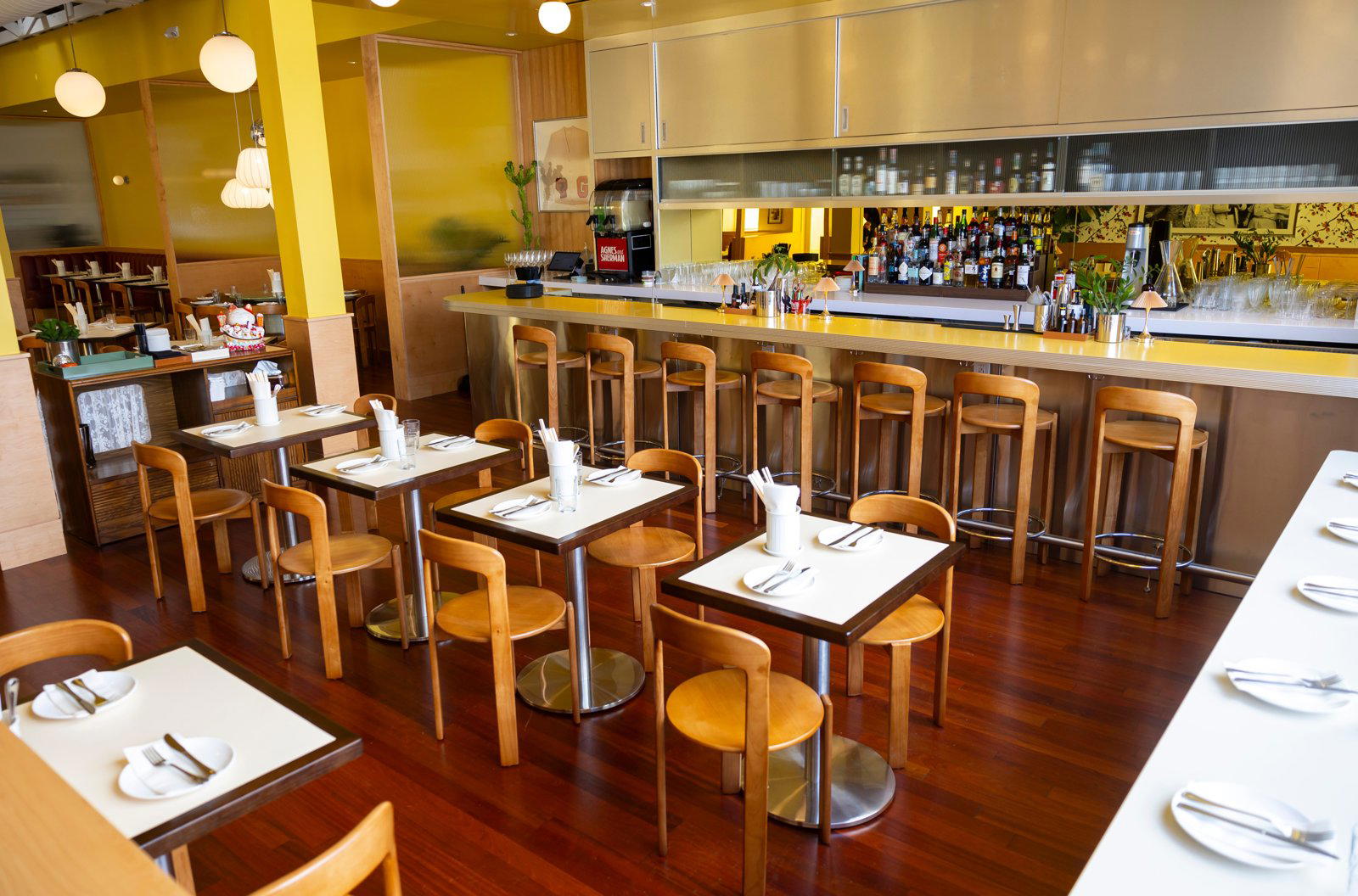
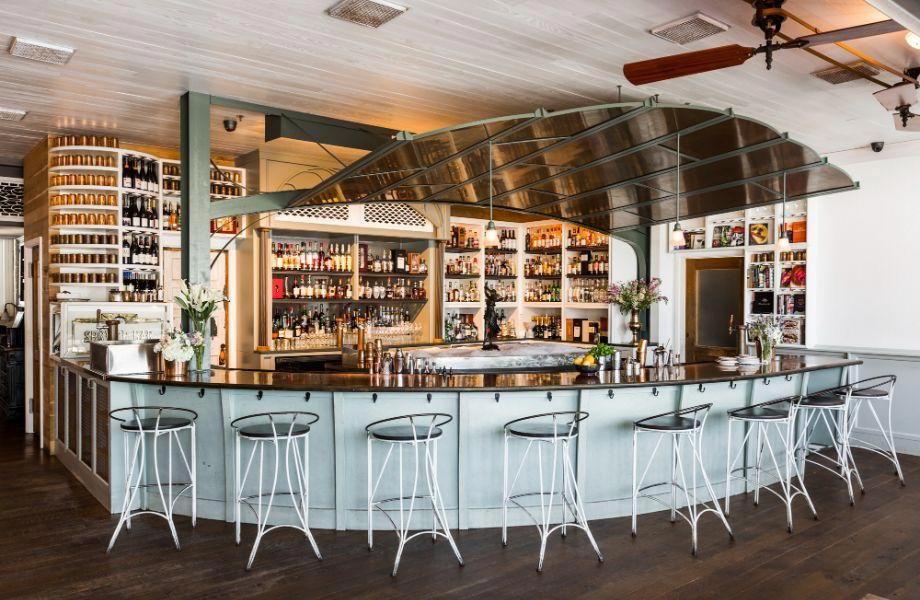
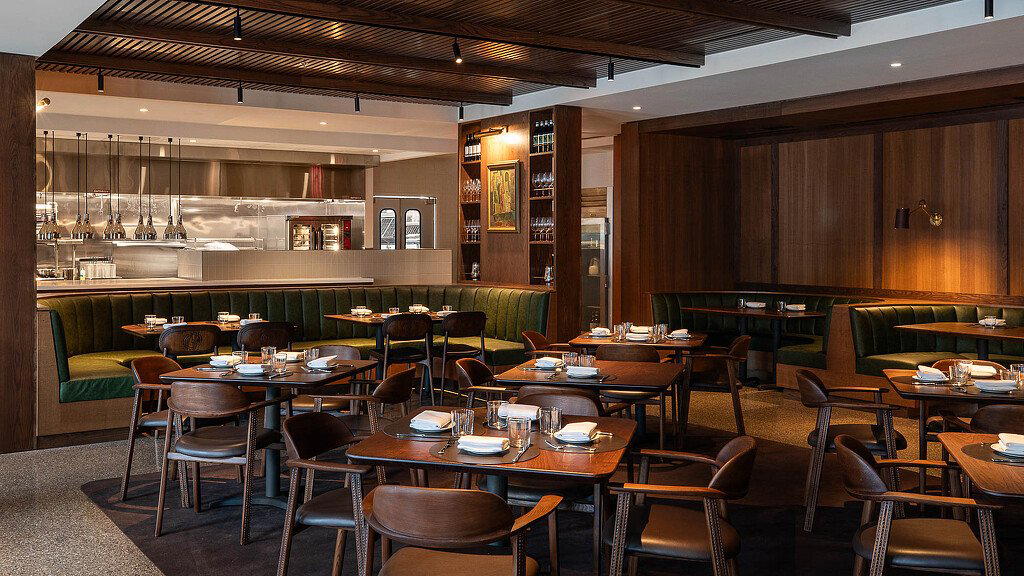
Bars in Houston
Browse all →
Hotels in Houston
Browse all →
At a Glance
- Lively
- Casual
- Group Dining
- Casual Hangout
- Beer Program
Current opening hours
- Monday
- 11 AM–10 PM
- Tuesday
- 11 AM–10 PM
- Wednesday
- 11 AM–10 PM
- Thursday
- 11 AM–10 PM
- Friday
- 11 AM–10 PM
- Saturday
- 11 AM–10 PM
- Sunday
- 11 AM–10 PM
Hours can change for holidays and private events. Last verified .
Casual and energetic atmosphere with a cool neighborhood vibe, featuring an outdoor patio for enjoying seafood boils.
Know Before You Go
- Getting there
- 1026 N Shepherd Dr, Houston, TX 77008