Joyce's
Our verdict
Joyce's occupies a low-profile address on San Felipe Street in Houston's Galleria corridor, a stretch that rewards those paying attention. The restaurant sits within a segment of the city's dining scene where format and progression matter as much as ingredient sourcing. For visitors building a considered Houston itinerary, it belongs on the same conversation as the city's more formally structured dining rooms.

Pearl is the En Primeur Club membership app — saves, bookings, and concierge access live there. Same editors, same standards.
- Address
- 6415 San Felipe St, Houston, TX 77057
- Phone
- (713) 975-9902
- Hours
- Mon–Thu 11 AM–9:30 PMFri 11 AM–10 PMSat 12–10 PMSun Closed
- Website
- joycesseafood.com
- Directions
- Get directions
- Booking
- Book on OpenTable
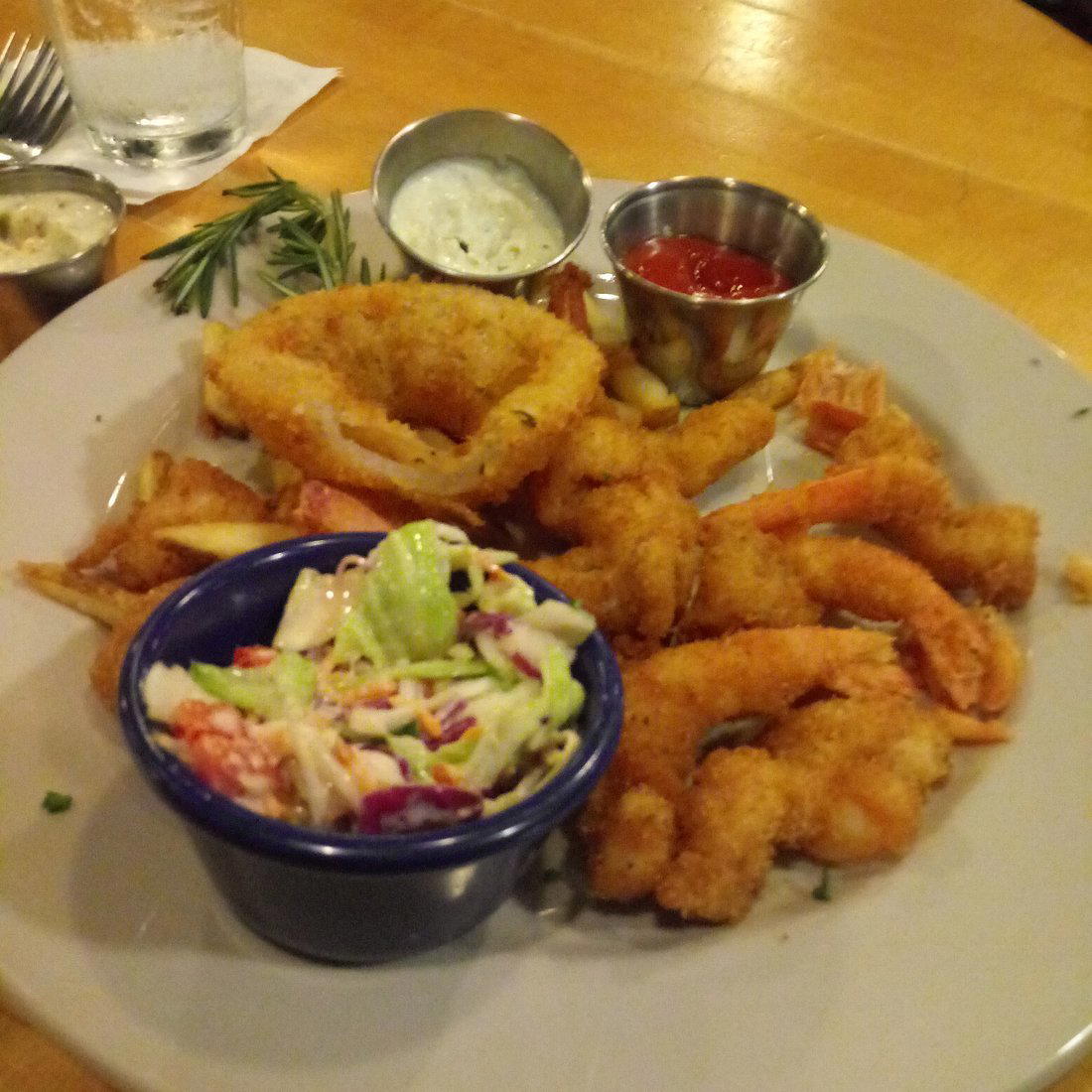
The menu
What to order
- Lobster & Shrimp Enchiladas
- Seafood Gumbo
- Key Lime Pie
- Fried Oysters
- Shrimp Scampi
A Street, a Room, a Sequence
San Felipe Street in Houston's Galleria corridor does not announce itself as a dining destination. The avenue runs through a mid-city patchwork of office towers, apartment blocks, and strip-center retail — the kind of address where serious restaurants sometimes find affordable square footage and lower foot-traffic pressure. Joyce's sits at 6415 San Felipe, inside that zone, and the character of the approach matters here: this is not a room that positions itself through spectacle or high-visibility signage. The draw is internal, built from what happens once you are seated rather than what pulls you through the door.
That posture is increasingly common among a specific tier of Houston restaurants. The city's fine-dining conversation has evolved well beyond steakhouses and Tex-Mex; it now includes rooms operating with the kind of progression-focused intention that defines tasting-menu culture in cities like Chicago or New York. Joyce's belongs to the Galleria-area cluster of restaurants where the surrounding neighborhood's commercial density creates an interesting contrast with the formality inside — a tension Houston has turned into a minor signature.
How a Meal Unfolds
The editorial angle worth applying to a room like this is sequential: how does the meal move? In the broader context of American fine dining, the multi-course format has split into two dominant schools. One uses a high number of courses (sometimes fifteen or more) as a demonstration of technical range, following the model refined at places like Alinea in Chicago or, in its more restrained coastal form, The French Laundry in Napa. The other school, increasingly influential in Southern cities, builds a shorter arc with more deliberate pacing, letting individual courses accumulate meaning rather than competing for attention.
Houston has developed its own version of that second approach. At March, the Venetian-inflected tasting format uses regional Italian structure as its narrative spine. At Musaafer, the progression is organized around the geography of the Indian subcontinent, with each course representing a distinct culinary province. These are rooms where the sequencing itself carries meaning, where the order of dishes is an argument, not just a preference. Joyce's, occupying a quieter register on San Felipe, operates within that same broader shift toward meals that read as structured propositions rather than assembled menus.
The tasting-progression model rewards a particular kind of attention from the diner. Arrival timing matters more than in à la carte rooms. The table's pace is set by the kitchen, not by personal preference. This format has become the preferred vehicle for Houston's more ambitious kitchens because it allows a degree of narrative control that individual ordering cannot provide. Restaurants like BCN Taste & Tradition have shown that the format can carry specific cultural content, in that case, the traditions of Spanish cuisine, without becoming a lecture.
The Galleria Corridor's Dining Logic
Understanding where Joyce's sits in Houston's geography matters for planning. The Galleria area is not the city's most fashionable dining neighborhood, that conversation more often centers on Montrose, Midtown, or the Heights. But the Galleria corridor has developed a quiet density of serious restaurants, partly because the mix of hotel guests, corporate clients, and long-term residents creates a more stable weekday demand than Houston's trendier quarters. This dynamic supports a different kind of restaurant: places that do not depend on weekend-only traffic or social-media visibility cycles to fill their dining rooms.
That stability shapes the experience. Rooms in this corridor tend to run at a more consistent pace than their equivalents in Montrose, where weekend surges and walk-in traffic can disrupt the kitchen's rhythm. For a restaurant operating a tasting-progression format, consistent pace is not a minor consideration, it is structural. The gap between a course landing ten minutes late and one landing on cue is the difference between a meal that reads as a coherent arc and one that loses its logic midway through.
Across the broader American fine-dining geography, the leading examples of consistent progression dining, Le Bernardin in New York City, Providence in Los Angeles, Blue Hill at Stone Barns in Tarrytown, share a common trait: the room's physical and operational design supports the kitchen's intended tempo. Location and neighborhood character are part of that design, whether intentionally or by default.
Houston's Broader Fine-Dining Position
Houston is not yet cited in the same breath as New York or San Francisco when the national fine-dining conversation runs, but the city's restaurant scene has matured significantly over the past decade. The diversity of the city's population, the largest in the United States by number of countries of origin represented, has produced a culinary range that few American cities can match at street level. At the fine-dining tier, that diversity shows up in the cuisines being taken seriously: Tatemó has brought masa-focused Mexican technique into conversation with the city's tasting-menu circuit, and Le Jardinier Houston applies Michelin-associated French discipline to vegetable-forward cooking in a city not historically associated with either.
The comparison set for Joyce's within this context is a tier of Houston rooms that operate with intention but without the national recognition that attaches to the city's most-awarded addresses. That is a meaningful distinction. Restaurants in this band are often where the city's dining scene does its more interesting work, less constrained by the expectations that come with major award recognition, more free to develop a specific point of view over time. The equivalent dynamic plays out in other American cities: Lazy Bear in San Francisco, before its recognition consolidation, occupied a similar position of serious intent without full institutional validation.
Planning Your Visit
Know Before You Go
- Address: 6415 San Felipe St, Houston, TX 77057
- Neighborhood: Galleria corridor, mid-city Houston
- Price range:; verify before booking
- Hours:; verify before visiting
- Parking: Street and lot parking available in the Galleria corridor; rideshare drop-off direct on San Felipe
- Context: For a broader view of where Joyce's sits in Houston's dining scene, see our full Houston restaurants guide
Frequently asked questions
How do I find Joyce's?
Joyce's is located at 6415 San Felipe St, Houston, TX 77057, Houston.
Is Joyce's a good option for a business dinner in Houston's Galleria area?
The Galleria corridor on San Felipe Street draws a consistent mix of corporate and hotel-adjacent demand, and restaurants in this zone are accustomed to handling business dinners without the social-scene energy that can complicate conversation at higher-profile Houston addresses. Joyce's structured approach to sequencing a meal suits the format of a working dinner where the room itself should not compete for attention. The 6415 San Felipe location keeps the venue accessible from the surrounding office and hotel cluster.
What should I order at Joyce's?
Menu specifics for Joyce's have not been confirmed through public sources, so contacting the venue at 6415 San Felipe St directly before your visit is the most reliable step. Houston's Galleria-area dining rooms in this tier tend to anchor their menus around composed, multi-course formats where the kitchen's direction is clearest in the middle courses. Asking staff on arrival what the kitchen is running that day will get you further than any list compiled in advance.
How far ahead should I plan for Joyce's?
Booking windows at Houston's Galleria-corridor restaurants typically run shorter than at the city's most-awarded rooms, where four-to-six-week lead times are standard. For Joyce's at 6415 San Felipe, aiming one to two weeks out is a reasonable baseline for most evenings, with weekend prime-time slots warranting earlier attention. If your date is fixed, contacting the venue sooner removes the guesswork.
What makes Joyce's worth seeking out?
Joyce's occupies a specific tier in Houston dining: rooms that operate with structured, deliberate intention but have not yet accumulated the national press coverage that drives reservation pressure at the city's most-cited addresses. That positioning means a more considered experience without the lead-time friction. San Felipe Street itself is not Houston's most-publicised dining corridor, which keeps the room's profile lower than its execution might otherwise command.
Is Joyce's good for vegetarians?
Houston's fine-dining segment has broadly expanded plant-focused options over the past several years, and Galleria-area rooms in this tier generally accommodate dietary preferences when given advance notice. Flagging requirements at the time of booking gives the kitchen the clearest opportunity to prepare.
Price and Positioning
Comparable venues nearby, for context on price, style, and recognition.
| Venue | Cuisine | Price | Notes |
|---|---|---|---|
| Joyce'sThis venue — the venue you are viewing | Gulf Seafood & Steaks with Cajun-Creole Influences | $30–50 | Not listed |
| Christie's Seafood & Steak | Classic Gulf Coast Seafood & Steaks | $30–50 | Briargrove, Classic Gulf Coast Seafood & Steaks |
| Bayou City Seafood & Pasta | Cajun Seafood and Pasta | $20–30 | Lamar Terrace, Cajun Seafood and Pasta |
| Blue Claw Restaurant & Bar | Modern Seafood with East Coast Classics and Gulf Flavors | $50–100 | Northwest Crossing, East Coast Seafood with Gulf Flavors |
| Willie G's | Upscale Gulf Coast Seafood | $50–100 | Afton Oaks, Fresh Gulf Coast Seafood & Steak |
| Liberty Kitchen & Oyster Bar | Gulf Coast Seafood & Oyster Bar | Not listed | Greater Heights, Gulf Coast Seafood & Oyster Bar |
Continue exploring
More in Houston
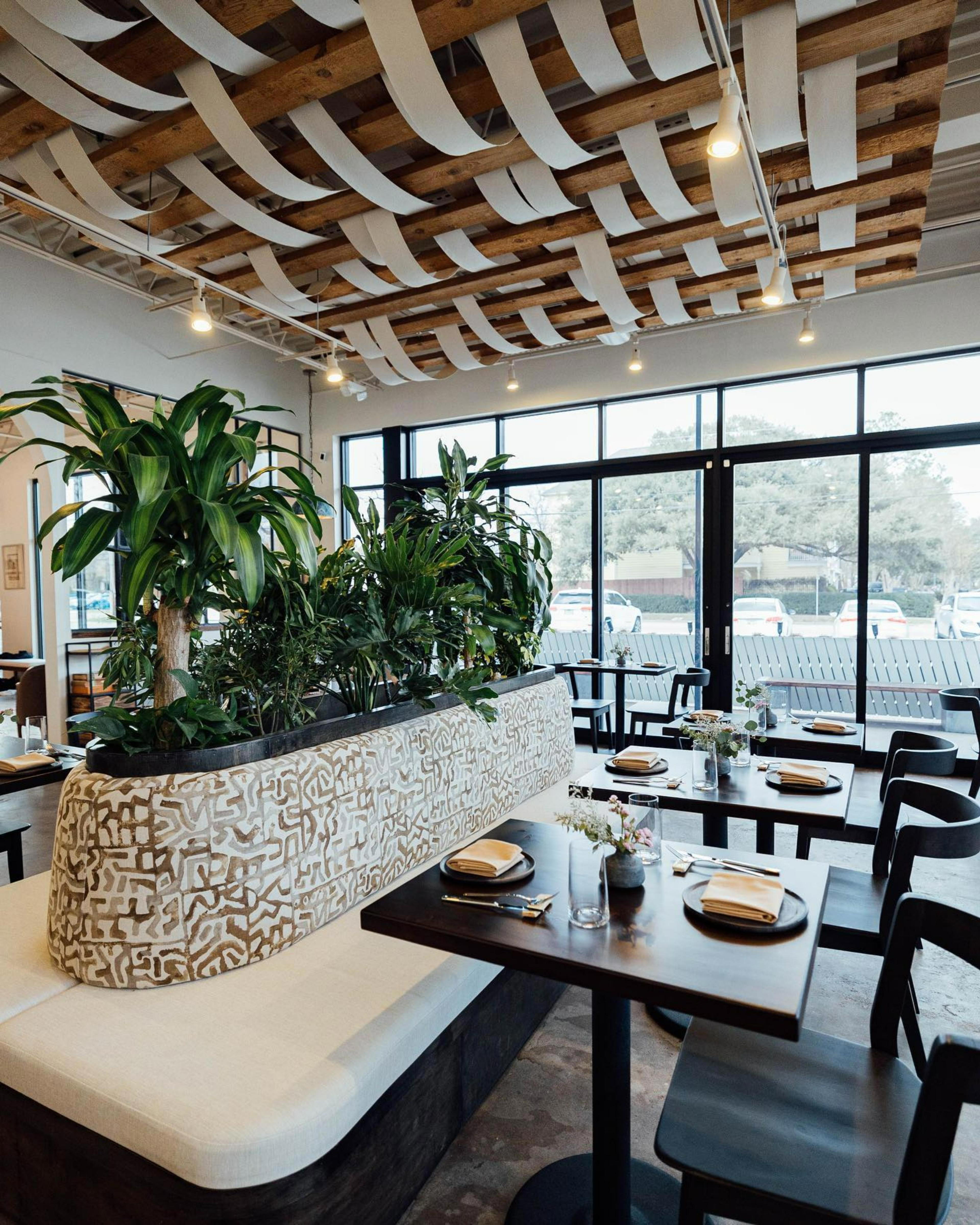
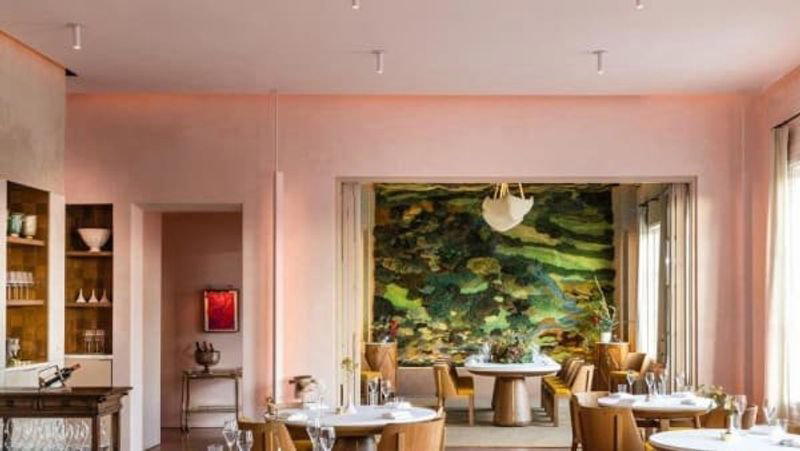
Restaurants in Houston
Browse all →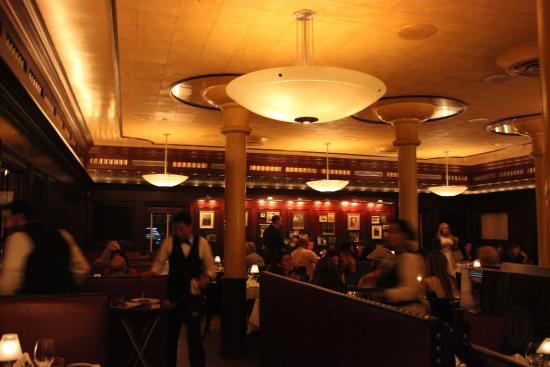
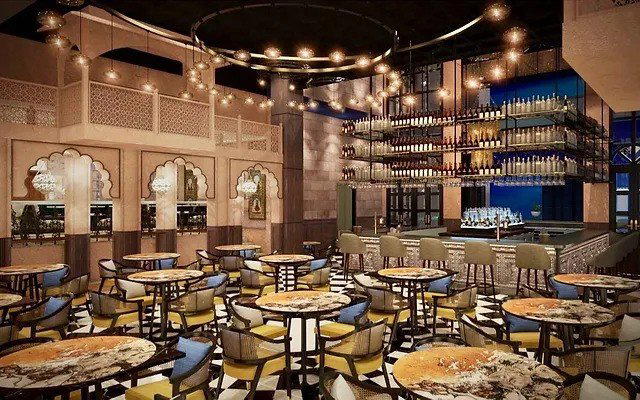
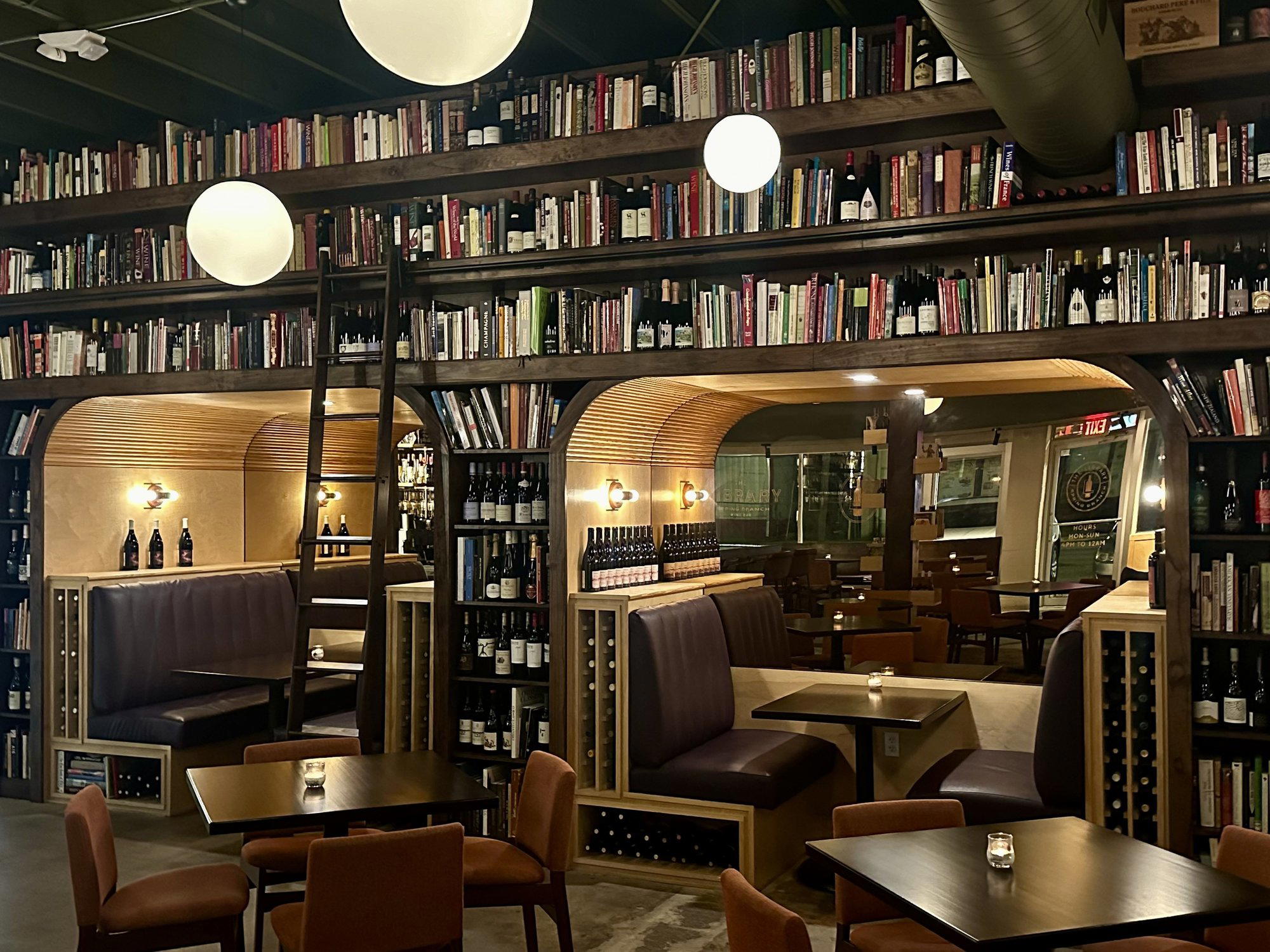
Bars in Houston
Browse all →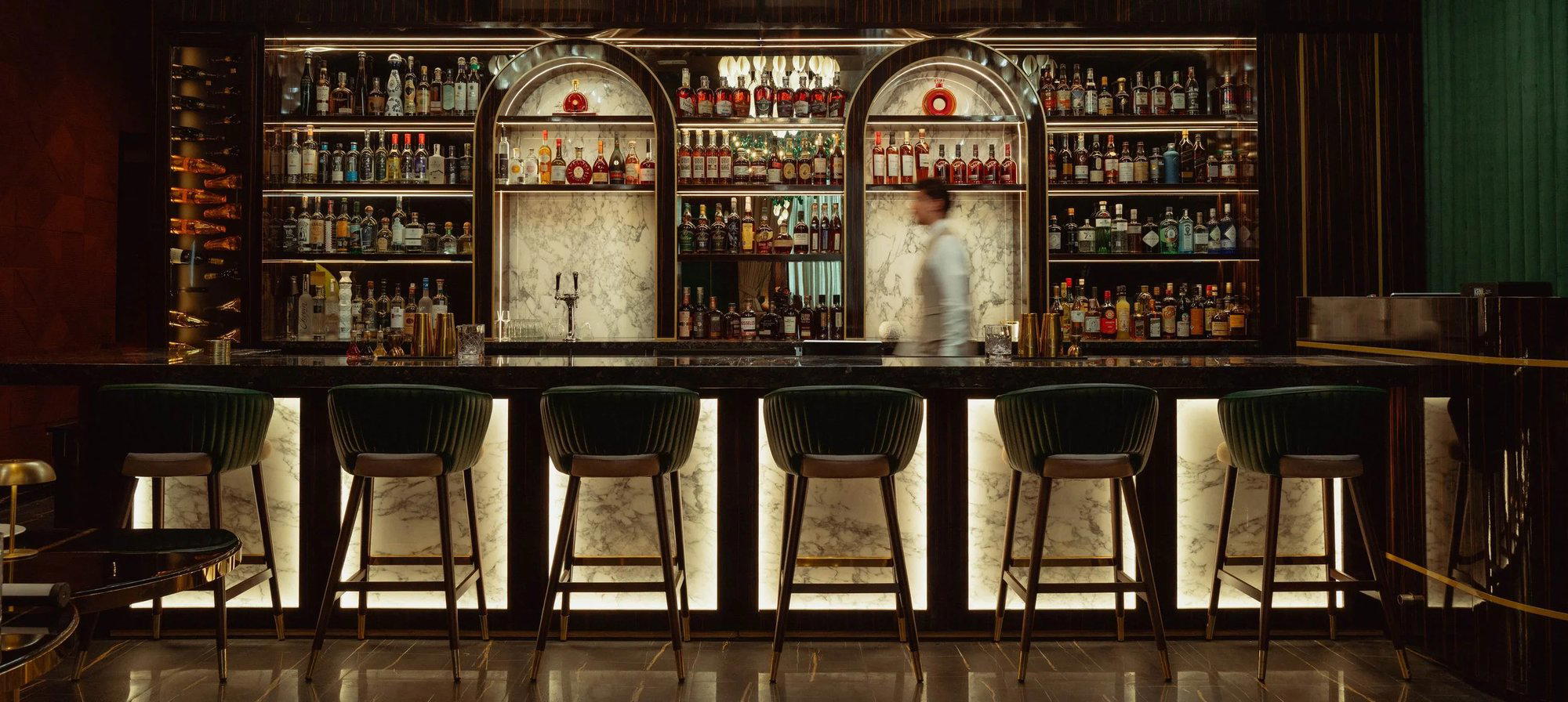
Hotels in Houston
Browse all →
Details
- Classic
- Cozy
- Well Known
- Group Dining
- Family
- Casual Hangout
- Business Dinner
- Celebration
- Private Event
- Private Dining
- Sustainable Seafood
- Local Sourcing
- A La Carte
- Prix Fixe
- Pescatarian Friendly
- Gluten Free Options
Current opening hours
- Monday
- 11 AM–9:30 PM
- Tuesday
- 11 AM–9:30 PM
- Wednesday
- 11 AM–9:30 PM
- Thursday
- 11 AM–9:30 PM
- Friday
- 11 AM–10 PM
- Saturday
- 12–10 PM
- Sunday
- Closed
Hours can change for holidays and private events. Last verified .
Neighborhood bistro with warm, welcoming atmosphere; casual dining room with local charm and established reputation.