CRAVE - Roseville
Our verdict
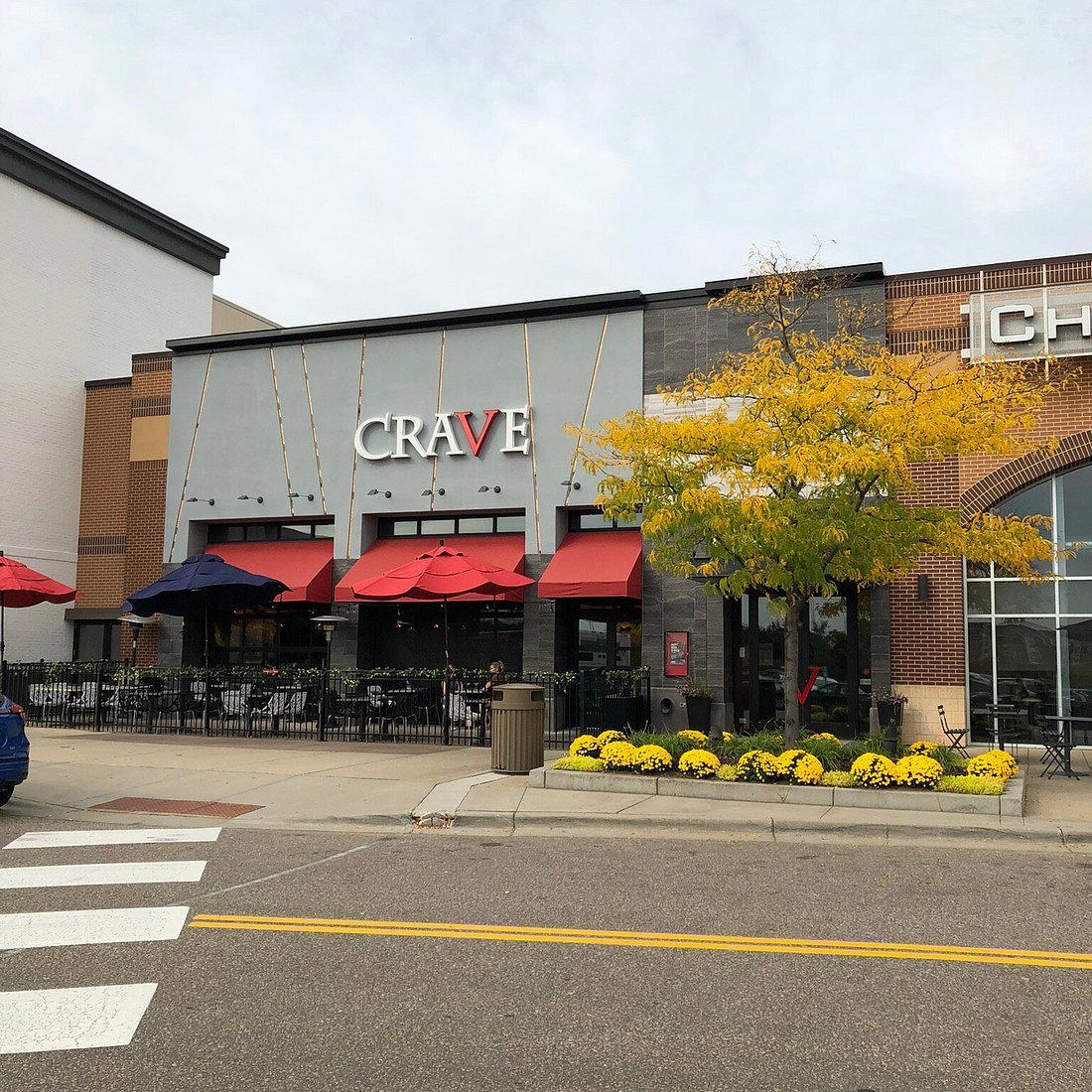
CRAVE sits inside Rosedale Center on Highway 36, positioning it squarely within the suburban Twin Cities dining circuit where American-style casual dining chains and independent restaurants compete for the same mid-week crowd. The menu architecture follows the broad, approachable format that defines the CRAVE brand across its Minnesota locations, covering everything from sushi to burgers within a single sitting.

Pearl is the En Primeur Club membership app, where members save venues, book tables and use the concierge.
The menu
What to order
- Crave Burger
- Pink Panther Roll
- Signature Wings
Suburban Minnesota's Full-Menu Format, Examined
The stretch of Highway 36 that runs through Roseville tells a familiar story about suburban American dining: a retail corridor anchored by a major shopping center, Rosedale Center, where restaurant concepts compete as much on convenience and range as on culinary focus. CRAVE occupies space 1025 inside that mall at 1595 Highway 36 W, placing it within a dining tier defined by accessibility and breadth rather than specialization. Understanding what CRAVE does well starts with understanding that context.
In the Twin Cities' broader restaurant map, the choice between a sprawling, category-spanning menu and the focused discipline of venues like Baldamar or the neighborhood warmth of Axel's - Roseville is a real one. CRAVE belongs to a third category: the American brasserie format that treats menu range as a feature rather than a liability. That format has clear precedents at the national level, and it carries specific implications for how a kitchen is organized and what a guest should expect.
How the Menu Is Built, and What That Tells You
The CRAVE menu architecture is the most legible signal of the restaurant's operating logic. The format spans sushi rolls, appetizers, flatbreads, burgers, steaks, and fish entrees within a single menu document. This is not fusion in the classical sense, where two traditions are synthesized into a coherent third thing. It is instead the American "something for everyone" model, a structure more common in upscale casual dining than in fine dining, where the menu's breadth is designed to resolve group disagreement before the table is seated.
That architecture has a parallel in how large-format American restaurants operate elsewhere. Where a venue like Le Bernardin in New York City builds its entire menu around a single ingredient category with near-monastic focus, or where Smyth in Chicago uses a tasting format to enforce a narrative through-line, the CRAVE model inverts those principles entirely. The menu signals that guest autonomy at the table is the governing value, not chef-led progression. Whether that trade-off serves you depends entirely on what you're looking for on a given evening.
Within that format, the sushi offering functions as a differentiator from standard American grill concepts. In suburban Minnesota, the combination of a sushi bar and a full steak and burger menu under one roof was a meaningful market positioning when the CRAVE brand expanded its footprint across the Twin Cities. It allowed the brand to capture groups with divergent appetites, something that purely focused venues like Chicha Peruvian Kitchen or Bennett's Kitchen are not designed to do.
Roseville's Dining Circuit and Where CRAVE Sits
Roseville occupies a particular role in the Twin Cities dining ecosystem. It is not a destination dining neighborhood in the way that Minneapolis's North Loop or Lowertown Saint Paul are. It is instead a practical dining zone, serving residents, office workers, and Rosedale shoppers who want a reliable, comfortable meal without crossing into the city. The restaurants that perform well here tend to offer either strong local identity, as Axel's does with its Minnesota supper club lineage, or broad accessibility, as CRAVE does with its multi-format menu.
At the national level, the restaurants that define serious American dining operate on a completely different register. The French Laundry in Napa, Blue Hill at Stone Barns in Tarrytown, and Single Thread Farm in Healdsburg each build their identity around constraint: a fixed format, a guiding philosophy, a specific sourcing relationship. CRAVE operates with the opposite set of constraints, and the Roseville location reflects that positioning clearly. For the EP Club reader planning a Roseville evening, it is useful to know where CRAVE sits in that hierarchy before arriving with expectations calibrated for a different kind of restaurant.
That said, the suburban American brasserie format fills a genuine gap. Venues in this tier handle large groups, accommodate dietary divergence at the table, and provide a dining room experience that is quieter and more comfortable than a fast-casual alternative without requiring the commitment of a tasting menu or a reservation made weeks in advance. In that practical register, CRAVE serves its neighborhood function competently. See our full Roseville restaurants guide for a broader survey of options across the city's dining tiers.
The Upscale Casual Format: What It Delivers and Where It Ends
The upscale casual dining model that CRAVE represents reached its commercial peak in the 2000s and 2010s, when groups like Lettuce Entertain You and Darden built national footprints around the premise that polished interiors, eclectic menus, and mid-range price points could fill the space between fast casual and fine dining. CRAVE fits within that broader wave, operating in a market where venues like Flame & Fire - Roseville represent the more grill-focused end of the same tier.
The architectural choice of a mall anchor position is not incidental. Mall-positioned restaurants in this format benefit from foot traffic and parking infrastructure, and they tend to design their service model accordingly: efficient, friendly, and calibrated for turnover without feeling rushed. The trade-off is that the kitchen operates in a context where the dining room demands are broad and the sourcing priorities are dictated by the menu's width. This is a fundamentally different operating environment from the one facing, say, Providence in Los Angeles or Addison in San Diego, where a narrow focus allows for deeper sourcing relationships and more technically demanding preparation.
For readers accustomed to the tasting menu format at venues like Lazy Bear in San Francisco or the chef-driven intensity of Atomix in New York City, CRAVE represents a deliberate step into a different register. That is not a criticism. It is a description of what the format is designed to do, and clarity about that design is what makes the venue useful to the right guest at the right moment.
Planning Your Visit
CRAVE - Roseville is located inside Rosedale Center at 1595 Highway 36 W, Space 1025, Roseville, MN 55113. The mall position means parking is accessible and the venue is direct to reach from both Minneapolis and Saint Paul via Highway 36. The broad menu format generally accommodates walk-in guests during off-peak hours, though weekend evenings inside a major mall anchor can bring meaningful wait times.
Frequently asked questions
Where do I go for CRAVE - Roseville?
CRAVE - Roseville is located at 1595 Highway 36 W Space 1025, Roseville, MN 55113, Roseville.
How does CRAVE - Roseville's menu format compare to typical mall dining in the Twin Cities?
CRAVE's menu at the Rosedale Center location spans sushi rolls, flatbreads, burgers, and grill items on a single menu, a format wider in scope than most mall-adjacent casual restaurants in the Twin Cities suburban corridor. That breadth is the operating logic behind the CRAVE brand across its Minnesota locations, designed to function as a group-dining anchor where mixed preferences can be accommodated at one table. It positions the Roseville outpost closer to a multi-concept restaurant than a focused single-cuisine venue.
What dish is CRAVE - Roseville famous for?
CRAVE's Twin Cities locations have built their identity around a menu that pairs sushi rolls with American grill items, an unusual combination for a suburban mall-anchored restaurant. The dual format is the brand's clearest differentiator at the Roseville location inside Rosedale Center on Highway 36. No single dish has been documented by named critics as a signature, but the sushi-and-grill pairing is the consistent point of recognition across the CRAVE brand.
Is CRAVE - Roseville reservation-only?
Mall-anchored upscale casual restaurants in suburban Minnesota markets typically operate on a walk-in basis with waitlist options during peak hours, though that has not been formally verified for this location. Contacting the restaurant directly before visiting is advisable for weekend evenings.
What do critics highlight about CRAVE - Roseville?
No named critical awards or documented editorial reviews are confirmed for the Roseville location specifically. The CRAVE brand's standing in the Twin Cities is tied to its broad-menu format and Rosedale Center positioning, which place it in the upscale casual tier rather than the destination-dining category that attracts formal critical attention. Its relevance is primarily as a full-service anchor in a suburban retail corridor.
Where the Accolades Land
| Venue | Cuisine | Price | Awards | Notes |
|---|---|---|---|---|
| CRAVE - RosevilleThis venue (the venue you are viewing) | American Kitchen & Sushi Bar | $20–30 | Not listed | Not listed |
| Nixtaco | Modern Northern Mexican Taqueria | $20–30 | Michelin Bib Gourmand · Diners, Drive-Ins and Dives Featured Restaurant | Mexican |
| Axel's - Roseville | Classic American Steakhouse | $30–50 | Not listed | Not listed |
| Baldamar | Modern American Steakhouse | Not listed | Not listed | Not listed |
| Bennett's Kitchen | Contemporary American Grill | $20–30 | Not listed | Not listed |
| Chicha Peruvian kitchen | Traditional Peruvian Kitchen | $20–30 | Not listed | Not listed |
Continue exploring
More in Roseville
Restaurants in Roseville
All restaurants in Roseville →
Bars in Roseville
All bars in Roseville →
Details
- Lively
- Modern
- Trendy
- Energetic
- Casual Hangout
- Group Dining
- Open Kitchen
- Extensive Wine List
- Local Sourcing
- A La Carte
- Vegetarian Friendly
- Vegan Options
- Gluten Free Options
Current opening hours
- Monday
- 11:30 AM–9 PM
- Tuesday
- 11:30 AM–9 PM
- Wednesday
- 11:30 AM–9 PM
- Thursday
- 11:30 AM–9 PM
- Friday
- 11:30 AM–10 PM
- Saturday
- 11:30 AM–10 PM
- Sunday
- 11:30 AM–8 PM
Hours can change for holidays and private events. Hours as of .
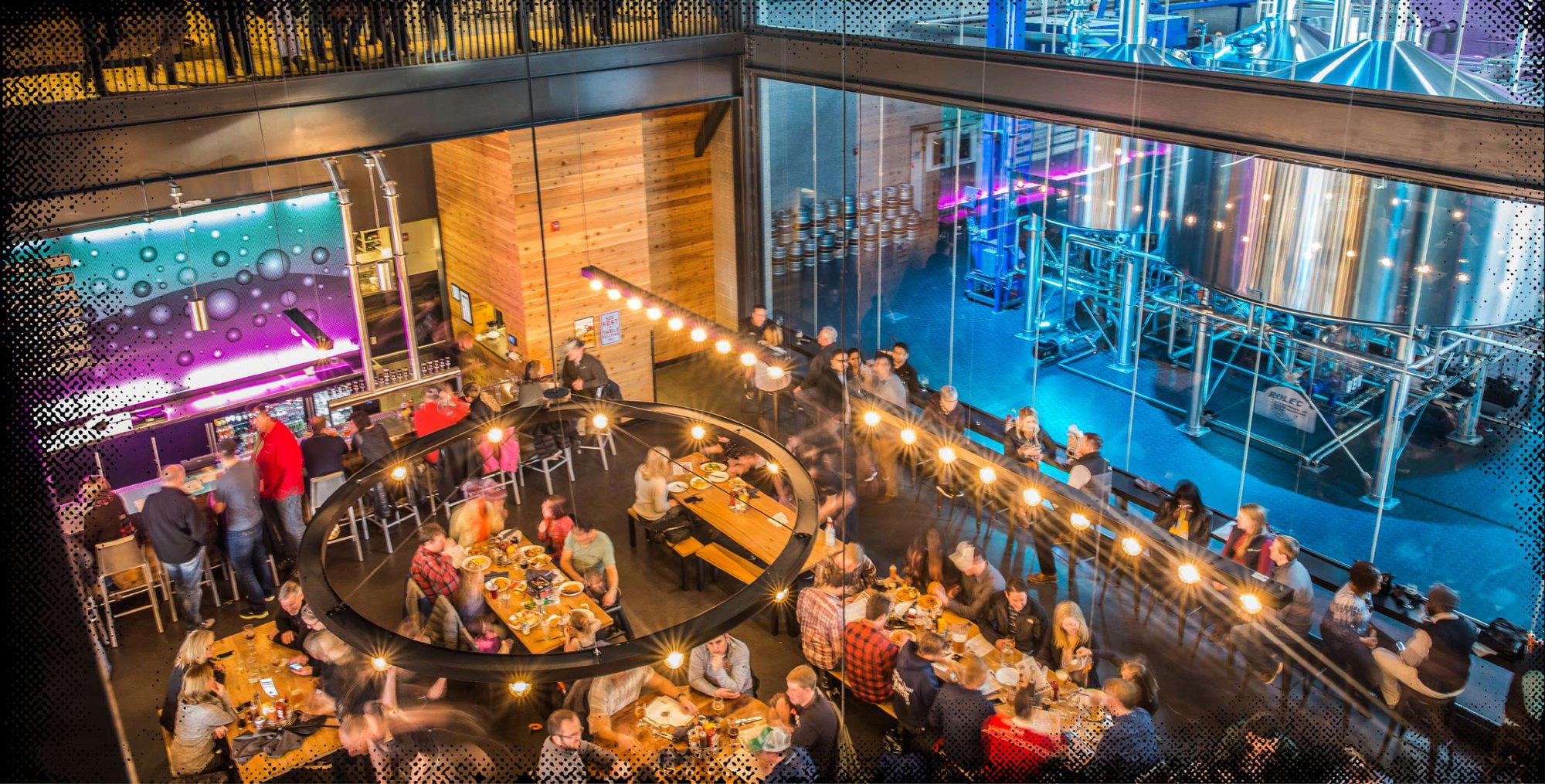
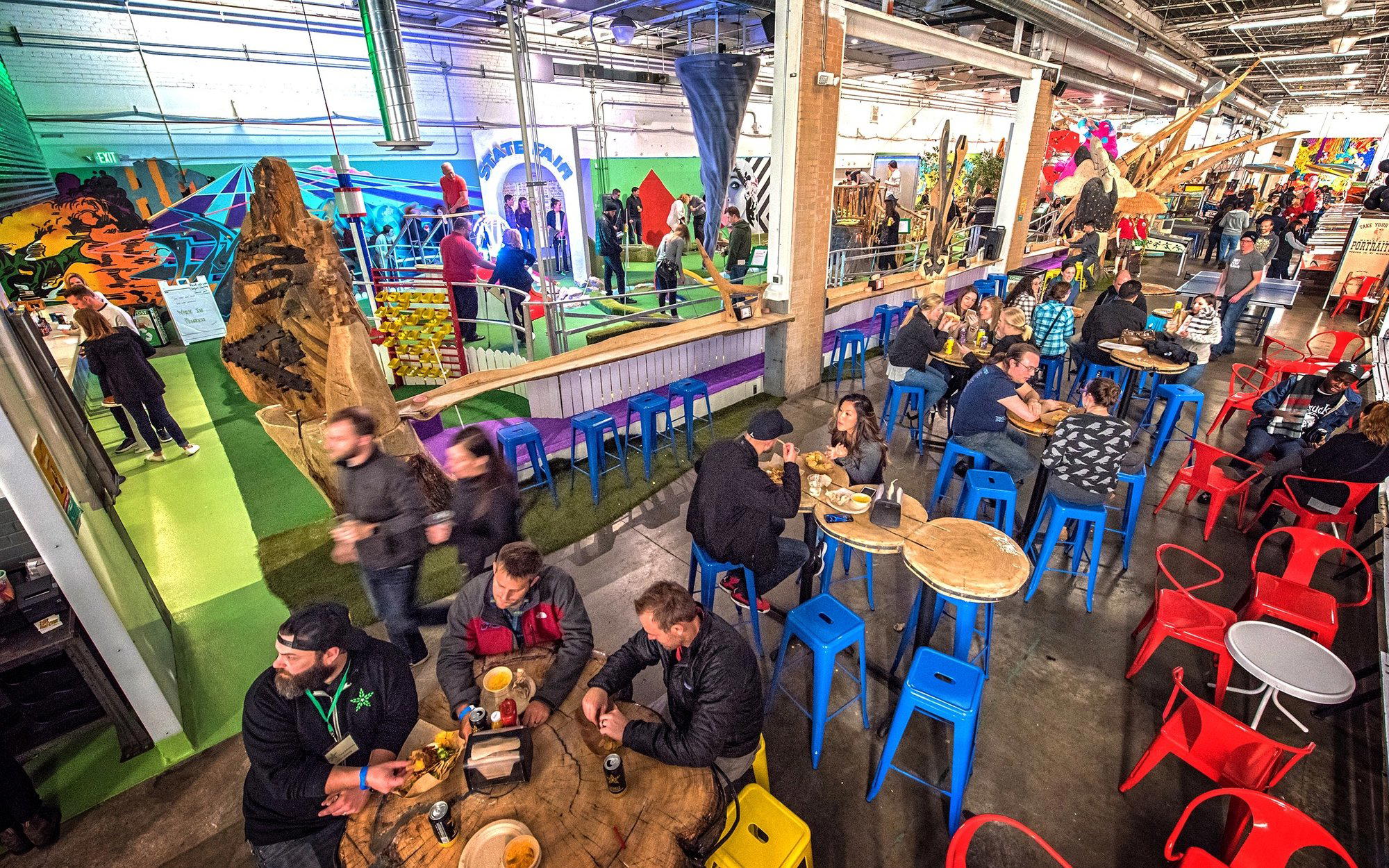
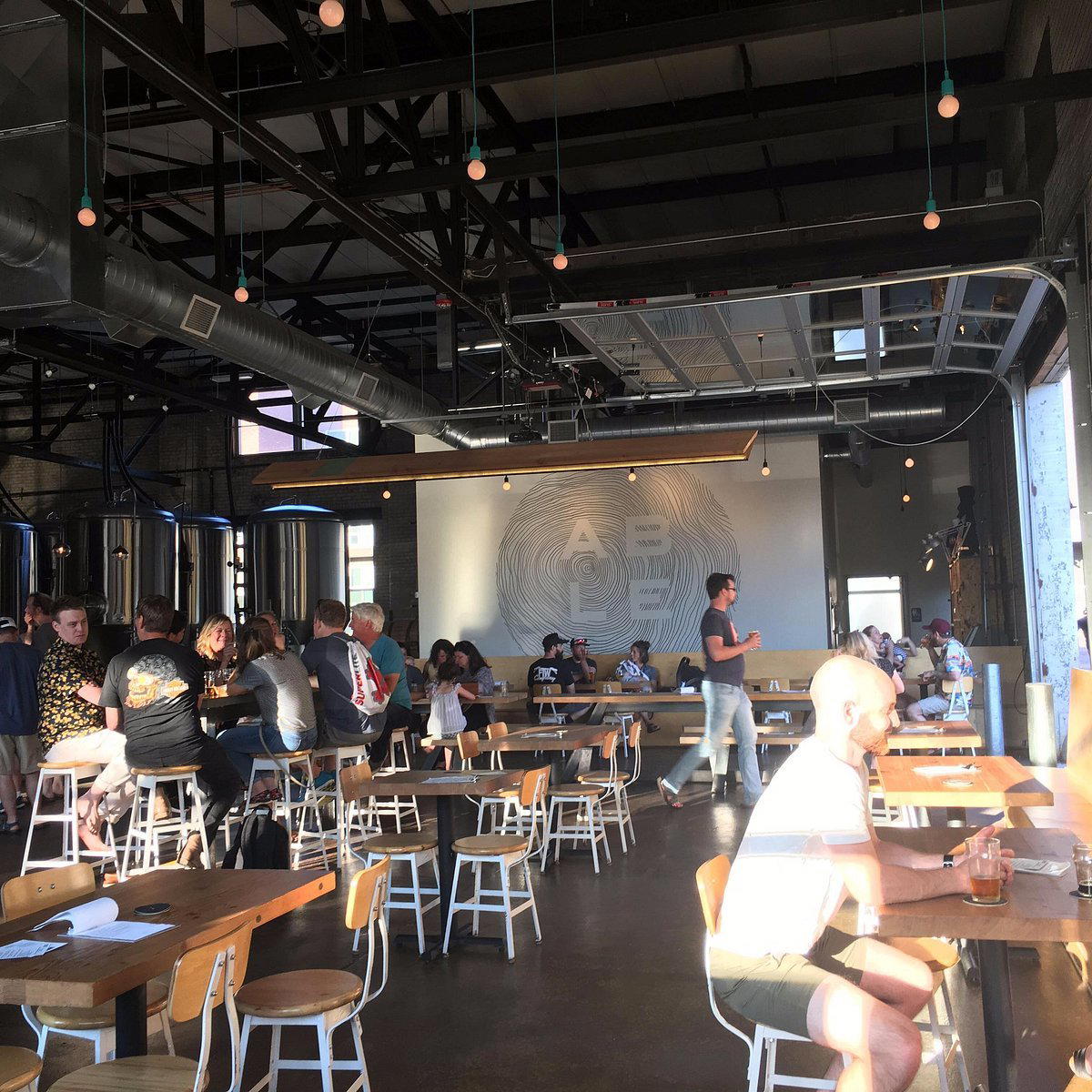
Chic and energetic setting with warm open design, modern sushi bar, and busy energy from guests and staff.