Counter Culture
Our verdict
Counter Culture occupies a low-key address on Baca Street in Santa Fe, operating in a city where the dining conversation tends to get dominated by New Mexican chile and adobe-walled dining rooms. What distinguishes it from that familiar pattern is worth understanding before you book, particularly if you approach a table with a serious interest in what's in the glass.

Pearl is the En Primeur Club membership app — saves, bookings, and concierge access live there. Same editors, same standards.
- Address
- 930 Baca St #1, Santa Fe, NM 87505
- Phone
- (505) 995-1105
- Hours
- Daily 8 AM–3 PM
- Website
- counterculturesantafe.com
- Directions
- Get directions
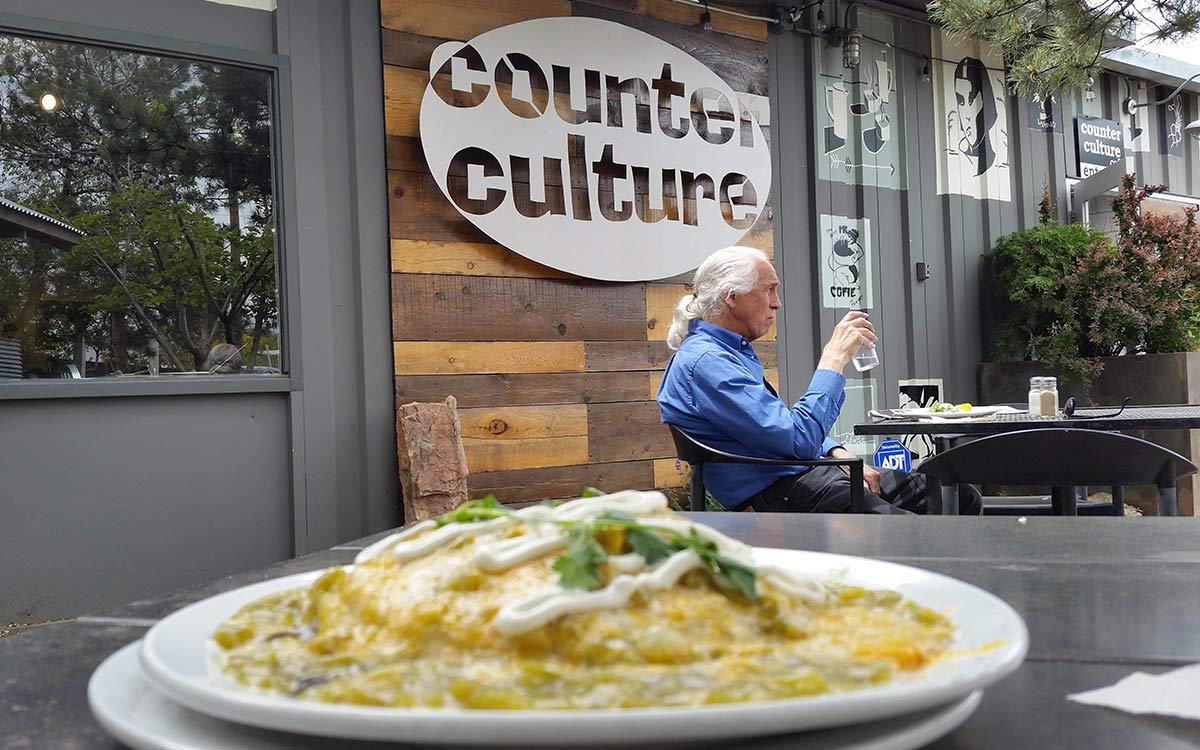
The menu
What to order
- Prosciutto Egg Sandwich
- Cinnamon Roll
- Carne Asada Sandwich
- Thai Coconut Salmon Soup
The Baca Street Register
Santa Fe's restaurant geography follows a familiar gradient: the highest-profile rooms cluster around the Plaza and Canyon Road, drawing tourists and expense-account dinners in roughly equal measure. Move a few blocks south toward Baca Street, and the character shifts. The addresses here tend to attract residents rather than visitors, operations that rely on repeat business rather than foot traffic, and a more considered relationship between a room and its clientele. Counter Culture at 930 Baca Street sits inside that quieter register, physically removed from the city's most competitive dining corridor.
That positioning matters because Santa Fe's dining scene in 2024 has bifurcated more sharply than it appears from the outside. On one side: the New Mexican heritage operations, places like Sazón (New Mexican) and the long-running 229 Galisteo St, where chile-forward menus carry the weight of regional identity. On the other: a smaller cohort of rooms that sit outside the New Mexican tradition entirely, importing different culinary frameworks or operating as genre-agnostic neighborhood restaurants. Counter Culture belongs to that second category, which means it draws a different kind of attention from a different kind of diner.
What the Wine List Says About the Room
In cities where dining culture has matured past the first wave of regional enthusiasm, the wine list often acts as the clearest signal of a restaurant's actual ambitions. A list built around approachable, margin-friendly bottles tells you one thing. A list that reflects genuine curation, with attention to producers, regions, and the logic connecting them, tells you something else entirely.
Counter Culture operates in a city where serious wine programs are not the default. Santa Fe's altitude (roughly 7,000 feet above sea level) and its dry high-desert climate create service conditions that require more active cellar management than sea-level restaurants face. Temperature fluctuation, low humidity, and the physical demands of altitude on both storage and perception are real factors in how wine programs in the city operate. The restaurants that handle those conditions well, rather than defaulting to commercial-grade bottles that are simply more forgiving, tend to be the rooms worth knowing about for wine-focused diners.
What the venue's positioning and neighborhood context suggest, however, is a program built for regulars with a point of view, rather than a list assembled to satisfy the broadest possible tourist preference. The scale is different, the city is smaller, but the orientation toward a specific kind of diner is comparable.
Counter Culture in the Broader American Dining Conversation
To understand where a room like Counter Culture sits in American dining more broadly, it helps to map the territory. The rooms that have most consistently defined what a serious independent restaurant looks like in the United States over the past decade include Le Bernardin in New York City, The French Laundry in Napa, Blue Hill at Stone Barns in Tarrytown, and Single Thread Farm in Healdsburg. These are operations with significant infrastructure, awarded status, and the kind of press attention that self-perpetuates.
Counter Culture does not compete in that bracket. It operates in Santa Fe, a city of fewer than 90,000 people, in a state where the restaurant industry's center of gravity remains firmly with New Mexican cuisine. That context is not a limitation so much as a clarification of what the venue is. Independent restaurants in mid-sized American cities that sustain serious programs over time, operating outside the media circuits of New York, San Francisco, and Chicago, represent a distinct category. They share more with places like Emeril's in New Orleans or Addison in San Diego in terms of regional positioning than with the national flagship operations. The difference is that New Orleans and San Diego carry more tourist infrastructure. Santa Fe has a smaller, more self-selecting dining audience, which shapes what's possible and what's sustainable.
Other Santa Fe rooms worth knowing in the context of what Counter Culture is not: Alkemē represents the city's more experimental current; Back Road Pizza and Bert's Burger Bowl anchor the city's casual end. Counter Culture occupies a middle register that is harder to define precisely but identifiable by its address, its neighborhood orientation, and the evident deliberateness of its operation. For a fuller picture of how these rooms relate to each other across the city, the full Santa Fe restaurants guide maps the field.
Seasonal Timing and Practical Logistics
Santa Fe's visitor patterns are pronounced. The summer season, running from late June through Labor Day, brings the highest concentration of tourists, the busiest reservation windows, and the most competitive dining environment in the city. The International Folk Art Market in July and the Santa Fe Indian Market in August are the two dates that compress demand most severely across the city's better rooms. For a neighborhood-oriented operation on Baca Street, summer weeks mean less tourist walk-in traffic than the Plaza restaurants face, but more competition for the same pool of local-and-visitor hybrid diners who seek out the quieter addresses.
The shoulder seasons, particularly October through early December and late March through May, tend to reward the visitor who plans ahead. The weather remains manageable, the visitor volume drops significantly, and Santa Fe's restaurants operate with more breathing room. For a room like Counter Culture, which reads as an operation built for return visitors rather than first-timers, the off-season visit often produces a different, more settled experience than the summer crush.
Contacting the venue directly at the Baca Street address or checking current listings is the reliable approach. The broader suite of American fine dining that merits planning equivalently includes Atomix in New York City, Providence in Los Angeles, and The Inn at Little Washington in Washington, all of which require advance planning at a different scale. Counter Culture operates in a different tier of demand, but the principle of confirming before arriving applies equally. For international reference on what committed, place-rooted dining looks like at the furthest end of the spectrum, Atelier Moessmer Norbert Niederkofler in Brunico sets a useful benchmark.
Frequently asked questions
Is Counter Culture okay with children?
Counter Culture sits on Baca Street away from the main tourist corridors, which typically signals a room oriented toward adult diners with a specific point of view. The address and neighbourhood positioning suggest a focused dining environment rather than a family casual one. Calling ahead to confirm suitability is the practical move, particularly during Santa Fe's busy summer season when the room fills quickly.
What should I expect atmosphere-wise at Counter Culture?
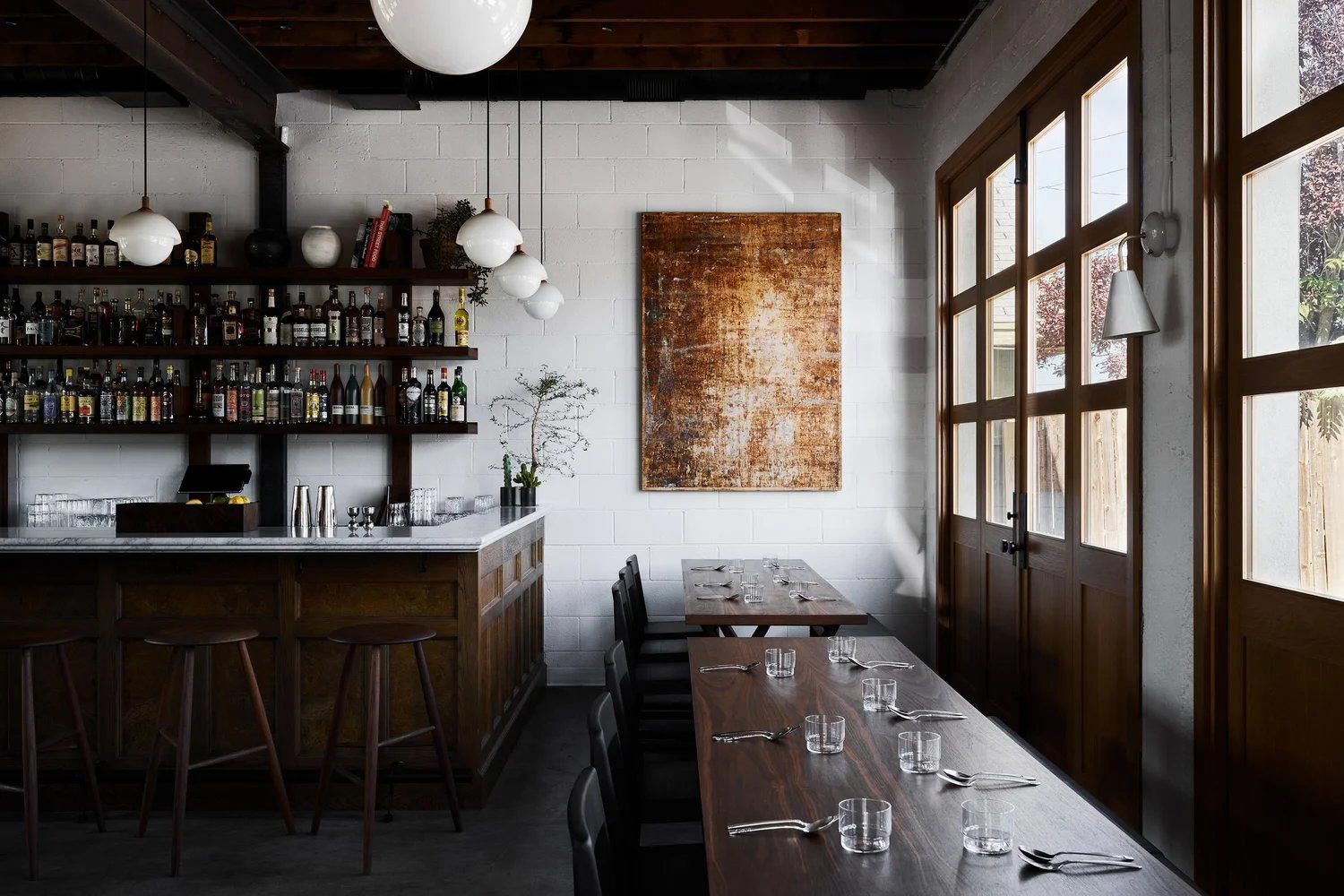
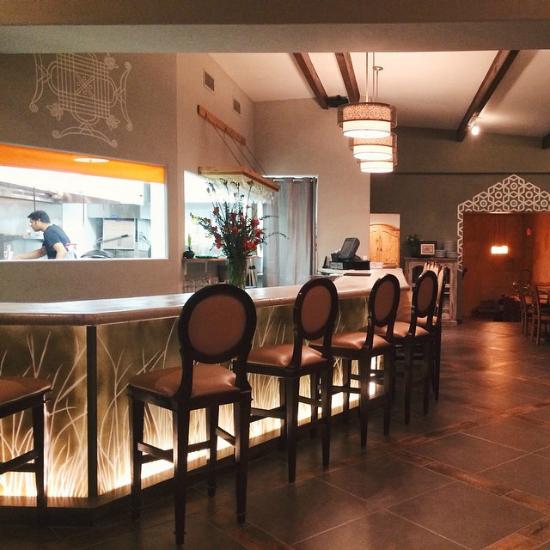
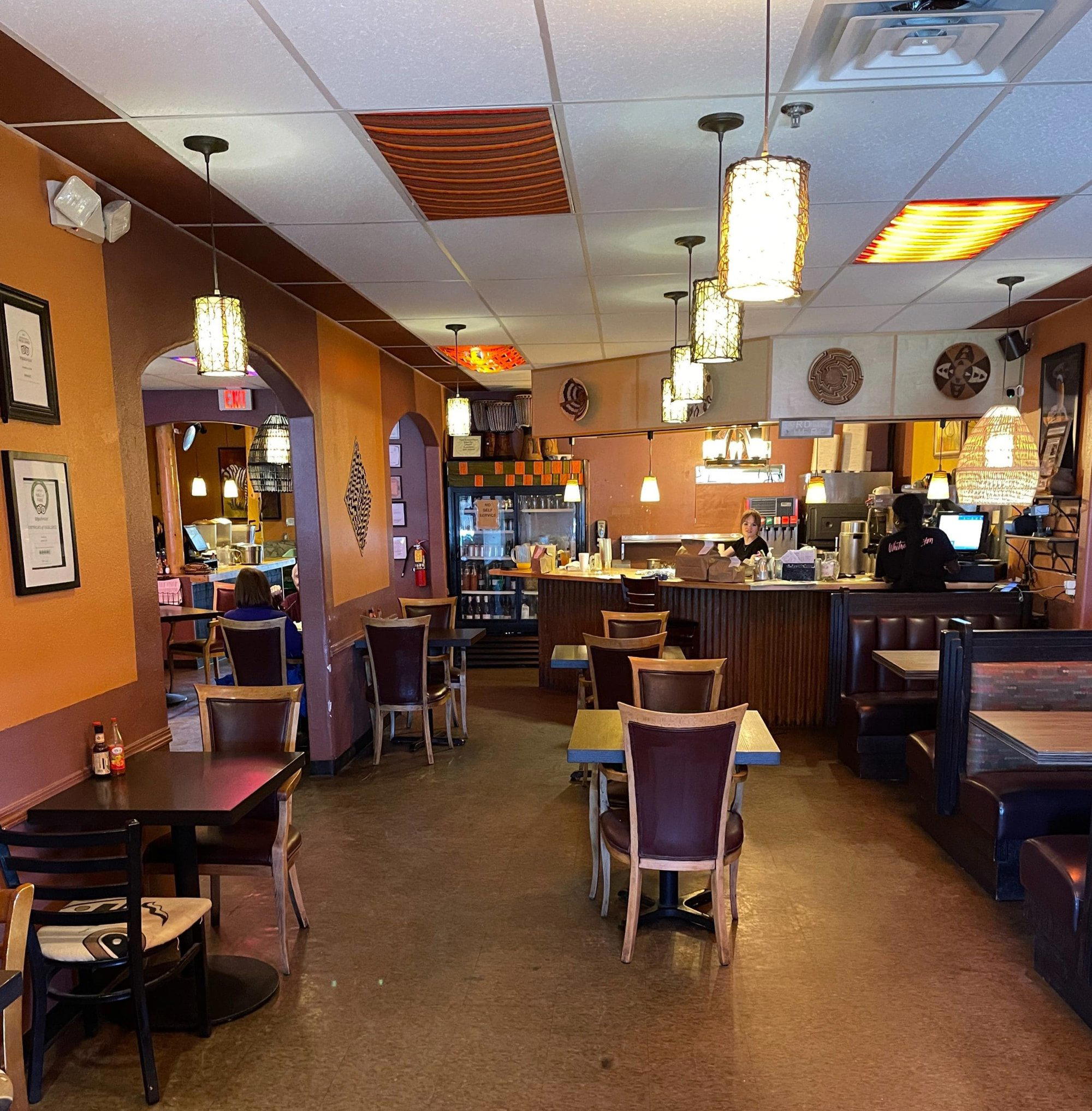
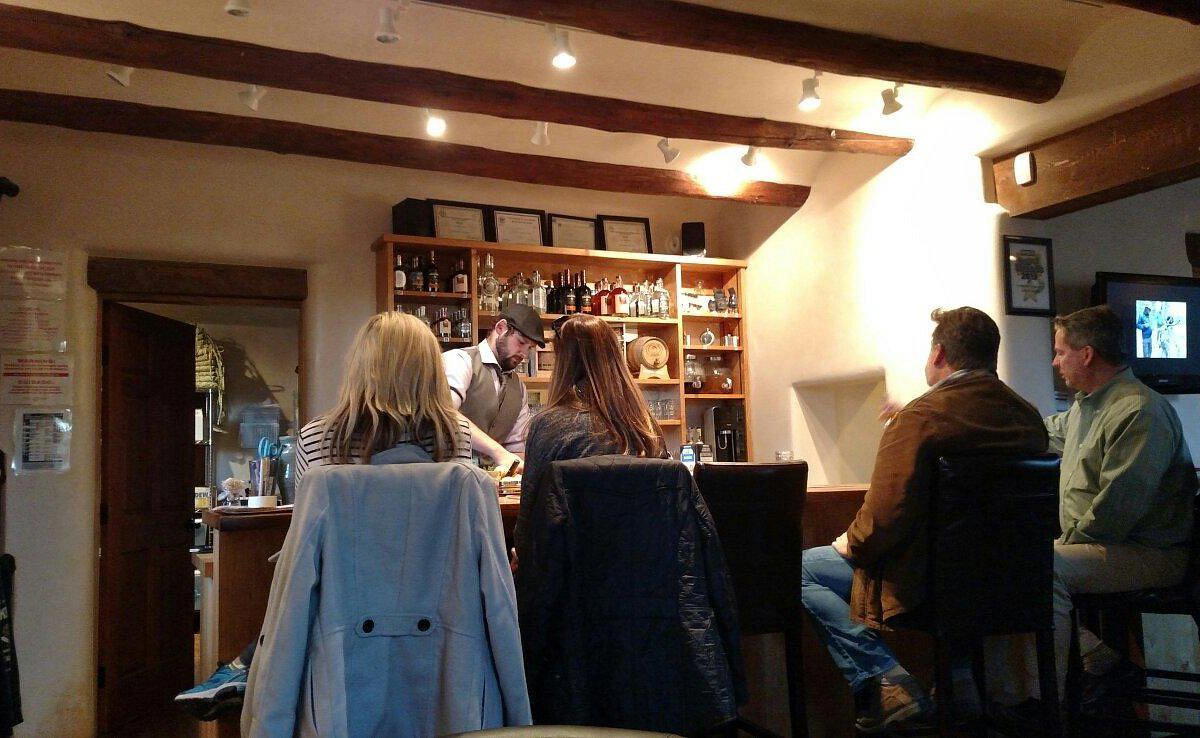
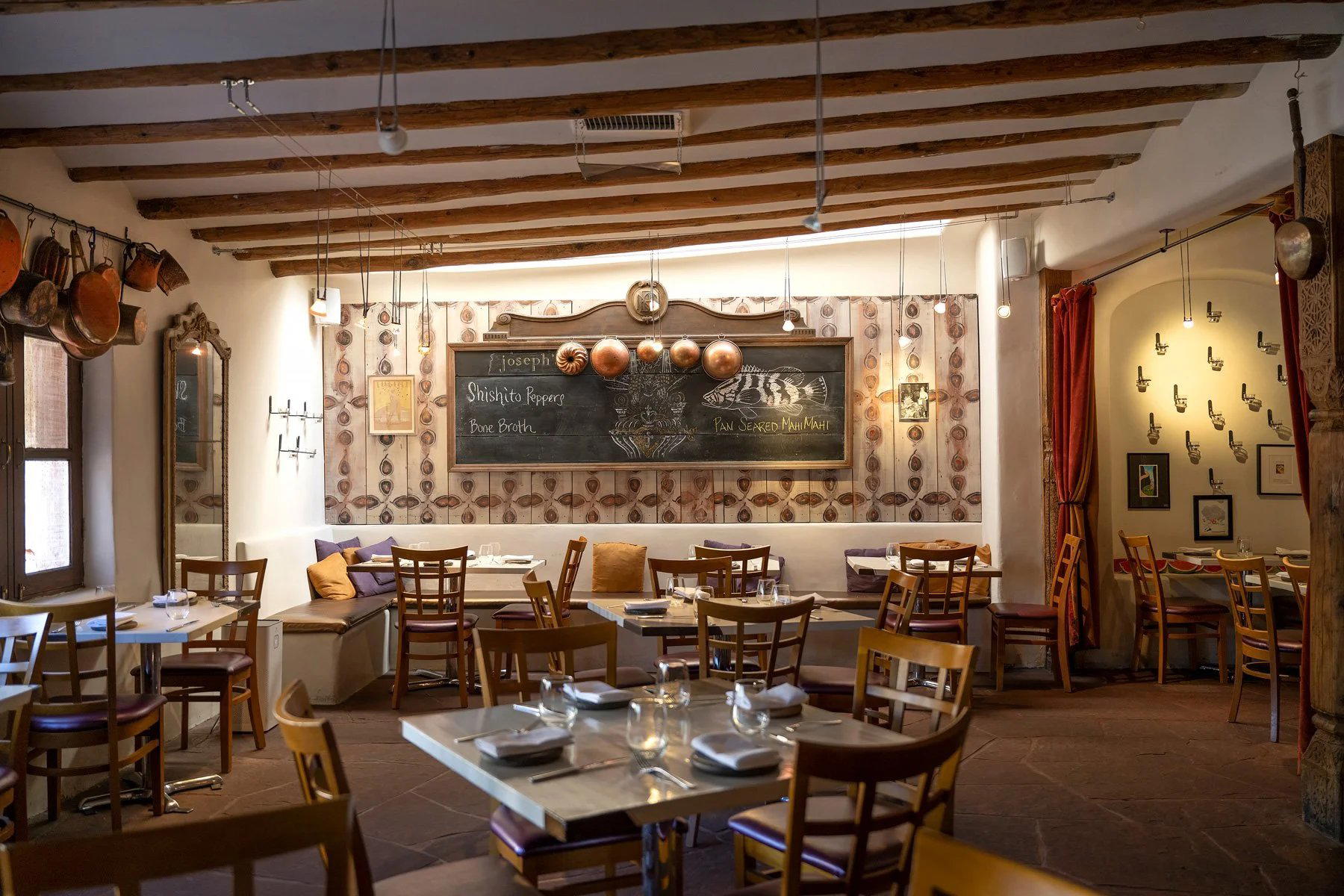
The Baca Street location puts Counter Culture outside the Plaza-and-Canyon-Road circuit that captures most of Santa Fe's tourist traffic, which tends to produce quieter, more local rooms with a stronger sense of regulars. Expect a setting that prioritises the food and drink over showmanship. The name itself signals an orientation toward counter or bar seating as a central format, which shapes the pace and tone of the meal.
What makes Counter Culture a different kind of Santa Fe dining option compared to Plaza-area restaurants?
Counter Culture's address at 930 Baca Street places it in a working part of the city that doesn't depend on foot traffic from the Plaza or Canyon Road galleries, which filters the room toward an audience that sought it out deliberately. That geography tends to shape both the menu ambition and the wine list in ways that diverge from tourist-facing rooms. In Santa Fe's dining conversation, Baca Street has become a reliable indicator of intent over convenience.
What do people recommend at Counter Culture?
Specific menu details aren't published in a way that allows for reliable item-by-item guidance here, but Counter Culture's placement in the Baca Street dining conversation points toward a kitchen with a defined and consistent perspective rather than a broad crowd-pleasing menu. Regulars at rooms like this tend to follow the staff's direction on what's moving well that week. Arriving with flexibility rather than a fixed order in mind is generally the right approach.
Where do I go for Counter Culture?
Counter Culture is located at 930 Baca St #1, Santa Fe, NM 87505, Santa Fe.
How far ahead should I plan for Counter Culture?
Santa Fe's dining calendar compresses sharply between late June and Labor Day, when tourist volume peaks alongside the opera season and Indian Market. Rooms that draw a local following on Baca Street fill faster than their profile might suggest during those months. Outside peak season, lead times ease, but Counter Culture's neighbourhood reputation means walk-in availability is not a reliable assumption at any point in the year.
Similar Picks
| Venue | Cuisine | Price | Awards |
|---|---|---|---|
| Counter CultureThis venue — the venue you are viewing | Eclectic American Comfort Food | $10–20 | Not listed |
| Santa Fe Bite | New Mexico Green Chile Cheeseburgers | $20–30 | Not listed |
| Harry’s Roadhouse | New Mexican Roadhouse | $20–30 | Diners, Drive-Ins and Dives Featured Restaurant |
| Sazón | Modern Mexican Fine Dining | $50–100 | James Beard Award Best Chef: Southwest · Wine Spectator Award of Excellence |
| Paper Dosa | South Indian Dosas | $20–30 | Michelin Bib Gourmand · Diners, Drive-Ins and Dives Featured Restaurant |
| The Pink Adobe | New Mexican Cajun | $30–50 | Relais Chateaux Award |