La Verrière occupies a quietly distinctive address on Rue Joutx Aigues in central Toulouse, placing it within a city whose dining scene has shifted steadily toward refined modern cooking without abandoning its southwest French roots. With Toulouse's broader table anchored by cassoulet tradition and duck-fat pragmatism, venues that operate in a different register, lighter, more technique-driven, occupy a specific and growing niche here.
Pearl is the En Primeur Club membership app — saves, bookings, and concierge access live there. Same editors, same standards.
- Address
- 7 Rue Joutx Aigues 7, 31000 Toulouse, France
- Phone
- +33561472835
- Website
- laverriere-toulouse.fr
- Directions
- Get directions
 Saves & bookings on Pearl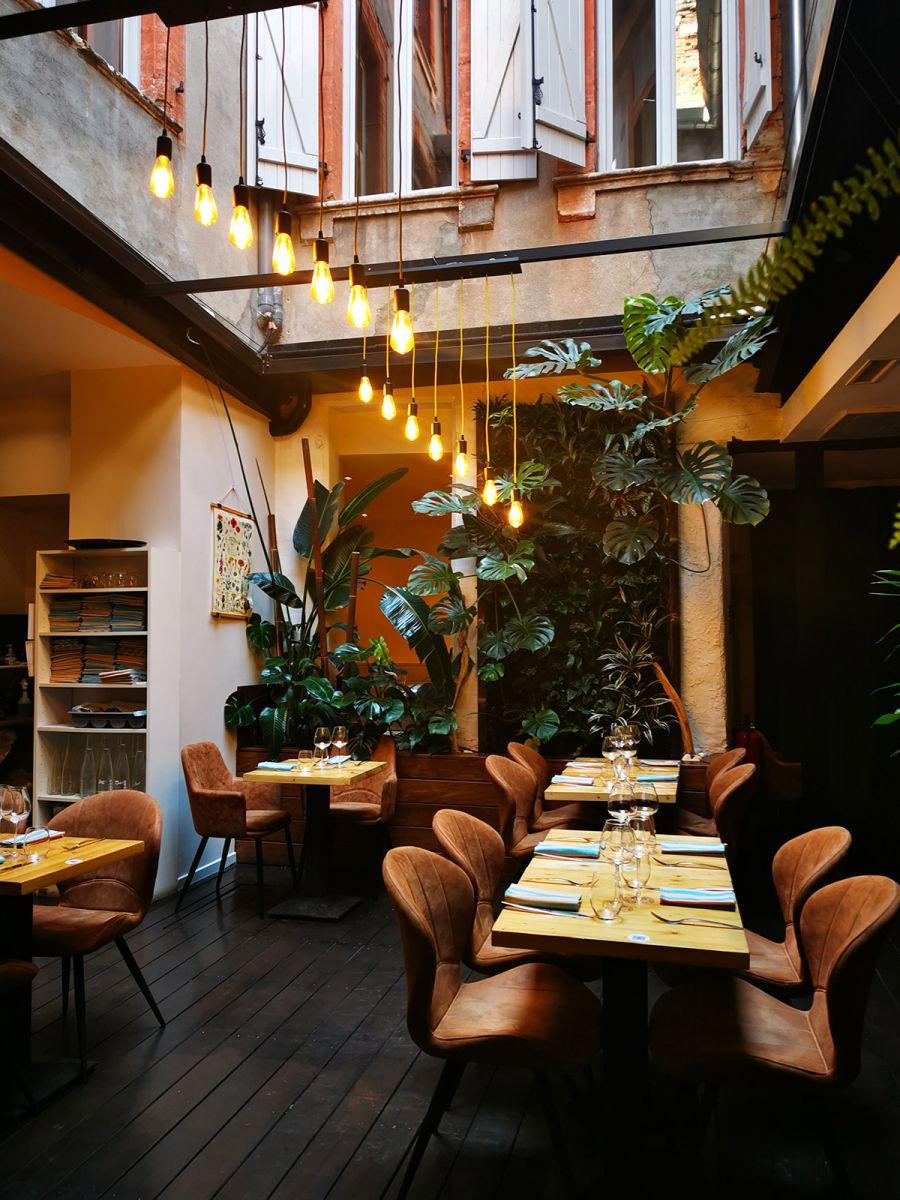
A City with Deep Culinary Convictions
Toulouse is not a city that bends easily to culinary fashion. The southwest French tradition runs deep here, duck confit, cassoulet, foie gras, and wines from Gaillac and Fronton define the civic table in a way that few other French cities can claim about their own regional identity. That weight of tradition creates a particular tension for any restaurant operating in a more contemporary register: the baseline is high, the reference points are specific, and diners are not easily impressed by novelty for its own sake.
La Verrière sits on Rue Joutx Aigues, a central Toulouse address that places it within comfortable reach of the city's historic core and the pink-brick streets that give the city its nickname, la Ville Rose. This part of Toulouse has seen steady growth in its restaurant density over the past decade, as the city's expanded university population and increasing professional class have supported a more varied mid-to-upper dining tier.
Where La Verrière Fits the Toulouse Tier
Toulouse's premium dining bracket is anchored at its upper end by addresses with national recognition. Michel Sarran, the city's most decorated table, represents the French creative tradition at its most formally ambitious, while Py-r operates in similarly serious creative territory, both priced at the €€€€ level that signals destination dining rather than casual neighbourhood discovery. Below that peak sits a productive middle band of modern cuisine addresses, including Acte 2 Yannick Delpech, SEPT, and Agapes, all of which sit at the €€€ mark where technique and ambition intersect with relative accessibility.
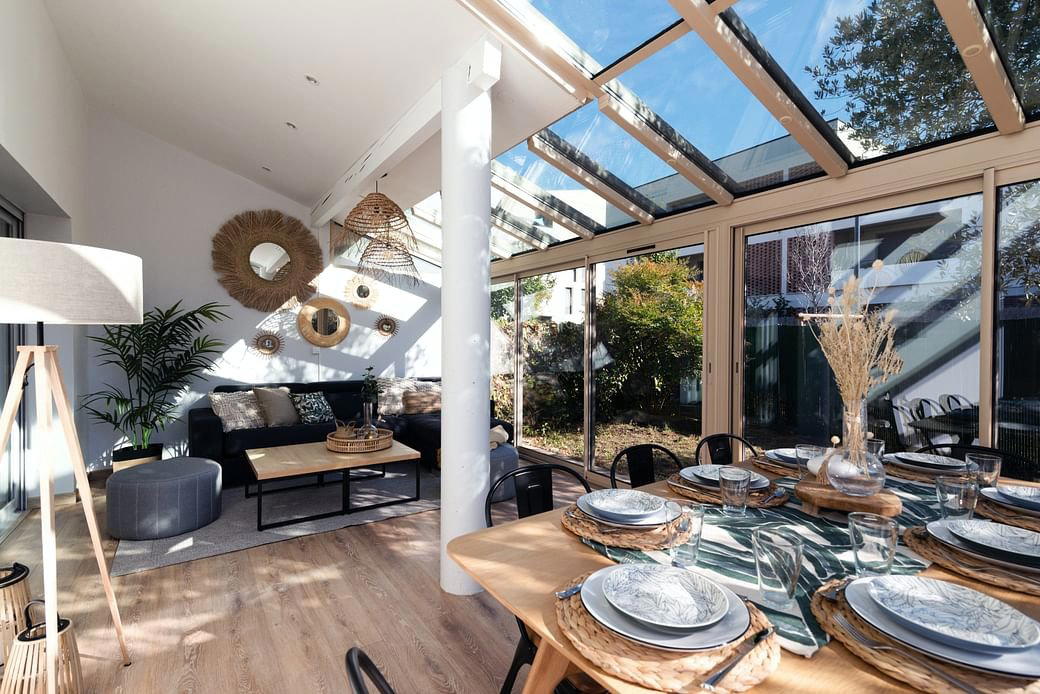
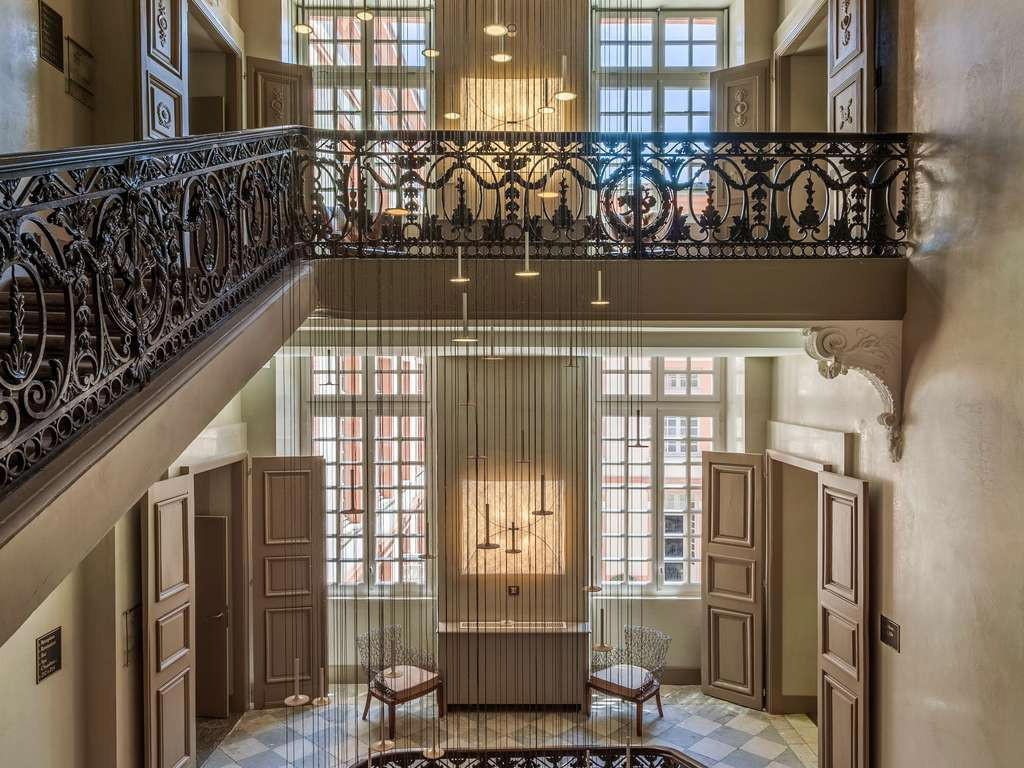
La Verrière operates in this context, a city where the reference points for serious cooking are well established and where diners who choose to eat beyond the traditional southwest register bring genuine expectations with them. The name itself, referencing a glass structure or conservatory, suggests an architectural lightness that contrasts with the heavy timber and brick interiors that characterise much of Toulouse's older dining stock.
The Cultural Weight of Southwest French Cooking
Understanding any Toulouse restaurant requires some reckoning with what southwest French cuisine actually means as a culinary tradition. This is not a regional style defined by delicacy or restraint. Gascony and the Occitanie region have historically produced some of France's most calorie-dense, fat-forward cooking, with preserved duck and pork belly as structural pillars. The cassoulet, slow-cooked in an earthenware cassole with white beans, duck confit, and Toulouse sausage, distinct from Carcassonne and Castelnaudary versions in its proportions and sausage type, is one contested dish in French regional gastronomy, debated across generations about whose version holds authority.
This tradition creates a high bar for any restaurant seeking to work adjacent to it rather than within it. The great French institutions that have shaped fine dining nationally, from Paul Bocuse's Auberge du Pont de Collonges near Lyon to Auberge de l'Ill in Alsace, have each found ways to codify regional identity at the highest technical level. In the south, Bras in Laguiole did something genuinely transformative by reorienting Aveyron cooking around vegetable intelligence and landscape attentiveness rather than protein density. That move remains a reference point for what regional cooking in the southwest can become when it moves beyond its own conventions.
More recently, addresses like AM par Alexandre Mazzia in Marseille have demonstrated that southern France can support cooking of international ambition, while the Mediterranean-facing Mirazur in Menton has placed the French Riviera at the summit of global rankings. The implication for Toulouse is that the city's own premium tier is competing with a broader southern French dining narrative that includes genuine international reference points.
Reading the Rue Joutx Aigues Address
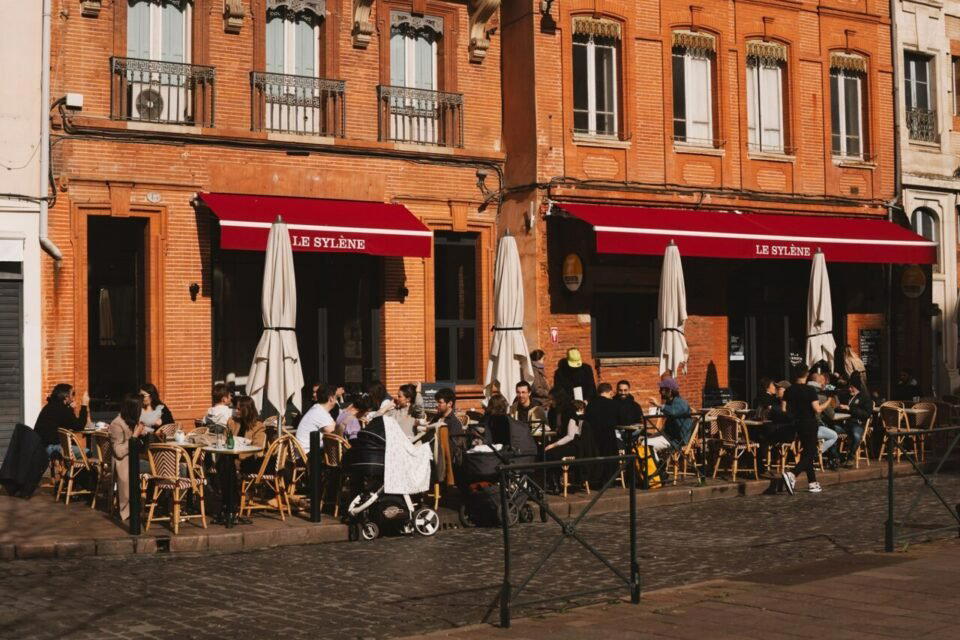
The street itself sits close to the Place de la Daurade and the Garonne riverbank, one of the more atmospheric corners of central Toulouse. This is the kind of address that draws both locals eating seriously and visitors who have done their research. In a city where many of particularly interesting tables are either in the historic centre or just east of it toward the Place du Capitole, the Rue Joutx Aigues location positions the restaurant within a cluster of options rather than as a standalone destination in an outlying district.
Planning a visit is best done with the restaurant's posted hours in mind. Serious tables in this city, particularly those in the €€€ and above tier, tend to book out several weeks in advance on weekends, and the gap between Thursday and Friday evening availability has narrowed as Toulouse's dining culture has matured. Arriving without a reservation at addresses that operate at this level is a gamble not worth taking. For comparison, particularly sought-after counters in French cities of similar gastronomic density, Assiette Champenoise in Reims or Au Crocodile in Strasbourg, operate on booking windows of four to six weeks for prime sittings.
The broader French fine dining frame is useful for calibrating expectations. The technical ambition visible at addresses like Alléno Paris au Pavillon Ledoyen or the mountain-focused precision of Flocons de Sel in Megève defines one end of the French spectrum. Troisgros in Ouches represents another strand entirely, where multi-generational restaurant identity becomes its own argument. What these addresses share is clarity about what they are and who they are cooking for. The restaurants that succeed in cities like Toulouse do so by developing similar clarity within a more contested, less internationally mapped context.
Gaillac whites and Fronton reds, the area's own appellations, remain the natural choice at this latitude, and a table that treats them seriously signals something about its local orientation.
Comparable Venues
Comparable venues nearby, for context on price, style, and recognition.
| Venue | Cuisine | Price | Notes |
|---|---|---|---|
| La VerrièreThis venue — the venue you are viewing | French Bistronomic Tasting Menu | $$$ | Not listed |
| Le Rocher | Traditional French Bistro | $$$ | Les Chalets / Bayard / Belfort / Saint-Aubin / Dupuy |
| Les Impulsifs | Modern Bistronomic French | $$$ | Capitole / Arnaud Bernard / Carmes |
| Restaurant Les P'tits Fayots | Modern French Bistro | $$$ | Capitole / Arnaud Bernard / Carmes |
| Barbaque Victor Hugo | French Steakhouse Grill | $$$ | Capitole / Arnaud Bernard / Carmes |
| La Gouaille | Traditional Southwest French Bistro | $$ | Capitole / Arnaud Bernard / Carmes |
Continue exploring
More in Toulouse
Restaurants in Toulouse
Browse all →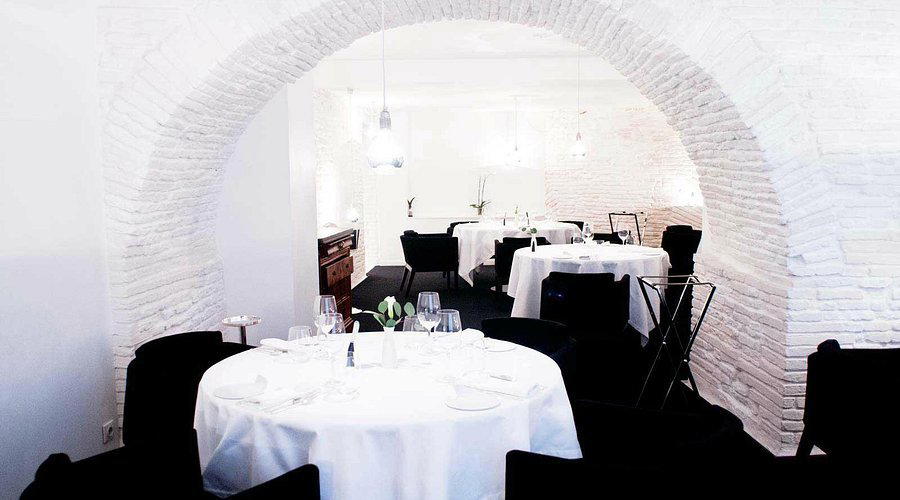
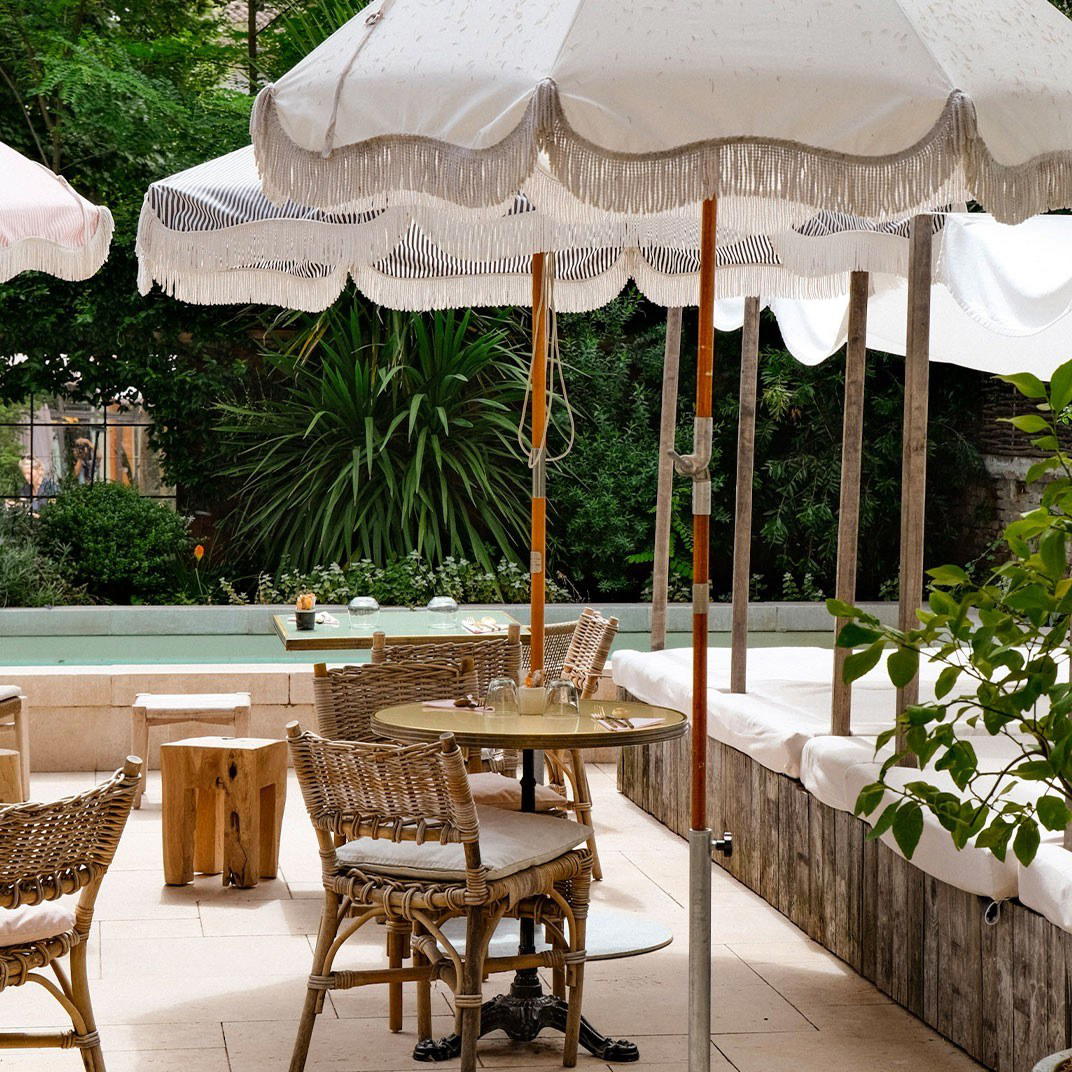
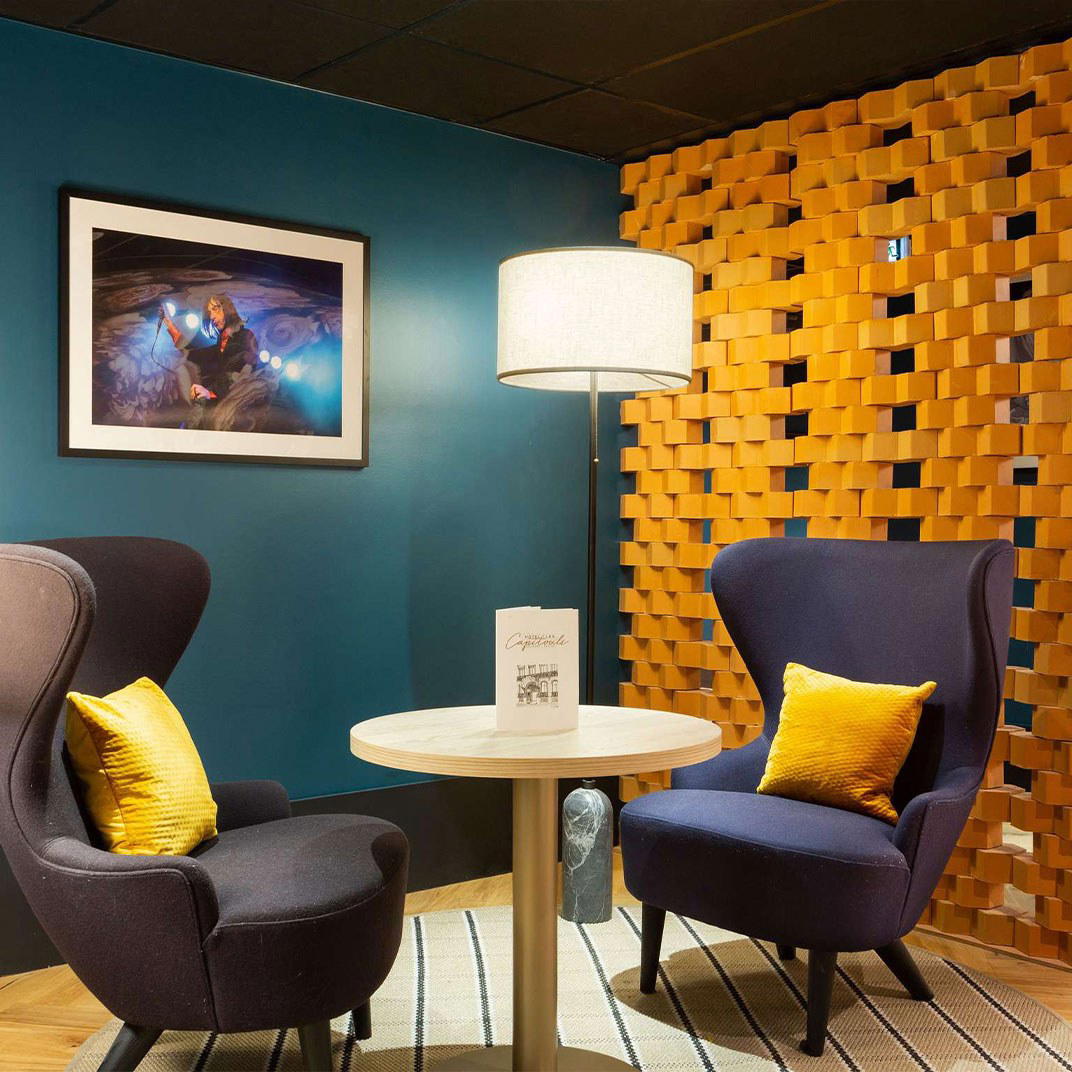
At a Glance
- Elegant
- Intimate
- Cozy
- Sophisticated
- Date Night
- Special Occasion
- Open Kitchen
- Extensive Wine List
- Sommelier Led
- Local Sourcing
Current opening hours
- Monday
- Closed
- Tuesday
- 12–2 PM, 7:30–9:30 PM
- Wednesday
- 12–2 PM, 7:30–9:30 PM
- Thursday
- 12–2 PM, 7:30–9:30 PM
- Friday
- 12–2 PM, 7:30–9:30 PM
- Saturday
- 12–2 PM, 7:30–9:30 PM
- Sunday
- Closed
Hours can change for holidays and private events. Last verified .
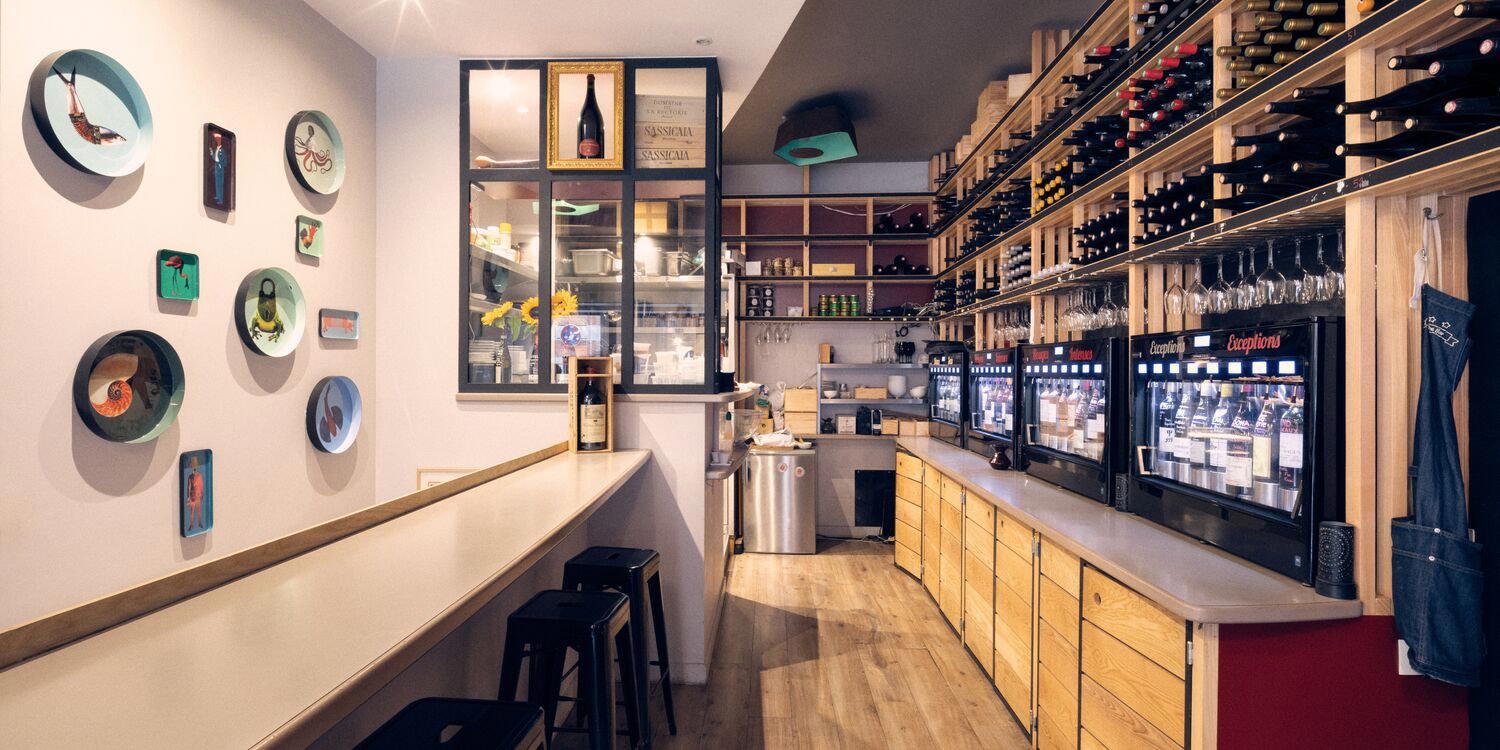
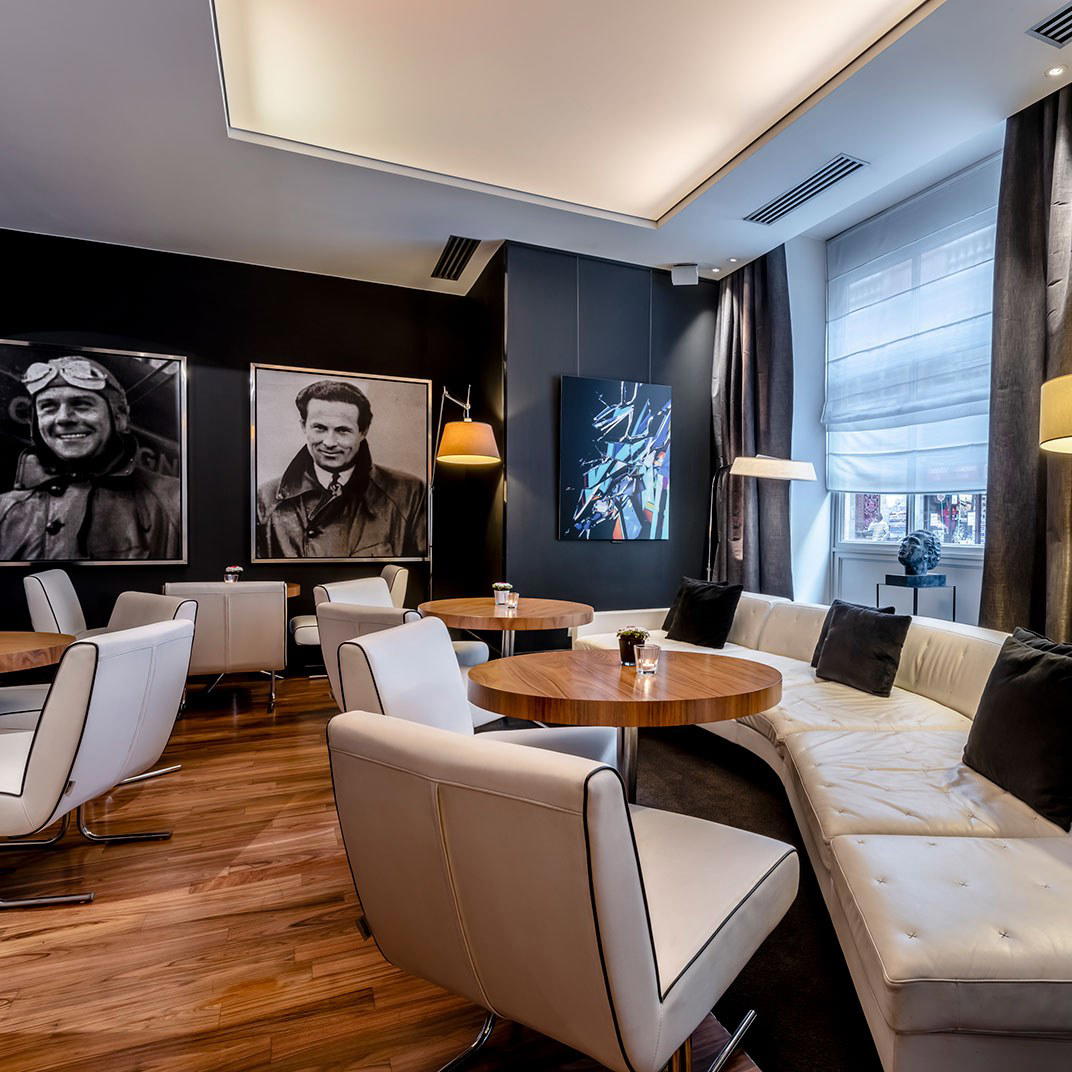
Elegant and intimist atmosphere with warm, cozy lighting and convivial vibe praised in guest reviews.