Cornerstone Restaurant
Our verdict
Cornerstone Restaurant occupies a corner address on Freeport Road in Aspinwall, Pennsylvania, a borough that sits just across the Allegheny River from Pittsburgh's northeastern edge. The kitchen draws from the region's agricultural supply chain, placing it in a growing tier of western Pennsylvania restaurants where sourcing transparency shapes the menu as much as technique. A useful stop for those exploring the Aspinwall dining scene beyond the city core.

Pearl is the En Primeur Club membership app — saves, bookings, and concierge access live there. Same editors, same standards.
- Address
- 301 Freeport Rd, Aspinwall, PA 15215
- Phone
- (412) 408-3420
- Hours
- Mon–Thu 11 AM–9 PMFri 11 AM–10 PMSat 11 AM–3 PM, 4–10 PMSun 10 AM–3 PM, 4–9 PM
- Website
- cornerstonepgh.com
- Directions
- Get directions
- Booking
- Book on OpenTable

The menu
What to order
- Pan roasted Amish chicken
- Crab cakes
- Mussels
A Corner Address in a River Borough
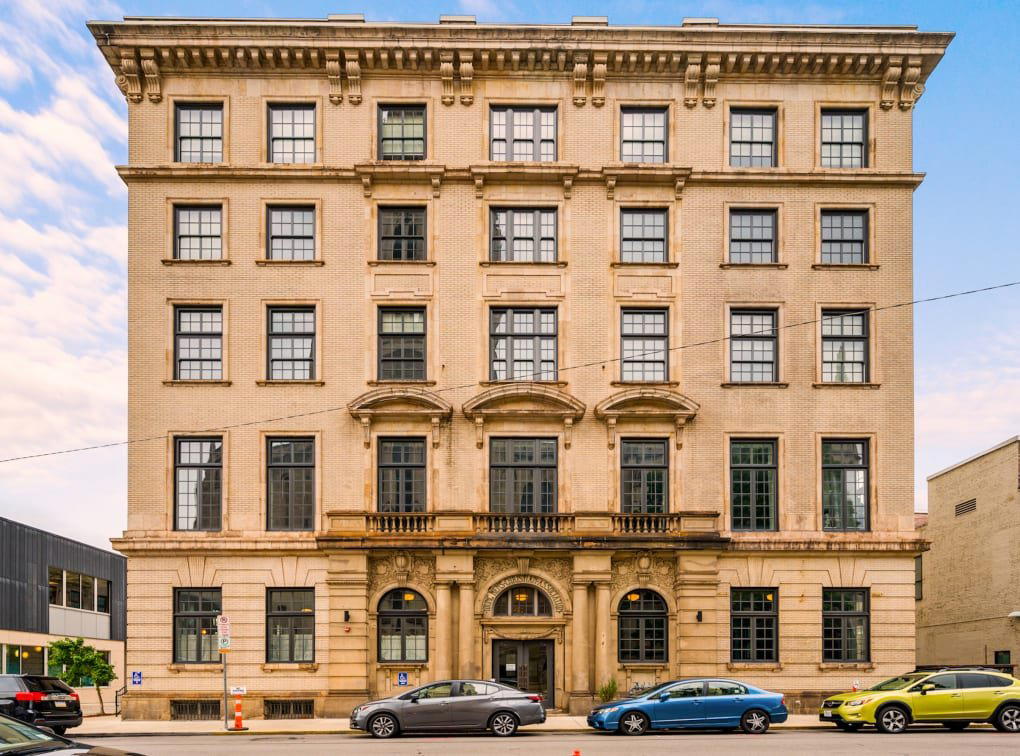
Freeport Road runs along the eastern bank of the Allegheny River through Aspinwall, a small Pennsylvania borough that most Pittsburgh visitors skip in favor of Shadyside or Lawrenceville. That oversight is worth reconsidering. The stretch of storefronts along this corridor has developed a quiet residential dining character distinct from the louder restaurant rows inside the city limits, and Cornerstone Restaurant sits at 301 Freeport Road as one of the more deliberate entries in that local scene. Approaching from Pittsburgh, the drive crosses the river and deposits you in a borough where the dining culture runs at a slower cadence, and where a restaurant planted on a corner lot can actually hold the room's attention rather than compete for it against a dozen adjacent options. For context on what else Aspinwall has to offer, see our full Aspinwall restaurants guide.
Why Sourcing Defines the Western Pennsylvania Dining Tier
The regional farm-to-table movement that reshaped places like the Hudson Valley and Northern California did not bypass western Pennsylvania, but it arrived more quietly. The farms of Armstrong, Butler, and Westmoreland counties supply a steadily growing number of Pittsburgh-area kitchens, and that supply chain now reaches past the city's edge into boroughs like Aspinwall. The logic of ingredient sourcing at restaurants in this geographic position is different from, say, Single Thread Farm in Healdsburg, where the farm and the restaurant are literally the same operation, or Blue Hill at Stone Barns in Tarrytown, which uses the estate as the editorial premise of the entire menu. In western Pennsylvania, the sourcing relationship is less spectacle and more supply discipline: kitchens working with regional growers because the product is there, the growing season is real, and the alternative is the same national distributor network used by chain dining.
Restaurants in the Allegheny River valley corridor benefit from proximity to producers in ways that Pittsburgh's denser urban core sometimes makes logistically harder. A corner spot in Aspinwall is closer to those farms than most Strip District kitchens, and that geographic fact has a direct bearing on what can arrive fresh and what has to travel. This is the structural argument for taking suburban and small-borough dining seriously in this part of Pennsylvania, and it applies to how Cornerstone sits within the broader regional picture.
Placing Cornerstone in Its Peer Context
American restaurants built around regional sourcing occupy a wide price and format range. At the upper end nationally, you have places like Smyth in Chicago, Addison in San Diego, or The French Laundry in Napa, where the sourcing is one pillar of a tasting-menu format that commands significant prix-fixe pricing. Further along the spectrum, ingredient-driven restaurants at more accessible price points have multiplied across mid-size American cities, often operating as the serious neighborhood alternative rather than the special-occasion destination. Oyster Oyster in Washington, D.C. represents a category of urban restaurant that treats sourcing and ecological awareness as its structural identity. Bacchanalia in Atlanta has operated for decades with a regional-market philosophy that places it outside the trend cycle entirely.
Cornerstone's position in Aspinwall suggests a kitchen that serves the community it is physically inside, which in the American dining context often produces more consistent and less performative cooking than destination restaurants calibrated for out-of-town audiences. The borough's residential character means the dining room likely skews toward regulars and local households rather than reservation-app tourists, a customer base that tends to demand substance over spectacle. This is the context worth holding when approaching a restaurant without the national award profile of a Lazy Bear in San Francisco or the seafood authority of Le Bernardin in New York City.
The Allegheny County Dining Scene in Brief
Pittsburgh's restaurant scene has developed unevenly across its neighborhoods and surrounding boroughs. The Strip District and East Liberty carry the highest density of recognized kitchens, while places like Lawrenceville have shifted from blue-collar to restaurant-destination status over the past fifteen years. Aspinwall sits outside those better-documented nodes, which means it operates with less editorial infrastructure around it. Restaurants without the visibility of a Pittsburgh neighborhood anchor tend to rely on word of mouth and a dependable local base more than on press coverage or national platform recognition. For comparison, The Wolf's Tailor in Denver and Frasca Food and Wine in Boulder have demonstrated that serious kitchens in secondary American dining markets can build durable reputations through product quality and community rootedness rather than metropolitan press cycles. The same dynamic applies to the borough stretch along Freeport Road.
Planning Your Visit
Aspinwall is accessible from central Pittsburgh via the Highland Park Bridge or along the river road, placing it roughly fifteen to twenty minutes from the downtown core depending on traffic. The borough is compact, and Cornerstone's Freeport Road address is walkable from the main commercial strip. For reference on how sourcing-focused American restaurants in comparable settings tend to operate, the mid-week dinner service at regional spots typically offers shorter waits and a more relaxed room than weekend seatings, when local demand concentrates. If your interest is in restaurants where ingredient provenance shapes the menu in a documented way, the western Pennsylvania dining corridor rewards a half-day from Pittsburgh, particularly in the spring and fall growing seasons when local produce supply is at its depth.
Frequently asked questions
Would Cornerstone Restaurant be comfortable with kids?
Nothing in the available record for Cornerstone's 301 Freeport Rd address indicates a children's menu or family-specific programming.
Is Cornerstone Restaurant in Aspinwall part of Pittsburgh's wider dining scene, or does it operate more independently?
Aspinwall sits roughly fifteen to twenty minutes from central Pittsburgh along the Allegheny River corridor, accessible via the Highland Park Bridge. That proximity places Cornerstone within greater Pittsburgh's dining orbit without putting it in competition with the Strip District or East Liberty venues that absorb most of the city's restaurant press. The address at 301 Freeport Rd positions it as a destination you travel to deliberately rather than one you stumble across during a standard Pittsburgh evening out.
What's the signature dish at Cornerstone Restaurant?
The body content places the kitchen within western Pennsylvania's regional sourcing movement, which suggests a menu that shifts with local farm availability rather than anchoring on a fixed signature. Check the venue directly for current offerings.
Where exactly is Cornerstone Restaurant?
Cornerstone Restaurant is located at 301 Freeport Rd, Aspinwall, PA 15215, Aspinwall.
What makes Cornerstone Restaurant worth seeking out?
Cornerstone occupies a position in Aspinwall that most Pittsburgh dining coverage skips entirely, placing it closer to a genuine neighborhood restaurant than to the self-promoting venues that dominate city-center press. The editorial context around it frames western Pennsylvania's regional sourcing movement as an underreported counterpart to better-known farm-to-table circuits in the Hudson Valley or Northern California, which gives Cornerstone a geographic credibility that newer urban entrants often lack.
Comparison Snapshot
Comparable venues nearby, for context on price, style, and recognition.
| Venue | Cuisine | Price | Awards | Notes |
|---|---|---|---|---|
| Cornerstone RestaurantThis venue — the venue you are viewing | Contemporary American | $20–30 | Not listed | Not listed |
| Revel | Refined American Steakhouse | $30–50 | Not listed | Central Business District |
| Tapville Social - Wexford | American Casual Dining | Not listed | Not listed | Wexford |
| Frick Park Tavern | American Gastropub | Not listed | Not listed | Swissvale |
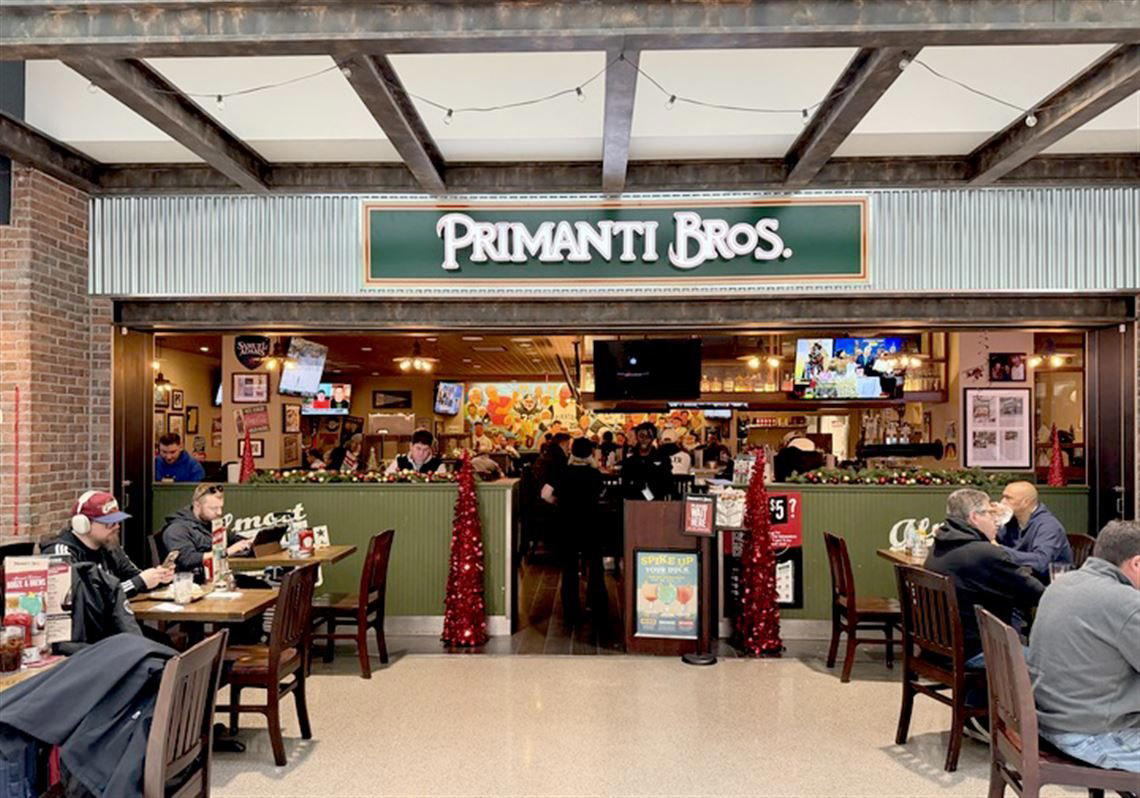
| Primanti Brothers | Pittsburgh Sandwich Deli | $10–20 | James Beard Award America's Classics | Strip District |
| Juniper Grill - Murrysville | American Grill with Southwest Flair | $20–30 | Not listed | Murrysville |
Continue exploring
More in Aspinwall
Restaurants in Aspinwall
Browse all →
Bars in Aspinwall
Browse all →
Cornerstone Restaurant
The wine
- Wine program
- Curated wine list
- Craft cocktails
Details
- Cozy
- Relaxed
- Brunch
- Family
- Group Dining
- Casual Hangout
- Open Kitchen
- Craft Cocktails
- A La Carte
- Vegetarian Friendly
- Gluten Free Options
Current opening hours
- Monday
- 11 AM–9 PM
- Tuesday
- 11 AM–9 PM
- Wednesday
- 11 AM–9 PM
- Thursday
- 11 AM–9 PM
- Friday
- 11 AM–10 PM
- Saturday
- 11 AM–3 PM, 4–10 PM
- Sunday
- 10 AM–3 PM, 4–9 PM
Hours can change for holidays and private events. Last verified .
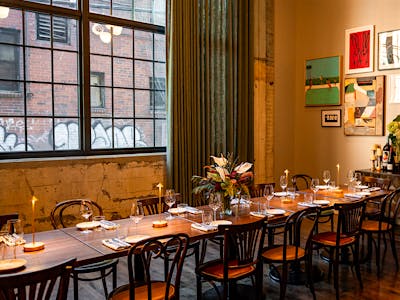
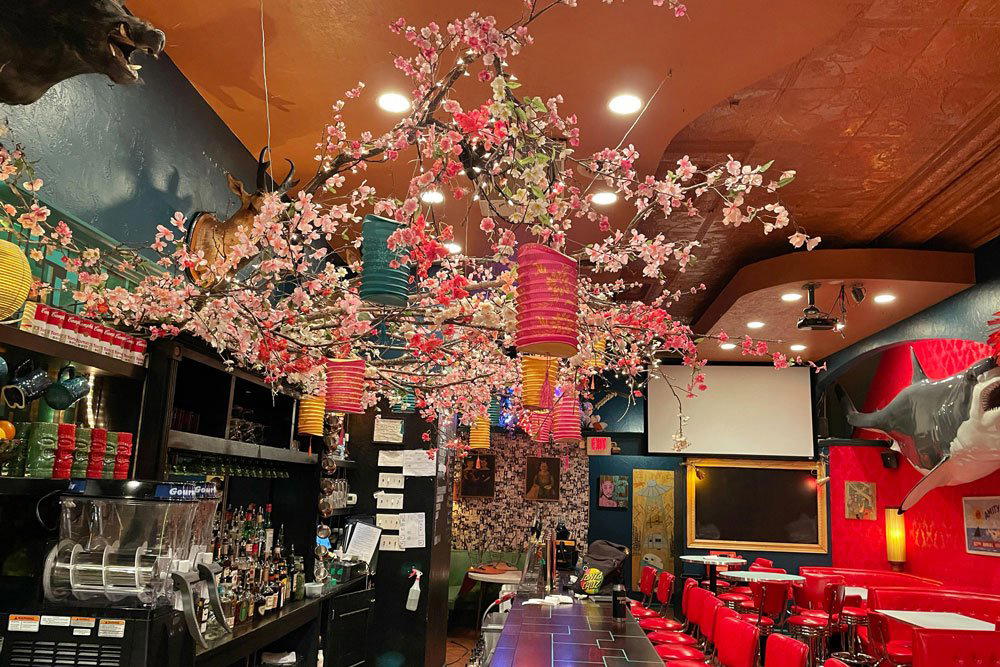
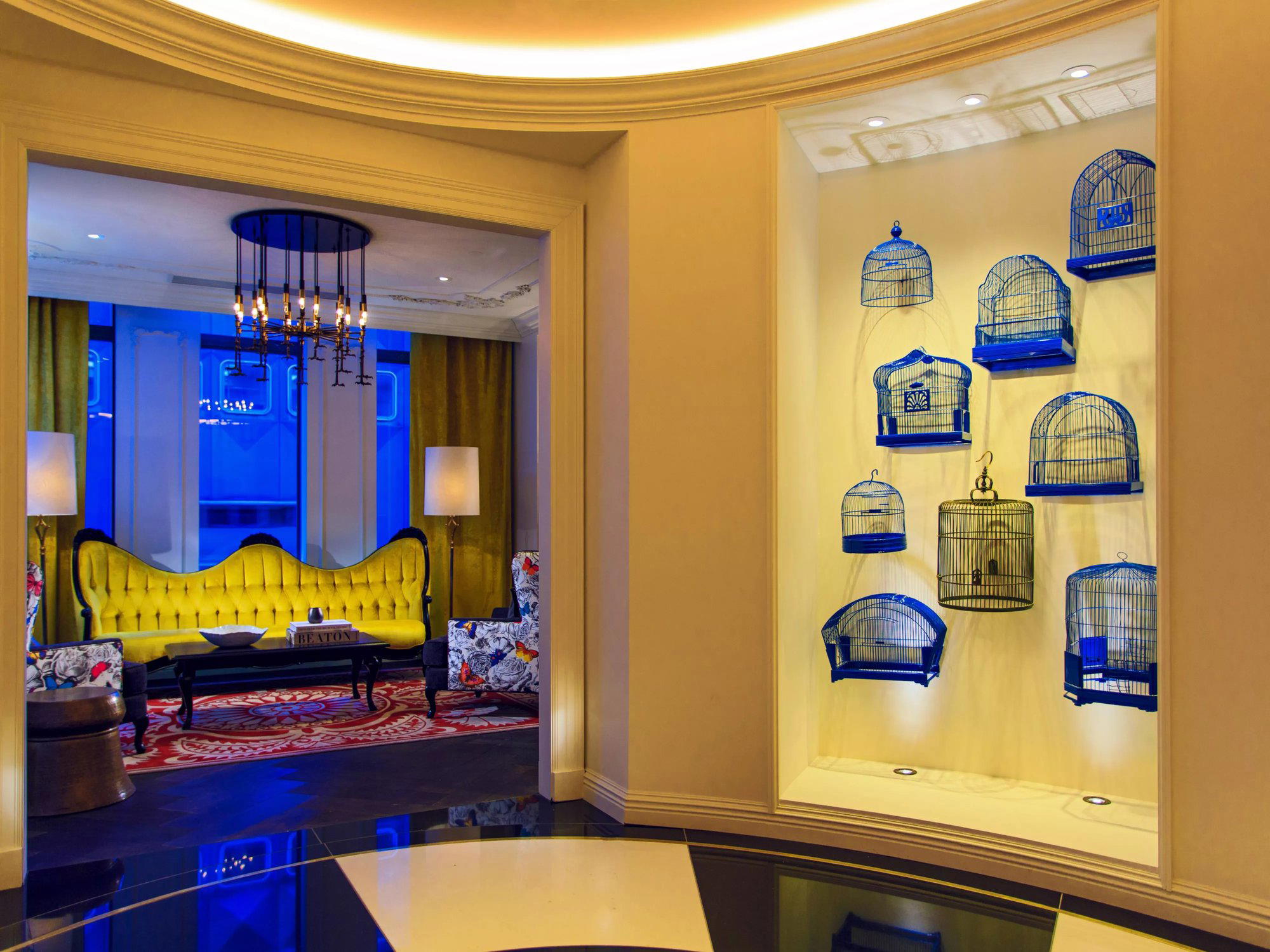
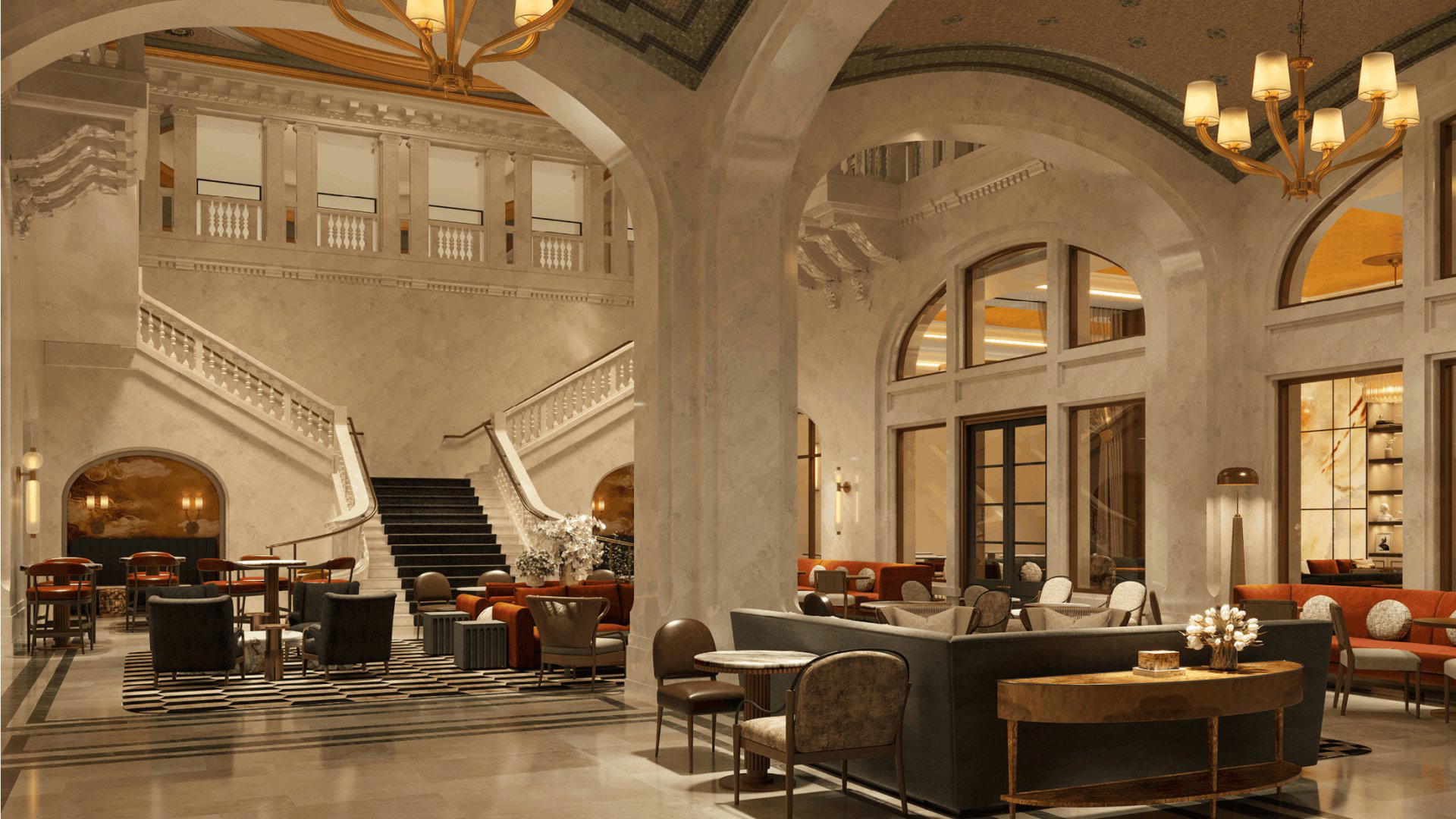
Cozy and relaxing with elegant decor, comfortable lighting, and a casual yet lively feel.