Confluencias sits on Calle San Rafael in central Havana, a useful address for reading the city’s independent dining culture through supply, improvisation, and proximity to Old Havana’s heavier tourist circuit. With no public award trail or chef-led mythology attached, the interest is less about ceremony than about how a small Havana room can translate local sourcing pressures into a meal with a clear sense of place.
Pearl is the En Primeur Club membership app — saves, bookings, and concierge access live there. Same editors, same standards.
- Address
- Calle San Rafael (entre Monserrate y, 4JQR+3VJ, Agramonte, La Habana 10100 (First floor)
- Directions
- Get directions
 Saves & bookings on Pearl
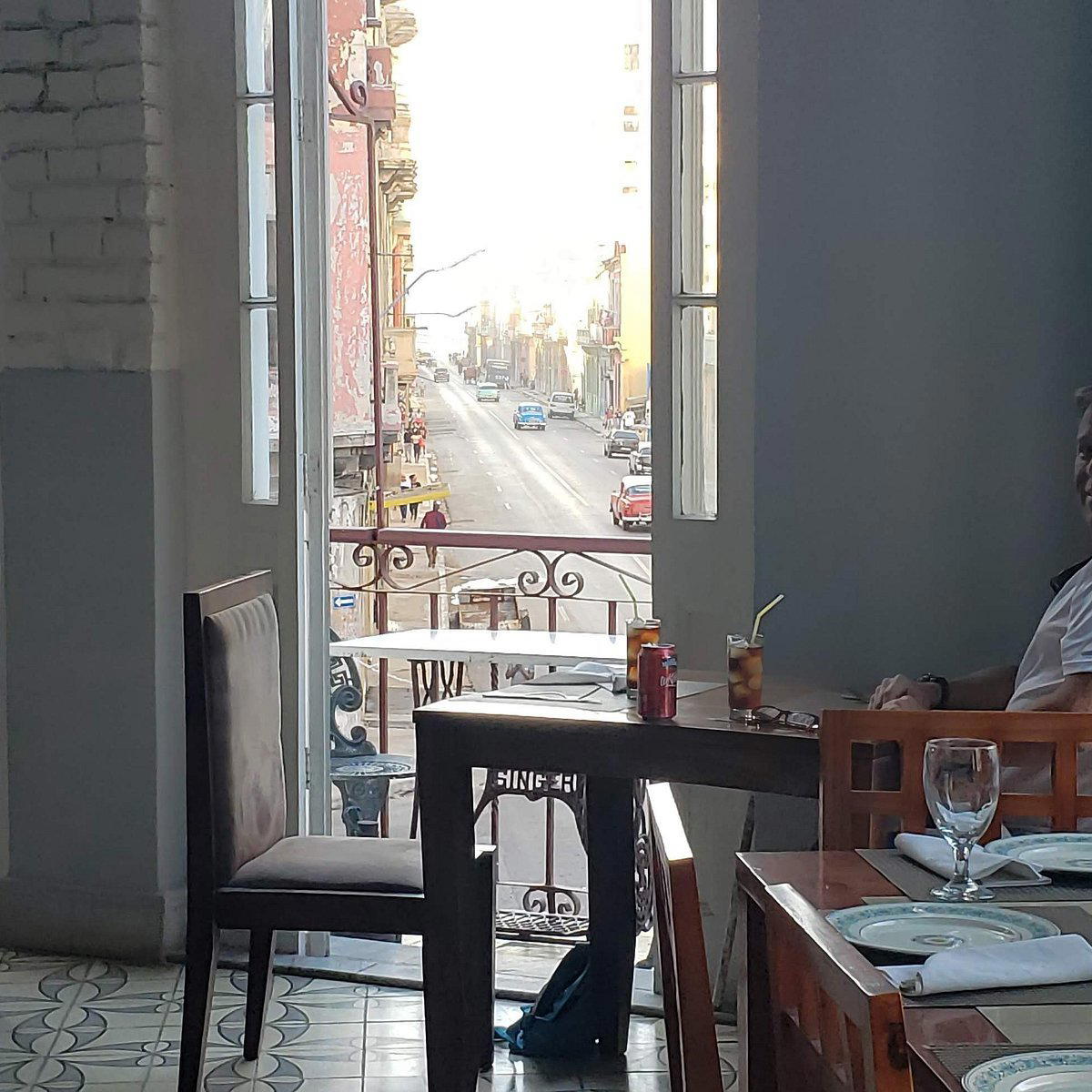
San Rafael carries Havana at street level: shopfronts, taxis, heat held in the pavement, and the layered noise of Centro Habana pushing toward the old city. Confluencias occupies a first-floor position on that corridor, which matters. In Havana, the climb above the street often marks the difference between restaurants designed for passing traffic and rooms that ask diners to slow down, look at the city from a half-step removed, and read the meal through its constraints.
The useful way to understand the restaurant is through sourcing rather than spectacle. Havana’s independent dining scene has long worked with uneven supply chains, seasonal availability, and a market system that rewards adaptation. That reality gives serious local cooking a different grammar from restaurant cities built around overnight logistics and imported abundance. Menus tend to reveal what the city can support at that moment: produce from nearby farms, seafood when it is available, preserved or reworked ingredients when the market narrows, and a kitchen’s ability to adjust without turning scarcity into theater.
Ingredient-led Havana dining without the heritage script
Much of Havana’s restaurant conversation splits between two familiar modes: paladares that lean into domestic charm and addresses near Old Havana that frame Cuban cooking for visitors moving between plazas. Confluencias belongs to a quieter category, where the point is not nostalgia alone but the meeting of Cuban ingredients, urban appetite, and a dining room close enough to the city’s tourist routes to be accessible without feeling built only for them.
That distinction is useful when comparing nearby choices. El Chanchullero and El del Frente speak to the compact, high-turnover energy around Old Havana; both make sense when the night wants volume, rum, and a fast change of pace. El Patio represents the plaza-facing version of the city, where setting does much of the work before the food arrives. Confluencias is better read as part of the smaller, ingredient-conscious Havana conversation, where the meal’s interest comes from how the kitchen handles local availability rather than from a heavily signposted concept.
This is where Havana rewards diners who stop expecting the predictable polish of larger luxury capitals. Ingredient sourcing here is not a lifestyle slogan; it is the condition under which restaurants operate. A serious meal in the city often depends on procurement discipline, flexible cooking, and a kitchen’s judgment about when to simplify. The result can be more revealing than a long tasting menu, because it shows how Cuban restaurants translate limits into structure.
How Confluencias fits a central Havana itinerary
The address places Confluencias within easy reach of the city’s main cultural spine, between Centro Habana’s everyday commerce and the routes feeding into Old Havana. That makes it a practical lunch or dinner anchor for travelers who want to pair a meal with galleries, colonial streets, bars, or a hotel base nearby. For a wider map of the city’s dining range, Our full Havana restaurants guide is the better planning layer; for sleep, drinking, wine-adjacent planning, and cultural programming, use Our full Havana hotels guide, Our full Havana bars guide, Our full Havana wineries guide, and Our full Havana experiences guide.
Havana’s stronger itineraries usually mix registers rather than chasing a single idea of Cuban food. A meal at Beirut shows how the city absorbs non-Cuban cuisines into its restaurant culture, while Comedor de Aguiar sits in a grander hospitality frame. Cabaret Tropicana in Ciudad De La Habana belongs to the performance-led end of the spectrum, and La Esperanza in Playa points west toward a more residential rhythm. Outside the capital, Restaurant Bahía Hemingway in Cayo Guillermo and Restaurante San José in Trinidad show how Cuban dining changes when coast or colonial tourism becomes the dominant context.
For readers comparing Havana with restaurants farther afield, the contrast is instructive rather than literal. Jōdo Saké Bar in Los Angeles, Onigiri Time in Pasadena, -Grilled beef Sukiyaki- KAMAKURA TANUKIAN 鎌倉 たぬき庵 in Kamakura, and ¡Salud! in Los Angeles sit in markets where specialization, imported supply, and format clarity do more of the organizing. Havana asks a different question: how much character can a restaurant draw from what the city can reliably place in the kitchen today?
The editorial read
Confluencias is worth considering when the goal is a central Havana meal that reflects the city’s practical culinary intelligence rather than a staged version of it. There is no public award signal to lean on, no chef biography that defines the proposition, and no published price structure to sort it neatly into a luxury tier. That absence puts more weight on context. In a city where ingredients, timing, and availability shape the plate, the stronger reason to go is to see how a restaurant near the old urban core handles the daily negotiation between Cuban sourcing and contemporary dining expectations.
Comparable Spots, Quickly
Comparable venues by cuisine and price in the same metro.
| Venue | Cuisine |
|---|---|
| Confluencias | This venue |
Continue exploring
More in Havana
Restaurants in Havana
Browse all →
Bars in Havana
Browse all →
Hotels in Havana
Browse all →
Wineries in Havana
Browse all →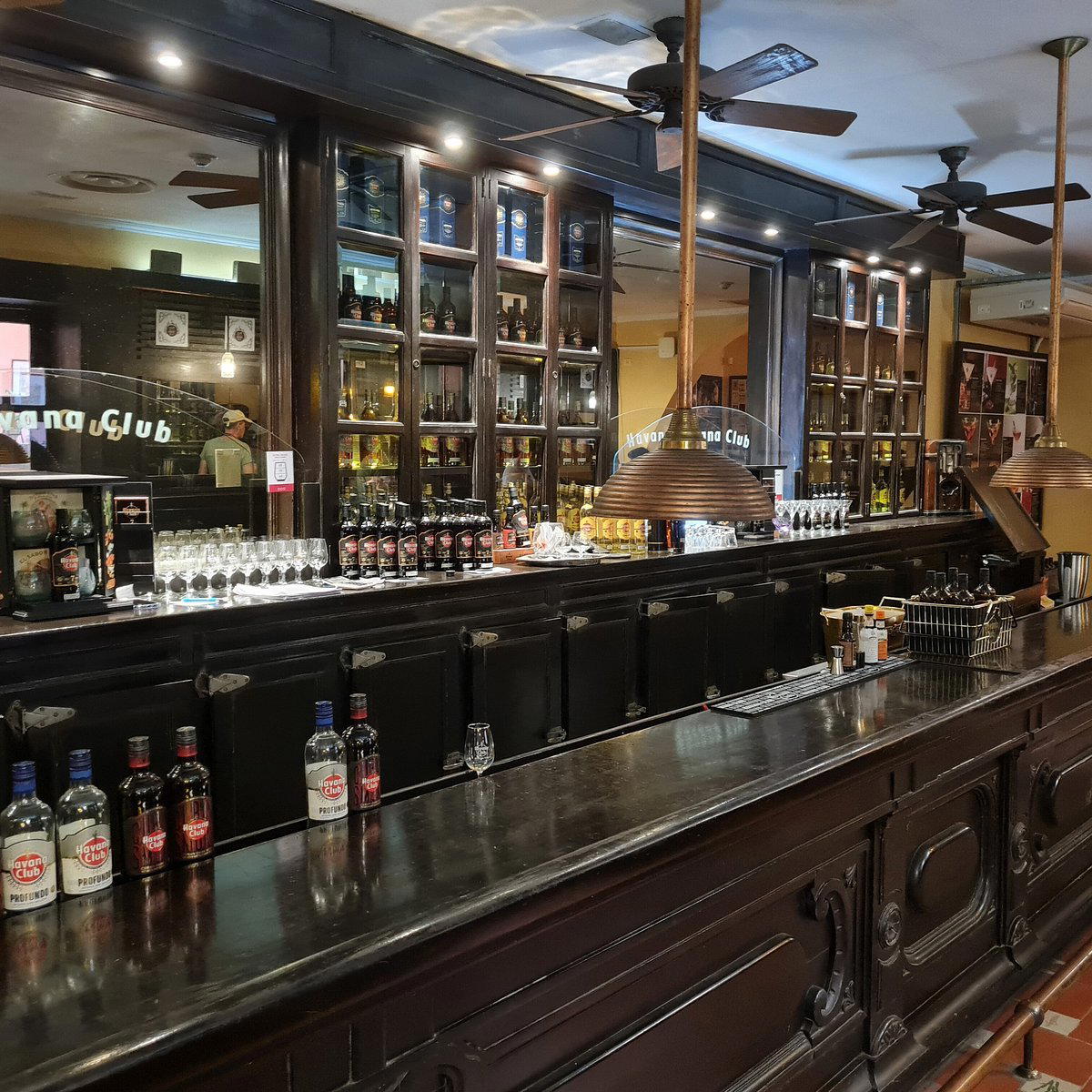
At a Glance
- Lively
- Cozy
- Bohemian
- Casual Hangout
- Group Dining
- Late Night
- After Work
- Live Music
- Design Destination
- Standalone
- Street Scene
Set in a heritage building on Plaza Vieja, the space functions as a café-concert with live music and cultural events, giving it a warm, lively, bohemian feel more like an arts salon than a traditional restaurant.