Bar Constante belongs to Havana’s smaller cocktail-bar conversation rather than the city’s grand daiquiri mythology. Its first-floor address on Calle San Rafael, between Monserrate and Agramonte, places it in the Centro Habana–Old Havana orbit, useful for drinkers comparing modern Cuban bar formats with historic rooms such as Floridita and lower-key neighbourhood stops.

Pearl is the En Primeur Club membership app — saves, bookings, and concierge access live there. Same editors, same standards.
- Address
- Calle San Rafael (entre Monserrate y, 4JQR+3VJ, Agramonte, La Habana 10100 (First floor)
- Directions
- Get directions
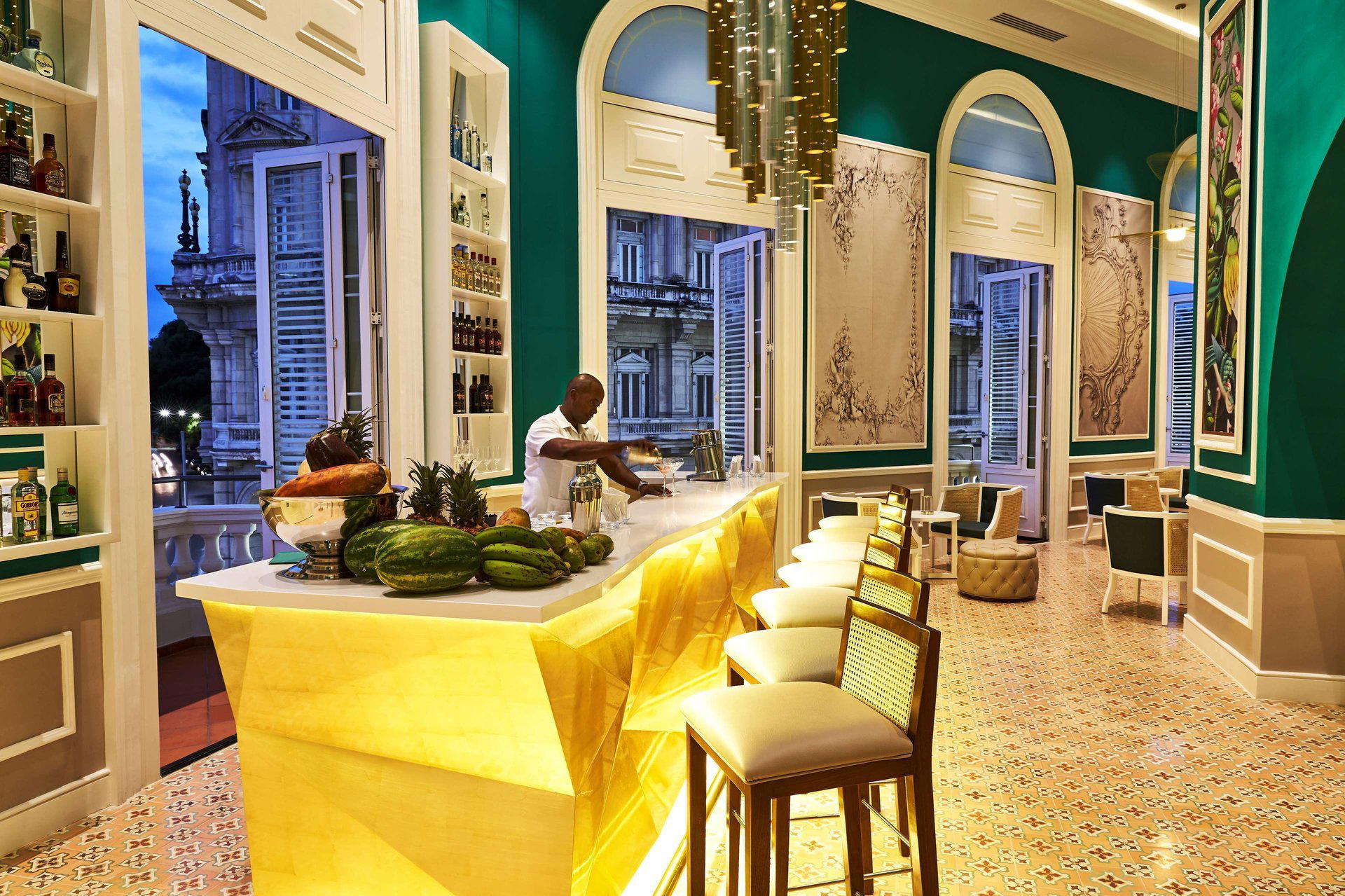
Calle San Rafael, upstairs from the postcard version of Havana
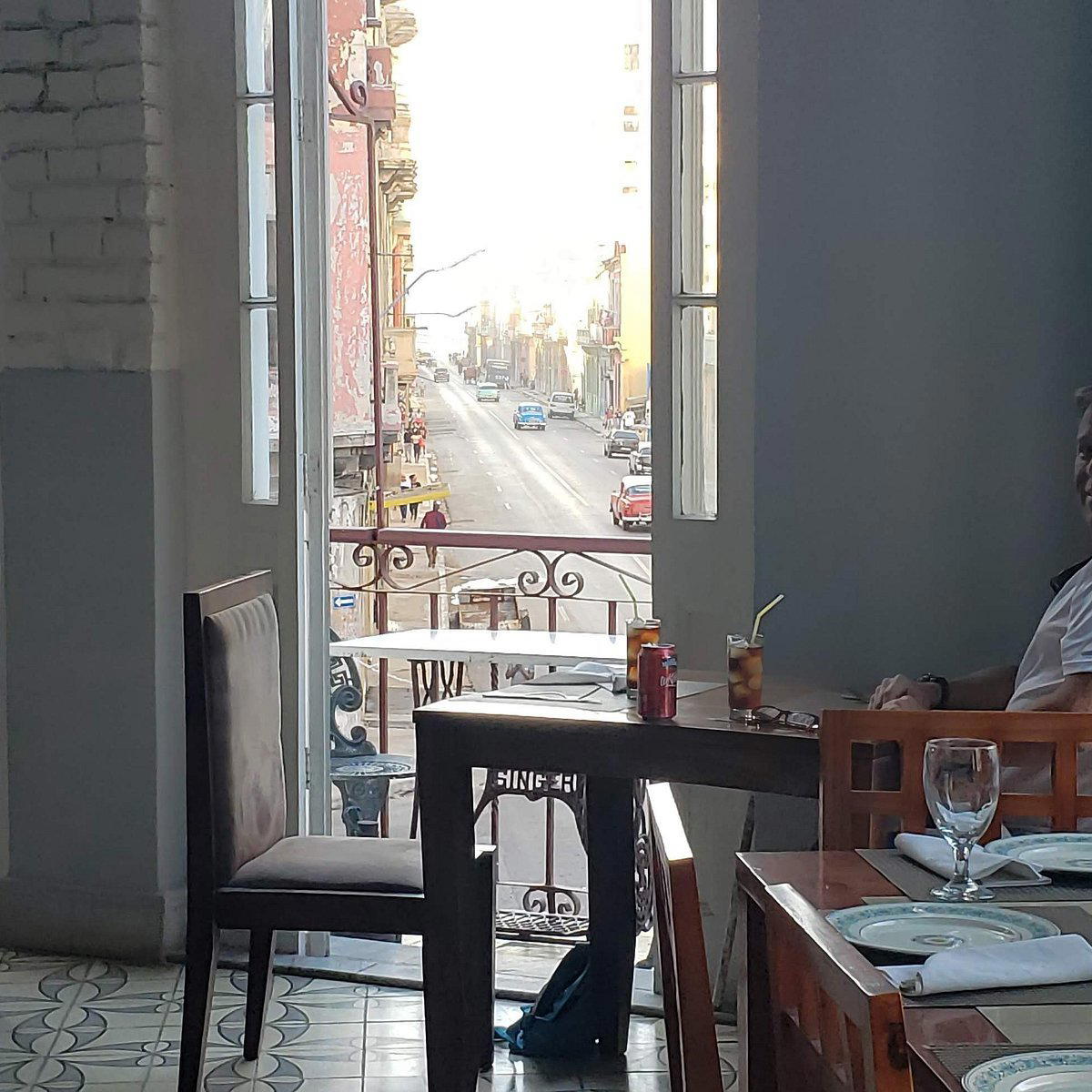
Approaching a first-floor bar on Calle San Rafael changes the Havana cocktail frame immediately. The city’s drinking image is often reduced to polished mahogany, framed photographs, and the daiquiri mythology attached to Floridita. A bar reached at street level’s edge, between Monserrate and Agramonte, belongs to a different reading of the capital: less monument, more working urban route, closer to the daily movement between Centro Habana and the Old Havana grid. Bar Constante sits inside that conversation, where the address matters because it pulls the drinker away from the frozen-cocktail shorthand and toward a smaller-format bar culture.
Havana has never lacked drinking history, but history can flatten a city when every order becomes a referendum on rum, Hemingway, and nostalgia. The useful question now is not whether a bar repeats the old script. It is whether the room gives enough reason to treat Cuban cocktail culture as active rather than archival. In that sense, the first-floor setting is a signal. This is not a hotel-lobby bar leaning on inherited glamour, and it is not a beach-facing rum stop built for the easiest photograph. It asks for a narrower type of attention: what is being mixed, how the room fits its street, and whether the experience adds a contemporary layer to a city with heavy cocktail baggage.
The cocktail programme as the point, not the decoration
For Havana bars, the house drink list carries more burden than it would in many cities. Rum, lime, mint, sugar, and ice are not neutral ingredients here; they come with a century of expectation. The sharper modern bars deal with that inheritance by tightening technique rather than pretending the classics no longer matter. Bar Constante is useful to read through that lens.
That restraint is editorially meaningful. In a city where several bars trade on instantly recognisable drink names, a sparsely documented independent address depends more on the encounter itself than on global ranking shorthand. For a traveller, the implication is practical: do not arrive expecting a published tasting-menu-style cocktail progression or a guaranteed signature serve. Arrive ready to judge the fundamentals that matter in Havana: rum handling, dilution, citrus balance, and whether the bar can make a familiar Cuban template feel current without turning it into theatre.
The comparison is instructive. In Miami, Café La Trova in Miami channels Cuban cantinero culture through a larger entertainment format. In New Orleans, Jewel of the South in New Orleans frames historical cocktails through a deeply researched Anglo-American lens. Superbueno in New York City works in a high-energy contemporary mode, while Kumiko in Chicago uses precision, service choreography, and Japanese drinking culture as organising principles. Havana’s smaller rooms have a different challenge: they operate in a city where the classics were never imported references. They are local memory, tourist expectation, and working-bar currency at once.
How it fits Havana’s bar map
Bar culture in Havana splits into several practical categories. There are historic cocktail institutions, live-music rooms, neighbourhood bars, hotel terraces, and newer addresses that benefit from proximity to the old city without copying its museum tone. Bar Constante’s Calle San Rafael address places it near that hinge.
Within EP Club’s Havana coverage, the contrast is clearer when read against nearby references. La Casa de La Bombilla Verde points toward Havana’s smaller cultural-bar tradition, where atmosphere and programming can carry as much weight as the glass. La Gruta suggests another version of the city’s after-dark map, more local in implication than grand hotel in mood. Malecon brings the seafront association into play, where location shapes the drinking expectation before the order is placed. Against those peers, Bar Constante reads as an urban stop rather than a scenery-led one, with the address doing more work than any published accolade.
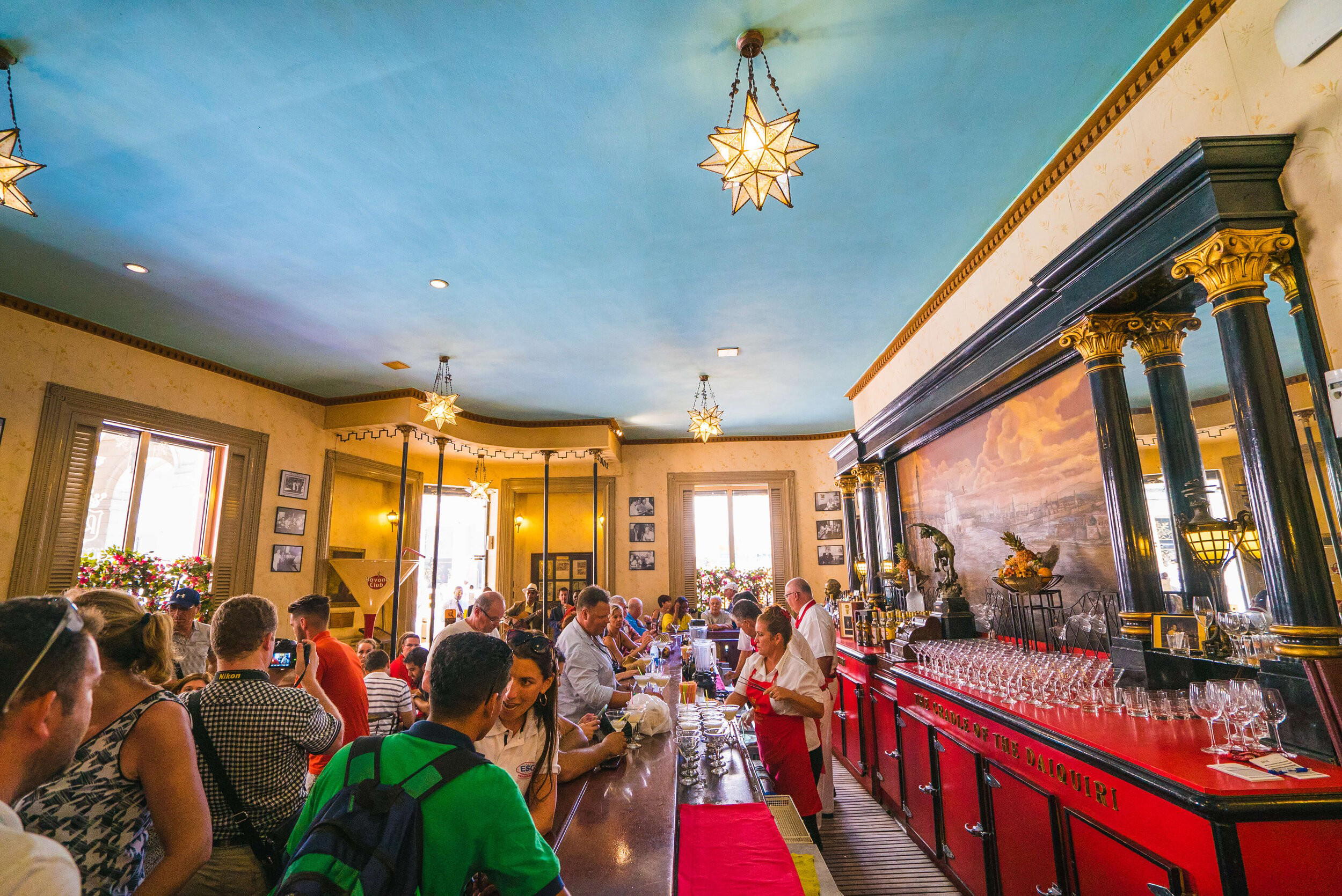
That distinction helps filter expectations. Travellers who want the canonical daiquiri pilgrimage should understand why Floridita keeps its gravitational pull. Travellers who want a broader sense of Havana after dark should build a route across several types of rooms instead of treating one famous counter as the whole story. Our full Havana restaurants guide is the more useful planning frame for that, because the city is better read by neighbourhood sequence than by isolated venue names.
Technique, tradition, and what to order when the menu is not public
Start with rum-based classics and use them as tests of proportion. A daiquiri shows how a bar handles lime, sugar, temperature, and dilution. A mojito reveals whether mint is treated with control or crushed into bitterness. A rum old fashioned, if offered, shows whether the programme can move away from citrus and still preserve structure. None of these requires a bar to advertise rarity; they require competence.
This is where Havana differs from many international cocktail cities. At Bar Leather Apron in Honolulu, a guest may reasonably expect a highly detailed spirits programme shaped by Japanese whisky culture and tropical context. At Julep in Houston, the American South’s drinking history gives the menu a different archive. At The Parlour in Frankfurt on the Main, European cocktail-room polish frames the experience in another register. Havana’s advantage is not novelty for its own sake. It is proximity to the source material: rum drinks that became global language from Caribbean practice, hotel bars, port-city exchange, and repeated local service.
At Bar Constante, that means the order should be less about asking for an elaborate off-menu flourish and more about reading the bar’s handling of Cuban foundations. If a bartender offers a house recommendation, follow that lead, but do not treat a lack of published signatures as a weakness. In many Havana rooms, the strongest evidence is not a menu description; it is the clarity of a simple drink made under real service pressure.
Planning a visit without over-planning it
The verified address is Calle San Rafael, between Monserrate and Agramonte, La Habana 10100, on the first floor.
Because no reservation channel is supplied in the available record, advance confirmation cannot be assumed. In practical terms, that favours an early-evening attempt or a route that includes a second nearby option. Havana also rewards cash preparedness and flexible timing, particularly for independent venues where online information can lag behind actual operations. The first-floor note is also worth retaining, since it reduces street-level confusion on Calle San Rafael and helps distinguish the bar from surrounding addresses.
The smarter budgeting approach is to treat it as a cocktail stop rather than a full dining substitute, then adjust once the menu is in hand. With no cuisine type or food programme listed, drink is the safer reason to go.
Who should put it on a Havana drinking route
Bar Constante makes the most sense for travellers who have already accepted that Havana’s bar culture is broader than its famous postcard rooms. It is a stronger fit for someone comparing formats, historic institution versus neighbourhood room versus contemporary independent stop, than for someone chasing a published global ranking or a celebrity bartender narrative. The record gives no chef biography, no award trail, and no signature-drink list, so the draw is not credential display. The draw is a specific urban position inside Havana’s cocktail circuit.
That may sound modest, but modesty is often where a city becomes legible. A drinking route that starts with Floridita, checks a smaller cultural room, and then moves to a first-floor Calle San Rafael address tells a more complete story than a single famous daiquiri ever could. The city’s cocktail tradition has always been part performance, part technique, part tourism, and part everyday social habit. Bar Constante belongs to the part of that map where the visitor has to pay attention without being told exactly what to admire.
Continue exploring
More in Havana
Bars in Havana
Browse all →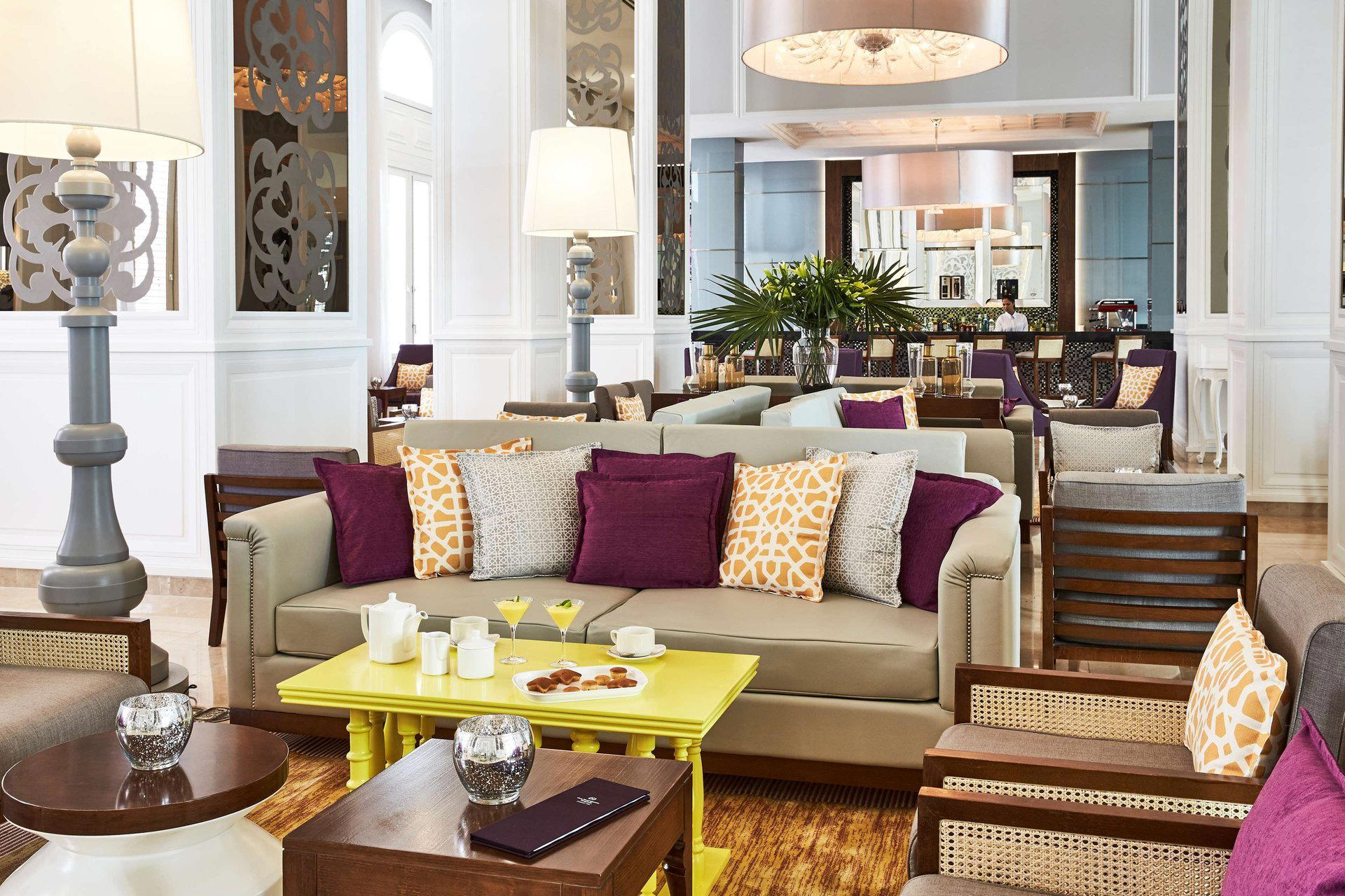
Restaurants in Havana
Browse all →
Hotels in Havana
Browse all →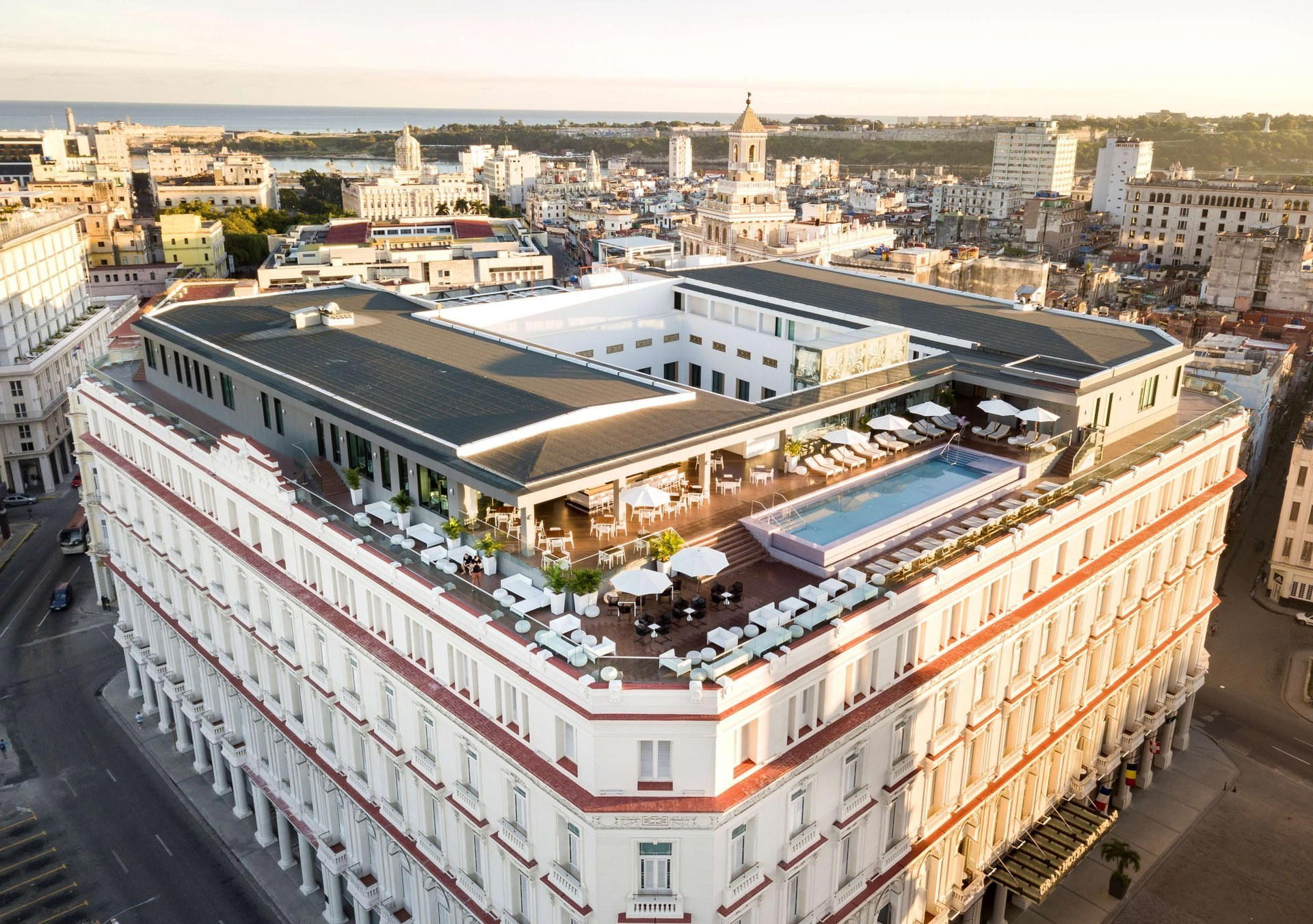
Wineries in Havana
Browse all →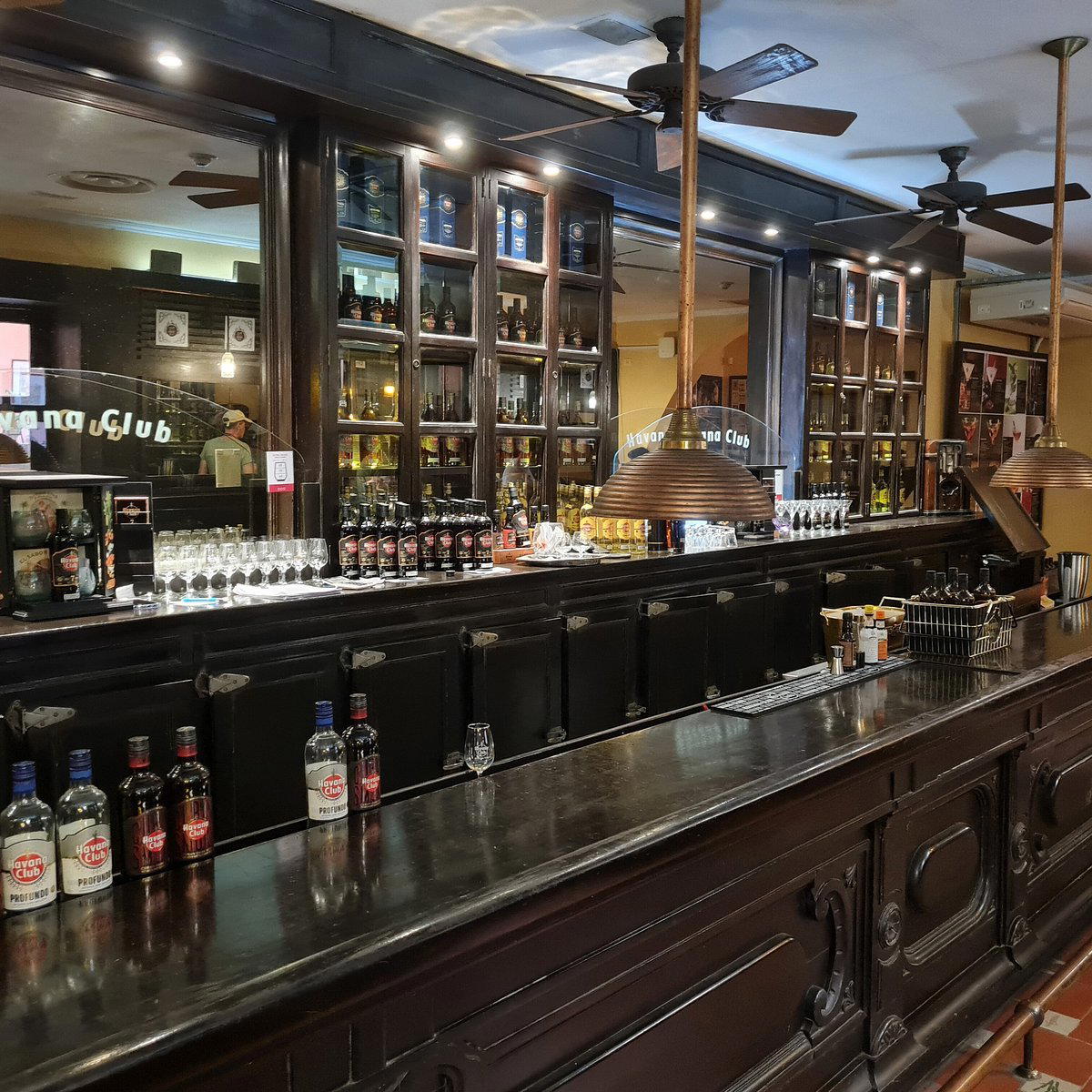
Bar Constante
The drinks
- Classic cocktails
Signature drinks: Constante Daiquiri.
Details
- Classic
- Elegant
- Sophisticated
- Scenic
- Intimate
- After Work
- Late Night
- Date Night
- Casual Hangout
- Solo
- Design Destination
- Hotel Bar
- Panoramic View
- Seated Bar
- Lounge Seating
- Classic Cocktails
- Rum
- Frozen
- Street Scene
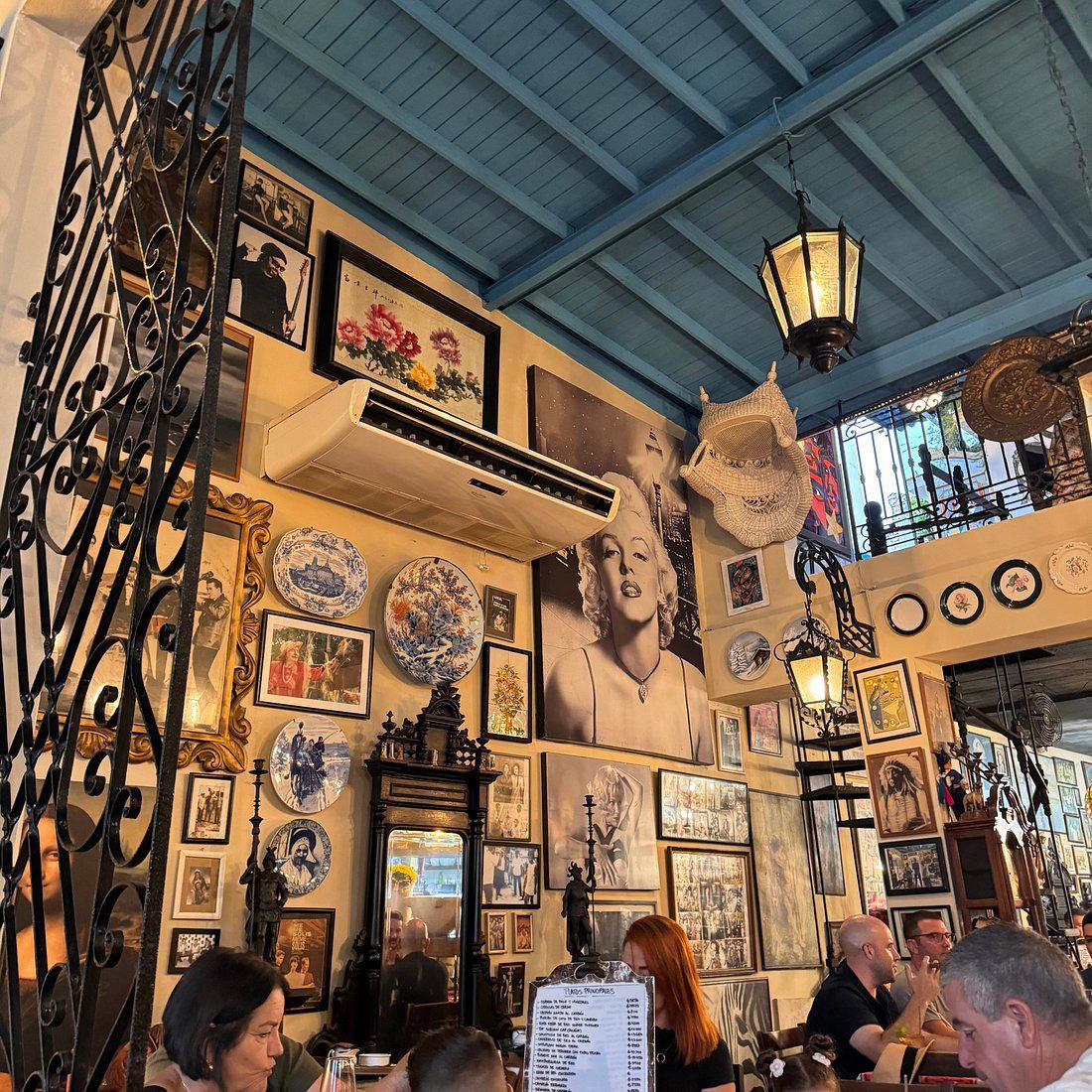
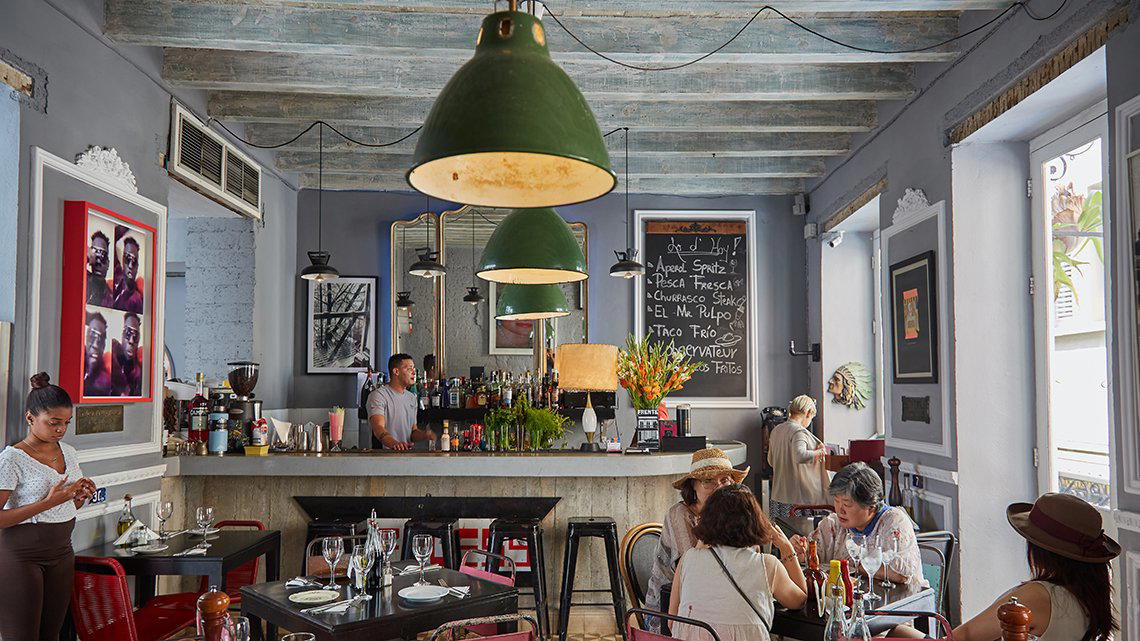
A small, vintage-inspired cocktail bar with a classic cityscape design, combining the polished feel of a luxury hotel with warm, elegant decor and a scenic view over central Old Havana’s streets and historic buildings.