Google: 4.8 · 424 reviews
Claro
.png)
Claro at 12 Waterloo Place brings together modern Spanish cooking and Japanese ingredients in one of St James's more considered dining rooms. Tortillas fold in seaweed, paella is built on Japanese rice with firefly squid, eel, and crab, and sherry sauce sits alongside Daitokuji natto. The all-black interior, hung with modern art, reads as calm and composed rather than lively.
 Discover on Pearl
Pearl is the En Primeur Club membership app — saves, bookings, and concierge access live there. Same editors, same standards.
A Room That Works Against the Clock
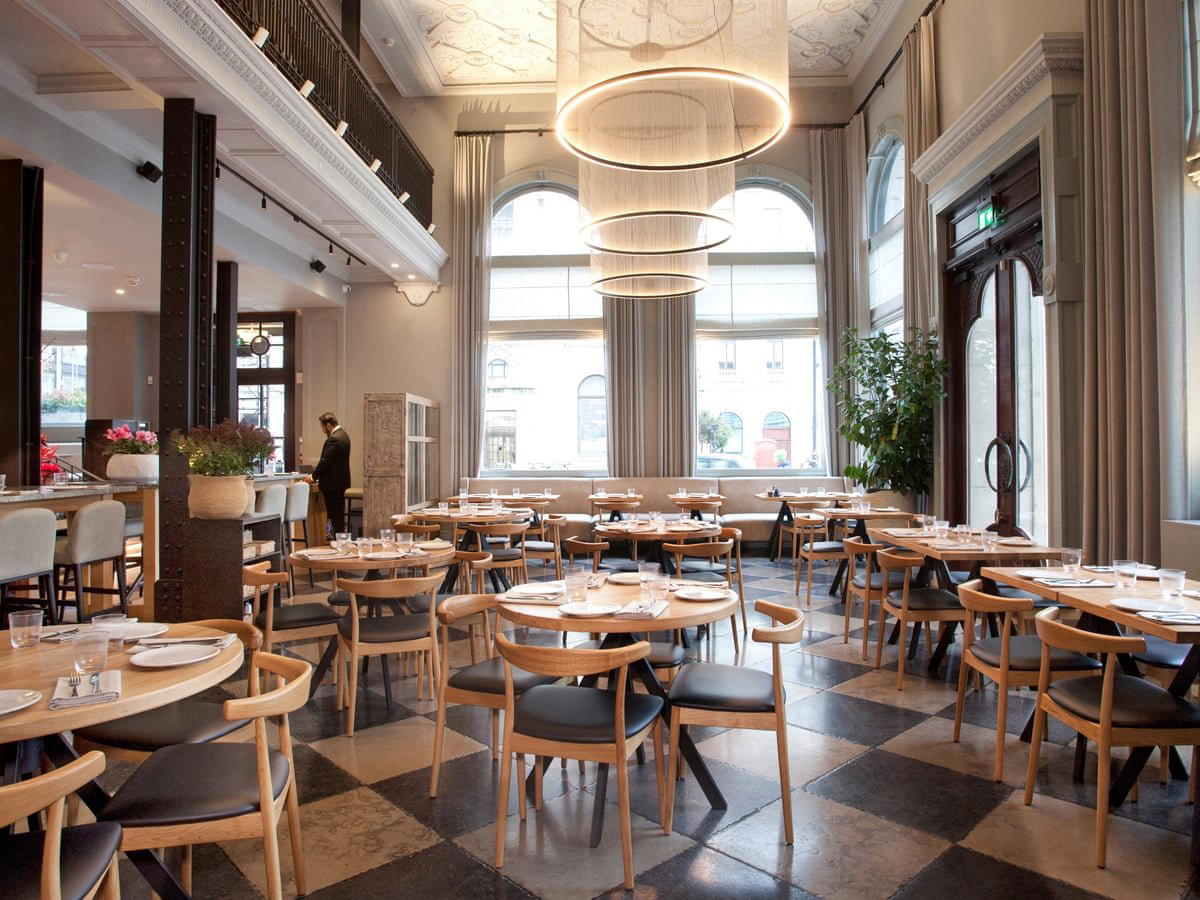
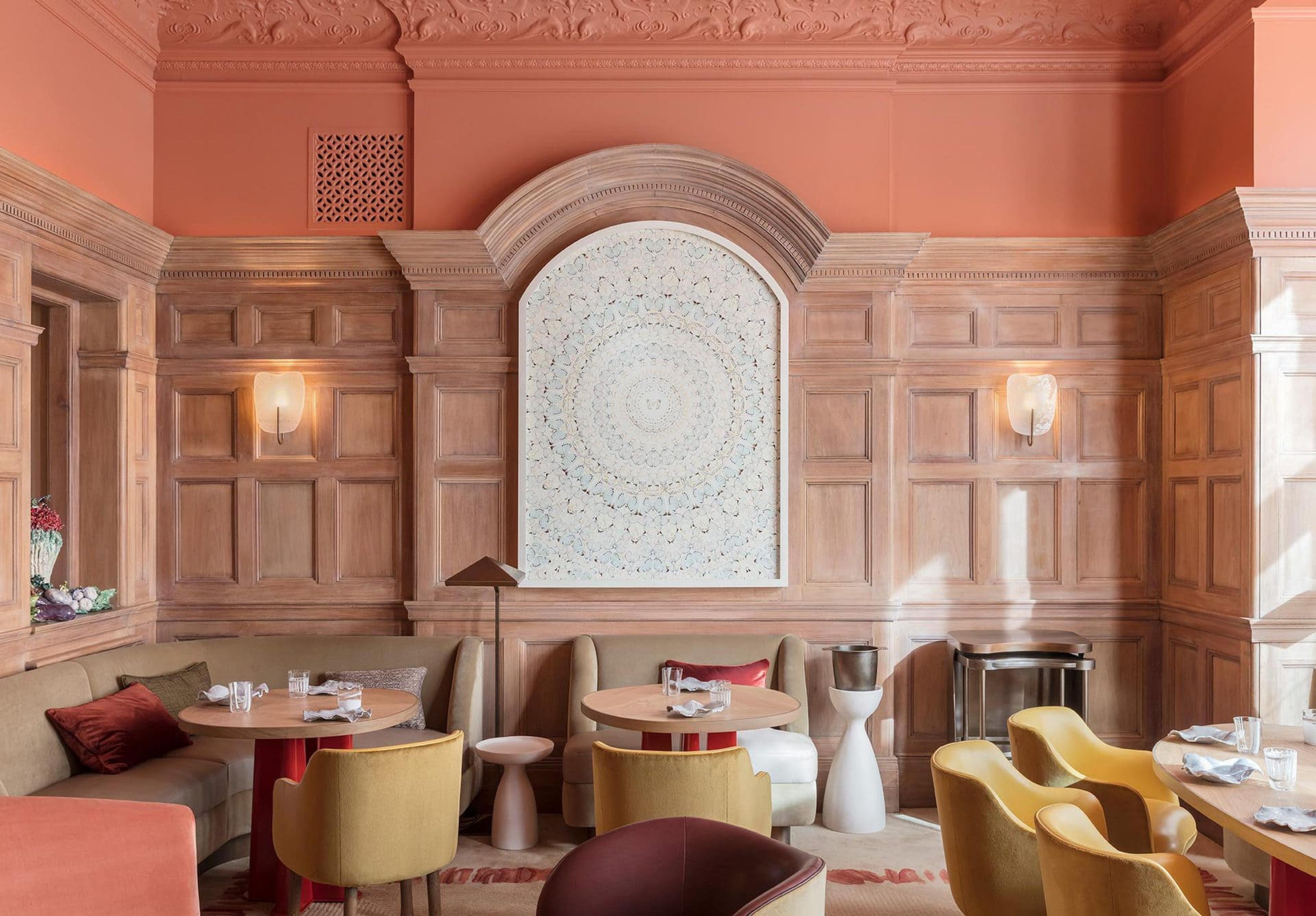
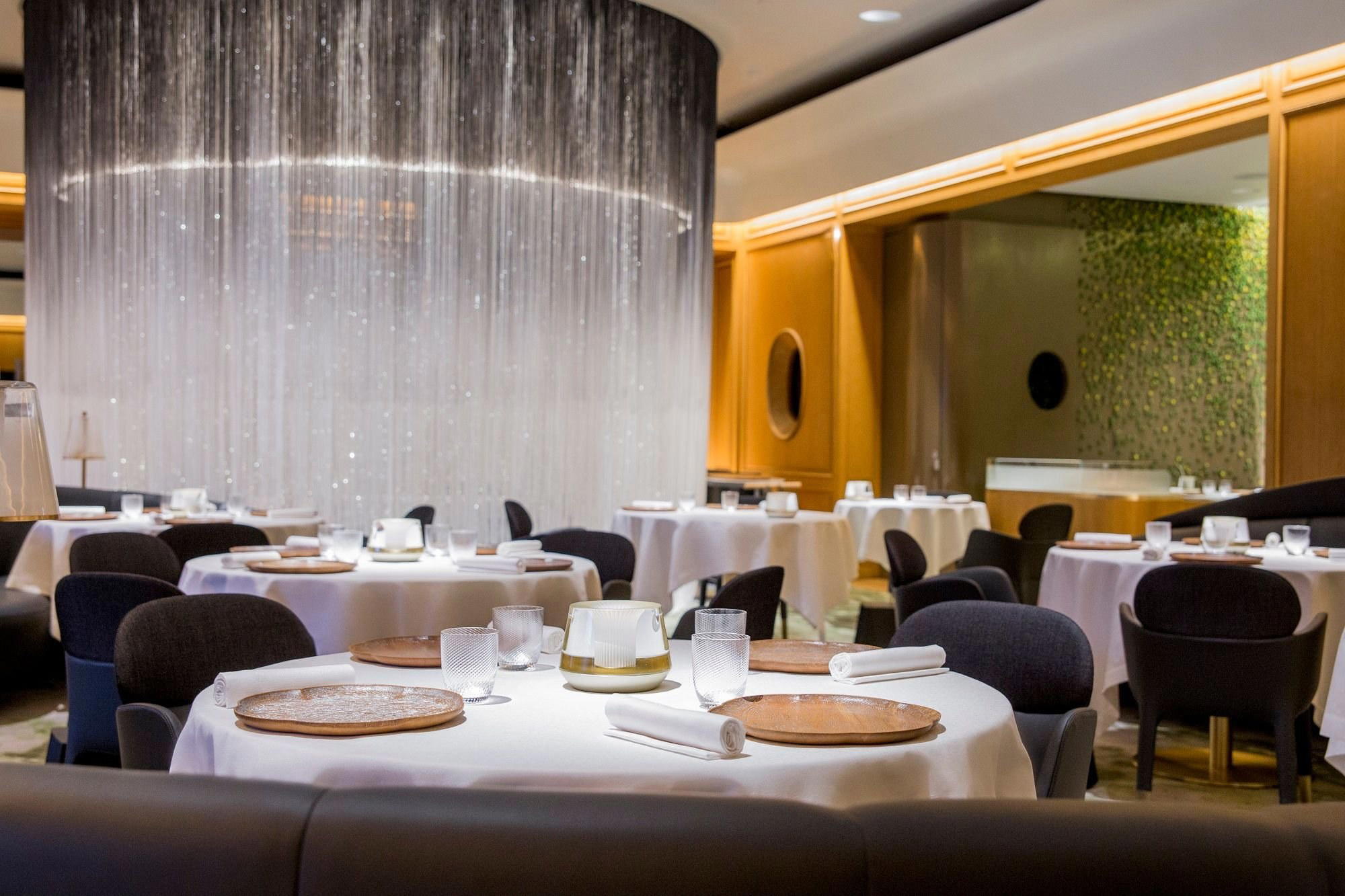
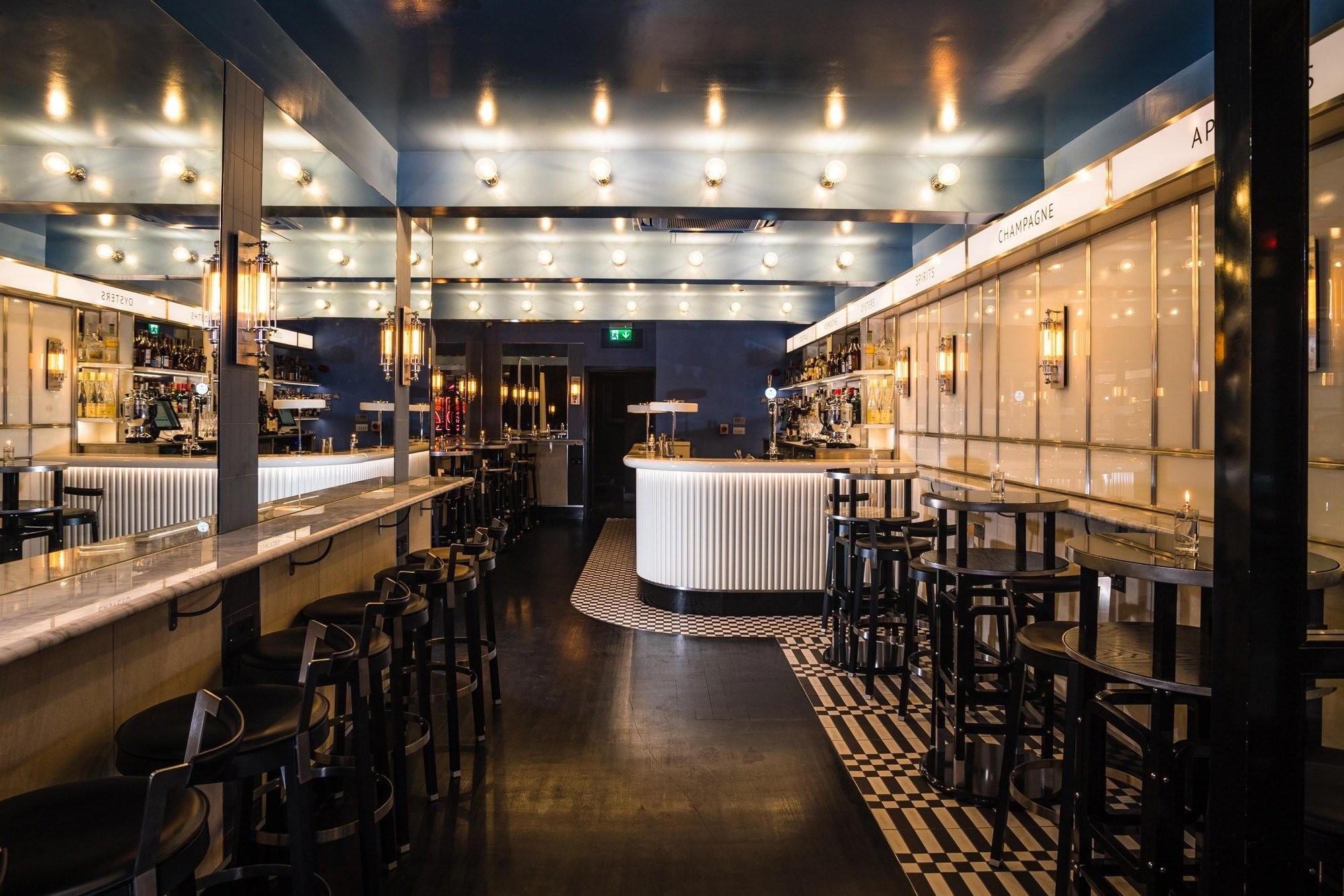
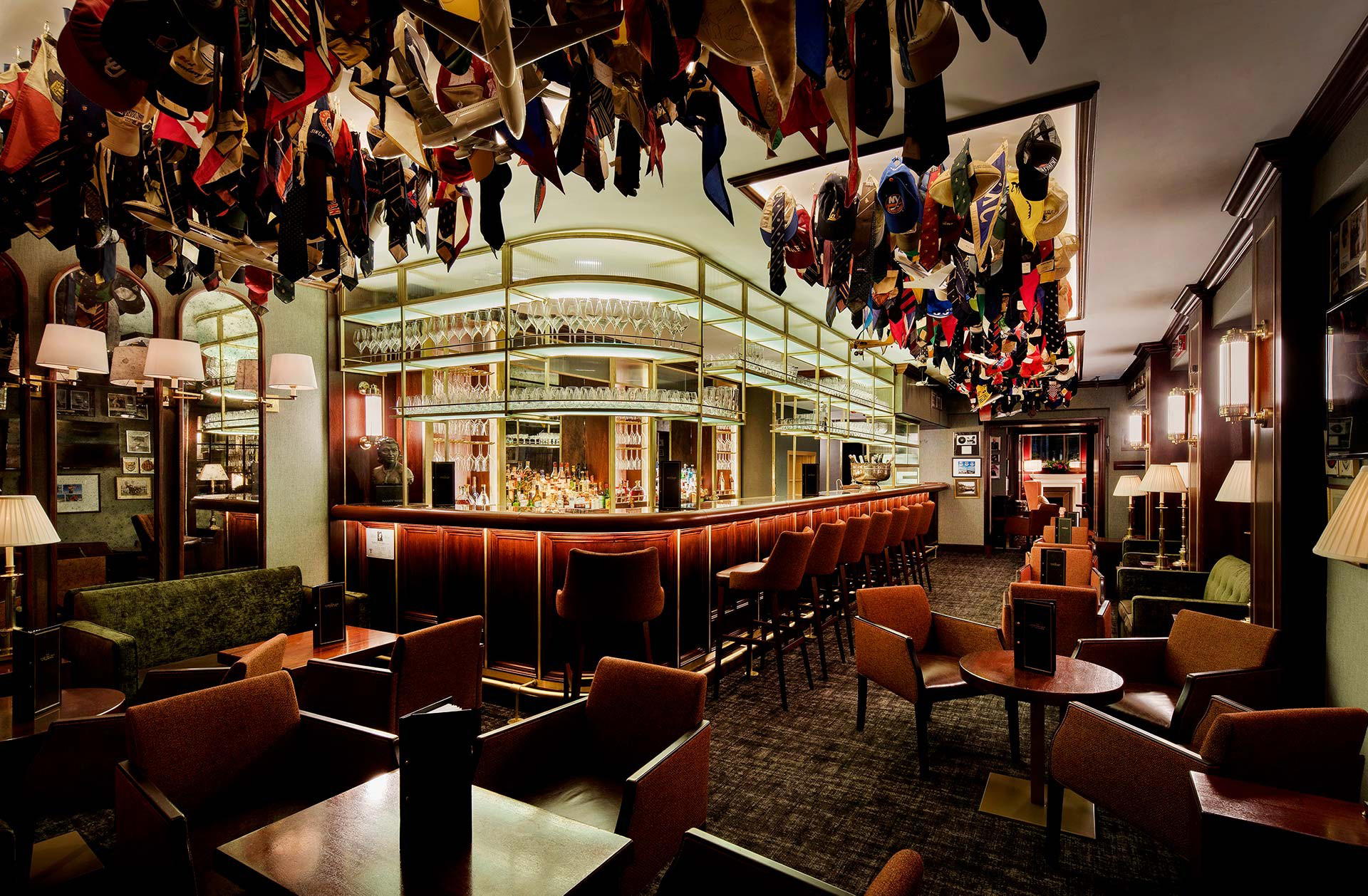
St James's has long operated as London's default address for formality: clubs, galleries, and the kind of restaurants where the room itself signals occasion. Waterloo Place, at the southern edge of the district, sits at a threshold between that tradition and the more open dining culture that has reshaped central London over the past decade. Claro occupies this address with an interior designed to strip out noise rather than amplify it. The all-black dining room, articulated with modern art, creates a sensory environment that is deliberately low-stimulus. During the day, that absence of brightness reads as subdued; by evening, the same scheme becomes genuinely relaxing, a room where conversation carries without competition from ambient spectacle.
This matters more than it might seem. London's premium dining tier has fractured into two broad camps: restaurants that use interior design as a form of theatre, and those that use it as a frame for the food. Claro belongs to the second group, alongside venues like CORE by Clare Smyth and The Ledbury, where the room defers to what arrives on the plate. The contrast with the theatrical interiors at Sketch, The Lecture Room and Library is instructive: both approaches attract serious diners, but they are chasing entirely different experiences.
The Kitchen's Working Logic
The conceptual premise at Claro is the intersection of Spanish culinary tradition and Japanese ingredients, applied with enough consistency that the menu reads as a coherent system rather than a novelty exercise. The kitchen uses this framework as a structural principle: Spanish formats carrying Japanese product, or Japanese fermentation techniques applied to Iberian ingredients.
The tortilla, one of the most technically specific dishes in Spanish cooking, arrives with seaweed incorporated, a pairing that works on the principle that both ingredients carry deep umami before any seasoning is applied. Sherry sauce, which in classical Spanish kitchens functions as a savoury reduction with oxidative notes, is paired with Daitokuji natto, a Kyoto-style fermented soybean preparation with a dry, less stringent profile than commercial natto. The match is not arbitrary: both sherry and Daitokuji natto carry long fermentation histories and a shared flavour logic around depth over brightness.
Paella is perhaps the clearest expression of the dual-culture approach. Built on Japanese rice rather than Spanish bomba or arroz redondo, the dish changes its absorption and texture properties while retaining the open-pan cooking method. Seasonal ingredients drawn from Japanese waters, firefly squid in spring, eel and crab at different points in the year, map the dish directly to the Japanese seasonal calendar. This is a more structured engagement with Japanese cooking principles than simply sourcing Japanese ingredients; it reflects the kind of training and culinary literacy that restaurants operating at this crossover point typically require.
This kind of East-meets-West cooking is well-established at the premium end of the London restaurant market, but the specific Spanish-Japanese axis is rarer here than in cities like New York, where Atomix has demonstrated how Korean-European hybrids can operate at the highest level, or where Le Bernardin has long shown how French technique and non-European product can produce something coherent rather than eclectic. In London, the more common fusion reference points have been French-Japanese or British-Japanese. The Spanish-Japanese combination at Claro gives the kitchen a relatively clear field in the city's competitive set.
Seasonal Depth and the Winter Case
Claro's approach to seasonal Japanese ingredients makes it a different proposition in winter and early spring than at other times of year. The firefly squid season runs from roughly March through May, but eel and certain crab species are at their peak weight and fat content in late autumn and winter. A December visit to a kitchen drawing on both Spanish and Japanese seasonal logic will encounter different ingredient priorities than a summer visit: the menu tilts toward richer, more fermented, more deeply flavoured components. February, when the kitchen is likely working with mid-winter Japanese produce and the contemplative all-black interior settles into its most appropriate season, represents one of the stronger windows for a first visit.
This seasonal responsiveness is consistent with what the better hybrid-cuisine restaurants in London have developed over the past decade. Dinner by Heston Blumenthal, operating a different kind of historical cross-referencing, and Restaurant Gordon Ramsay, with its classically grounded French-European programme, both manage seasonal shifts within a consistent conceptual framework. The challenge for any kitchen working across two distinct culinary traditions is maintaining that framework when seasonal availability pulls in different directions; Claro's use of the paella as a seasonal vehicle suggests the kitchen has a structural answer to that challenge rather than an ad hoc one.
For context on how similar cross-cultural cooking programmes operate at destination restaurants outside London, The Fat Duck in Bray, L'Enclume in Cartmel, and Moor Hall in Aughton each demonstrate how tight conceptual frameworks can sustain menus across multiple seasons. Regional alternatives like Gidleigh Park in Chagford, Hand and Flowers in Marlow, and hide and fox in Saltwood take different approaches to the same underlying question of how to make a cooking identity legible across the year.
Planning a Visit
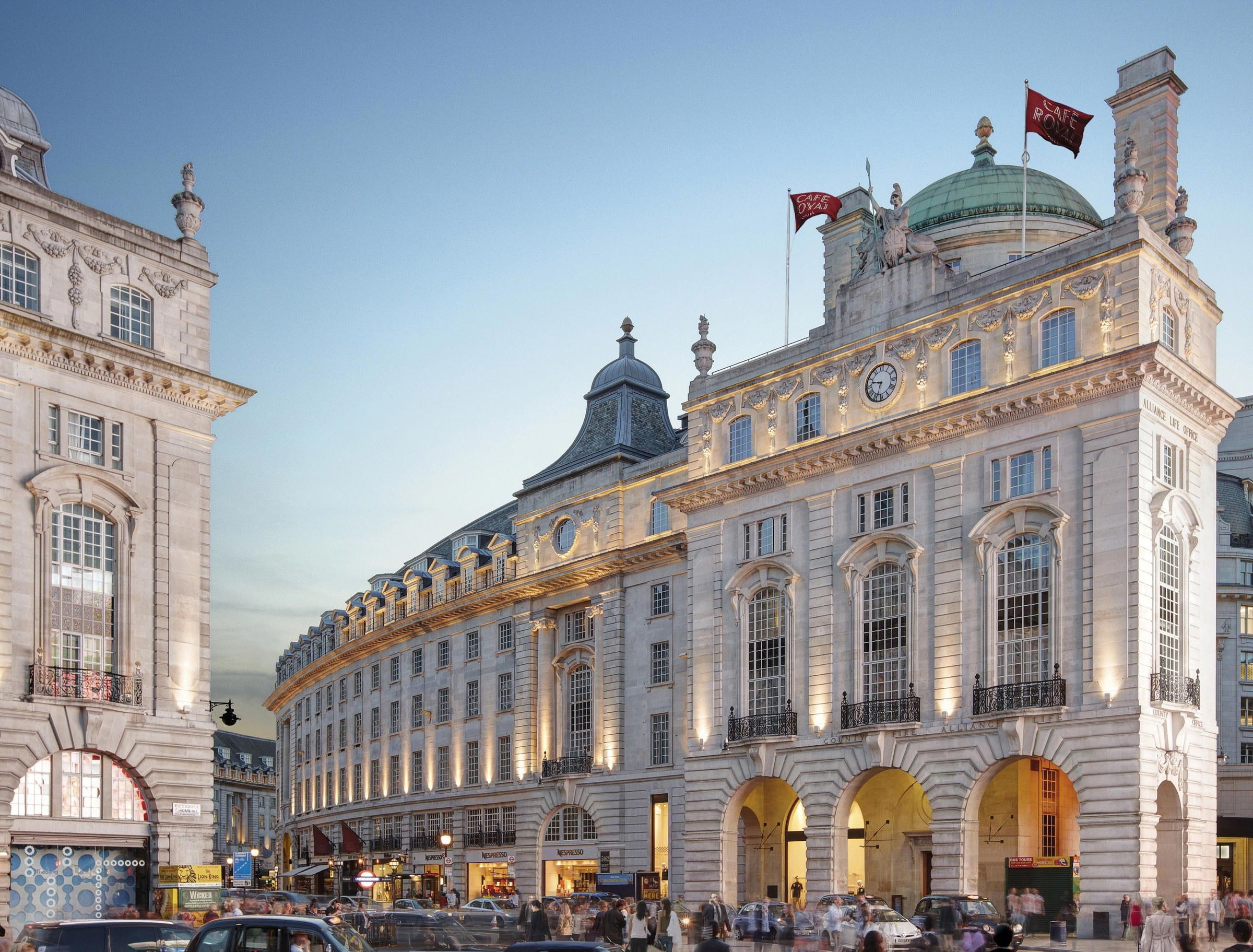
Claro is located at 12 Waterloo Place, London SW1Y 4AU, within walking distance of the Piccadilly line at Piccadilly Circus and the Jubilee and Northern lines at Charing Cross. The St James's address means it sits comfortably within an evening that includes the area's galleries or the theatre district to the north. Given the calm, art-led interior, it reads as a considered choice for occasions that benefit from an unhurried room rather than a high-energy one.
For further planning across the city, EP Club maintains dedicated guides to London restaurants, London hotels, London bars, London wineries, and London experiences.
Quick reference: 12 Waterloo Place, London SW1Y 4AU. All-black dining room with modern art. Spanish-Japanese menu with seasonal Japanese ingredients. Nearest tubes: Piccadilly Circus (Piccadilly line), Charing Cross (Jubilee, Northern lines).
- Claro Lamb Platter
- Monkfish Shawarma
- Dark Chocolate Mousse with Tahini Crumble
- Frena Bread with Green Tahini
- Shrimp Falafel
- Market Salad with Za'atar
Comparable Spots
A quick peer check to anchor this venue’s price and recognition.
| Venue | Cuisine | Price |
|---|---|---|
| ClaroThis venue — the venue you are viewing | ||
| The Ledbury | Modern European, Modern Cuisine | ££££ |
| Sketch, The Lecture Room and Library | Modern French | ££££ |
| CORE by Clare Smyth | Modern British | ££££ |
| Restaurant Gordon Ramsay | Contemporary European, French | ££££ |
| Dinner by Heston Blumenthal | Modern British, Traditional British | ££££ |



At a Glance
- Elegant
- Sophisticated
- Modern
- Lively
- Date Night
- Business Dinner
- Group Dining
- Celebration
- Special Occasion
- Open Kitchen
- Private Dining
- Terrace
- Historic Building
- Design Destination
- Extensive Wine List
- Craft Cocktails
- Sommelier Led
- Farm To Table
- Local Sourcing
- Street Scene
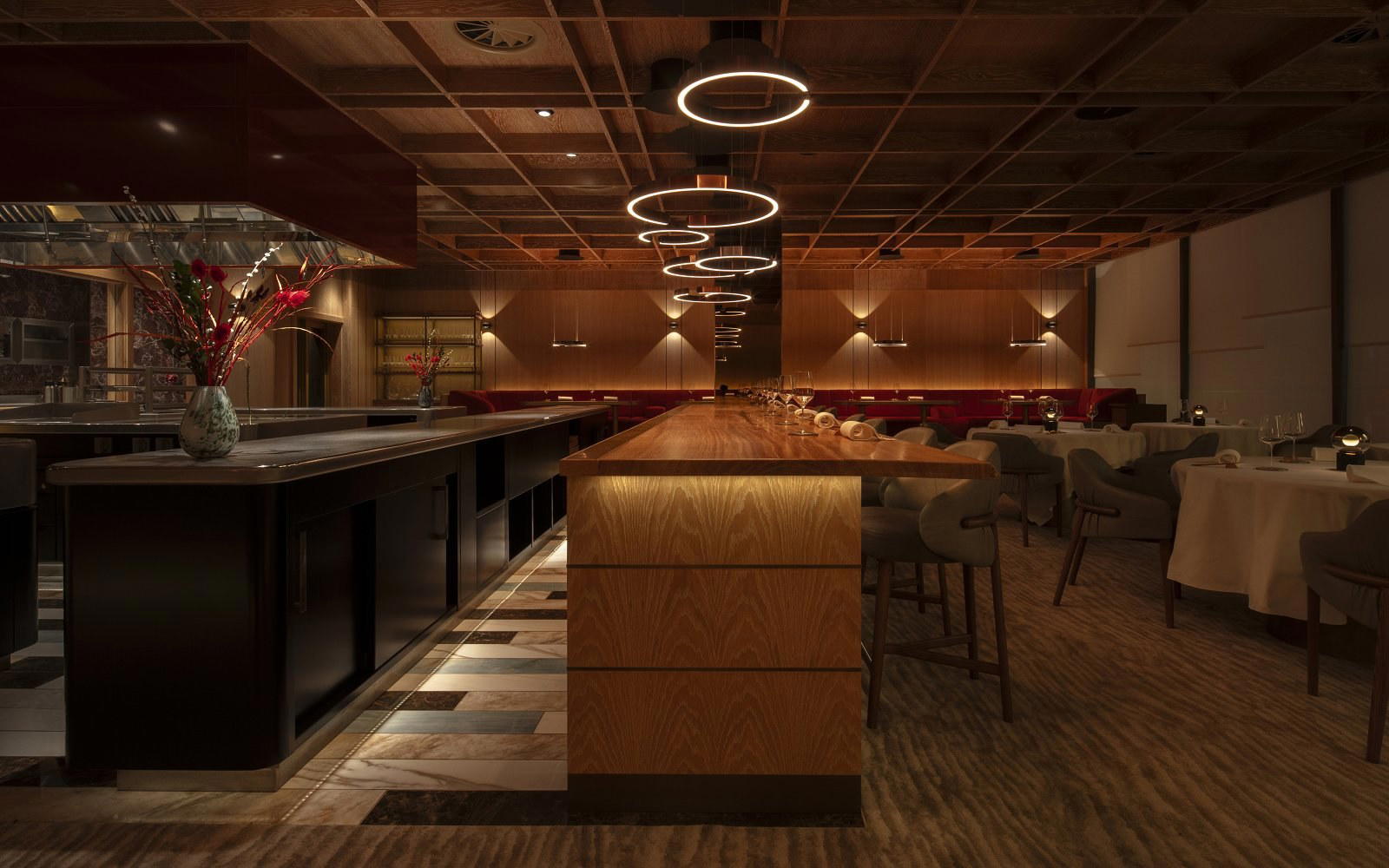
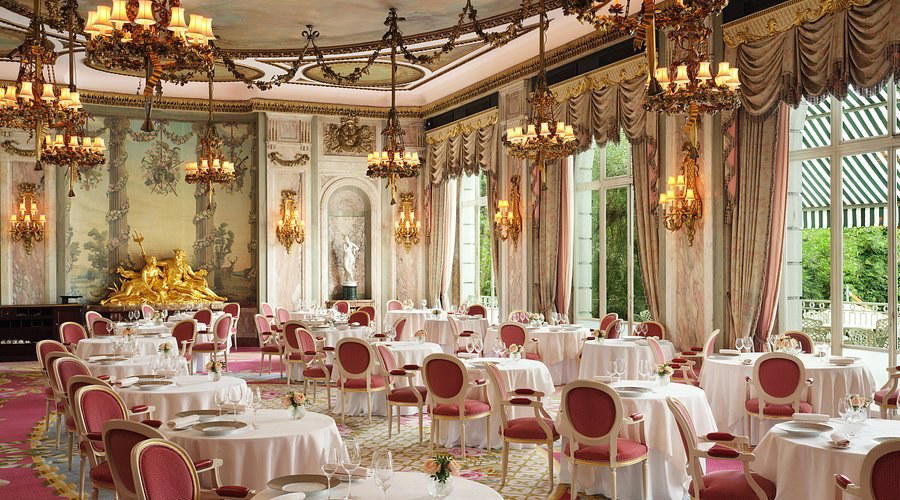
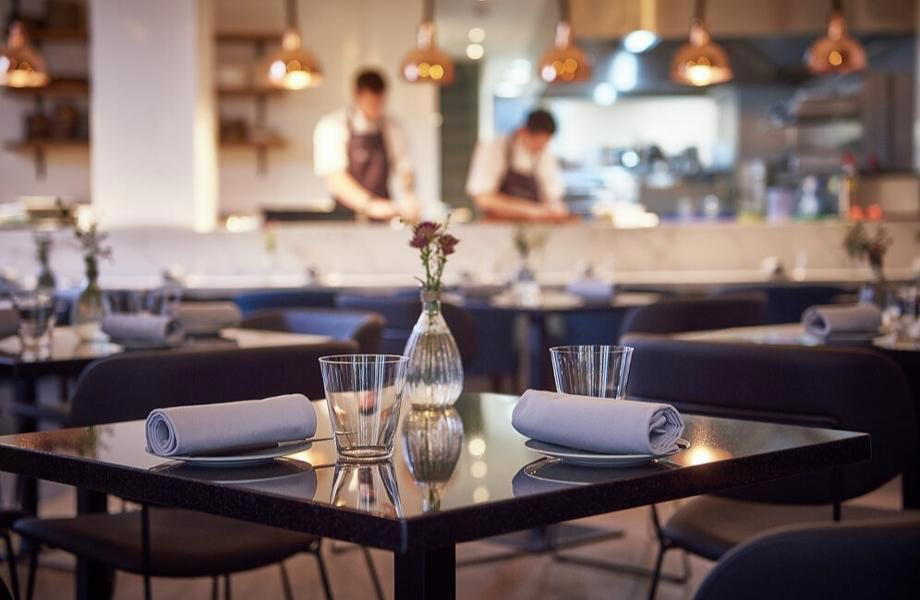
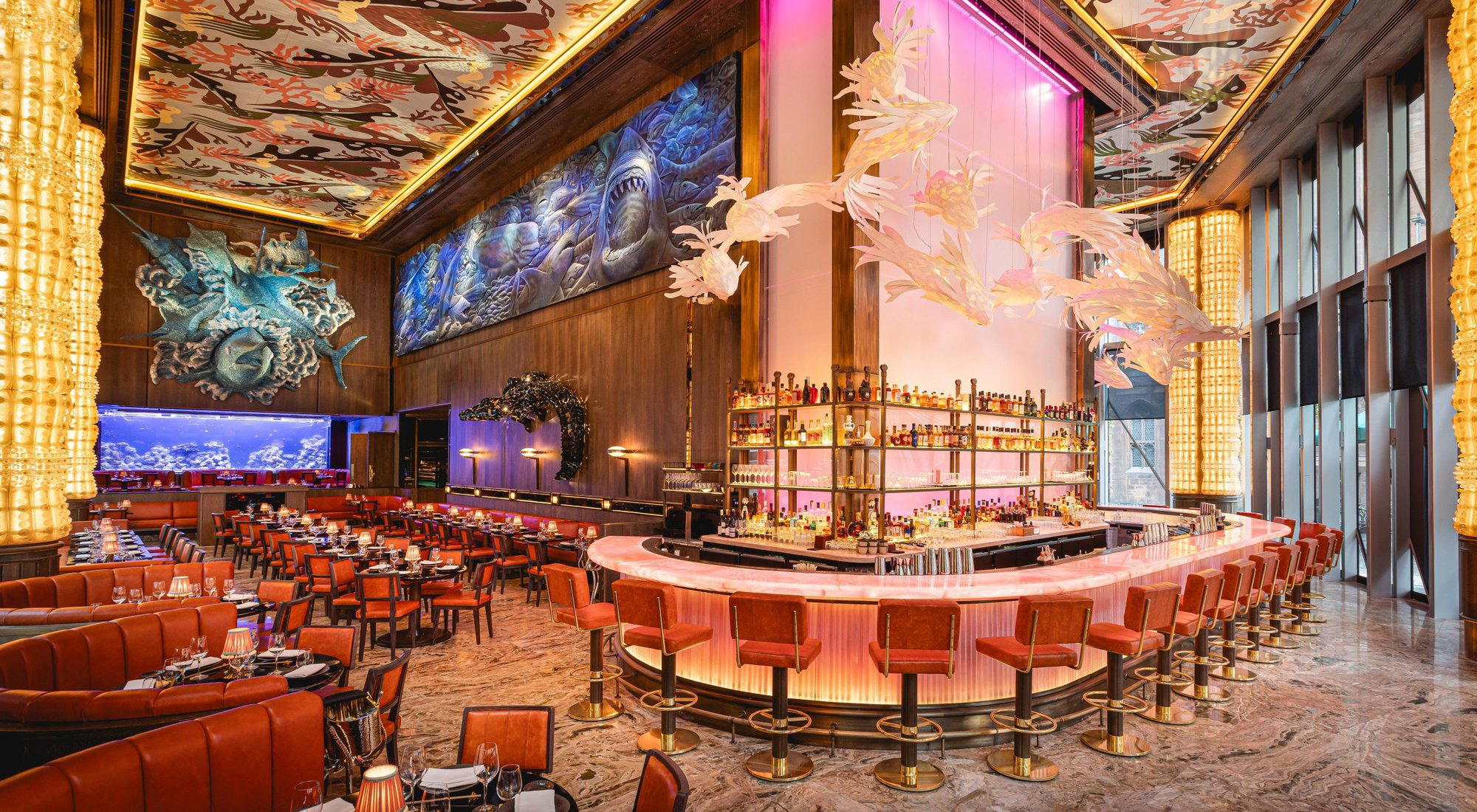
Bright, airy, and warmly lit with soft lighting creating intimacy despite soaring double-height ceilings; an open kitchen provides kinetic energy while the space maintains calm sophistication through thoughtful material choices and spatial balance.
- Claro Lamb Platter
- Monkfish Shawarma
- Dark Chocolate Mousse with Tahini Crumble
- Frena Bread with Green Tahini
- Shrimp Falafel
- Market Salad with Za'atar