Clandestí

Clandestí operates on the margins of Palma's dining scene by design. Chef Pau Navarro, who trained across Spain's top restaurant kitchens, runs a format built around secrecy and surprise — a deliberate departure from the city's more conventional dining options. The address on Carrer de Guillem Massot puts it squarely in residential Palma, away from the tourist-facing waterfront.
 Discover on Pearl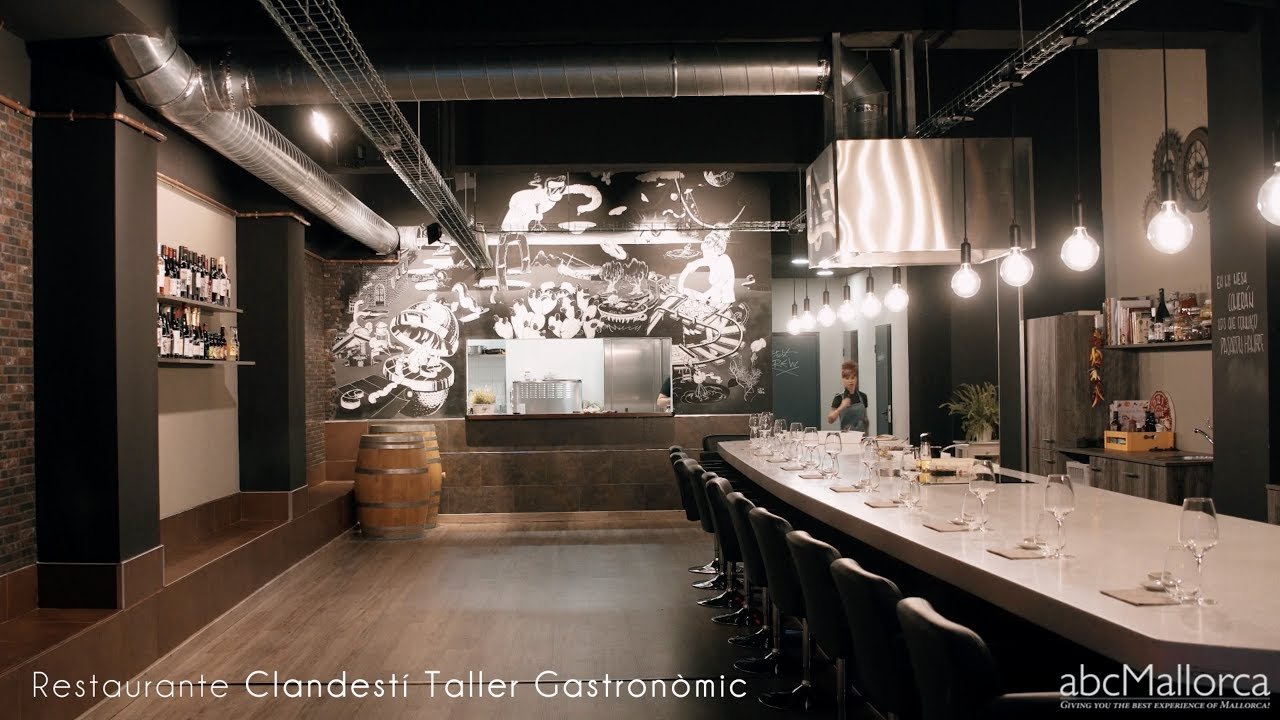
Where Palma Keeps Its Secrets
Palma de Mallorca's dining scene divides fairly cleanly along geographic and conceptual lines. The historic centre and waterfront pull international visitors toward polished, accessible menus. The residential streets north of the old town — where Carrer de Guillem Massot sits — tend to attract a different kind of operator: those building for a local audience that already knows what it wants and doesn't need a harbour view to justify the bill. Clandestí occupies that second category deliberately. The name translates directly as 'secret', and the format reflects that: this is not a restaurant that courts passing trade or announces itself with signage designed for tourists.
That positioning is not unusual in Spain's secondary fine dining cities. Operators in Valencia, San Sebastián, and Seville have long run serious kitchens at residential addresses, leaving it to word of mouth and specialist press to fill seats. In Palma, the approach is less common, which is partly why Clandestí has developed the reputation it has. A format that reads as secretive in one city is simply normal in another , here, it registers as a statement of intent.
The shortlist, unlocked.
Hard-to-book tables, cellar releases, and concierge-planned trips.
Get Exclusive Access →The Sourcing Logic Behind the Menu
Mallorca's geographic position shapes what chefs can reasonably work with. The island sits close enough to the Catalonian and Valencian coastlines to access mainland Spanish produce networks, but its own agricultural output , almonds, olives, citrus, pork from the black-footed Porc Negre breed , gives local kitchens a distinct pantry that doesn't replicate what you'd find in Barcelona or Madrid. Chefs operating at serious level on the island tend to resolve this in one of two directions: they anchor menus in island produce as a philosophical stance, or they treat Mallorca as a node in a wider Mediterranean sourcing network and use provenance selectively. Both approaches have credibility.
Chef Pau Navarro's background working across leading kitchens in Spain positions him to read both registers. Cooks who have moved through multiple high-level kitchens , the kind of circuit that takes in the restaurants responsible for shaping contemporary Spanish cooking, from the Basque Country south through Andalusia , tend to develop sourcing instincts that are neither parochial nor arbitrary. The tradition Navarro draws on is the one that has made Spain's restaurant kitchen one of the most technically serious in Europe over the past three decades, a lineage running from the experimentalism of the 1990s through to the product-forward classicism that now dominates at the elite end. Spain's Michelin-starred kitchens, from Arzak in San Sebastián and Azurmendi in Larrabetzu to El Celler de Can Roca in Girona, Martin Berasategui in Lasarte-Oria, DiverXO in Madrid, Quique Dacosta in Dénia, and Aponiente in El Puerto de Santa María , represent a tradition that has proven transferable well beyond its original geography.
What Clandestí does with that tradition in a Mallorcan context is the operative question, and the answer appears to sit in the word the restaurant's own description reaches for: tradition. That is a loaded term in Spanish fine dining. It can mean nostalgia dressed up as technique, or it can mean a genuine engagement with the flavour logic that pre-industrial island cooking developed over centuries , dishes built around preserved pork, legumes, wild herbs, and seafood that didn't require refrigeration to have depth. The more interesting Spanish chefs who have moved through high-calibre kitchens tend to land on the latter reading. The former produces food that photographs well and tastes like pastiche.
How Clandestí Sits in Palma's Dining Tier
Palma's restaurant offer has expanded significantly in the past decade as the island attracted a wealthier, more year-round visitor demographic. That growth brought international investment, hotel dining programs, and a cohort of operators more interested in design than cooking. It also created space for a counter-tendency: chefs running smaller, concept-driven formats that treat the island as a serious culinary address rather than a seasonal hospitality market. Clandestí falls into that second group, alongside other operators working at the more considered end of Palma's dining spectrum.
For context on what that peer group looks like in Palma, Andana and NUS represent different points on the same spectrum of serious, non-tourist-facing cooking in the city. Mouna approaches the city's dining diversity from a different culinary tradition. Each represents a layer of Palma's restaurant scene that doesn't resolve into a single style but collectively signals that the city's serious dining has moved well past tapas-and-paella expectations. For a fuller view of what the city offers across categories, our full Palma de Mallorca restaurants guide maps the current state of the scene. The hotels guide, bars guide, wineries guide, and experiences guide cover the rest of the island's premium offer.
The 'secret' format Clandestí operates has precedents internationally. Restaurants built around concealed identity, limited communication channels, and format-as-experience have appeared in New York, Copenhagen, and London with varying degrees of conceptual seriousness. The question is always whether the secrecy amplifies genuinely good cooking or substitutes for it. Internationally, kitchens at the serious end of this format , comparable in spirit, if not geography, to operations like Le Bernardin in New York City or Emeril's in New Orleans and Cocina Hermanos Torres in Barcelona , use format as a frame for the food, not a replacement for it. The credibility Clandestí has earned in Palma suggests the cooking is doing the work.
Planning Your Visit
Clandestí is located at Carrer de Guillem Massot, 45, in the Nord district of Palma (07003). The residential setting means the approach on foot from the old town takes around fifteen minutes and crosses the character shift from tourist-facing streets to the quieter northern barrios , worth knowing before you arrive. Given the format's emphasis on experience and the operational model implied by a 'secret' concept, advance contact and booking are advisable; this is not a venue that accommodates walk-ins in any meaningful way. Check current booking channels directly, as contact details and reservation systems for concept-driven operators of this type can change seasonally. Timing a visit to coincide with the shoulder seasons , late spring or autumn , gives you the island's produce at its most varied without the peak-summer pressure that affects service quality across Palma's better restaurants.
Frequently Asked Questions
- What should I order at Clandestí?
- The format at Clandestí is built around a fixed experience rather than à la carte selection, which means the menu is largely decided for you , that is the point of the concept. Chef Pau Navarro's background across Spain's leading kitchens informs cooking that draws on traditional Spanish and Mallorcan reference points. Arrive with an open brief and communicate dietary requirements in advance.
- What's the leading way to book Clandestí?
- Given that Clandestí operates as a concept-led experience rather than a conventional restaurant, standard online booking platforms may not apply. The format's emphasis on secrecy and difference from other Palma venues suggests reservations are handled through direct contact. If you are visiting Palma from abroad, book well in advance , concept restaurants of this type in Spain's mid-size cities typically operate at full capacity during the island's peak season (June through August) and fill quickly during shoulder periods too.
- What has Clandestí built its reputation on?
- The restaurant's standing in Palma rests on two things: a format that deliberately departs from the city's mainstream dining conventions, and cooking that draws on serious kitchen credentials. Chef Pau Navarro's experience at high-level restaurants across Spain gives the menu a technical foundation that supports the experiential concept rather than hiding behind it. In a city where the tourist-facing restaurant offer is substantial, that combination of intent and craft registers clearly with the local dining audience.
- What if I have allergies at Clandestí?
- Because Clandestí operates a fixed-format experience where the menu is determined in advance, allergy and dietary information is leading communicated at the time of booking rather than on arrival. Concept-led restaurants running set menus across Spain generally handle dietary requirements through advance notice, which allows the kitchen to adapt specific courses. Contact the restaurant directly , the city of Palma has strong norms around hospitality responsiveness, and operators at this level treat dietary communication as standard procedure.
- Is Clandestí suitable for first-time visitors to Palma's fine dining scene?
- Clandestí's format is described as 'very different from all other places in Palma', which means it works leading for diners who are already comfortable with open-ended tasting formats and chef-driven menus. For a first encounter with serious Mallorcan cooking, the experience rewards those willing to surrender control of the menu to the kitchen , a model that is common across Spain's leading restaurants, from Arzak in San Sebastián to Clandestí's residential Palma counter. Chef Navarro's grounding in Spanish culinary tradition provides a recognisable reference point even within an unconventional format.
How It Stacks Up
These are the closest comparables we have in our database for quick context.
Need a table?
Our members enjoy priority alerts and concierge-led booking support for the world's most difficult tables.
Get Exclusive AccessThe shortlist, unlocked.
Hard-to-book tables, cellar releases, and concierge-planned trips.
Get Exclusive Access →