
Cirqa Restaurant places Arequipa’s regional cooking inside a polished, contemporary frame rather than treating it as museum fare. Chef Maria Fe Garcia Uranga’s work is framed around ancestral culinary heritage and a present-tense reading of local classics, making the dining room a useful lens on how the city’s picantería tradition is being translated for a quieter, more design-led audience.
Pearl is the En Primeur Club membership app — saves, bookings, and concierge access live there. Same editors, same standards.
- Address
- Calle Sucre 104
- Phone
- +51997502102
- Website
- cirqa.pe
- Directions
- Get directions
 Saves & bookings on Pearl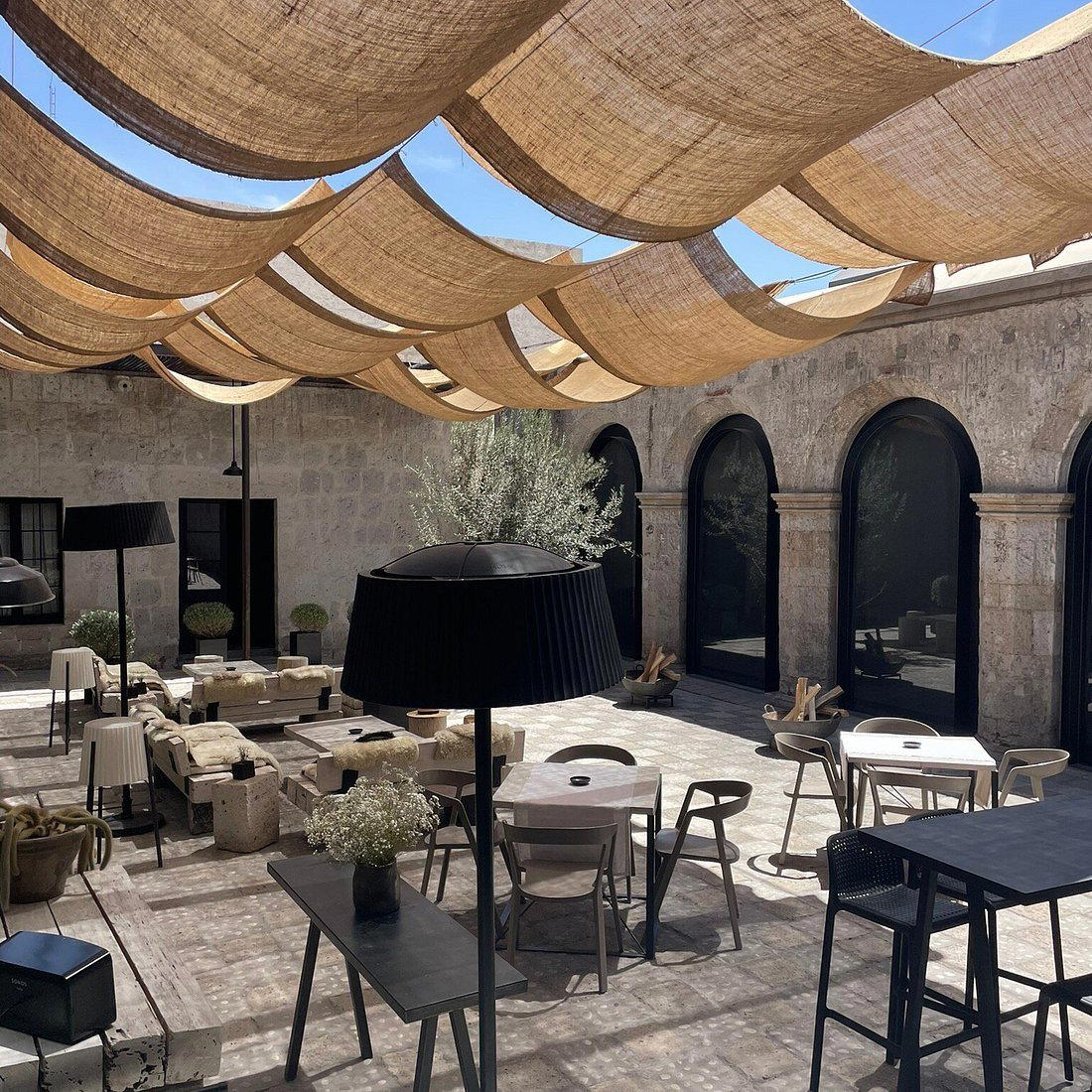
Arequipa’s historic centre changes register indoors: volcanic-stone streets, heavy walls, courtyards, and a dining culture that has long prized generosity over theatrical plating. Cirqa Restaurant works within that tension. The room is contemporary and refined, but the reference point is not international hotel dining; it is the regional table, filtered through a chef who treats Arequipa’s culinary inheritance as living material rather than a fixed archive.
That distinction matters in a city where food identity is unusually strong. Arequipa’s picantería tradition is built on regional pride: soups, stews, stuffed vegetables, river shrimp when in season, sharp chilli heat, and a social rhythm that historically belonged to lunch more than dinner. Modern restaurants in the city face a narrow brief. They can either soften that inheritance into a generic Peruvian menu or make the local grammar legible in a more composed setting. The stronger argument here is the second one.
Arequipa classics recast for a quieter dining room
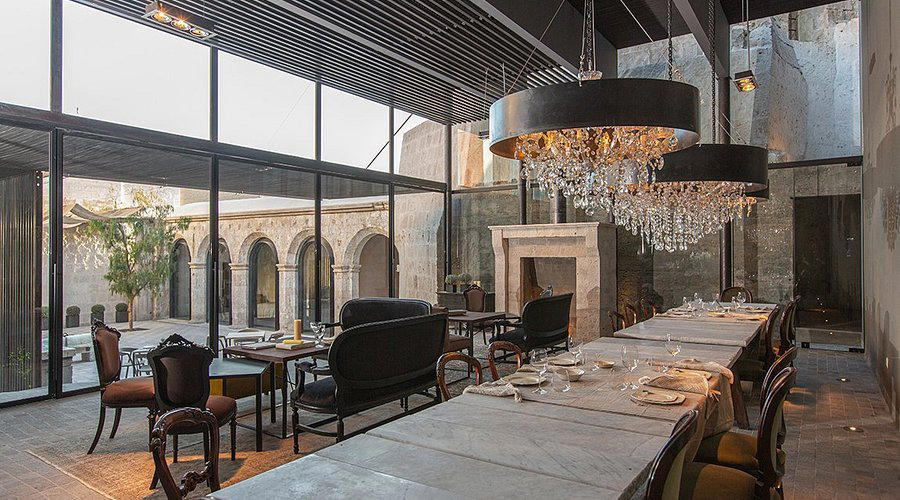
The restaurant’s stated focus is cooking classics, and that phrase carries weight in Arequipa. Local cooking has never lacked confidence; it has lacked, at times, the kind of dining room where travellers can read its structure without losing the force of the original tradition. The contemporary interiors at CIRQA create that frame, placing regional flavours into a calmer, more edited environment than the city’s older picantería rooms.
Chef Maria Fe Garcia Uranga is the useful credential here, not as a personality story, but as evidence of a specific culinary direction. Her cooking is described through reverence for ancestral culinary heritage and a contemporary twist, which is a narrow lane when handled seriously. The task is not invention for its own sake. It is restraint: keeping the regional soul visible while adjusting texture, pacing, and presentation for a restaurant format rather than a communal midday table.
For travellers building a broader Arequipa itinerary, the distinction is worth mapping against the city’s dining range. Chicha Arequipa gives one reading of regional Peruvian cooking under a more public-facing culinary brand, while Alma Bar Restaurante, Curiña Restaurant, and El Techo de CIRQA help show how Arequipa’s centre now supports several registers of eating and drinking. For a wider scan, use our full Arequipa restaurants guide, then place the meal alongside our full Arequipa hotels guide, our full Arequipa bars guide, our full Arequipa wineries guide, and our full Arequipa experiences guide.
A chef-led reading of regional inheritance
The chef’s journey angle here is culinary evolution rather than biography. Arequipa’s food canon gives a cook plenty to work with, but it also gives little room for careless modernization. The city’s classics are tied to ingredient memory and place: the Andes, the coast-facing trade routes, convent kitchens, market cooking, and the long role of picanterías as civic rooms. A contemporary interpretation has to acknowledge that density without turning the plate into a history lesson.
Cirqa Restaurant is better understood as part of Peru’s broader regional correction. For years, international attention compressed Peruvian dining into Lima narratives: tasting menus, Nikkei technique, Amazonian ingredients, and high-concept restaurants. The counterweight is now easier to see in provincial cities, where the question is not whether Peruvian cuisine can be sophisticated, but whether regional cooking can be given serious restaurant architecture without losing its accent.
That makes this an especially relevant table for travellers who have already eaten across Peru and want to read differences between regions. Alegrîa Picantería Piurana in Lima points toward northern picantería culture, while As De Oro in Pisco, Ballestas Restaurant in Paracas, Bistrot Bastille in Ica, Café Inkaterra in Machu Picchu, and Asianica in Miraflores show how location, tourism flow, and local produce pull Peruvian restaurants in different directions. Beyond Peru, the cooking-classics label can mean different things again, as seen at Awasi Mendoza Restaurant, Cooking classics in Luján de Cuyo and Bistro Enkel, Cooking classics in Brampton.
Who this table makes sense for
This is the Arequipa choice for diners who want regional identity with composure rather than volume. The appeal is not a checklist of named dishes or a trophy format; it is the chance to see how a chef-led kitchen handles local memory inside a more polished room. In a city where the older dining culture can be loud, lunch-driven, and intensely social, this format suits travellers looking for a slower reading of the same culinary DNA.
The editorial caveat is simple: anyone seeking the rougher energy of a classic picantería should leave space for that elsewhere in the trip. This restaurant answers a different question. It asks how Arequipa’s flavours behave when placed in a room designed for focus, pacing, and contemporary restraint. For that reason, it belongs near the centre of a serious Arequipa dining plan, not as a replacement for the city’s traditional rooms, but as a counterpoint to them.
Reputation & Price
Comparable venues nearby, for context on price, style, and recognition.
| Venue | Cuisine | Price | Notes |
|---|---|---|---|
| Cirqa RestaurantThis venue — the venue you are viewing | Cooking classics | $$$$ | Not listed |
| Cirqa | Not listed | $$$$ | Historic Center, Contemporary Peruvian Picanterías |
| Chicha Arequipa | Not listed | $$$ | Cercado, Regional Peruvian Arequipa Cuisine |
| Zig Zag | Not listed | $$$ | Historic Centre, Alpandina Fusion: Alpine-Andean Cuisine |
| Killa Wasi | Urubamba, Modern Peruvian Fine Dining | $$$$ | Not listed |
| Cicciolina | Plaza de Armas, Italian-Peruvian Fusion | $$$ | Not listed |
Recognition history
Dated appearances from independent guides and award organizations, with the underlying list record or original source where available.
Relais Chateaux Award
Relais Chateaux
At a Glance
- Elegant
- Romantic
- Sophisticated
- Intimate
- Cozy
- Date Night
- Special Occasion
- Business Dinner
- Group Dining
- Celebration
- Late Night
- Courtyard
- Historic Building
- Design Destination
- Hotel Restaurant
- Private Dining
- Craft Cocktails
- Extensive Wine List
- Local Sourcing
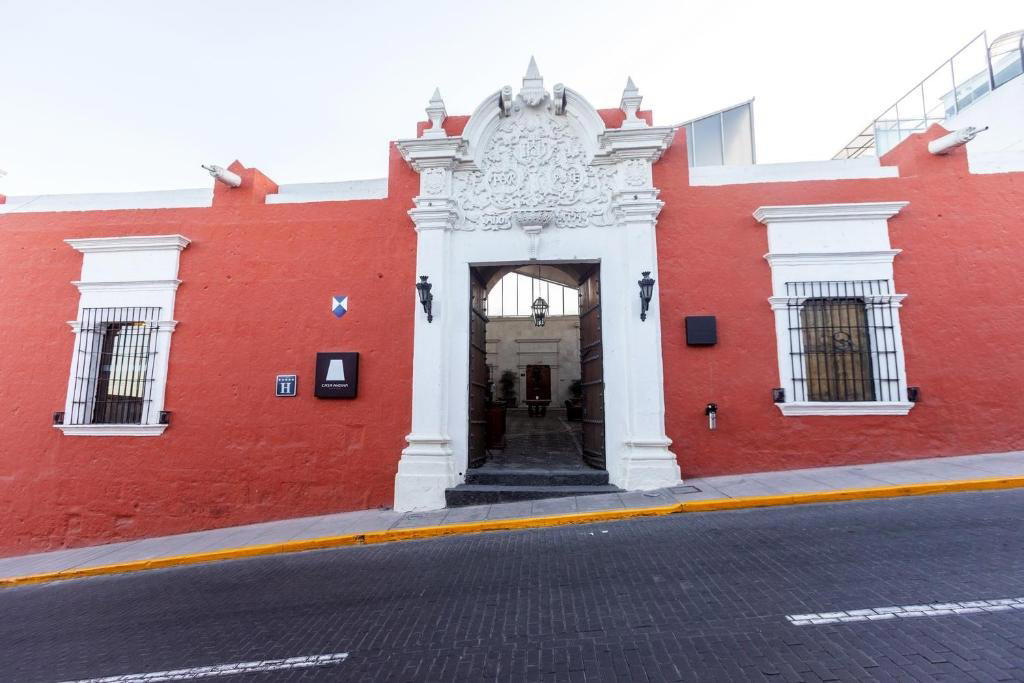
Refined and intimate fine‑dining setting within stone‑walled monastery spaces, combining contemporary minimalist design with warm lighting, cloistered courtyards, and a tranquil, romantic atmosphere.