Cielomar
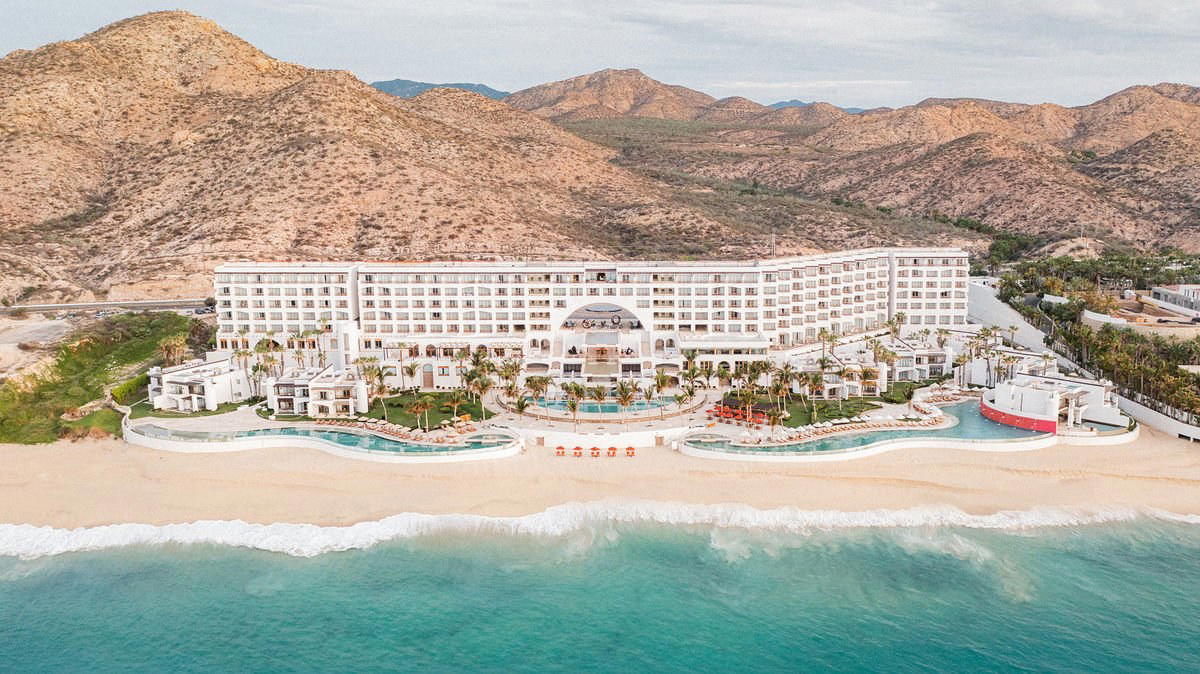
Positioned along the San José del Cabo malecón, Cielomar occupies one of the Zona Hotelera's more considered seafront settings, where the architecture and the water work together rather than compete. The restaurant sits within a broader dining scene that has pushed Baja California Sur into serious conversation with Mexico's leading coastal tables, making it a reference point for visitors tracking the region's culinary development.
Pearl is the En Primeur Club membership app — saves, bookings, and concierge access live there. Same editors, same standards.
- Address
- P.º Malecon San Jose Lote 8, Zona Hotelera, 23400 San José del Cabo, B.C.S., Mexico
- Phone
- +526241049999
- Website
- viceroyhotelsandresorts.com
- Directions
- Get directions
 Saves & bookings on Pearl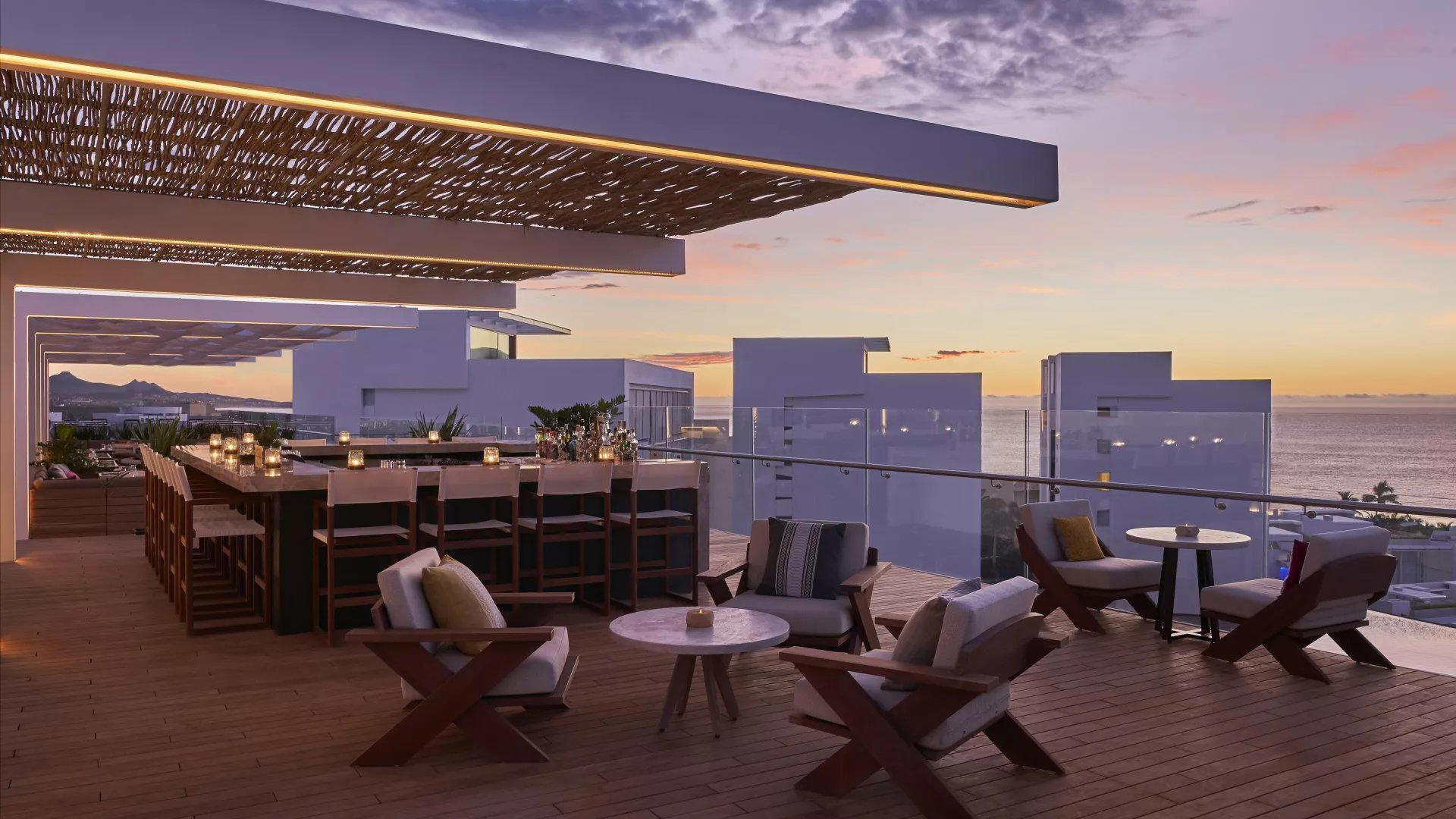
Where the Sea Becomes the Room
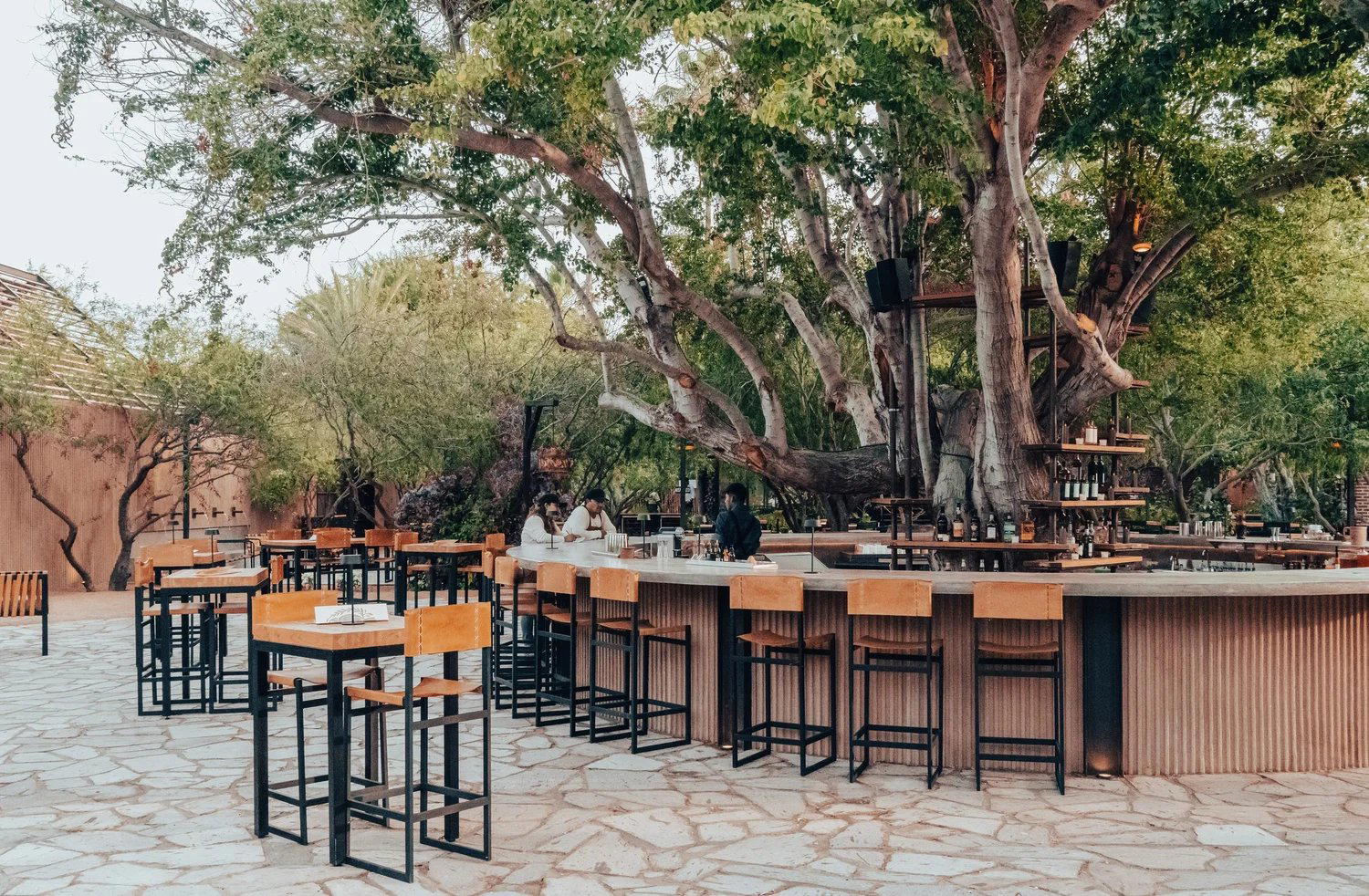
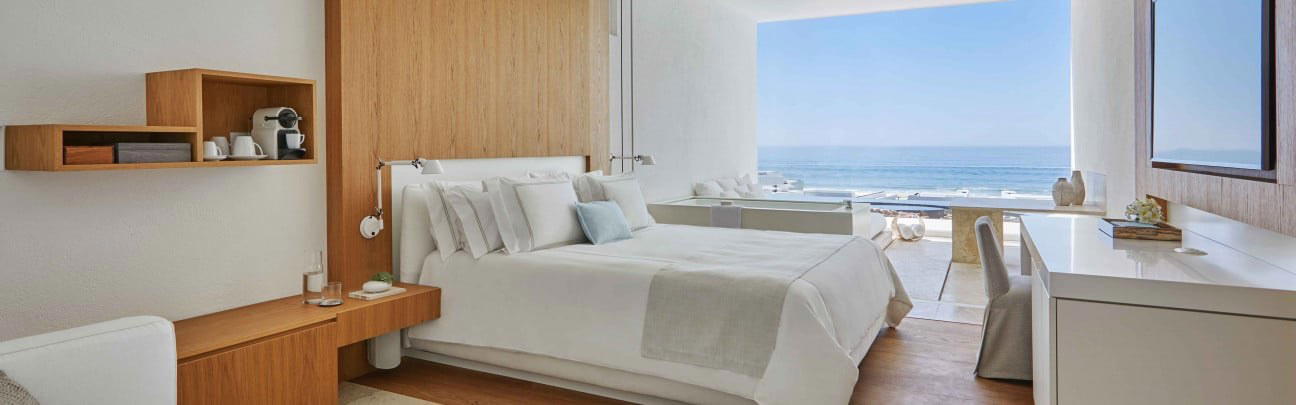
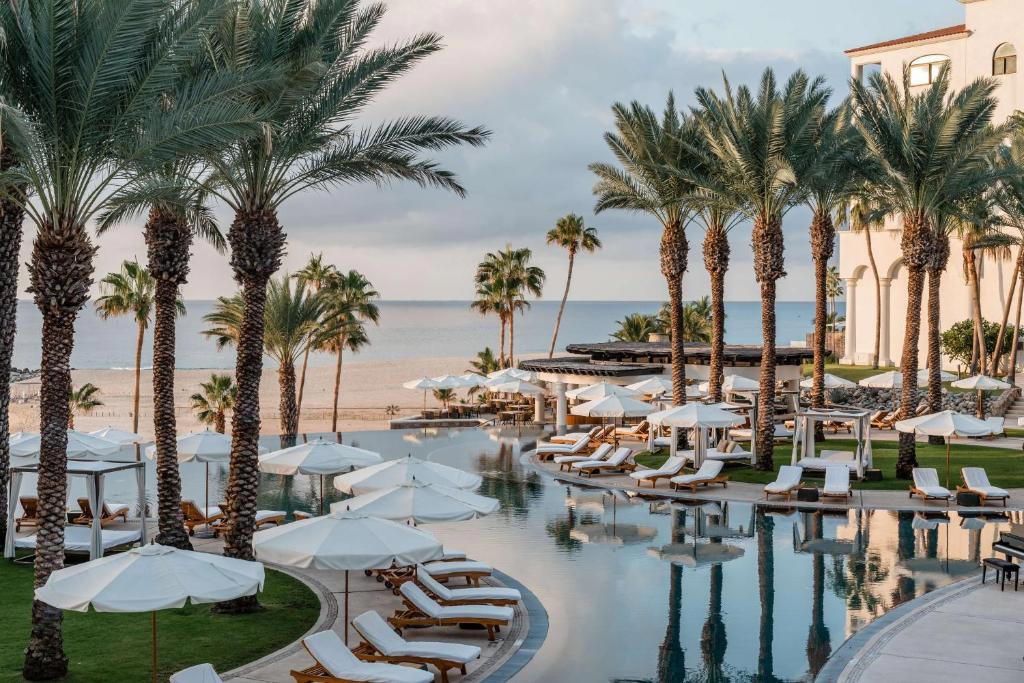
San José del Cabo's malecón has never been the brasher cousin of Cabo San Lucas's strip. The waterfront here operates at a different register: calmer, more architecturally considered, with the Sea of Cortez functioning less as backdrop and more as the dominant design element in every space that faces it. Cielomar, at Paseo Malecón San José Lote 8 in the Zona Hotelera, belongs to this tradition. The building's orientation toward the water is not incidental; it is the central spatial argument of the place.
In Baja California Sur's coastal dining scene, the physical relationship between interior and ocean view has become a meaningful differentiator. Properties that treat the Sea of Cortez as wallpaper have aged poorly against those where the sightlines, the materiality of the space, and the air itself feel connected to the geography outside. Cielomar's malecón address places it at the sharper end of that spectrum, where the water is close enough that the ambient light shifts through a meal and the horizon sits at eye level from most seating positions.
A Coastal Typology with Mexican Ambition
The dining category that Cielomar occupies in San José del Cabo is worth understanding in regional context. Baja California Sur has spent the last decade building a case as Mexico's most serious coastal food destination, not simply by applying European techniques to local seafood, but by treating the Pacific and the Cortez as distinct culinary systems with their own logic. This is the same regional confidence that drives destinations like Animalón in Valle de Guadalupe and Olivea Farm to Table in Ensenada, where Baja's producers and geography are the organizing principle rather than a decoration applied over imported ideas.
That confidence now extends south along the peninsula to Los Cabos, where malecón restaurants like Cielomar increasingly compete on conceptual terms with peer tables elsewhere in Mexico. The comparison set is no longer only local. When Mexico's serious restaurant conversation references coastal ambition, it includes addresses like Le Chique in Puerto Morelos and HA' in Playa del Carmen alongside the Baja corridor. The standard has moved, and the geography of the Sea of Cortez is part of what San José brings to that national conversation.
The Zona Hotelera in Dining Terms
San José del Cabo's Zona Hotelera operates as a distinct dining zone from the town's historic art district, which is where tables like Don Sanchez and Casero Restaurant anchor a walkable, gallery-adjacent scene. The malecón sits closer to the water and to hotel infrastructure, which shapes both who eats there and what the dining proposition needs to deliver. Guests arriving from the Zona Hotelera expect the setting to do significant work; they are paying for the coordination of food, view, and spatial experience as a single thing.
This is a more demanding brief than what most inland tables face. A restaurant like Awacate or Barbacoa De Vicky earns its place through the directness of its cooking and the authenticity of its format. A malecón address like Cielomar operates on the additional expectation that the architecture and the water amplify rather than dilute the food. That is a harder balance to maintain, and the places that achieve it in Baja's coastal strip tend to be those that treat the spatial design and the kitchen program as aspects of a single decision rather than separate departments.
For visitors building a wider San José itinerary, the contrast between the Zona Hotelera's waterfront tables and the town center's more grounded options is itself instructive. Bistro by Sebastien Agnes, Chambao Los Cabos Restaurante, and La Lupita Taco and Mezcal each represent a different mode of the city's current dining range. The full San Jose Del Cabo restaurants guide maps these categories against each other for readers planning multiple meals.
San José in the Broader Mexican Dining Frame
Positioning San José del Cabo within Mexico's restaurant conversation requires some precision. The city is not competing with the tasting-menu architecture of Pujol in Mexico City or the technical rigor of KOLI Cocina de Origen in Monterrey. What it offers is a coastal proposition that very few cities in Mexico can match: proximity to exceptional seafood from two separate bodies of water, a climate that allows outdoor dining for most of the year, and a built environment along the malecón that frames the experience in distinctly geographic terms.
That offer is closer in spirit to what Lunario in El Porvenir does with Valle de Guadalupe's wine country setting, or what Levadura de Olla Restaurante in Oaxaca does with deep regional identity: the place itself is load-bearing to the proposition, not merely decorative. At the international level, the comparison venues that manage this most effectively include tables like Le Bernardin in New York City, where the architecture of the room and the philosophy of the kitchen form a single argument, and Lazy Bear in San Francisco, where the spatial format is inseparable from the food program. These are different price tiers and different culinary traditions, but they share the premise that the room is a critical part of what the diner is buying.
San José's better coastal restaurants are working toward that integration. Cielomar's malecón position makes it a natural reference point in that progression, particularly for visitors whose frame of reference extends beyond the Los Cabos resort corridor to Mexico's wider serious dining geography. Parallel references in Mexico's finer dining tier include Pangea in San Pedro Garza Garcia and Alcalde in Guadalajara, both of which demonstrate that the country's regional dining scenes are increasingly capable of sustaining serious ambition outside the capital. Baja California Sur, with the Sea of Cortez as its primary asset, is making the same argument from a different geographic premise.
Planning a Visit
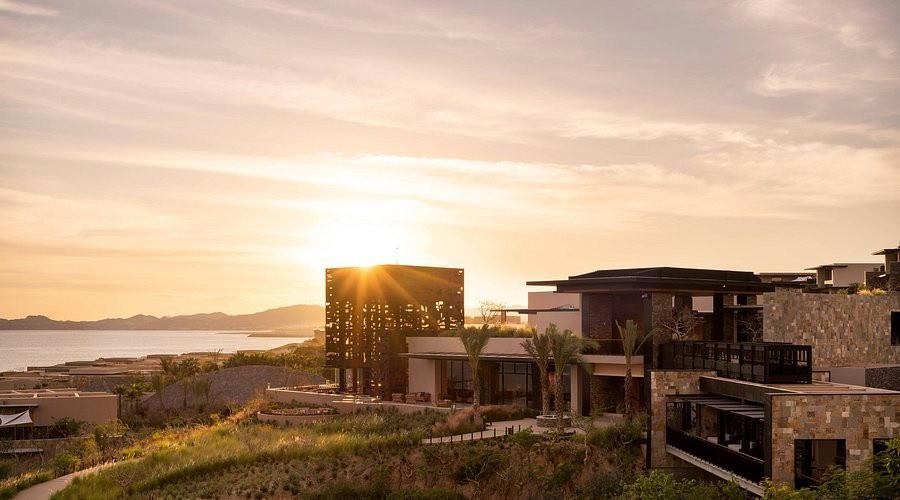
Cielomar sits on Paseo Malecón San José at Lote 8, in the Zona Hotelera, which places it within reach of the main hotel corridor but distinct from the walkable art district centered on Boulevard Mijares. Visitors staying along the Zona Hotelera strip can reach the malecón directly; those based in the town center will typically travel by taxi or rideshare. Sunset timing along this stretch of the malecón runs west-facing over the estuary rather than directly over the open ocean, which gives the light a different quality from the Pacific-side venues of Cabo San Lucas. For specific booking arrangements, current hours, or menu details, contacting the venue directly at the malecón address is the most reliable approach, as operational details for Zona Hotelera restaurants are subject to seasonal adjustment through the peak November to April window.
Continue exploring
More in San José del Cabo
Restaurants in San José del Cabo
Browse all →
Bars in San José del Cabo
Browse all →

At a Glance
- Romantic
- Elegant
- Scenic
- Sophisticated
- Date Night
- Special Occasion
- Rooftop
- Open Kitchen
- Panoramic View
- Terrace
- Hotel Restaurant
- Craft Cocktails
- Local Sourcing
- Waterfront
Current opening hours
- Monday
- 5:30–10 PM
- Tuesday
- Closed
- Wednesday
- 5:30–10 PM
- Thursday
- 5:30–10 PM
- Friday
- 5:30–10 PM
- Saturday
- 5:30–10 PM
- Sunday
- 5:30–10 PM
Hours can change for holidays and private events. Last verified .
Rustic warmth from wood-burning pizza oven under open sky with sweeping ocean vistas and lively sunset lighting.
Know Before You Go
- Getting there
- P.º Malecon San Jose Lote 8, Zona Hotelera, 23400 San José del Cabo, B.C.S., Mexico