Cicoria

Michelin Plate
Our verdict
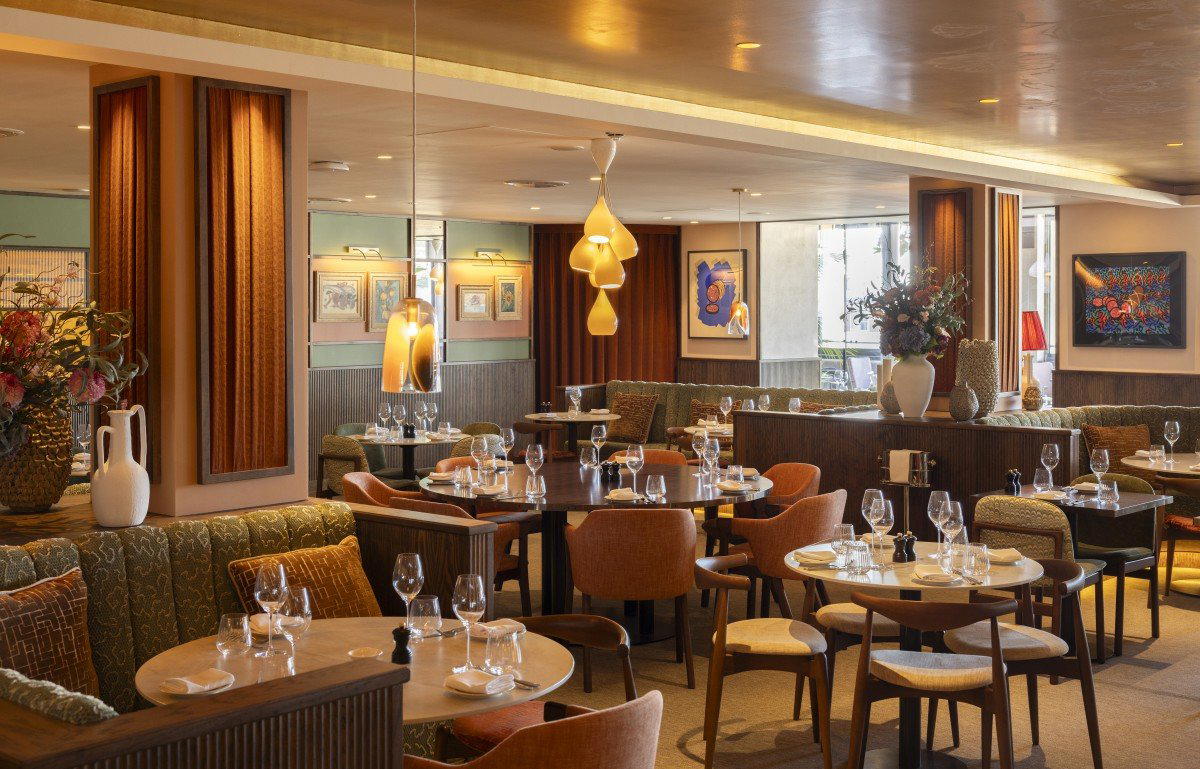
On the fifth floor of the Royal Opera House, Cicoria brings Angela Hartnett's classical Italian sensibility to one of Covent Garden's most arresting settings. The glass-enclosed terrace frames views across the rooftops toward the city skyline, while the kitchen delivers direct, confident cooking, unfussy preparations that land with the clarity the location demands. The lunch menu offers the sharper entry point.

Pearl is the En Primeur Club membership app, where members save venues, book tables and use the concierge.
The menu
What to order
- Crab Linguine
- Veal Ravioli
- Halibut
- Pork Belly
- Lemon Tart
A Room With Purpose: The Fifth Floor at the Royal Opera House
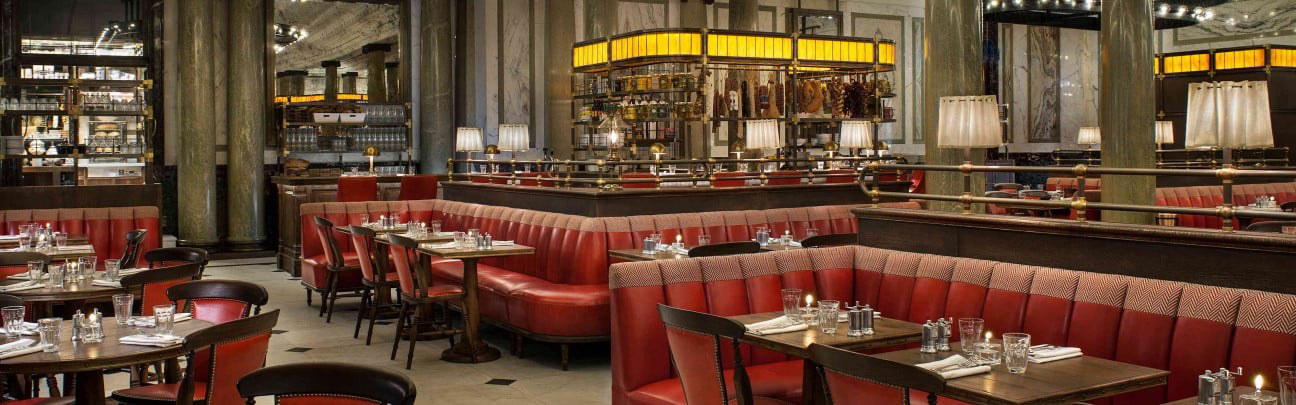
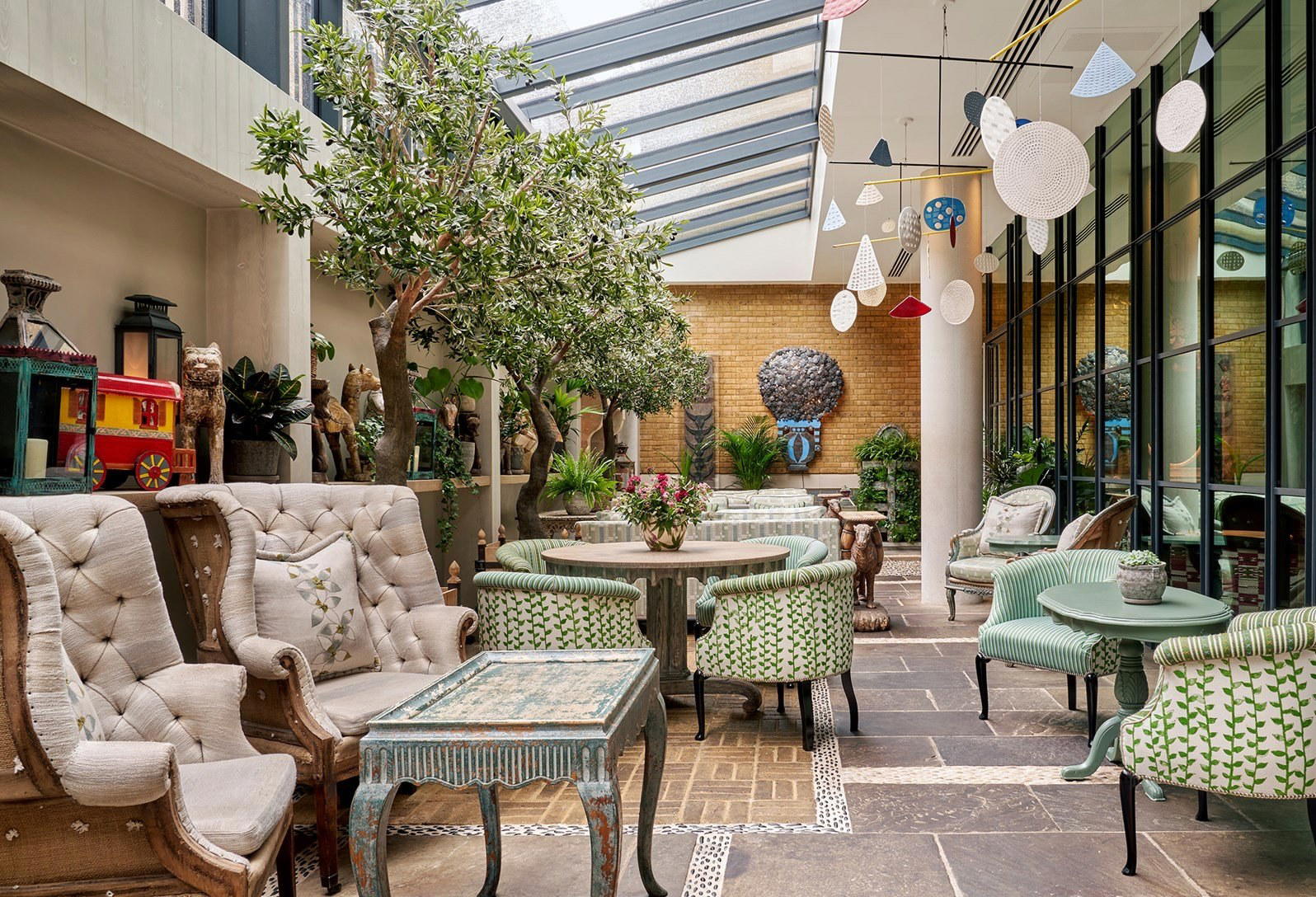
There are few dining rooms in London where the setting arrives before the menu. The fifth floor of the Royal Opera House is one of them. The glass-enclosed terrace looks out over Bow Street and the rooftops of Covent Garden, with the city skyline opening further beyond, a panorama that most restaurants in this city would anchor an entire identity around. Cicoria, to its credit, doesn't lean on the view alone. The room is a reason to visit; the cooking gives you a reason to return.
Covent Garden as a dining neighbourhood has shifted considerably in the past decade. Once dominated by tourist-facing brasseries and pre-theatre menus engineered for speed rather than quality, the area now holds a more mixed offer. Cicoria occupies a specific position in that mix: a restaurant inside a cultural institution, with genuine cooking credentials attached, operating at a price point below the city's £££££ tier while still drawing on serious culinary lineage. That combination is less common than it sounds.
The Kitchen: Italian Classicism Without Apology
The cooking here operates under Angela Hartnett's oversight, a chef whose formation at Gordon Ramsay's restaurants and subsequent work at Murano has placed her firmly in London's serious Italian-British culinary conversation for more than two decades. What that lineage produces at Cicoria is a set of dishes that resist elaboration for its own sake. Roasted cod with minestrone is the clearest example in the public record: a combination of lean fish, broth, and vegetable that works through balance rather than showmanship. The restraint is the point.
Italian classical cooking, as practiced at this level, tends toward clarity over complexity. It's a tradition that London's broader restaurant scene has historically undervalued relative to French or Japanese formats, but one that a handful of kitchens across the city now execute with real seriousness. Cicoria sits in that smaller group, positioned differently from the tasting-menu intensity of places like The Clove Club or the produce-first modernism of Ikoyi, and operating in a register that's closer to sustained, practised competence than to culinary provocation.
Lunch vs. Dinner: The Two Versions of Cicoria
The editorial angle here matters. Cicoria at lunch and Cicoria in the evening are not the same proposition, and the distinction is worth spelling out for anyone planning a visit.
At lunch, the value case is strong. The lunch menu is documented as offering genuine value relative to the setting and the cooking lineage behind it, an increasingly rare combination in central London, where a room with this view and this level of kitchen backing rarely prices at accessible midday rates. For visitors attending a matinée at the Opera House, or for those who want a proper meal in the area without committing to full evening pricing, the lunch service is the sharper entry point by a measurable margin.
The evening dynamic shifts. Dinner at the Royal Opera House addresses a different audience: pre-performance diners working to a curtain time, post-performance guests arriving late, and a broader Covent Garden crowd. The atmosphere in the glass terrace after dark, city lights beyond the windows, the building itself carrying the weight of its own history, is a different mood than the open afternoon light of a lunchtime service. Neither is inferior; they serve different purposes. But if the question is where Cicoria earns its strongest case as a dining destination rather than a convenience, the answer is lunch.
This mirrors a pattern visible across London's cultural-institution restaurants. At venues where the building provides the pull and the kitchen provides the credibility, daytime service tends to reward the more considered visitor. The evening brings volume and occasion; the afternoon brings proportion.
Where Cicoria Sits in the London Picture
London's upper-middle tier of Italian cooking is a contested space. The city has enough serious operators, from neighbourhood trattorias with strong wine programs to destination restaurants with tasting menus, that a kitchen needs a clear identity to register. Cicoria's identity is the combination of location, lineage, and format discipline. It doesn't attempt to compete with the tasting-menu intensity of CORE by Clare Smyth or the French classical weight of Alain Ducasse at The Dorchester. It occupies a different register entirely.
The comparison that makes most sense is not to the city's £££££ bracket but to the group of mid-to-upper London restaurants that combine genuine cooking credentials with a non-restaurant setting. In that frame, Cicoria holds its position well. For those exploring the broader range of serious cooking across England, the same editorial platform covers destinations as varied as Waterside Inn in Bray, L'Enclume in Cartmel, and Moor Hall in Aughton, each representing a different point on the spectrum from classical French tradition to progressive British tasting menus. Cicoria represents something else again: urban, Italian, occasion-ready, and grounded in a recognisable culinary idiom rather than a signature innovation.
For the full picture of what London's dining scene offers at this level, the EP Club London restaurants guide maps the broader field. Those planning a longer stay should also consult the London hotels guide, the London bars guide, and the London experiences guide for the wider picture.
Planning a Visit
Cicoria is located on the fifth floor of the Royal Opera House on Bow Street in Covent Garden, placing it a short walk from Covent Garden and Leicester Square tube stations. The restaurant is accessible without an opera ticket; the dining room and terrace operate independently of the performance schedule, though timing around shows naturally affects the rhythm of service. Booking ahead is advisable, particularly for lunch on performance days and for evening sittings that coincide with the Opera House calendar. The lunch menu is the format to prioritise for value; the terrace is the format to prioritise for the view. Those attending a performance should factor in curtain times when reserving, the kitchen operates within the constraints of the building's schedule, and late-arriving diners may find the evening service paced accordingly.
Frequently asked questions
Where do I go for Cicoria?
Cicoria is located at 5th Floor, Royal Opera House, Bow Street, Covent Garden, London.
What's Cicoria known for in terms of accolades?
Cicoria has received recognition including: Whether you’re here to see the tenors in action or not, it’s well worth stepping inside the stunning Royal Opera House for a meal at this chic Italian restaurant. Run under the auspices of Angela Hartnett, it’s perhaps no surprise that the ….
What dish is Cicoria famous for?
Roasted cod with minestrone is the preparation most consistently referenced in coverage of Cicoria. It represents the kitchen's approach well: classical Italian combinations executed without unnecessary complexity, letting the ingredients carry the dish.
How hard is it to get a table at Cicoria?
The Royal Opera House location generates consistent demand from both diners and opera-goers, which means the glass terrace seats overlooking Covent Garden fill quickly. Booking ahead is advisable, particularly for evening services that coincide with performances. The lunch menu tends to offer more availability and is flagged as strong value.
What makes Cicoria worth seeking out?
Three things converge: a glass-enclosed fifth-floor terrace with views across Covent Garden and the London skyline, Italian cooking overseen by Angela Hartnett whose work at Murano and the Ramsay group established a clear culinary direction, and a lunch menu that delivers meaningful value for the setting. The room alone justifies the reservation for many diners.
Is Cicoria good for vegetarians?
Italian classical cooking at Cicoria's level typically accommodates vegetarian diners through antipasti, pasta, and vegetable-led preparations. The kitchen's stated approach prioritises straightforward, ingredient-focused dishes, which tends to translate well to non-meat options. Confirming specific menu availability with the restaurant directly before booking is advisable.
The Short List
Comparable venues nearby, for context on price, style, and recognition.
| Venue | Cuisine | Price | Awards | Notes |
|---|---|---|---|---|
| CicoriaThis venue (the venue you are viewing) | Seasonal Italian (Emilia-Romagna) | $50–100 | Michelin Plate | Not listed |
| Archway | Modern Italian | $50–100 | Michelin Plate | Battersea, Modern Italian |
| Mezzogiorno by Francesco Mazzei | Southern Italian (Calabrian) | $50–100 | Michelin Plate | Whitehall, Southern Italian (Calabrian) |
| Cafe Murano | Authentic Italian Trattoria | Not listed | Not listed | Aldwych, Authentic Italian Trattoria |
| 50 Kalò | Authentic Neapolitan Pizza | $20–30 | 50 Top Pizza Europe #4 | Whitehall, Authentic Neapolitan Pizza |
| Gelupo Gelato | Soho, Artisan Italian Gelato | $1–10 | Not listed | Not listed |
Recognition history
Dated appearances from independent guides and award organizations, with the underlying list record or original source where available.
Michelin Plate
Michelin
Continue exploring
More in London
Restaurants in London
All restaurants in London →
Bars in London
All bars in London →
Hotels in London
All hotels in London →

Details
- Elegant
- Romantic
- Sophisticated
- Scenic
- Date Night
- Special Occasion
- Business Dinner
- Group Dining
- Terrace
- Panoramic View
- Historic Building
- Standalone
- Craft Cocktails
- Local Sourcing
- Skyline
- Street Scene
- A La Carte
- Set Menu
- Small Plates
- Wine
- Cocktails
- Vegetarian Friendly
- Vegan Options
- Gluten Free Options
- Allergy Accommodating
Current opening hours
- Monday
- 12–11 PM
- Tuesday
- 12–11 PM
- Wednesday
- 12–11 PM
- Thursday
- 12–11 PM
- Friday
- 12–11 PM
- Saturday
- 12–11 PM
- Sunday
- 12–9 PM
Hours can change for holidays and private events. Hours as of .
Polished yet warm atmosphere balancing the cultural institution's grandeur with the comfort of Emilia-Romagna inspiration; well-spaced tables with choice of inside dining or terrace seating; relaxed and unpretentious despite sumptuous decor.