Cibo
On SE Division Street, one of Portland's most competitive dining corridors, Cibo sits among a cohort of independently operated restaurants that define the city's approach to neighbourhood dining. The wine program is the clearest signal of intent here, framing what kind of room this is and who it is for. An address worth knowing for those who take their glass as seriously as their plate.
Pearl is the En Primeur Club membership app — saves, bookings, and concierge access live there. Same editors, same standards.
- Address
- 3539 SE Division St, Portland, OR 97202
- Phone
- +15037195377
- Website
- opentable.com
- Directions
- Get directions
 Saves & bookings on Pearl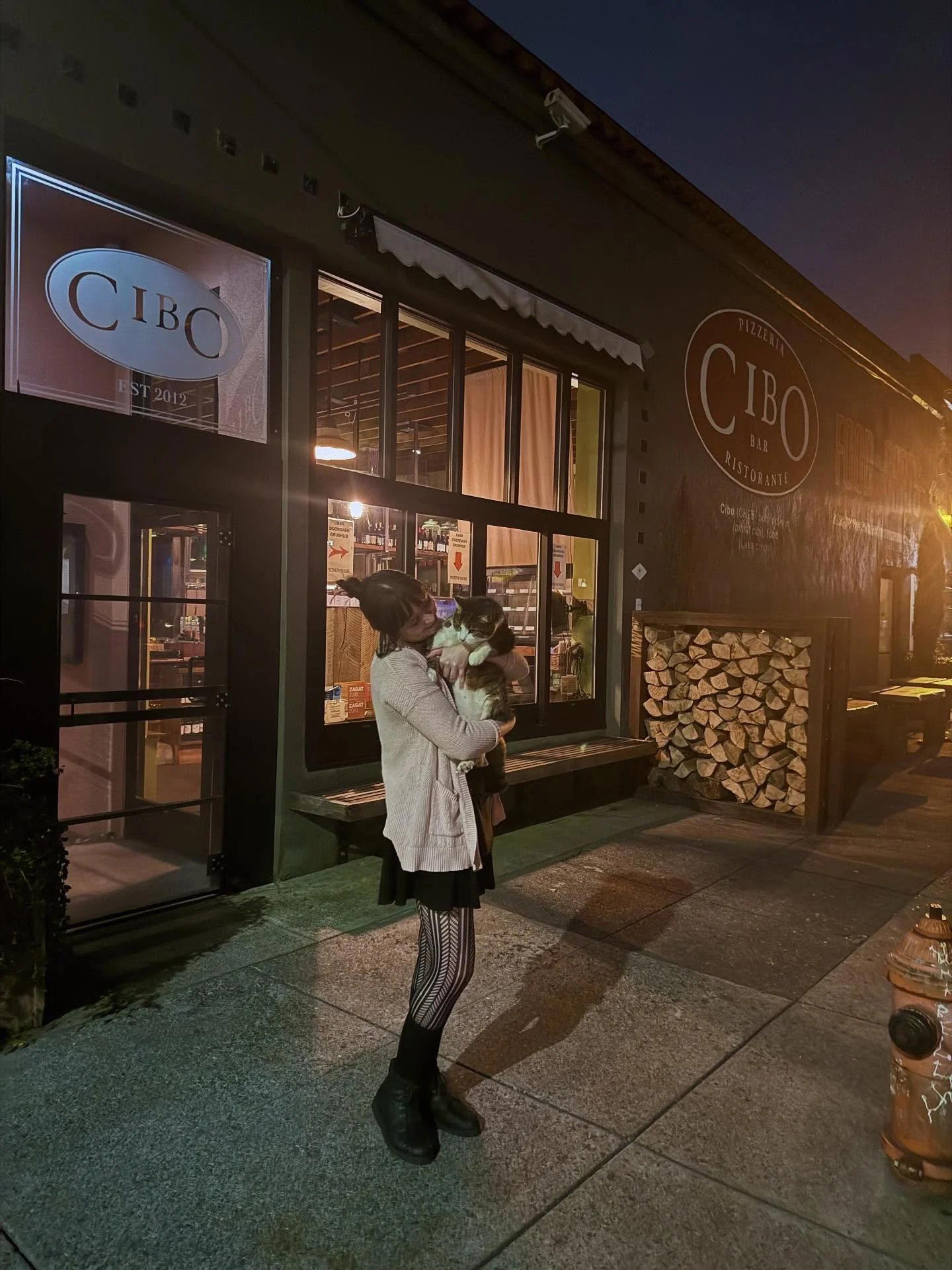
SE Division and the Discipline of the Neighbourhood Restaurant
SE Division Street has become one of Portland's most closely watched dining corridors over the past decade, drawing a concentration of independent operators whose ambitions consistently exceed their square footage. The strip runs through the Hosford-Abernethy neighbourhood and attracts both destination diners and committed locals, which creates a particular kind of competitive pressure: restaurants here must earn repeat business from people who walk past the door every day. That context matters when assessing Cibo at 3539 SE Division St. Cibo is a neighborhood Italian restaurant with wood-fired pizza in Portland, priced around $25 per person. It is not operating in a vacuum of hospitality good intentions. It is operating in a street-level market where the room next door is also trying hard.
Portland's independent restaurant culture has long leaned toward specificity over breadth. Where other American cities built their dining identities around flagship fine-dining addresses, Portland developed a distributed model: dozens of focused, mid-sized rooms running tight menus with well-chosen producers. That tendency is most visible on corridors like Division, where you find Nostrana holding the Italian anchor and Langbaan operating its Thai tasting format with a reservation list that runs weeks ahead. Cibo enters that conversation from its own angle, and the wine program is the clearest place to read its intent.
Reading the Room Through the Wine List
In Portland's independent dining scene, a wine list does more editorial work than almost any other element of a restaurant. The city has a disproportionately engaged wine-drinking public relative to its size, shaped in part by proximity to the Willamette Valley and decades of proximity to Oregon Pinot Noir as a benchmark. That proximity has made Portland diners literate in production philosophy: they know the difference between a list built on allocated small-production bottles and one assembled from distributor convenience. They notice when a restaurant holds back something worth holding back.
Cibo's position on SE Division places it in the tier of restaurants where the wine program functions as a second kitchen. The leading rooms in this category use the list to extend the logic of the food, creating a through-line between what arrives on the plate and what arrives in the glass. That approach aligns with a broader West Coast shift away from trophy-wine formats toward sommeliers who build lists around complementarity and accessibility rather than prestige signalling. For context, the same philosophy animates the cellar programs at places like Lazy Bear in San Francisco and Smyth in Chicago, though those rooms operate at higher price points and with more formal tasting structures. Division Street demands a version of that thinking that can also serve a Tuesday-night regular.
What matters about a wine list at this tier is not depth for its own sake. It is whether the curation reflects an active point of view, and whether that point of view is consistent across producers, regions, and price points. A list that has thought carefully about its by-the-glass offering signals something particular: it means the room expects its guests to drink without a full bottle commitment, which shapes the entire rhythm of the meal. Portland's better neighbourhood rooms have understood this for years. The glass pour is not the fallback; it is the feature.
The Division Street Competitive Set
Understanding where Cibo sits requires placing it against its immediate peers. Division Street is not a monolithic dining corridor. It contains formats ranging from counter-service pizza to prix-fixe-only tasting rooms, which means that any individual restaurant is competing on a narrower dimension than geography alone. The relevant comparable set for a room with wine-program ambitions on this block includes restaurants that have defined themselves through list curation, producer relationships, and service that can hold a conversation about what is in the glass without becoming a lecture.
Locally, that cohort includes Berlu, which has built a following through its Vietnamese-inflected cooking and a beverage program that takes natural wine seriously, and Kann, where the Haitian kitchen and the drink list operate with a coherence that has drawn sustained attention from outside Oregon. Ken's Artisan Pizza anchors the more casual end of the same neighbourhood sensibility. Each of these rooms has developed an identity that extends beyond the food itself, which is the standard Cibo is measured against.
At the national level, the rooms that define what a serious neighbourhood wine program can achieve include Providence in Los Angeles, Addison in San Diego, and Le Bernardin in New York City, though those are formal fine-dining addresses operating at a different scale and price tier. More instructive comparisons might be Blue Hill at Stone Barns or Single Thread Farm in Healdsburg, which have built wine programs that reflect a specific geographic and agrarian point of view. That kind of rootedness is what the leading Division Street rooms aspire to, and what distinguishes a wine list with conviction from one that merely has options. You can also look at rooms like Atomix in New York City, The Inn at Little Washington, Emeril's in New Orleans, The French Laundry in Napa, and Atelier Moessmer Norbert Niederkofler in Brunico for a sense of how wine curation at different price tiers signals intent across the full range of serious dining rooms.
Approaching the Address
SE Division between 30th and 39th runs dense with storefronts, most of them independent and most of them lit from within in a way that rewards walking rather than driving. The neighbourhood has a particular quality in the early evening: foot traffic from people who live within ten blocks and have come to treat the strip as their extended pantry and dining room. That familiarity is part of what a restaurant on this block inherits, and part of what it must earn. The room you enter is already known to its neighbourhood, which means the work of impressing is done not on the first visit but on the third.
The corridor is most rewarding when approached without a fixed agenda: the density of options means that even if your primary destination has a wait, the alternative two doors down is worth the adjustment. That flexibility is a feature of neighbourhood dining that larger destination rooms cannot replicate.
A Tight Comparison
Comparable venues nearby, for context on price, style, and recognition.
| Venue | Cuisine | Price | Notes |
|---|---|---|---|
| CiboThis venue — the venue you are viewing | Not listed | $$ | Not listed |
| Mama Mia Trattoria | Downtown, Traditional Italian Trattoria | $$ | Not listed |
| Caffe Mingo | Nob Hill, Simple Italian Trattoria | $$ | Not listed |
| DAME | Not listed | $$ | Concordia, Seasonal Italian with Natural Wines |
| 3 Doors Down Cafe & Lounge | SE Portland, Italian Trattoria | $$ | Not listed |
| Scottie's Pizza Parlor | Not listed | $$ | Hosford-Abernethy, New York- and Neapolitan-Style Pizza |
Continue exploring
More in Portland
Restaurants in Portland
Browse all →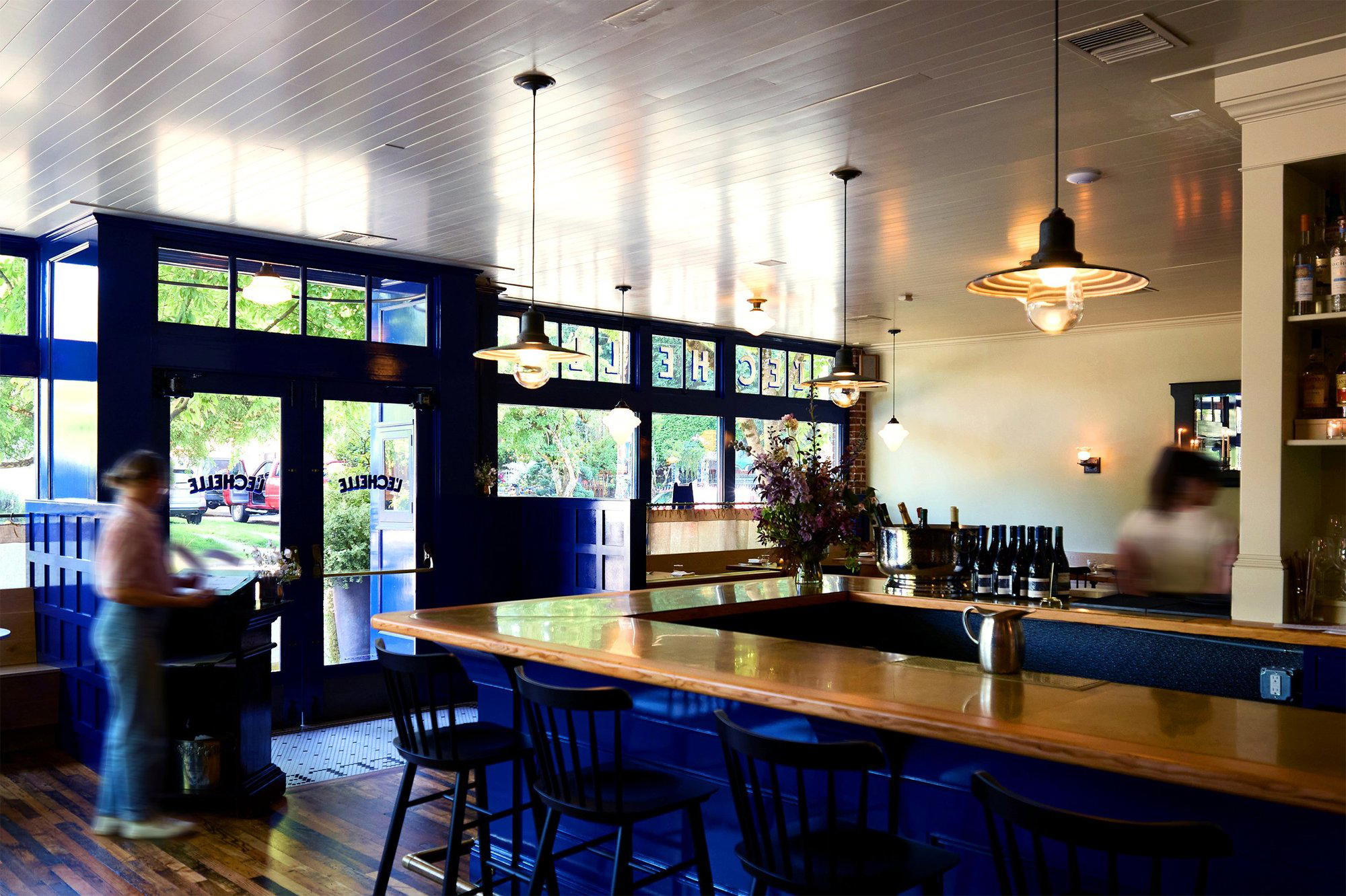
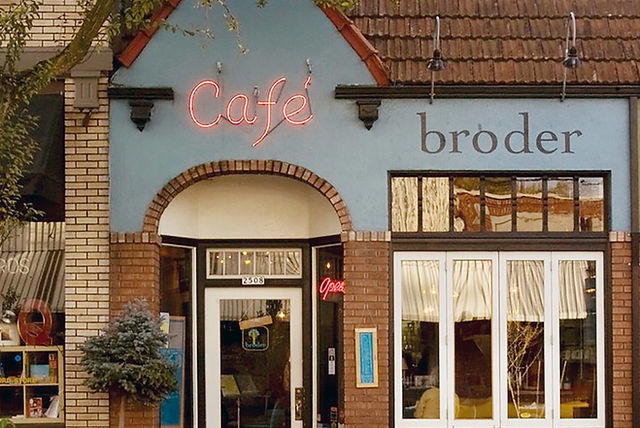
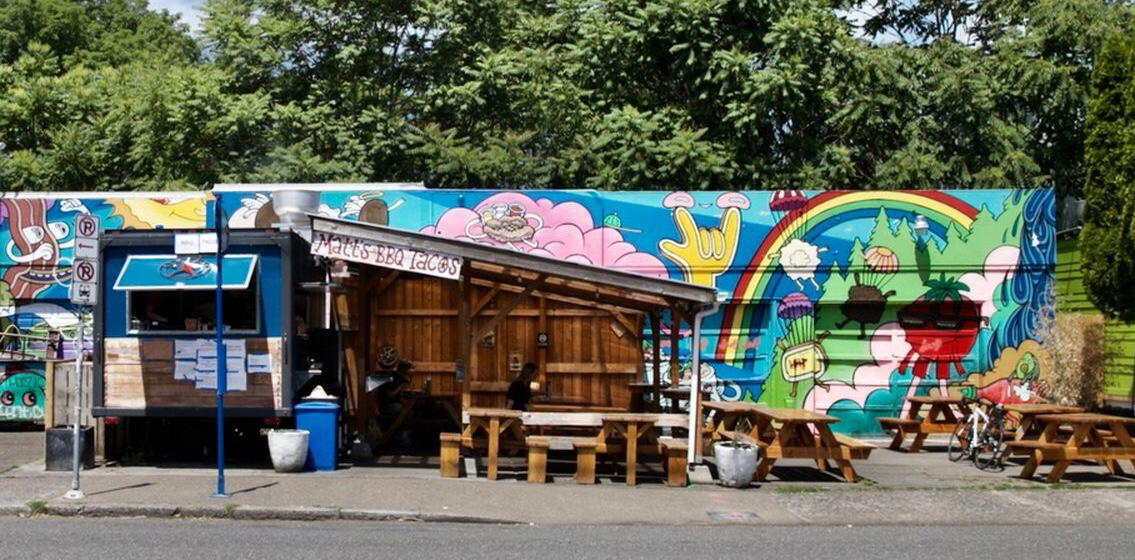
Bars in Portland
Browse all →
Hotels in Portland
Browse all →

At a Glance
- Cozy
- Warm
- Intimate
- Group Dining
- Casual Hangout
- Open Kitchen
- Craft Cocktails
Current opening hours
- Monday
- 5–10 PM
- Tuesday
- 5–10 PM
- Wednesday
- 5–10 PM
- Thursday
- 5–10 PM
- Friday
- 5–10 PM
- Saturday
- 5–10 PM
- Sunday
- 5–10 PM
Hours can change for holidays and private events. Last verified .
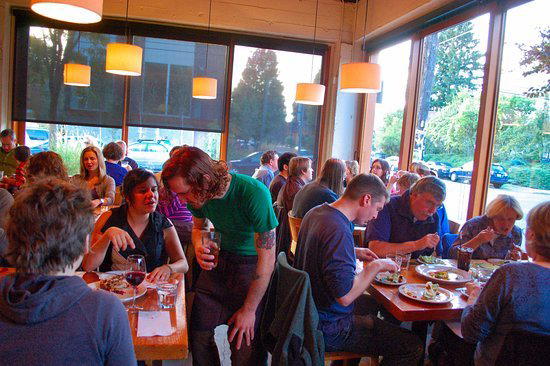
Warm and inviting space featuring red leather booths, wraparound windows, and an open kitchen.