
Chuka Soba Mugiemon places rural Hyogo ramen in a serious regional frame: a compact, counter-friendly shop in Ibo-gun with repeated Tabelog Ramen WEST 100 selection from 2017 through 2025. The draw is not luxury coding, but disciplined everyday ramen and donburi in a low-price bracket that rewards travelers who plan beyond station-front dining.
Pearl is the En Primeur Club membership app — saves, bookings, and concierge access live there. Same editors, same standards.
- Address
- 496-1 Ikaruga, Taishi, Ibo District, Hyogo 671-1561, Japan
- Phone
- +81 90-9549-8121
- Website
- twitter.com
 Saves & bookings on Pearl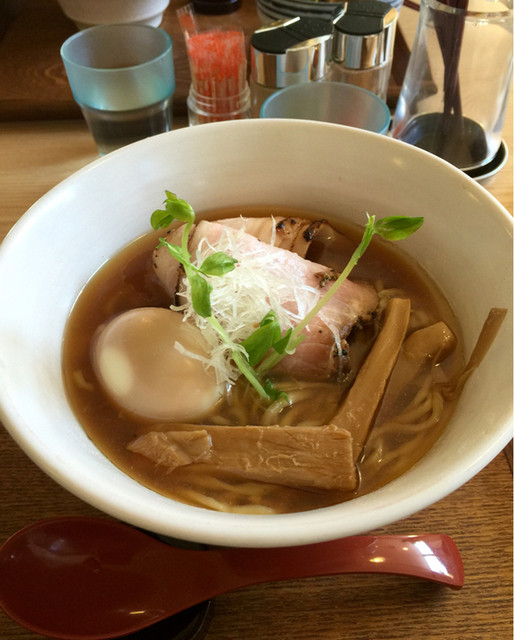
Approach ramen in Ibo-gun and the tempo changes. This is not Tokyo’s late-night neon grammar or central Osaka’s tourist-speed noodle crawl. The rhythm is daytime, local, practical: a short service window, small room, counter seating, family use, and rural Hyogo surroundings where a bowl must justify the trip rather than coast on foot traffic. Chuka Soba Mugiemon belongs to the ramen-shop category whose seriousness is measured less by spectacle than by repeat recognition, limited capacity, and consistency across years.
Hyogo ramen often sits behind Kobe beef, Himeji day trips, and Setouchi seafood, but western Japan’s ramen map is broader than big cities. Tabelog’s Ramen WEST 100 has included Chuka Soba Mugiemon every year from 2017 through 2025, a useful signal because regional lists reward shops that sustain local demand over time rather than chase one viral season. In a category where broth, tare, noodle texture, and sourcing create narrow but meaningful differences, that continuity matters.
Rural Hyogo ramen, judged by discipline rather than theatre
The editorial case is ingredient logic. Chuka soba, as a style, asks less for maximal richness than balance: broth clarity or depth, seasoning that holds the bowl together, and noodles that suit the soup rather than dominate it. The listed categories, ramen and donburi, place it in a practical Japanese lunch tradition built around a focused kitchen, not a sprawling menu. That restraint is part of the appeal. In regional shops, fewer lanes can increase pressure on execution, because regulars return for the same core proposition.
Chuka Soba Mugiemon’s 20-seat format reinforces that reading. Counter seating keeps the meal close to the kitchen’s pace, while the room also accommodates families and friends rather than behaving like a hushed specialist counter. For travelers, that distinction matters. Some acclaimed ramen rooms in Japan feel almost ceremonial; this one reads as a local dining room with serious credentials. Its Tabelog score of 3.69 and repeated Ramen WEST 100 inclusion place it above ordinary neighborhood convenience without pushing it into luxury-restaurant behavior.
The sourcing angle in ramen is often invisible because the ingredient work dissolves into the bowl: stock materials, seasoning base, fat, noodles, and rice for side dishes register through proportion rather than named provenance. That makes award continuity a more reliable public signal than florid menu claims. A shop can advertise premium components once; maintaining regional recognition for nearly a decade requires a repeatable supply chain and a kitchen system that turns those inputs into the same standard daily.
A low-price bracket with serious regional recognition
Japan’s ramen economy resists the usual luxury equation. A nationally respected bowl can sit closer to a weekday-lunch price than a tasting menu, and that gap is part of the culture’s force. The restaurant is listed in the sub-¥999 range, with review-based spend also pointing to ¥1,000 to ¥1,999. That differs from higher-spend regional dining such as Rishin, listed at ¥10,000 to ¥14,999 for dinner, and sits closer in price logic to casual local stops such as Bakery Lamp or Cafe Domusshu Himeji ten.
Comparison needs care: a ramen shop is not competing with a bakery, café, or beef counter on format. The useful comparison is behavioral. In this part of Hyogo, dining choices range across low-cost everyday rooms, station-area convenience, and destination meals needing more time and budget. Eiyo Ken Himeji ekimae ten sits in a more station-oriented price pattern, while Kushiyaki Kobe beef signals another meal category altogether. The restaurant’s advantage is sharper: it gives ramen travelers a reason to leave the default Himeji corridor without turning lunch into a formal expedition.
For wider Japan itineraries, the distinction is familiar. The country rewards narrow specialists, from curry counters to sake bars, and the strongest trips often pair one destination meal with several compact, craft-led addresses. EP Club’s Japan listings cover that spread, including [Curry Senmon Ten] Maruyama Kyoju. in Sapporo, [ki:] in Kyoto, 1/3 HAMBURGER FACTORY in Kanazawa, 1000 in Yokohama, and 1000mヒュッテ 1000m Hut in Kutchan. The point is not sameness; it is Japan’s habit of building excellence through tight formats.
How to plan it into an Ibo-gun food day
The planning logic is simple: treat this as a daytime ramen stop, not a flexible all-day fallback. Reservations are unavailable, the shop closes Tuesdays and Wednesdays, and service is listed for lunch hours on the remaining days. Payment is old-school, with credit cards, electronic money, and QR code payments unavailable, so bring cash. Transport is equally specific: Ikaruga bus stop is close, but buses are infrequent; from Aboshi Station, the walk is substantial, while rental bicycles are noted from the north-exit bicycle parking area.
That friction is part of the editorial filter. Travelers staying in central Himeji may find easier noodles, but easier is not the same as more instructive. This place clarifies how regional ramen reputation works outside the tourist center: repeat local demand, modest pricing, small seating capacity, and recognition from a Japan-specific dining platform rather than international guidebook glamour. For a broader Ibo-gun plan, start with Our full Ibo-gun restaurants guide, then add the practical side through Our full Ibo-gun hotels guide, Our full Ibo-gun bars guide, Our full Ibo-gun wineries guide, and Our full Ibo-gun experiences guide.
Readers building a Japan-and-beyond food file can triangulate this focused stop against other compact formats: -Grilled beef Sukiyaki- KAMAKURA TANUKIAN 鎌倉 たぬき庵 in Kamakura. 鮪と炭火焼き うお炭 秋葉原店 in Tokyo.cafe in Osaka.know in Kumamoto, (Shoku) Vietnam in Kawasaki, #肉といえば松田 奈良本店 in Kashihara, Jōdo Saké Bar in Los Angeles, and Onigiri Time in Pasadena. The restaurant earns its place because it shows how a modest bowl can carry regional authority when the format is tight and recognition has held over time.
How It Stacks Up
Comparable venues by cuisine and price in the same metro.
| Venue | Cuisine | Price | Notes |
|---|---|---|---|
| Chuka Soba MugiemonThis venue — the venue you are viewing | Ramen / Chuka soba shop | $ | Not listed |
| ラーメン にっこう 本店 | Chicken Pottage Ramen | $ | 宇尾町 |
| ラーメン亭「十五夜」 | Japanese Ramen | $ | Kushiro |
| らぁめん道 あさひ食堂 | Traditional Hokkaido Miso Ramen | $ | 上川町 |
| Chitose Udon | Osaka Nikusui Udon | $ | Namba |
| ひろめで安兵衛 | High Kochi Yatai Gyoza | $ | 帯屋町 |
Recognition history
Dated appearances from independent guides and award organizations, with the underlying list record or original source where available.
Tabelog 100 #17 · No. 17
Tabelog · Tabelog 100 - Ramen - WEST - 2025
Continue exploring
More in Ibo-gun
Restaurants in Ibo-gun
Browse all →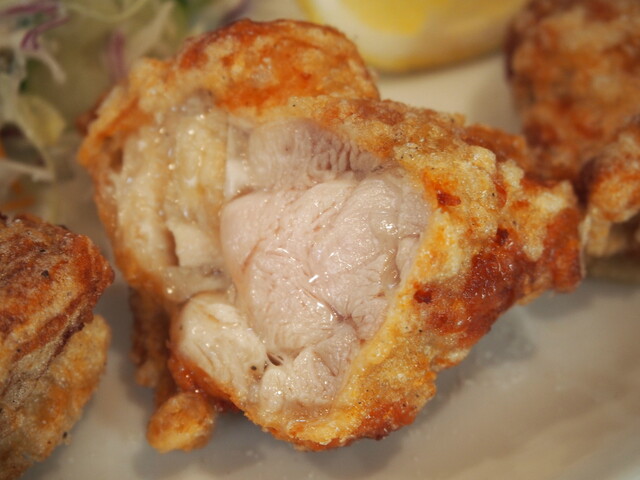
Hotels in Ibo-gun
Browse all →
Wineries in Ibo-gun
Browse all →
At a Glance
- Cozy
- Classic
- Solo
- Casual Hangout
- After Work
- Standalone
- Local Sourcing
Current opening hours
- Monday
- 11:30 AM–3 PM
- Tuesday
- Closed
- Wednesday
- Closed
- Thursday
- 11:30 AM–3 PM
- Friday
- 11:30 AM–3 PM
- Saturday
- 11:30 AM–3 PM
- Sunday
- 11:30 AM–3 PM
Hours can change for holidays and private events. Last verified .
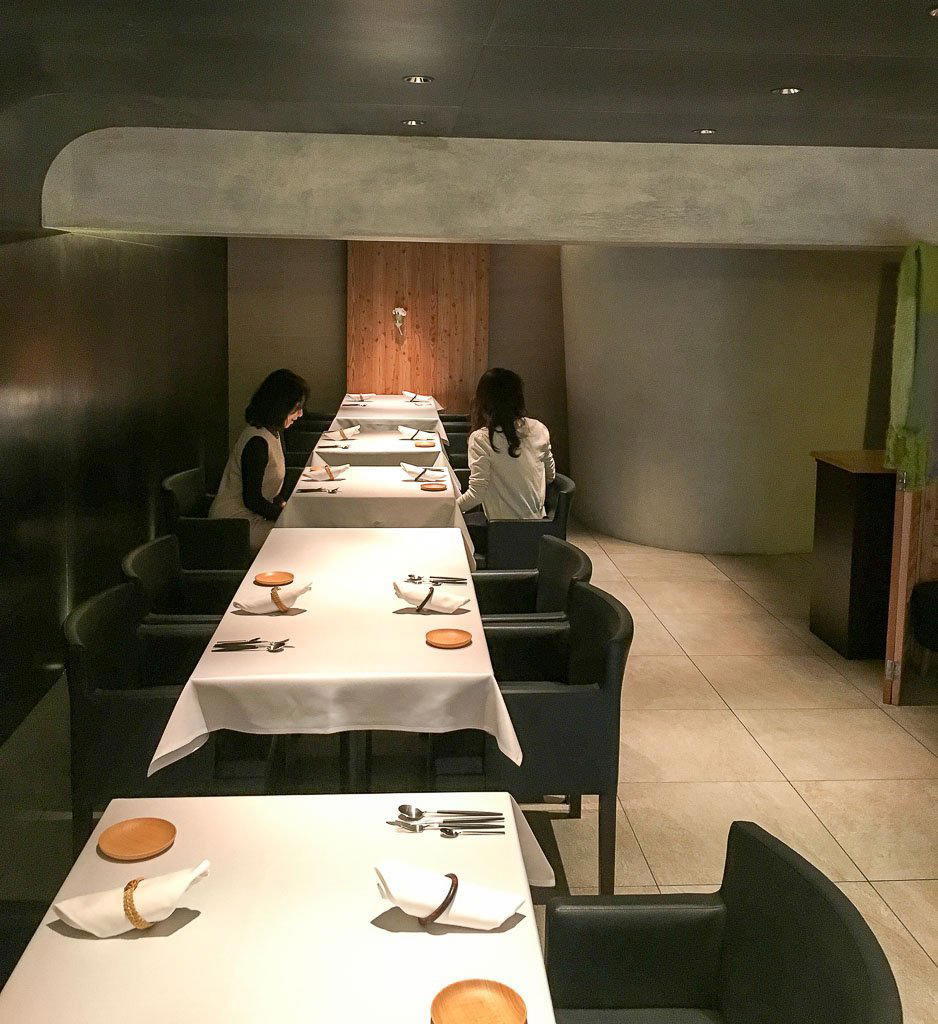
A modest, independently run ramen shop with an updated practical interior (including a reinforced commercial floor) that feels homely and low-key, emphasizing comfort and attentive bowl-by-bowl preparation rather than design spectacle.