
Tabelog 100 #28
Our verdict
Chuka Dining Hanabi gives Gifu’s Chinese dining scene a compact, ingredient-led address with national recognition from Tabelog’s Chinese EAST 100 selection in 2023, 2024, and 2026. Its appeal sits in the gap between everyday neighborhood Chinese restaurants and formal banquet rooms: small scale, no private-room theatrics, and a price band that keeps the cooking within reach.

Pearl is the En Primeur Club membership app, where members save venues, book tables and use the concierge.
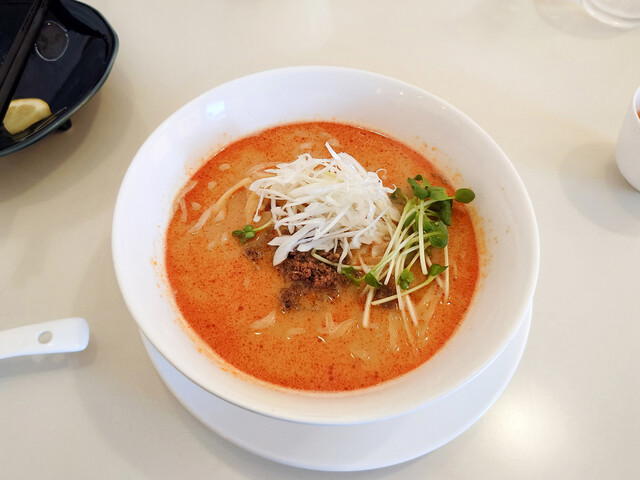
The menu
What to order
- Chinese congee
- Radish cake
- Soupless dandan noodles
Kitajima is not the stage set many travelers imagine when they think of destination Chinese cooking in Japan. The appeal here is quieter: a low-rise Gifu neighborhood, a room scaled for close-range service, and a kitchen working in the register of Japanese chuka, where Chinese technique has long been filtered through local shopping patterns, lighter seasoning instincts, and the rhythms of lunch and dinner trade. Chuka Dining Hanabi belongs to that category of restaurant where the argument is not grandeur, but discipline.
That matters in Gifu, a city better known to visitors for cormorant fishing on the Nagara River, castle views, and the surrounding mountain-to-plain pantry than for a dense Chinese restaurant circuit. In regional Japan, serious chuka often lives outside hotel dining rooms and metropolitan luxury formats. The stronger addresses tend to be modest in scale, dependent on repeat local custom, and judged less by spectacle than by how cleanly they handle heat, texture, oil, and seasoning across familiar categories. Hanabi’s selection for Tabelog Chinese EAST 100 in 2023, 2024, and 2026 places it in that wider eastern Japan conversation rather than only in the local lunch rotation.
Regional chuka, measured by restraint rather than ceremony
Chinese food in Japan is not a single category. There is banquet Chinese, ramen-shop Chinese, gyoza-and-beer Chinese, and the more focused neighborhood dining-room style that treats stir-fry, noodles, rice dishes, and set meals as a test of balance. Gifu’s version tends to reward utility: accessible pricing, parking-friendly locations, and menus that work for solo diners as well as small groups. In that context, recognition from a national restaurant platform is a useful signal because it separates competent local comfort from kitchens with sharper execution.
The ingredient-sourcing angle is important precisely because this is not a luxury tasting-menu format. Gifu sits between river country, agricultural plains, and mountain foodways, and restaurants operating at this level often depend on freshness and turnover rather than rare products. The cooking has to justify itself through timing and sourcing discipline: vegetables need snap, sauces cannot flatten everything into sweetness, and proteins must be handled with enough care to survive high heat without feeling heavy. Nothing in the public menu information calls out a single flagship ingredient, so the more reliable reading is format-based: a small Chinese kitchen in Gifu lives or dies by procurement consistency and repeatable technique.
Compared with nearby Gifu names such as Rikidou, Kochouan Semba, たか田 八祥, Soba Kura Tomi, and Sakana, this restaurant occupies a different lane. Those references show how broad the city’s serious casual dining range is, from noodle and soba formats to Japanese dining rooms, while Hanabi anchors the Chinese side of the map. The relevant comparison is not with Tokyo hotel Chinese, where room polish and wine lists can dominate the bill, but with regional specialists that win loyalty through concentration, value, and a kitchen that can deliver detail without ceremony.
A small room changes the stakes
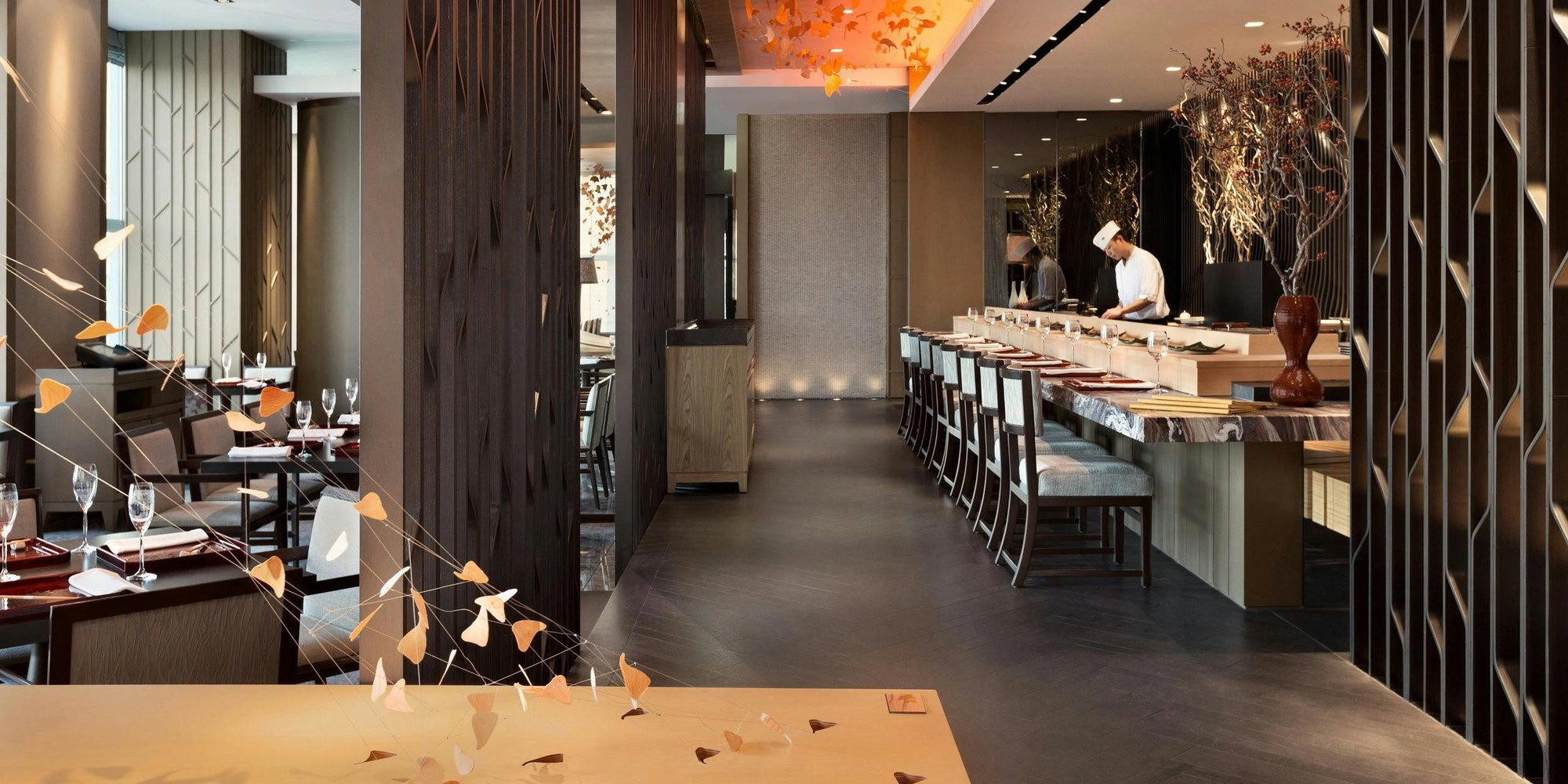
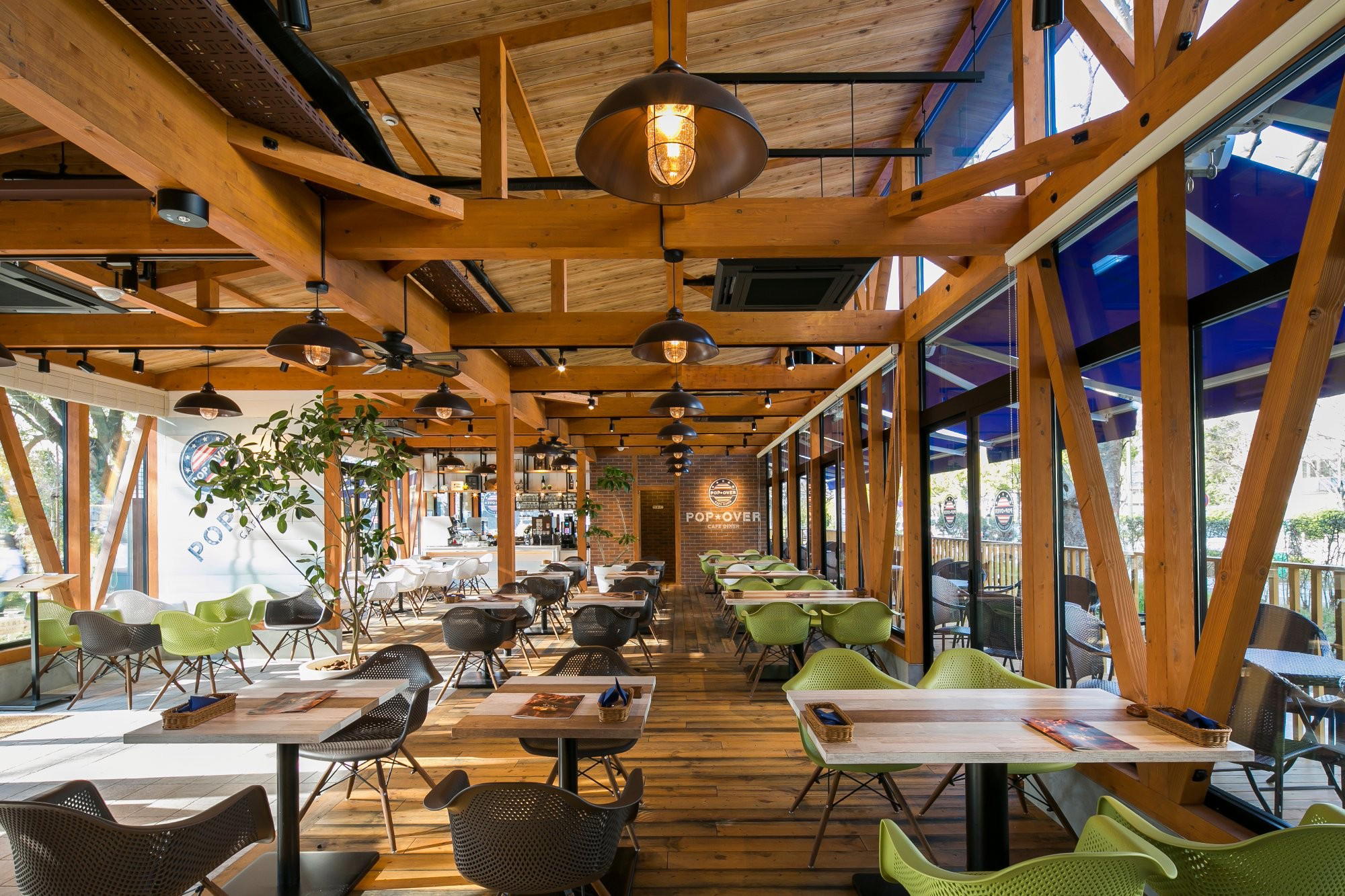
The restaurant’s 18-seat scale is not incidental. Small rooms in Japan can sharpen accountability: the kitchen cannot hide behind banquet pacing, and the dining room cannot absorb uneven service through anonymity. Counter seating and sofa seating point to a hybrid room, neither austere chef’s counter nor family-style hall. That is the practical shape of much regional dining, where a restaurant must suit weekday lunches, solo meals, and small-group dinners without turning itself into an occasion-only address.
The same scale also explains why this kind of restaurant can feel more serious than its price band suggests. At a compact Chinese dining room, the technical demands arrive quickly: wok timing, sauce reduction, fried textures, noodle handling, and rice work all require precision, but the bill cannot lean on luxury cues to explain itself. This is where Hanabi’s Tabelog score of 3.60 and repeat Chinese EAST 100 selections become meaningful. They do not make the restaurant formal; they suggest that a modest-format room has been judged against a much wider field and held its place.
For travelers building a Gifu itinerary, that distinction is useful. A city meal does not always need to chase ceremonial dining. Sometimes the smarter booking is the place that shows how locals actually eat when quality matters but formality does not. The room is non-smoking, private rooms are not part of the setup, and the family guidance is blunt enough to shape expectations: this is a better fit for adults, solo diners, and patient small groups than for a rushed family meal with children who need a separate menu.
How to place it in a Gifu dining day
Hanabi works well as a lens on Gifu’s middle tier: serious enough to carry national recognition, informal enough to sit naturally inside a day of regional travel. That is a useful category in Japan, where travelers often overcorrect toward either train-station convenience or trophy dining. The city’s stronger food experiences sit between those poles, especially when the restaurant reflects local demand rather than inbound-tourism performance.
It also makes sense alongside other Gifu planning. For a broader read on the city’s dining circuit, start with Our full Gifu restaurants guide, then compare the neighborhood range through Aka Renga, Akane Ya, and Belle Equipe (French). Drinking plans sit better in a separate track: Our full Gifu bars guide covers the category, including BAR-BAROSSA and BAROSSA cocktailier. For overnight strategy, use Our full Gifu hotels guide; for wider regional context, see Our full Gifu wineries guide and Our full Gifu experiences guide.
Readers mapping Japanese casual excellence beyond Gifu can set it against different formats, from -Grilled beef Sukiyaki- KAMAKURA TANUKIAN 鎌倉 たぬき庵 in Kamakura and. 鮪と炭火焼き うお炭 秋葉原店 in Tokyo to.cafe in Osaka.know in Kumamoto, (Shoku) Vietnam in Kawasaki, and [Curry Senmon Ten] Maruyama Kyoju. in Sapporo. Across the Pacific, Jōdo Saké Bar in Los Angeles and Onigiri Time in Pasadena show how Japanese formats shift when removed from their local supply chains. Hanabi’s value is that it does the opposite: it keeps the frame local, compact, and ingredient-dependent.
Frequently asked questions
Can I bring kids to Chuka Dining Hanabi?
It is not a natural fit for families with children: the venue notes no children's menu and slower service, with 18 seats at 7 Chome-13-9 Kitajima, Gifu. The room is better suited to adults planning around lunch or dinner service.
How would you describe the vibe at Chuka Dining Hanabi?
The setting is compact, with 18 seats, counter seating, and sofa seating in a non-smoking room. Its Tabelog Chinese EAST 100 selection for 2026 and the 2016 opening date point to a place that treats everyday Chinese cooking with clear intent rather than ceremony.
What's the pricing like at Chuka Dining Hanabi?
Pricing at Chuka Dining Hanabi is listed as JPY 2,000 - JPY 2,999 JPY 1,000 - JPY 1,999.
What is Chuka Dining Hanabi known for?
Chuka Dining Hanabi is primarily known for its core concept and execution in Gifu.
Comparison Snapshot
Comparable venues by cuisine and price in the same metro.
| Venue | Cuisine | Price | Awards | Notes |
|---|---|---|---|---|
| Chuka Dining HanabiThis venue (the venue you are viewing) | Modern Chinese dining with congee & dim sum-style specialties | $20–30 | Tabelog 100 #28 | Not listed |
| Gishu | Gyoza-focused Chinese dumpling house | $20–30 | Tabelog 100 #21 | Meitetsu Gifu Station area |
| Chaya Akawani | Japanese shaved ice & sweets cafe | $1–10 | Tabelog 100 #30 | Hachimancho |
| Sake no Tori | Traditional Yakitori & Sake Bar | $10–20 | Tabelog 100 #32 | Jūnoecho / central Gifu |
| Prelude Fukumitsu ten | French-style cake shop & cafe | $10–20 | Tabelog 100 #35 | Fukumitsu Minamimachi |
| Rikidou | Ramen & tsukemen shop | Not listed | Tabelog 100 #49 | Gifu |
Recognition history
Dated appearances from independent guides and award organizations, with the underlying list record or original source where available.
Tabelog 100 #28 · No. 28
Tabelog · Tabelog 100 - Chinese cuisine - EAST - 2026
Continue exploring
More in Gifu
Restaurants in Gifu
All restaurants in Gifu →



Details
- Cozy
- Modern
- Intimate
- Date Night
- Solo
- Casual Hangout
- Business Dinner
- Standalone
- Design Destination
- Set Menu
Current opening hours
- Monday
- 11:30 AM–2 PM, 6–9 PM
- Tuesday
- 11:30 AM–2 PM
- Wednesday
- Closed
- Thursday
- 11:30 AM–2 PM, 6–9 PM
- Friday
- 11:30 AM–2 PM, 6–9 PM
- Saturday
- 11:30 AM–2 PM, 6–9 PM
- Sunday
- 11:30 AM–2 PM, 6–9 PM
Hours can change for holidays and private events. Hours as of .
A small, white-toned, café-style dining room with a stylish yet relaxed feel, quiet atmosphere, and a pace that encourages guests to linger while a single chef cooks each order with care.