
1 Michelin Star
Our verdict
Housed in a converted barn on the grounds of a 19th-century Burgundy mansion, Château de Courban earns its Michelin Plate through disciplined ingredient sourcing and seasonal restraint. The kitchen leans on exceptional raw materials, from line-caught cod to Racan pigeon, framed by a wine list with particular depth in Burgundy and Champagne. A deliberately quiet room, open evenings Thursday through Sunday and Sunday lunch.

Pearl is the En Primeur Club membership app, where members save venues, book tables and use the concierge.
The menu
What to order
- Filet de bœuf charolais en croûte de sésame noir
- Tataki de Saint-Jacques
- Foie gras de canard laqué
A Barn in the Châtillon Country, Doing Something Considered
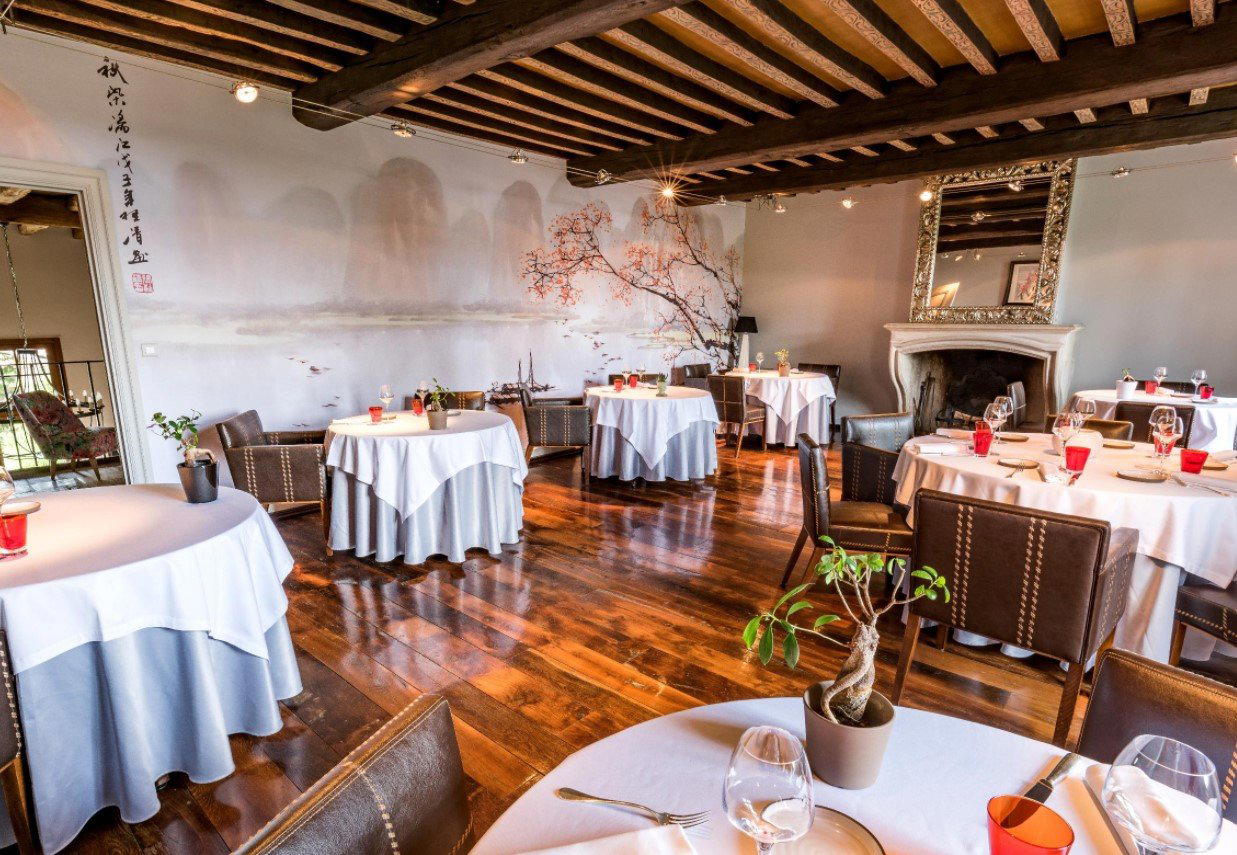
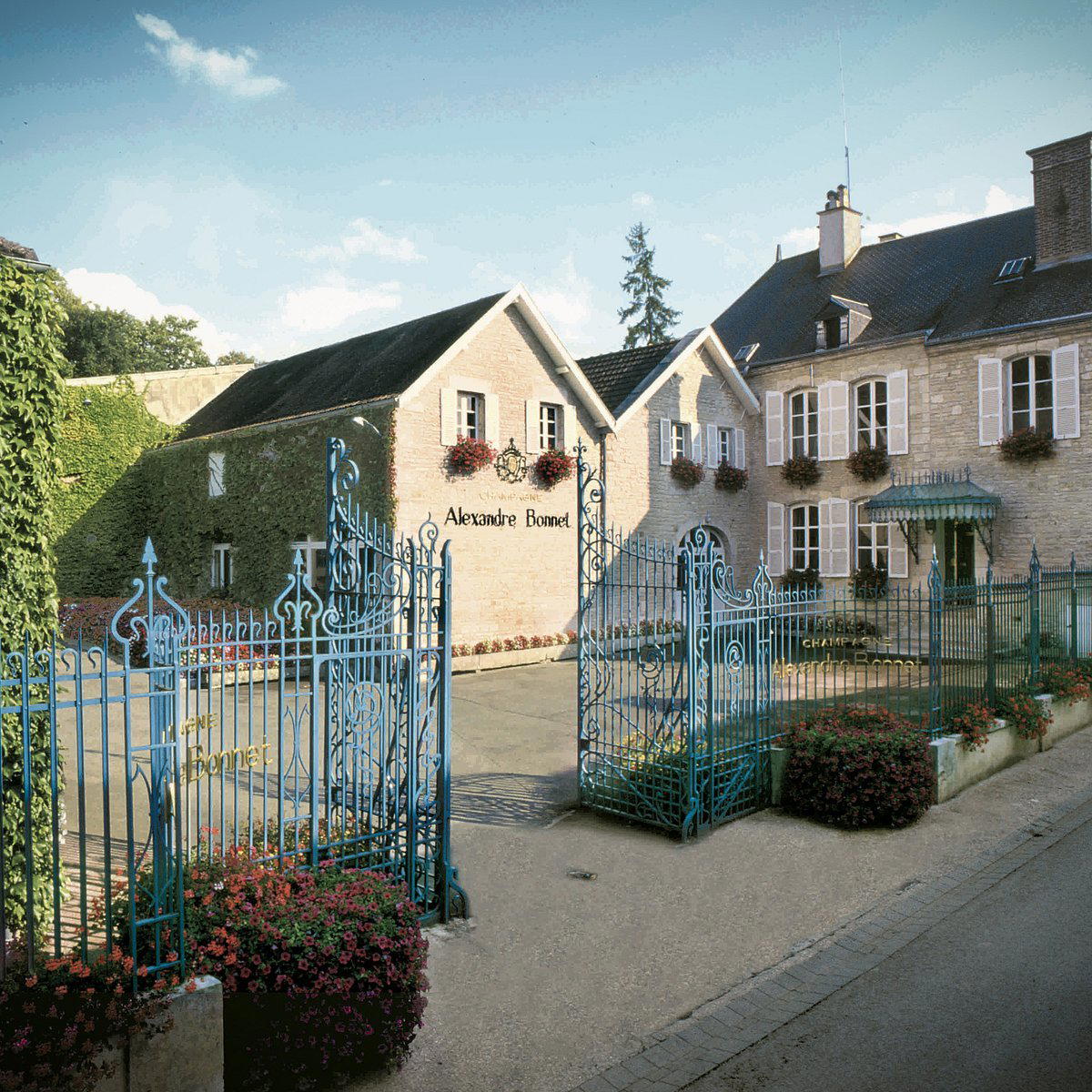
The approach to Château de Courban sets the register before you reach the door. A 19th-century mansion with a burnt sienna façade looks out over its grounds in the Châtillonnais, that quietly farmed stretch of northern Côte-d'Or that sits closer to the Aube than to Dijon. Inside, a lounge with a crackling fireplace precedes the dining room proper, which occupies the property's converted barn: beamed ceilings in the regional style, chandeliers, mirrors. It is a room that reads as country France without straining for it, and that unhurried quality carries through to the food.
France's château-restaurant category is broader than it might appear. At one end sit urban-adjacent estates primarily in the hospitality business, with kitchens as an amenity. At the other sit country properties where the kitchen is the actual proposition. Château de Courban belongs to the second cohort, and its Michelin Plate recognition in 2024 reflects the kind of quiet consistency that category demands: not spectacle, but craft applied reliably to excellent raw materials. For broader context on how France's countryside fine-dining scene distributes across regions, see our full Courban restaurants guide.
The Sourcing Logic Behind the Menu
In northern Burgundy, the culinary argument has always been made through ingredients first. The Châtillonnais is productive country: river valleys, agricultural flatlands, forests with game. The kitchen at Château de Courban works within that logic rather than against it, building seasonal dishes where the ingredient remains the subject of the plate rather than a platform for technique.
The Michelin assessors' own notes describe the approach in terms that matter here: the chef shapes raw materials into delicate seasonal dishes, with flavour as the leitmotif. That framing is deliberate. Flavour-first cooking at this level depends on sourcing precision. The tomato confit with three condiments works only if the tomatoes are worth confiting. The line-caught cod with sauce bonne femme, a classic preparation that offers no technical cover for a mediocre piece of fish, puts the supply chain on the plate in direct terms. The Racan pigeon, paired with pigeon-foie gras sausage, cabbage, and truffle jus, draws on the Sarthe-region pigeon breed that has become a benchmark reference among French kitchens cooking in the classical-with-modern-restraint register.
This is a different emphasis from the ingredient-as-concept approach practiced at the more theatrically ambitious end of French fine dining. Properties like Mirazur in Menton or Flocons de Sel in Megève operate with biodynamic gardens or hyper-local mountain sourcing as part of the stated identity. Château de Courban's sourcing is quieter: it presents through the quality of what arrives on the plate, not through a declaration of provenance. That restraint is a position, not an absence.
Desserts and the Wine Cellar
The dessert course here takes a specific stance. The Michelin description flags pared-back desserts that are low in sugar, which places the kitchen in a camp that has grown over the past decade in French fine dining: the reduction of sweetness as a way of keeping the palate intact through a long meal, and of letting the product read clearly rather than being masked by confection. This is a choice with consequences for the broader meal architecture, and for guests accustomed to dessert as the most theatrical moment of a French tasting menu, it may require a recalibration of expectation. It is, however, consistent with the flavour-first logic of everything that precedes it.
The wine list merits specific attention. Assessors noted a particularly good selection of Champagnes and Burgundy labels, which makes sense given the property's geography: the northern Côte-d'Or corridor connects the Côte des Bar Champagne houses to the south with the premier and grand cru vineyards of the Côte de Nuits. A cellar that leans into both those categories is making a regional argument through glass rather than map. For guests interested in the wine dimension of the broader area, our full Courban wineries guide covers the regional picture. For comparative reference on what ambitious French wine programs look like at the country's leading end, Assiette Champenoise in Reims provides a useful benchmark from the Champagne side, and Auberge de l'Ill in Illhaeusern from the Alsace tradition.
Where This Sits in the French Country Fine-Dining Map
France's countryside fine-dining tier is populated by houses that range from multi-generational institutions to newer operations finding their footing. The Michelin Plate, which Château de Courban holds for 2024, signals good cooking that falls outside the star tier but above the undifferentiated crowd. Peer references from the broader French country category include Auberge du Vieux Puits in Fontjoncouse and Bras in Laguiole, both operating in isolated rural settings with strong ingredient identities, though at higher Michelin tiers. At the Paris end of the spectrum, Alléno Paris au Pavillon Ledoyen represents where the technique-and-ingredient conversation reaches its most elaborate expression. Château de Courban occupies a quieter position in that continuum, closer in spirit to the auberge tradition than to the destination-restaurant category, even if the converted barn and the fireplace lounge give it a more polished physical frame. For those interested in comparable modern cuisine in a European context, Frantzén in Stockholm and Troisgros in Ouches each show how ingredient discipline operates at the starred level across different national traditions.
Planning the Visit
The kitchen operates Thursday through Saturday evenings from 7 PM to 9:30 PM, and Sunday at both lunch (noon to 1:30 PM) and dinner (7 PM to 9:30 PM). The restaurant is closed Tuesday and Wednesday, and the Monday evening service is the only weekday opening. That schedule reflects the rhythms of a property running a kitchen at considered capacity rather than for volume. The price range sits at €€€€, which positions the meal at the upper tier of French country dining, appropriate for a Michelin-recognised kitchen with a serious wine program. Guests staying at the property itself have access to the broader estate; for accommodation context see our full Courban hotels guide. For a broader picture of what else is available in the area, including bars and experiences, our Courban bars guide and our Courban experiences guide cover the surrounding scene. The address is 7 Rue du Lavoir, 21520 Courban.
Frequently asked questions
Can I bring kids to Château de Courban?
The setting is formal: a converted 19th-century barn with chandeliers, a beamed ceiling, and a kitchen producing Michelin Plate-recognised seasonal dishes. The dinner-only format Thursday through Saturday (7 PM to 9:30 PM) and the price range (€€€€) both point toward an adult occasion rather than a family meal. Sunday lunch, noon to 1:30 PM, is the more relaxed service and the more practical option if you are travelling with older children.
Is Château de Courban better for a quiet night or a lively one?
Quiet, without question. The converted barn dining room, with its crackling fireplace lounge and mirror-and-chandelier interior, is designed for conversation at a considered pace. This is Châtillonnais country, not a city bistro with a bar crowd, and the kitchen's Michelin Plate-recognised approach to delicate seasonal cooking sets a tone that rewards attention rather than noise.
What kind of recognition has Château de Courban received?
Château de Courban has received recognition including: Château de Courban is an elegant 19C mansion with a burnt sienna-coloured façade, looking out over its grounds. Preceded by a plush lounge with a crackling fireplace, the restaurant is housed in the property's converted barn, which boasts a….
What dish is Château de Courban famous for?
The Michelin Plate recognition (2024) singles out three preparations as representative of the kitchen's approach: tomato confit with three condiments, line-caught cod with sauce bonne femme, and Racan pigeon with pigeon-foie gras sausage, cabbage, and truffle jus. The pigeon course, in particular, reflects the Châtillonnais region's game traditions and the chef's preference for shaping high-quality raw materials into flavour-led seasonal dishes.
Quick Comparison
| Venue | Cuisine | Price | Awards | Notes |
|---|---|---|---|---|
| Château de CourbanThis venue (the venue you are viewing) | Contemporary French Fine Dining | $150–200 | 1 Michelin Star | Not listed |
| Alléno Paris au Pavillon Ledoyen | Modern French Fine Dining | $150–200 | 3 Michelin Stars · World's 50 Best #79 | Creative |
| Kei | Contemporary French, Modern Cuisine | Not listed | Michelin 3 Star | Not listed |
| L'Ambroisie | Classic French Haute Cuisine | $300–500 | 2 Michelin Stars · World's 50 Best #23 | French, Classic Cuisine |
| Le Cinq - Four Seasons Hôtel George V | Modern French Fine Dining | $300–500 | 3 Michelin Stars · World's 50 Best #24 | French, Modern Cuisine |
| Plénitude | Modern French Sauce-Led Fine Dining | $300–500 | 3 Michelin Stars · World's 50 Best #14 | Contemporary French |
Recognition history
Dated appearances from independent guides and award organizations, with the underlying list record or original source where available.
Michelin 1 Star
Michelin
Full recognition history (3 entries)
Michelin 1 Star
Michelin
Michelin Plate
Michelin
Continue exploring
More in Courban
Restaurants in Courban
All restaurants in Courban →

Hotels in Courban
All hotels in Courban →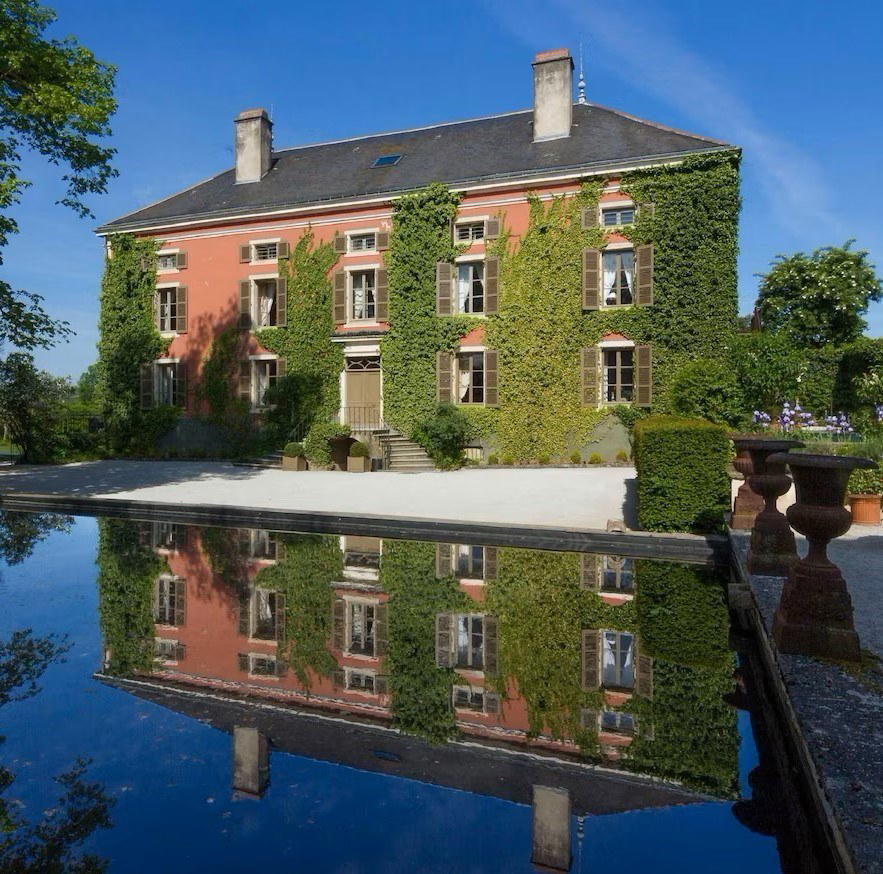

Château de Courban
The wine
- Wine program
- Deep wine list
- Extensive wine list
- Sommelier-led
Details
- Elegant
- Romantic
- Sophisticated
- Scenic
- Classic
- Date Night
- Special Occasion
- Celebration
- Historic Building
- Garden
- Terrace
- Hotel Restaurant
- Extensive Wine List
- Sommelier Led
- Local Sourcing
- Farm To Table
- Garden
- Tasting Menu
- Prix Fixe
- Wine
Elegant and poetic atmosphere in a luminous orangerie overlooking illuminated Italian gardens, with a crackling fireplace in winter and terrace dining in summer.