Chorvatský Mlýn
Our verdict
Chorvatský Mlýn occupies a mill building in Prague 6's Dejvice district, placing it at some distance from the tourist-heavy centre and closer to a neighbourhood crowd with different expectations. As Czech dining moves toward locally sourced, lower-waste formats, this address in Horoměřická rewards the kind of visitor willing to leave the Old Town behind for something with more residential grounding.

Pearl is the En Primeur Club membership app, where members save venues, book tables and use the concierge.
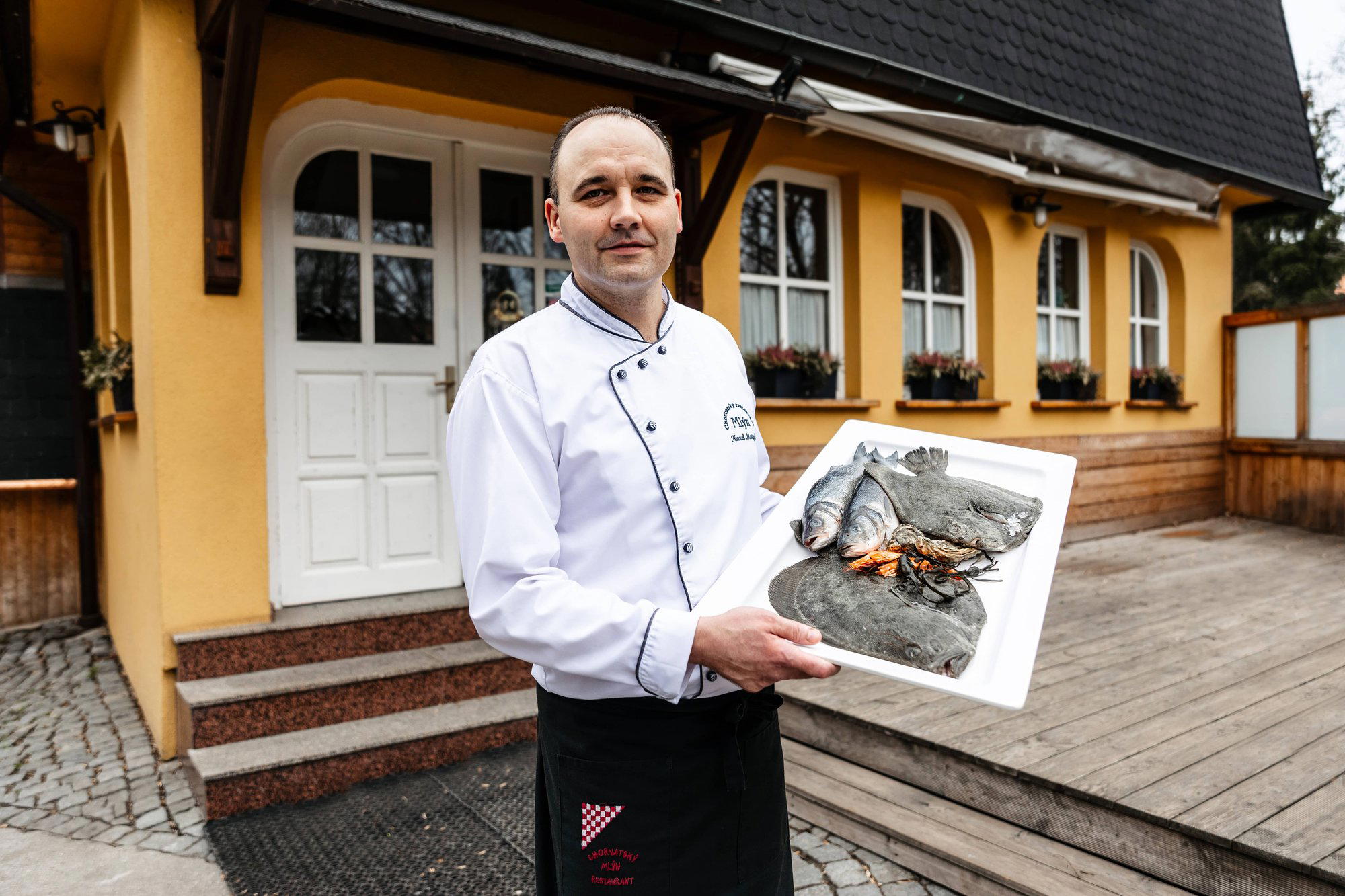
The menu
What to order
- Adriatic calamari
- Black risotto
- Fish plate for 2 persons
- Istrian fish soup
- Octopus under the bell (pod pekou)
Dejvice and the Case for Dining Off-Centre
Prague's restaurant conversation has long centred on the historic core: the Old Town cellars, the Malá Strana terraces, the Michelin-tracked tasting menus of addresses like La Degustation Bohême Bourgeoise and Alcron. But the most durable shift in Czech dining over the past decade has happened in quieter postcodes. Dejvice, Prague 6, sits northwest of the centre near Vítězné náměstí, a district shaped by embassy residences, university buildings, and a local population that eats out regularly without expecting theatre. Restaurants here are not performing for tourists; they are feeding a neighbourhood.
Chorvatský Mlýn sits at Horoměřická 3a, which places it at the edge of this residential zone where the city begins to thin toward the suburbs and green corridors open up along former mill streams. The address itself signals something about the dining proposition: this is not a venue that relies on footfall from the Charles Bridge or proximity to a hotel concierge recommendation. It earns its visits.
The Mill Setting and What It Implies
Mill conversions carry a particular logic in Central European dining. The structure usually predates the restaurant by centuries, and the architecture imposes a natural discipline: thick walls, low ceilings, proximity to water and landscape. These physical conditions tend to attract operators who take raw materials seriously, because the building itself is a statement about time, craft, and the relationship between a place and what it produces. Across the Czech Republic, some of the most purposeful cooking happens in exactly these converted rural-industrial spaces, from Dvůr Perlová voda in Budyně nad Ohří to V Bezovém Údolí in Kryštofovo Údolí, where the setting is inseparable from the kitchen's priorities.
At Chorvatský Mlýn, the mill name functions as a genuine descriptor rather than branding shorthand. Approaching along Horoměřická, the transition from suburban street to a structure with genuine historical weight is immediate. The building's presence shapes the experience before a menu is opened.
Sustainability as Structural Logic, Not Marketing Position
Czech restaurants that have moved toward ethical sourcing and reduced-waste kitchens in recent years rarely announce it loudly. The shift appears instead in menu length (shorter, more seasonal), in supplier relationships that favour regional producers over broad distributors, and in a cooking style that treats secondary cuts, fermented preserves, and vegetable-forward dishes as defaults rather than novelties. This pattern is visible across the country's more considered addresses, from Cattaleya in Čeladná to Long Story Short Eatery and Bakery in Olomouc, where local sourcing is a kitchen discipline rather than a headline claim.
A mill building in a green-edged Prague district is a natural home for this approach. The logic of the setting, proximity to agricultural land, water, and pre-industrial craft, sits in alignment with kitchens that prioritise what is grown nearby and in season. Whether Chorvatský Mlýn formalises this into a stated programme or simply operates by it as a matter of practice, the address places it in a broader pattern of Czech dining that has moved decisively away from imported produce and toward shorter, accountable supply lines.
For international context, this is the same structural logic that drives kitchens like Lazy Bear in San Francisco, where the sourcing infrastructure is as considered as the cooking technique, or the kind of locavore discipline that informs tightly edited tasting formats at Le Bernardin in New York City, albeit in a very different register. The underlying principle, that what arrives in the kitchen determines what is possible on the plate, crosses price tiers and cuisines.
Where Chorvatský Mlýn Sits in the Prague Dining Picture
Prague's restaurant tier runs from grand Bohemian revival dining, the kind offered at Alma and 420 Restaurant, through mid-market modern European, and down to neighbourhood addresses that serve a local crowd without ceremony. Chorvatský Mlýn's location in Dejvice positions it closer to the neighbourhood end of that spectrum, which in Prague's current dining scene is not a limitation. The city's most interesting cooking often happens away from the formal tasting-menu format, in spaces where the kitchen has more freedom and the dining room has less expectation of performance.
Compared to the structured French-Czech progression of La Degustation Bohême Bourgeoise or the hotel-anchored polish of Alcron, a mill address in Prague 6 operates on different terms. The competitive set is less about Michelin recognition and more about the kind of loyalty built by consistent, honest cooking for a local audience. Addresses like Amano occupy a similar position in the city's geography of dining, valued by residents who return regularly rather than visitors who come once.
Outside Prague, the pattern of regionally grounded Czech dining that punches above its profile is well established. Na Spilce in Pilsen, Tlustá Kachna in Chrudim, Chapelle in Písek, Perk Restaurant in Šumperk, Pavillon Steak House in Brno, and ARRIGŌ in Děčín all demonstrate that Czech dining credibility is no longer a Prague-only conversation. The country's better restaurants share a common instinct toward locality and craft that Chorvatský Mlýn's setting suggests it shares.
Planning a Visit
Reaching Chorvatský Mlýn from central Prague requires intent. The address is not on the way to anywhere that draws tourists, which is part of its character. Metro line A reaches Dejvice in under fifteen minutes from the city centre, and the venue's position on Horoměřická is accessible on foot from there or by tram connections serving the broader Prague 6 area. Visitors coming from out of town, particularly those using the airport corridor along which Dejvice sits, will find the district easier to reach than the congested historic centre.
For a full overview of Prague's dining scene, the EP Club Prague restaurants guide maps the city's key addresses across price tiers and neighbourhoods.
Frequently asked questions
What part of town is Chorvatský Mlýn in?
Chorvatský Mlýn is located at Horoměřická 3a, 164 00 Praha 6-Dejvice, Czechia, Prague.
Is Chorvatský Mlýn worth the trip from central Prague for visitors staying in the historic core?
The address at Horoměřická 3a in Praha 6-Dejvice is not walkable from the Old Town, so reaching it requires a deliberate journey by metro or tram. That distance is precisely what keeps the crowd local and the atmosphere distinct from the tourist-facing restaurants along the Vltava. For visitors wanting a meal that reflects how Prague residents actually eat rather than how the city presents itself to outsiders, the trip holds a clear logic.
What do people recommend at Chorvatský Mlýn?
The restaurant sits in Prague's Dejvice district at Horoměřická 3a, a neighbourhood where kitchens tend toward seasonal Czech and Central European cooking. Visiting directly or checking current local food forums will give you the most accurate picture of what's on the menu.
Should I book Chorvatský Mlýn in advance?
Given the restaurant's location in a residential quarter of Prague 6, it draws a local following rather than passing tourist trade, which means tables fill on a neighbourhood rhythm that doesn't always show up in online coverage. Booking ahead is a reasonable precaution, particularly for evenings and weekends. Contact details are best sourced through current Prague listings, as phone and website data are not confirmed at publication.
At a Glance
| Venue | Cuisine | Price | Awards | Notes |
|---|---|---|---|---|
| Chorvatský MlýnThis venue (the venue you are viewing) | Croatian Mediterranean Seafood | $30–50 | Not listed | Not listed |
| La Degustation Bohême Bourgeoise | Modern Czech Fine Dining | $100–150 | 1 Michelin Star · La Liste Top Restaurants | French-Czech |
| Alcron | Modern Central European with Plant-Forward Focus | $50–100 | Star Wine List | Modern European |
| Benjamin | Modern Czech Tasting Menu | $50–100 | Michelin Plate · Wine Spectator Award of Excellence | Modern Cuisine |
| Café Imperial | Classic Czech Brasserie | $30–50 | Michelin Plate | Traditional Cuisine |
| Dejvická 34 by Tomáš Černý | Modern Italian & Mediterranean | $30–50 | Michelin Bib Gourmand · Falstaff Restaurant - 93 Falstaff Points | Italian |
Continue exploring
More in Prague
Restaurants in Prague
All restaurants in Prague →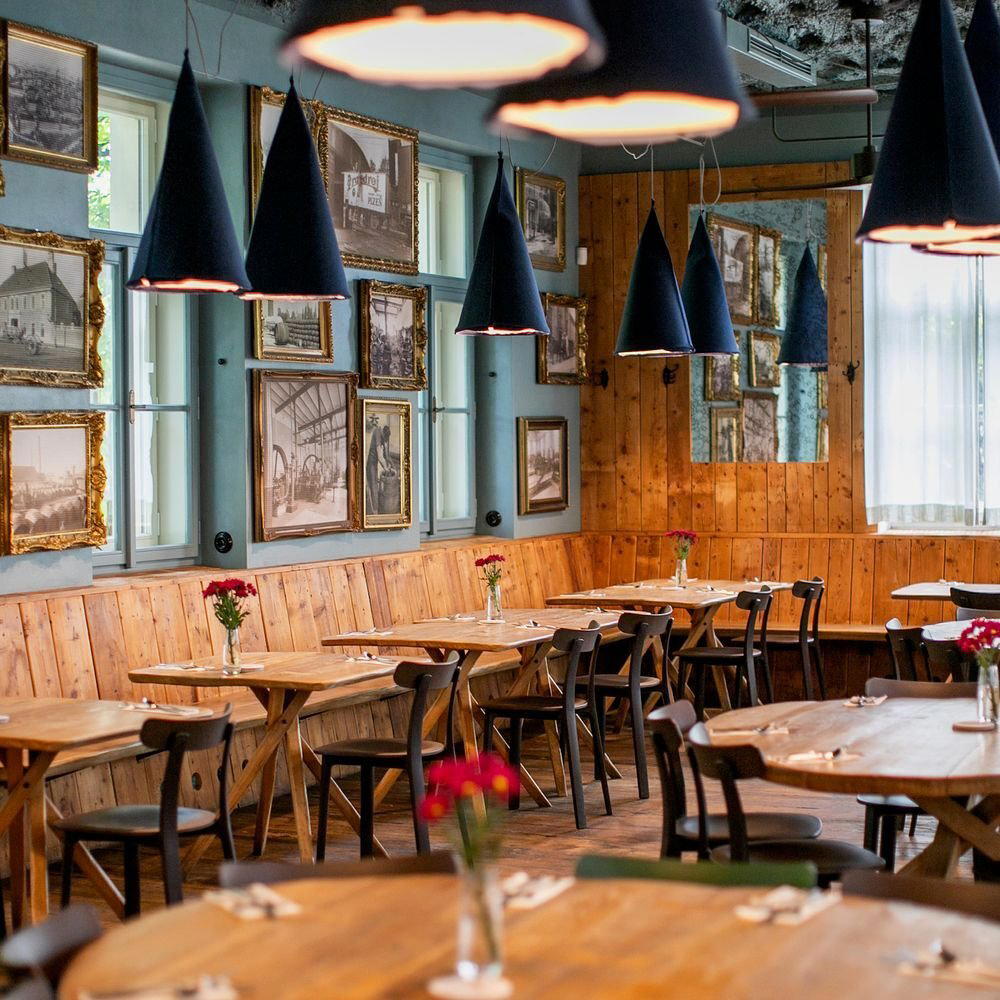
Details
- Cozy
- Scenic
- Classic
- Historic
- Intimate
- Group Dining
- Family
- Casual Hangout
- Special Occasion
- Terrace
- Historic Building
- Standalone
- Extensive Wine List
- Local Sourcing
- Sustainable Seafood
- Garden
- A La Carte
- Wine
- Vegetarian Friendly
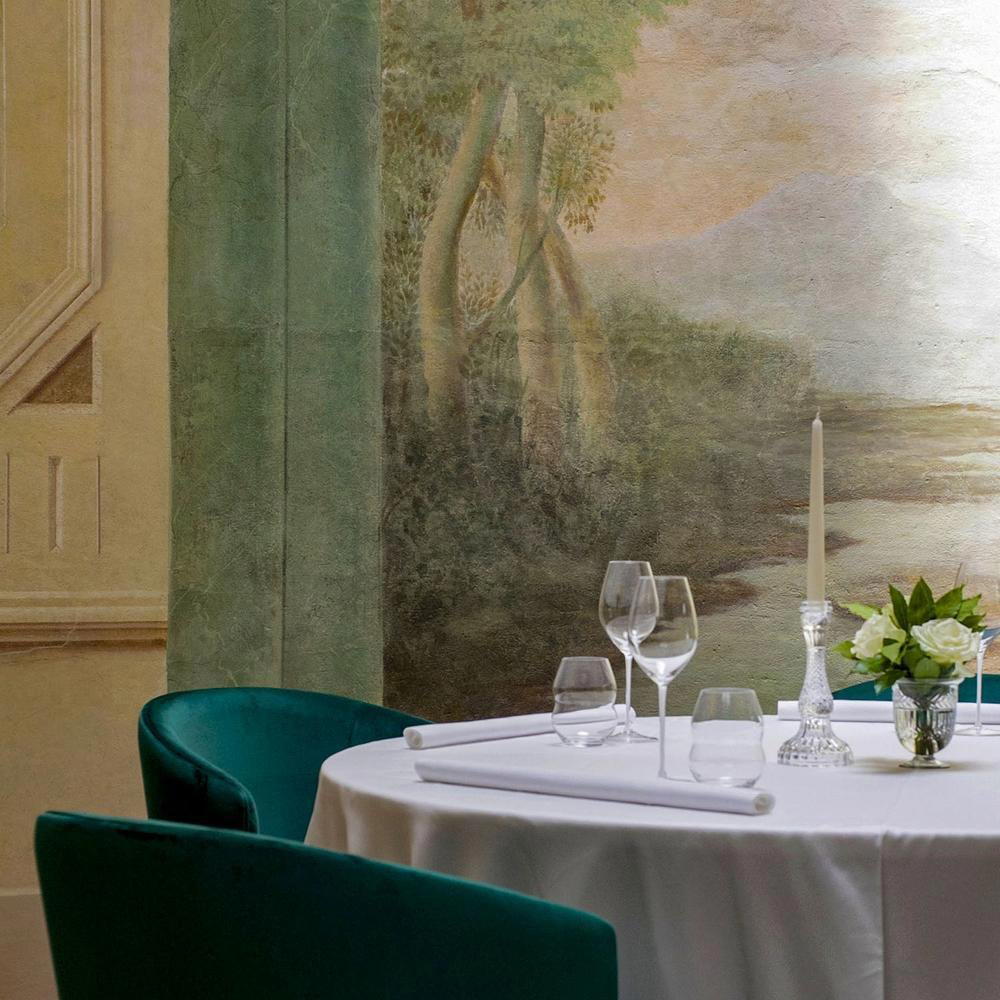
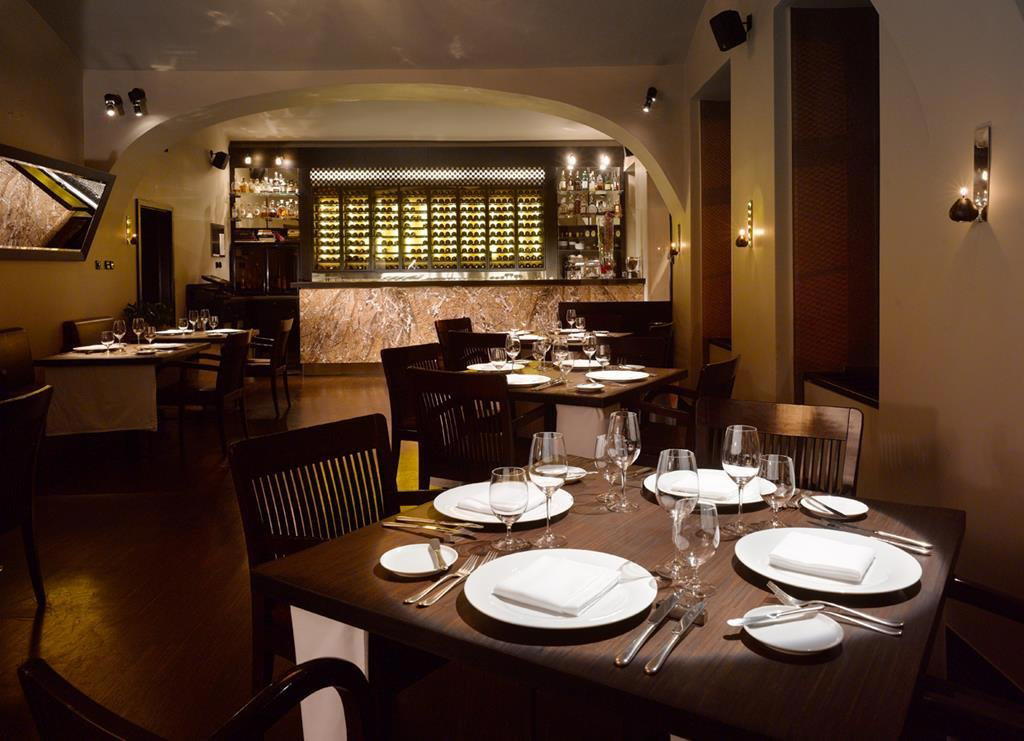
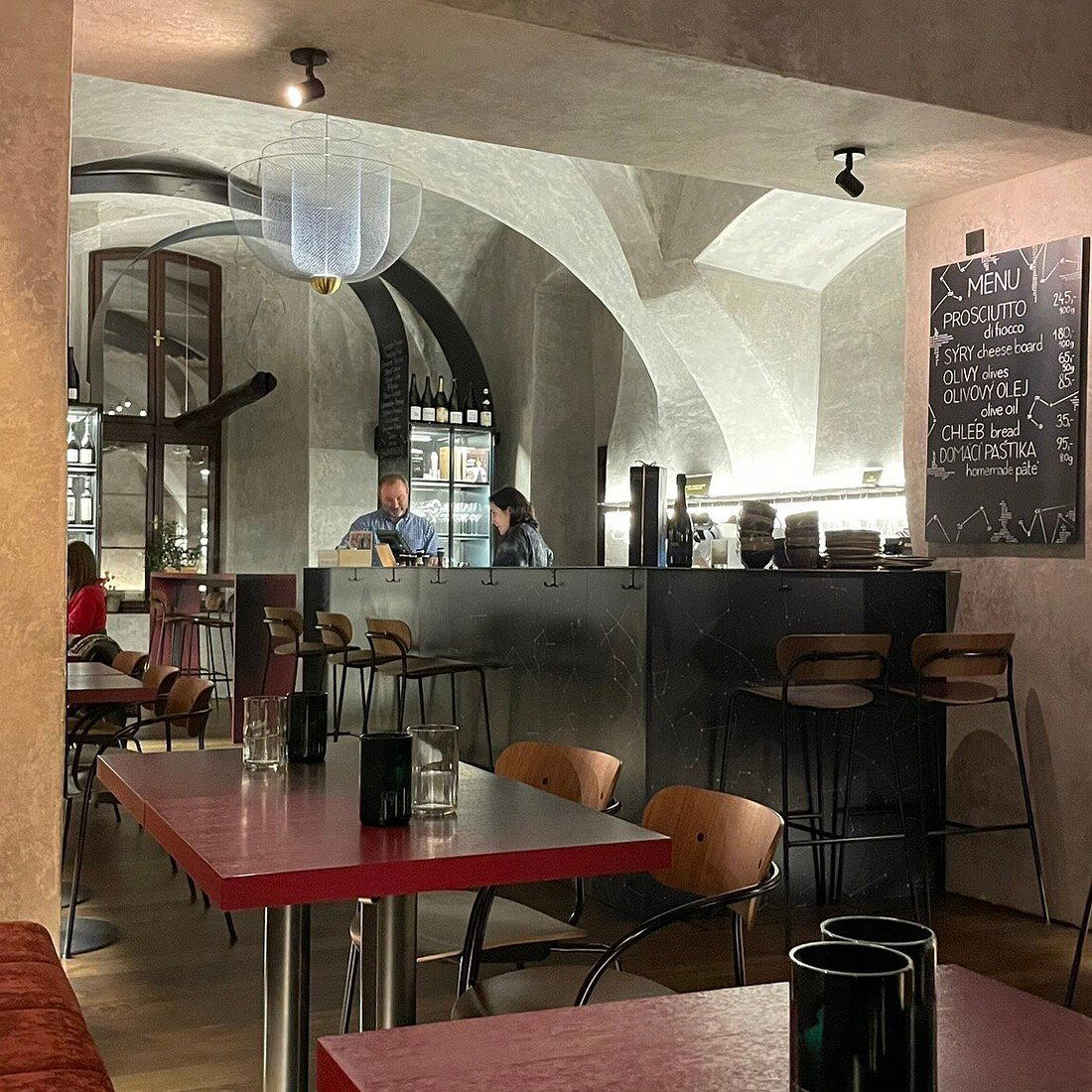
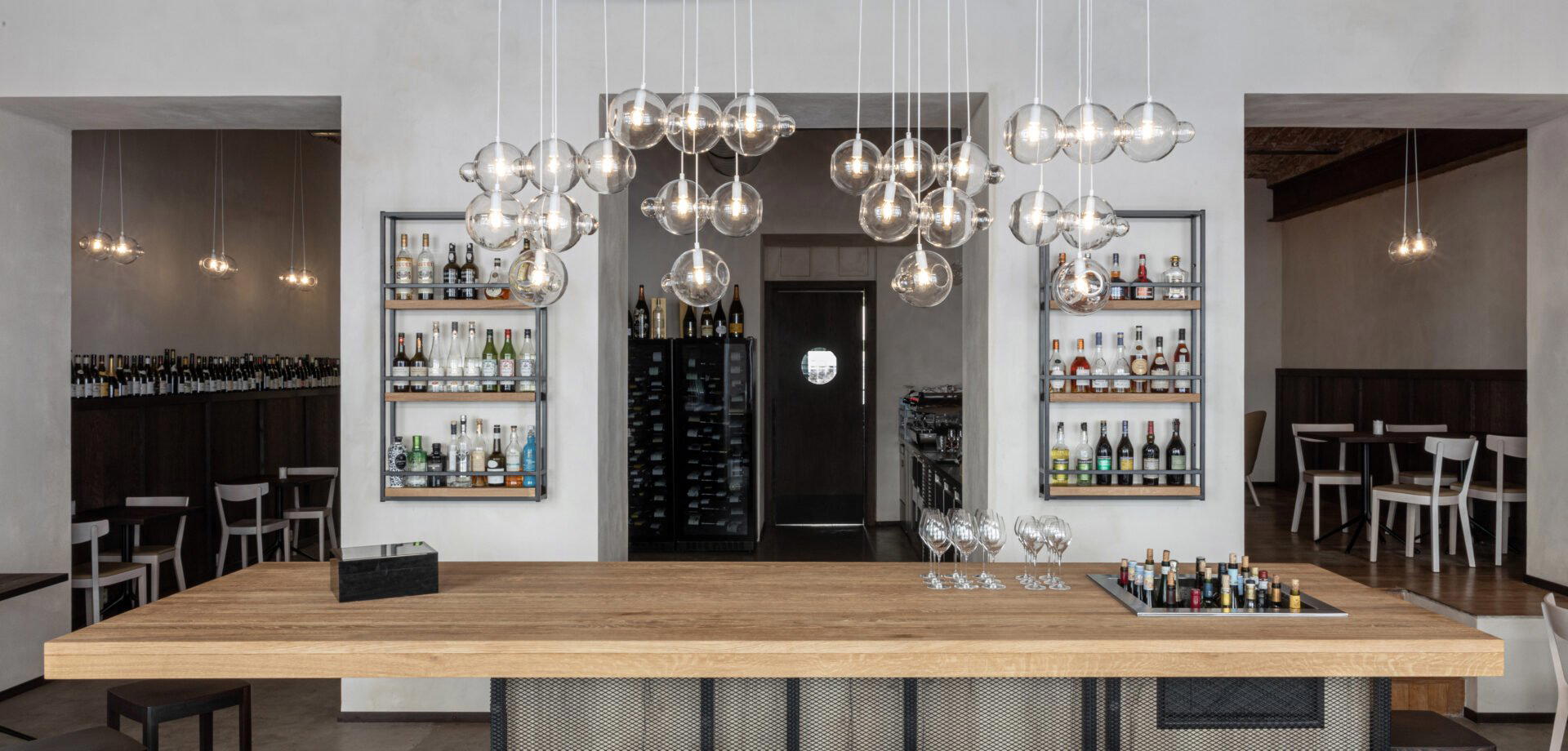
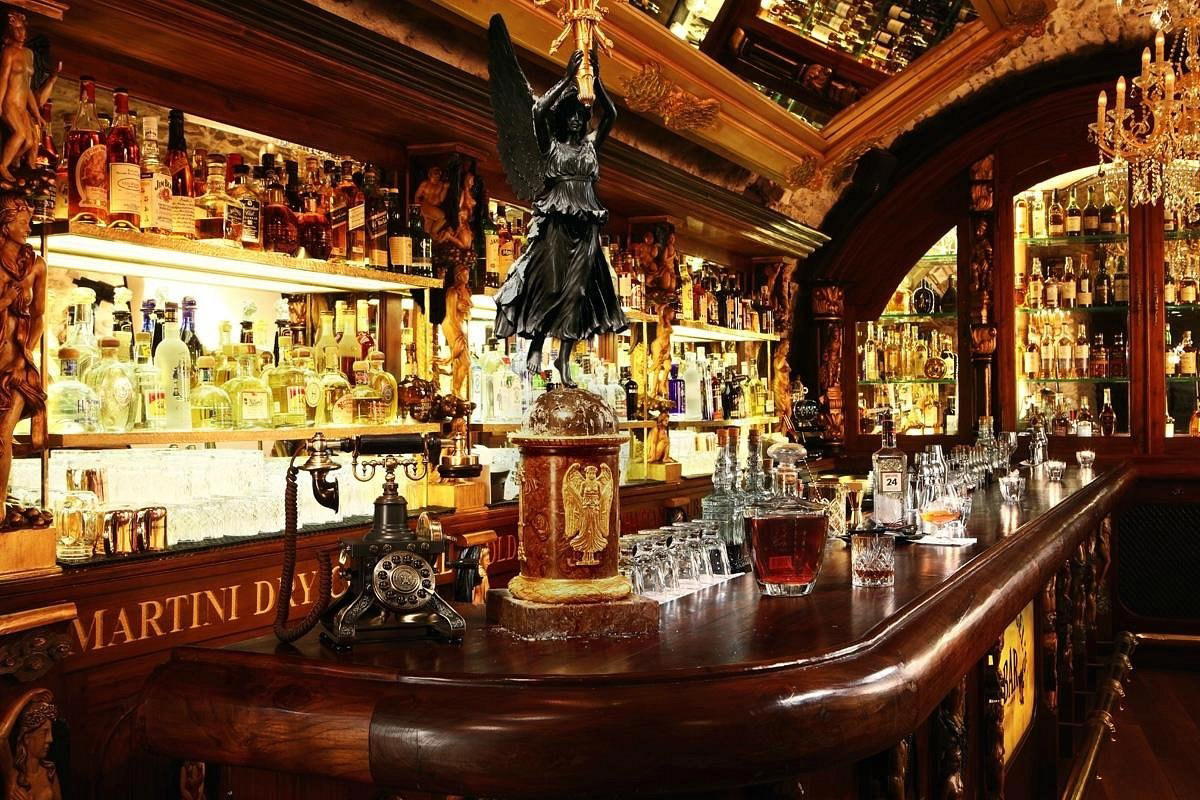
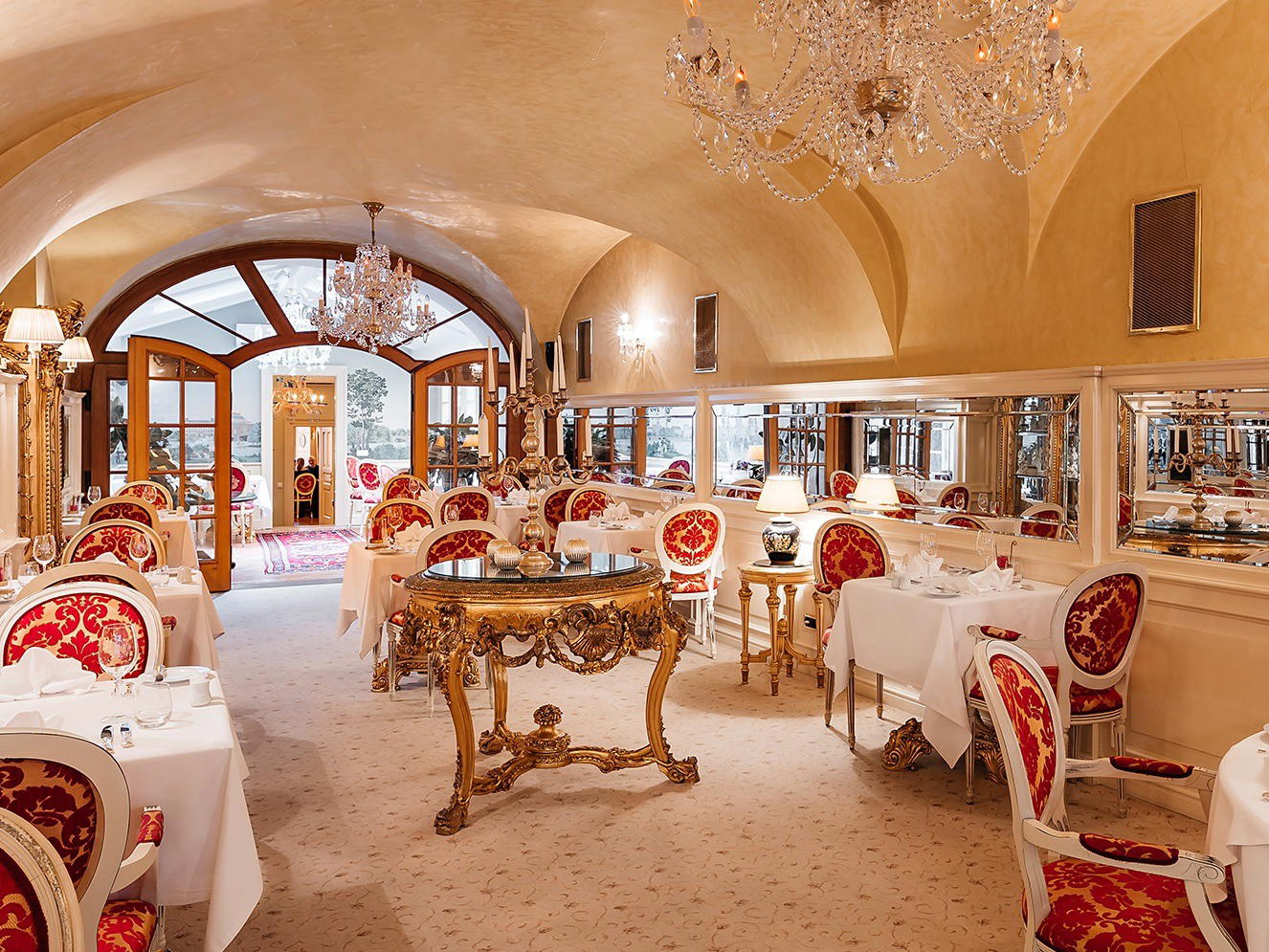
Pleasant, homey, and atmospheric, with dining spaces including a main room, a private-fireplace lounge, and a summer terrace; the venue emphasizes a warm Mediterranean/Croatian feel.