Cholasbkk occupies a quiet soi off Phetchaburi Road in the Makkasan district, placing it away from Bangkok's central dining corridor and closer to the city's working-neighbourhoods food culture. The address alone signals a particular kind of intent: this is not a restaurant positioning itself through proximity to hotel lobbies or luxury retail. What it offers instead is a grounding in Thai ingredient sourcing that connects it to a broader citywide conversation about where the food actually comes from.
Pearl is the En Primeur Club membership app — saves, bookings, and concierge access live there. Same editors, same standards.
- Address
- 629 Phetchaburi 31 Alley, Khwaeng Makkasan, Ratchathewi, Bangkok 10400, Thailand
- Phone
- +66613951269
- Website
- cholasthailand.com
- Directions
- Get directions
 Saves & bookings on Pearl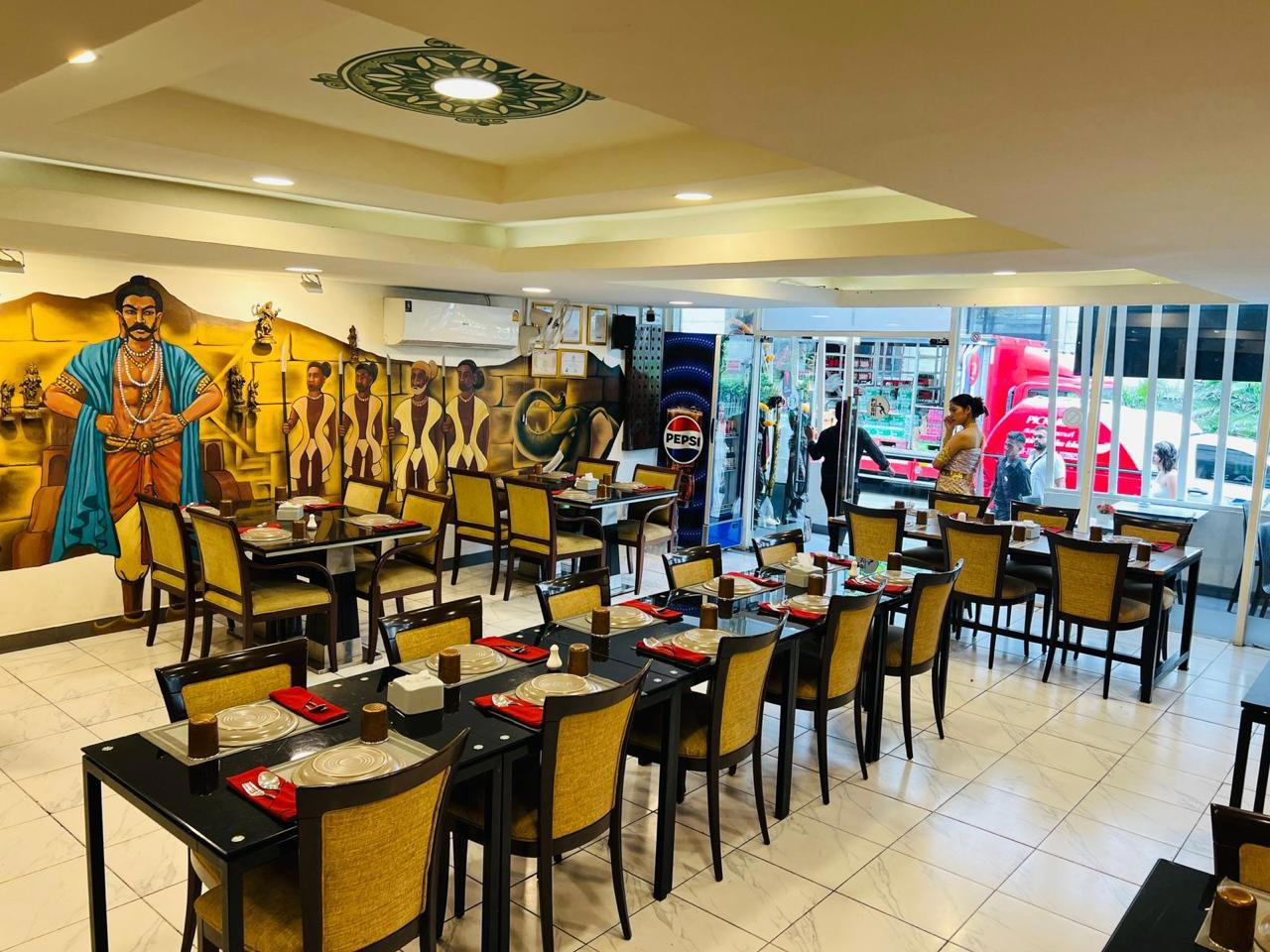
A District That Eats on Its Own Terms
Bangkok's dining geography has never been as simple as its tourist-facing tier suggests. The Ratchathewi and Makkasan corridor, running along Phetchaburi Road and its tributary sois, operates at a remove from the Silom and Sukhumvit restaurant clusters that absorb most foreign attention. The area is dense, fast-moving, and largely self-sufficient in its food culture, which means the restaurants that establish themselves here do so because the neighbourhood demands quality on its own terms, not because a hotel concierge sends guests their way. Cholasbkk is a restaurant in Bangkok's Makkasan district serving South Indian Fusion at a price tier around $25 per person, at 629 Phetchaburi 31 Alley.
Approaching the address, you move through a residential-commercial soi typical of inner Bangkok: motorcycles parked at angles, shophouses running domestic errands alongside food operations, ambient noise from the broader city pressing in at the edges. The contrast with the curated calm of Bangkok's destination-dining rooms is immediate and intentional. This is the kind of address where what arrives on the plate has to earn attention without the scaffolding of a designed entrance sequence or a brand-name hotel corridor.
The Ingredient Question in Bangkok Thai Cooking
Across Bangkok's current generation of serious Thai kitchens, one consequential editorial argument is not about technique or format but about sourcing. Where does the produce come from, who grew it, and how does proximity to origin translate into flavour on the plate? That conversation has produced a recognisable tier of restaurants that treat ingredient provenance as the primary creative constraint. Sorn (Southern Thai) built its Michelin-starred case around hyper-regional southern Thai producers and heirloom varieties that rarely reach Bangkok markets. Baan Tepa (Thai contemporary) runs its own organic garden as a supply mechanism for the kitchen. Both operate at the ฿฿฿฿ tier, where the economics of sourcing rare or small-batch Thai ingredients can be absorbed into the pricing structure.
Cholasbkk operates at a different address and, by implication, a different economic register, but the underlying question remains the same: in a city where supply chains for Thai produce are frequently long and impersonal, how close to origin can a kitchen get? Bangkok's wet markets at Or Tor Kor and Khlong Toei give motivated buyers access to produce from the Central Plains and beyond, but the more interesting sourcing story in the current decade involves restaurants building direct relationships with growers in the North, the Northeast, and the deep South. PRU in Phuket took that model to its most formal expression, with a named farm as the kitchen's primary supplier. The approach has now filtered across price points and formats.
How the Makkasan Address Shapes the Kitchen
Location in Bangkok is never neutral for a restaurant's sourcing calculus. Kitchens in the hotel corridors of Sathorn or Wireless Road have access to import networks and premium distributors that service the luxury hospitality sector. Kitchens in working neighbourhoods tend to source more directly through market relationships, which can mean greater variability but also more consistent access to produce that hasn't spent time in a cold chain designed for international distribution. The Phetchaburi-Makkasan zone sits close enough to the old Pratunam wholesale area that daily market access is practical, which matters for any kitchen operating with short ingredient cycles.
This geography also connects the area to a longer tradition of Thai home-cooking culture, where dishes are built around what arrived that morning rather than a fixed menu engineered months in advance. Particularly compelling restaurants in Bangkok's non-hotel tier often operate with this kind of market-responsive discipline, and the neighbourhoods that support them tend to be the ones where locals eat seriously. For context on how this compares with other regional Thai sourcing approaches, AKKEE in Pak Kret and Ayutthayarom in Phra Nakhon Si Ayutthaya both demonstrate how kitchens outside central Bangkok can build authority through regional ingredient specificity.
Bangkok's Broader Fine-Dining Tier for Reference
For readers calibrating where Cholasbkk sits relative to Bangkok's most-recognised dining tier, the reference points are useful. Sühring (German) and Côte by Mauro Colagreco (Mediterranean, Modern Cuisine) represent the international fine-dining end of the Bangkok market, both operating at ฿฿฿฿ with advance booking requirements and European-origin culinary frameworks applied to Thai-sourced produce in some cases. Gaa (Modern Indian, Indian) occupies a comparable tier with a different regional culinary lens. These restaurants share a structural commitment to sourcing as creative infrastructure, even when the cuisine type varies considerably. The sourcing conversation crosses cuisine categories in Bangkok in a way that was less true a decade ago, when provenance was primarily a luxury-hotel talking point rather than a kitchen-level discipline.
Beyond Bangkok, the sourcing-led approach is visible across Thailand's regional dining scene. Baan Chik Pork Noodles in Udon Thani, Baan Heng in Khon Kaen, and Banmai Chay Nam in Nakhon Ratchasima each demonstrate how Northeast Thai kitchens use hyper-local Isan produce as both a sourcing strategy and a regional identity signal. For Southern Thailand, Anuwat in Phang Nga and Baan Suan Lung Khai in Ko Samui show how coastal and island kitchens source differently again, with seafood provenance and local coconut and herb supply chains forming the core argument. Banrimbung in Nakhon Pathom adds a Central Plains counterpoint. Cholasbkk, approached through this national picture, is a Bangkok node in a much wider sourcing conversation that Thai kitchens at every price point are currently having.
Planning a Visit
The Makkasan address is accessible via the Airport Rail Link at Makkasan Station, which makes it reachable from Suvarnabhumi Airport in under 30 minutes and from central Bangkok in under 15, a practical consideration for visitors who are not staying in the Ratchathewi area. International comparisons for the sourcing-led independent restaurant format are well-illustrated by Lazy Bear in San Francisco and, at the technically formal end, Le Bernardin in New York City, both of which demonstrate how ingredient provenance functions as a kitchen's primary public argument when the format is serious and the marketing is minimal.
Peers You’d Cross-Shop
Comparable venues nearby, for context on price, style, and recognition.
| Venue | Cuisine | Price | Notes |
|---|---|---|---|
| cholasbkkThis venue — the venue you are viewing | South Indian Fusion | $$$ | Not listed |
| Pen Restaurant | Thai Seafood | $$$ | Chong Nonsi |
| Lukkaithong | Royal Thai-Chinese Cuisine | $$$ | Watthana Khwaeng |
| Biscotti | Authentic Italian Fine Dining | $$$ | Siam Square |
| TAX | Japanese-Thai Fusion Izakaya | $$$ | Talat Noi |
| Teens of Thailand | Gin Bar | $$$ | Talat Noi |
Continue exploring
More in Bangkok
Restaurants in Bangkok
Browse all →
At a Glance
- Cozy
- Trendy
- Family
- Group Dining
- Casual Hangout
- Standalone
Current opening hours
- Monday
- 10 AM–11:30 PM
- Tuesday
- 10 AM–11:30 PM
- Wednesday
- 10 AM–11:30 PM
- Thursday
- 10 AM–11:30 PM
- Friday
- 10 AM–11:30 PM
- Saturday
- 10 AM–11:30 PM
- Sunday
- 10 AM–11:30 PM
Hours can change for holidays and private events. Last verified .
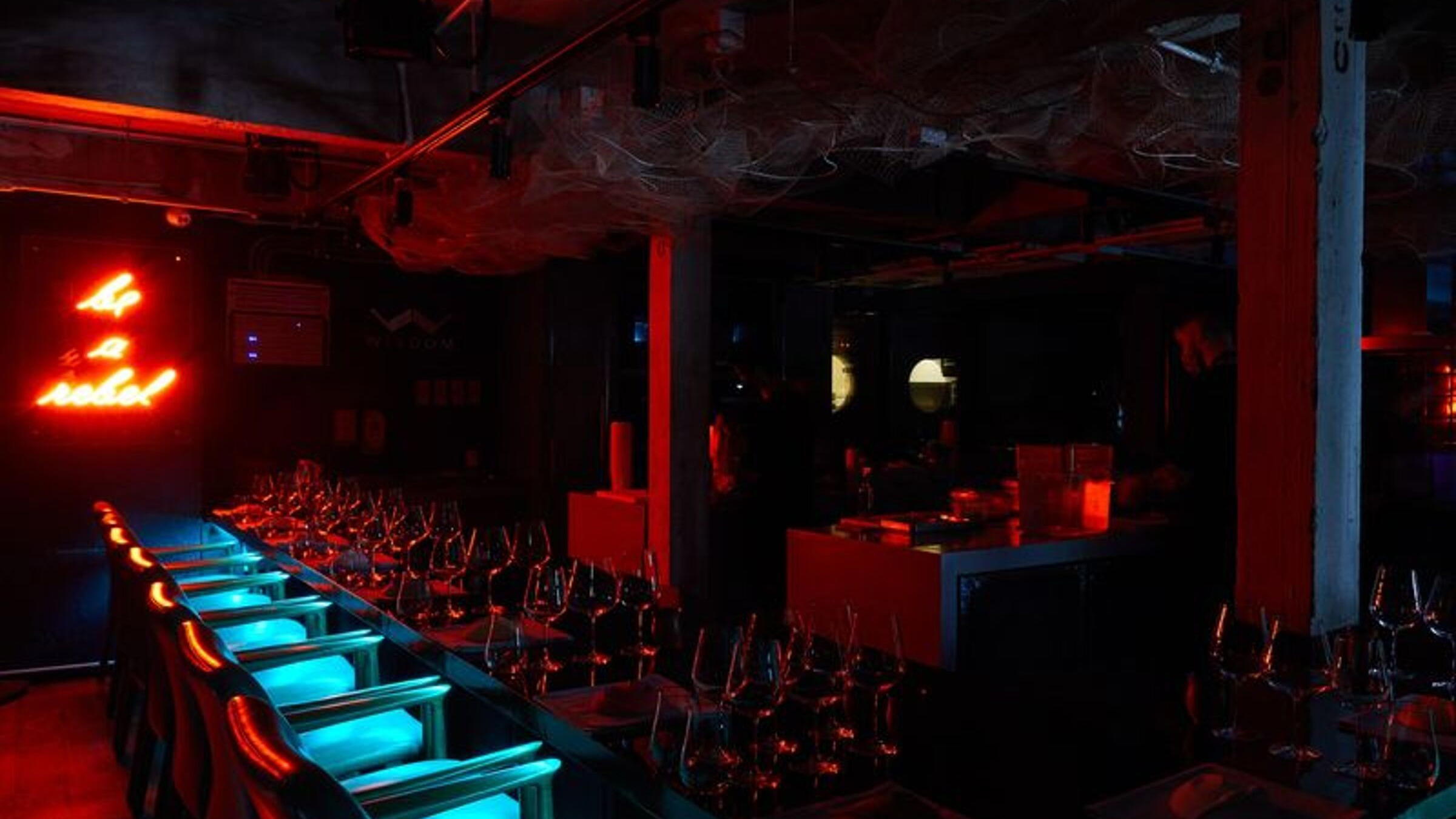
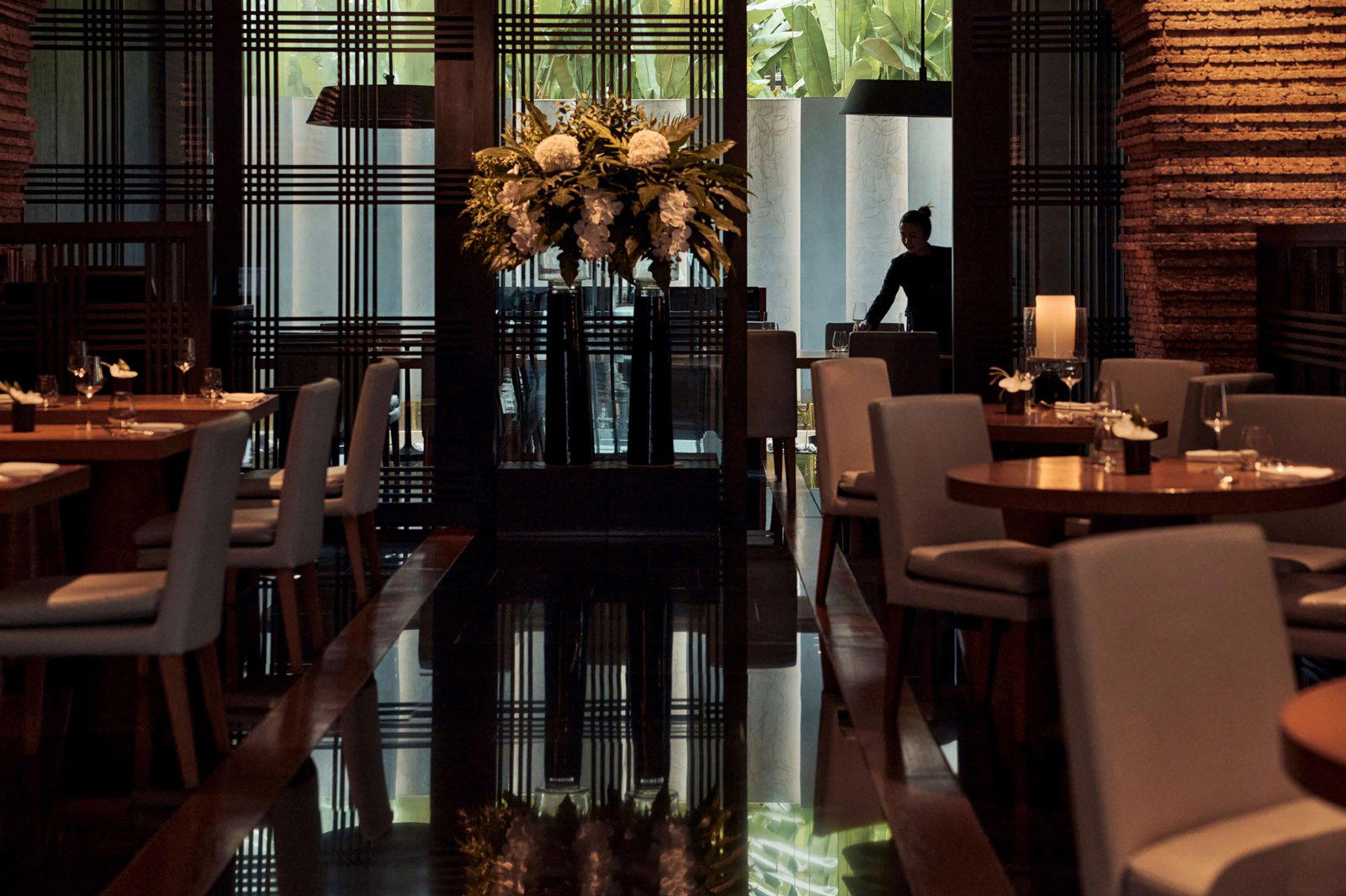
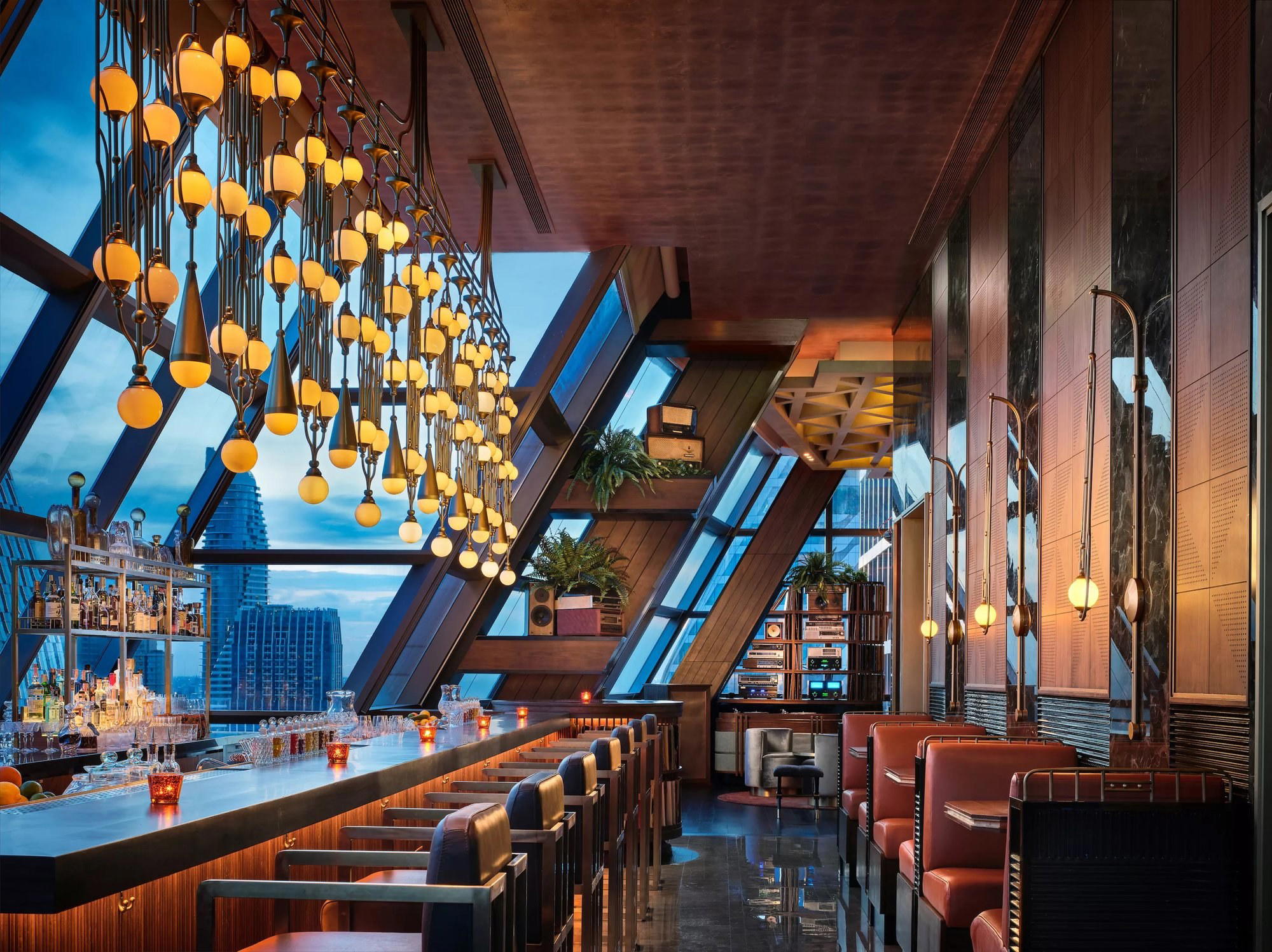
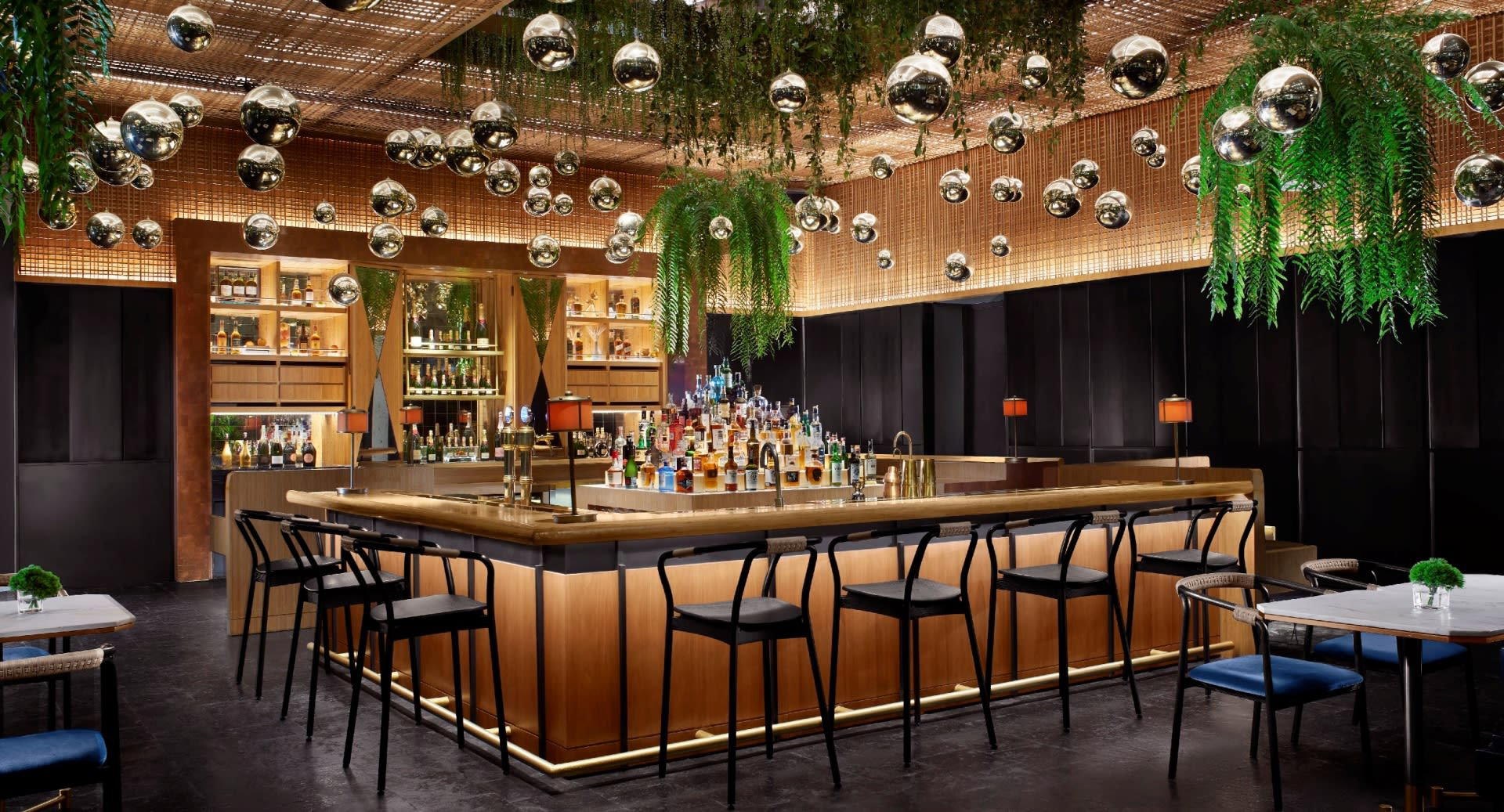
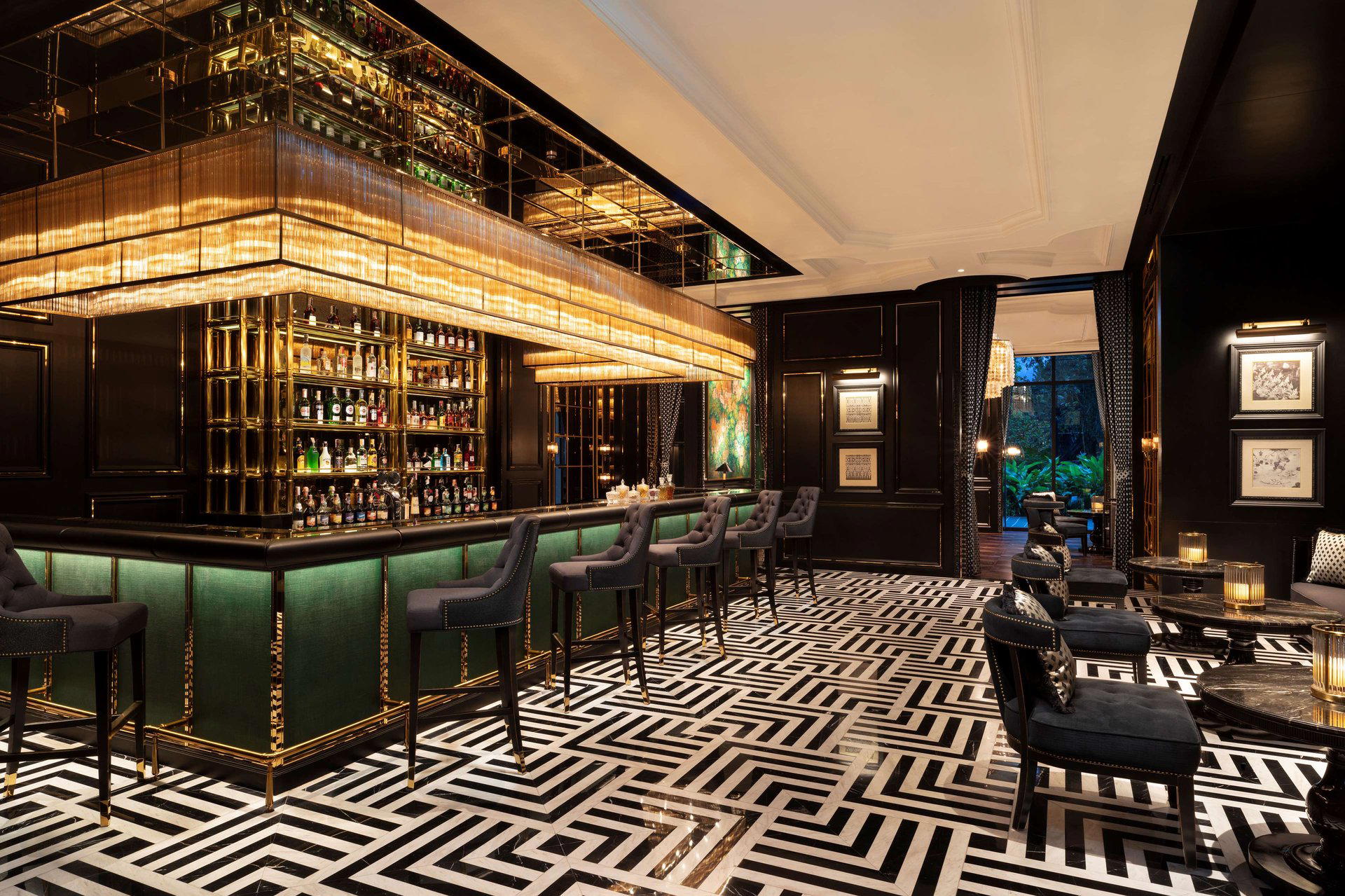
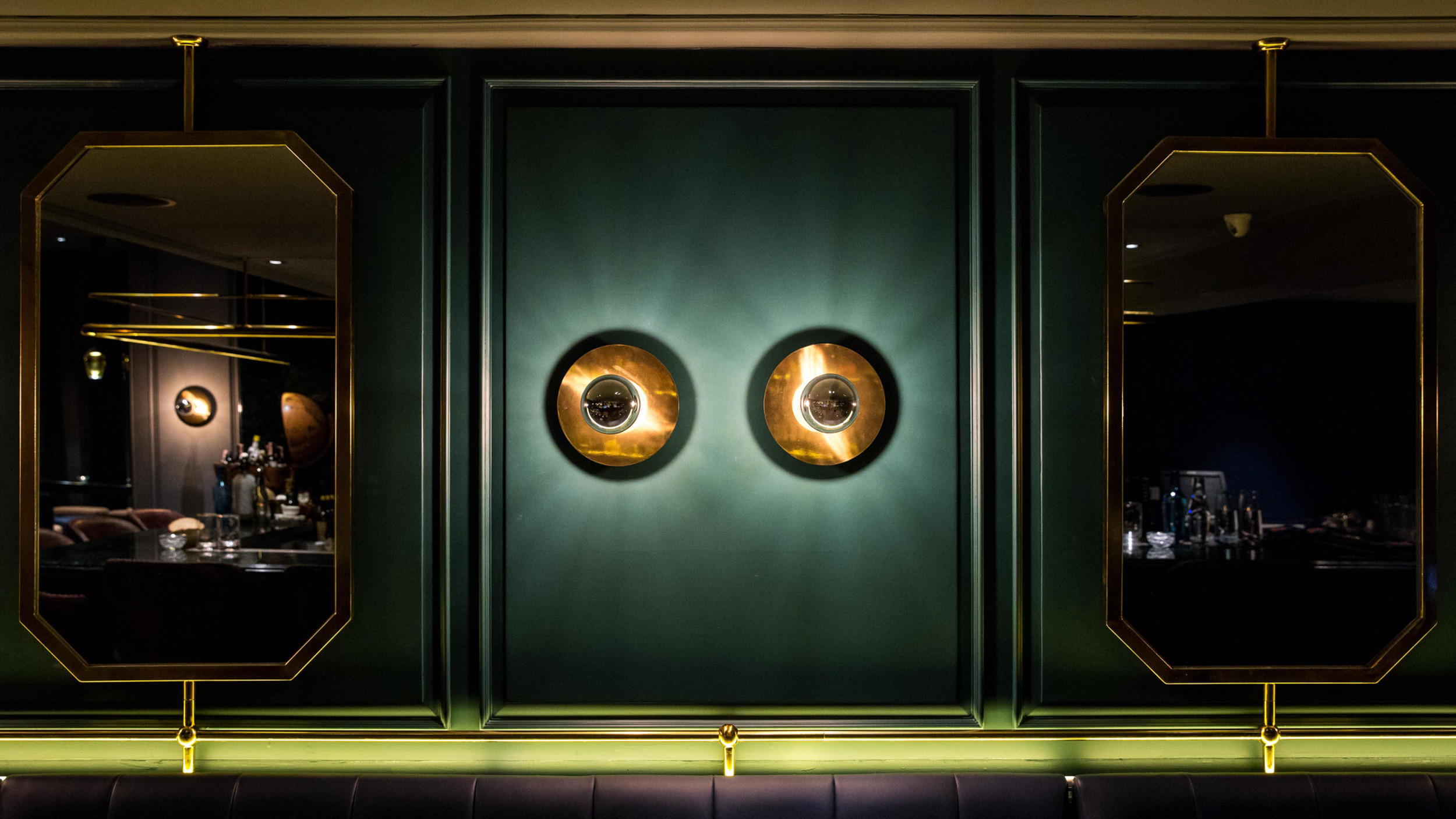
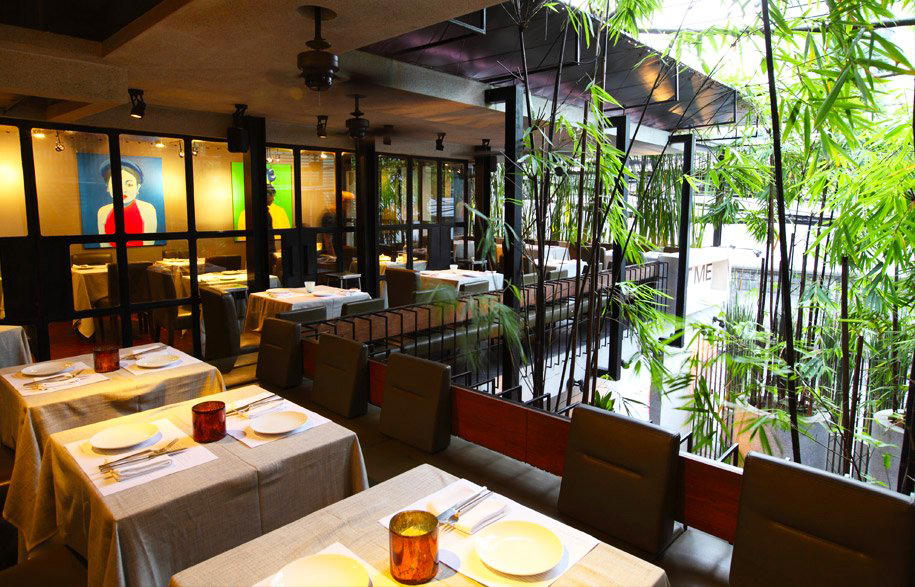
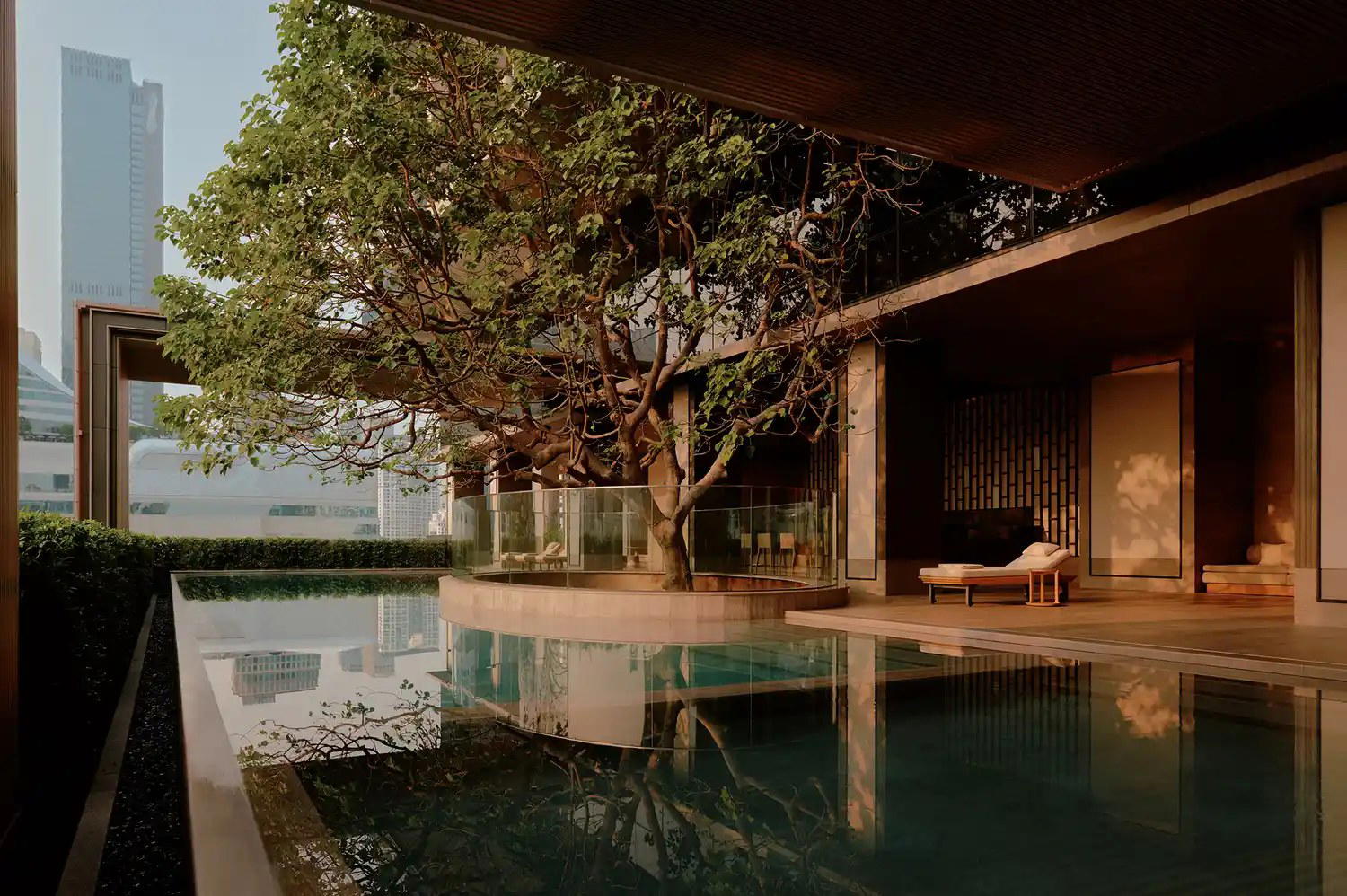
Cozy and trendy atmosphere with distinctive Indian village-themed interiors that stand out in the city.