Cho Cho San
Cho Cho San on Macleay Street sits at the serious end of Potts Point's dining strip, where Japanese technique meets Australian produce in a format that rewards attention. The room is spare and considered, the cooking precise without being clinical. For Sydney diners tracking the conversation between Asian culinary tradition and Southern Hemisphere ingredients, it remains a reliable reference point.
Pearl is the En Primeur Club membership app — saves, bookings, and concierge access live there. Same editors, same standards.
- Address
- 73 Macleay St, Potts Point NSW 2011, Australia
- Phone
- +61 2 9331 6601
- Website
- chochosan.com.au
- Directions
- Get directions
 Saves & bookings on Pearl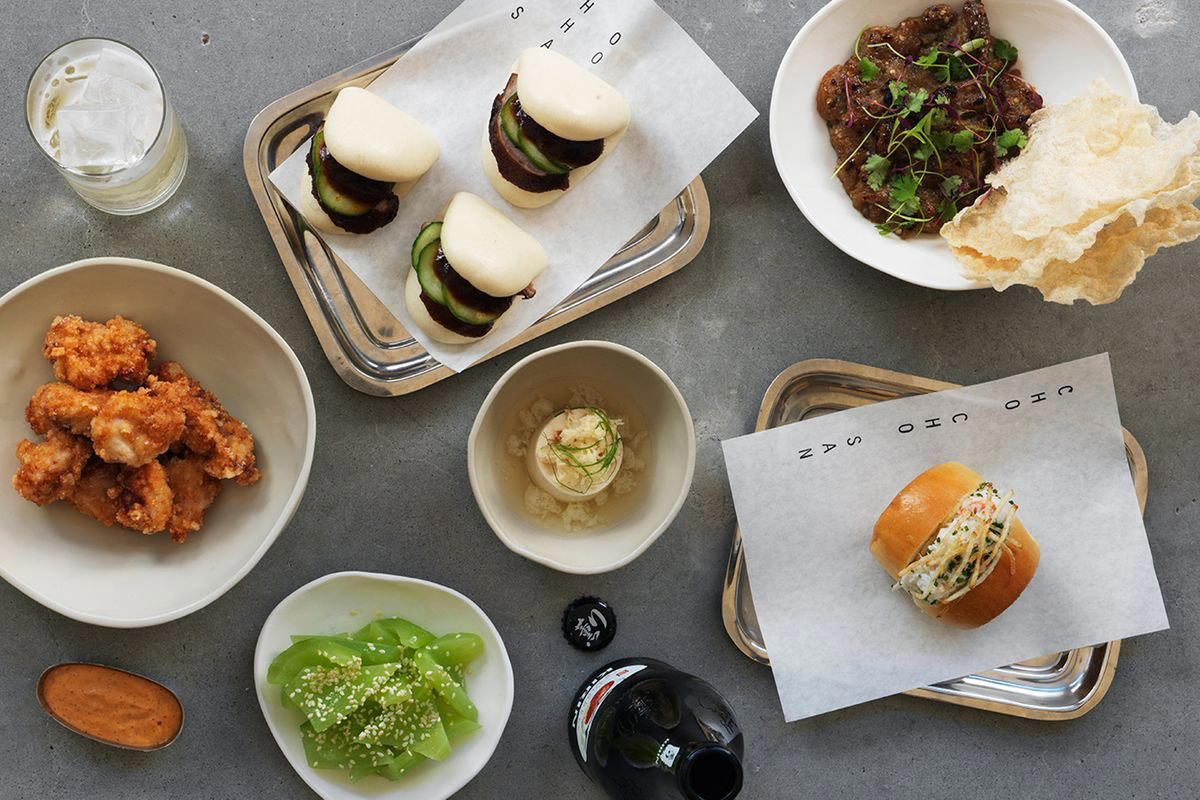
Macleay Street and the Grammar of Japanese-Australian Cooking
Potts Point's dining strip on Macleay Street has a particular density that few Sydney neighbourhoods match. Within a few blocks you can move from long-running Italian trattorias like Fratelli Paradiso and Caffè Roma to neighbourhood gyoza bars like Harajuku Gyoza Potts Point, casual noodle houses like the Dumpling and Noodle House, and considered all-day cafes like Glider Cafe. It occupies a distinct position in that mix: it belongs to the tier of Sydney restaurants that take Japanese culinary logic seriously while building their plates from Australian source materials.
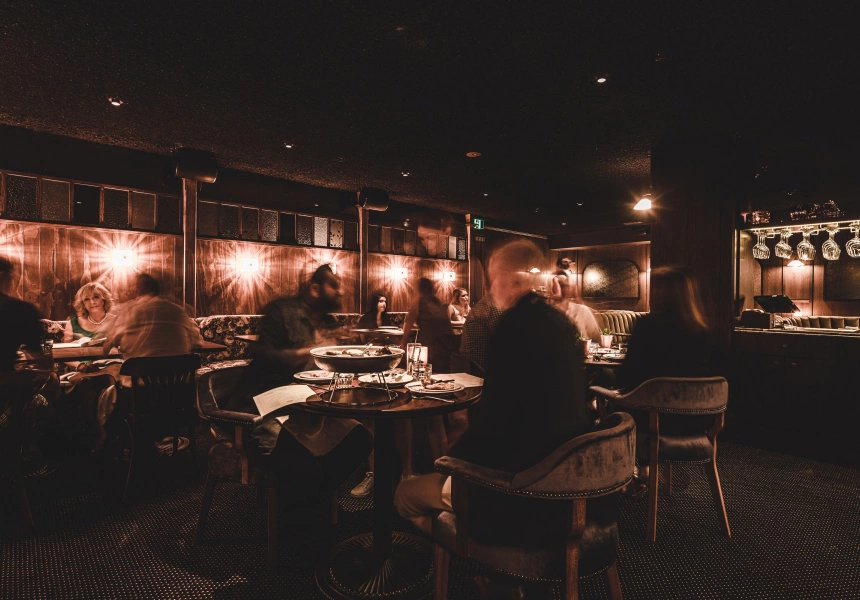
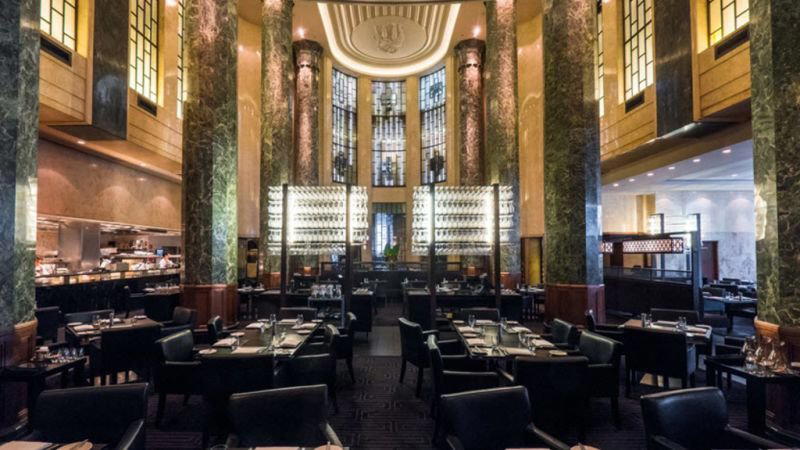
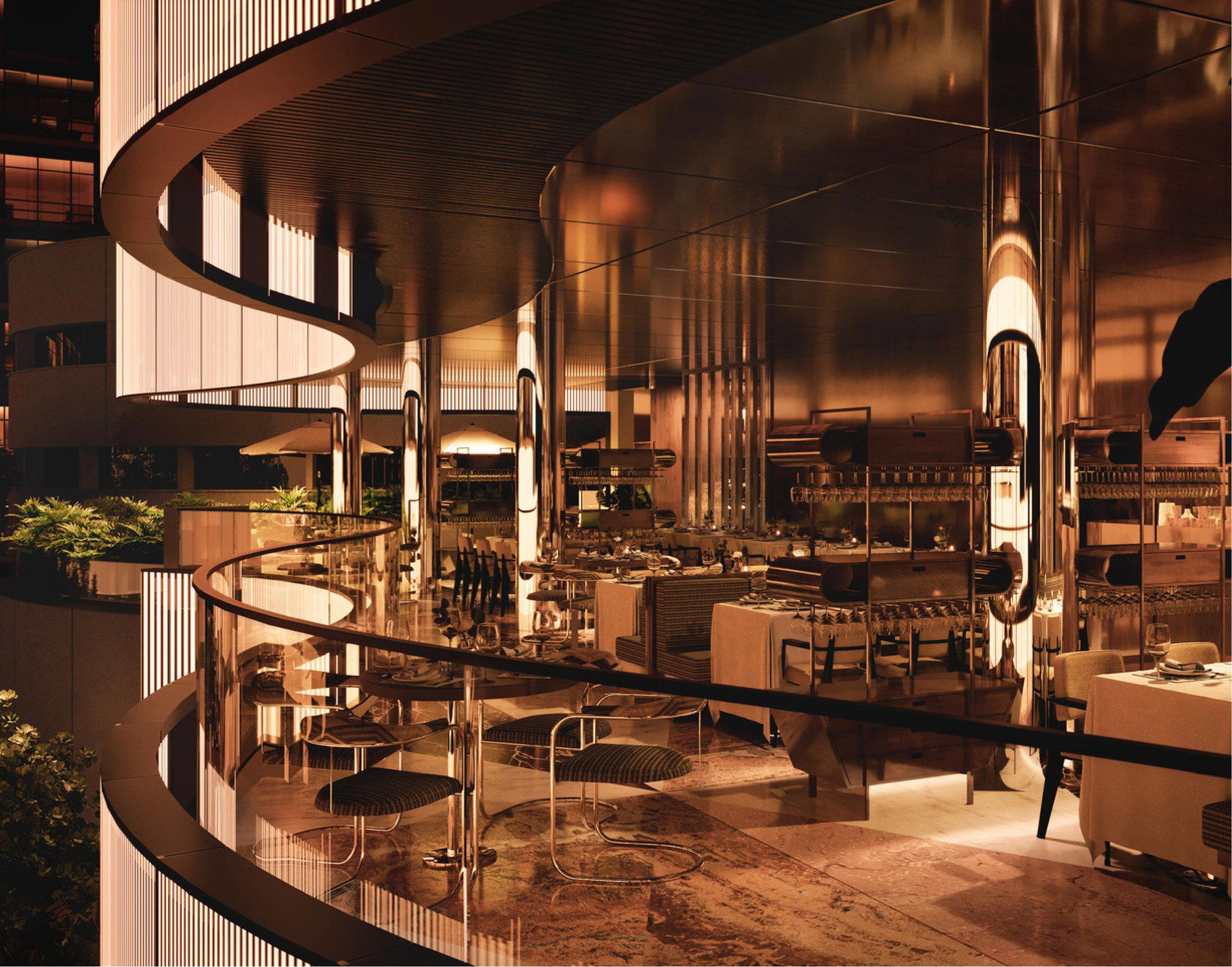
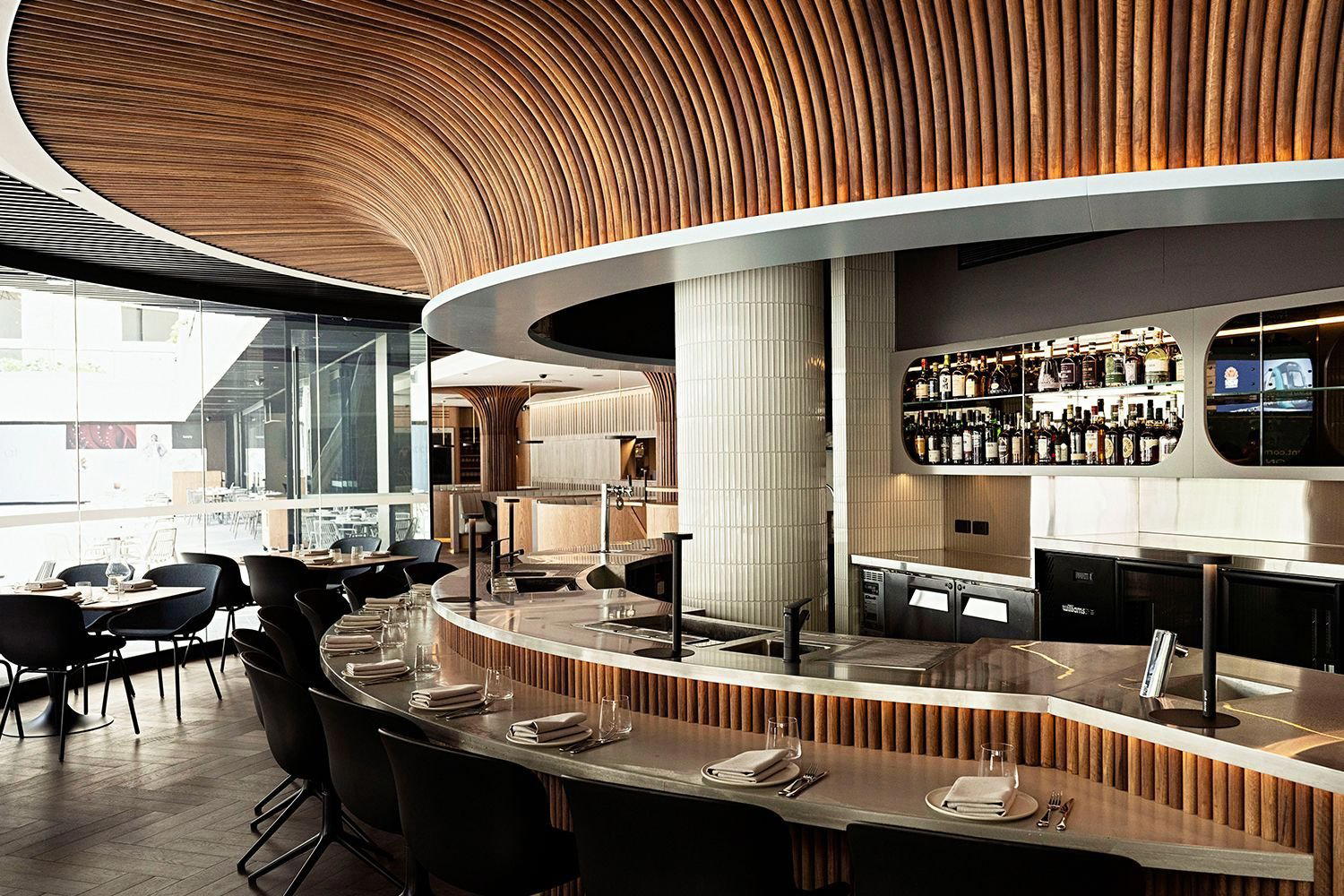
The room announces its intentions early. The interior works in pale timbers, clean sightlines, and a low-key precision that mirrors the cooking philosophy, nothing is incidental, but nothing announces itself either.
Where the Food Comes From, and Why That Framing Matters
The ingredient-sourcing question sits at the centre of Japanese-Australian cooking in a way that it does not for most other hybrid cuisines. Japanese technique, at its most disciplined, is deeply territorial: the right rice from the right prefecture, the right dashi component sourced with seasonal precision. When Australian kitchens apply that logic to Southern Hemisphere produce, the exercise becomes genuinely interesting rather than merely derivative. The question is not whether the ingredients are premium, but whether they have been selected with the same rigour that the technique demands.
Cho Cho San operates in that space. The kitchen's orientation is toward Australian produce interpreted through Japanese form, which places it in a coherent lineage rather than a vague fusion category. Across Australia, the restaurants that have done this most credibly tend to share a few traits: transparency about sourcing and restraint in preparation that lets primary materials carry the plate. Brae in Birregurra and Pipit in Pottsville pursue related ambitions from different culinary traditions, the commitment to local sourcing as a structural principle rather than a marketing claim connects them to Cho Cho San's approach, even across different idioms.
This matters for the diner because it changes how you read the menu. You are not looking for approximations of Tokyo or Osaka. You are reading a document about what Australian coastal and agricultural producers can contribute when placed in conversation with Japanese culinary grammar. That is a more interesting document, and a more honest one.
Cho Cho San in Sydney's Broader Japanese Conversation
Sydney's Japanese-influenced dining segment has deepened considerably over the past decade. The city now has credible omakase counters, specialist ramen operations, izakaya-format rooms, and a growing tier of restaurants that use Japanese technique as a primary lens without claiming Japanese-restaurant status. The restaurant belongs to that last category, which is especially intellectually demanding among the group because it requires the kitchen to synthesise rather than replicate.
The comparison set for the restaurant is other Australian kitchens working at the intersection of precise technique and local sourcing. Attica in Melbourne and Rockpool in Sydney have anchored that conversation for years, operating from different culinary traditions but with comparable seriousness about what Australian ingredients can do when handled with discipline. More recently, Botanic in Adelaide and Laura at Pt Leo Estate in Merricks have added to that national conversation. The restaurant's contribution is to hold that conversation within a specifically Japanese formal register, in a neighbourhood context that keeps it accessible rather than ceremonial.
For international visitors tracking the same thread globally, the comparison extends further: the way Le Bernardin in New York City uses French technique as a precision instrument for seafood, or the way Lazy Bear in San Francisco reframes American produce through a dining lens, reflects the same underlying logic. The technique is a tool; the local ingredient is the subject.
The Room and the Register
Potts Point restaurants in this tier tend to draw a crowd that skews knowledgeable and local rather than tourist-heavy, which shapes the atmosphere in useful ways. The room at the restaurant runs at a pace that allows conversation without the compression that characterises higher-volume operations on the same street. It is the kind of dining that rewards unhurried attention, plates built with restraint read differently when you are not rushing through a booking window.
The format sits between casual and formal in a way that has become increasingly common at serious Australian restaurants: considered without being stiff, relaxed without being sloppy. That register, which Ormeggio at The Spit in Mosman also navigates in its harbourside context, tends to suit the Sydney market well. Diners here are not looking for ceremony, but they are looking for evidence that what arrives on the plate has been thought through.
Planning Your Visit
The restaurant sits at 73 Macleay Street in Potts Point, reachable by a short walk from Kings Cross station or a direct taxi or rideshare from the CBD. Macleay Street is walkable and compact, which makes it direct to fold the restaurant into a broader evening in the neighbourhood.
How It Stacks Up
Comparable venues nearby, for context on price, style, and recognition.
| Venue | Cuisine | Price | Notes |
|---|---|---|---|
| Cho Cho SanThis venue — the venue you are viewing | Modern Japanese Izakaya | $$$ | Not listed |
| Glider Cafe | Australian Cafe | $$ | Potts Point |
| Harajuku Gyoza Potts Point | Japanese Gyoza Izakaya | $$ | Potts Point |
| Fratelli Paradiso | Modern Italian Trattoria | $$$ | Potts Point |
| Caffè Roma | Authentic Italian Trattoria | $$ | Potts Point |
| Dumpling and Noodle House | Northern Chinese Dumplings & Noodles | $ | Potts Point |
Continue exploring
More in Potts Point
Restaurants in Potts Point
Browse all →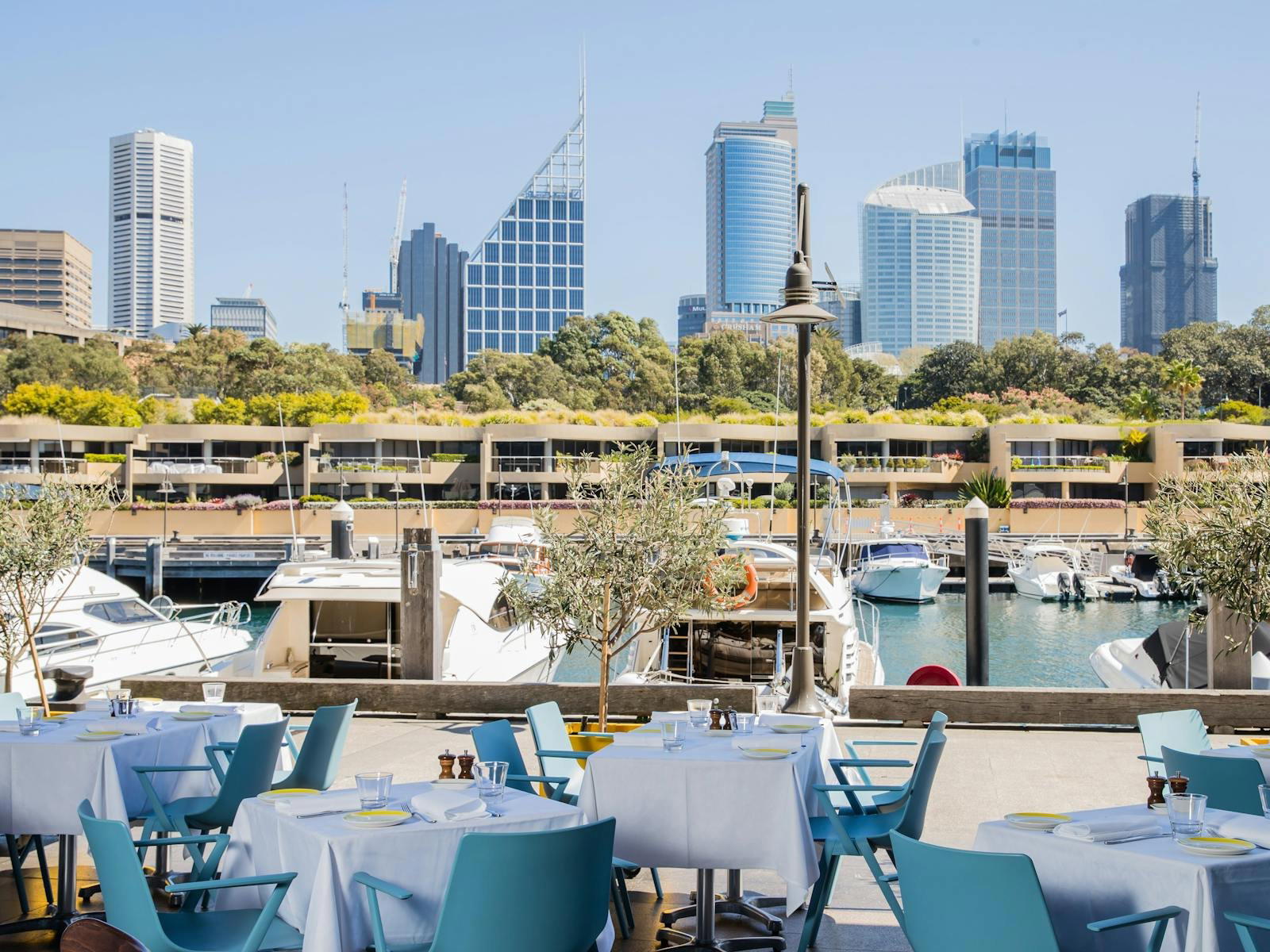
Bars in Potts Point
Browse all →
Hotels in Potts Point
Browse all →
Wineries in Potts Point
Browse all →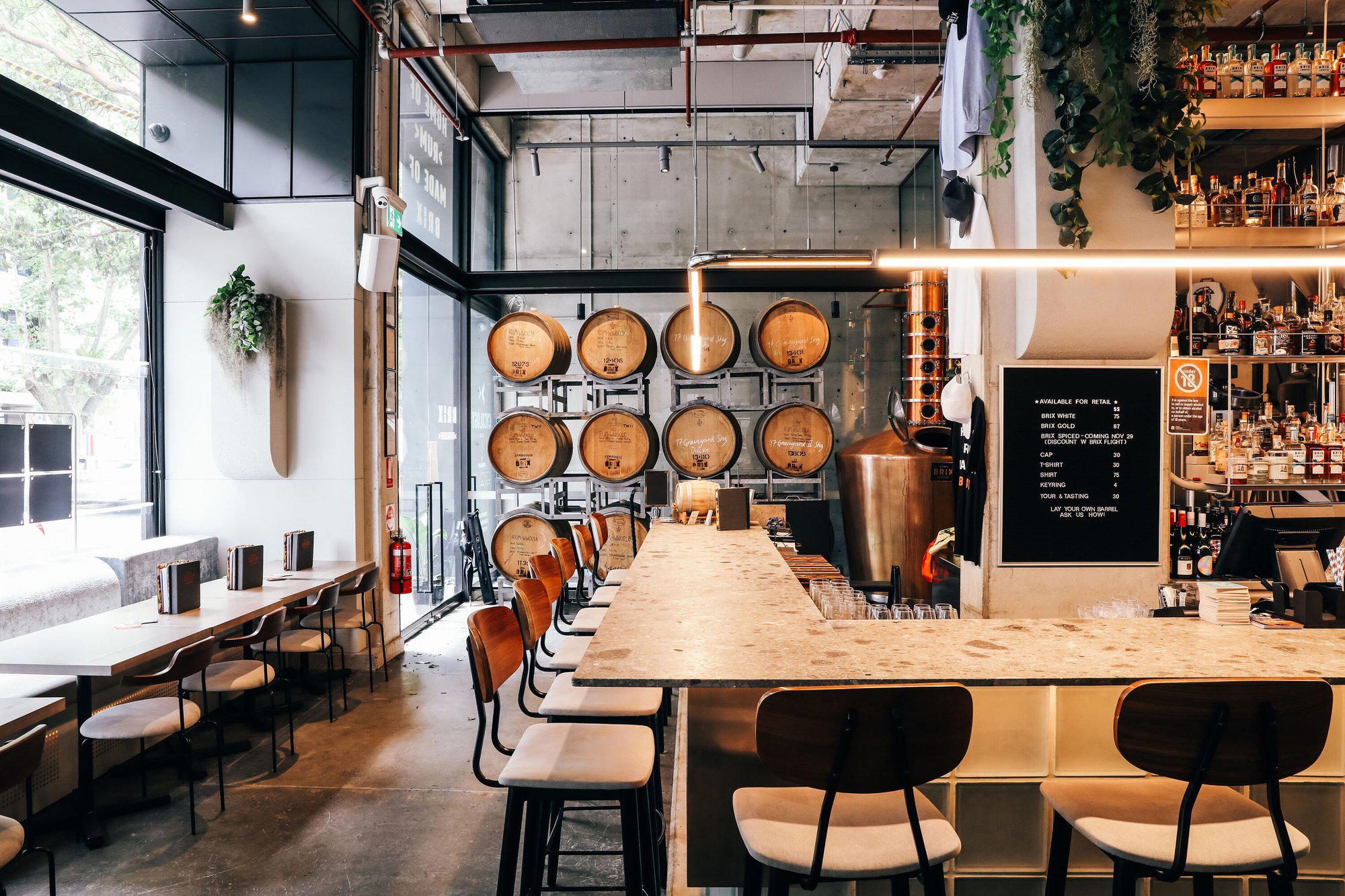
At a Glance
- Lively
- Trendy
- Energetic
- Modern
- Date Night
- Group Dining
- Casual Hangout
- Open Kitchen
- Sake Program
- Craft Cocktails
Current opening hours
- Monday
- 5:30 PM–12 AM
- Tuesday
- 5:30 PM–12 AM
- Wednesday
- 5:30 PM–12 AM
- Thursday
- 5:30 PM–12 AM
- Friday
- 12 PM–12 AM
- Saturday
- 12 PM–12 AM
- Sunday
- 12 PM–12 AM
Hours can change for holidays and private events. Last verified .
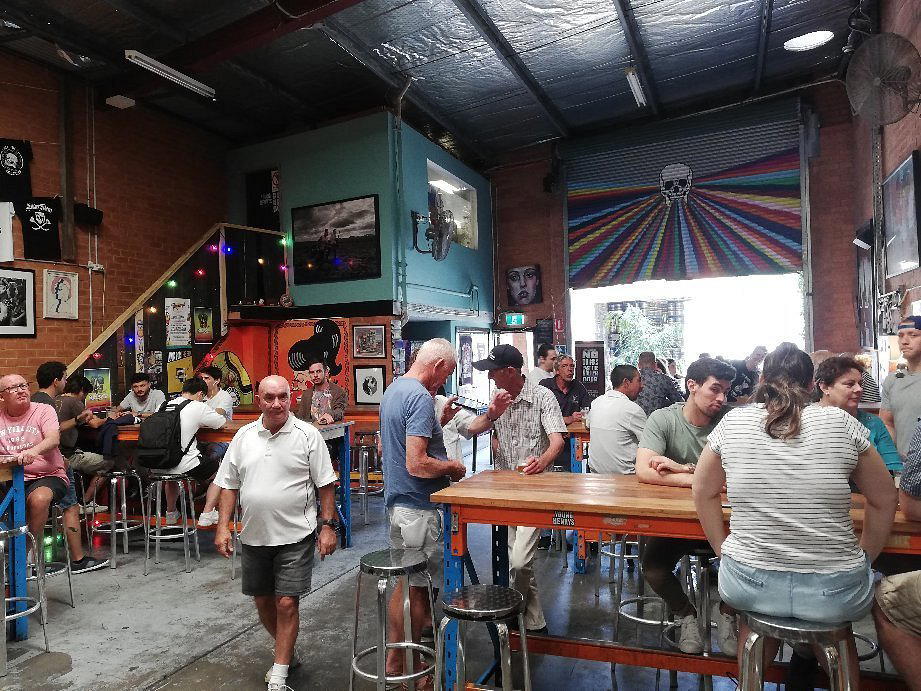
Minimalistic design with electric energy, lively atmosphere, and focus on colorful dishes and extensive bar.