
Chitose Honten belongs to Osaka’s everyday noodle culture rather than its luxury dining circuit: compact, lunch-focused, cash-oriented, and built around udon and soba in Namba’s dense food quarter. Its selection for Tabelog 100 Udon WEST 2024 gives the address a clear credential, but the appeal is broader: a low-friction counterpoint to Osaka’s reservation-heavy restaurants and tasting-menu rooms.
Pearl is the En Primeur Club membership app — saves, bookings, and concierge access live there. Same editors, same standards.
- Address
- Japan, 〒542-0075 Osaka, Chuo Ward, Namba, 千日前8−1
- Phone
- +81 6-6633-6861
- Website
- chitose-nikusui.com
 Saves & bookings on Pearl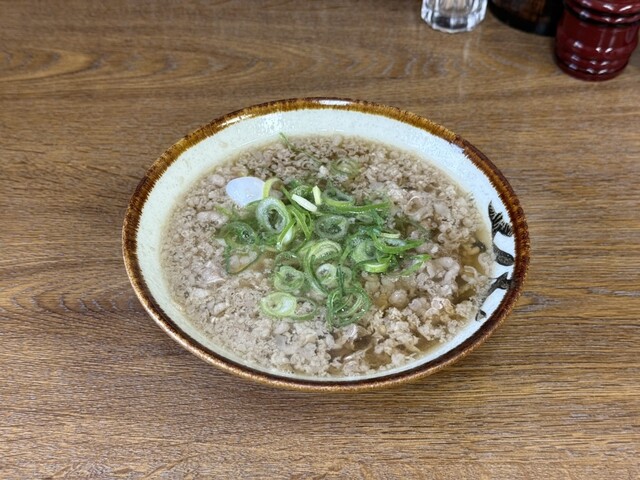
Approaching Namba’s Sennichimae area, the rhythm shifts from department-store polish to packed food streets, short queues, and signs for people who know what they want. This is Osaka at street level: not ceremonious, hushed, or eager to turn lunch into theatre. Here, udon and soba act as civic infrastructure as much as cuisine: quick enough for workdays, specific enough to show regional habits, and inexpensive enough to sit outside the special-occasion economy.
Chitose Honten fits that grammar. Recognition in Tabelog 100 Udon WEST 2024 places it among a defined group of western Japan noodle specialists, useful in a category where reputation travels more by local routine than international awards. The point is not luxury but concentration. Osaka dining can swing from kappo counters and wagyu rooms to takoyaki queues within blocks, but noodle shops like this carry the city’s daily appetite with less performance and more repetition.
Namba noodle culture without tasting-menu choreography
Osaka’s food identity is often exported through snacks and spectacle, but its more revealing meals are often shorter and less decorative. Udon shops sit between transit dining and craft tradition, rewarding broth discipline, noodle texture, and speed while leaving little room for the narrative machinery around destination restaurants. In Namba, that matters: the district absorbs commuters, shoppers, theatre crowds, and late-starting visitors, so formats built for constant turnover become part of the neighbourhood’s logic.
The 18-seat scale keeps the experience close to an older urban model: small room, shared tables when crowded, and little distance between ordering and eating. That does not automatically make it rustic; it makes the meal legible. In a city where premium sushi and kaiseki may require advance planning, a compact noodle house has different editorial value: it shows how Osaka eats when the occasion is not the subject.
The listed categories, udon and soba, also matter. Udon in western Japan is generally read differently from Tokyo’s darker, sharper noodle-shop tradition, with Kansai cooking associated with lighter seasoning and dashi clarity. That regional contrast is broad, not a promise about a specific bowl, but it explains why a western-Japan udon list is a meaningful frame rather than a generic ranking. The award places the restaurant in a regional conversation, not just a city guide entry.
For a wider view of how this meal sits beside Osaka’s other formats, Our full Osaka restaurants guide is the natural next reference. The city’s range includes coffee stops such as .cafe, bakeries like 52CHO-ME BAKERY, mass-market pork bun culture around 551 Horai (551蓬莱), Neapolitan-leaning rooms such as 99 Pizza Napoletana Gourmet, and Italian dining at a canto (Italian). Together, they show why Osaka is better understood through formats than a single signature dish.
Recognition that suits a small, practical restaurant
Tabelog’s Hyakumeiten lists matter for casual Japanese categories because they capture a tier below the international fine-dining circuit. A Michelin star changes how travellers plan a night; a Tabelog 100 udon selection changes how seriously to take a short, affordable lunch. Chitose Honten’s 3.73 Tabelog score adds another public signal, especially where scores above the mid-threes carry weight among local diners. Its earlier selection for the 2022 udon list shows this is not a one-year curiosity.
Against comparable Osaka casual formats, the distinction is clear. Sakanaya Hidezou Tachinomi ten and Oisi stand occupy the standing-bar and low-cost drinking economy, while NEXT Shikaku sits nearer the same sub-¥1,000 quick-meal bracket. THE BUTCHER works in a different, meat-led casual register. The comparison matters because Osaka casual dining is not one category: noodles, tachinomi, curry, bakeries, pizza, and pork buns compete for the same traveller’s spare meal slots. Udon earns its place when the priority is regional fluency, not novelty.
This address should not be judged like a destination dining room. There is no need for chef mythology, a grand service arc, or a cellar story. The relevant questions are simpler and stricter: does the format express the neighbourhood, does the recognition match the category, and does the meal occupy a place in Osaka food culture that visitors might miss by chasing only famous queues? On those terms, the answer is persuasive.
How to fit it into an Osaka itinerary
The practical appeal is its Namba location, one of Osaka’s easiest eating districts to combine with shopping streets, Kuromon-adjacent wandering, and onward transit. Because the format is compact and reservations are unavailable, it suits travellers who can keep lunch flexible. The room’s scale also argues against arriving with a large group expecting to linger; read it as a focused stop in a walking day, not a long social booking.
Cash-only payment and take-out service point to the same conclusion: an everyday restaurant with a serious reputation, not a hospitality set piece. Children are welcome, there are no private rooms, and the no-smoking policy helps within mixed itineraries. Travellers building a fuller Osaka plan can pair the meal with Our full Osaka hotels guide, Our full Osaka bars guide, Our full Osaka wineries guide, and Our full Osaka experiences guide rather than treating lunch as an isolated errand.
For readers comparing Japanese casual dining beyond Osaka, the useful contrast is range: sukiyaki in Kamakura at -Grilled beef Sukiyaki- KAMAKURA TANUKIAN 鎌倉 たぬき庵 in Kamakura, charcoal-led dining at. 鮪と炭火焼き うお炭 秋葉原店 in Tokyo, regional cooking at.know in Kumamoto, Vietnamese cooking at (Shoku) Vietnam in Kawasaki, curry in Sapporo at [Curry Senmon Ten] Maruyama Kyoju. in Sapporo, Kyoto dining at [ki:] in Kyoto, sake-bar culture at Jōdo Saké Bar in Los Angeles, and Japanese comfort food abroad at Onigiri Time in Pasadena. Chitose Honten’s value is narrower and cleaner: a small Namba noodle shop with a credible regional award, serving a form that explains Osaka better than another elaborate dinner would.
A Pricing-First Comparison
Comparable venues to calibrate price, style, and recognition.
| Venue | Cuisine | Price | Notes |
|---|---|---|---|
| Chitose HontenThis venue — the venue you are viewing | Not listed | $ | Not listed |
| ラーメン チョンマゲ 大阪天六店 | Not listed | $ | Tenjinbashi, Traditional Japanese Soy Sauce Ramen |
| Chitose Udon | Namba, Osaka Nikusui Udon | $ | Not listed |
| Angetsu | Not listed | $ | Chūō, Traditional Japanese Wagashi (Confectionery) |
| Yotsubashi Cafe | Not listed | $ | Nishi, Japanese yoshoku-style cafe specializing in hamburg steak |
| Udon Kyutaro | Chūō, Standing Udon Bar | $ | Not listed |
Recognition history
Dated appearances from independent guides and award organizations, with the underlying list record or original source where available.
Tabelog 100 #24 · No. 24
Tabelog · Tabelog 100 - Udon - WEST - 2024
Continue exploring
More in Osaka
Restaurants in Osaka
Browse all →




Bars in Osaka
Browse all →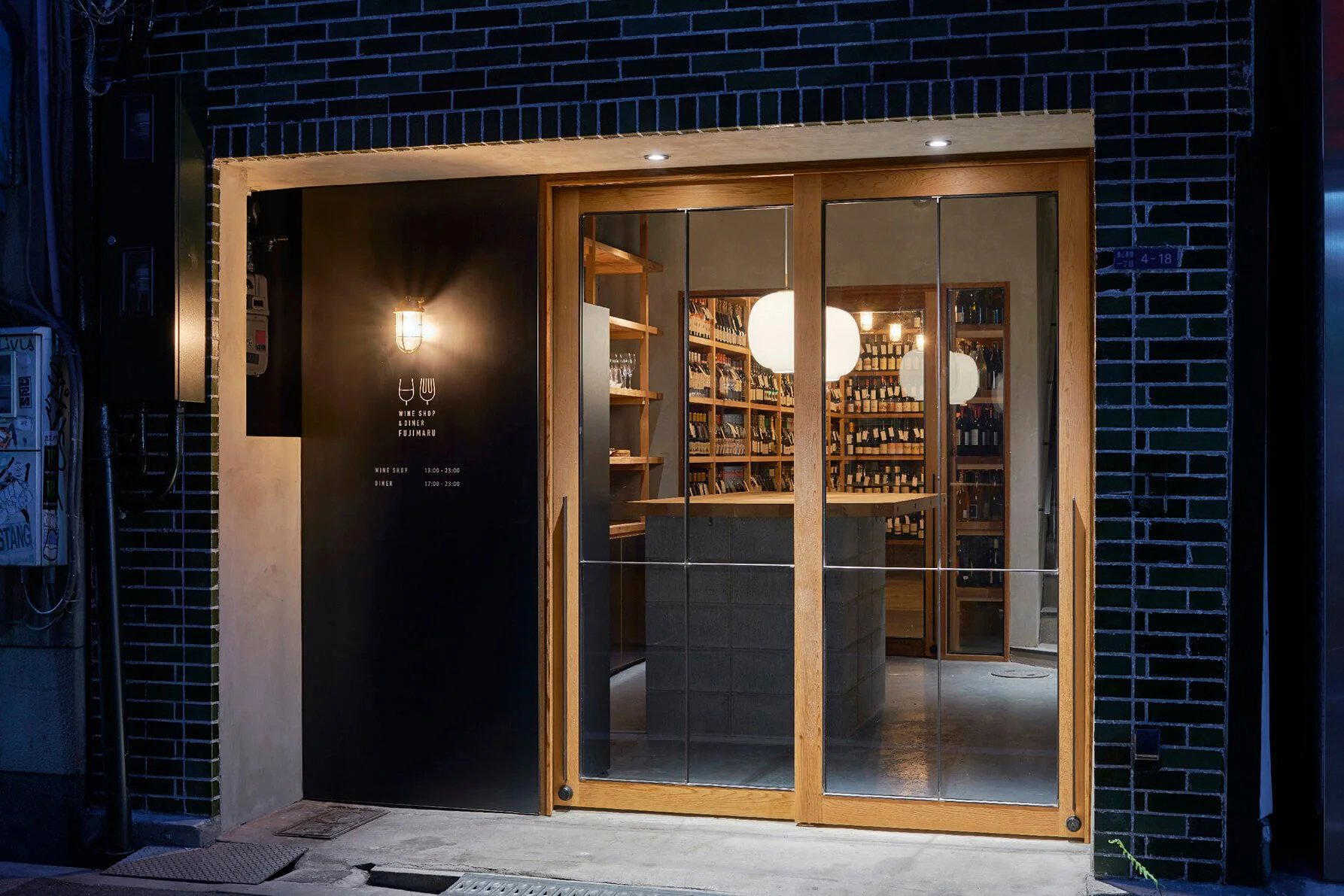
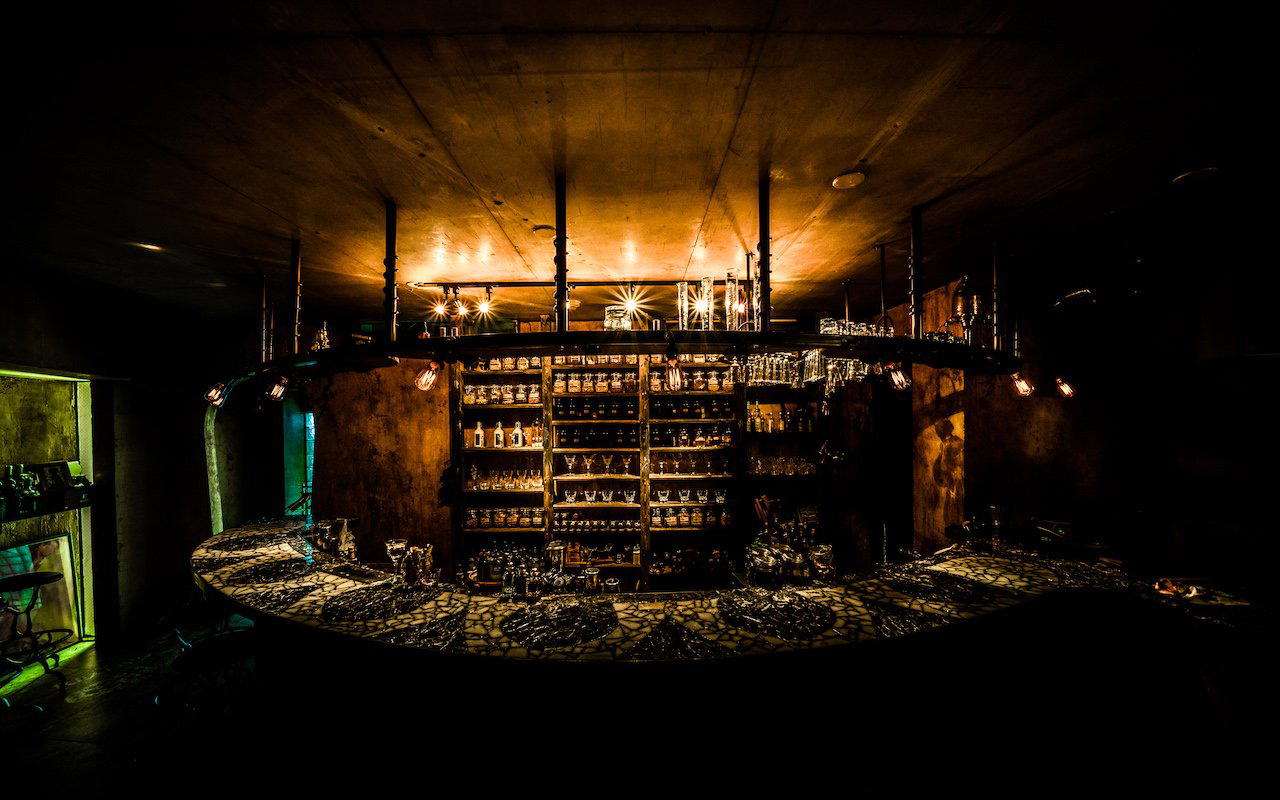

Hotels in Osaka
Browse all →



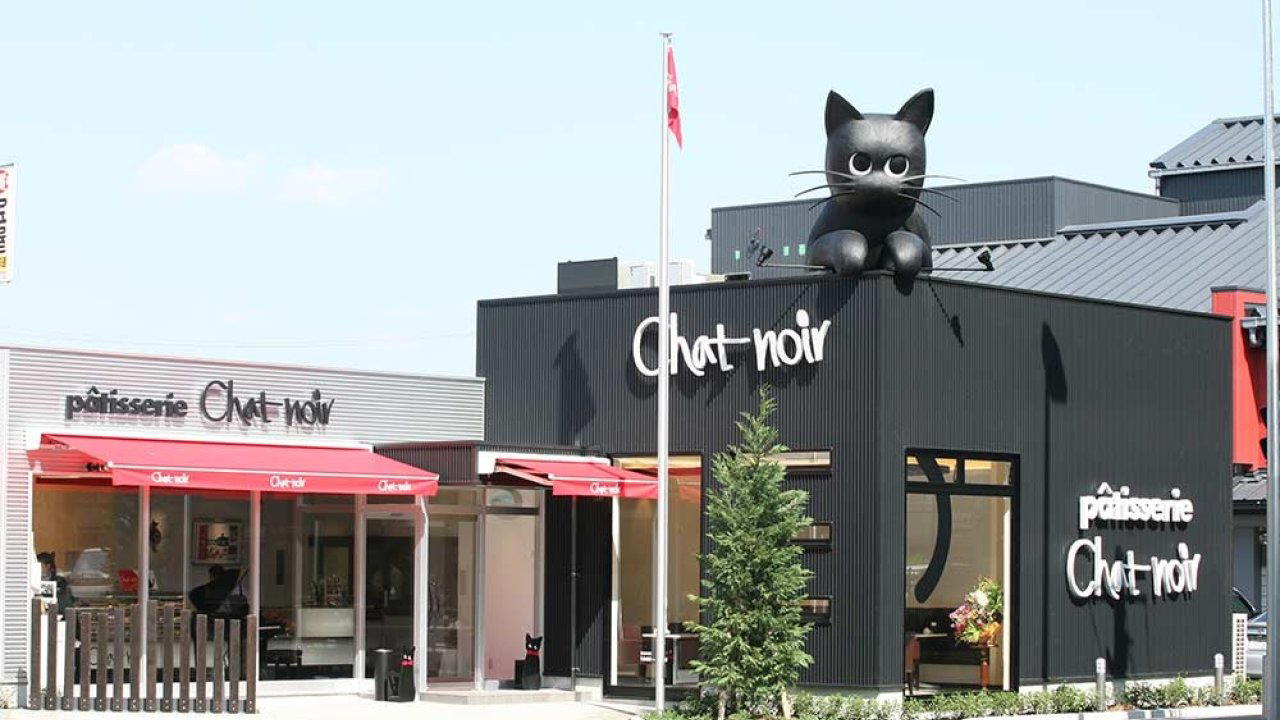
Wineries in Osaka
Browse all →
At a Glance
- Classic
- Cozy
- Well Known
- Solo
- Casual Hangout
- After Work
- Family
- Standalone
Current opening hours
- Monday
- 10:30 AM–2:30 PM
- Tuesday
- Closed
- Wednesday
- 10:30 AM–2:30 PM
- Thursday
- 10:30 AM–2:30 PM
- Friday
- 10:30 AM–2:30 PM
- Saturday
- 10:30 AM–2:30 PM
- Sunday
- 10:30 AM–2:30 PM
Hours can change for holidays and private events. Last verified .
A compact, no-frills noodle shop with simple house-like interiors and tightly packed tables, creating a lively, bustling atmosphere centered on quick bowls of comforting nikusui.