Chiringuito El Saladero


.png)
A modest bar in the Axarquía hills, roughly 60km east of Málaga, where chef Víctor Hierrezuelo applies training from Arzak and Bardal to the seafood and produce of his home region. The à la carte draws on local sourcing traditions, with a tasting menu available on advance booking. Recognized by Opinionated About Dining's 2025 Casual Europe list, it has earned a loyal following well beyond the village.

The Axarquía coast east of Málaga is not a dining destination in the way that Marbella or Nerja draws visitors with pre-formed expectations. The fishing village of Caleta de Vélez sits at the mouth of a small river valley, its port operating on rhythms set by the Mediterranean rather than by tourism calendars. When a restaurant in this corner of the province earns recognition on Opinionated About Dining's 2025 Casual Europe list, it says something specific about the current moment in Spanish regional cooking: that the most interesting moves are happening away from the capital cities, in places where the sourcing infrastructure is real rather than curated.
The Setting: A Local Bar That Stayed Local
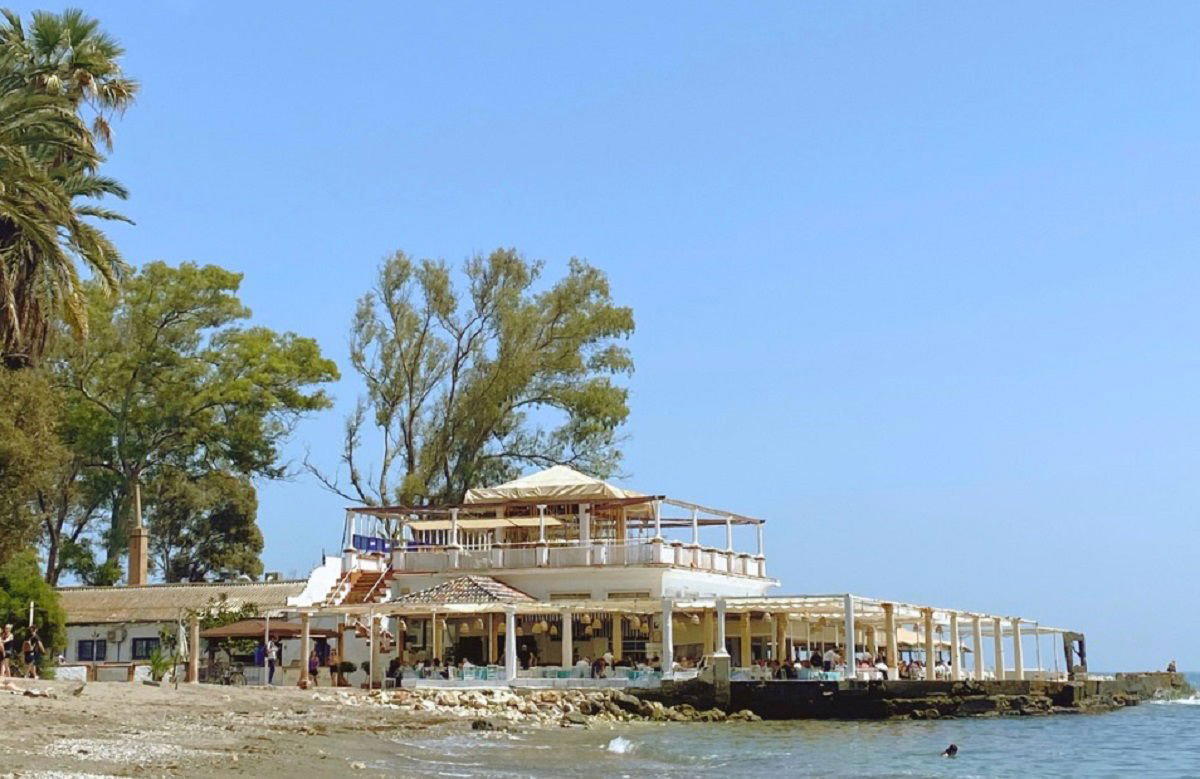
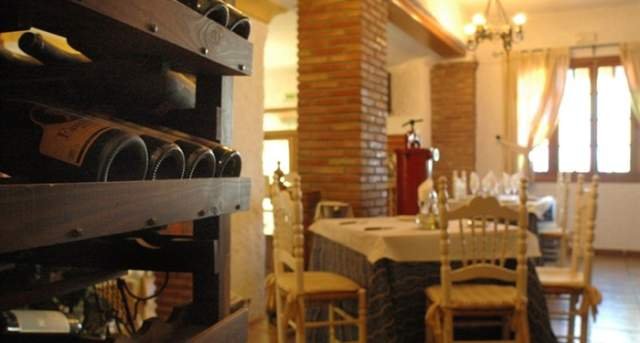
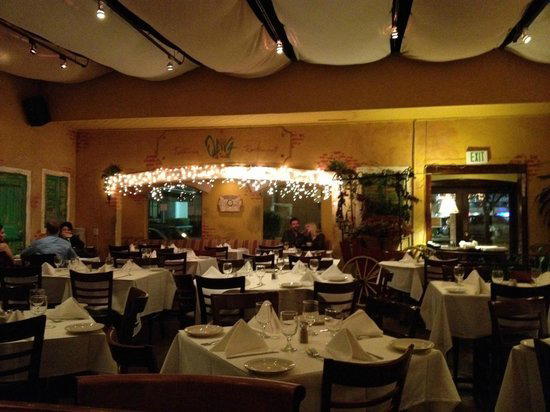
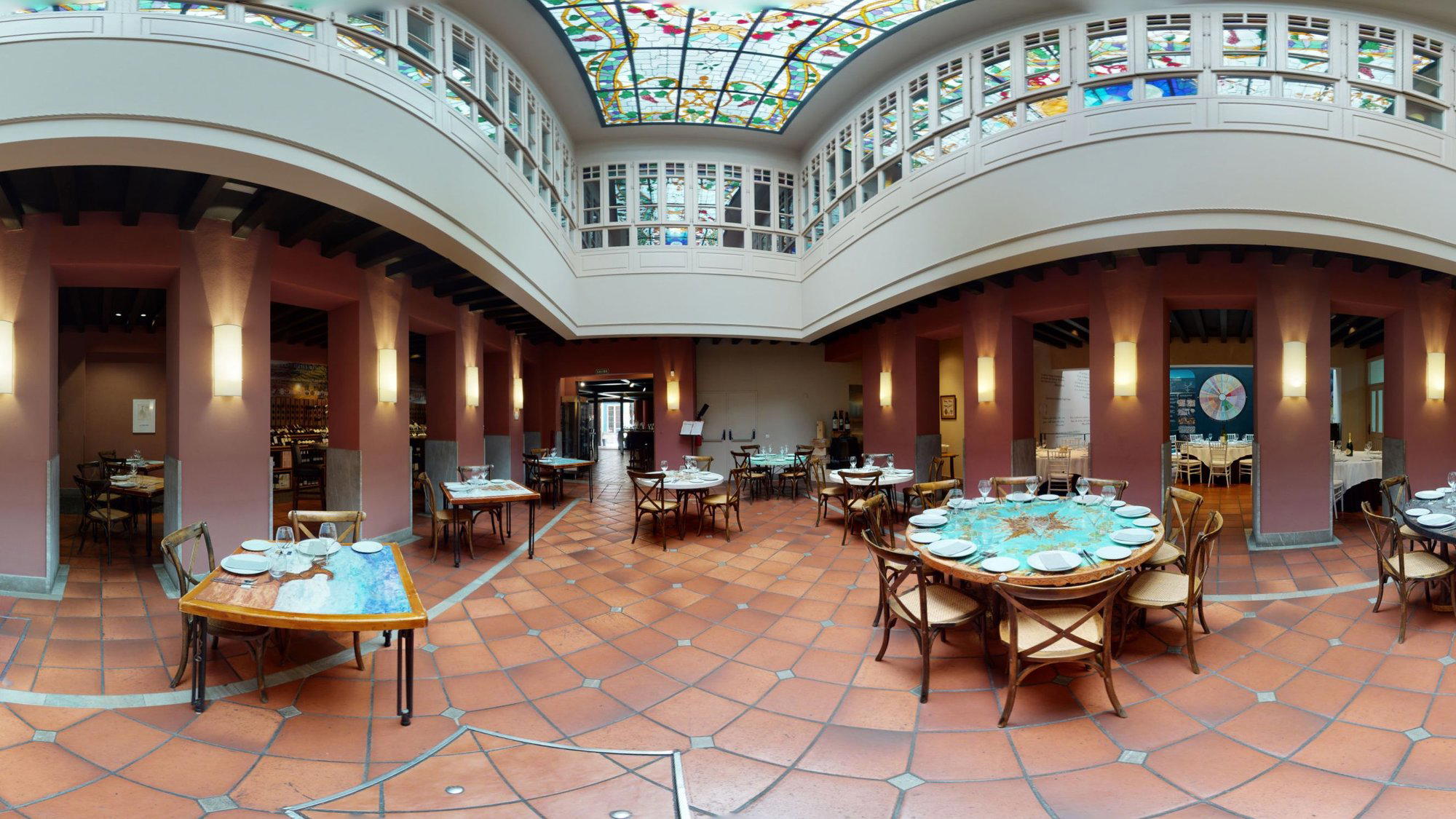
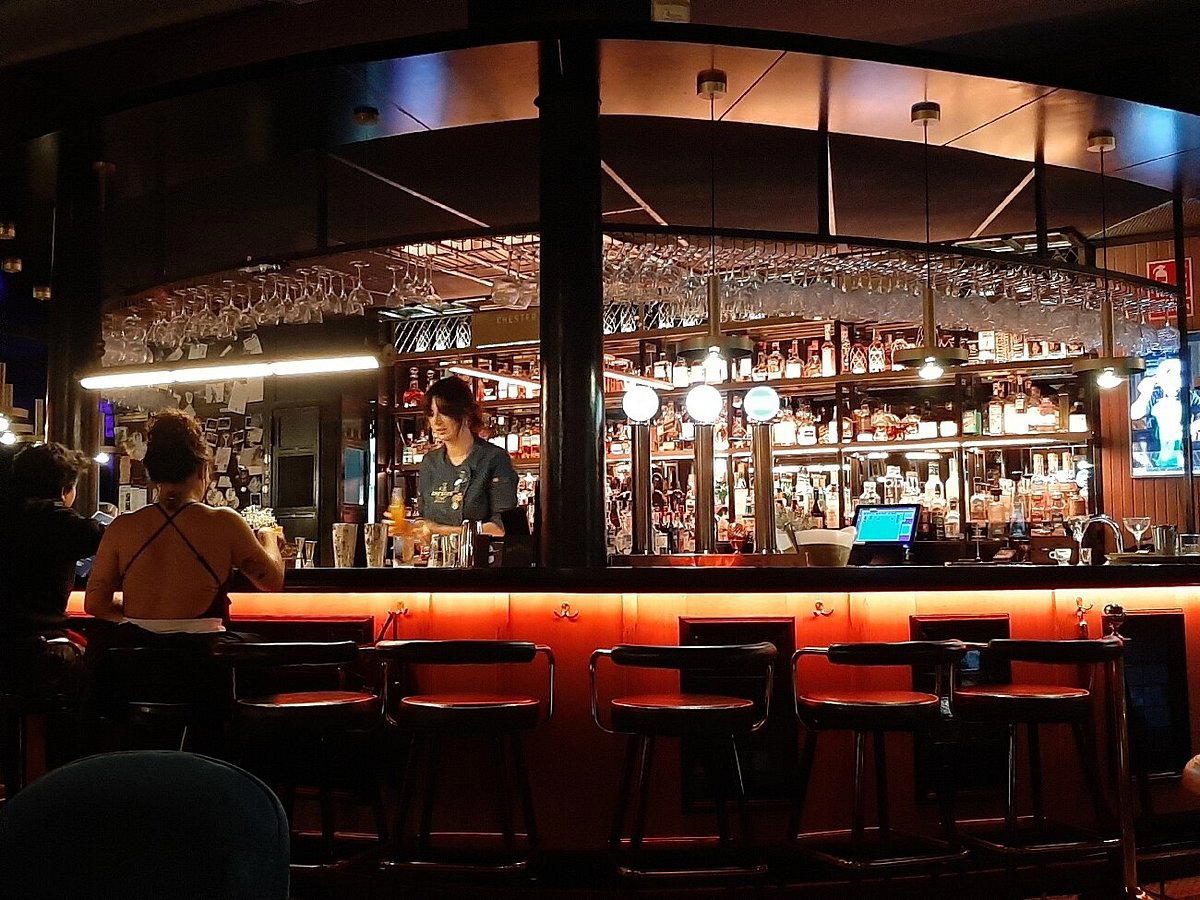
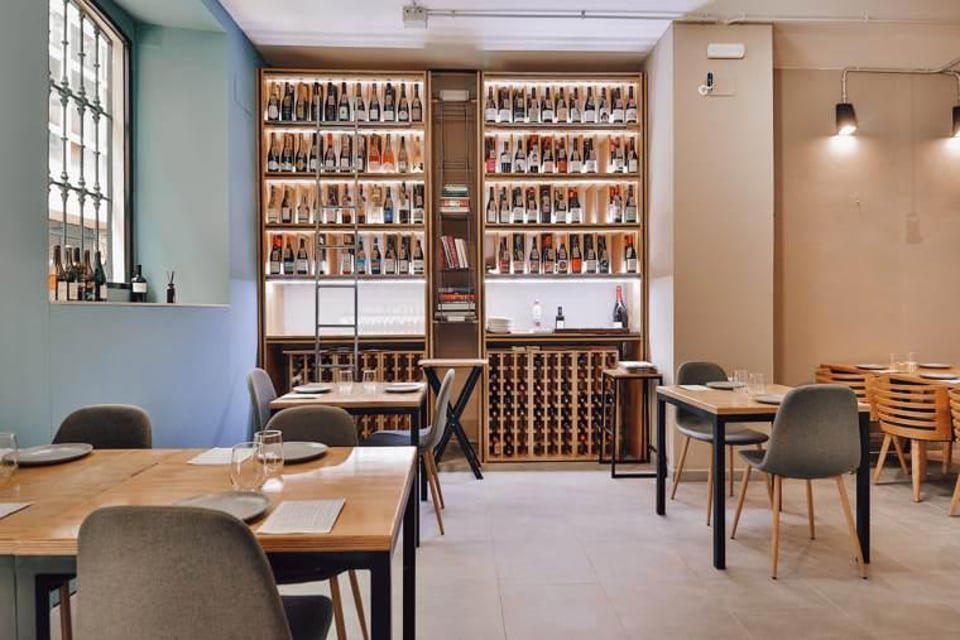
Chiringuito El Saladero occupies a bar space on Calle Real that, for many years, was run by the current chef's grandparents. The physical environment has not been reimagined for outside attention. The ambience is rustic and domestic in the way that genuinely old family operations tend to be, which is to say that it reads as earned rather than designed. Tables fill with locals who have been eating here across multiple generations. That continuity is part of the restaurant's character: the room is unpretentious in the specific sense that no effort has been made to signal ambition through décor.
This matters when assessing the food, because the gap between setting and technique is wider here than in most places where serious cooking happens. Spain's high-end restaurant circuit, from Arzak in San Sebastián to El Celler de Can Roca in Girona to DiverXO in Madrid, communicates seriousness through space, service choreography, and price architecture. El Saladero communicates it through what arrives on the plate, which is a harder argument to make and, when it lands, a more convincing one.
The Sourcing Logic of the Axarquía Coast
The editorial angle that defines this restaurant is not the chef's résumé. It is the sourcing geography. Caleta de Vélez has an active fishing port, and the Axarquía region behind it produces subtropical fruit, olive oil, and the Moscatel grape in conditions that exist almost nowhere else in Europe. The à la carte at El Saladero draws on this supply in ways that reflect what is available rather than what is fashionable. Spanish seafood cooking at this level, when it is working correctly, operates on a port-to-plate logic that larger city restaurants can approximate but rarely replicate: the product arrives in quantity, in season, and without the intermediary handling that degrades delicate fish.
Coastal Málaga's fishing tradition centres on espetos (sardines grilled on skewers over open wood fires), fritura malagueña (mixed fried fish in fine flour), and the boquerón, the European anchovy that the bay produces in sufficient numbers to support a preserved-fish industry. El Saladero operates within this tradition while applying a more considered technical vocabulary to the ingredients it receives. That combination, local product treated with craft rather than ceremony, is the defining characteristic of the Casual category that OAD has been mapping across European dining for several years.
For broader context on what Spanish seafood cooking looks like at the furthest end of the ambition spectrum, Aponiente in El Puerto de Santa María and Quique Dacosta in Dénia both apply three-Michelin-star frameworks to marine ingredients. El Saladero sits in a different tier entirely, but the sourcing instinct is recognisably related.
The Cooking: Regionalism Updated
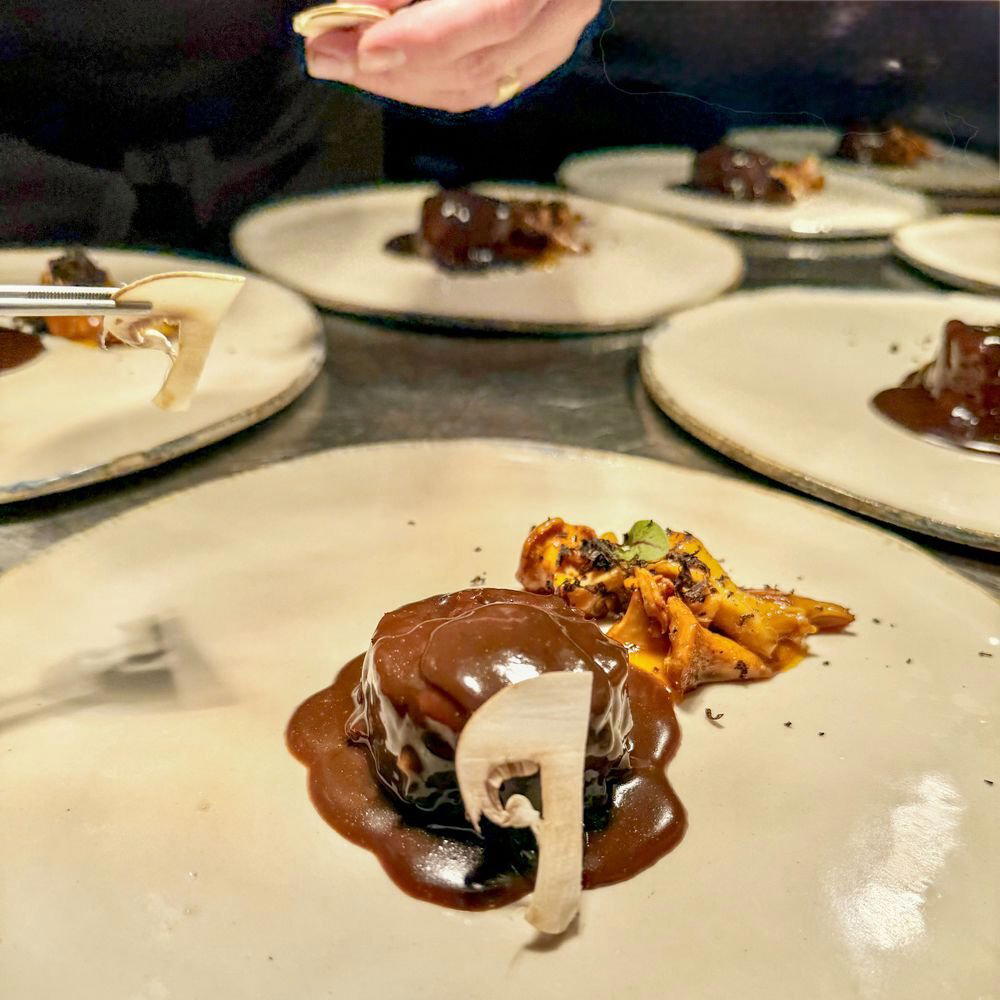
Víctor Hierrezuelo trained in hospitality and worked in a peer set that includes Arzak and Bardal, the latter being Benito Gómez's two-Michelin-star restaurant in Ronda, itself a landmark of Andalusian high-low cooking. The technique absorbed in those kitchens now operates in the service of a locally inspired à la carte that the OAD entry describes as "cleverly brought up to date." What that phrase implies in practice is a menu that respects the flavour logic of the Axarquía without reproducing it wholesale: something adjusted, clarified, and made coherent by a cook who understands both where the cuisine has been and where it could go.
The tasting menu requires advance booking and represents a more structured expression of the same sourcing philosophy. For visitors planning specifically around the restaurant, that format is worth considering: it provides a fuller picture of what Hierrezuelo is doing with the region's ingredients across a sequence of courses rather than through individual selections.
One dish worth noting specifically is the dessert listed as "Como decía Antonio, la misión del pobre" ("as Antonio used to say, the poor man's mission"). The OAD recognition singles it out as a standout, described as a pleasant surprise. The title is a reference to something local and specific, which is consistent with the restaurant's broader approach: the meaning is embedded in the regional context rather than offered up for general consumption. Save room for it.
Where It Sits in the Regional Picture
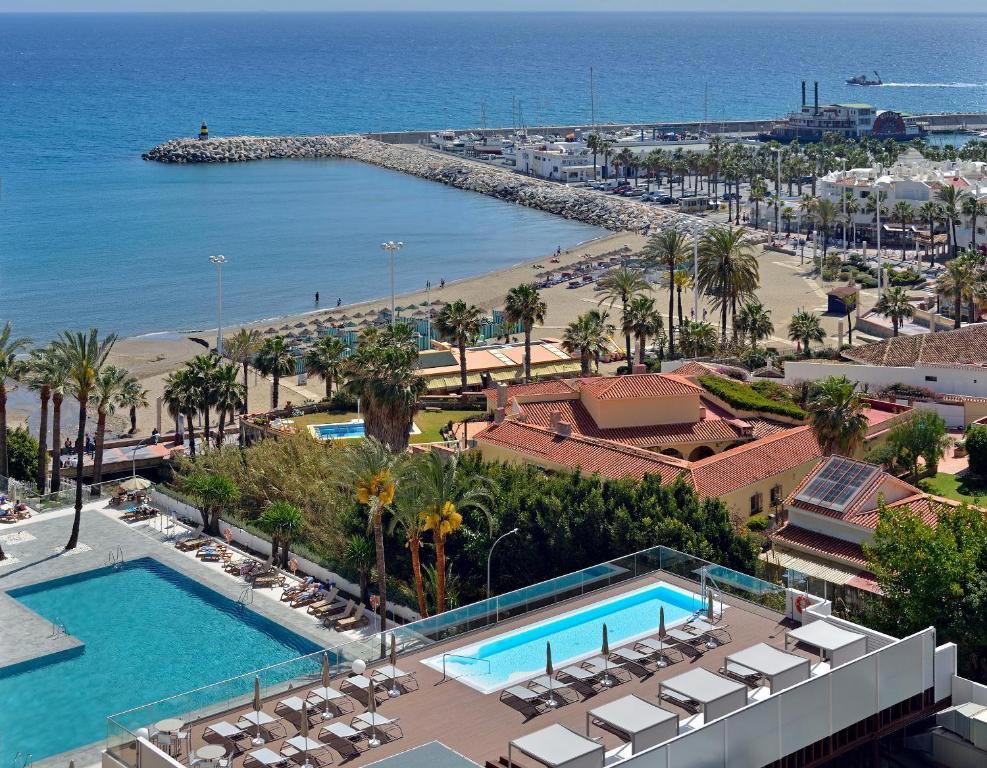
The Axarquía is one of the less-visited inland corridors of Málaga province, positioned between the coast's tourism infrastructure and the higher Andalusian sierras. Caleta de Vélez itself is a working town rather than a resort, which means the restaurant exists within a community rather than serving a seasonal visitor economy. That distinction shapes the pricing, the informality, and the local loyalty that the OAD listing describes. A Google rating of 4.3 across 883 reviews reflects sustained local satisfaction rather than a wave of destination-dining traffic.
Spanish regional cooking outside the major circuits has been gaining critical attention for roughly a decade, and the OAD Casual Europe list has been one of the more reliable instruments for identifying restaurants at this level. The 2025 inclusion of El Saladero places it alongside a specific cohort: technically capable kitchens operating in informal settings with strong sourcing relationships and without the overhead structures that come with formal fine dining. For comparison within the Spanish seafood category, El Pescadors in Llançà on the Costa Brava operates on a similar register of coastal produce and considered technique.
Planning Your Visit
El Saladero is located at Calle Real in Caleta de Vélez, Málaga, roughly 60km east of Málaga city along the A-7 coastal road. The village is not served by direct rail or significant public transport links from Málaga, so a car is the practical approach. If you are combining the visit with a wider exploration of the area, our full Caleta de Vélez hotels guide covers accommodation options in and around the town. The tasting menu requires advance booking; the à la carte operates without that constraint, though given the restaurant's growing following outside the immediate locality, confirming ahead of a special trip is sensible. Phone and website details are not currently listed in our database, so contact information is leading sourced through current local directories.
For further exploration of the area's eating and drinking options, see our full Caleta de Vélez restaurants guide, our bars guide, our wineries guide, and our experiences guide. And for those using the restaurant as an anchor for a broader Andalusian itinerary, the Spanish cooking referenced in Hierrezuelo's training extends across a circuit that includes Azurmendi in Larrabetzu, Martin Berasategui in Lasarte-Oria, Mugaritz in Errenteria, Cocina Hermanos Torres in Barcelona, Ricard Camarena in València, and Atrio in Cáceres.
Frequently Asked Questions
What should I eat at Chiringuito El Saladero?
The à la carte is built around Axarquía produce and Caleta de Vélez's coastal catch, updated with techniques from Víctor Hierrezuelo's time in high-end Spanish kitchens including Arzak. The OAD 2025 recognition singles out the dessert "Como decía Antonio, la misión del pobre" as a specific highlight worth saving space for. If you are visiting with enough lead time to pre-arrange, the tasting menu provides a more complete picture of the kitchen's range. For Spanish seafood in a similar regional register, see also Mar at Mercado Little Spain in New York City for a transatlantic point of comparison.
What is the vibe at Chiringuito El Saladero?
The room is a straightforwardly local bar with rustic, domestic character. There is no performance of informality here: the space has been a family-run local for multiple generations and looks it. The clientele skews toward regulars from the village and surrounding area, with a Google score of 4.3 from 883 reviews indicating consistent satisfaction from people who return rather than one-time visitors. By the standards of the Spanish dining circuit that includes the three-star tier, the atmosphere is as far from ceremony as possible while the cooking maintains a level that earned OAD Casual Europe 2025 recognition. Caleta de Vélez sits roughly 60km from Málaga, which keeps it outside the day-trip radius for most tourists.
Is Chiringuito El Saladero child-friendly?
Informal bar setting and local-family character of the space make it a more relaxed environment than formal restaurant dining. No specific family policies or children's menu information is listed in our database. In the context of Caleta de Vélez's pricing norms for coastal Málaga, an à la carte meal here is likely to sit at a more accessible price point than the tasting menu format. For families planning a broader stay in the area, accommodation options in Caleta de Vélez and the wider Axarquía are covered in our hotels guide.
Need a table?
Our members enjoy priority alerts and concierge-led booking support for the world's most difficult tables.
Access the Concierge