
Chinese Sai Naramachi Kuko puts Nara into the serious Chinese dining conversation through a fish-led kitchen, a house-restaurant format, and a drinks program that gives equal space to sake and wine. Its 2026 Tabelog 100 Chinese WEST selection confirms the level, but the more interesting point is how a small Naramachi address reframes Chinese technique through local Japanese sourcing habits.
 Request Booking on Pearl
Pearl is the En Primeur Club membership app — saves, bookings, and concierge access live there. Same editors, same standards.
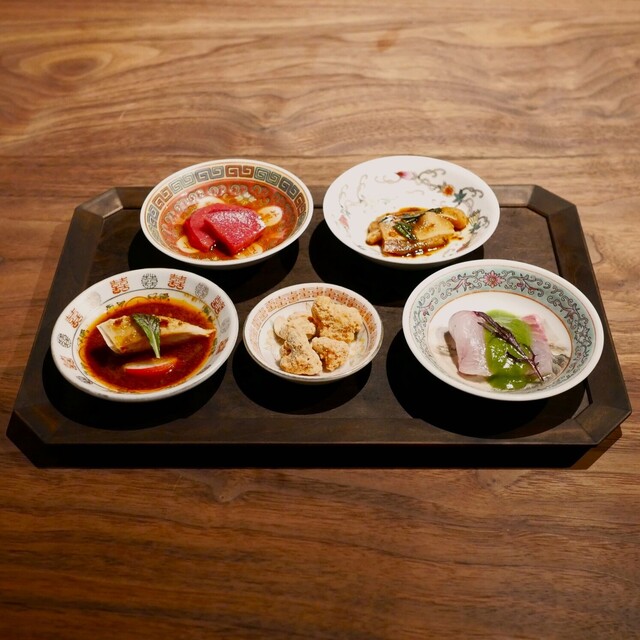
In Naramachi, the dining rhythm changes before the first course. The old merchant-house quarter asks for quieter expectations: narrow streets, low rooflines, and a sense that serious meals here often happen behind modest thresholds rather than hotel lobbies or department-store dining floors. Chinese Sai Naramachi Kuko fits that Nara register, using a house-restaurant setting for Chinese cooking that reads less like urban banquet culture and more like a controlled, ingredient-led counterpoint to Kyoto and Osaka’s louder luxury circuits.
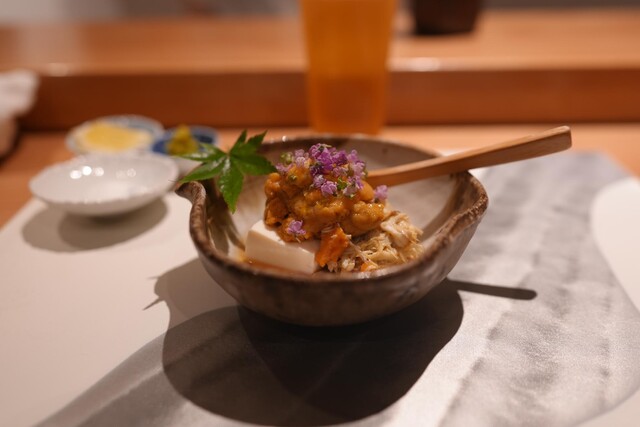
The important distinction is sourcing. Contemporary Chinese dining in western Japan has split into two persuasive modes: one prizes regional Chinese classicism, the other borrows the Japanese kaiseki instinct for season, restraint, and producer specificity. This restaurant sits firmly in the second camp. The kitchen is listed as Chinese, but its stated emphasis on fish places it closer to Japan’s market-sensitive dining culture than to the heavy-sauce stereotype that still follows Chinese restaurants in casual conversation. That matters in Nara, where premium dining has to compete not on spectacle, but on precision and scarcity.
Fish-led Chinese cooking in a city better known for temples than tasting menus
Nara’s restaurant identity is often flattened by its sightseeing reputation. Visitors arrive for Buddhist architecture, deer, and day-trip history; the serious dining scene is smaller and more dispersed than in Kyoto or Osaka. That makes a fish-focused Chinese restaurant in Naramachi more than a category anomaly. It signals a local appetite for hybrid technique: Chinese heat control, Japanese product awareness, and a beverage program that can move between sake and wine without treating either as decorative.
The 2026 Tabelog 100 Chinese WEST selection gives the room a clear trust signal, especially because the list covers a broad western-Japan field rather than a single city. A Tabelog score of 4.00 places it in a demanding user-review environment where restaurants are judged against tight regional expectations, not international checklist dining. The useful reading is not that awards alone define the meal; it is that independent recognition has caught up with a smaller Nara address operating in a category usually associated with bigger dining markets.
Japanese Chinese dining has long absorbed local preferences, from lighter seasoning to seafood-forward menus, but the current premium tier is more explicit about product. When fish becomes the stated point of focus, the meal shifts away from the old luxury shorthand of banquet ingredients and toward freshness, texture, and timing. That is where Nara’s scale helps. A smaller city does not need to imitate metropolitan grandeur if the cooking has a reason to be there.
The house-restaurant format changes the tempo
The setting matters because it changes how Chinese food is read. In a hotel dining room, Chinese cuisine can default to formality and polish; in a house restaurant, it becomes more intimate, closer to the Japanese habit of treating the room as part of the meal’s discipline. Spacious seating and a non-smoking policy reinforce that quieter register. Private rooms and private use are not part of the format, so the experience is better understood as a focused dining room rather than a corporate-entertaining address.
Drinks also carry editorial weight here. Sake and wine are both part of the program, with wine given particular attention. That pairing range makes sense for fish-led Chinese cooking: sake can support delicacy and umami, while wine gives structure to heat, oil, and aromatics. For travelers used to Chinese restaurants where tea or beer dominate the default pairing logic, this is the more modern western-Japan model, less rigid and more responsive to the ingredients on the table.
The room’s rules also point to the kind of diner it wants. Children are accepted only from age 11 when taking the adult course, which makes the restaurant workable for older families but not for casual multi-generational sightseeing meals. There is no parking on site, and the nearest named parking option is Mitsui Repark Narukawacho, so the experience suits diners willing to treat the evening as planned dining rather than a drop-in stop between temples.
How to place it within a Nara trip
For a visitor building a Nara itinerary, this is the restaurant to consider when the city is more than a day trip. The appeal is strongest for diners who want evidence of Nara’s contemporary dining culture rather than another historical set piece. Its recognition in the Tabelog 100 Chinese WEST 2026 list gives it regional credibility; its Naramachi house setting gives it a local frame; its fish emphasis gives the cuisine a sharper argument than generic luxury Chinese.
Reservations are the practical hinge. The restaurant operates by reservation only, with the following month’s bookings released at 9 PM on the first day of each month, and February handled from January 2 at 9 PM. Closures include Sundays, public holidays, and some Mondays and Thursdays. That cadence rewards travelers who plan Nara around dinner rather than trying to attach dinner to a loose sightseeing day.
For broader city planning, EP Club’s full narashi restaurants guide is the natural companion, especially if this table becomes the anchor meal. The wider travel frame sits in the narashi hotels guide, narashi bars guide, narashi wineries guide, and narashi experiences guide. Diners comparing Japanese regional dining styles can also look outward to #肉といえば松田 奈良本店 in Kashihara, [ki:] in Kyoto, .cafe in Osaka, . 鮪と炭火焼き うお炭 秋葉原店 in Tokyo, -Grilled beef Sukiyaki- KAMAKURA TANUKIAN 鎌倉 たぬき庵 in Kamakura, (Shoku) Vietnam in Kawasaki, [Curry Senmon Ten] Maruyama Kyoju. in Sapporo, 1/3 HAMBURGER FACTORY in Kanazawa, 1000 in Yokohama, 1000mヒュッテ 1000m Hut in Kutchan.know in Kumamoto, Jōdo Saké Bar in Los Angeles, and Onigiri Time in Pasadena.
Comparable venues nearby, for context on price, style, and recognition.
| Venue | Cuisine | Price | Notes |
|---|---|---|---|
| Chinese Sai Naramachi KukoThis venue — the venue you are viewing | Traditional & Creative Chinese Cuisine | $$$ | Not listed |
| Manchinro Tenshinpo (萬珍樓 點心舗) | Cantonese Dim Sum | $$$ | Chinatown |
| China Kitchen | 本格四川・広東中華 | $$$ | Hanazono |
| Wee Nam Kee Chicken Rice (威南記 海南鶏飯) | Singaporean Hainanese Chicken Rice | $$ | Shibaura |
| シャンリー | 本格中華 | $$ | 新栄東 |
| 中国料理 獅子 | Traditional Chinese Cuisine | $$$ | 志賀高原 (Shiga Kogen) |
Recognition history
Dated appearances from independent guides and award organizations, with the underlying list record or original source where available.
Tabelog 100 #42 · No. 42
Tabelog · Tabelog 100 - Chinese cuisine - WEST - 2026
Continue exploring
More in narashi
Restaurants in narashi
Browse all →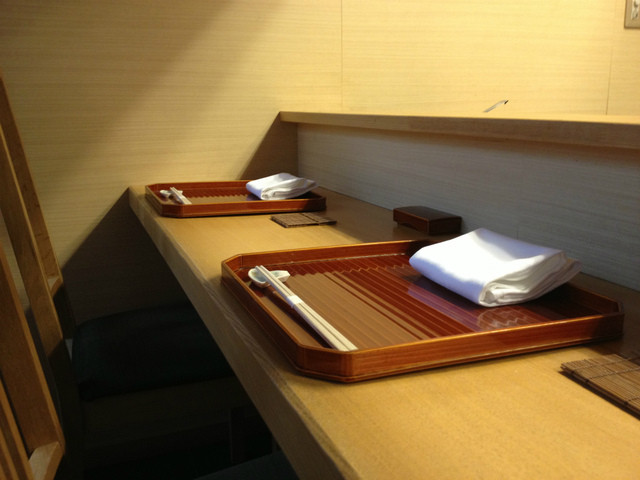
At a Glance
- Sophisticated
- Quiet
- Classic
- Elegant
- Special Occasion
- Celebration
- Date Night
- Historic Building
- Standalone
- Sake Program
- Beer Program
- Extensive Wine List
- Zero Proof
- Farm To Table
- Organic
- Local Sourcing
- Sustainable Seafood
An intimate, reservation-only dining room focused on refined seasonal courses and careful presentation rather than a lively or casual atmosphere.