Chim Chim
Our verdict
Chim Chim brings Thai pastry and dessert craft to New York City, occupying a niche that sits well outside the city's familiar pad thai and curry circuit.

Pearl is the En Primeur Club membership app, where members save venues, book tables and use the concierge.

The menu
What to order
- Thai Tea Cake
Thai Desserts and the City That Rarely Sits Still
New York's Thai dining scene has, for most of its history, been weighted toward the savoury: curries built from scratch-pounded pastes, larb dressed with toasted rice powder, som tum loud with fish sauce and dried shrimp. The dessert side of the tradition has rarely received equal billing in American Thai restaurants, partly because the techniques demand different equipment and training, and partly because the market assumed diners would skip straight to the bill. Chim Chim is among a small cohort of New York operations that have chosen to make Thai pastry and sweets the primary subject rather than an afterthought.
That positioning matters more than it might first appear. Thai dessert work draws on a separate canon from the curry kitchen: pandan-scented layered jellies, coconut milk custards steamed in banana leaf, sticky rice pressed with fresh mango, kanom krok cooked in dimpled cast-iron pans, and a range of flower-shaped sweets that require the kind of patient repetitive technique you associate more with French pâtisserie than with what most New Yorkers would call a Thai restaurant. The craft tradition is genuinely demanding, and the gap between a version assembled from shortcut ingredients and one built from proper pastes and fresh aromatics is obvious from the first bite.
The Curry Canon and What It Reveals About Technique
Understanding Thai dessert craft means understanding where it diverges from, and occasionally intersects with, the paste-based cooking that defines Thai savoury cuisine. The green, red, massaman, and panang curries that anchor most Western awareness of the cuisine are built on hand-pounded pastes of fresh and dried chillies, galangal, lemongrass, kaffir lime zest, shrimp paste, and coriander root. Each paste is distinct: green paste leans on fresh green chillies and herbs for brightness; red paste uses dried red chillies for depth and heat; massaman incorporates warm spices from the Muslim south, cardamom and cinnamon among them; panang adds roasted peanuts and a shorter, richer profile. The point of mentioning the curry tradition in the context of a dessert-focused operation is that the same core ingredient logic, coconut milk as a medium, fresh aromatics as flavour architecture, pandan and butterfly pea flower as natural colourants, runs directly through Thai dessert work. The technique differs but the pantry overlaps significantly.
Thai desserts use coconut milk in three gradations: thick cream skimmed from the best of the first press, thinner mid-press milk used in cooking liquids, and a thin final press used to adjust consistency. A kitchen that understands this works with three distinct tools where a less careful kitchen uses one. That level of material literacy separates the dessert counters worth tracking from the ones treating Thai sweets as novelty.
Where Chim Chim Sits in New York's Thai Picture
New York has a sizeable Thai restaurant count spread across midtown lunch spots, neighbourhood staples in Woodside, Queens, and a handful of higher-ambition operations in Manhattan and Brooklyn. The dessert-specialist tier within that count is small. Most Thai restaurants in the city offer mango sticky rice and perhaps fried banana as their complete dessert program. A specialist Thai pastry operation requires a different investment in sourcing, technique, and staff training, which is part of why the category remains thin even in a city with as much culinary depth as New York.
That thinness is the relevant context for Chim Chim. It is not competing against the city's French-influenced dessert bars or against the tasting menu programs at places like Eleven Madison Park or Per Se, where dessert is a closing chapter in a much longer story. It occupies a niche defined more by what is absent from the city than by what surrounds it. For a broader sense of where serious cuisine is being produced across New York's dining tiers, from the seafood precision of Le Bernardin to the fermentation-driven Korean work at Atomix and the omakase pricing of Masa, the full New York City restaurants guide provides the comparative frame.
Nationally, the specialist-format model has precedents in other categories. Operations like Lazy Bear in San Francisco, Alinea in Chicago, and Single Thread Farm in Healdsburg have each shown that a clearly defined format with genuine depth in one direction generates more sustained attention than a broad menu with moderate execution across everything.
Planning a Visit
New York's Thai dessert options are concentrated enough that this category rewards some advance research: availability can shift, especially for operations with limited seating or production capacity. For those building a wider New York itinerary, the New York City hotels guide, bars guide, and experiences guide cover the surrounding decisions. The wineries guide is also available for those extending the trip.
For comparison across other American cities where specialist-format dining has developed strong traction, the Emeril's in New Orleans and Providence in Los Angeles pages offer useful reference points on what sustained specialist identity looks like over time. European parallels at the level of Alain Ducasse's Louis XV in Monte Carlo and Alléno Paris au Pavillon Ledoyen show the longer arc of what a defined culinary identity can produce when sustained over decades. The French Laundry in Napa remains the domestic reference point for format discipline in the American fine dining conversation.
Frequently asked questions
How does Chim Chim differ from other Thai restaurants in New York City?
Where New York City's Thai restaurant count skews heavily toward savoury, curries, larb, noodle dishes, Chim Chim positions itself around Thai pastries and desserts, a side of the cuisine that rarely anchors a standalone concept in the city. That specialisation places it in a distinct category from neighbourhood staples in Woodside or the higher-ambition Thai dining rooms in Manhattan, making it a reference point for the Thai confectionery tradition in a city that has largely overlooked it.
How hard is it to get a table at Chim Chim?
Chim Chim operates in the Thai dessert and pastry space, a niche within New York City's broader Thai dining scene that draws a genuinely curious crowd rather than a casual walk-in one.
Cuisine and Credentials
Comparable venues nearby, for context on price, style, and recognition.
| Venue | Cuisine | Price | Notes |
|---|---|---|---|
| Chim ChimThis venue (the venue you are viewing) | Thai Pastry and Desserts | $10–20 | Not listed |
| Thai Cafe | Thai | $20–30 | Greenpoint |
| Lan Larb Chiang Mai, Soho | Northern Thai | $20–30 | SoHo-Little Italy-Hudson Square |
| Land Thai Kitchen | Classic Thai | $10–20 | Upper West Side (Central) |
| Thai Select | Modern Thai | Not listed | Chelsea-Hudson Yards |
| Little Basil | Authentic Thai | $20–30 | Gramercy |
Continue exploring
More in New York City
Restaurants in New York City
All restaurants in New York City →
Bars in New York City
All bars in New York City →
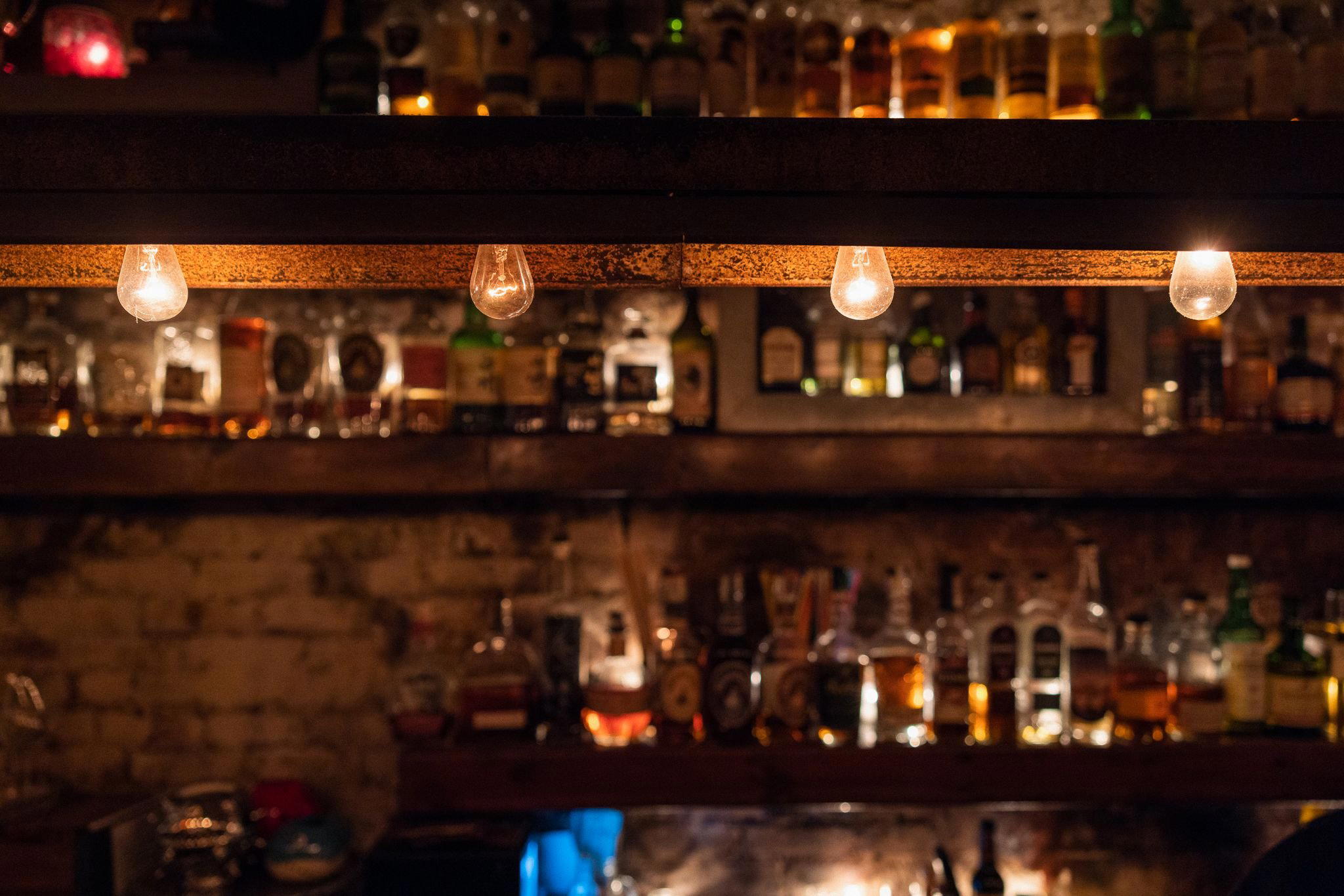
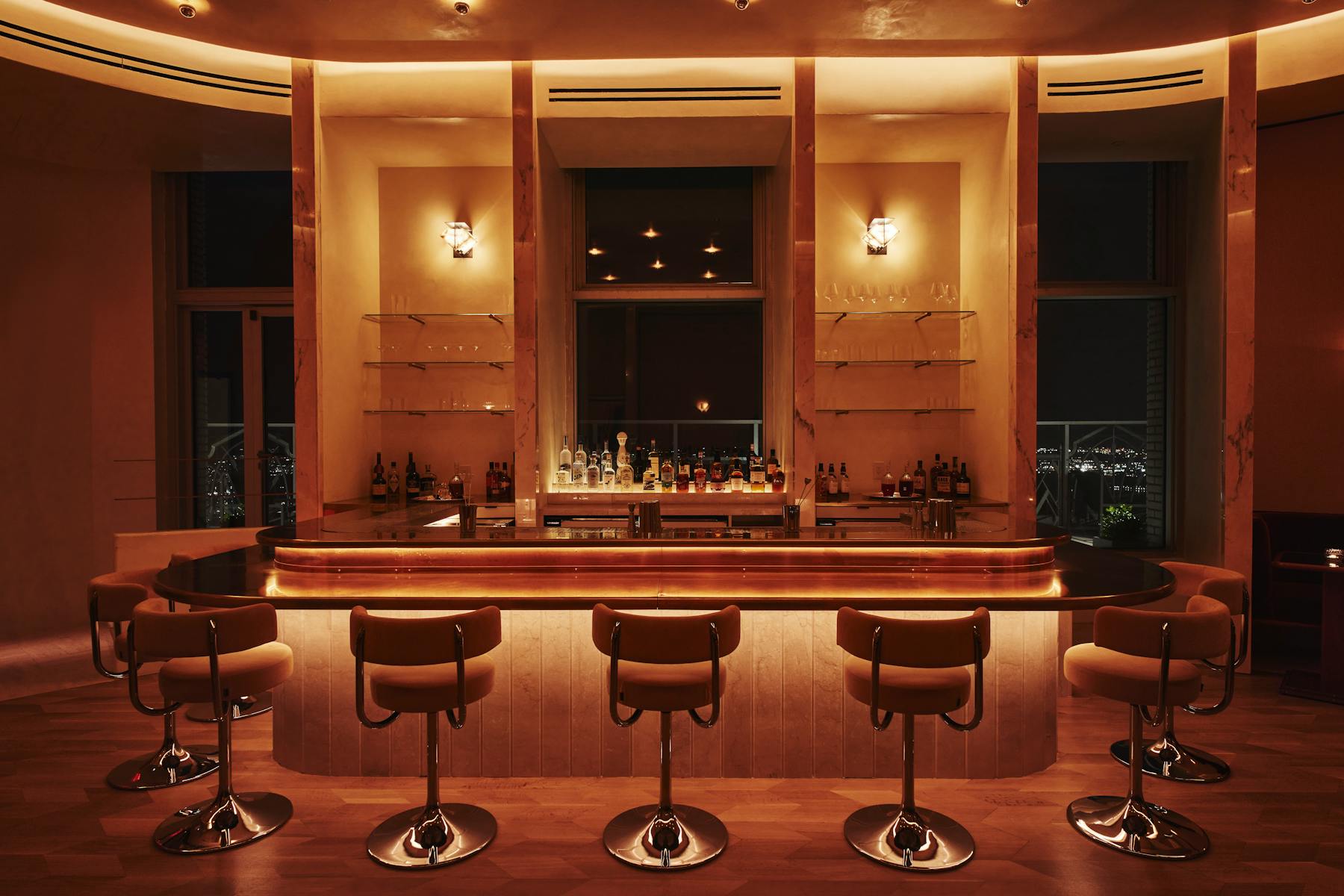
Hotels in New York City
All hotels in New York City →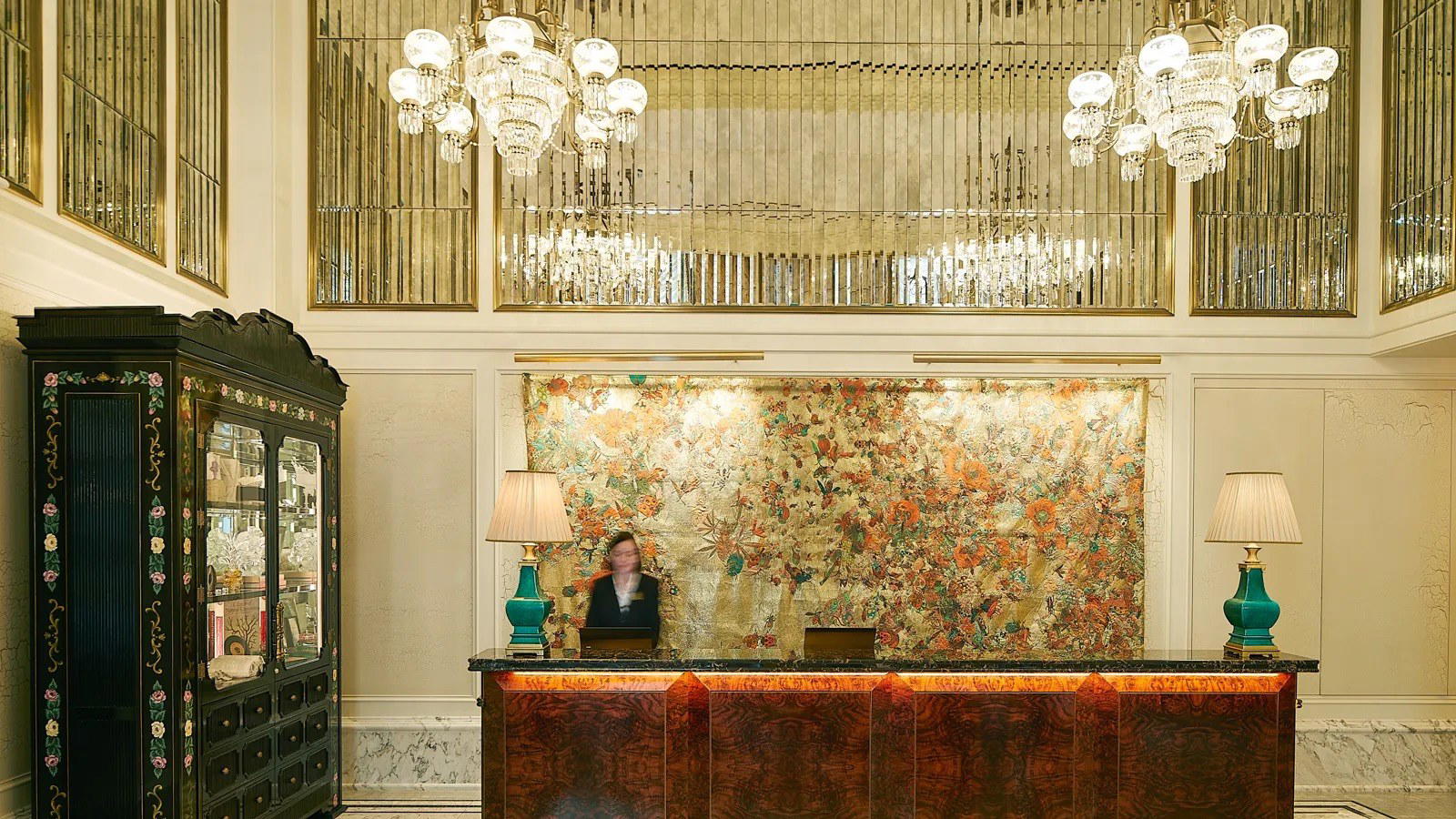
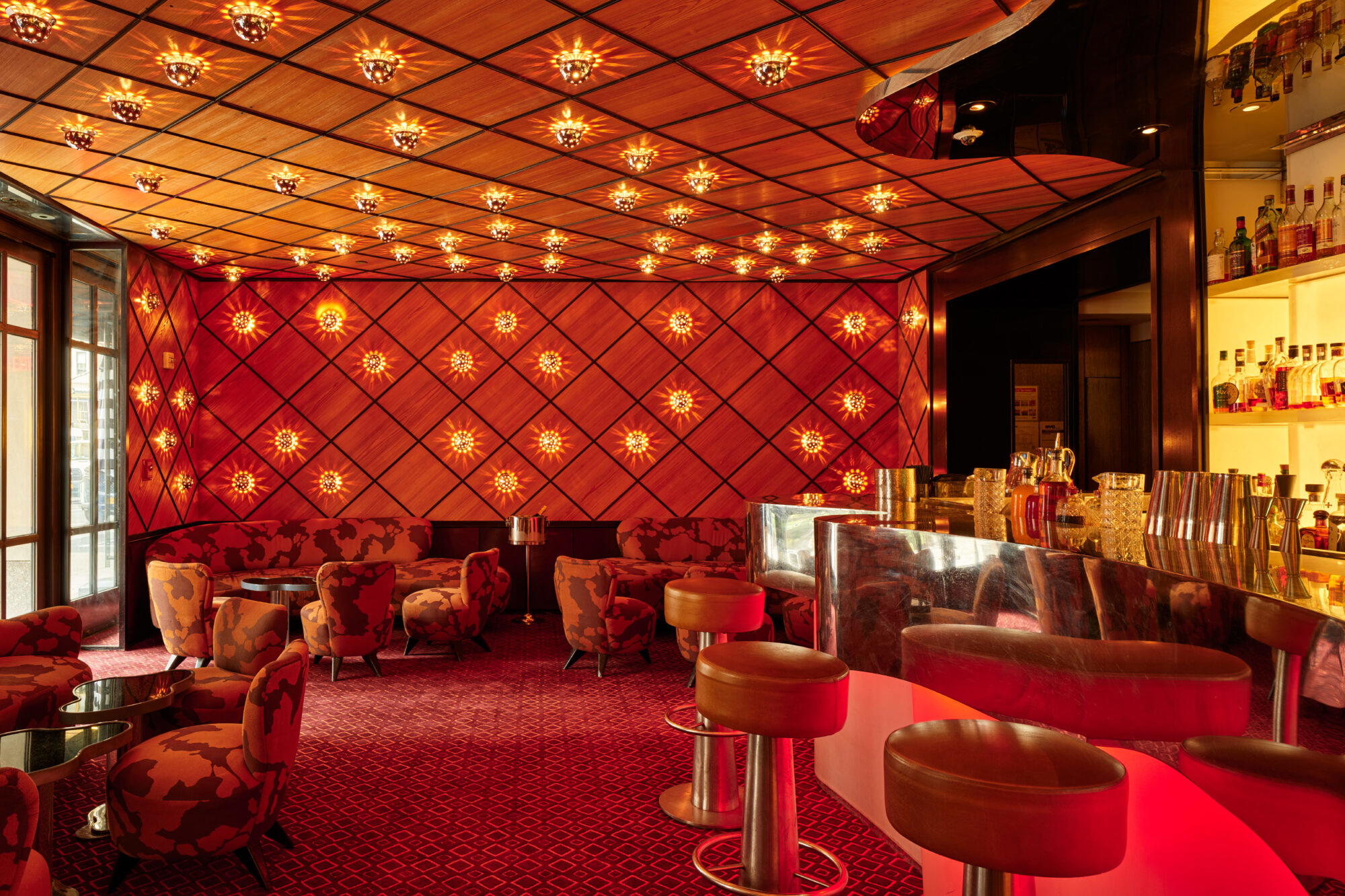

Wineries in New York City
All wineries in New York City →
Details
- Cozy
- Modern
- Casual Hangout
- A La Carte
Cozy takeout spot with a few seats and a pastry display case.