Chili crab
Our verdict
Chili crab occupies a distinct niche on Boca Raton's North Dixie Highway corridor, where Southeast Asian seafood cooking meets a South Florida clientele that returns for the same reason regulars always do: a dish that does what it promises. The name is the menu's organizing principle, and the address at 1198 N Dixie Hwy places it within reach of the city's established dining strip.

Pearl is the En Primeur Club membership app, where members save venues, book tables and use the concierge.
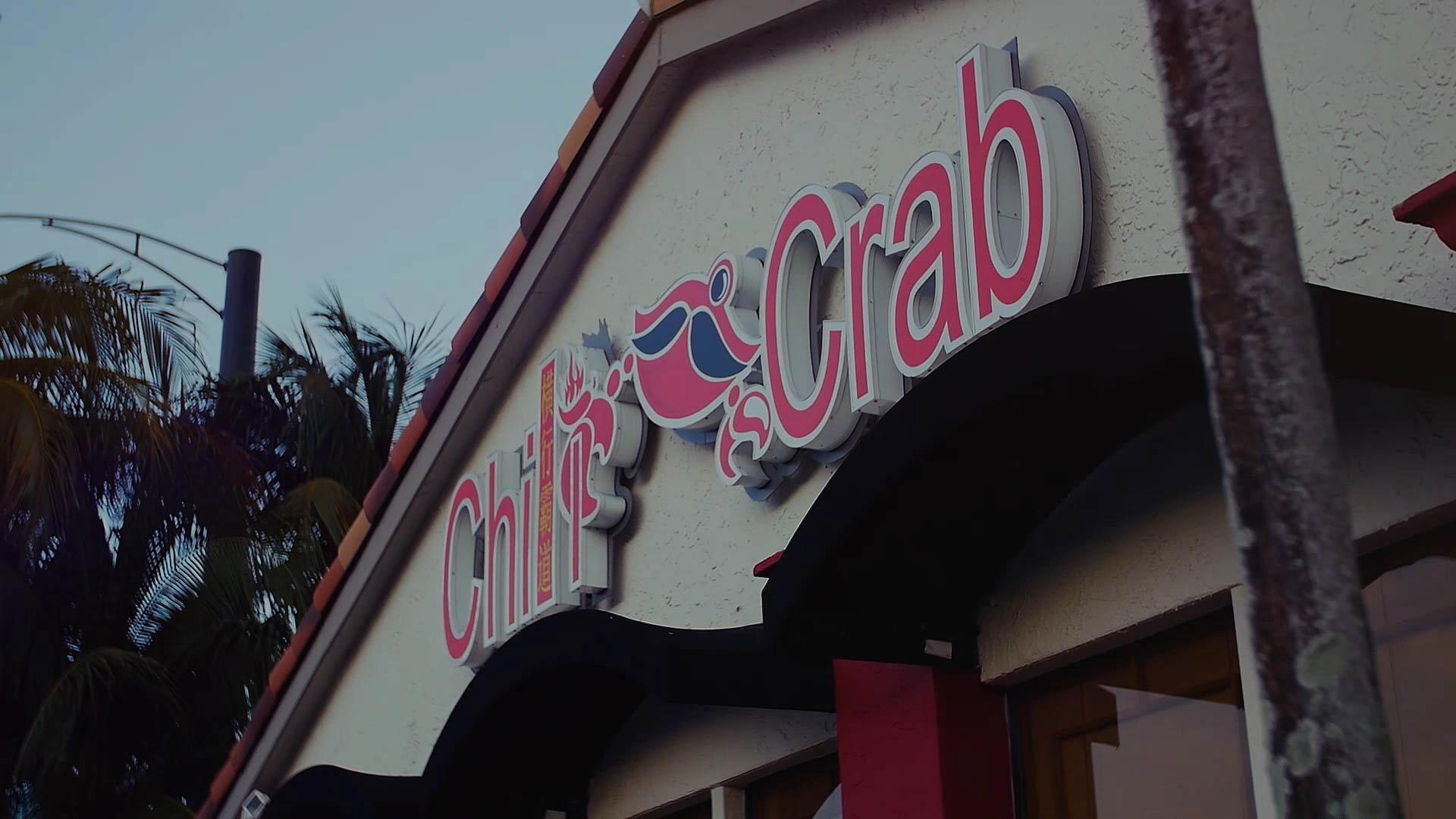
What North Dixie Highway Does With a Name Like Chili Crab
Boca Raton's dining corridor along North Dixie Highway has a quiet confidence about it. The strip doesn't announce itself the way Worth Avenue does in Palm Beach or Las Olas does in Fort Lauderdale, but it holds a concentrated run of neighborhood restaurants that locals return to on rotation rather than occasion. Chili crab, at 1198 N Dixie Hwy, fits that pattern. The name alone carries a clear editorial stance: this is a restaurant that has decided what it is, and is not hedging toward a broader audience by softening its identity into something more generic.
That specificity matters in a city where the dining scene has diversified considerably across price tiers and cuisine types. Neighbors like 388 Italian Restaurant By Mr Sal and Albi Modern Mediterranean anchor the street's range, while spots like AlleyCat, Anyday Boca, and Beluga House Waterfront Restaurant demonstrate how varied the local appetite has become. Against that backdrop, a restaurant named after a single dish occupies a particular kind of credibility: it has put itself on the line.
The Dish That Named a Restaurant
Chili crab as a culinary tradition belongs to Singapore's hawker culture, where it emerged in the 1950s and became one of the most recognized seafood preparations in Southeast Asian cooking. The format is inherently communal: whole or halved mud crab cooked in a thick, semi-gravy sauce built from tomato, egg, chili, and aromatics, served with fried mantou buns to absorb what remains. It is not subtle cooking, and it is not meant to be. The dish rewards eating with your hands, tolerates neither formality nor rushed pacing, and is the kind of food that creates a specific type of regular: one who comes back not because the room is particularly atmospheric but because the craving reasserts itself.
Placing that tradition in South Florida is a meaningful editorial move. Boca Raton's established restaurant culture has historically leaned toward Italian-American and seafood-Continental formats, with Mediterranean inflections becoming more prominent in recent years. Southeast Asian cooking with the directness of chili crab occupies a different register entirely. It is not tempura-light or wok-fragrant in the way that certain American Chinese formats have made broadly familiar. It is heavy, sauced, and demands engagement. When a restaurant in this market commits to that format as its identity, it is self-selecting for an audience that already knows what it wants.
What Regulars Are Really After
The regulars at any restaurant named after its signature dish tend to sort themselves out quickly. There is little ambiguity about what you are there for, which removes a layer of decision-making that can otherwise slow down the rhythm of a return visit. The unwritten menu at a place like Chili crab is essentially the same as the written one: you are there for the crab, you may have navigated a side or a drink that works with it, and you have learned the timing and the pace. That accumulated familiarity is what turns a one-time curiosity into a twice-monthly habit.
This is a dynamic visible across the broader American dining scene, in rooms as different as Le Bernardin in New York City and Emeril's in New Orleans, where returning guests build their own informal canon of what to order and when. At the opposite end of formality and price point, the principle holds: regulars form because the restaurant has a clear point of view that survives repeated exposure. Destination restaurants with more elaborate formats, from The French Laundry in Napa to Smyth in Chicago to Single Thread Farm in Healdsburg, build loyalty through seasonal evolution. A dish-focused neighborhood spot builds it through consistency and the particular comfort of already knowing what to expect.
At Chili crab, the format of the dish itself encourages that loyalty loop. Eating crab in sauce is not a passive experience. It requires time, attention, and a willingness to commit to the meal rather than move through it efficiently. Guests who find that appealing will return. Those who do not will self-select elsewhere, which is itself a form of curation that works in the restaurant's favor: the room fills with people who meant to be there.
Where This Fits in the Boca Raton Picture
South Florida's restaurant market has historically been driven by seasonal population shifts, with winter months producing a different dining demand than the summer stretch when the transient population thins out. Restaurants that develop a year-round regular base tend to be the ones that serve the permanent local community rather than the visiting one. A neighborhood-format spot on North Dixie Highway with a specific, craveable dish as its anchor is structurally better positioned for that year-round retention than a concept built around novelty or occasion dining.
For context on how Boca Raton's dining scene fits together across neighborhoods, price tiers, and cuisine types, the full Boca Raton restaurants guide maps the broader range. Chili crab occupies its own corner of that map, distinct from the waterfront formats and the Continental rooms, and closer in spirit to the kind of cooking that earns its audience through repetition rather than spectacle.
Restaurants at the American fine dining tier that have built comparable loyalty through a different kind of specificity include Lazy Bear in San Francisco, Providence in Los Angeles, Blue Hill at Stone Barns in Tarrytown, Addison in San Diego, The Inn at Little Washington, Atomix in New York City, and Atelier Moessmer Norbert Niederkofler in Brunico. The category and price points are entirely different, but the underlying logic, a restaurant that has a declared identity and maintains it, translates across tiers.
Planning Your Visit
Chili crab is located at 1198 N Dixie Hwy, Boca Raton, FL 33432, on a stretch of North Dixie Highway that is accessible by car with street-level proximity to the address. Given the nature of the dish and the dining format, this is not a quick-stop meal; factor time accordingly. First-time guests unfamiliar with chili crab as a format should know that the dish is served in sauce and is designed for communal eating, so arriving with that expectation shapes the experience correctly.
Frequently asked questions
Where do I go for Chili crab?
Chili crab is located at 1198 N Dixie Hwy, Boca Raton, FL 33432, Boca Raton.
Does Chili crab in Boca Raton serve Singapore-style chili crab or an Americanized version?
A restaurant that names itself after a dish with a specific national tradition is signaling something about its culinary orientation. Chili crab as a category originated in Singapore's hawker culture, and the address on North Dixie Highway in Boca Raton puts it in a South Florida corridor where that kind of specificity tends to draw a loyal repeat crowd rather than a broad tourist trade. Whether the preparation follows the Singaporean original closely is best confirmed on a visit to 1198 N Dixie Hwy.
What's the must-try dish at Chili crab?
The name answers the question. Chili crab as a tradition traces to Singapore's hawker scene in the 1950s, where whole crab is cooked in a tomato-and-chili-based sauce that sits somewhere between spicy and sweet. At a restaurant that takes its identity from a single dish, that is where to start, and likely where to return.
What's the best way to book Chili crab?
The venue's contact details and booking platform are not currently listed in available directories, so visiting in person at 1198 N Dixie Hwy, Boca Raton, FL 33432 is the most reliable first step. Arriving early in the evening is a reasonable strategy along this stretch of North Dixie Highway, particularly during Boca Raton's busier winter season when dining demand across South Florida increases noticeably.
Cuisine-First Comparison
Comparable venues nearby, for context on price, style, and recognition.
| Venue | Cuisine | Price | Awards | Notes |
|---|---|---|---|---|
| Chili crabThis venue (the venue you are viewing) | Hong Kong-Style Seafood and Dim Sum | Not listed | Not listed | Not listed |
| Yakitori Sake House | Japanese Sushi and Yakitori | Not listed | Not listed | East Boca Raton |
| 388 Italian Restaurant By Mr Sal | Family-Style Italian Trattoria | $30–50 | Not listed | Federal Highway corridor |
| Mario's Osteria | Classic Italian Trattoria | Not listed | Not listed | Not listed |
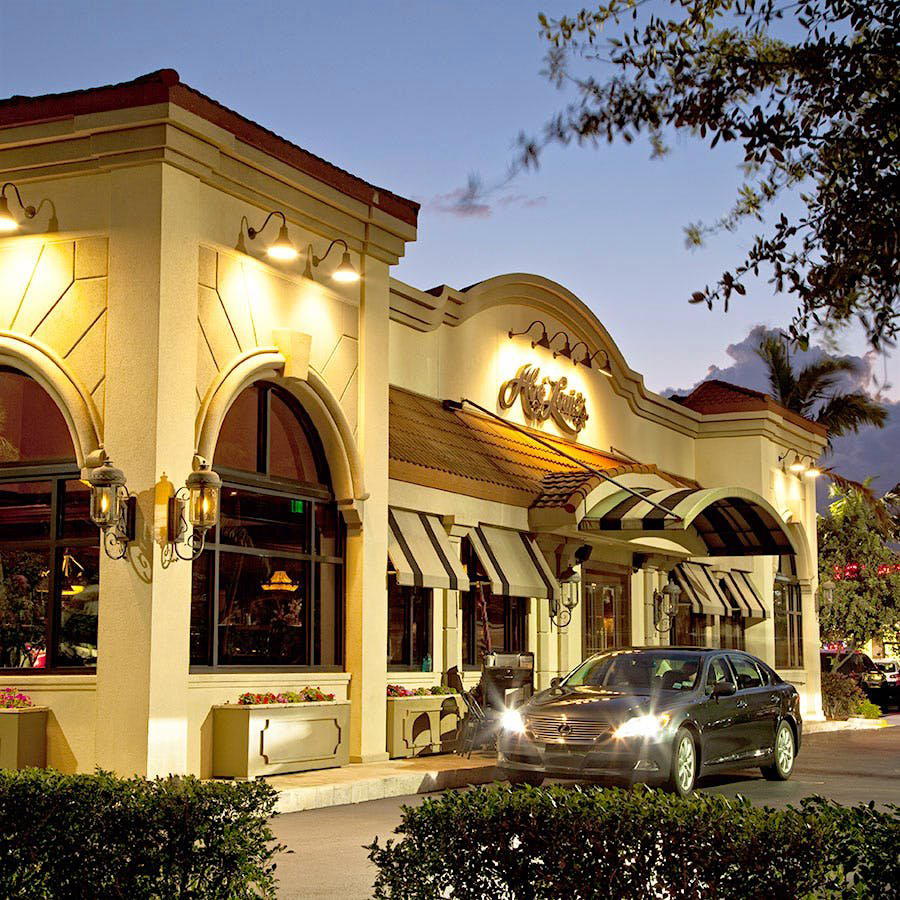
| Abe & Louie’s | Classic American Steakhouse | $50–100 | Wine Spectator Best of Award of Excellence | Boca Raton |
| Mississippi Sweets BBQ | Southern Barbecue | $20–30 | Not listed | Not listed |
Continue exploring
More in Boca Raton
Restaurants in Boca Raton
All restaurants in Boca Raton →

Bars in Boca Raton
Browse all →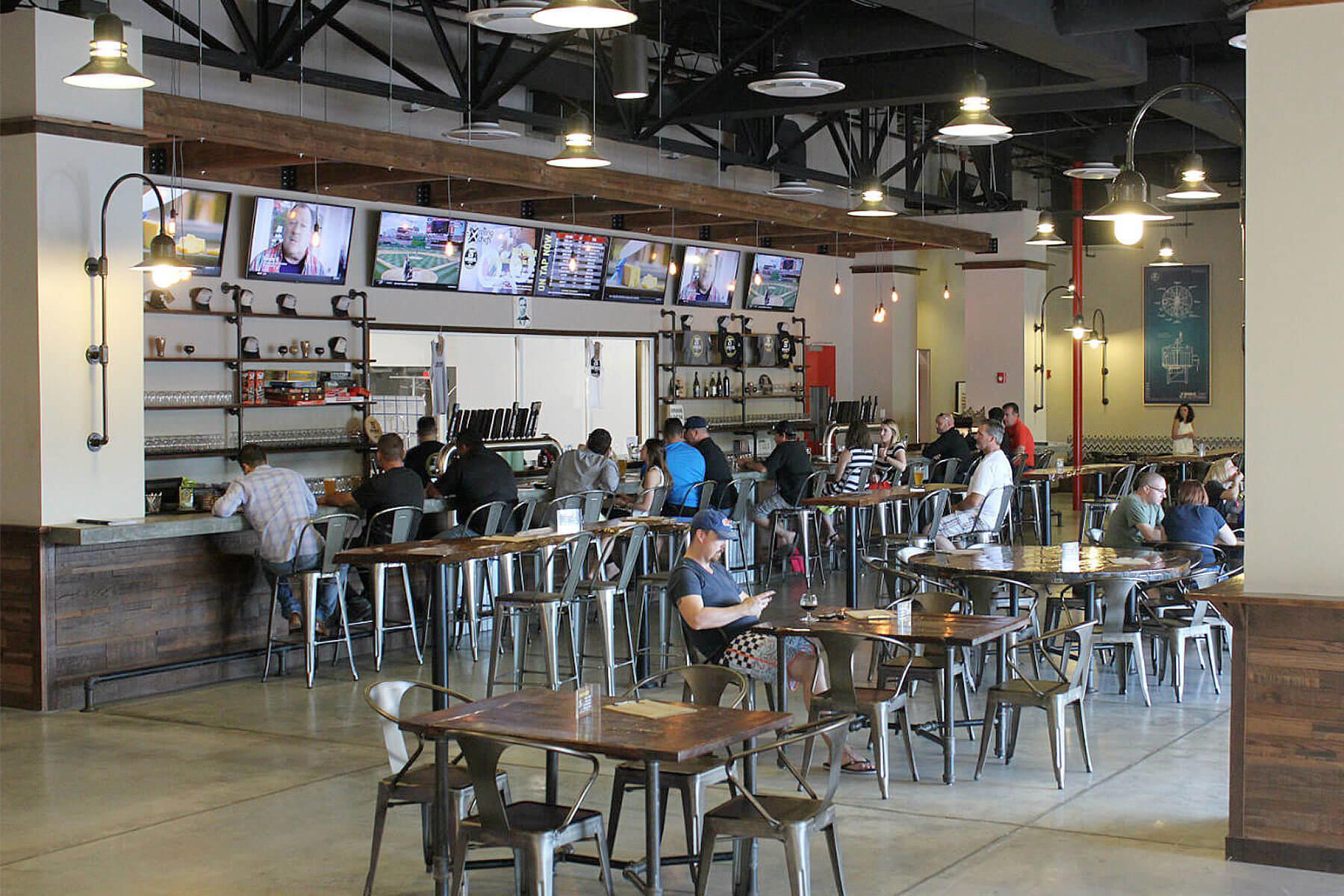
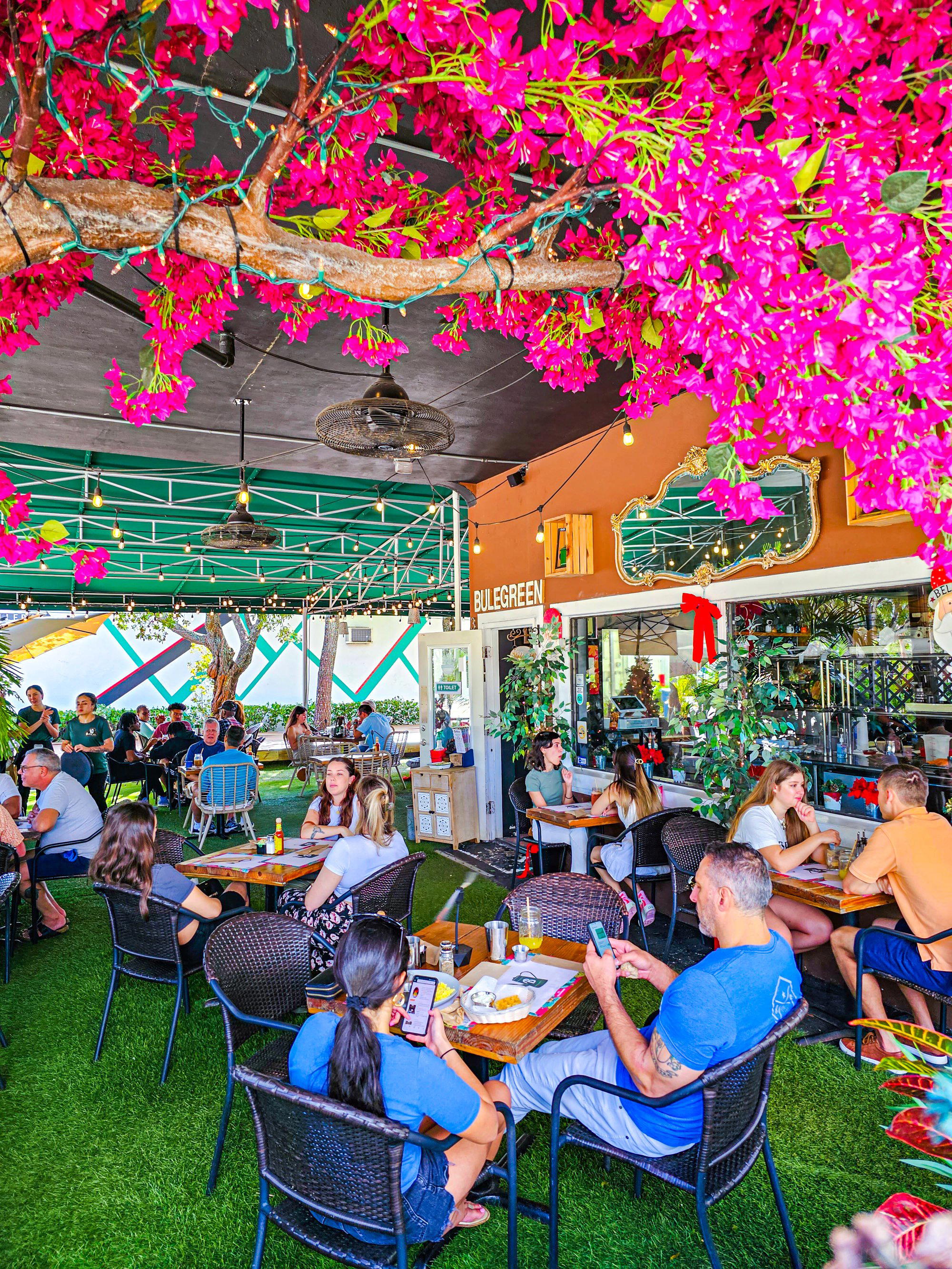
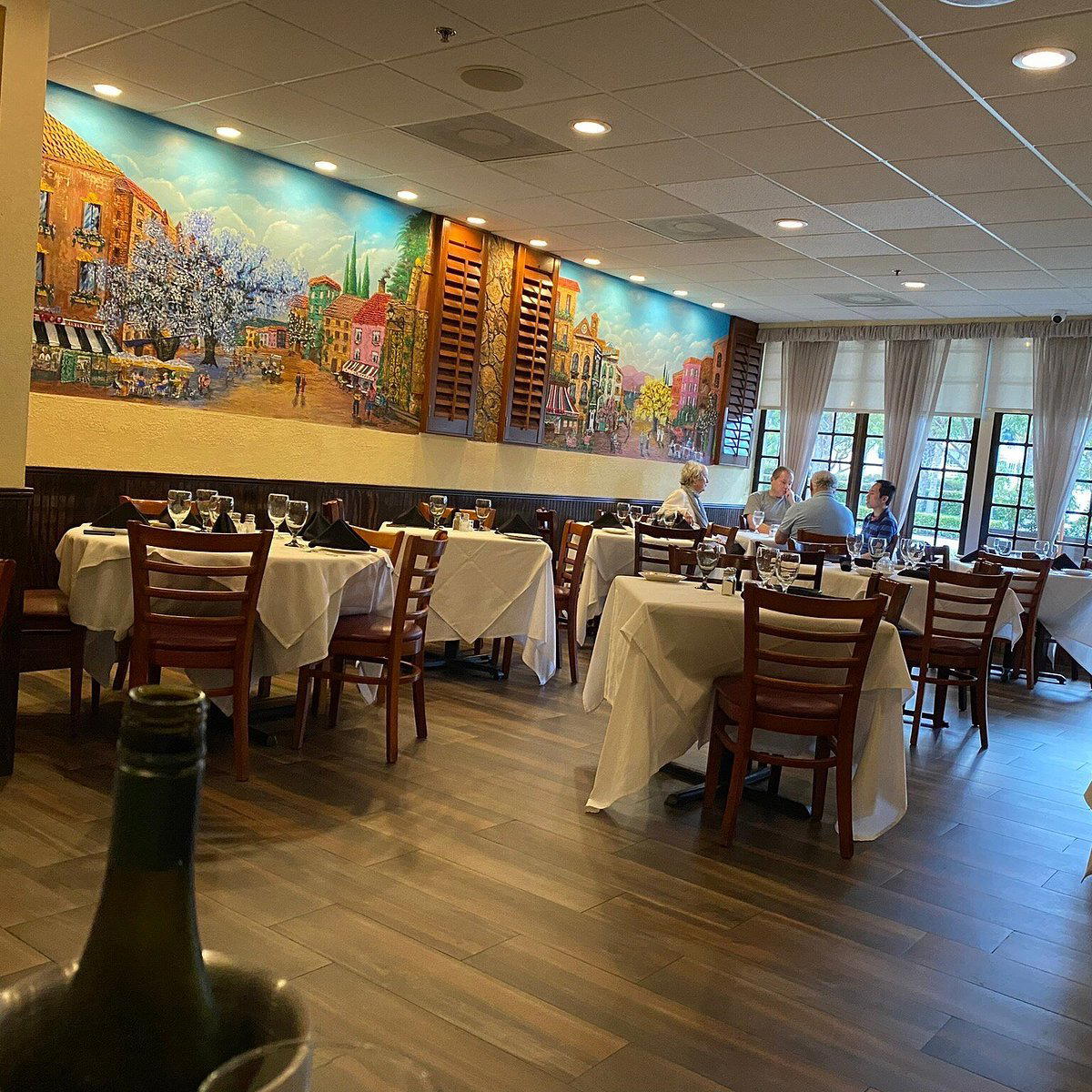
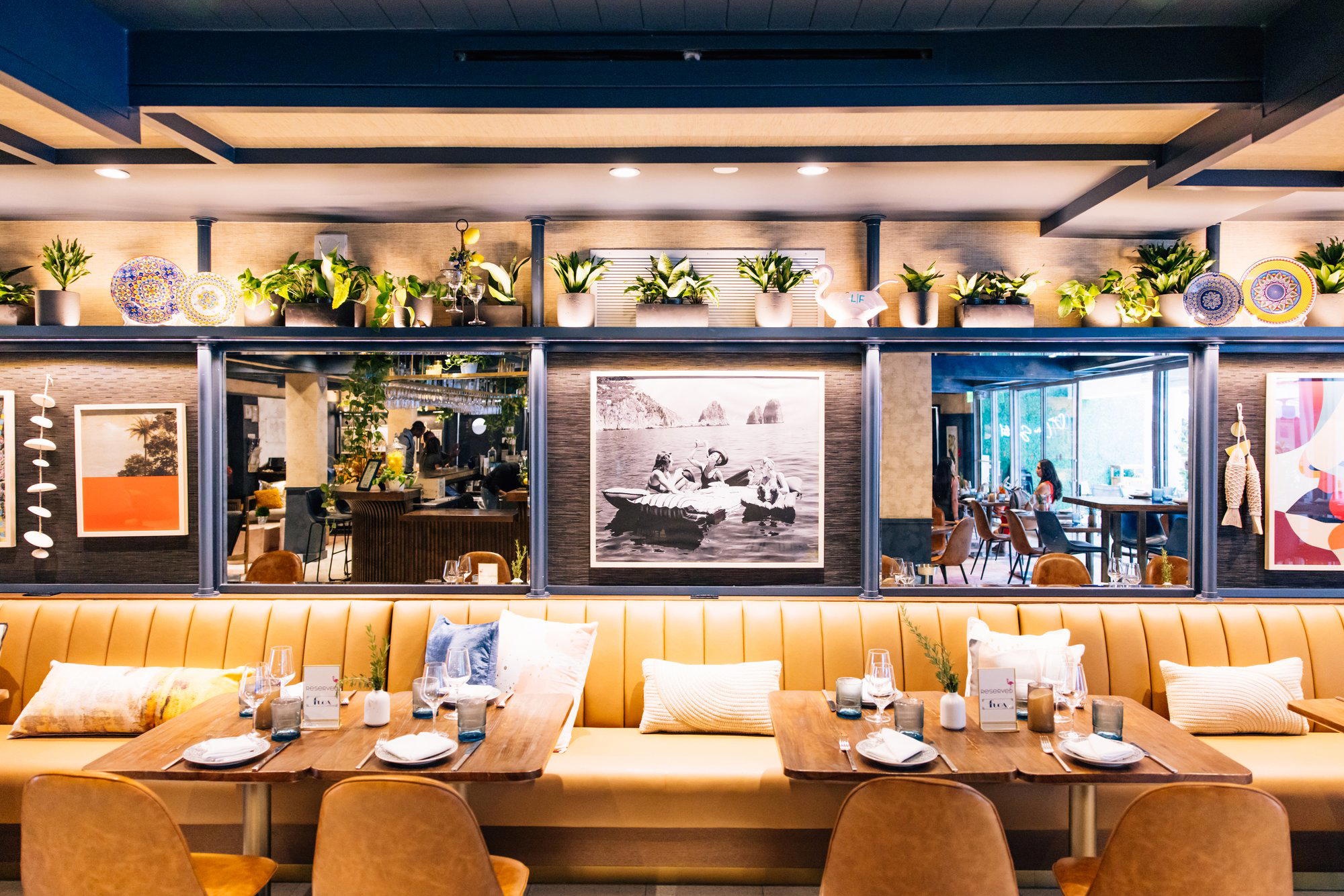


Details
- Family
- Casual Hangout
- A La Carte
Current opening hours
- Monday
- 12–9:30 PM
- Tuesday
- 12–9:30 PM
- Wednesday
- 12–9:30 PM
- Thursday
- 12–9:30 PM
- Friday
- 12–9:30 PM
- Saturday
- 12–9:30 PM
- Sunday
- 12–9:30 PM
Hours can change for holidays and private events. Last verified .
Moderate noise level with a welcoming atmosphere focused on authentic Chinese flavors.