Albi Modern Mediterranean
Albi Modern Mediterranean brings the sourcing discipline and ingredient focus associated with coastal Mediterranean cooking to Boca Raton's Town Center district. The menu draws on a tradition that prizes provenance over technique-for-its-own-sake, placing it in a distinct tier from the broader South Florida Italian-American mainstream. For travelers moving between the region's dining options, it represents one of the more deliberate choices in the city.
- Address
- 5250 Town Center Cir, Boca Raton, FL 33486
- Phone
- +15613913474
- Website
- albi.restaurant
- Directions
- Get directions
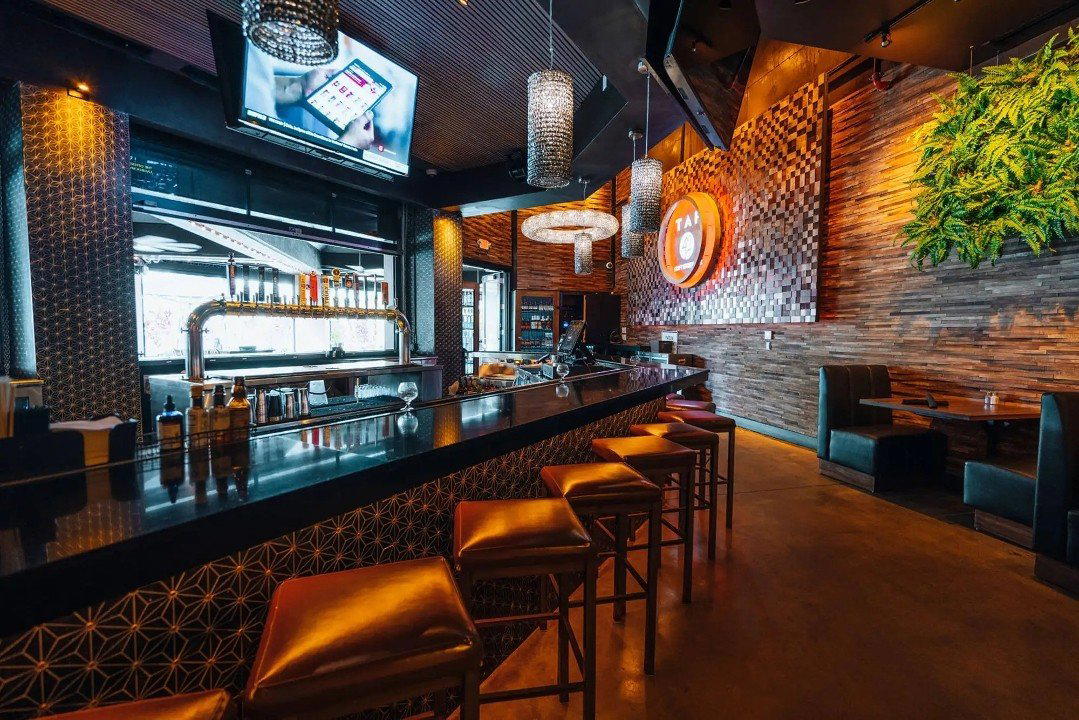
Where Boca Raton's Dining Scene Meets the Mediterranean Shelf
Town Center Circle in Boca Raton reads, at first glance, like a corridor designed entirely around retail convenience. The storefronts are polished, the parking is orderly, and the ambient soundtrack is the low hum of air conditioning and shopping-center foot traffic. Albi Modern Mediterranean occupies that address at 5250 Town Center Cir, Boca Raton, FL 33486. Mediterranean cooking, at its most rigorous, is a cuisine organized around restraint and provenance: the right oil, the right fish, the right growing season. Transplanting that ethos into South Florida's dining culture is not a neutral act.
The Sourcing Logic Behind Modern Mediterranean
The word "modern" in a restaurant name carries baggage. In many cases it signals that a kitchen has updated plating aesthetics while leaving ingredient philosophy untouched. At its more serious end, modern Mediterranean cooking means something more specific: a commitment to sourcing that reflects the Mediterranean basin's own seasonal logic, even when that basin is several thousand miles away. The tradition prizes herbs from the Levant, oil from Crete or Catalonia, fish from cold-water fisheries, and legumes treated as primary ingredients rather than supporting cast.
South Florida's position as a port-connected, produce-rich state makes it better placed than most of the American interior to source within that framework. Florida's coastal fisheries supply species that overlap credibly with Adriatic and Aegean catches. The state's tropical and subtropical growing zones yield citrus, eggplant, peppers, and tomatoes at quality levels that can support Mediterranean-style preparation. Restaurants in this region that take sourcing seriously have raw material advantages that a landlocked equivalent would not. The question, always, is whether a kitchen is using those advantages or treating them as incidental.
That sourcing discipline is also what separates modern Mediterranean as a category from the broader South Florida Italian-American mainstream. Venues like 388 Italian Restaurant By Mr Sal operate within a tradition where the sauce and the pasta are the point. Mediterranean cooking of the kind Albi references places the ingredient upstream of the technique. The olive oil is not a cooking medium; it is a flavor delivery system. The fish is not a protein; it is an argument for a particular water and a particular season.
Boca Raton's Position in South Florida Dining
Boca Raton's dining scene occupies a specific niche within South Florida's broader restaurant geography. It is not Miami, where the volume of international money and media attention has produced a genuinely global-tier restaurant concentration. It is not Fort Lauderdale, where waterfront dining and a younger demographic push menus in a different direction. Boca sits in a register defined by sustained affluence, a large permanent resident base, and a preference for consistent quality over novelty. That context shapes what a restaurant like Albi is working within and working against.
The city's more casual registers are covered by venues like Anyday Boca and Cafe Landwer, while the waterfront end of the market is served by options including Beluga House Waterfront Restaurant. Albi's modern Mediterranean positioning places it in a different comparable set: restaurants that are making a specific culinary argument rather than delivering comfort and familiarity.
Ingredient-Forward Cooking as Editorial Stance
Nationally, the restaurants most associated with sourcing discipline tend to operate at significant scale in terms of critical attention if not necessarily in terms of seat count. Blue Hill at Stone Barns in Tarrytown built an entire identity around vertical farm-to-table integration. Single Thread Farm in Healdsburg extended that logic to a multi-day hospitality format where sourcing is the experience itself. At the three-Michelin-star tier, places like The French Laundry in Napa and Le Bernardin in New York City treat provenance as a non-negotiable baseline rather than a marketing point.
Modern Mediterranean as a format is distinct from those farm-to-table models in that it does not require local sourcing to be coherent. The cuisine's logic is regional and seasonal by definition, but the region is the Mediterranean basin, not the restaurant's immediate surroundings. A kitchen can be faithful to that tradition while sourcing Spanish anchovies, Lebanese za'atar, and Greek feta. What it cannot do, within that framework, is treat ingredient quality as interchangeable with ingredient convenience. The sourcing choices are visible in the finished plate in a way that they are not in a cuisine where the sauce carries the weight.
That framework also places modern Mediterranean in an interesting position relative to the ingredient-driven American restaurant movement. Venues like Smyth in Chicago, Lazy Bear in San Francisco, and Providence in Los Angeles have all built significant critical reputations on sourcing specificity within their own regional traditions. Mediterranean cooking applies a version of that same discipline but through a lens with centuries of codified technique behind it.
The AlleyCat Contrast and Boca's Informal Tier
Not every meal in Boca Raton is an argument for sourcing philosophy. AlleyCat represents the more relaxed, casual end of the city's dining register, where the emphasis is on atmosphere and approachability. That contrast is useful context for placing Albi: it operates in a more considered register, where the menu rewards attention rather than delivering immediate, unchallenging satisfaction. Neither position is superior in the abstract, but they serve different reader intentions.
Planning a Visit
Albi Modern Mediterranean is located at 5250 Town Center Cir, Boca Raton, FL 33486, within the Town Center retail district. Given the format and positioning, reservations are advisable, particularly on weekend evenings when the area draws both residents and visitors. For travelers contextualizing Boca Raton within a broader Florida itinerary, the city sits between Fort Lauderdale and West Palm Beach, making it a plausible dining destination within a multi-city South Florida trip rather than a standalone destination from outside the region.
Addison in San Diego, Atomix in New York City, and The Inn at Little Washington each demonstrate how seriously provenance can be taken when a kitchen commits to it fully. Atelier Moessmer Norbert Niederkofler in Brunico represents the European end of that same commitment, where Alpine sourcing specificity is the defining creative framework. Albi operates in a different tier from those destinations, but the underlying sourcing logic connects to the same culinary tradition. And for New Orleans reference, Emeril's in New Orleans offers a useful parallel in how a regionally anchored kitchen can build identity through ingredient specificity within a specific American city context.
Comparable Spots, Quickly
Comparable venues nearby, for context on price, style, and recognition.
| Venue | Cuisine | Price | Notes |
|---|---|---|---|
| Albi Modern MediterraneanThis venue — the venue you are viewing | Modern Mediterranean | $$$ | Not listed |
| Anyday Boca | Modern Mediterranean Tapas | $$$ | Uptown Boca |
| Ke'e Grill | Island-Inspired Seafood Grill | $$$ | Boca Raton |
| Piccolino Italian Ristorante | Traditional Italian Trattoria | $$$ | South End |
| Cafe Landwer | Mediterranean Bakery Cafe | $$ | Boca Raton |
| Tap 42 Boca Raton | Modern American Gastropub | $$ | Town Center |
Continue exploring
More in Boca Raton
Restaurants in Boca Raton
Browse all →

Bars in Boca Raton
Browse all →
At a Glance
- Modern
- Elegant
- Sophisticated
- Date Night
- Special Occasion
- Open Kitchen
- Craft Cocktails
- Local Sourcing
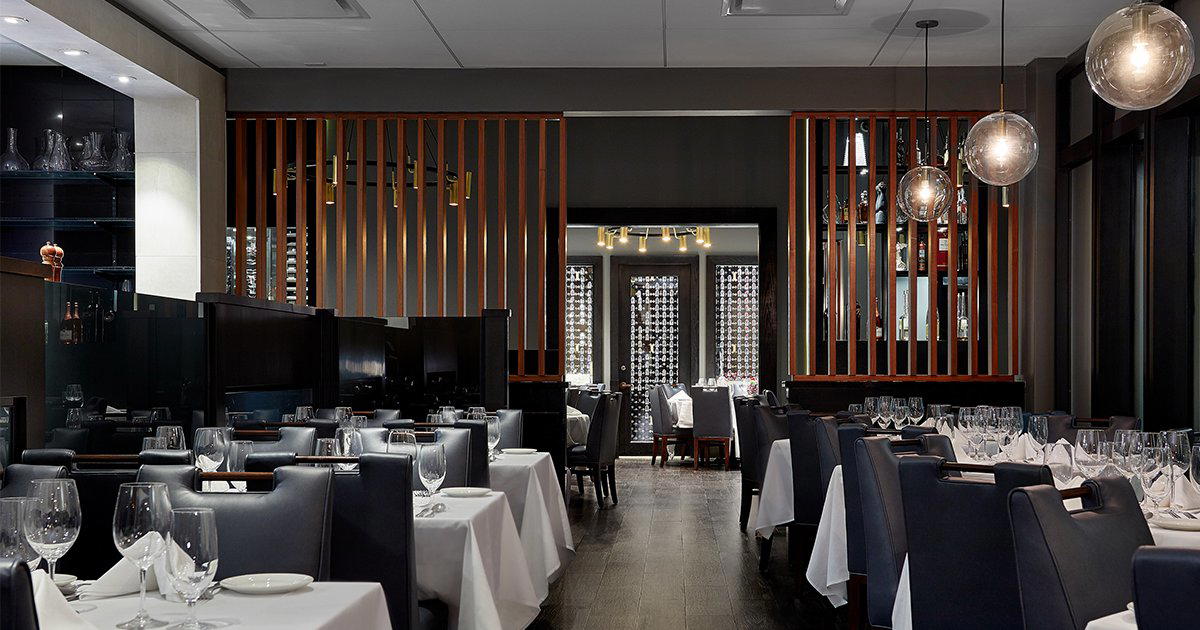
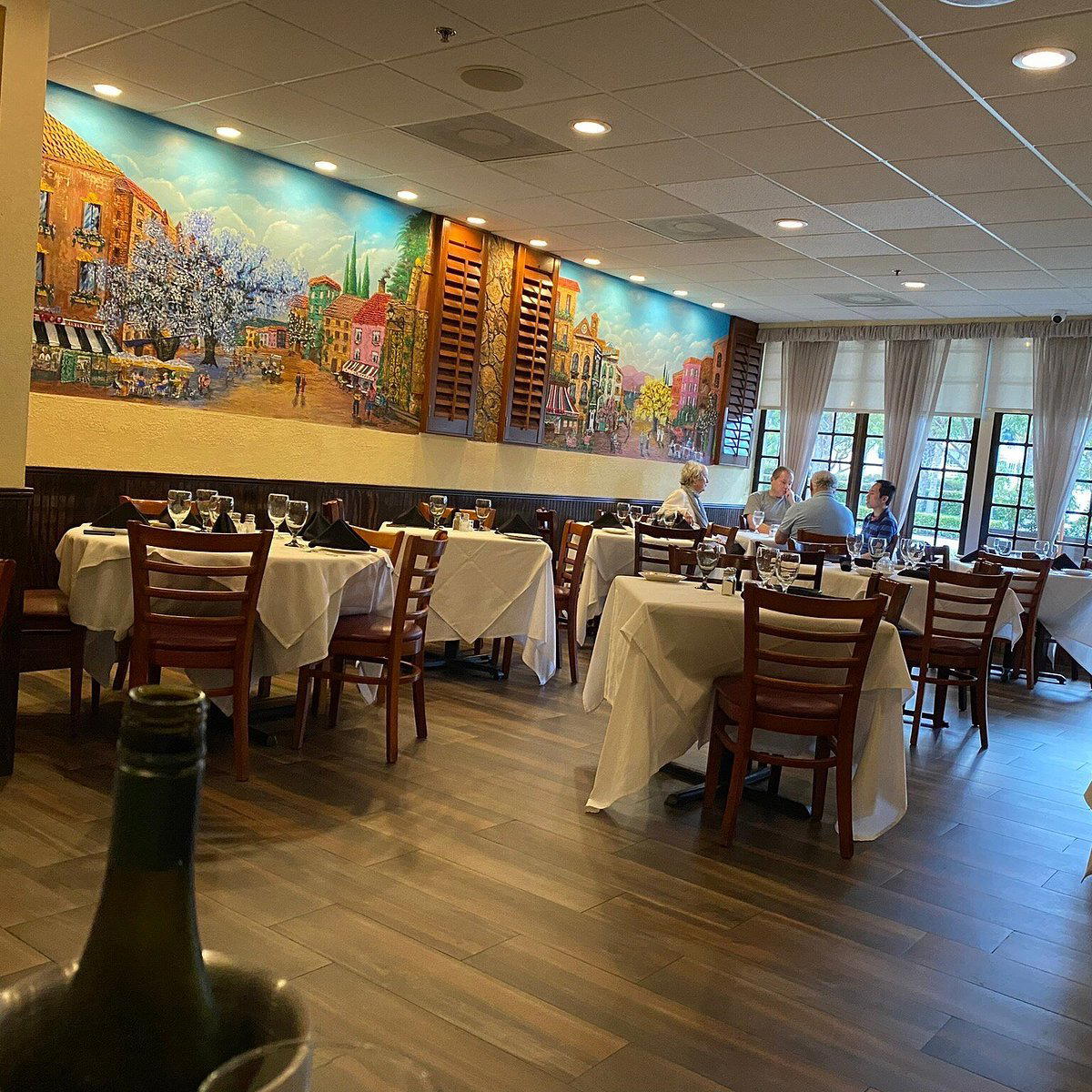
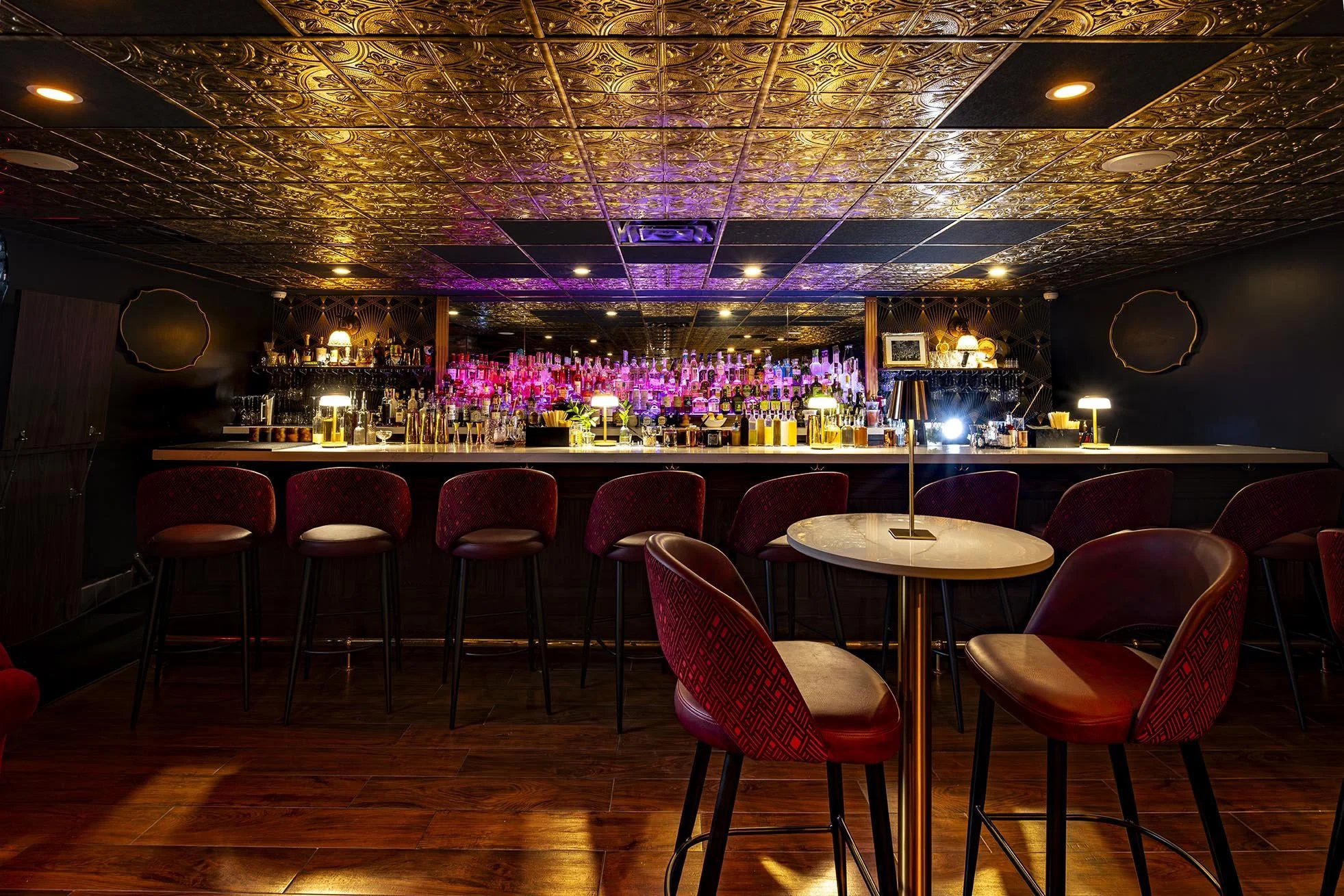
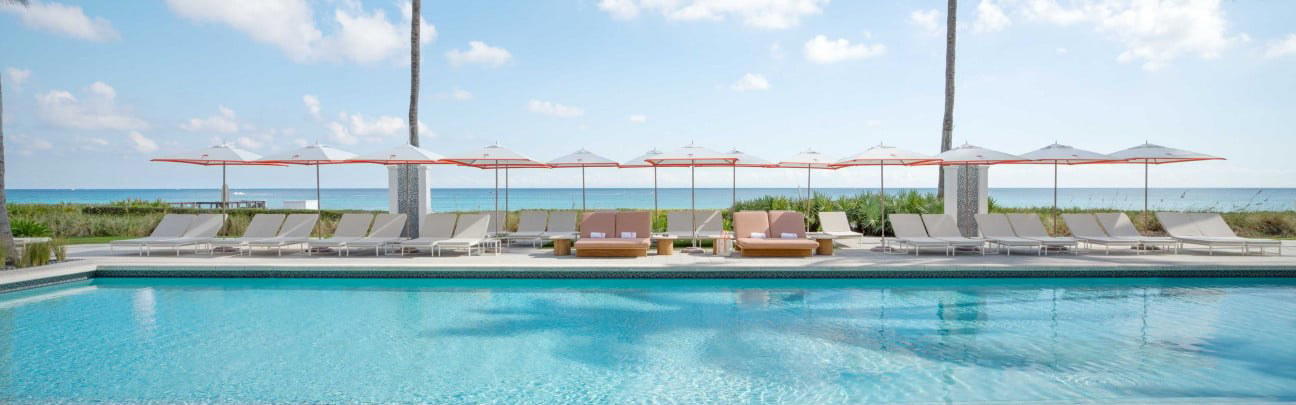
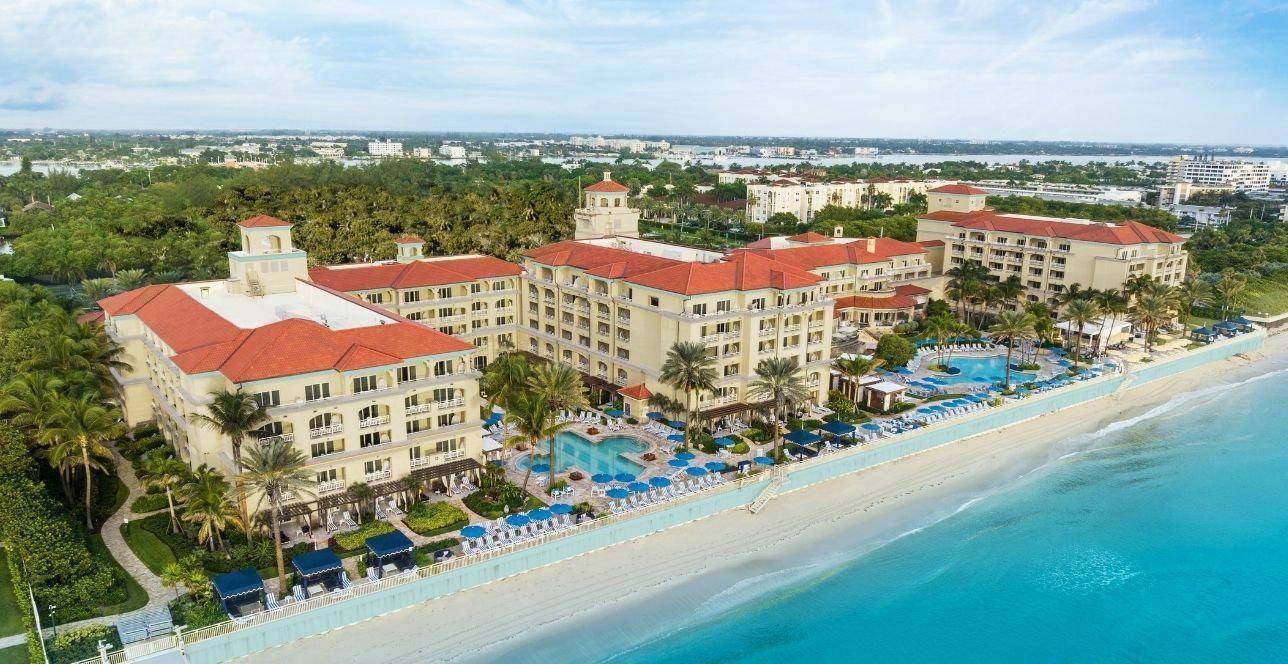
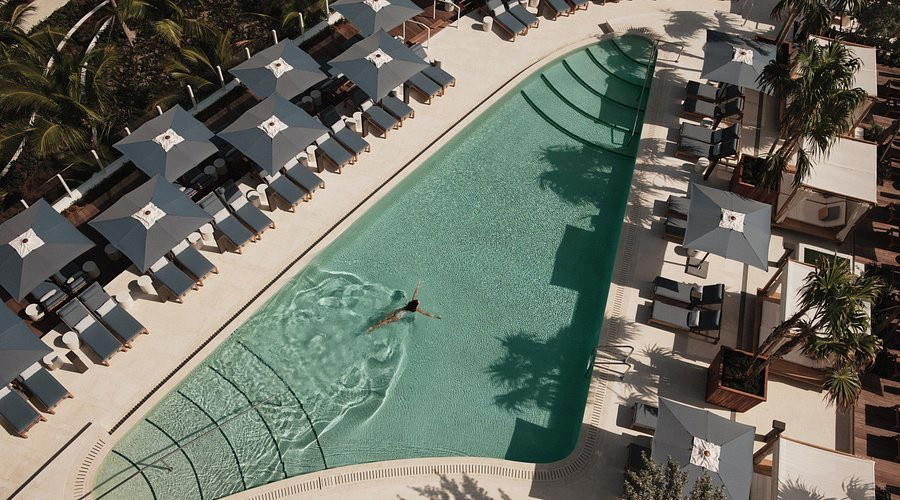
Elegant ambiance with polished service and a warm, inviting atmosphere.