Chez Panisse





Michelin Plate · World's 50 Best #37 · James Beard Award Outstanding Pastry Chef
Our verdict
Founded by Alice Waters in 1971, Chez Panisse is the Berkeley restaurant most credited with establishing California cuisine and the farm-to-table movement in the United States. Operating from a converted craftsman house on Shattuck Avenue, it holds a Michelin Plate and consistent Opinionated About Dining recognition, and remains a reference point for any serious conversation about American cooking.

Pearl is the En Primeur Club membership app, where members save venues, book tables and use the concierge.
The menu
What to order
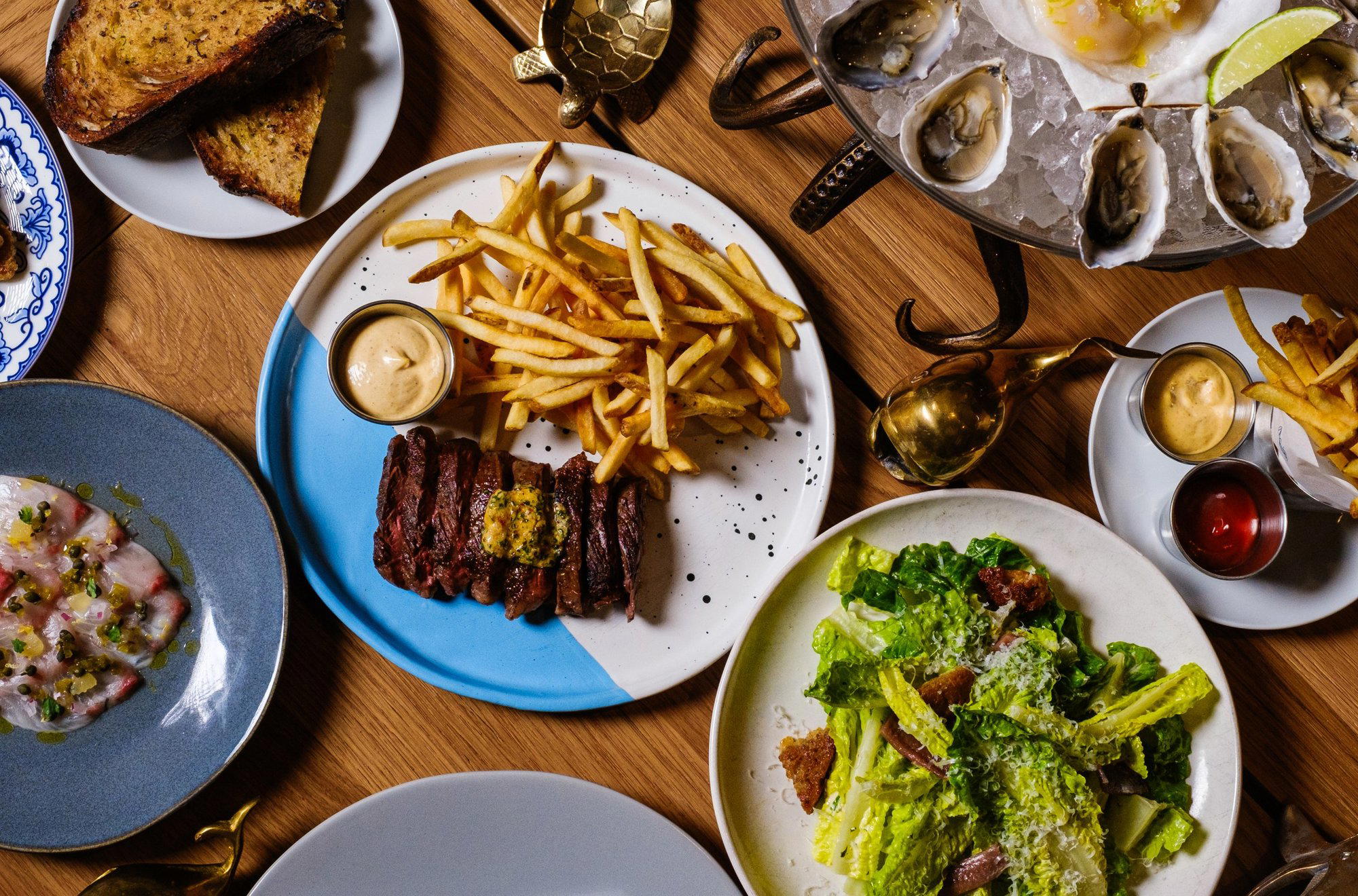
- Spit-roasted beef rib-eye
- Grilled local halibut
- Goat cheese salad
- California-style pizza
A Craftsman House That Changed American Cooking
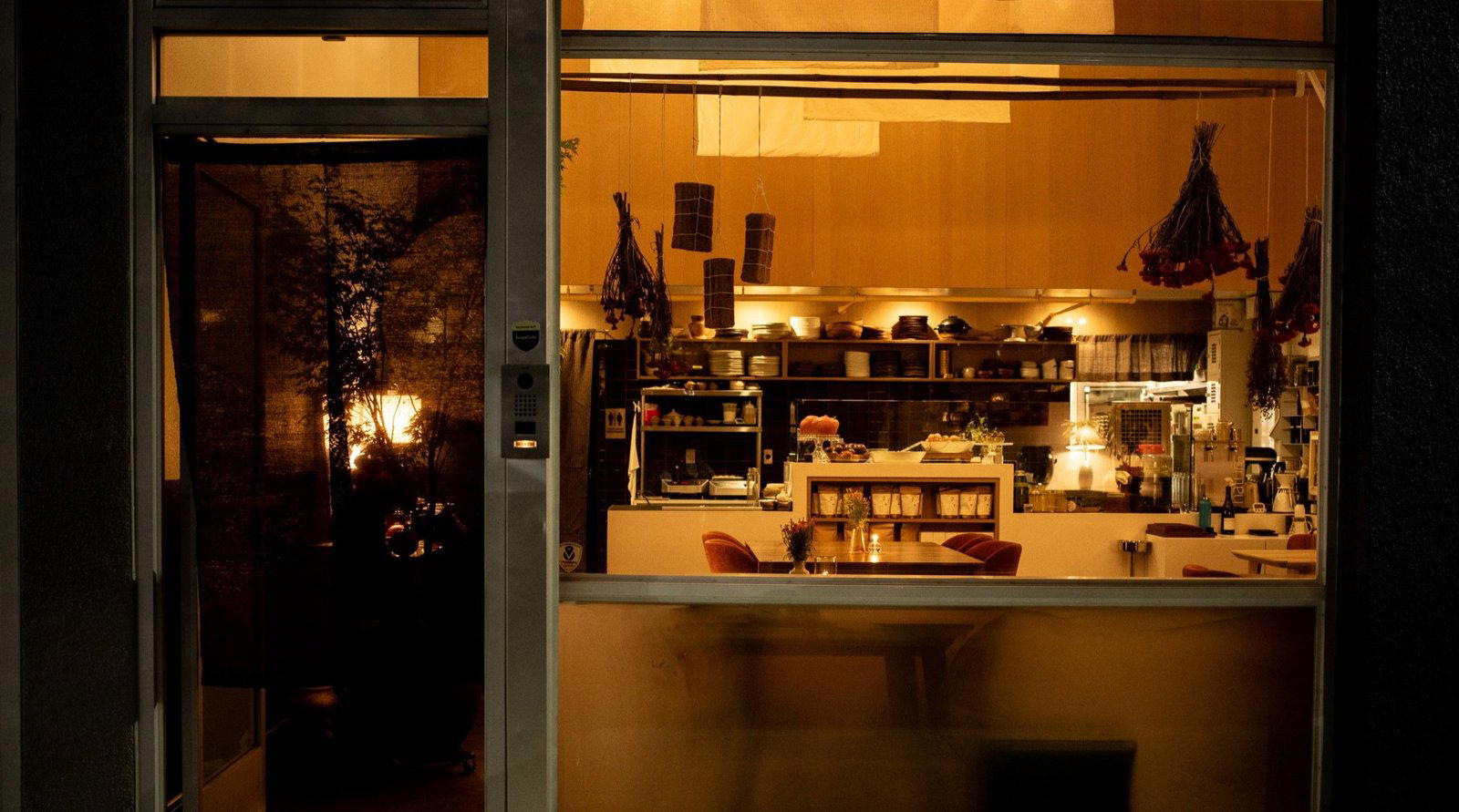
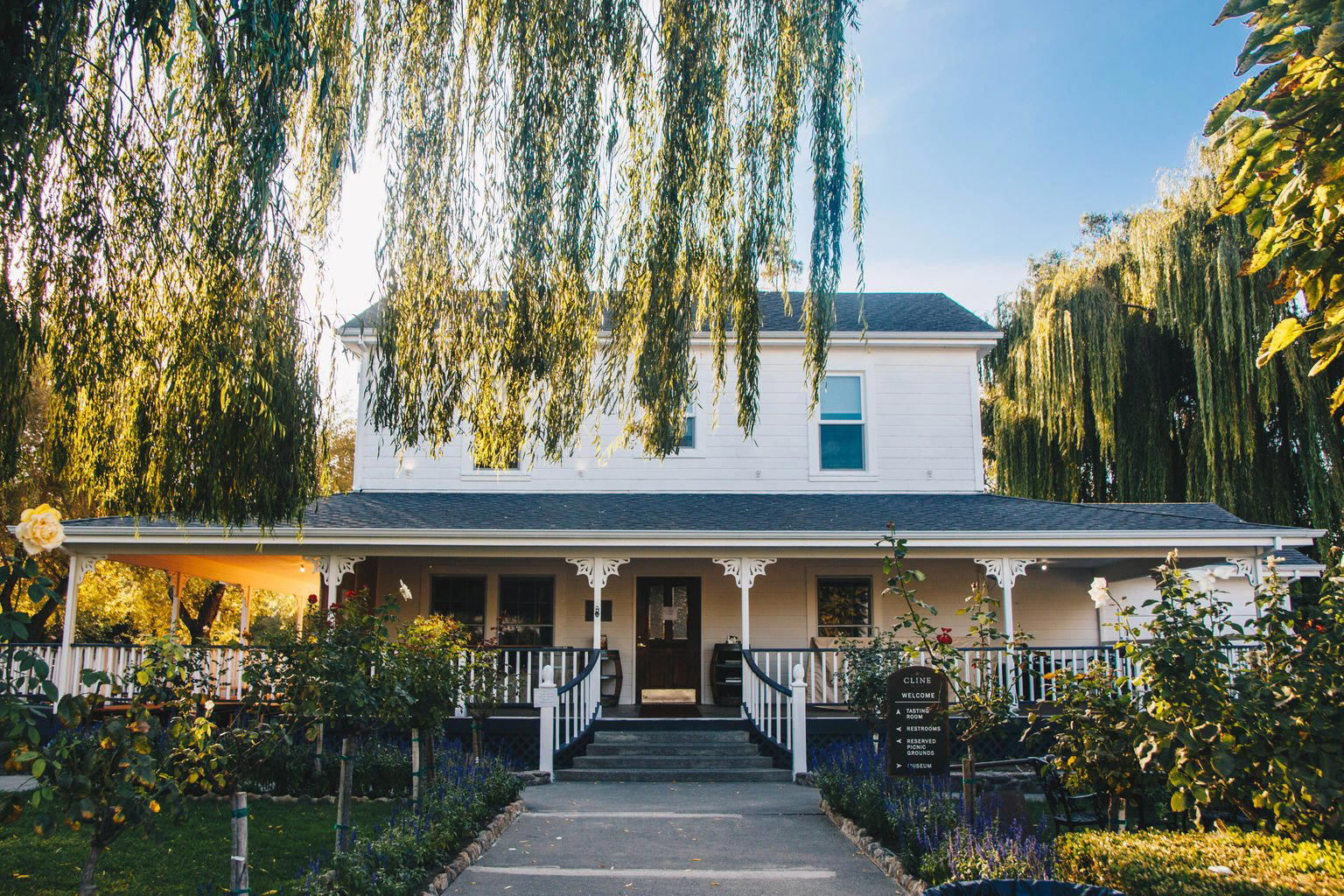
Shattuck Avenue in Berkeley runs through a neighborhood that has spent decades defining itself against San Francisco's restaurant gravity. The stretch known as the Gourmet Ghetto did not acquire that name accidentally. It grew up around a single address: 1517, a converted craftsman bungalow with a wood-framed facade and the kind of unpretentious streetfront that gives no hint of the cooking that happens inside. Approaching Chez Panisse on foot, the building reads as a Berkeley residential block rather than a fine-dining destination. That gap between expectation and reality is, in a sense, the whole point.
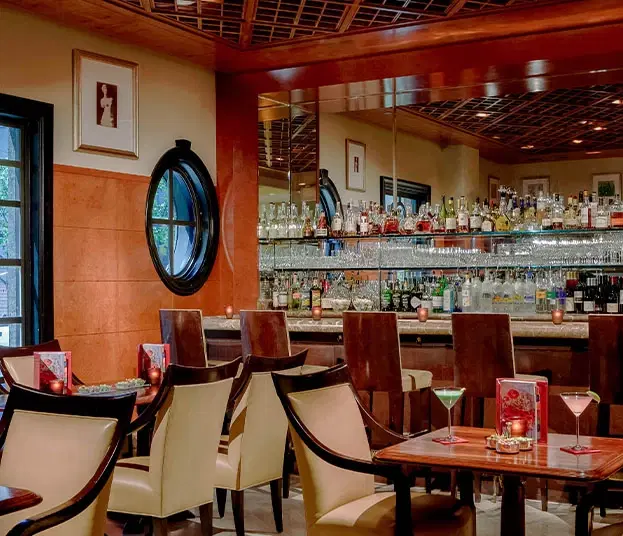
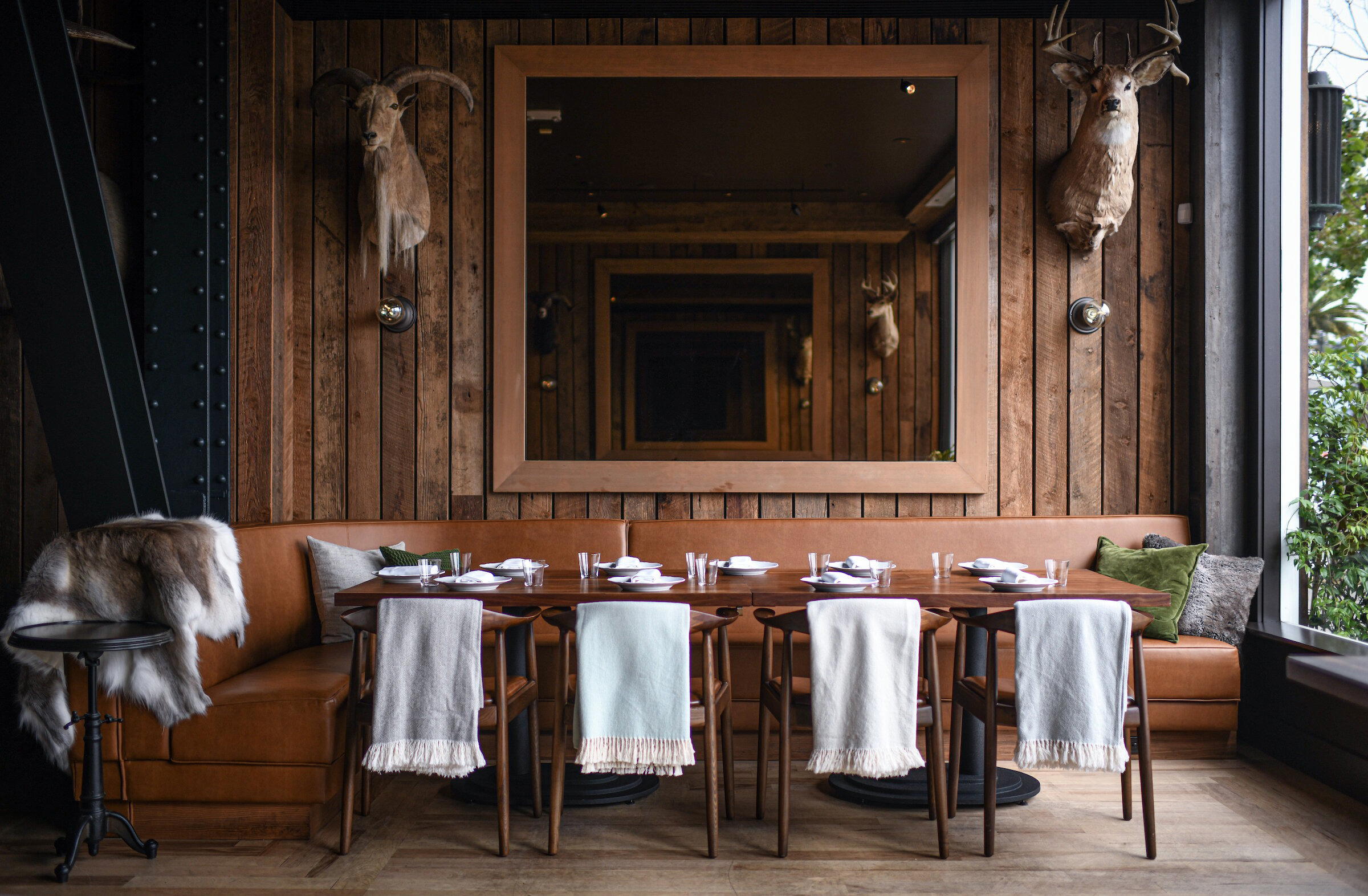
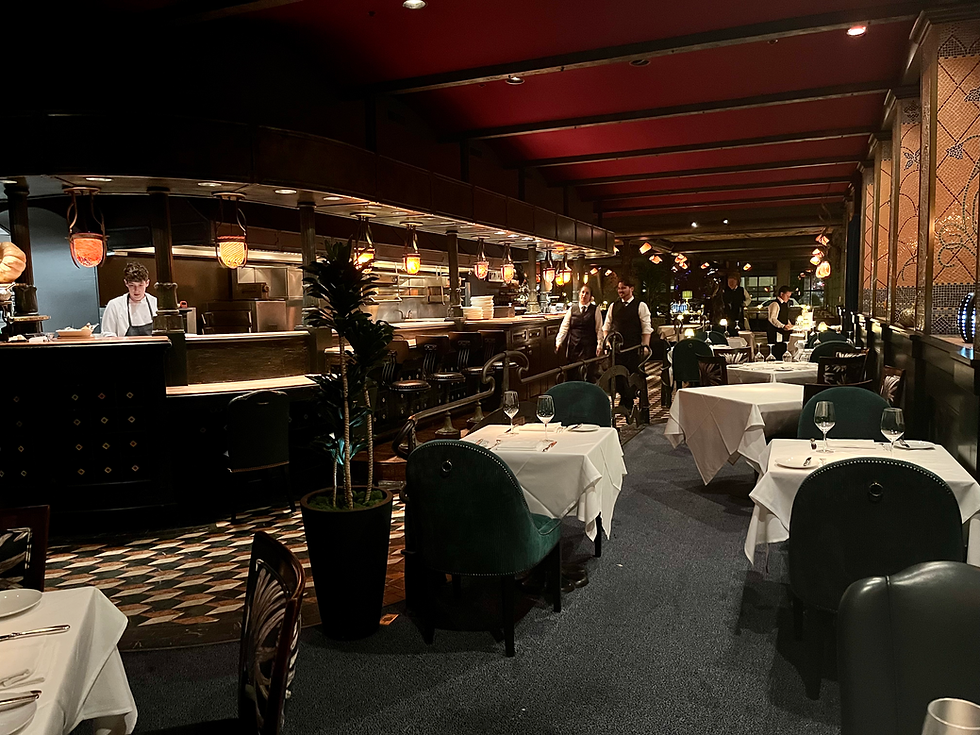
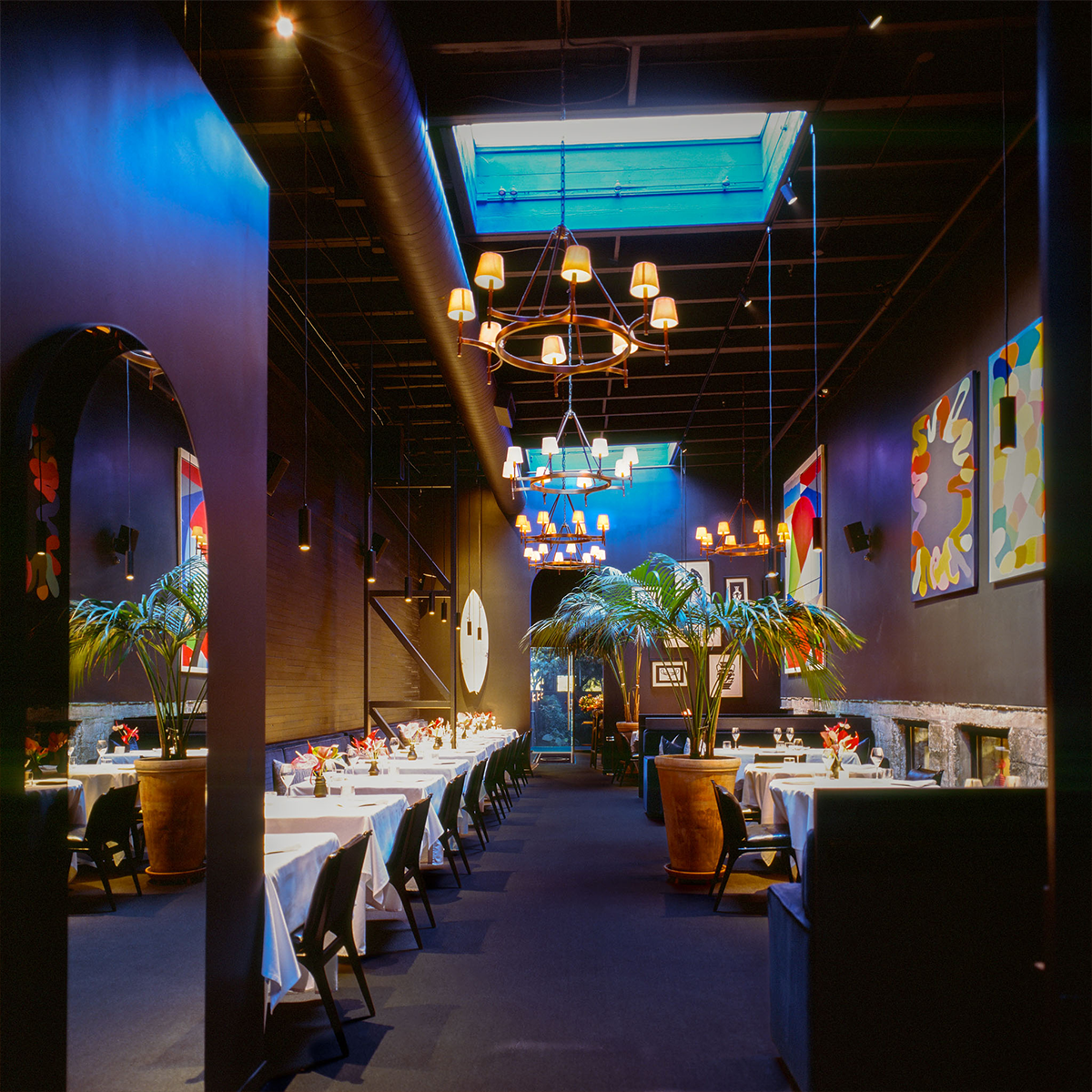
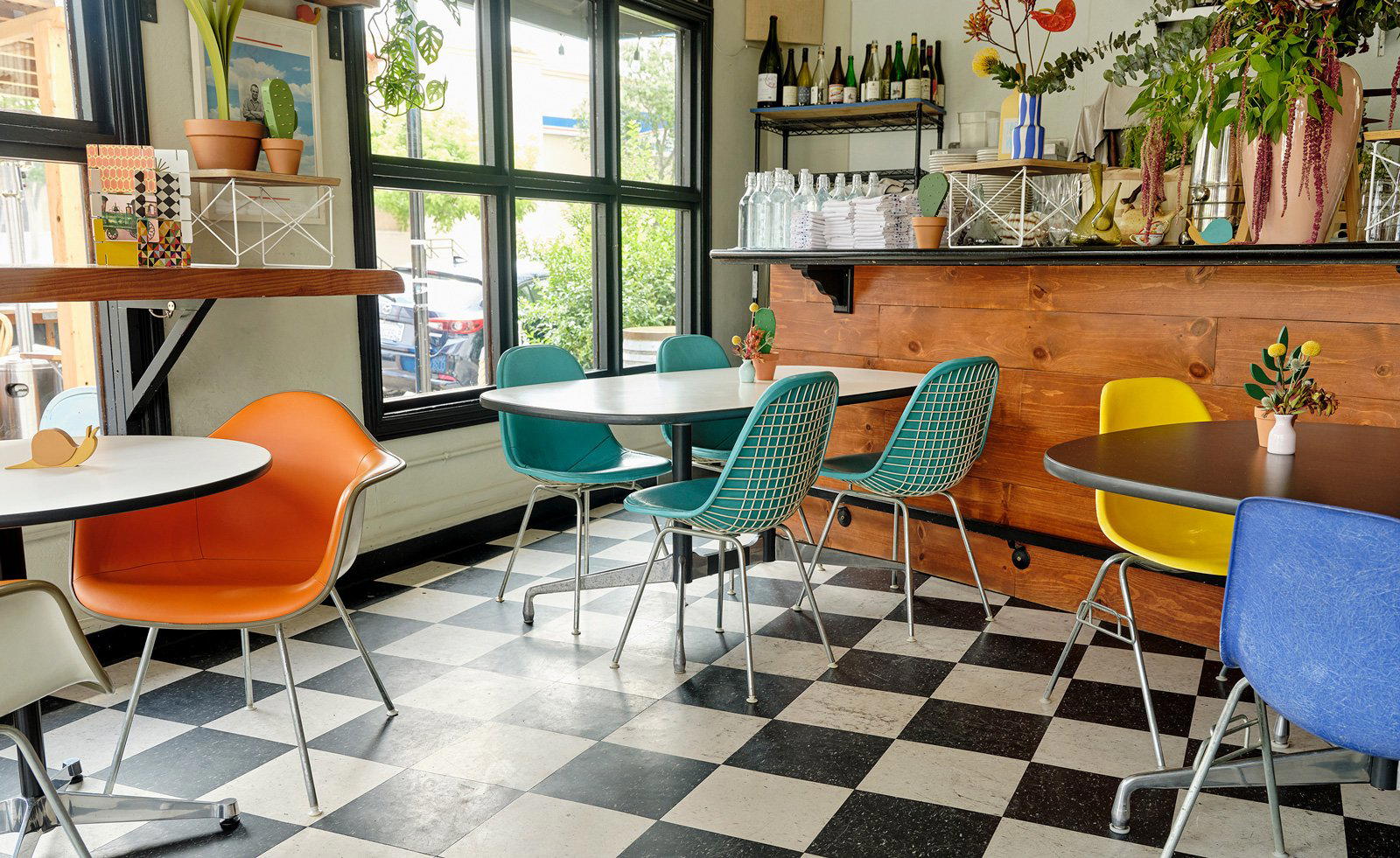
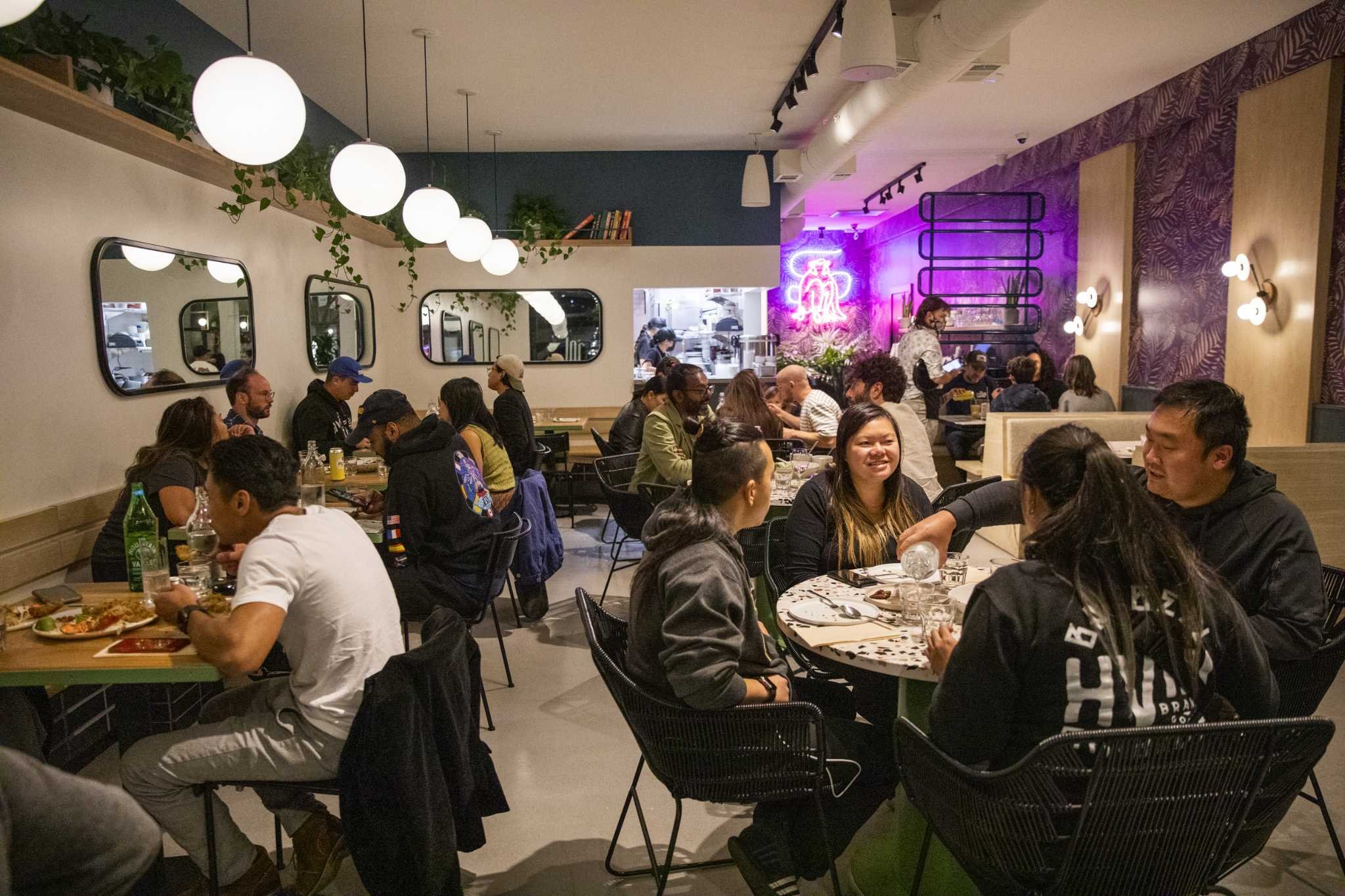
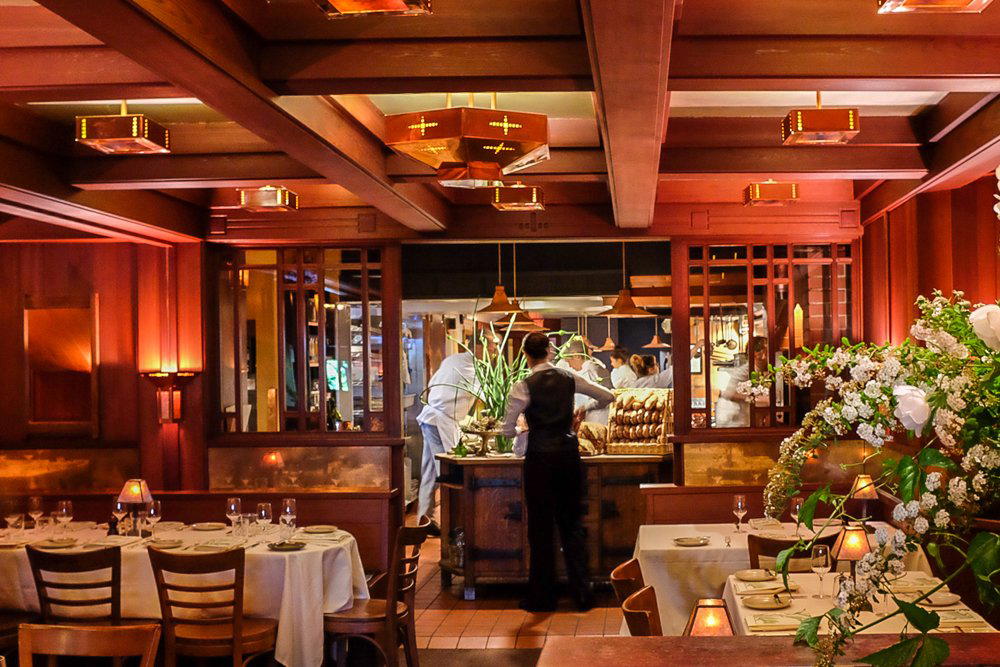
The interior reinforces the impression. Wood paneling, hand-made ceramic details, and a dining room scaled for conversation rather than spectacle define the space. There are no architectural gestures toward grandeur. Seating arrangements favor communal proximity over the wide-spaced formality of contemporary tasting-menu rooms. The room has the density of a well-worn neighborhood restaurant, which is partly why it still functions as one more than five decades after opening. For contrast, consider how differently the city's other top-tier addresses present themselves: Atelier Crenn leans into poetic visual theater, and Benu occupies a spare, ceremonial space in SoMa. Chez Panisse occupies neither register.
The Physical Container and What It Signals
The two-floor structure at 1517 Shattuck operates with a spatial logic that is rare among restaurants of this reputation. The ground-floor dining room runs a fixed-price menu that changes nightly, built around whatever the kitchen's farm and producer relationships have delivered. The upstairs café operates à la carte across lunch and dinner service from Tuesday through Saturday. The split is not a gimmick; it reflects a genuine separation of format and price point, allowing diners to engage with the kitchen's sourcing philosophy at different levels of commitment and cost. The restaurant is closed on Sundays and Mondays for dinner only, with the café closed Mondays entirely.
Décor has been deliberately maintained rather than periodically refreshed. This is an editorial choice, not neglect. In an era when restaurant interiors cycle through trend-driven overhauls every few years, the insistence on continuity at Chez Panisse communicates something about permanence and institutional identity. The hand-crafted details, the warm light, and the domestic scale are not accidental; they reinforce the kitchen's argument that food should connect to place, season, and material reality rather than aspiration or performance. That argument has been influential enough to reshape how American restaurants think about their own spaces, from small farmhouse tables in Healdsburg to the wood-fire simplicity at Saison.
Where the Restaurant Sits in American Culinary History
Farm-to-table movement as it now operates across American restaurants, hotel menus, and food media traces a significant portion of its intellectual genealogy back to what Alice Waters established here beginning in 1971. At the time, the dominant American fine-dining model looked toward France for both technique and ingredient prestige. Waters and her collaborators insisted instead on the primacy of local sourcing and seasonal availability, with Provençal cuisine as a philosophical framework rather than a direct template. That position was heterodox in 1971. It is now so mainstream that it barely registers as a position at all.
Restaurant's World's 50 Best rankings document the arc: number 12 globally in 2003, number 13 in 2005, and consistent top-40 placement through 2008. Those rankings arrived at a moment when the 50 Best list was establishing itself as a credibility signal for the industry. Chez Panisse's repeated presence in that top tier confirmed what American food culture was beginning to accept: that a California restaurant with no tasting menu, no molecular technique, and no attempt at luxury spectacle could hold its own against the most-discussed kitchens in the world. For a longer view of how that argument played out in American fine dining more broadly, restaurants like The French Laundry in Napa, Le Bernardin in New York City, and Alinea in Chicago each represent a different resolution to the same question about what American fine dining should be.
The Kitchen's Philosophy in Practice
Chef Amy Dencler leads the kitchen's recipe programming on the ground floor. The menus are not vegetarian, though vegetables are given a prominence unusual in American fine-dining kitchens of comparable price. Alice Waters' influence on the restaurant's sourcing ethos remains the defining framework: local producers, seasonal availability, and restraint in preparation. Dishes are built around ingredient clarity rather than technical complexity. This approach produces food that rewards attention rather than documentation, which perhaps explains why the restaurant generates less social-media content per cover than newer venues of comparable reputation.
Cal Peternell is associated with the kitchen's history as a long-serving chef, representing the kind of deep institutional continuity that is itself a signal of how the restaurant operates. That continuity has kept the Chez Panisse kitchen legible and consistent across decades rather than lurching between identity pivots as chef tenures change. Among the Bay Area's current top-price restaurants, Quince and Lazy Bear both carry strong chef-identity signatures; Chez Panisse operates differently, with institutional philosophy preceding any individual voice.
Recognition and Where It Stands Now
The current awards picture is instructive. Chez Panisse holds a Michelin Plate for 2024 and 2025, which signals quality cooking without the formal star designation. On Opinionated About Dining, it ranked 536th among North American restaurants and 761st in the Casual North America category for 2025, both slight drops from its 2024 positions of 432nd and 531st respectively.
That positioning is coherent. The restaurant opened before the current fine-dining vocabulary existed. It helped invent that vocabulary, then watched the industry build structures of technique, theatricality, and omakase formalism that moved well beyond what Chez Panisse was ever trying to do. Comparing it against the current field at venues like Single Thread Farm in Healdsburg, Providence in Los Angeles, Atomix in New York City, or Emeril's in New Orleans is useful only up to a point. Those restaurants operate within a frame that Chez Panisse was instrumental in building. Similarly, 8½ Otto e Mezzo Bombana in Hong Kong shows how the ethos of ingredient-led cooking traveled internationally. The original always looks different when the category around it has matured.
Planning Your Visit
Chez Panisse sits at 1517 Shattuck Avenue in Berkeley, across the bay from San Francisco. The restaurant operates Tuesday through Saturday for both lunch and dinner, with Monday dinner service only and full closure on Sundays. The price range is $$$$, reflecting the fixed-price format downstairs and à la carte café upstairs. Reservations are advisable given the restaurant's continuing draw; advance booking is the standard approach for the ground-floor dining room in particular. Visitors staying in San Francisco can find hotel recommendations in our full San Francisco hotels guide. For broader planning in the region, our full San Francisco restaurants guide, bars guide, wineries guide, and experiences guide cover the wider city and surrounding area in detail.
Frequently asked questions
What type of food is Chez Panisse known for?
Who is the chef or culinary lead at Chez Panisse?
The chef associated with Chez Panisse is Cal Peternell.
What dish is Chez Panisse famous for?
Chez Panisse is not built around a single signature dish. The ground-floor restaurant runs a fixed nightly menu programmed by Chef Amy Dencler, which changes based on what local and seasonal ingredients are available. Vegetables hold a prominent place on the menu, though meat and fish are included. The restaurant's reputation rests on that approach itself, sourcing-driven, unfussy cooking, rather than any one preparation.
What's the pricing like at Chez Panisse?
Pricing at Chez Panisse is listed as $$$$.
Comparable Spots, Quickly
A quick peer list to put this venue’s basics in context.
| Venue | Cuisine | Price | Awards | Notes |
|---|---|---|---|---|
| Chez PanisseThis venue (the venue you are viewing) | California Farm-to-Table French | $200–300 | Michelin Plate · World's 50 Best #37 | Not listed |
| Lazy Bear | Modern American Tasting Menu | Not listed | 2 Michelin Stars · World's 50 Best #25 | Progressive American, Contemporary |
| Benu | Modern Asian Fusion Fine Dining | $150–200 | 3 Michelin Stars · World's 50 Best #33 | French - Chinese, Asian |
| Atelier Crenn | Contemporary French Fine Dining | $300–500 | 3 Michelin Stars · World's 50 Best #44 | Modern French, Contemporary |
| Quince | Modern French Fine Dining | $300–500 | 3 Michelin Stars · World's 50 Best #48 | Italian, Contemporary |
| Saison | Modern French-Italian | Not listed | Michelin Plate | Progressive American, Californian |
Recognition history
Dated appearances from independent guides and award organizations, with the underlying list record or original source where available.
Michelin Plate
Michelin · 2026 Michelin Plate
World's 50 Best Restaurants #37
World's 50 Best
James Beard Award Outstanding Pastry Chef
James Beard Award
Opinionated About Dining Top Restaurants in North America Ranked #133
Opinionated About Dining
We're Smart World 3 Radishes
We're Smart World
Full recognition history (24 entries)
Opinionated About Dining Casual in North America Recommended
Opinionated About Dining
Michelin Plate
Michelin
Opinionated About Dining Casual in North America Ranked #761
Opinionated About Dining
Opinionated About Dining Top Restaurants in North America Ranked #536
Opinionated About Dining
Michelin Plate
Michelin
Opinionated About Dining Top Restaurants in North America Ranked #432
Opinionated About Dining
Opinionated About Dining Casual in North America Ranked #531
Opinionated About Dining
Opinionated About Dining Top Restaurants in North America Recommended
Opinionated About Dining
Opinionated About Dining Casual in North America Recommended
Opinionated About Dining
Opinionated About Dining Gourmet Casual Dining in North America Ranked #179
Opinionated About Dining
World's 50 Best Restaurants #40
World's 50 Best
World's 50 Best Restaurants #20
World's 50 Best
World's 50 Best Restaurants #13
World's 50 Best
World's 50 Best Restaurants #37
World's 50 Best
World's 50 Best Restaurants #12
World's 50 Best
World's 50 Best Restaurants #29
World's 50 Best
James Beard Award Outstanding Chef
James Beard Award
James Beard Award Outstanding Restaurant
James Beard Award
Robb Report 100 Greatest American Restaurants of the 21st Century #12
Robb Report