The Ingredient Geography of the Jura Table
Understanding what a serious restaurant in this part of Switzerland is working with requires a brief geography lesson. The Jura canton borders the Alsace region of France to the northwest, giving kitchens access to one of Europe's most developed fine-food supply chains, including charcuterie traditions, structured viticulture, and a cheesemonger network that extends from Munster into the Swiss Franc-Comtois belt. To the south, the Bernese Oberland and its mountain pasture economy feeds into a broader Swiss dairy and beef tradition. A kitchen operating in Delémont is therefore positioned between two distinct agricultural worlds, and the most coherent menus in this region tend to reflect that duality rather than resolving it in favour of one tradition.
This sourcing geography distinguishes Jura-based fine dining from its counterparts in, say, the Ticino, where Italian supply chains dominate, or Graubünden, where establishments like Schloss Schauenstein in Fürstenau have built celebrated menus around hyperlocal alpine produce. In the Jura, the ingredient story is more about movement and exchange than strict localism: what the valleys produce alongside what comes across the Alsatian border, and how a kitchen mediates between those two supply realities.
Comparable considerations shape the approach at Maison Wenger in Le Noirmont, positioned further into the Jura highlands where produce sourcing becomes more constrained by altitude and season, and at Memories in Bad Ragaz, which operates within the alpine spa hotel format and draws from a different regional supply network entirely.
The Setting and Its Signals
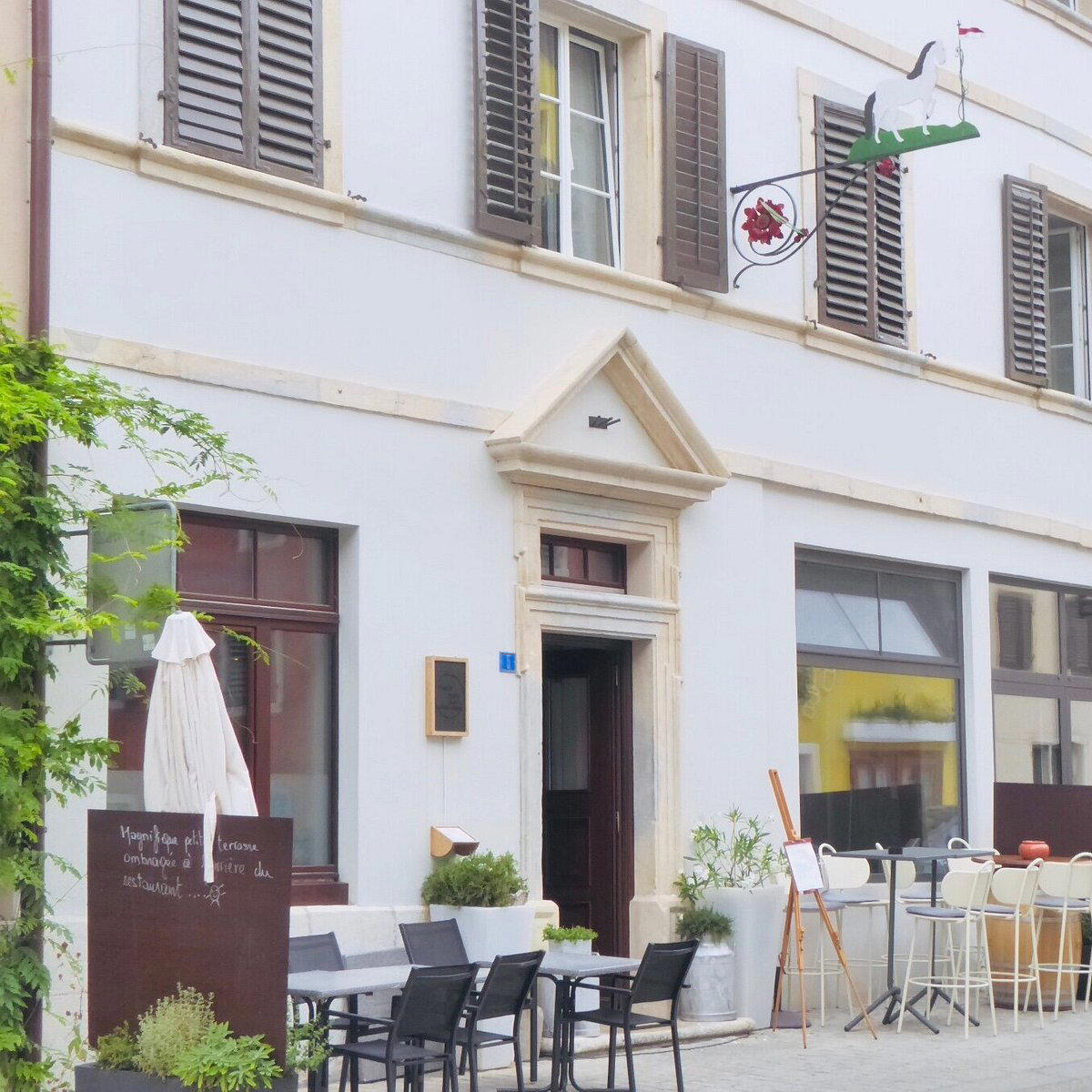
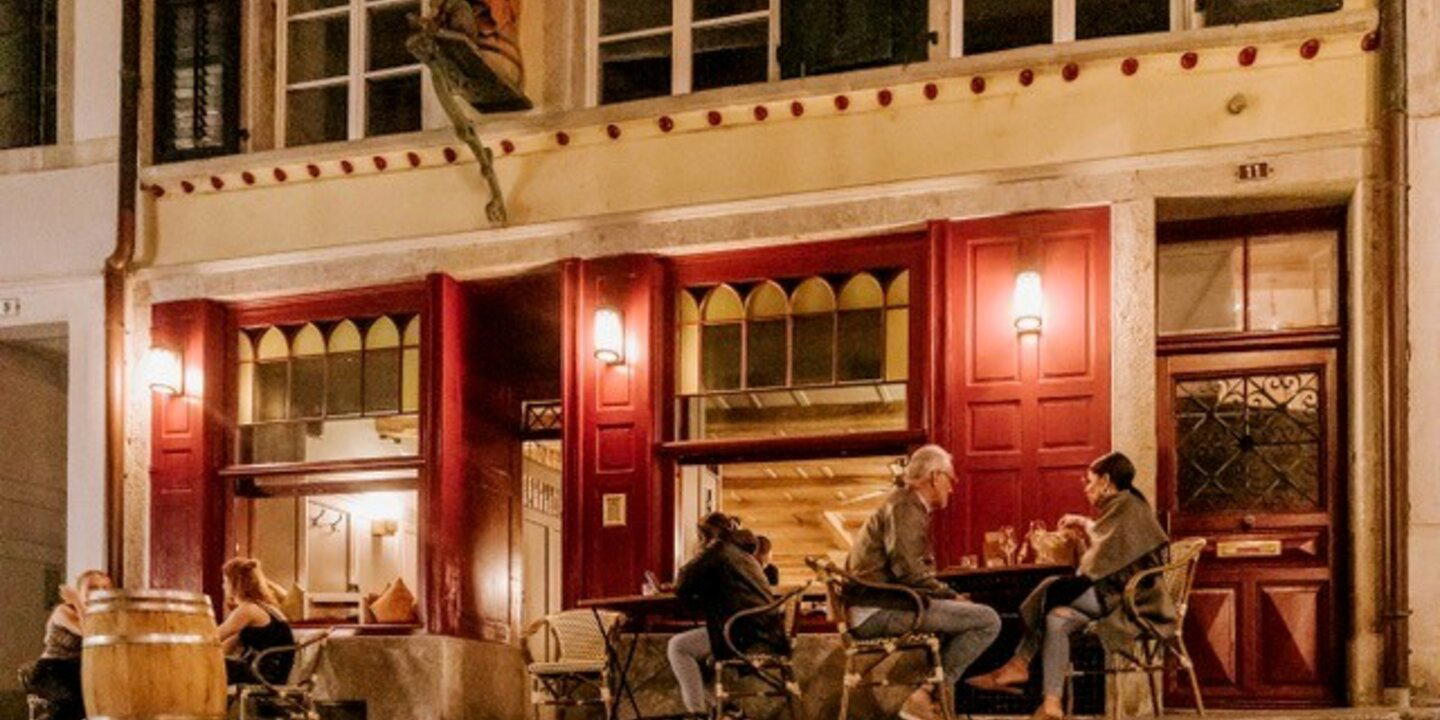
Rue de la Constituante is a central Delémont street, close to the administrative heart of the city. The name Cheval Blanc, familiar to anyone who has spent time in French-speaking Switzerland, typically signals a certain kind of establishment: the classic Swiss auberge or restaurant-with-rooms that has served as the institutional dining address of a given town for generations.
That consistency, when it holds, is itself an editorial signal. In Swiss dining culture, longevity at a fixed address often indicates a kitchen with stable supplier relationships, a regular clientele with calibrated expectations, and a menu that has been refined through accumulated local feedback rather than reimagined season by season for external attention. This contrasts with the destination-restaurant model exemplified at places like focus ATELIER in Vitznau or Da Vittorio in St. Moritz, where the international visitor is a central part of the economic and creative calculus.
Switzerland's premium dining tier is increasingly spread across smaller cities and rural addresses. The concentration of serious kitchens in Zurich, Geneva, and Basel has not prevented the emergence of destination-calibre cooking in places like Wigoltingen, where Taverne zum Schäfli operates at the high end of the creative Swiss tradition, or Schwyz, where Magdalena has built a reputation around alpine-vegetarian cooking. In each case, the kitchen's relationship to its local produce supply is central to the identity of the food.
Cheval Blanc in Delémont sits in a different register from those destination-driven projects. Its location in a cantonal capital rather than a remote alpine setting means it operates closer to the civic dining tradition than to the destination-restaurant model. For comparison, Einstein Gourmet in Sankt Gallen occupies a similar position within its own cantonal capital, serving a clientele that combines local regulars with business visitors and, occasionally, deliberate out-of-town dining trips. The Cheval Blanc by Peter Knogl in Basel shares the name but operates at a different scale and with a different set of Michelin-backed credentials, providing a useful point of comparison for those wondering about the two addresses.
Further afield, the broader European fine-dining conversation encompasses kitchens that have made ingredient provenance central to their identity at every price tier, from Le Bernardin in New York City, where sourcing discipline is applied to seafood at the highest level, to Lazy Bear in San Francisco, where communal tasting formats have become the vehicle for a different kind of produce-focused cooking. The Jura tradition sits apart from both of those reference points, drawing instead on a Franco-Swiss agricultural heritage that does not translate neatly into either the American tasting-menu format or the Parisian fine-dining template.
Other Swiss comparisons worth holding in mind include Mammertsberg in Freidorf, Skin's in Lenzburg, La Table du Valrose in Rougemont, La Brezza in Ascona, Hotel de Ville Crissier in Crissier, and The Japanese Restaurant in Andermatt, each of which represents a distinct variation on how Swiss kitchens relate to their regional supply context and their dining public.
Planning Your Visit
Delémont is accessible by direct train from Basel in under 30 minutes and from Bern in approximately one hour, making it a realistic day-trip or evening destination for visitors based in either city. The restaurant's central address makes it walkable from Delémont station. Given the limited data available on current booking policies, hours, and pricing, contacting the restaurant directly before planning a visit is the only reliable path to confirming availability and format. Practical details including hours, menu structure, and reservation approach are leading verified at the time of booking rather than relied upon from secondary sources.