L'Artista Zürich
L'Artista sits in Zürich's District 3, at the intersection of Meinrad-Lienert-Strasse and Badenenstrasse, within a neighbourhood that has become one of the city's more considered dining corridors. The address places it among Zürich's mid-to-upper Italian-leaning restaurant tier, where sourcing ethics and kitchen craft carry increasing weight with a sophisticated local clientele.
Pearl is the En Primeur Club membership app — saves, bookings, and concierge access live there. Same editors, same standards.
- Address
- Meinrad-Lienert-Strasse 21, Badenenstrasse 217, 8003 Zürich, Switzerland
- Phone
- +41445277120
- Website
- lartista.ch
- Directions
- Get directions
 Saves & bookings on Pearl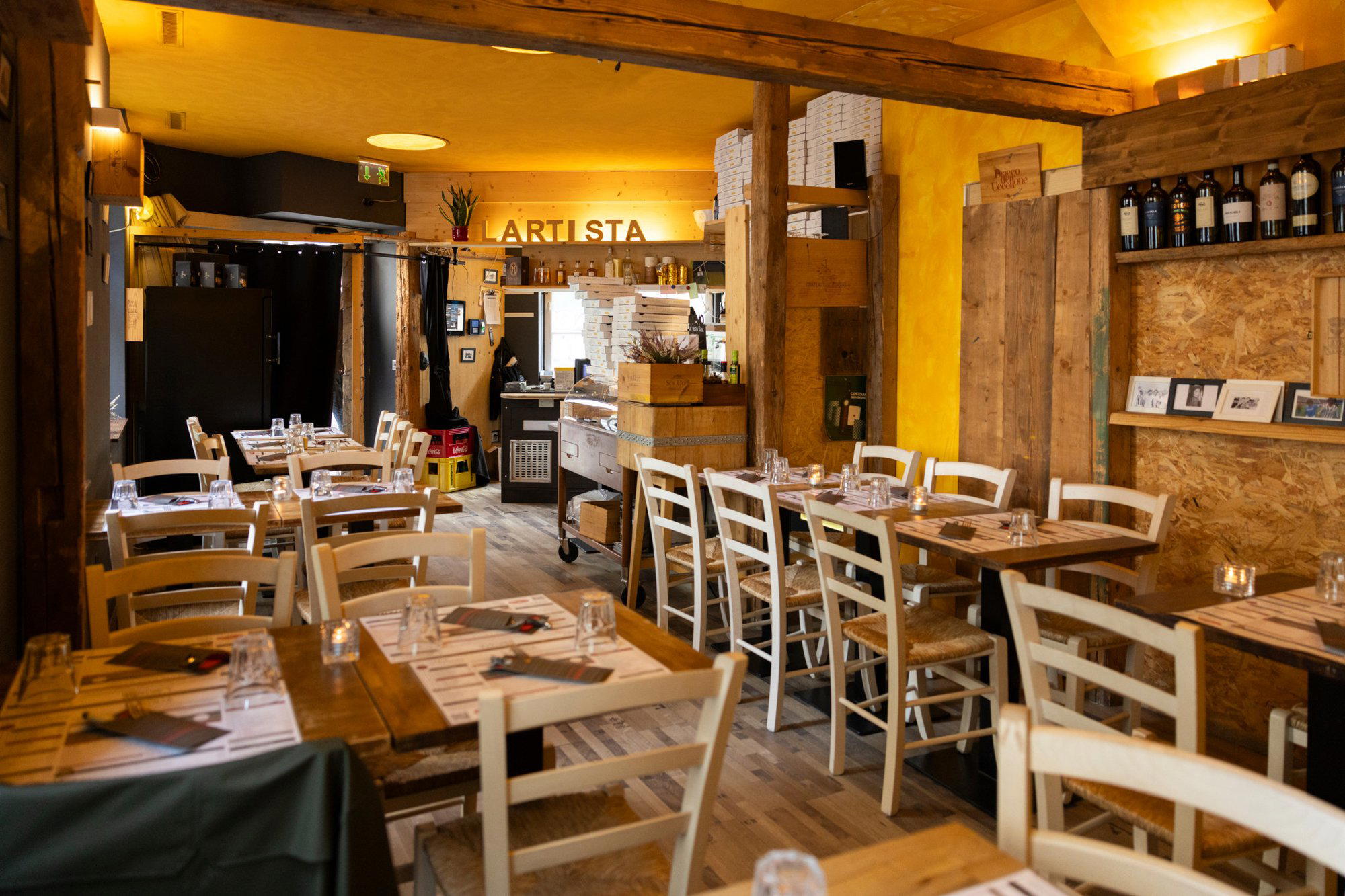
District 3 and the Ethics of the Plate
Zürich's dining scene has, over the past decade, sorted itself into increasingly distinct camps. At one end sit the grand Swiss institutions, Kronenhalle-style rooms where Rösti and Wiener Schnitzel carry the weight of civic memory. At the other, a newer cohort of restaurants in districts 3, 4, and 5 has built its identity around sourcing transparency, reduced waste, and a more deliberate relationship with producers. L'Artista, a Neapolitan Pizza restaurant at Meinrad-Lienert-Strasse 21 in the Wiedikon quarter, belongs to this second current. The address alone signals something about intent: this is not the Bahnhofstrasse luxury corridor, nor the self-consciously trendy Langstrasse strip. Wiedikon is a residential district where restaurants succeed by earning the loyalty of locals who eat out regularly and notice when quality slips.
Approaching from Badenenstrasse, the neighbourhood reads as functional, mid-rise, and unhurried, a context that tends to filter out the purely performative. Restaurants here do not survive on foot traffic from tourists or convention crowds. They survive because the food is consistent and the proposition is honest. That competitive reality shapes what ends up on the plate in kitchens like this one more than any stated philosophy.
Italian Cooking in a Swiss Context
Italian cuisine occupies a particular position in Zürich's restaurant ecology. Switzerland's deep demographic and cultural ties to Italy, through the Italian-speaking canton of Ticino, through decades of cross-border movement, and through a Swiss-Italian population embedded across the city, mean that Zürich diners bring genuine reference points to Italian cooking. A plate of pasta is not exotic here; it is measured against memory and familiarity. That raises the bar for Italian-oriented kitchens in a way that does not apply in cities where the cuisine is primarily aspirational or theatrical.
Within this context, particularly credible Italian operators in Zürich have moved toward sourcing discipline as a point of differentiation. When a kitchen can demonstrate that its olive oil comes from a named producer, that its fish is line-caught rather than farmed, or that its vegetable supply rotates with seasonal availability rather than a fixed menu, it is speaking to a Zürich clientele that increasingly reads those signals as proxies for quality. Eden Kitchen & Bar, in the Italian segment of the city's upper-mid tier, represents one version of this approach. L'Artista, positioned in a denser residential neighbourhood, occupies a related but distinctly local register.
Sustainability as Kitchen Practice, Not Brand Statement
The sustainability conversation in European fine and mid-fine dining has matured beyond the point where mentioning seasonal ingredients counts as a credential. The kitchens that have made meaningful progress are those where waste reduction is built into the operational structure: offcuts repurposed across the menu, stocks derived from trim and bone rather than purchased bases, portion architecture designed to minimise plate waste without reducing satisfaction. In Switzerland, where food costs are among the highest in Europe, these practices often arise from economic necessity as much as environmental conviction, and the result tends to be more durable than ethics-first branding.
Zürich's broader restaurant community has been influenced by the Swiss Gastrosuisse standards and, at the upper end, by the example of kitchens like Schloss Schauenstein in Fürstenau, where kitchen garden integration and hyper-local sourcing have been part of the identity for years. That influence filters down through the market. Restaurants in the mid-tier that can demonstrate genuine sourcing rigour, rather than a seasonal flourish added to an otherwise conventional supply chain, occupy a credible position in what is becoming a more informed conversation among Zürich's regular dining public.
Where L'Artista Sits in the Zürich comparable set
Zürich's upper-mid restaurant tier is more competitive than it appears from the outside. The city's high wage costs and premium ingredients push most serious operators into a price bracket that, in any other European city, would imply a Michelin-level experience. At that price point, diners compare across categories: a meal at L'Artista competes not just with other Italian rooms but with the sharing format of IGNIV Zürich by Andreas Caminada, the creative ambition of The Counter, and the Swiss identity of Widder. The Italian category, specifically, is one where differentiation on sourcing and craft carries more weight than novelty of concept.
For those exploring Switzerland's wider dining geography, the reference points extend well beyond Zürich's city limits. Hotel de Ville Crissier in Crissier remains a benchmark for classical French technique in the Swiss context. Cheval Blanc by Peter Knogl in Basel and Memories in Bad Ragaz represent the country's Michelin-credentialled top tier. Within the city, The Restaurant operates at the creative end of Zürich's formal dining spectrum. L'Artista occupies a different register from all of these: neighbourhood-anchored, Italian in orientation, and shaped by the practical disciplines that Wiedikon's residential market demands.
Further afield, those interested in how sustainability integrates with high-level cuisine across Switzerland might consider focus ATELIER in Vitznau, 7132 Silver in Vals, or Einstein Gourmet in Sankt Gallen. International comparisons in the sustainability-conscious fine dining space include Le Bernardin in New York City and Atomix in New York City, both of which have integrated sourcing ethics into internationally recognised programs. In southern Switzerland, Da Vittorio in St. Moritz and Colonnade in Lucerne offer further reference points for Italian and European dining done at different scales and price levels. And for those curious about how Ticino's Italian-Swiss identity plays into regional cuisine, L'Atelier Robuchon in Geneva provides an instructive contrast in how French and Italian influences layer differently across Switzerland's linguistic borders.
Planning a Visit
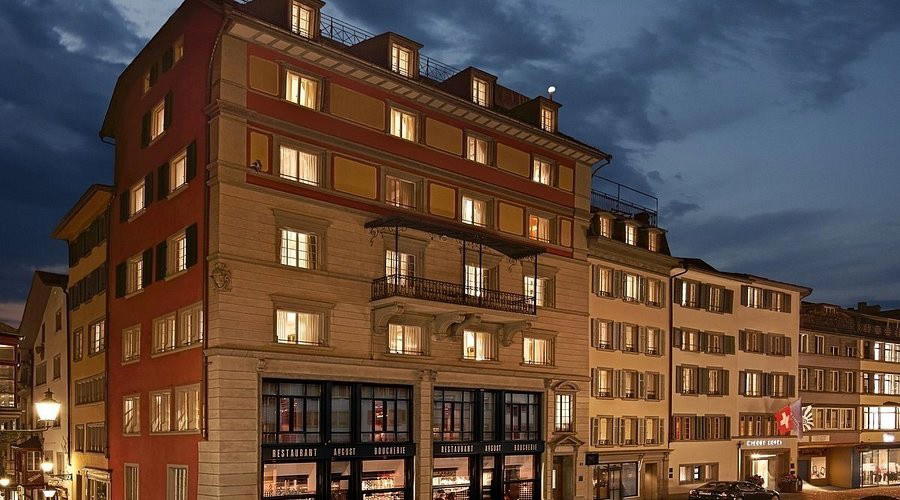
L'Artista is located at Meinrad-Lienert-Strasse 21 in Zürich's District 3, accessible from Badenenstrasse and well-served by the city's tram network, which connects Wiedikon efficiently to the main rail hub at Zürich Hauptbahnhof. As with most neighbourhood restaurants operating in Zürich's serious mid-tier, booking ahead is advisable, particularly for weekend evenings when local demand from the surrounding residential streets concentrates.
What It’s Closest To
Comparable venues nearby, for context on price, style, and recognition.
| Venue | Cuisine | Price | Notes |
|---|---|---|---|
| L'Artista ZürichThis venue — the venue you are viewing | Neapolitan Pizza | $$ | Not listed |
| Bottega Berta | Modern Italian Pasta Specialist | $$ | Aussersihl |
| Italia | Authentic Italian | $$ | Aussersihl |
| Napulé Josefstrasse | Neapolitan Pizza | $$ | Unterstrass |
| Vapiano Bellevue | Handmade Italian Pasta & Pizza | $$ | Fluntern |
| Santa Lucia | Traditional Italian Pizza & Pasta | $$ | Fluntern |
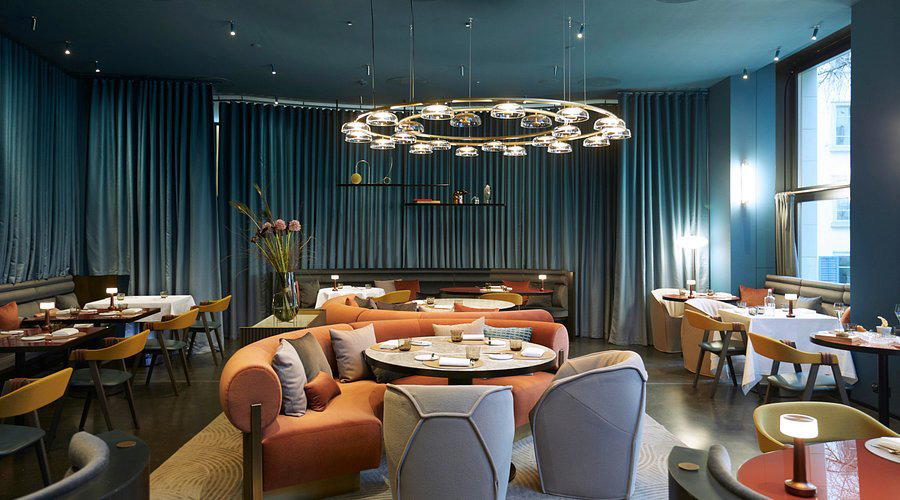
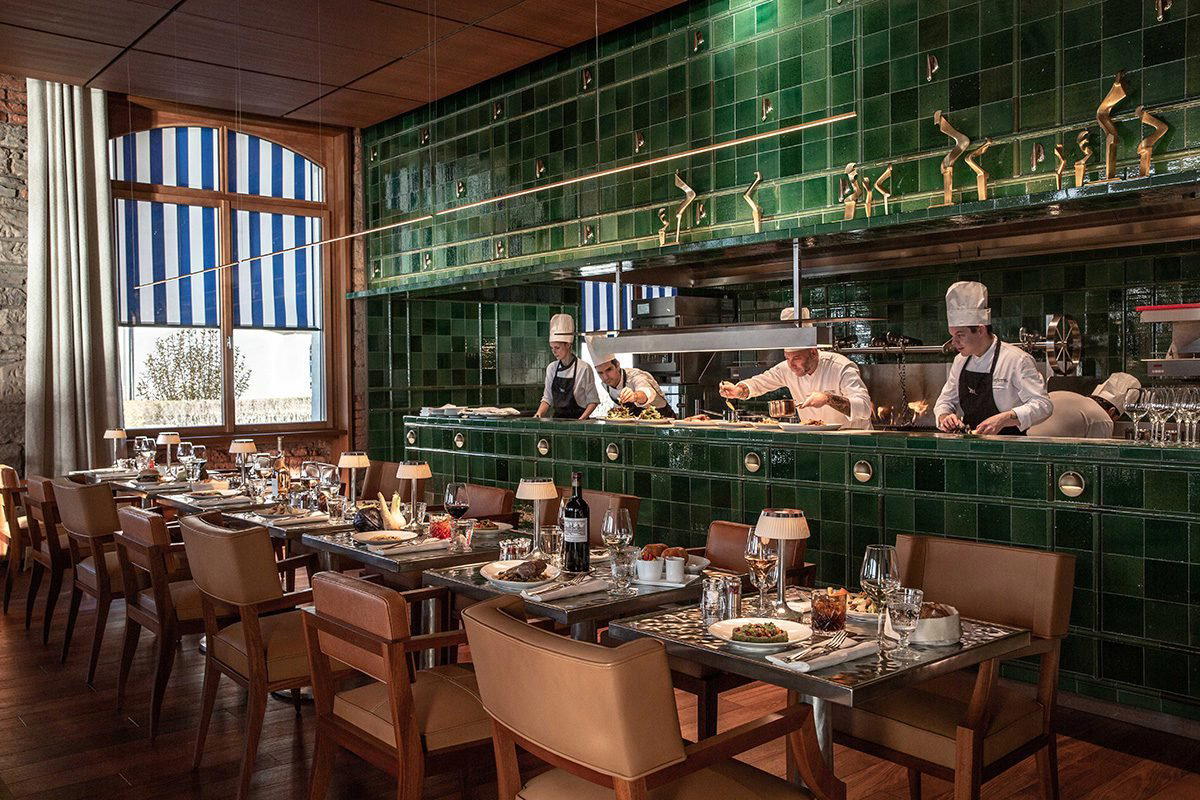
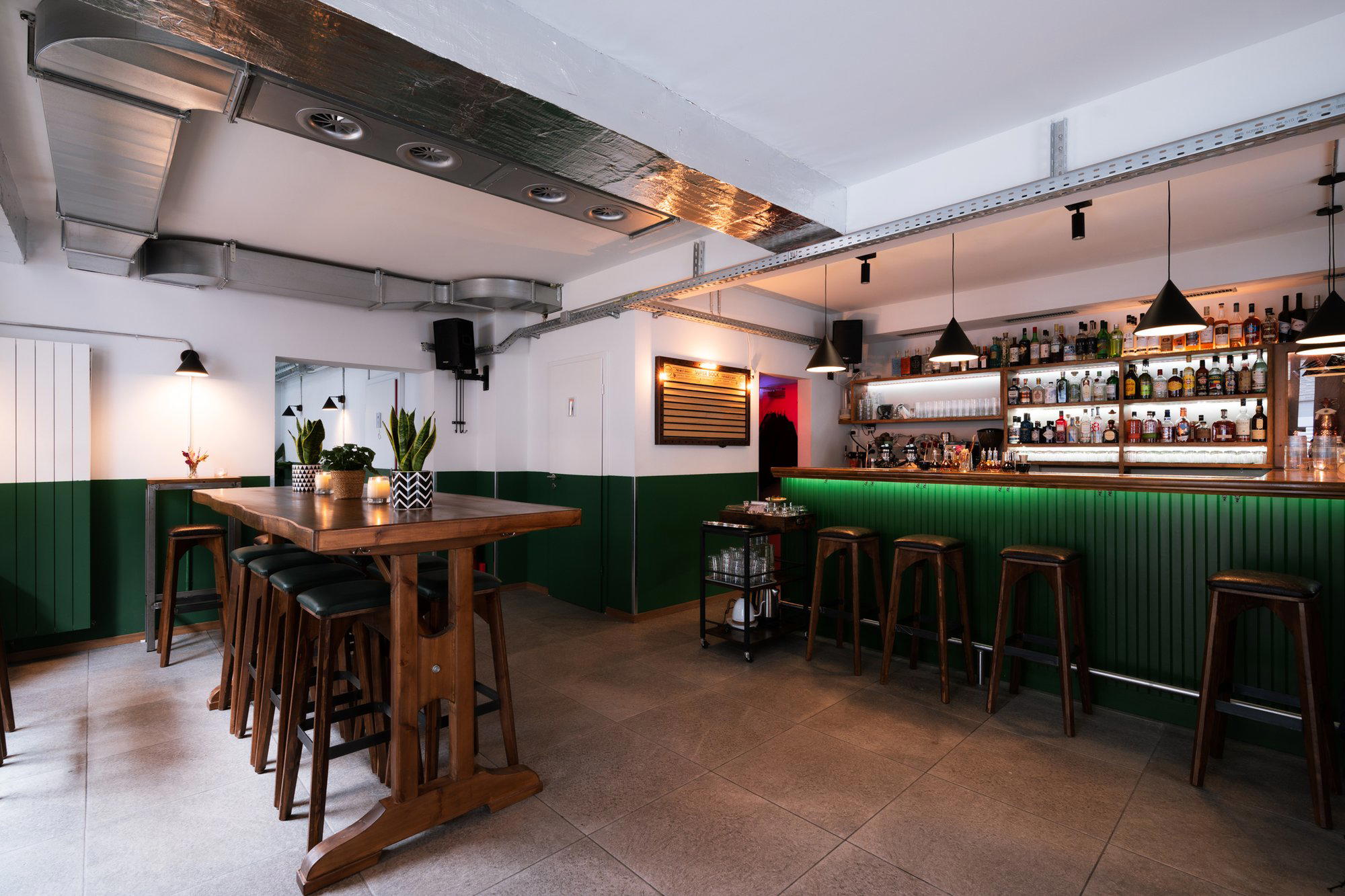
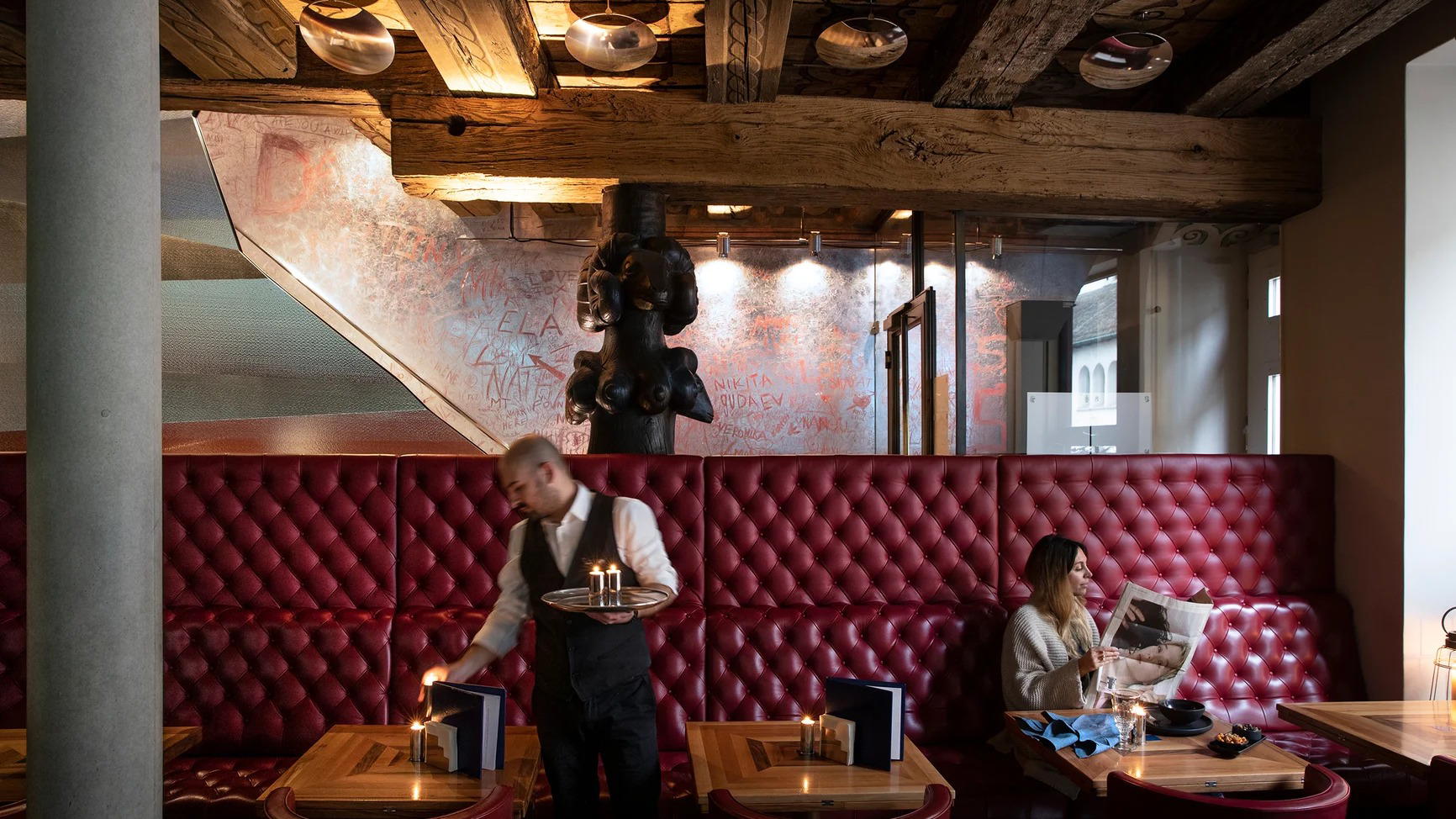
At a Glance
- Cozy
- Lively
- Casual Hangout
- Group Dining
- Open Kitchen
Current opening hours
- Monday
- 11 AM–3 AM
- Tuesday
- 11 AM–3 AM
- Wednesday
- 11 AM–3 AM
- Thursday
- 11 AM–3 AM
- Friday
- 11 AM–3 AM
- Saturday
- 11 AM–3 AM
- Sunday
- 11 AM–3 AM
Hours can change for holidays and private events. Last verified .
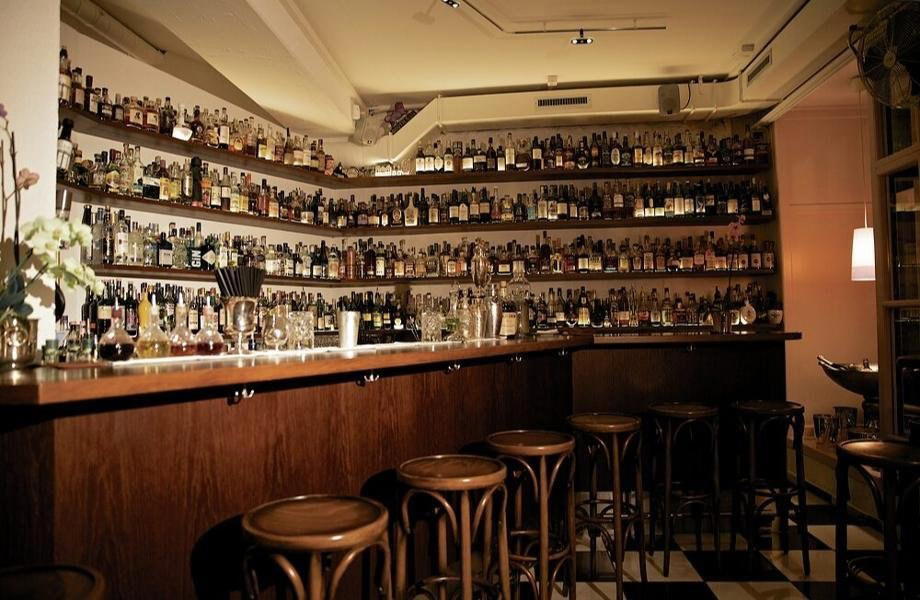
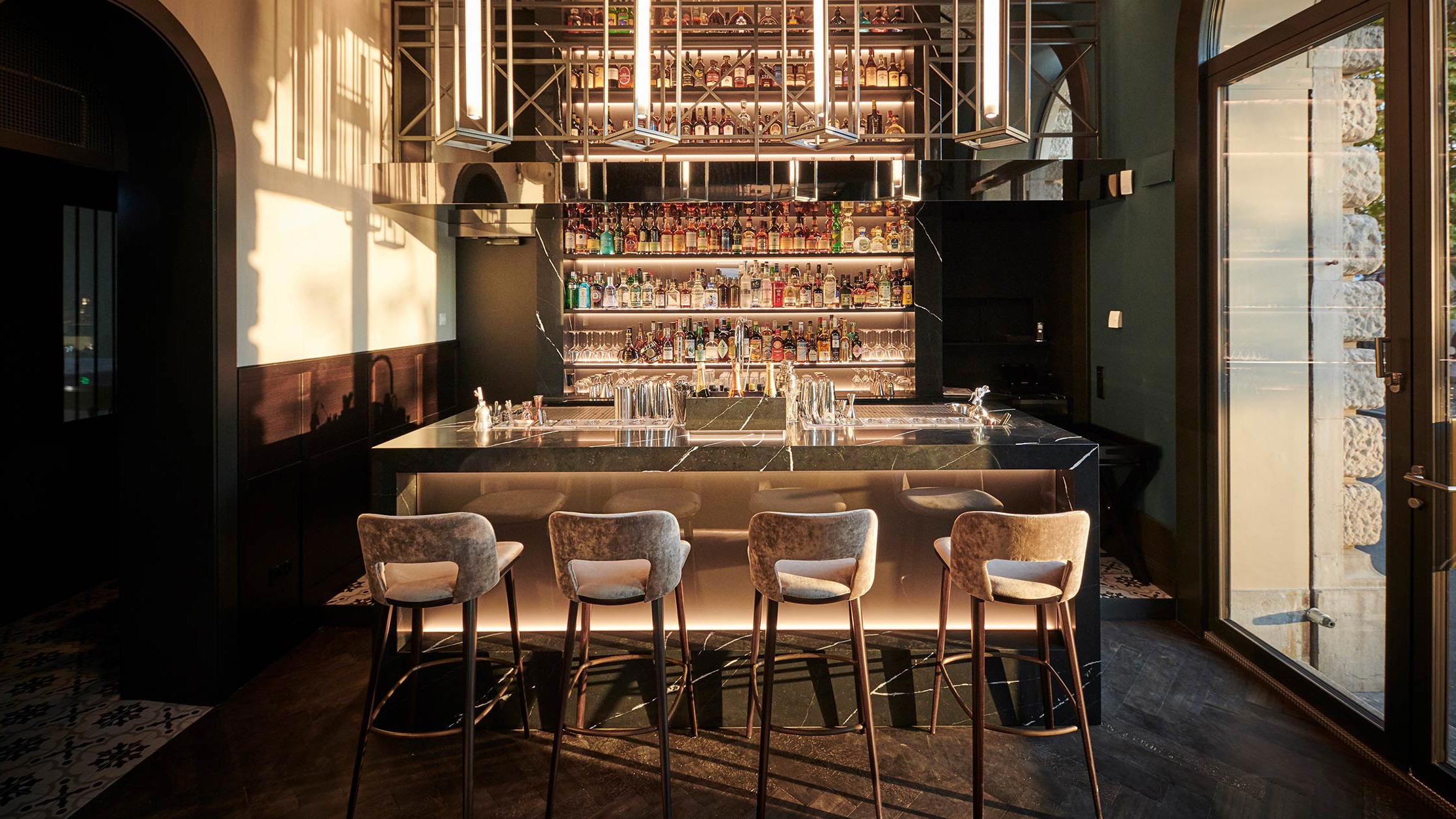
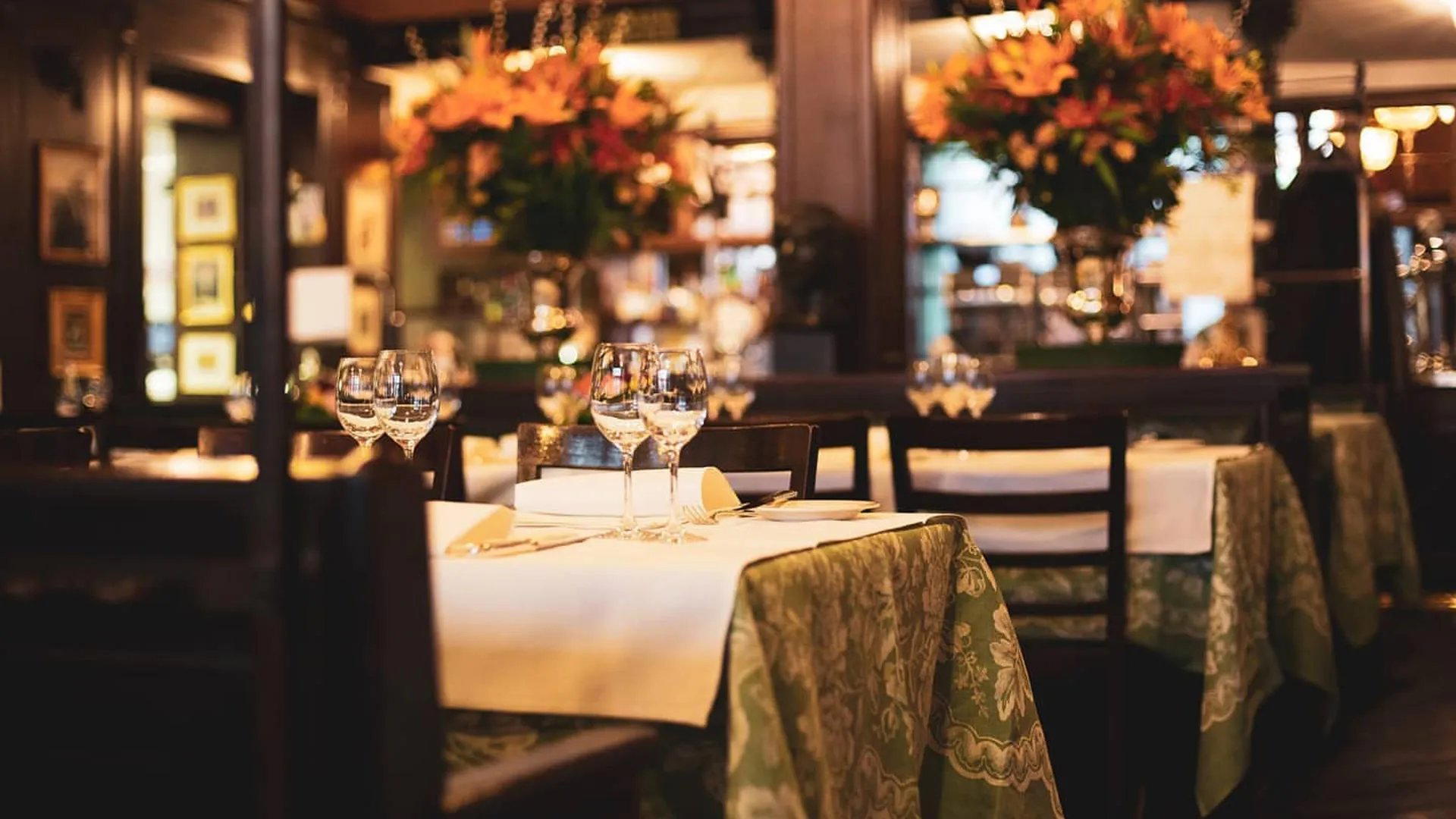
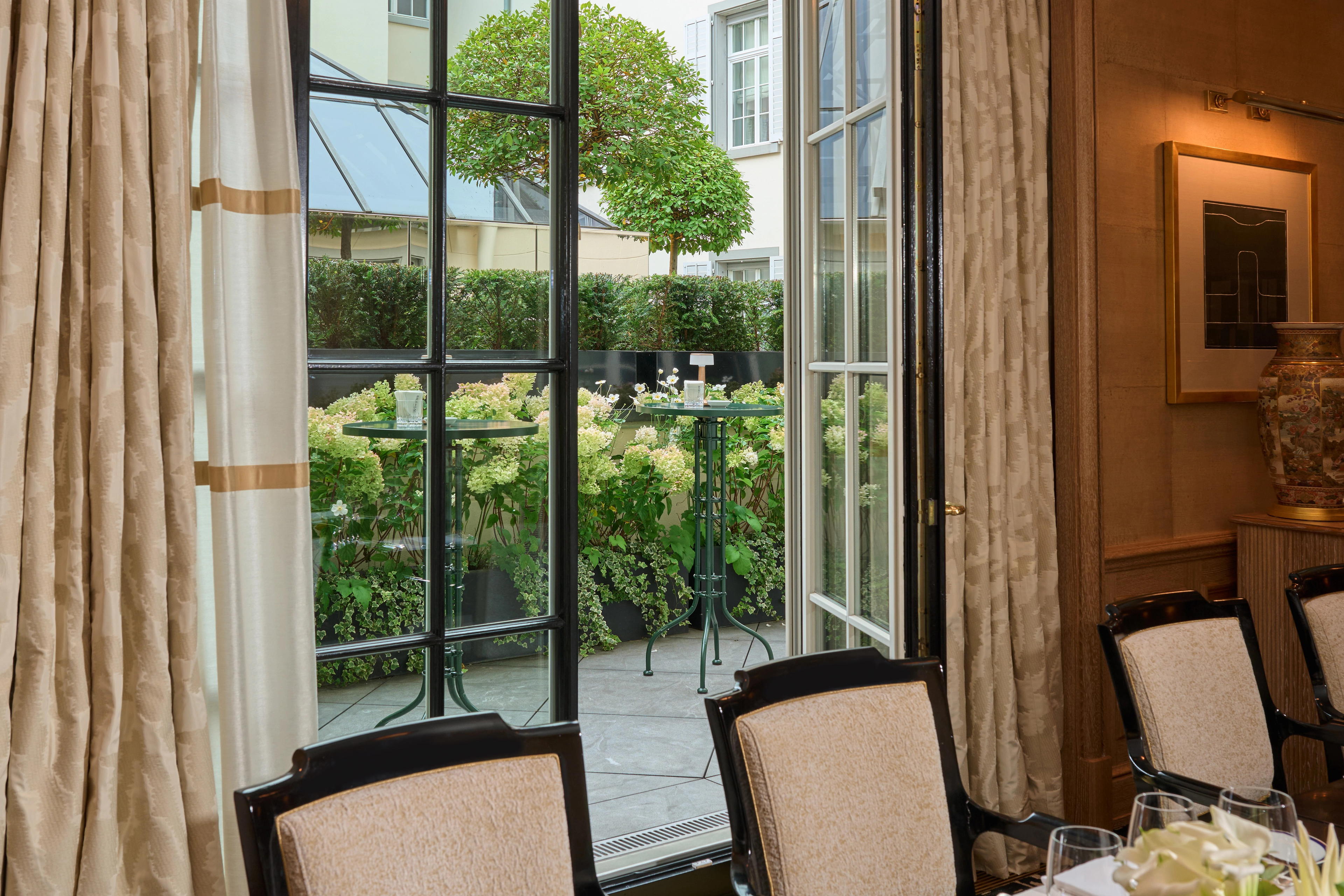
Cozy decor with warm, inviting atmosphere well-suited for casual gatherings.