Chef Creole Seasoned Restaurant
Chef Creole Seasoned Restaurant serves Haitian-Caribbean seafood in Miami, with grilled conch, fried snapper, and conch fritters on the counter-service menu for lunch or dinner.
Pearl is the En Primeur Club membership app — saves, bookings, and concierge access live there. Same editors, same standards.
- Address
- 200 NW 54th St, Miami, FL 33127
- Phone
- +1 305 754 2223
- Website
- chefcreole.com
- Directions
- Get directions
 Saves & bookings on Pearl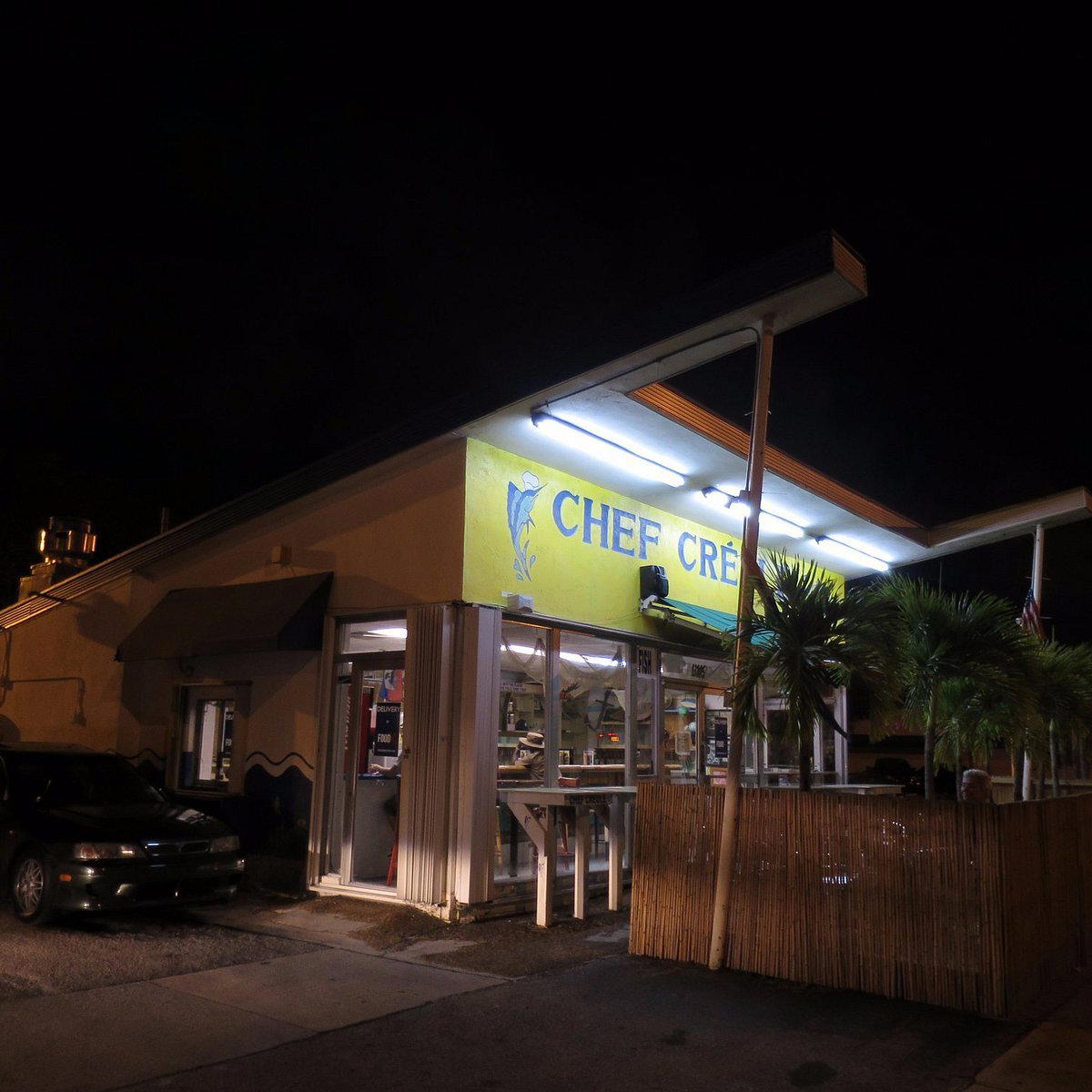
Little Haiti's Creole Counter and What It Says About Miami's Immigrant Food Tradition
On NW 54th Street, where Little Haiti's commercial strip runs between produce stands and Haitian-owned businesses, Chef Creole Seasoned Restaurant occupies the kind of address that Miami's dining press rarely covers in depth. The block feels lived-in rather than curated: hand-painted signage, the faint sound of Kompa from a neighboring storefront, the smell of scotch bonnet and thyme drifting before you reach the door. This is not the Miami of waterfront hotel restaurants or design-district tasting menus. It is something older and more specifically local, rooted in a community that arrived in significant numbers after the 1980 Mariel boatlift and the Haitian refugee waves of the same decade, and that built its own food infrastructure long before the city's broader dining scene took notice.
Haitian Creole cooking is among the most underrepresented Caribbean cuisines in American fine-dining conversation, despite its complexity. The tradition draws from West African, French colonial, and indigenous Taíno influences, layering aromatics called epis (a blended base of garlic, scallion, bell pepper, and herbs) into proteins before they are marinated, fried, and sometimes stewed a second time. The technique is labor-intensive in ways that are easy to overlook if you are only judging by plate presentation. In this sense, the Little Haiti dining corridor operates on different assumptions than, say, the tasting-menu tier represented by venues like L'Atelier de Joël Robuchon Miami or the ingredient-driven modernism at Ariete. The value proposition is built on technique and community trust, not on room design or chef celebrity.
The Sensory Register of a Neighborhood Creole Kitchen
What Haitian Creole restaurants in Little Haiti share, regardless of individual kitchen, is a specific sensory signature. The dominant aromatics are scotch bonnet pepper (used for flavor as much as heat), fresh thyme, and the slow-rendered fat from griot, the twice-cooked pork that functions as the category's reference dish. Griot is first simmered in citrus and spice, then fried until the exterior achieves a crackling contrast with the braised interior. It arrives at the table with pikliz, a fiery Haitian slaw of cabbage and carrots pickled in scotch bonnet vinegar, whose acidity cuts through the pork's fat in a way that is structurally similar to how Korean kimchi functions alongside richer proteins. The parallel is not accidental: fermented and pickled condiments appear across cuisines where pork plays a central role precisely because the chemistry works.
Rice and beans in the Haitian tradition, diri ak pwa, is not a side dish in the dismissive sense. The beans are cooked down into a sauce that then steams the rice, transferring color and flavor through the grain. The result is denser and more integrated than the beans-alongside-rice construction more common in Cuban or Puerto Rican cooking, and it demonstrates the kind of technique specificity that gets lost when Caribbean cuisines are discussed as a single category. At venues along this stretch of Little Haiti, these preparations are daily constants rather than weekend specials, which reflects both the community it serves and the logistical demands of keeping Creole cooking consistent at volume.
Where Chef Creole Fits in Miami's Broader Dining Map
Miami's restaurant conversation has expanded considerably over the past decade, with Michelin extending its Florida guide to cover the city and recognition flowing toward a predictable set of addresses in Wynwood, Brickell, and the Design District. The Little Haiti corridor has remained largely outside that framework, not because the cooking is less technically demanding, but because the evaluation criteria that produce award recognition tend to favor formats (tasting menus, prix fixe, reservation-only) that casual Creole service does not adopt. This is a category-wide dynamic visible in other American cities: the immigrant community restaurants that trained multiple generations of cooks receive less institutional attention than the fine-dining venues their alumni eventually open. For context on how different the award-recognition tier looks, consider venues like Cote Miami or Boia De, both of which operate in a price and format register that the Michelin process more readily accommodates.
Chef Creole Seasoned Restaurant at 200 NW 54th Street sits within the Little Haiti dining cluster that also includes several competing Haitian kitchens within walking distance, which creates a useful comparison environment for anyone interested in understanding the cuisine rather than simply eating a single representative meal. The density of Haitian restaurants in this neighborhood is itself a trust signal: these businesses survive on repeat local patronage, not on tourist traffic or press cycles, which applies a different kind of quality pressure than a reservation-driven dining room depends on. For a fuller map of how this neighborhood fits into Miami's food geography, see our full Miami restaurants guide.
For readers familiar with how regional American cuisine gets preserved and transmitted in immigrant enclaves, the Little Haiti corridor is worth understanding alongside comparable examples: the Vietnamese kitchens of Houston's Midtown, the Oaxacan restaurants of Los Angeles's Koreatown adjacent blocks, or the Haitian communities in Brooklyn. The cooking at these addresses does not exist to be discovered by an outside audience; it exists because a community requires it. That distinction matters when you consider what you are doing when you visit.
Planning a Visit to 54th Street
Chef Creole Seasoned Restaurant is located at 200 NW 54th Street in the Little Haiti neighborhood of Miami, roughly three miles north of downtown and accessible by car or public transit along the NW 54th Street corridor. The neighborhood's Creole kitchens generally operate on a lunch-forward schedule, with the most consistent availability of fresh-cooked preparations arriving in the early afternoon. For visitors building a broader Miami itinerary that spans price tiers and traditions, Little Haiti pairs naturally with a later dinner at a Design District or Wynwood address. The contrast is instructive: Peruvian-Japanese technique at ITAMAE, or the fire-focused cooking at venues shaped by South American traditions, read differently after a midday griot plate on 54th Street.
For travelers who want to benchmark Chef Creole against the kind of nationally recognized American cooking available in other cities, the gap in institutional recognition is worth naming directly. Venues like Le Bernardin in New York City, The French Laundry in Napa, Smyth in Chicago, Providence in Los Angeles, Blue Hill at Stone Barns in Tarrytown, Addison in San Diego, The Inn at Little Washington, Atomix in New York City, Lazy Bear in San Francisco, Emeril's in New Orleans, Single Thread Farm in Healdsburg, and Atelier Moessmer Norbert Niederkofler in Brunico all operate in the award-recognition ecosystem that the Little Haiti corridor sits entirely outside of. That is not a deficiency on either side; it is simply a description of how two different dining economies function within the same city and country simultaneously.
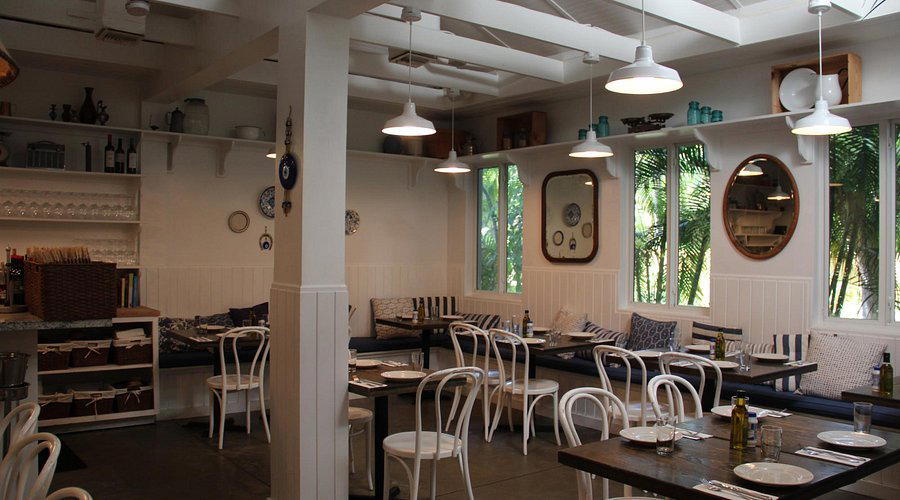
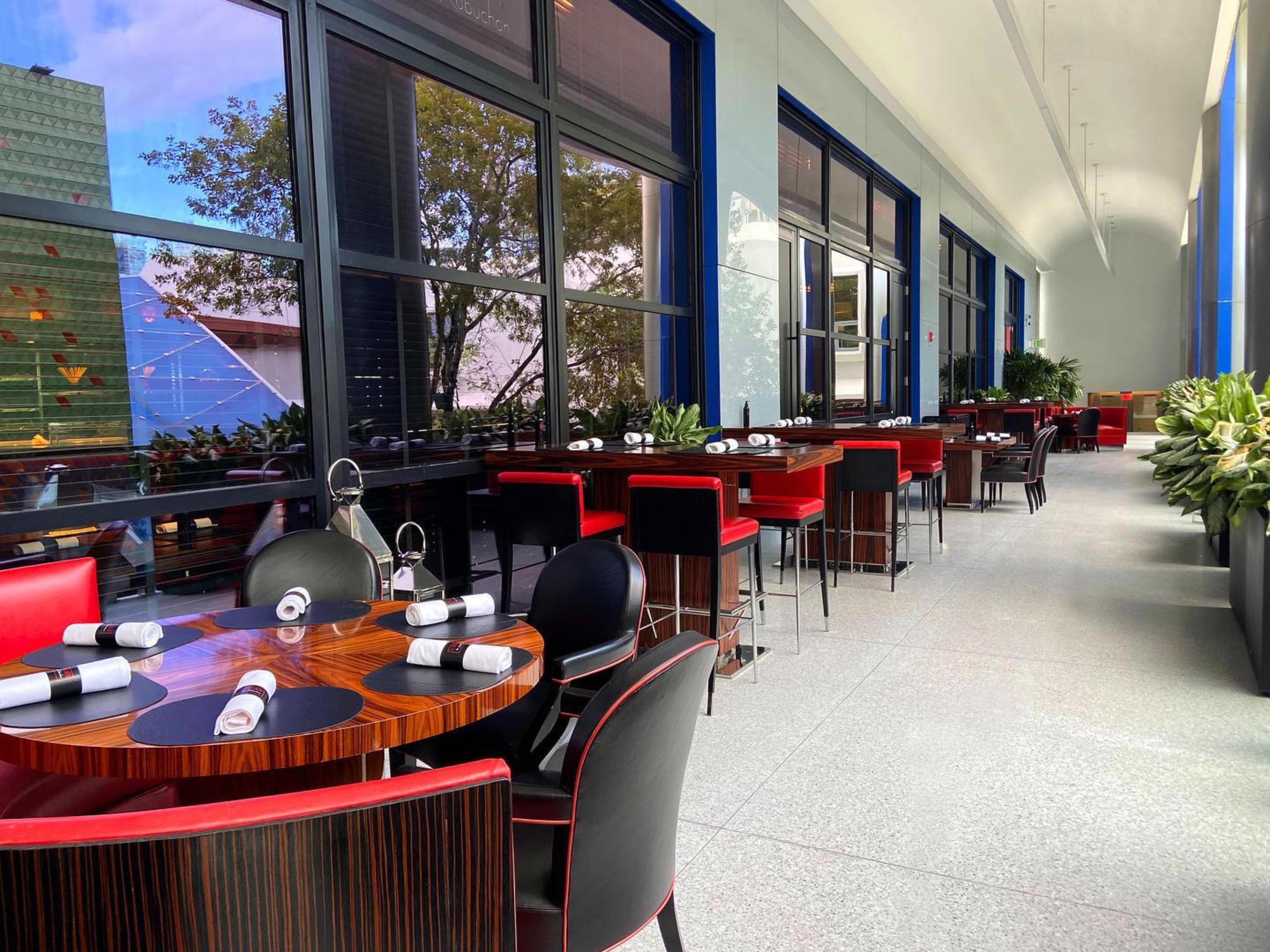
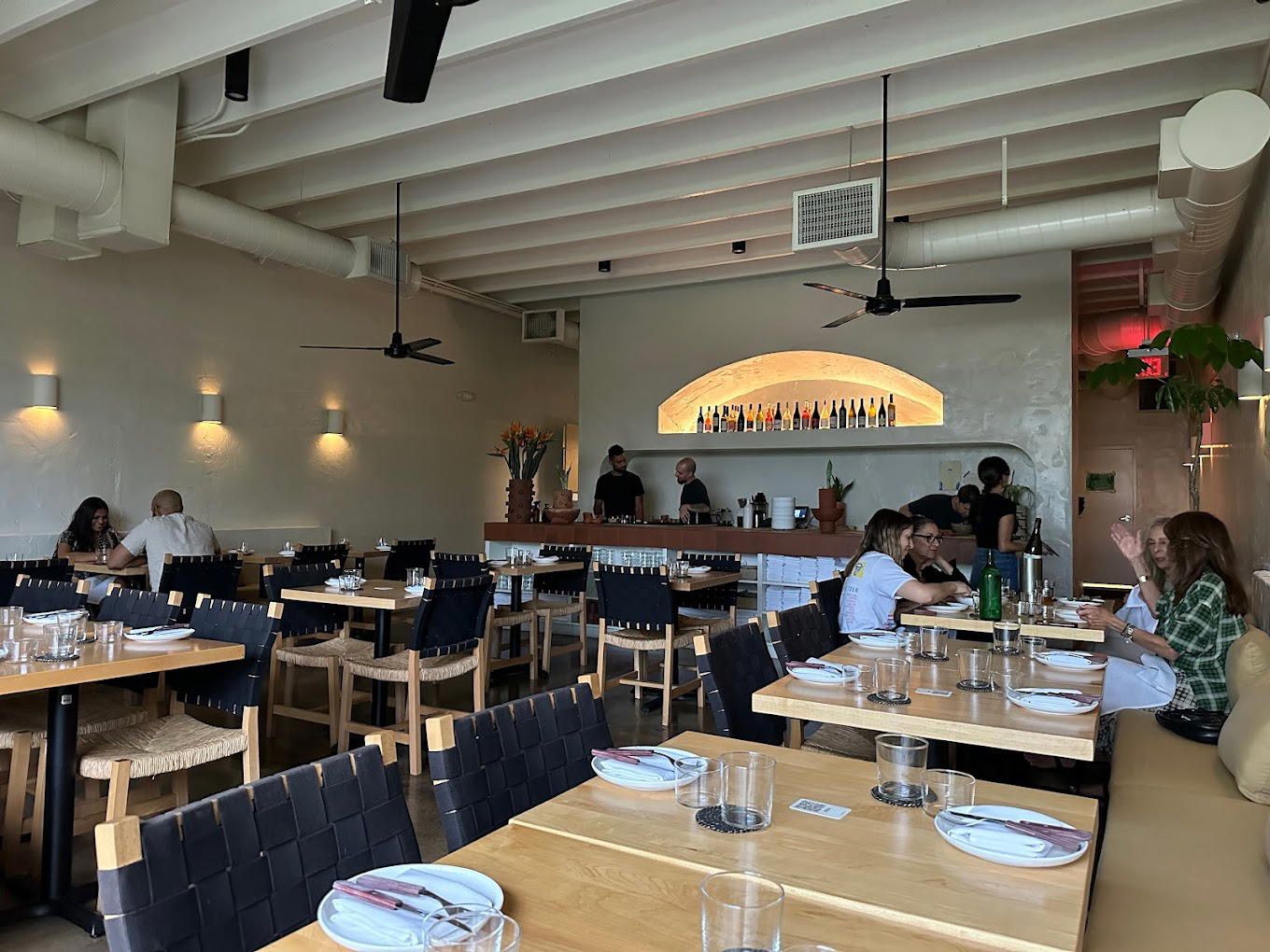
How Chef Creole Seasoned Restaurant Miami compares with similar nearby venues.
| Venue | Cuisine | Price |
|---|---|---|
| Walrus Rodeo | American | $$$ |
| Boia De | Italian, Contemporary | $$$ |
Continue exploring
More in Miami
Restaurants in Miami
Browse all →



At a Glance
- Casual
- Well Known
- Casual Hangout
- Group Dining
- Family
- Standalone
Current opening hours
- Monday
- 11 AM–9 PM
- Tuesday
- 11 AM–9 PM
- Wednesday
- 11 AM–9 PM
- Thursday
- 11 AM–10 PM
- Friday
- 11 AM–10 PM
- Saturday
- 11 AM–10 PM
- Sunday
- Closed
Hours can change for holidays and private events. Last verified .
Casual, neighborhood-style Creole/Caribbean seafood spot with a casual environment and an outdoor tiki hut at some locations.
Know Before You Go
- Getting there
- 200 NW 54th St, Miami, FL 33127