
Michelin Bib Gourmand
Our verdict
A short drive from the Château de Chantilly, Charnu brings seasonal cooking to the Oise corridor with a confidence that belies its modest address. Two terraces and a refined interior make it a credible destination for lunch on the way to or from Chantilly's celebrated collections. Seasonal produce drives the menu, with harissa and pesto threading Mediterranean warmth through northern French ingredients.

Pearl is the En Primeur Club membership app, where members save venues, book tables and use the concierge.
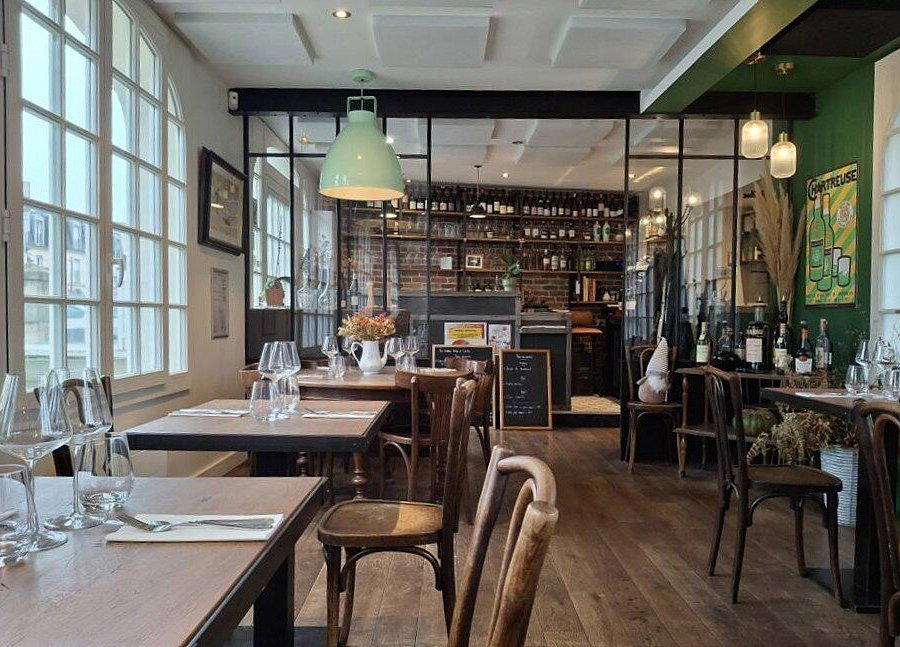
The Road to Chantilly and What Grows Along It
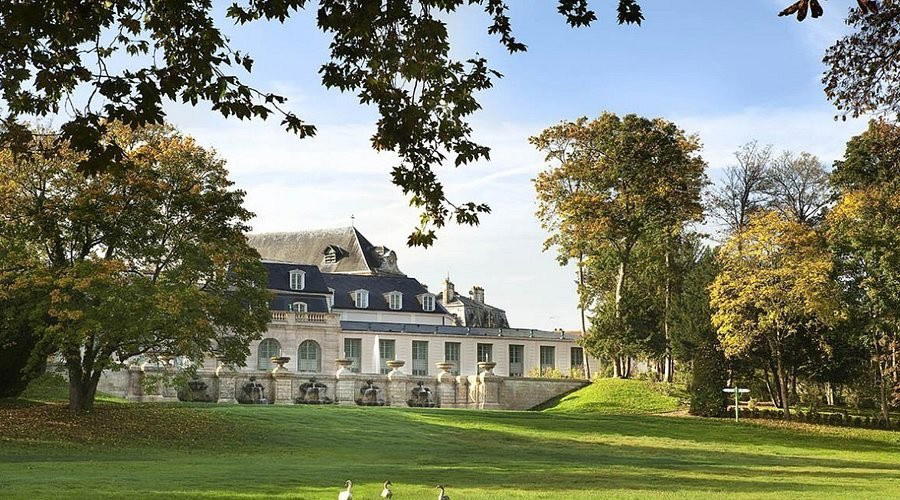
The stretch of road between Lamorlaye and the Château de Chantilly is not typically where food writers linger. The château draws the visit: its collection of ancient paintings, second in France only to the Louvre's, pulls a specific kind of traveller north from Paris. But the journey has its own logic, and Charnu, at 41 bis avenue de la Libération, occupies a position on that route that rewards a deliberate stop rather than a rushed detour.
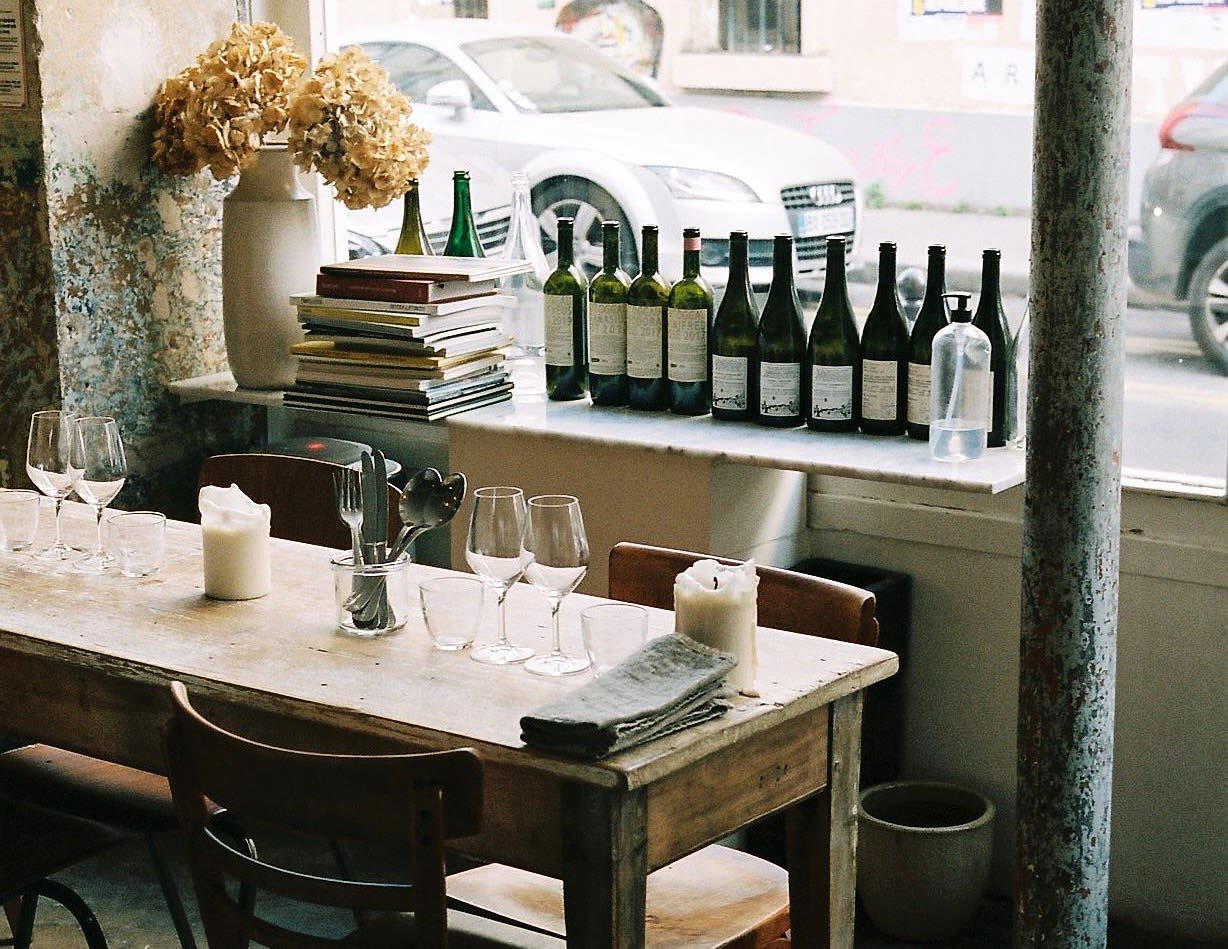
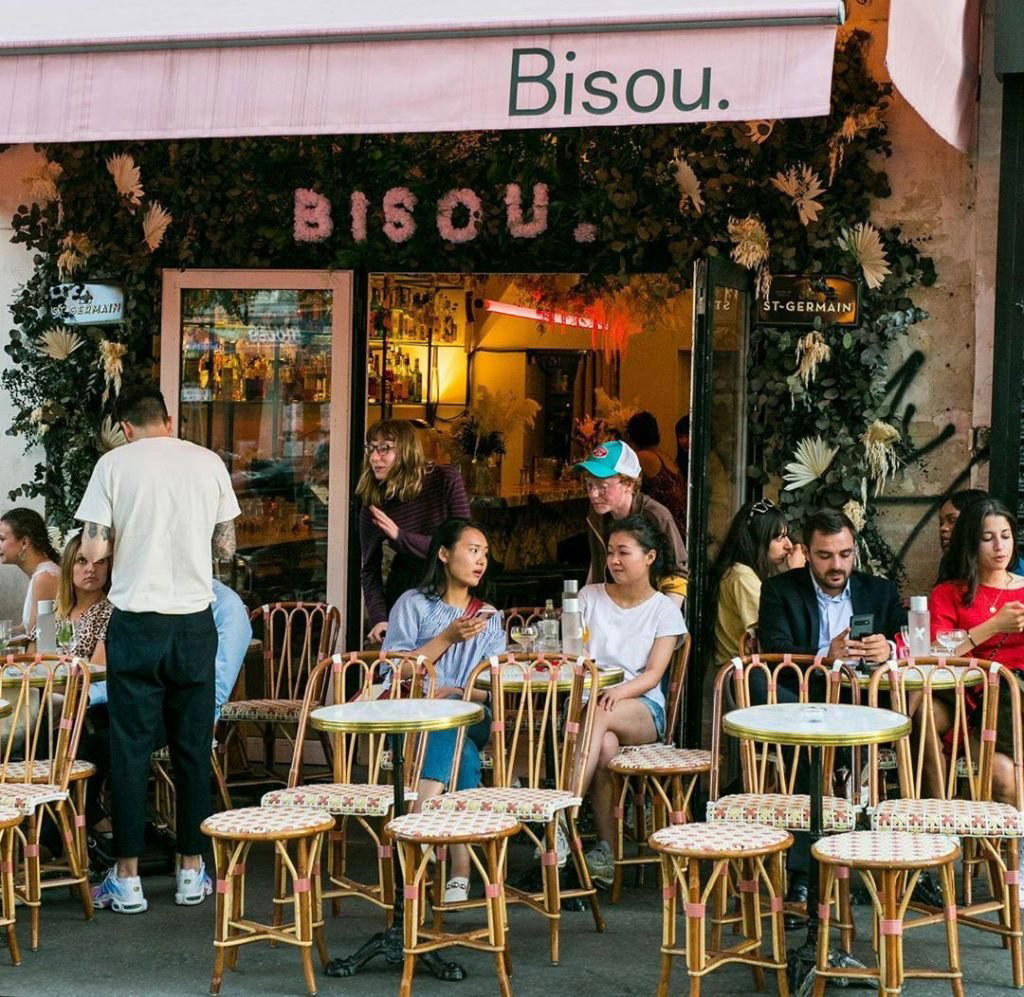
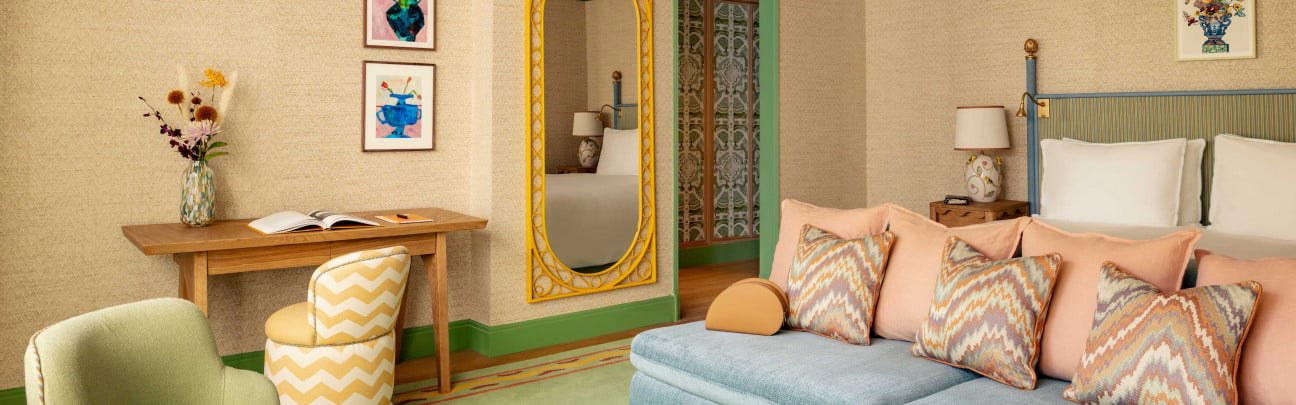
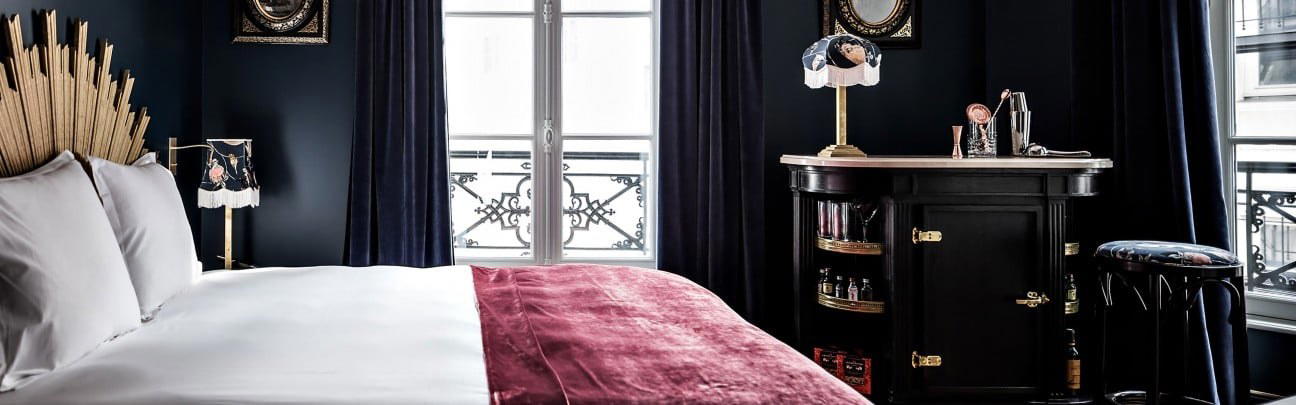
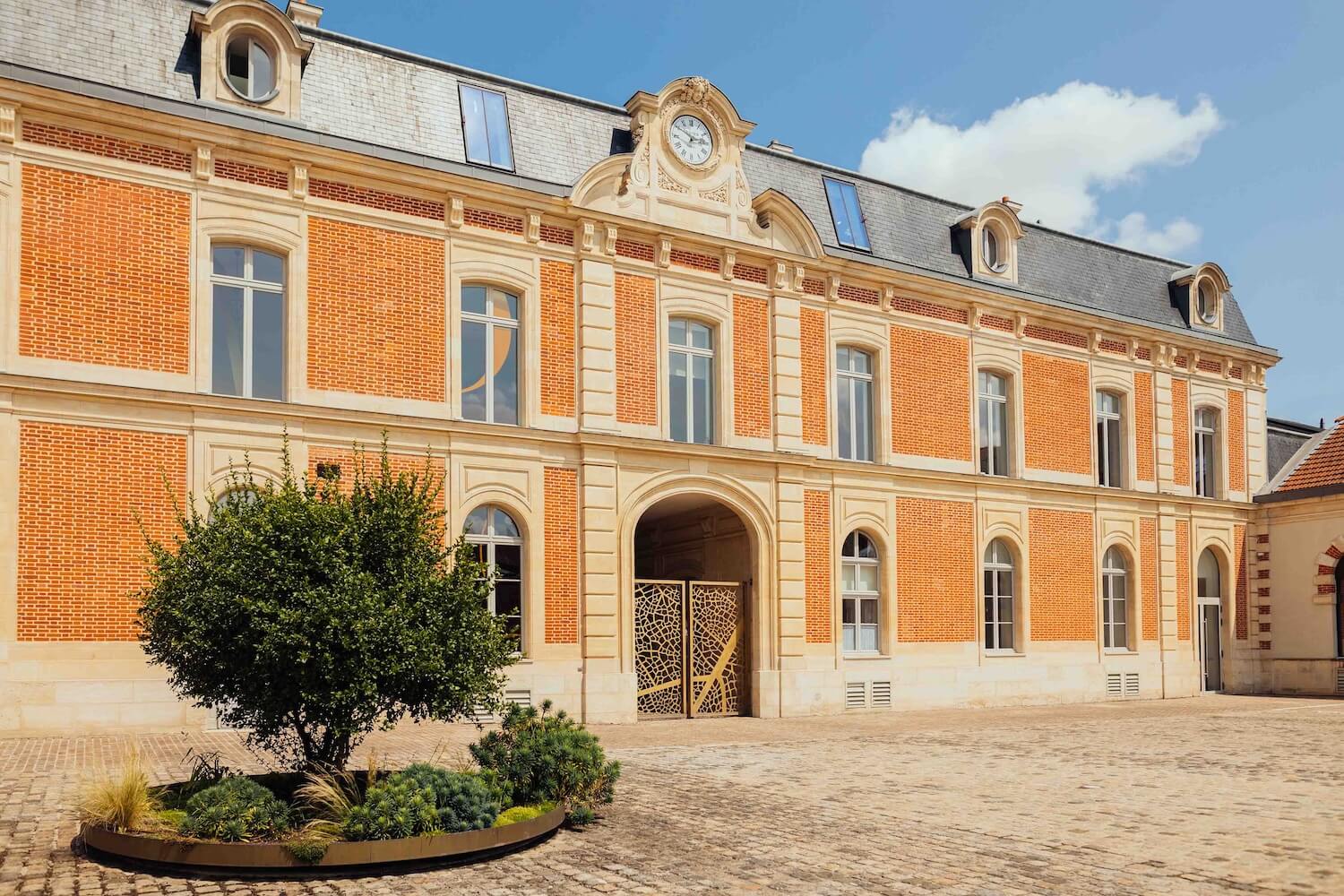
The setting announces itself through its terraces rather than any grand frontage. Two outdoor spaces, not one, mark the property as a restaurant that takes its relationship with the outdoors seriously. In the warmer months, when the Oise département offers the kind of clear, still afternoons that the Paris basin occasionally produces, those terraces become the main argument for coming. The interior carries a refined quality that sits close to, but deliberately distinct from, the fusty provincial dining room that still surfaces in too many towns of this size. Charnu reads as a place that has thought about how it wants to look, without turning that thought into spectacle.
Seasonal Sourcing in the Oise Corridor
Northern France is not the first region that comes to mind when French seasonal cooking is discussed. That conversation tends to migrate south toward Mirazur in Menton, where Mauro Colagreco's kitchen draws on a kitchen garden that the Mediterranean climate keeps productive for most of the year, or toward the vegetable-forward ambition of Bras in Laguiole, where Michel and Sébastien Bras built a philosophy around the Aubrac plateau's flora. Those are reference points in a different price register and a different kind of culinary ambition. But the underlying principle, that what grows close to where you cook should drive what you serve, is not the exclusive property of three-star kitchens.
Charnu's menu follows the seasonal logic that has become the organizing principle for a generation of French restaurants working outside the grandes maisons. The gazpacho arrives seasoned with harissa, a North African condiment that has moved from Parisian brasserie cliché into something more considered when it appears in kitchens this far from the capital. Its presence here reads as a flavour decision rather than a trend signal: the sharpness of a cold vegetable soup gains structure from harissa's heat in a way that lemon juice or vinegar alone rarely achieves. The tuna preparation, paired with broad beans, Swiss chard, and peppers, then finished with pesto, maps a Mediterranean ingredient palette onto the freshness logic of a northern French kitchen. Broad beans and Swiss chard are summer vegetables with a short window; using them alongside tuna and pesto suggests a kitchen that tracks the season week by week rather than season by season.
This approach to sourcing places Charnu in a category of French restaurant that has grown significantly since the early 2010s: mid-register, produce-focused, with a willingness to cross regional ingredient boundaries when flavour demands it. The constraint is the season, not the geography. That's a meaningful distinction in a country where classical cuisine spent decades insisting that both constraints apply simultaneously. The grander expressions of modern French cooking, from Alléno Paris au Pavillon Ledoyen to Assiette Champenoise in Reims, work within their own terroir logic at a different price point and ambition level. Charnu operates in the register below that tier, where the cooking needs to be honest rather than ambitious, and where the seasonal commitment reads as sincerity rather than positioning.
Two Terraces and the Question of When to Come
The dual-terrace arrangement is more than a detail about seating capacity. In a small town on the edge of the Chantilly forest, outdoor dining is seasonal in a way that Paris rarely is: the capital's terrace culture has become year-round through heat lamps and glass barriers, but a restaurant in Lamorlaye that has built two separate outdoor spaces is making a genuine bet on the warmer months. Late spring through early autumn, when the Île-de-France hinterland is at its most approachable, is when Charnu operates at its most coherent, the inside refined but compact, the outside a proper expansion of the dining experience rather than an overflow arrangement.
The proximity to Chantilly shapes how visitors should sequence the day. The château and its grounds, including the Grandes Écuries stables, absorb the better part of a morning or afternoon. A lunch at Charnu before or after that visit fits a half-day format that works well from Paris, where the train to Chantilly runs regularly from the Gare du Nord and puts the town about twenty-five minutes out. Lamorlaye sits adjacent to Chantilly, and visitors arriving by car from the A1 will pass through this corridor naturally. The restaurant sits on the avenue de la Libération, which is the kind of address that appears on a map rather than requiring a reservation desk to explain.
For context on what a visit to this region can offer at the higher end of the dining spectrum, the broader French dining circuit extends from Auberge de l'Ill in Illhaeusern to Flocons de Sel in Megève and beyond to Troisgros in Ouches and Paul Bocuse in Collonges-au-Mont-d'Or. Those are long-destination restaurants, worth organizing a trip around. Charnu is something different: a restaurant that earns its place by being genuinely good at its scale, in a town that doesn't have much competition in this register, serving food that reflects where and when you are.
If your travel extends further afield, the EP Club guides to AM par Alexandre Mazzia in Marseille, Auberge du Vieux Puits in Fontjoncouse, and Au Crocodile in Strasbourg cover the wider French circuit. For international reference points in the French culinary tradition, Le Bernardin in New York City and Emeril's in New Orleans represent different expressions of French technique abroad.
For the full picture of what Lamorlaye offers beyond this restaurant, the EP Club maintains guides to restaurants in Lamorlaye, hotels in Lamorlaye, bars in Lamorlaye, wineries in Lamorlaye, and experiences in Lamorlaye.
Frequently asked questions
Does Charnu work for a family meal?
The two-terrace setup at 41 bis avenue de la Libération gives families room to spread out, particularly on sunny days when outdoor seating opens up the experience. The seasonal, produce-led menu, gazpacho with harissa, tuna with broad beans and Swiss chard, reads accessible rather than austere, which suits mixed-age groups reasonably well.
Is Charnu better for a quiet night or a lively one?
Charnu skews toward the quieter end. It sits on the road to the Château de Chantilly in Lamorlaye, a small town rather than a dining destination, and the refined decor signals a place built for conversation over spectacle. The dual terraces can add animation on warm evenings, but the overall register is composed.
Does Charnu have a Michelin star or similar recognition?
Charnu has received recognition including: On the road to the Château de Chantilly – famous for its ancient paintings, the richest collection after the Louvre's – this place with a refined decor has not one, but two terraces. Perfect for sunny days! The delicious, seasonal cuisine w….
What should I eat at Charnu?
The kitchen leans on seasonal produce with North African and Mediterranean accents: harissa lifts the gazpacho, and pesto appears alongside tuna, broad beans, Swiss chard, and peppers. Those combinations point toward the lighter, vegetable-forward end of the menu as the most considered choices.
Comparable Venues
Comparable venues nearby, for context on price, style, and recognition.
| Venue | Cuisine | Price | Awards | Notes |
|---|---|---|---|---|
| CharnuThis venue (the venue you are viewing) | Seasonal French Bistro | $30–50 | Michelin Bib Gourmand | Not listed |
| Edith | Modern French Brasserie | $30–50 | Michelin Plate | 16th arrondissement |
| Chez Mimi | Traditional French Bistro | $30–50 | Michelin Plate | Colombes |
| Tata Yoyo | French Bistro | $30–50 | Michelin Bib Gourmand | La Garenne-Colombes |
| Le Comptoir Boutary | Modern French Bistro | $50–100 | Michelin Plate | Pigalle |
| Thoumieux | Classic French Brasserie | $50–100 | Not listed | 7ème (7th arrondissement) |
Recognition history
Dated appearances from independent guides and award organizations, with the underlying list record or original source where available.
Michelin Bib Gourmand
Michelin
Full recognition history (2 entries)
Michelin Plate
Michelin · 2026 Michelin Plate
Continue exploring
More in Lamorlaye
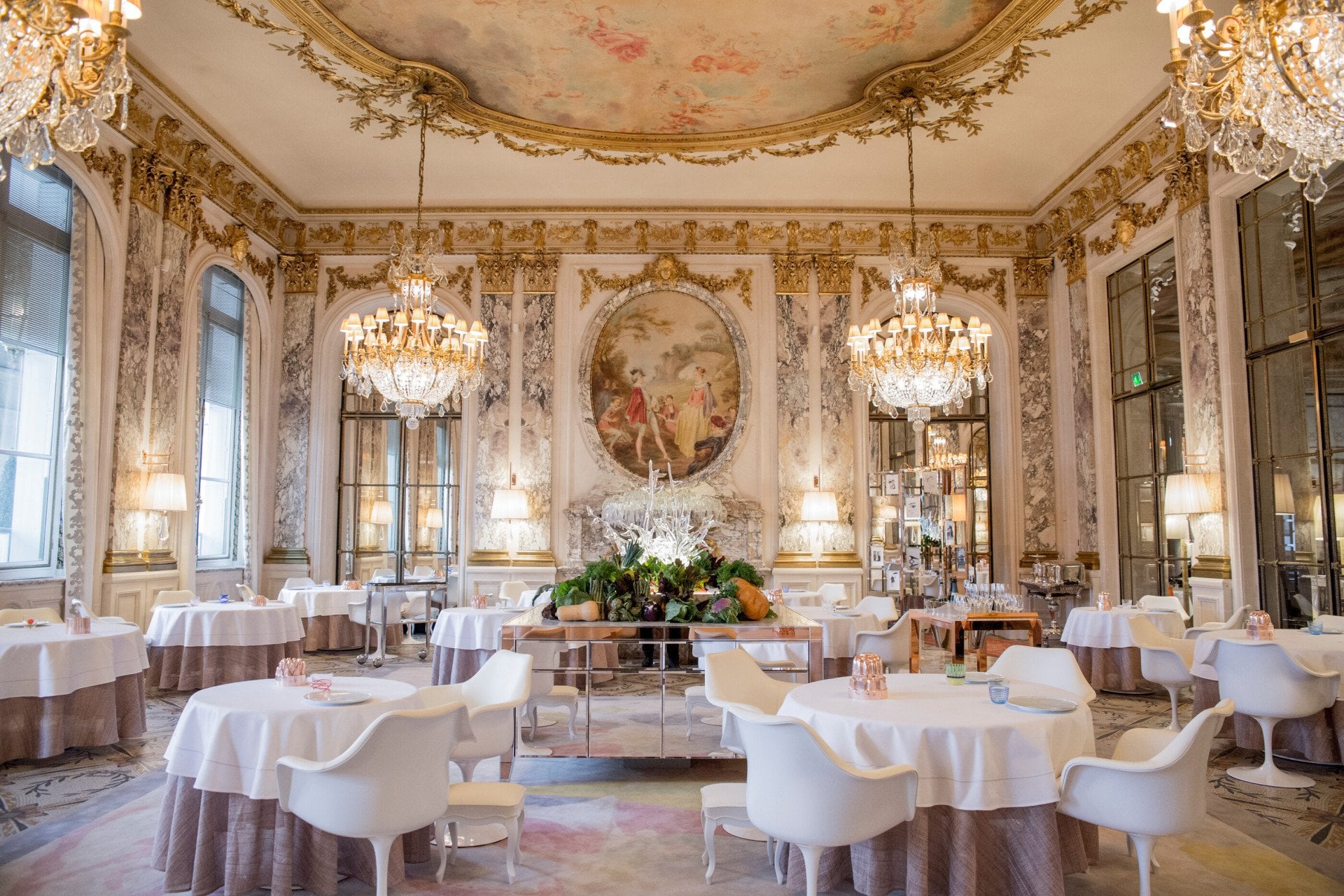
Restaurants in Lamorlaye
All restaurants in Lamorlaye →

Bars in Lamorlaye
Browse all →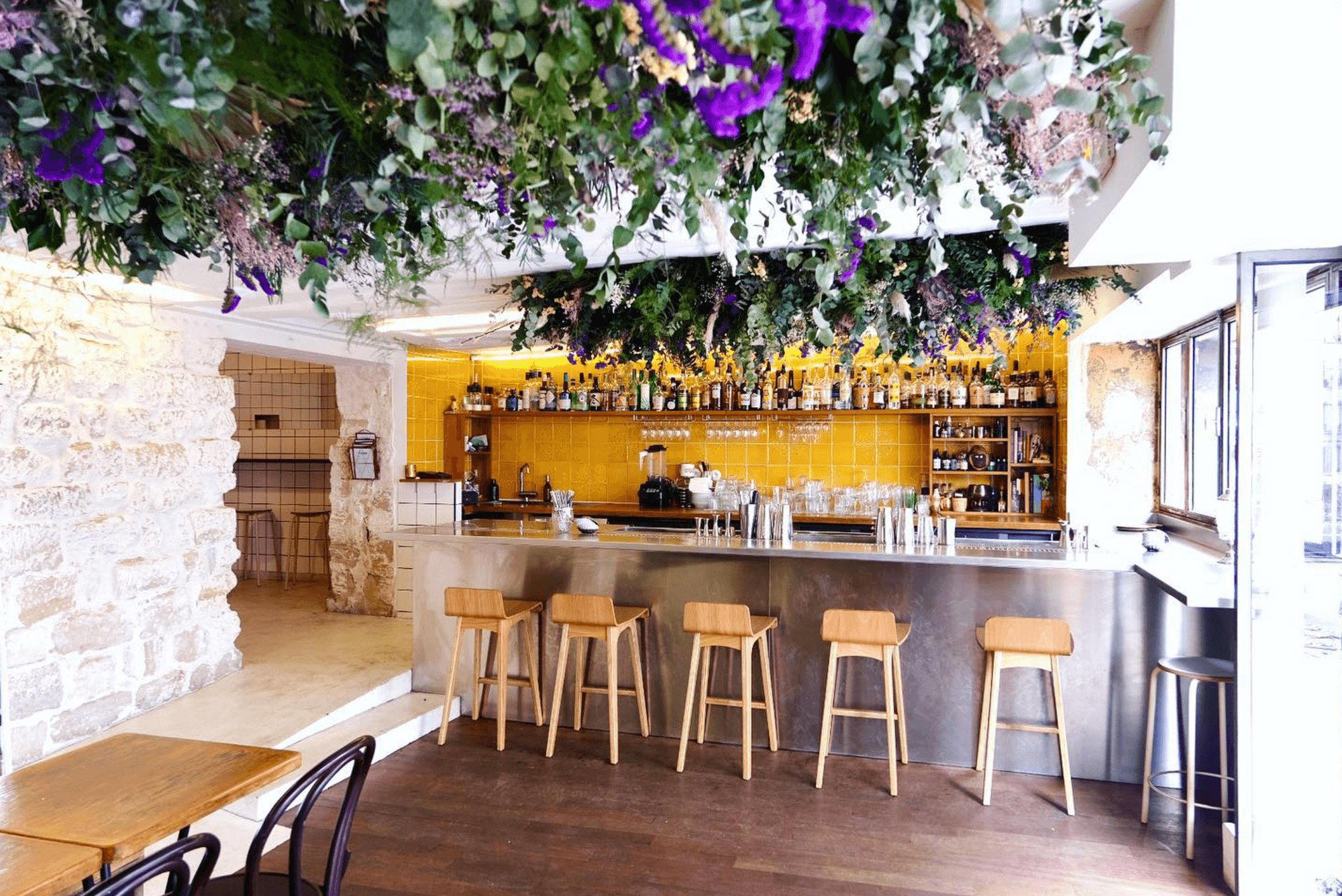



Details
- Cozy
- Elegant
- Lively
- Date Night
- Casual Hangout
- Terrace
- Natural Wine
- Local Sourcing
- Organic
- A La Carte
- Natural Wine
- Vegetarian Friendly
Current opening hours
- Monday
- Closed
- Tuesday
- Closed
- Wednesday
- 12–1:30 PM, 7–9 PM
- Thursday
- 12–1:30 PM, 7–9 PM
- Friday
- 12–1:30 PM, 7–9 PM
- Saturday
- 12–1:30 PM, 7–9 PM
- Sunday
- 12–1:30 PM
Hours can change for holidays and private events. Hours as of .
Refined decor with a convivial, generous atmosphere evoking warm family gatherings and modern, engaged cooking.