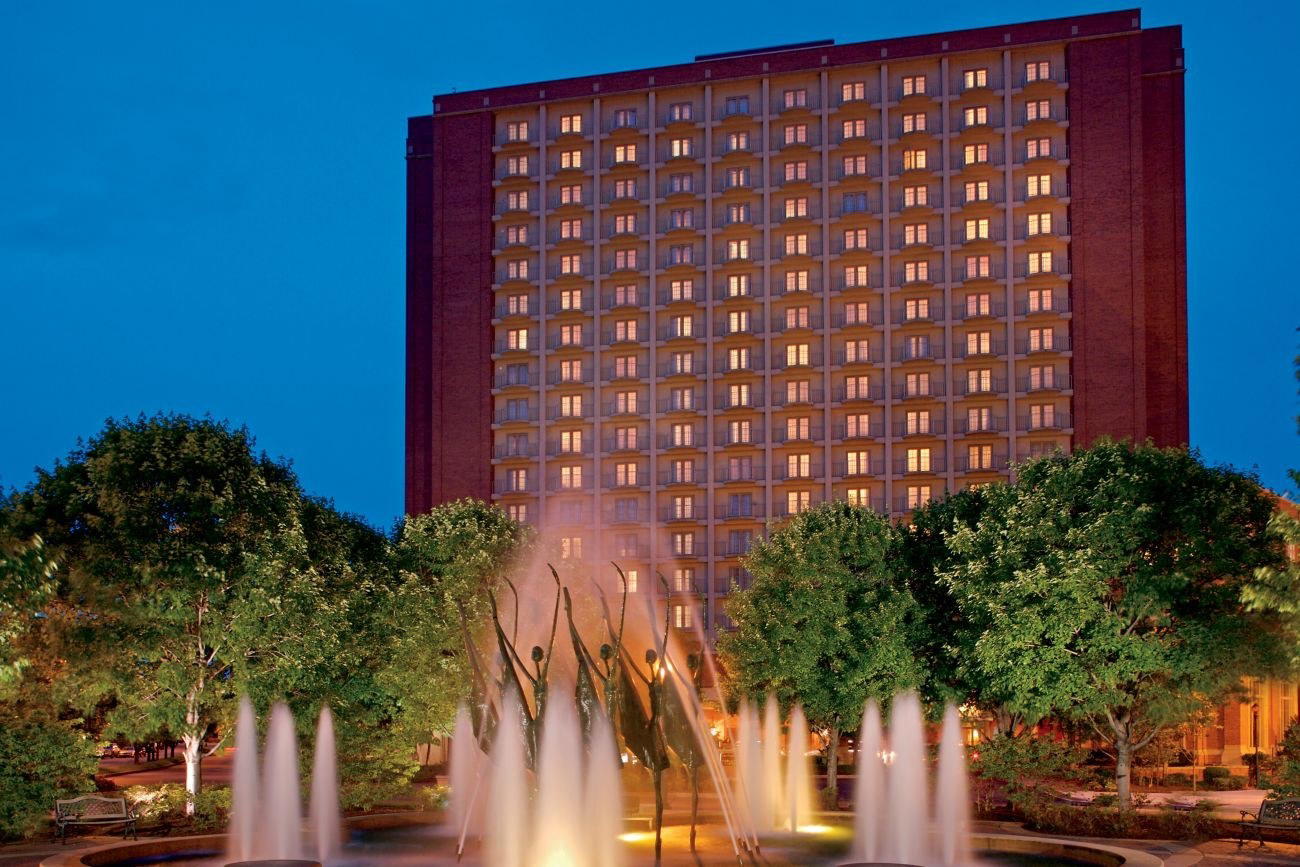
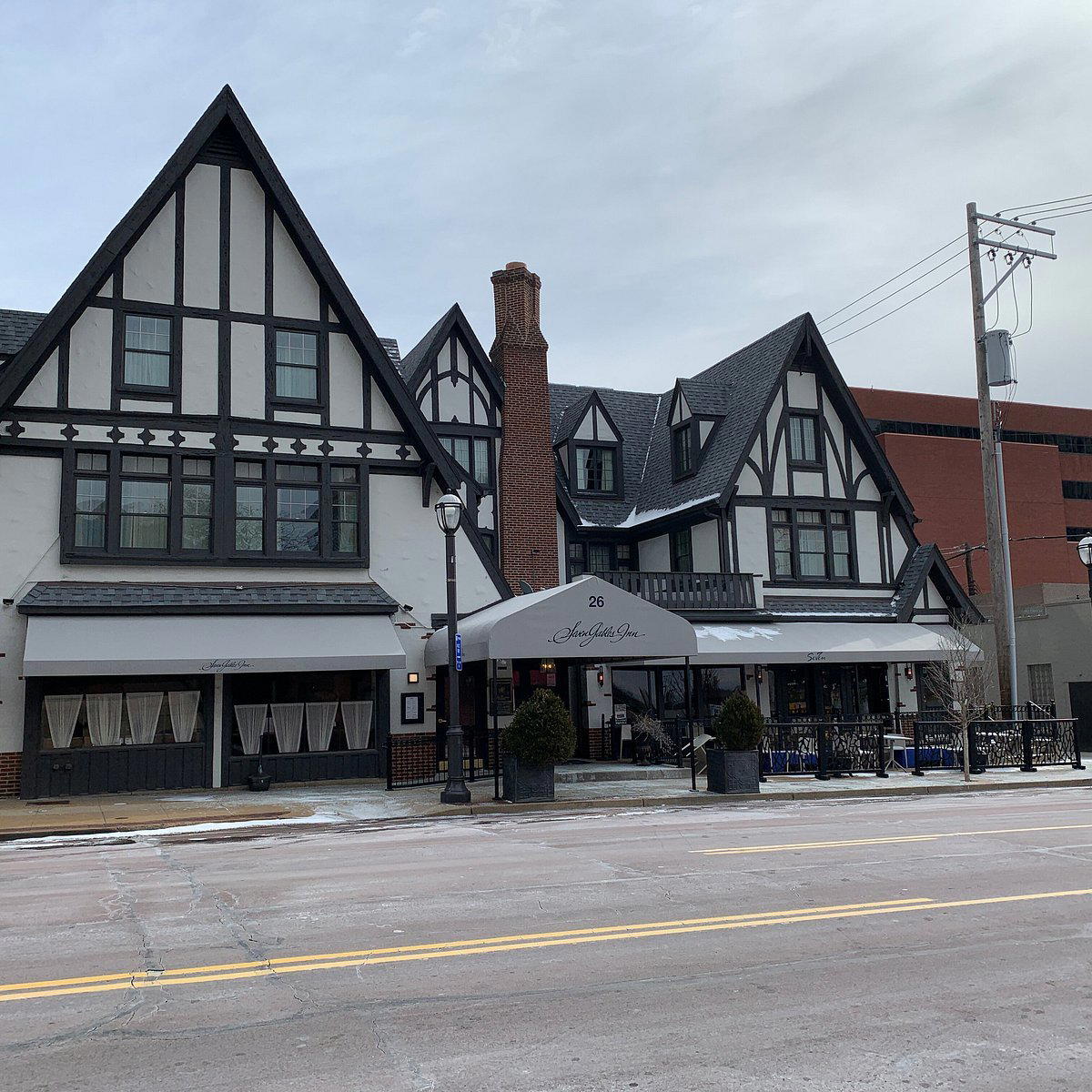
Charlie Gitto's On the Hill
Our verdict
Charlie Gitto's On the Hill occupies a firmly rooted position in St. Louis's Italian-American dining tradition, operating from Shaw Avenue in the Hill neighborhood where the city's Sicilian and Northern Italian immigrant communities first put down stakes. The dining room trades in the kind of red-sauce classicism that outlasts trends, with a wine program that leans into the Italian peninsula's regional depth rather than chasing the latest natural-wine wave.

Pearl is the En Primeur Club membership app — saves, bookings, and concierge access live there. Same editors, same standards.
- Address
- 5226 Shaw Ave, St. Louis, MO 63110
- Phone
- (314) 772-8898
- Hours
- Mon–Thu 5–9 PMFri–Sat 5–10 PMSun 4–9 PM
- Website
- charliegittos.com
- Directions
- Get directions
- Booking
- Book on OpenTable
The Hill's Long Game: Italian-American Dining at Its Most Settled
St. Louis's Hill neighborhood operates on its own timeline. The tight grid of bungalows and social clubs between Kingshighway and Hampton Avenue was settled by Sicilian and Northern Italian immigrants in the late nineteenth and early twentieth centuries, and the dining identity that took root here has proved more durable than most American ethnic enclaves. Where other cities saw their Italian neighborhoods absorbed into broader gentrification, the Hill retained its social infrastructure: the bocce courts, the Italian flag painted on fire hydrants, the Sunday-lunch rhythm that still pulls families off the highway and into booths. Charlie Gitto's On the Hill, at 5226 Shaw Ave, sits at the center of that continuity. It is not a revival or a reimagining of red-sauce tradition — it is the tradition, operating in the neighborhood where that tradition was built.
For visitors arriving from outside Missouri, the Hill provides useful orientation: this is not the St. Louis of the Arch and the brewery tours. It is a residential, working-class Italian-American district that happens to contain some of the city's most deeply anchored restaurants. Compared to the newer dining corridors along Cherokee Street or in Clayton, the Hill's restaurants draw on decades of neighborhood loyalty rather than culinary trend cycles. That context matters when reading any wine list or menu here: the choices reflect a clientele that has been coming back for years, not a room full of first-time visitors chasing the newest opening. For a broader sense of how Charlie Gitto's sits within the full St. Louis dining picture, the full St Louis restaurants guide maps the city's distinct dining zones.
What the Wine List Signals About the Room
In Italian-American restaurants of this type, the wine program tends to be one of the clearest indicators of the kitchen's actual ambitions. A list that runs exclusively to domestic bulk Chiantis and California Cabernets signals that wine is an afterthought — a pour to accompany the bread basket. A list that works through regional Italian appellations, from Barolo and Barbaresco in Piedmont down through Brunello di Montalcino, Aglianico, and the volcanic whites of Sicily and Campania, signals something else: a room that takes the Italian table seriously as a complete proposition.
Charlie Gitto's wine approach aligns with the latter category. Italian-American dining at the Hill's more serious establishments has historically paired food with the kind of Italian regional bottles that reflect the same immigrant origins the neighborhood celebrates. Nebbiolo-based reds from Piedmont carry the structural grip that cuts through braised meats and rich tomato reductions. A well-chosen Vermentino or Falanghina gives the table something to work with through antipasti and seafood courses before the pasta arrives. The logic is the same that drives the cellar choices at more acclaimed Italian restaurants nationally, including the considered Italian selections that appear alongside the French-heavy programs at places like Le Bernardin in New York City or the California-rooted curation at The French Laundry in Napa, though applied here at a neighborhood register rather than a tasting-menu price point.
For diners who approach a wine list as a diagnostic tool, the depth of Italian regional coverage tells you whether the kitchen is sourcing seriously. A restaurant confident in its braised short rib or its housemade tagliatelle tends to build the wine program around those anchor dishes rather than around price-point logic alone. On the Hill, that pairing discipline has been part of the neighborhood's restaurant culture for decades.
The Dining Room and Its Rhythms
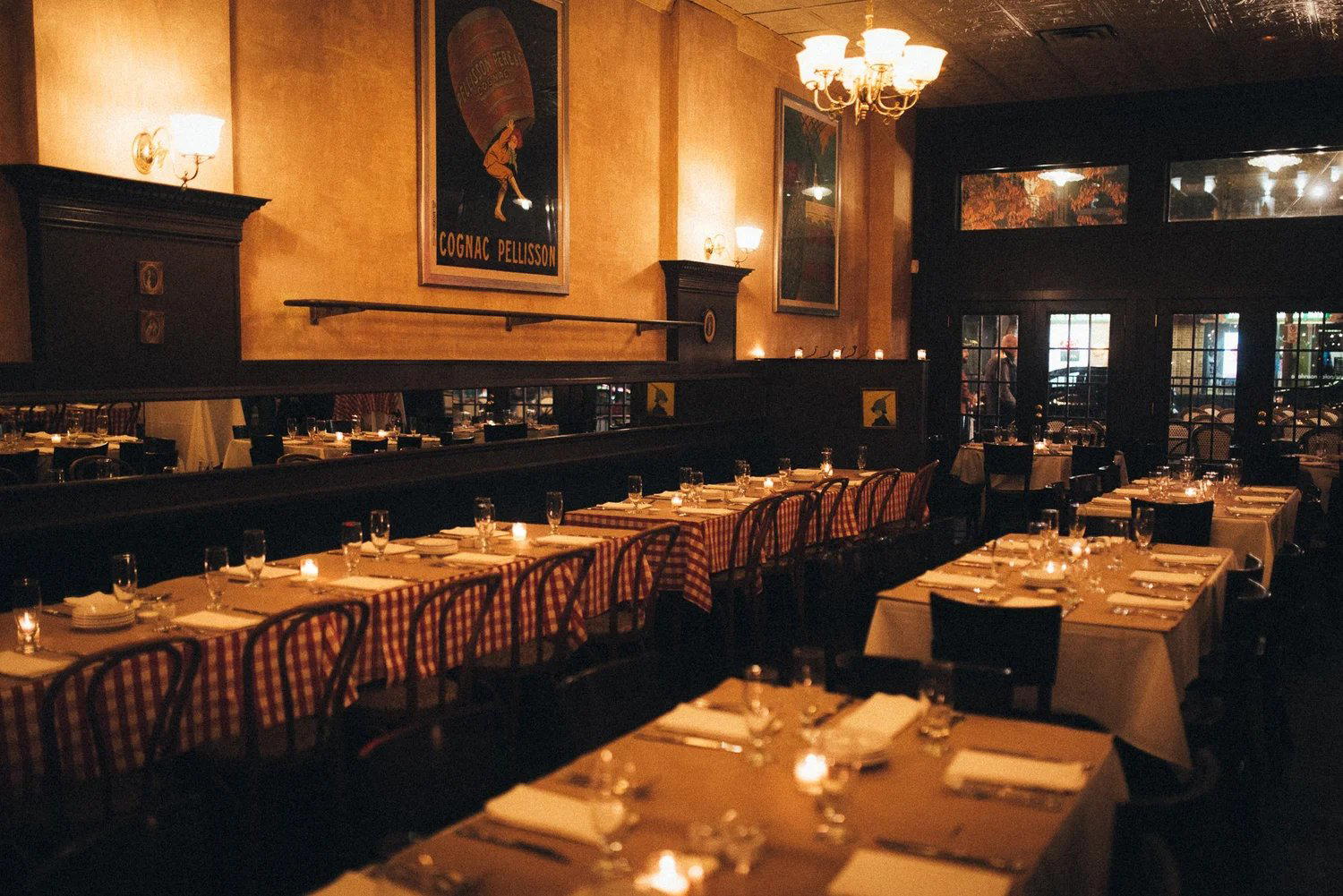
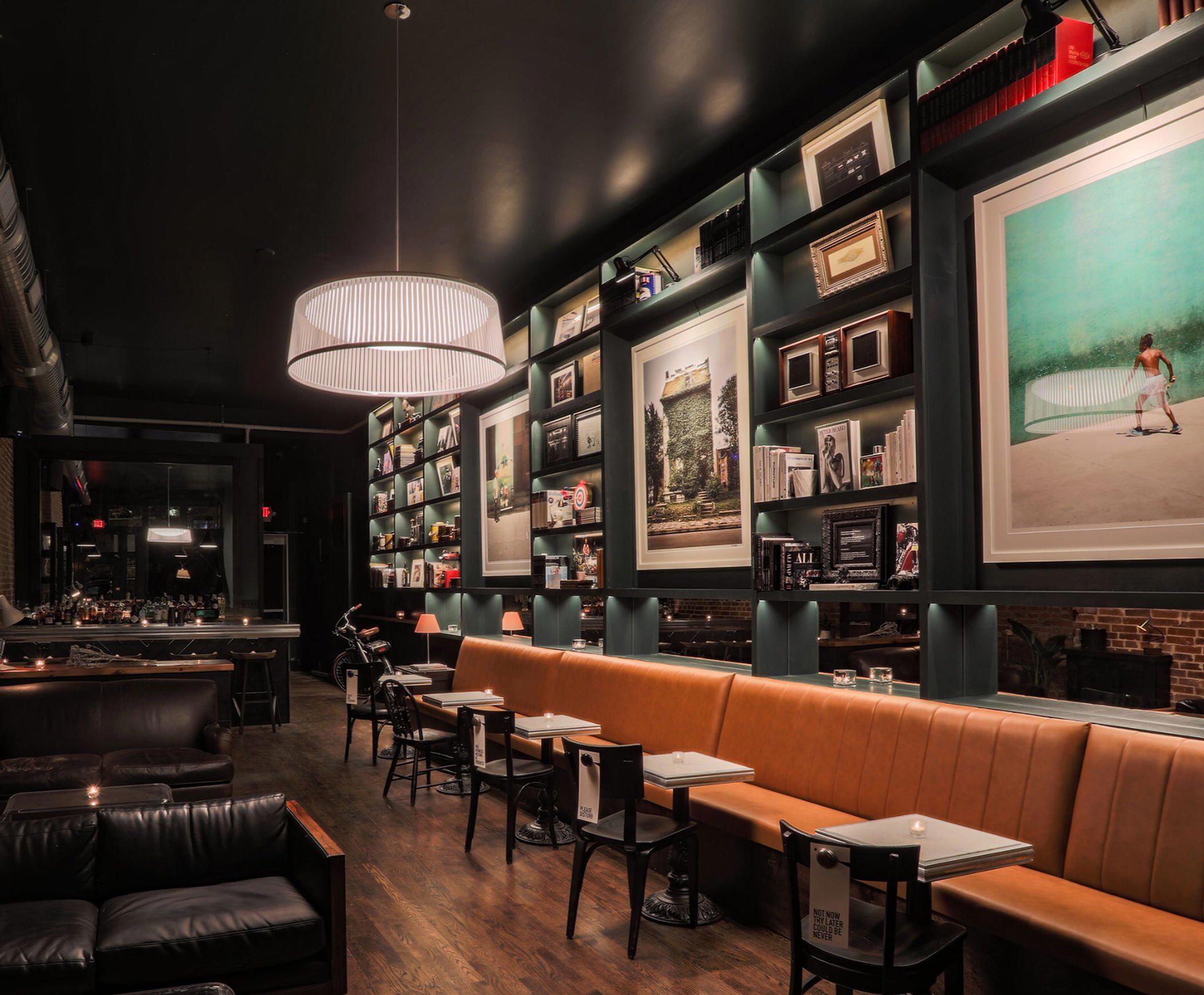
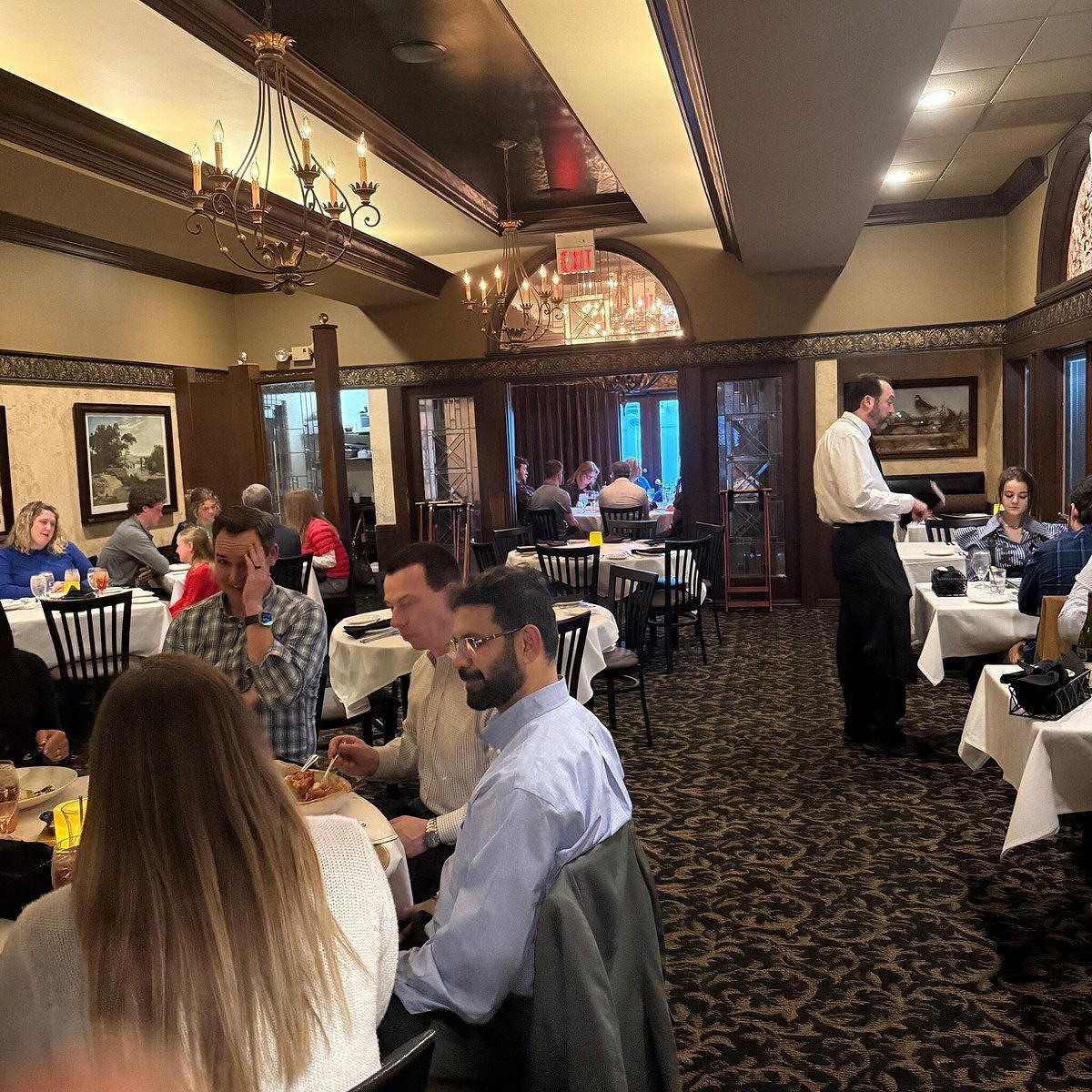
The physical experience of eating on the Hill differs from St. Louis's newer dining formats. Where venues like Atomic Cowboy operate in a more casual, counter-culture register and BaiKu Sushi Lounge draws a younger, trend-aware crowd, the Hill's Italian rooms are built around a different transaction: the long table, the extended meal, the expectation that the kitchen will pace the evening. Charlie Gitto's fits that model. The room is set up for groups and families, booths, white tablecloths, the kind of interior that signals celebration-dinner territory rather than solo-counter dining.
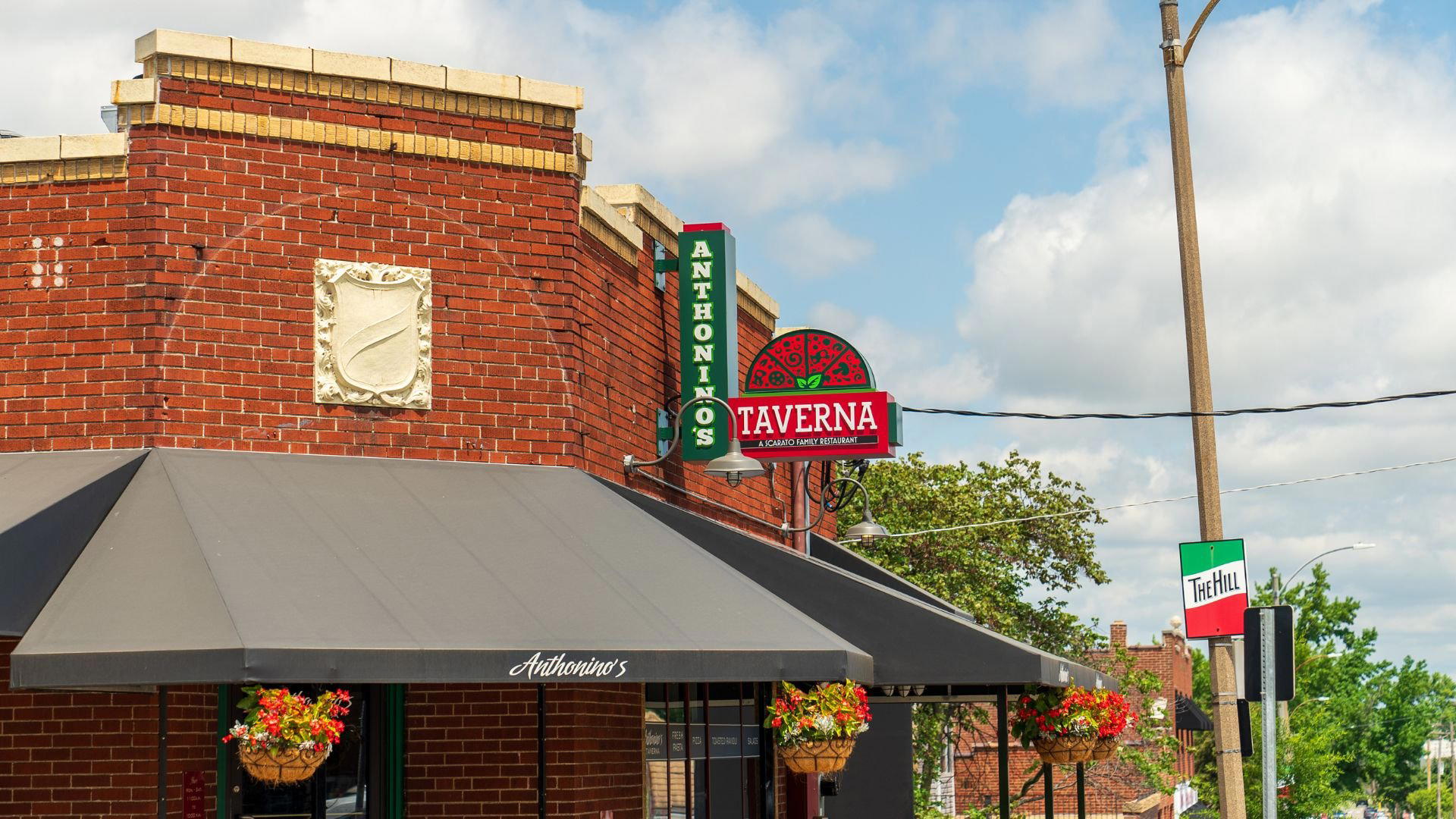
The neighborhood's other Italian anchors operate in the same tradition. Anthonino's Taverna a few blocks away runs a similar Italian-American playbook, and Al's Restaurant represents the city's longer-standing classic dining tradition. Each of these operates in a distinct register, but together they form a cohort that keeps the Hill's culinary identity legible to visitors who might otherwise default to the city's more recently prominent dining corridors. For a sense of how suburban St. Louis approaches a similar balance of wine and food seriousness, Annie Gunn's in Chesterfield has built a nationally recognized wine program around American regional cooking.
Italian-American Dining in National Context
Red-sauce Italian-American dining sits in an interesting position nationally right now. The format spent years being overshadowed by fine-dining Italian concepts and the arrival of regional Italian specificity in major cities. Restaurants like Smyth in Chicago and Providence in Los Angeles operate in an entirely different tier, where tasting menus and ingredient provenance drive the editorial conversation. So do destination restaurants further afield, including Atelier Moessmer Norbert Niederkofler in Brunico, which applies Alpine-Italian precision to a format that has almost no overlap with neighborhood Italian-American dining.
But the pendulum has begun to swing. The trattoria format, braised dishes, hand-rolled pasta, and long wine lists built around Italian regionalism have re-entered critical conversation after a decade of being dismissed as unglamorous. What that shift reveals is that the Hill's Italian rooms never needed rehabilitation: they simply continued doing what they had always done, serving a clientele that understood the value of a kitchen that has been making the same bolognese for thirty years. For diners who have followed the more technically demanding formats at places like Lazy Bear in San Francisco, Single Thread Farm in Healdsburg, or Blue Hill at Stone Barns in Tarrytown, a meal on the Hill offers a different calibration: less about seasonal ingredient theater, more about the slow accumulation of technique and neighborhood trust.
Planning a Visit
Shaw Avenue is accessible by car from downtown St. Louis in roughly fifteen minutes, and the Hill is compact enough to walk between its main restaurants after dinner. The neighborhood's dining rooms tend to fill on Friday and Saturday evenings, particularly in the fall and winter months when the Hill's Italian-American social calendar peaks around feast days and family occasions, late October through January represents the densest booking period. Weekend lunch, particularly on Sundays, carries a different character from dinner service: slower, more family-oriented, with the wine list getting more use earlier in the afternoon than it would in most American cities. Diners planning around the Hill's full range of options would do well to treat a Charlie Gitto's reservation as part of a longer neighborhood itinerary rather than an isolated destination meal.
Frequently asked questions
What's the address for Charlie Gitto's On the Hill?
Charlie Gitto's On the Hill is located at 5226 Shaw Ave, St. Louis, MO 63110, St Louis.
How long has Charlie Gitto's On the Hill been part of St. Louis's Hill neighborhood dining scene?
Charlie Gitto's On the Hill is one of the anchor restaurants on Shaw Avenue, operating within The Hill, St. Louis's historically Italian-American enclave that has sustained a dense concentration of Italian restaurants and social clubs for well over a century. For specific founding dates or ownership history, the restaurant at 5226 Shaw Ave is the authoritative source.
What's the must-try dish at Charlie Gitto's On the Hill?
Charlie Gitto's sits on Shaw Avenue in St. Louis's Hill neighborhood, a district where Italian-American cooking traditions run decades deep. The kitchen's reputation is rooted in the red-sauce format that defines The Hill's restaurant culture. Checking directly with the restaurant before your visit will give you the most accurate picture of current house specialties.
What's the best way to book Charlie Gitto's On the Hill?
The most reliable approach is to check the venue's official channels via their listed address at 5226 Shaw Ave, St. Louis, MO 63110, or search for current reservation links through Google or OpenTable. The Hill's dining rooms tend to fill on weekends, so planning ahead is advisable.
Comparable Venues
Comparable venues nearby, for context on price, style, and recognition.
| Venue | Cuisine | Price | Notes |
|---|---|---|---|
| Charlie Gitto's On the HillThis venue — the venue you are viewing | Classic Sicilian-Inspired Italian | $50–100 | Not listed |
| Eleven Eleven Mississippi | Tuscan/Californian | $50–100 | Lafayette Square |
| Lombardo's Trattoria | Authentic Italian Trattoria | $30–50 | Downtown West |
| Onesto Pizza & Trattoria | Italian Pizza & Trattoria | $20–30 | Princeton Heights |
| Trattoria Marcella | Classic Italian Trattoria | $30–50 | North Hampton |
| Vito's | Sicilian Pizza & Italian Ristorante | $20–30 | Covenant Blu |