Our verdict
Cham Restaurant sits in Hanoi’s Hoàn Kiếm district, where formal dining is shaped by old administrative streets, embassy-era buildings, and a dense mix of Vietnamese regional cooking. Public details on format, chef, awards, pricing, and booking are not listed, so the stronger reason to consider it is context: a central Hanoi table positioned within a city where traditional foodways and polished dining rooms increasingly overlap.

Pearl is the En Primeur Club membership app — saves, bookings, and concierge access live there. Same editors, same standards.
- Address
- 44 P. Lý Thường Kiệt, Trần Hưng Đạo, Hoàn Kiếm, Hà Nội, Vietnam (1st floor)
- Directions
- Get directions
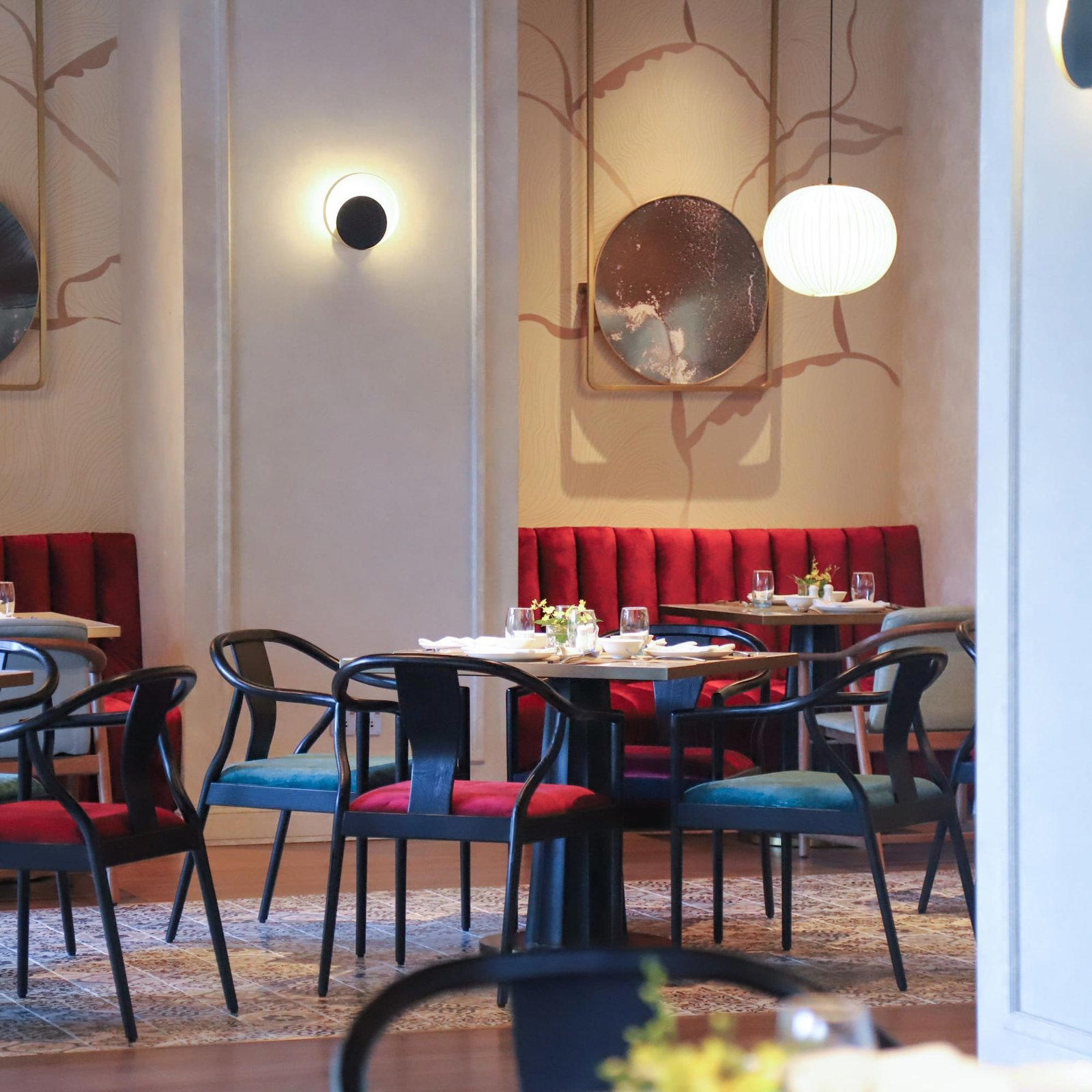
The menu
What to order
- Crab claw steam buns
- Spicy xiao long bao
- Pork and abalone siu mai
- Hot & sour Sichuan seafood soup
- Lobster cooked Beijing-style
- Braised abalone with mushroom
Approaching a composed dining room in Hanoi changes the rhythm of a meal. The city’s street-level food culture is loud, fast, and close to the pavement; away from that pace, a restaurant room usually asks for a slower register. Cham Restaurant belongs to that second Hanoi: not the plastic-stool economy of morning bowls and late-night noodles, but the more settled dining tier that sits within the capital’s broader hospitality scene.
That distinction matters because Hanoi is not a city where formality automatically improves the food. Some of its defining meals were built for alleys, markets, and single-specialty shops, and the capital has kept a sharper relationship with restraint than many first-time visitors expect. Herbs, broths, rice, fish, meat, and pickled elements often carry more weight than theatrical plating. A Hanoi restaurant that enters this conversation has to be read against those habits rather than against generic luxury dining.
Hanoi's polished dining rooms are judged against street-level memory
The city’s restaurant culture has split into several lanes. There are old-style local rooms built around family recipes and group dining, specialist counters and single-focus addresses, and noodle-focused rooms such as Hiệu Lực Canh Cá Rô Hưng Yên (Hai Ba Trung). There are also quieter contemporary interpretations, including Cồ Đàm, which belong to a different conversation about restraint, atmosphere, and the renewed prestige of carefully paced cooking.
Cham Restaurant is better understood within this middle register: composed, planned, and likely aimed at diners who want Hanoi with more structure than a street crawl provides. That can be useful in Hanoi, where the dining audience is unusually mixed. Office workers, visitors, domestic travellers, and residents all converge across the city, so a restaurant has to satisfy several expectations at once: local credibility, a room suitable for conversation, and enough polish for a planned evening meal.
The trust signal here is the role it plays in Hanoi rather than a trophy-led narrative. Restaurants in the city compete not only with one another but with the capital’s deep bench of casual everyday cooking. That pressure is useful for travellers. It means a dining room cannot rely on polish alone; it sits beside an unforgiving standard set by everyday Hanoi.
Regional identity is the real test, not imported formality
Dining in Hanoi rewards attention to balance. The city’s meals can depend on broth depth, fermented accents, fresh herbs, and textural contrast. They also carry a strong social architecture: shared plates, rice or noodles as anchors, dipping sauces calibrated by the diner, and courses that do not always follow Western sequencing. A polished restaurant succeeds when it respects that grammar rather than smoothing it into generic international dining.
That is why comparison inside Hanoi is more useful than a broad global category. A Hanoi table such as Cham Restaurant plays differently from other dining rooms shaped by resort, coastal, or destination-travel logic. Hanoi’s measure is tighter: does the room preserve the capital’s savoury restraint while giving the meal enough structure for a planned night out?
For travellers building a Hanoi itinerary, that question helps separate dining choices by purpose. Some other venues answer a narrower category brief, while others are built for leisurely group meals, hotel convenience, or a single signature dish. Hanoi, by contrast, keeps pulling restaurants back toward local food memory, even when the room is more formal.
How to use it in a Hanoi itinerary
Cham Restaurant makes the most sense as a Hanoi dinner or calm lunch when the day is already focused on the city. It is not the choice for chasing a single benchmark bowl; for that, Hanoi’s specialist addresses remain the sharper move. It is better used as a reset between more casual meals, especially for travellers who want a composed table without surrendering the evening to street logistics.
Build the surrounding itinerary with contrast. Pair a composed meal with another Hanoi dining room, a specialist address, or one of the city’s quieter sit-down options. For broader planning, use Our full Hanoi restaurants guide alongside Our full Hanoi hotels guide, Our full Hanoi bars guide, Our full Hanoi wineries guide, and Our full Hanoi experiences guide.
The wider EP Club map is useful when judging how Hanoi differs from other dining cities. Some addresses elsewhere answer a narrower category brief, from drink-led rooms to casual specialists. Hanoi asks a broader cultural question: how much of the city’s everyday food intelligence can survive once the meal moves indoors, slows down, and becomes an occasion?
Frequently asked questions
Is Cham Restaurant okay with children?
The setting reads as a standard seated restaurant in Hanoi, so it can work for families. A planned meal is generally easier earlier in the day or evening than a late-night visit.
What should I expect atmosphere-wise at Cham Restaurant?
Expect a composed Hanoi dining room rather than a casual street-side stop. The mood points to a sit-down setup suited to a calmer meal.
Where exactly is Cham Restaurant?
Cham Restaurant is located in Hanoi.
Do I need a reservation for Cham Restaurant?
A reservation is sensible for a dinner slot in Hanoi. Planning ahead is the safer approach, especially for a timed meal. Check the venue's official channels for the latest details.
Budget Reality Check
Nearby venues at a similar price tier for orientation.
| Venue | Cuisine | Price | Awards | Notes |
|---|---|---|---|---|
| Cham RestaurantThis venue — the venue you are viewing | Modern Cantonese & Dim Sum | $30–50 | Not listed | Not listed |
| Mosaico Restaurant | Casual Mediterranean and International Buffet | Not listed | Not listed | Not listed |
| Hiệu Lực Canh Cá Rô Hưng Yên (Hai Ba Trung) | Hưng Yên Fish Noodle Soup | $1–10 | Michelin Plate | Noodles, ₫ |
| Cồ Đàm | Modern Vietnamese Vegetarian Fine Dining | $20–30 | Michelin Plate | Vegetarian, ₫₫ |
| O Macanese | Macanese Portuguese-Cantonese Fusion | Not listed | Not listed | Not listed |
| Mangosteen | Swiss-Style Vietnamese and International | Not listed | Not listed | Not listed |
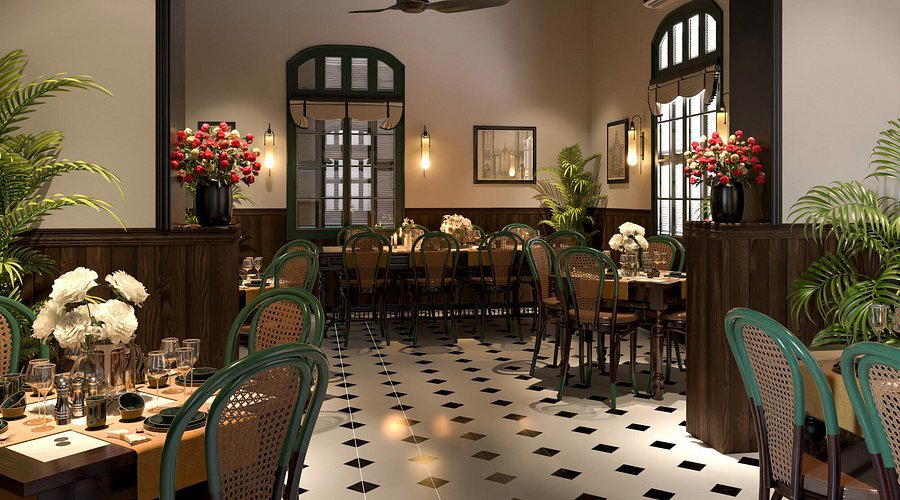
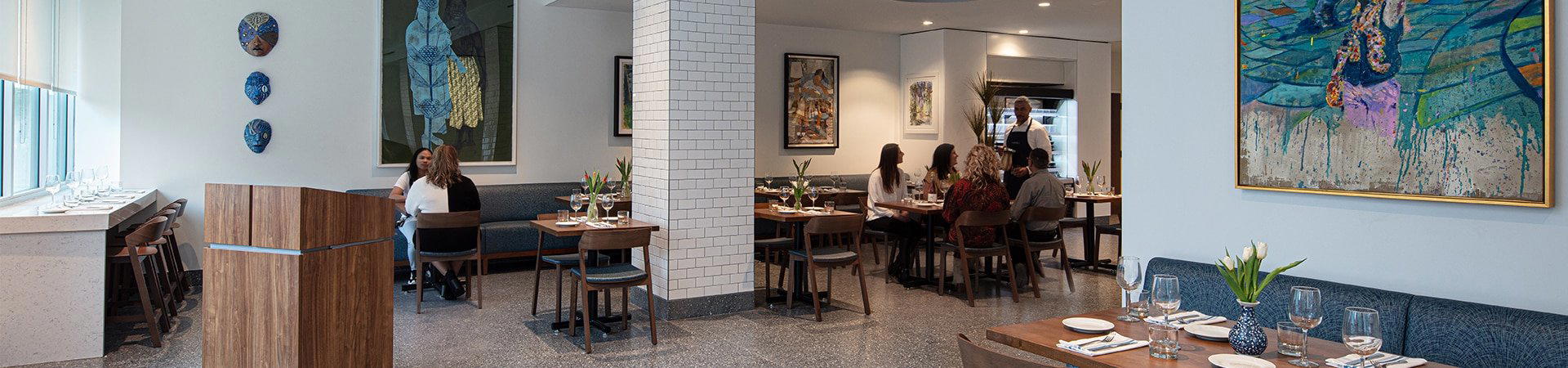
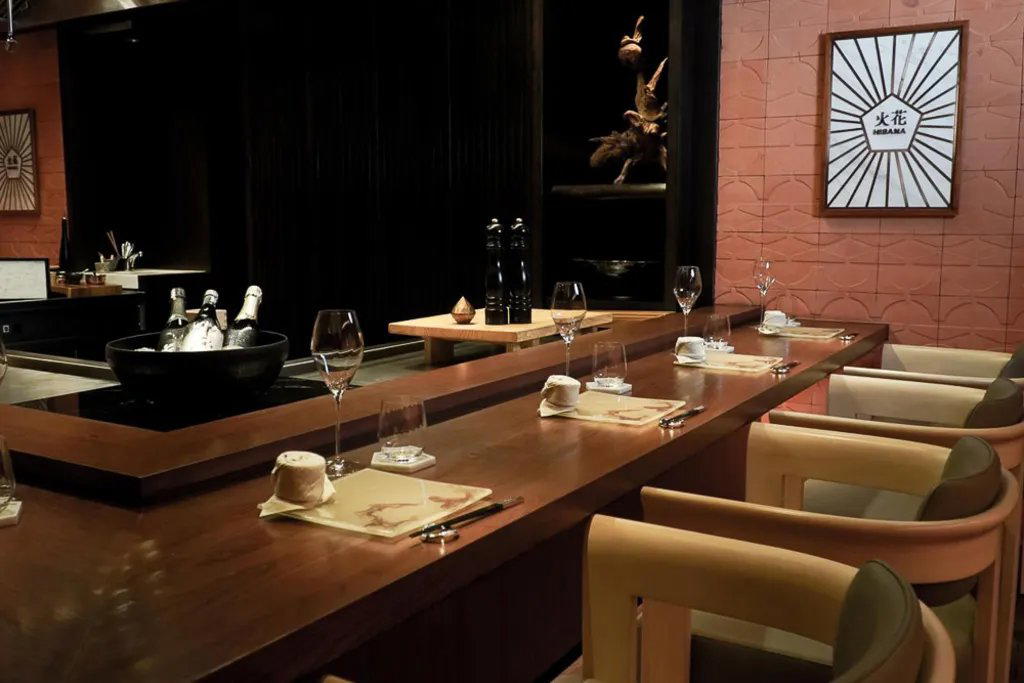
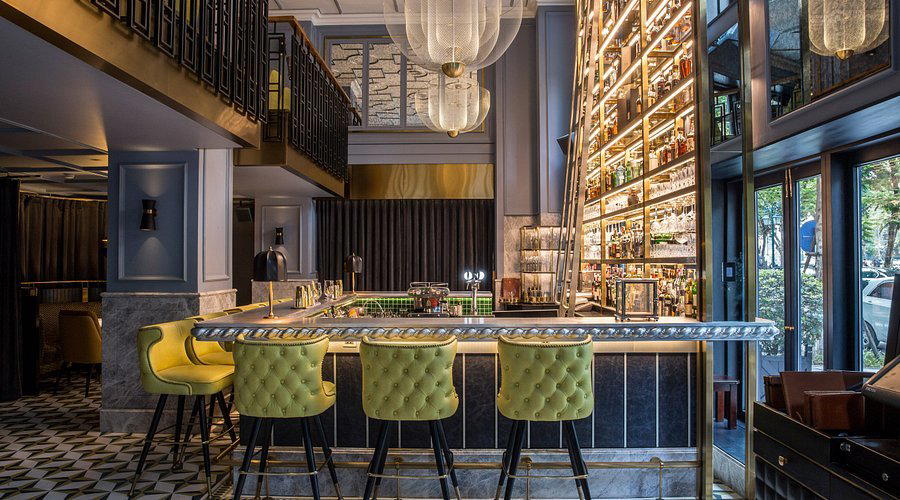
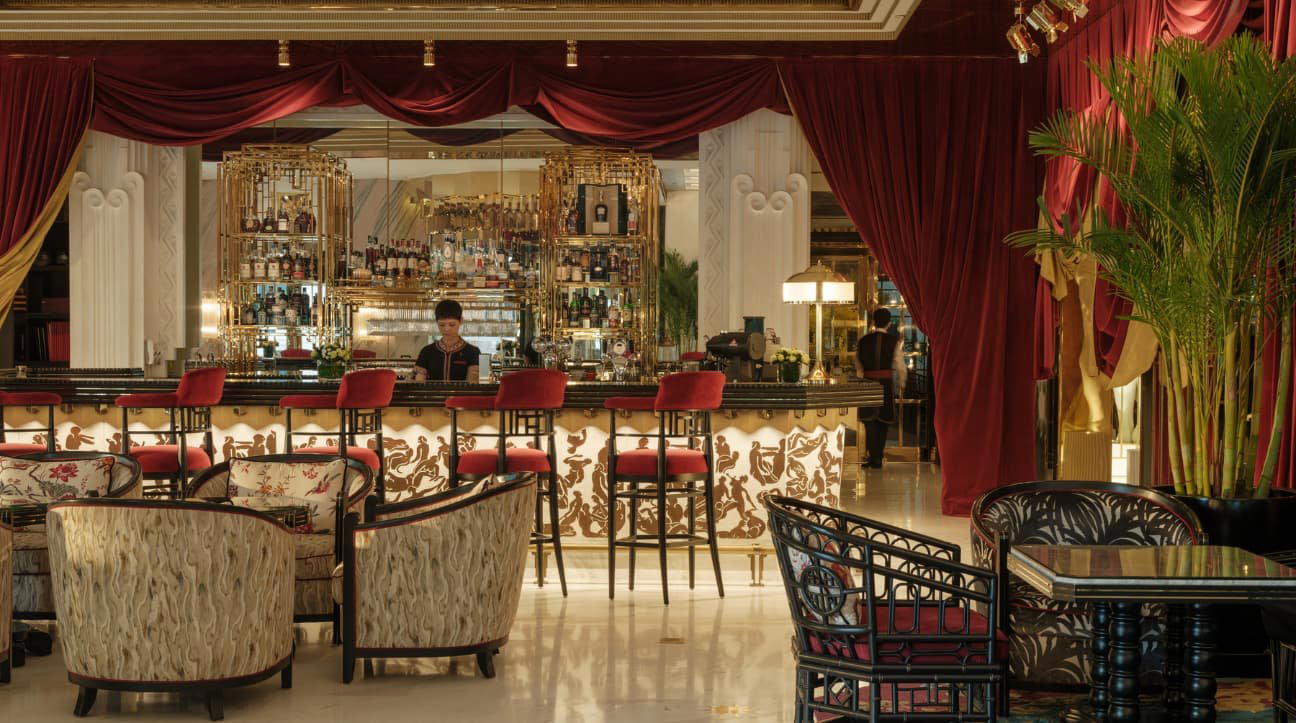
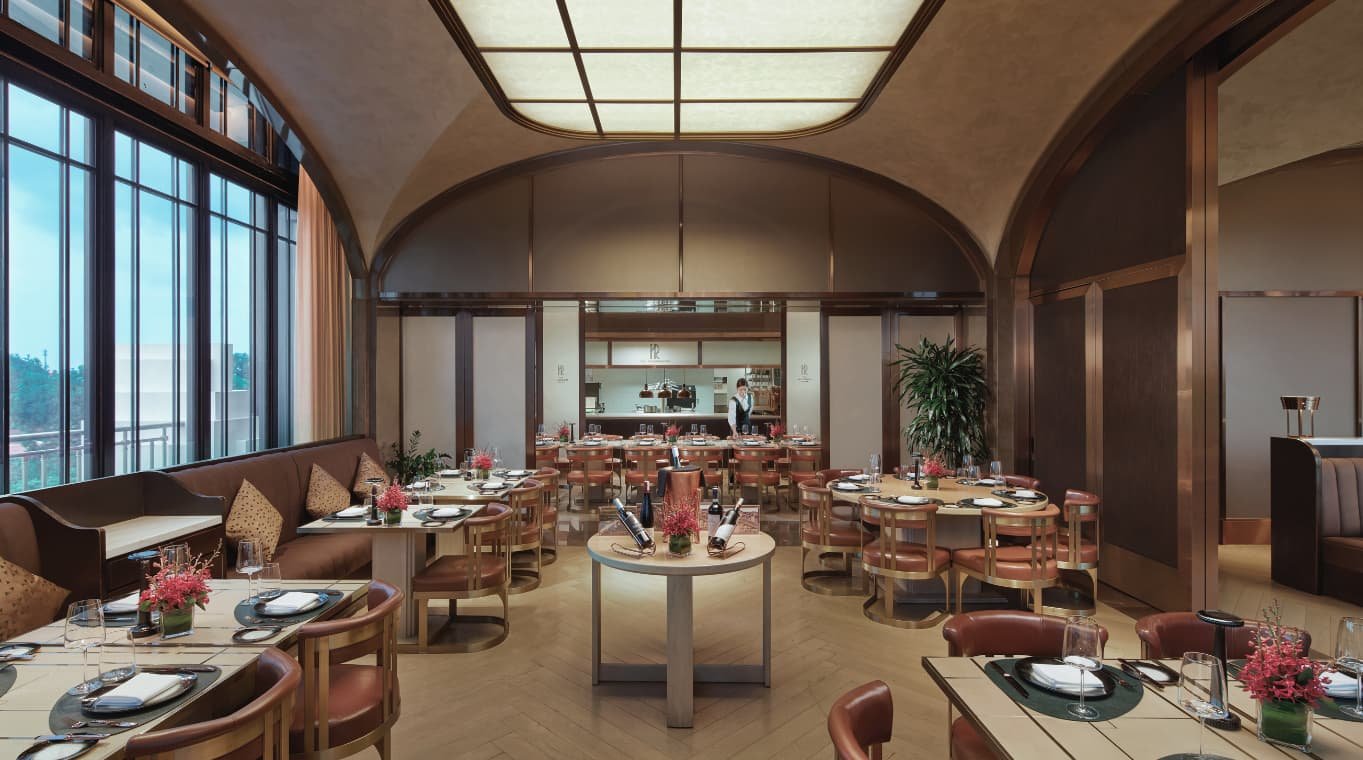
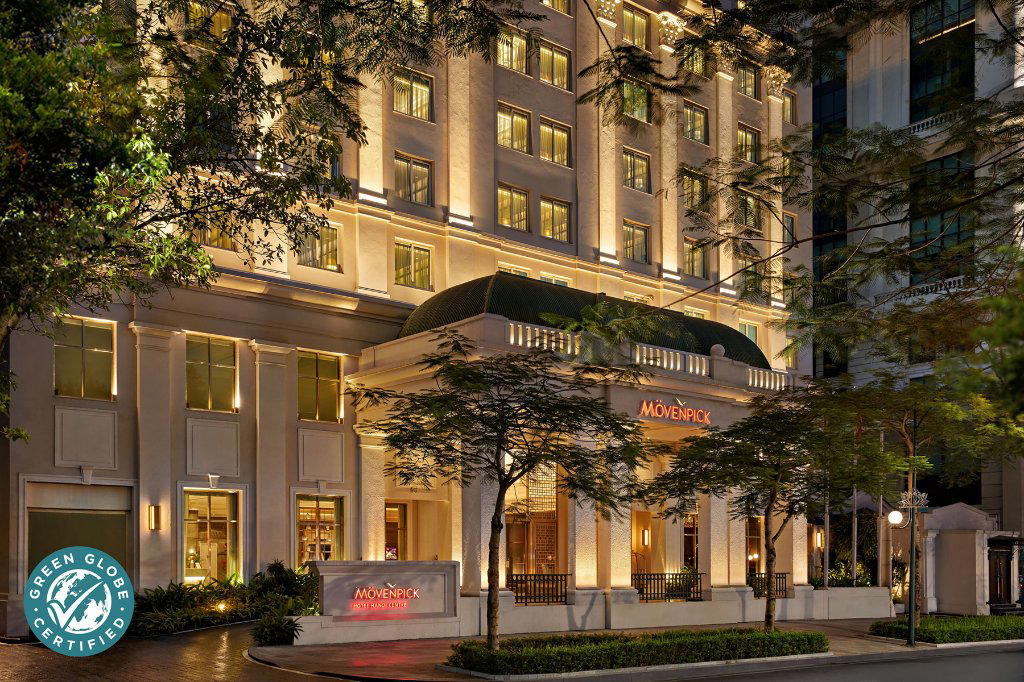
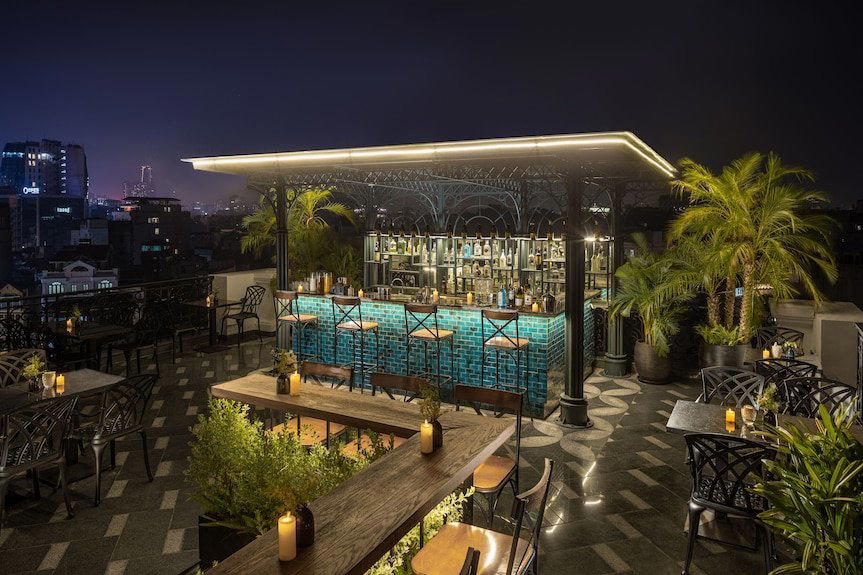
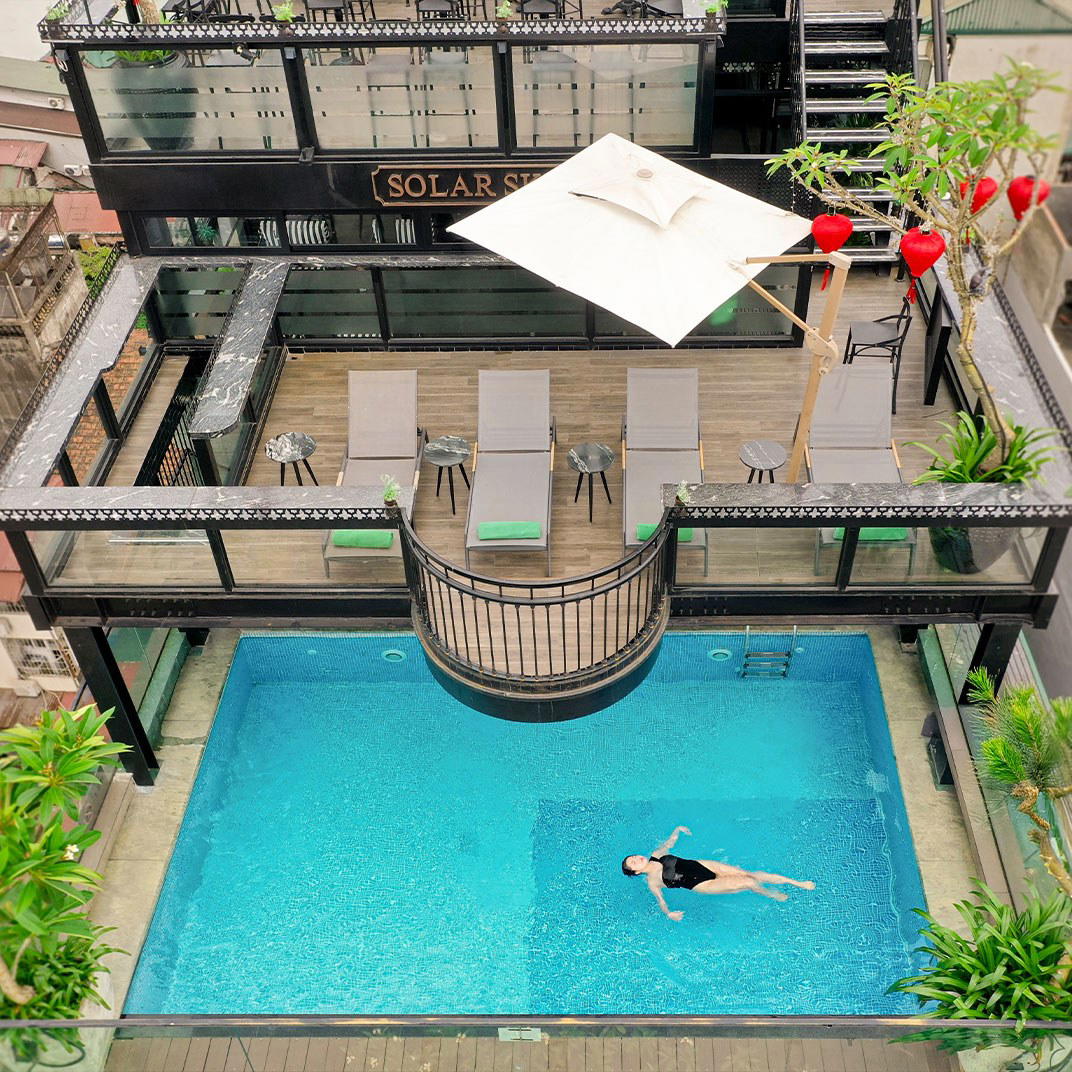
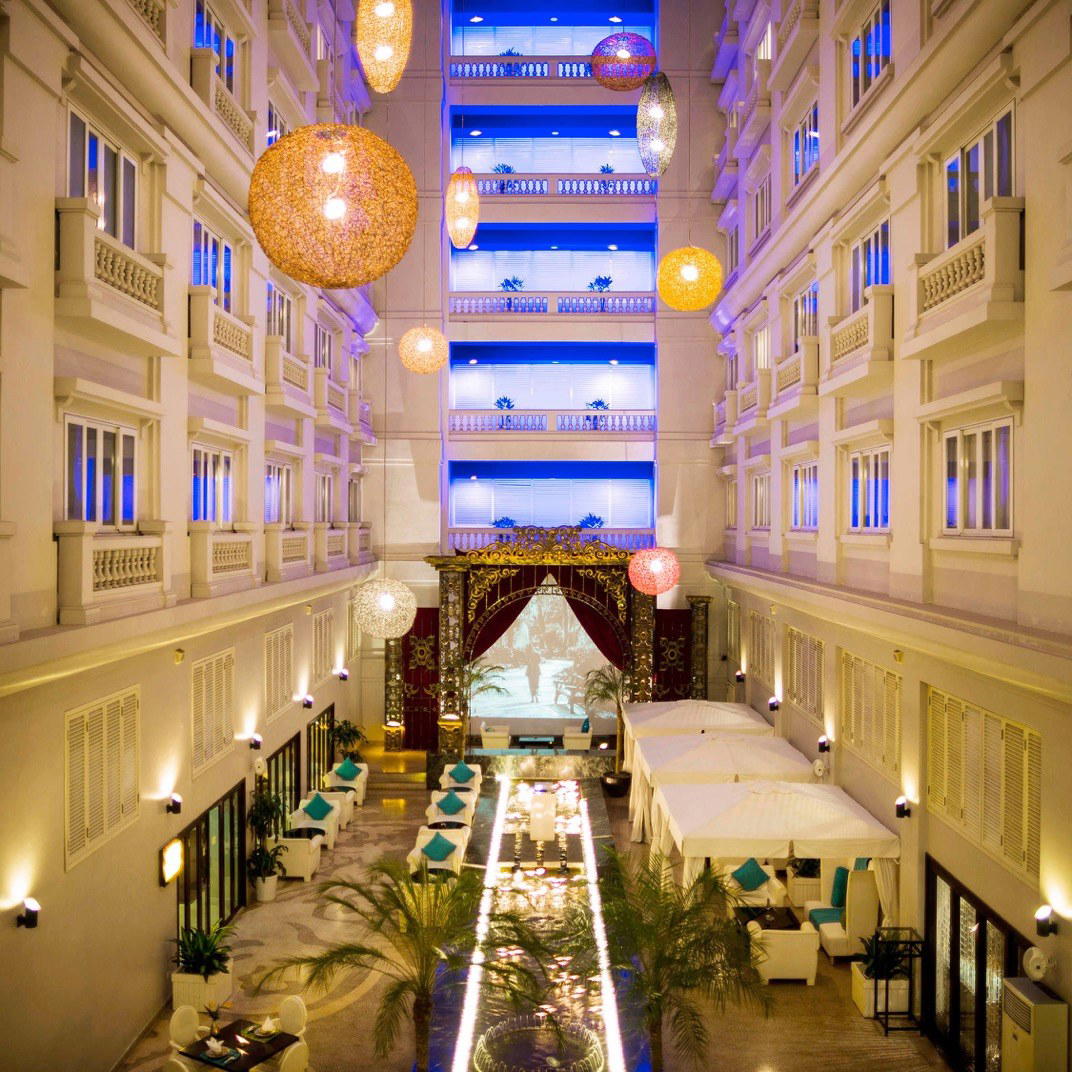
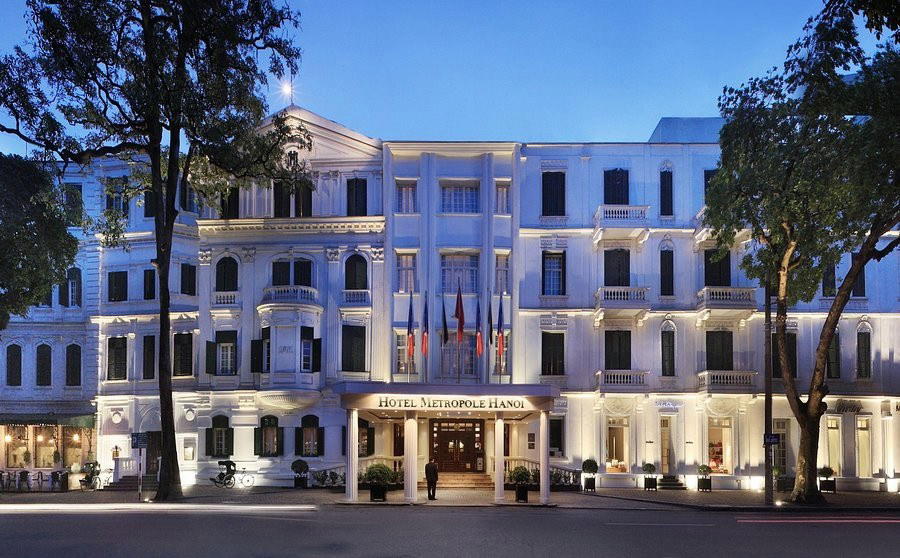
Cham Restaurant
The wine
- Wine program
- Curated wine list
- Extensive wine list
- Craft cocktails
Details
- Elegant
- Sophisticated
- Modern
- Classic
- Business Dinner
- Group Dining
- Date Night
- Family
- Celebration
- Special Occasion
- Design Destination
- Hotel Restaurant
- Craft Cocktails
- Extensive Wine List
- Garden
- A La Carte
- Small Plates
- Set Menu
- Cocktails
- Wine
- Spirits
- Vegetarian Friendly
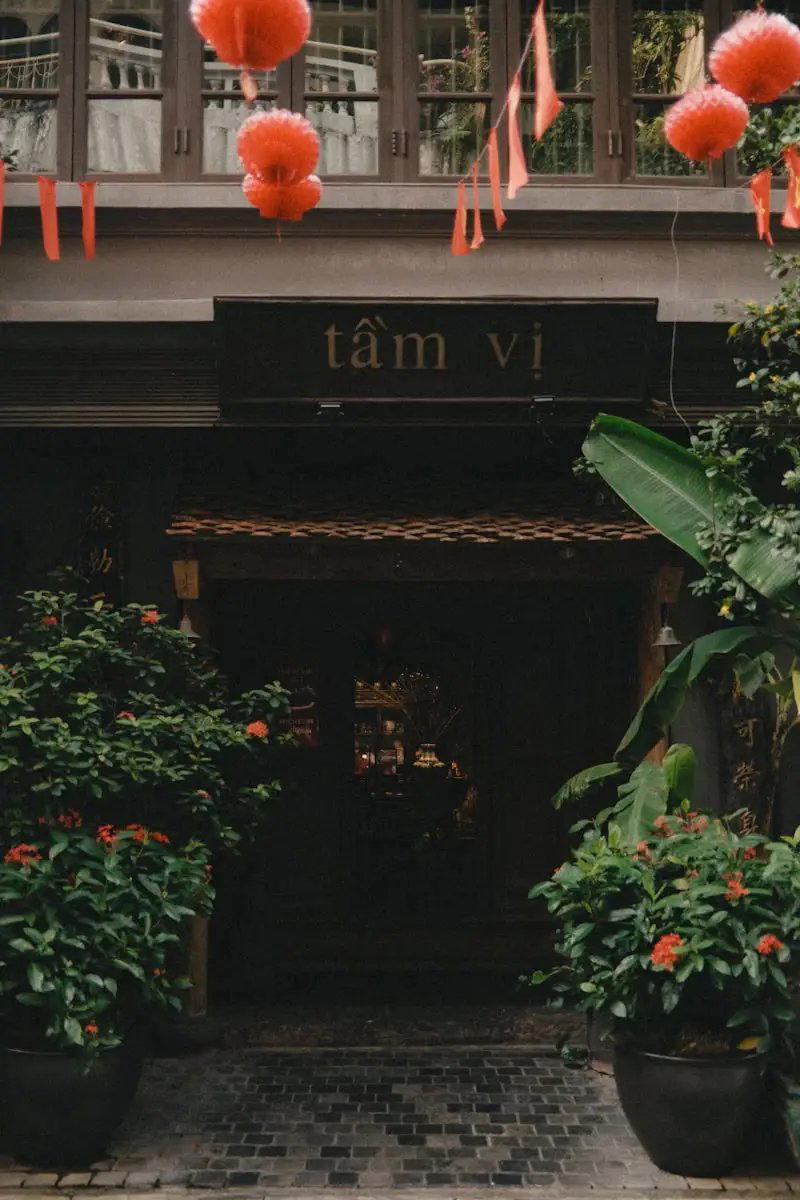
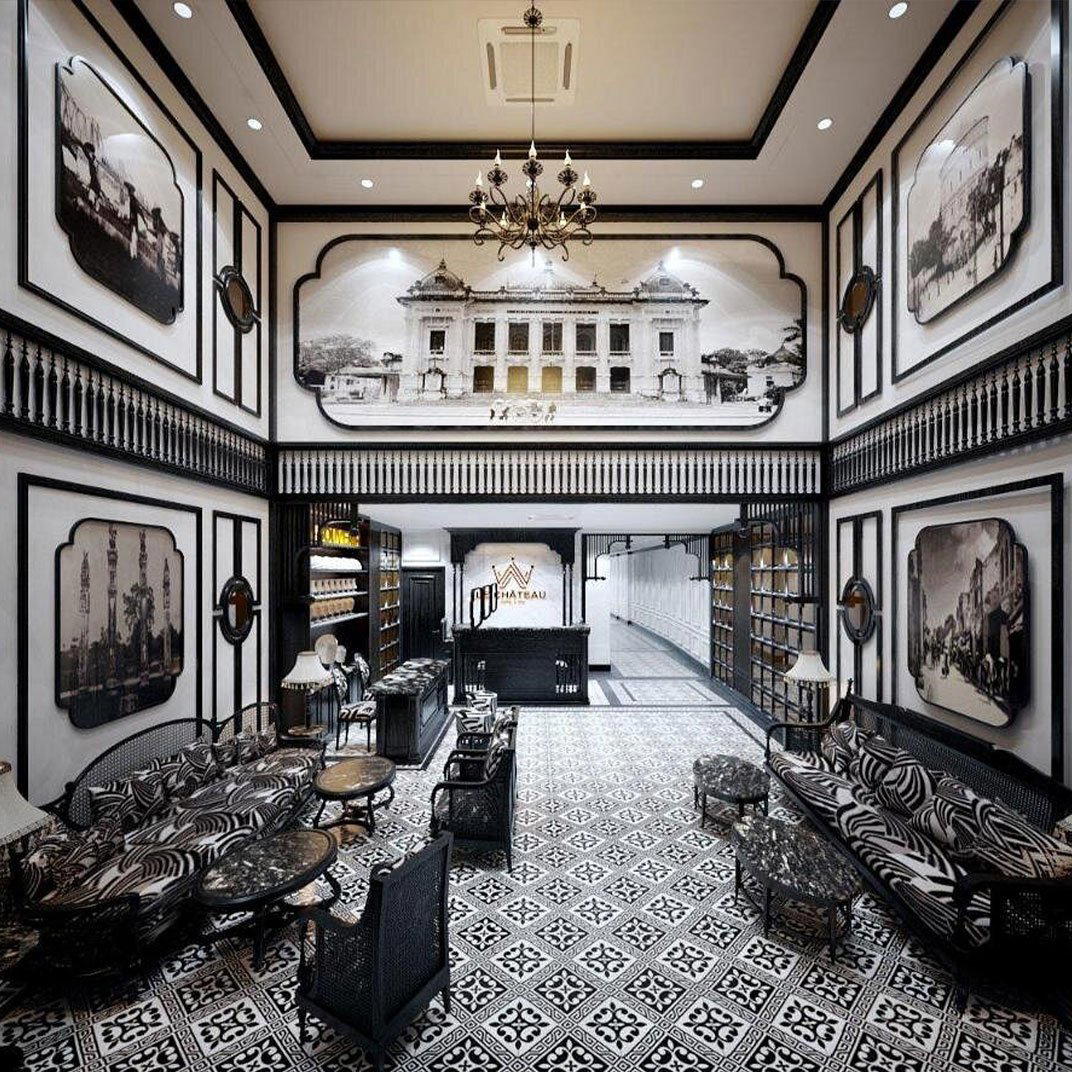
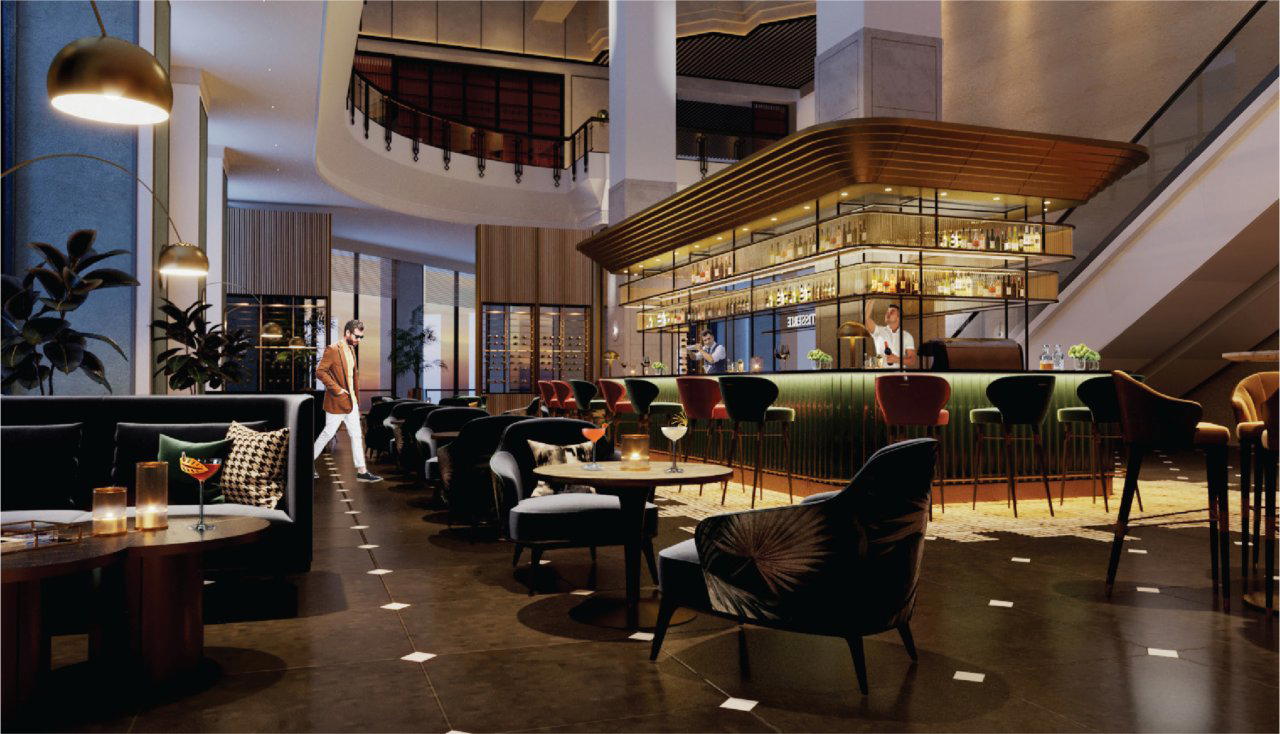
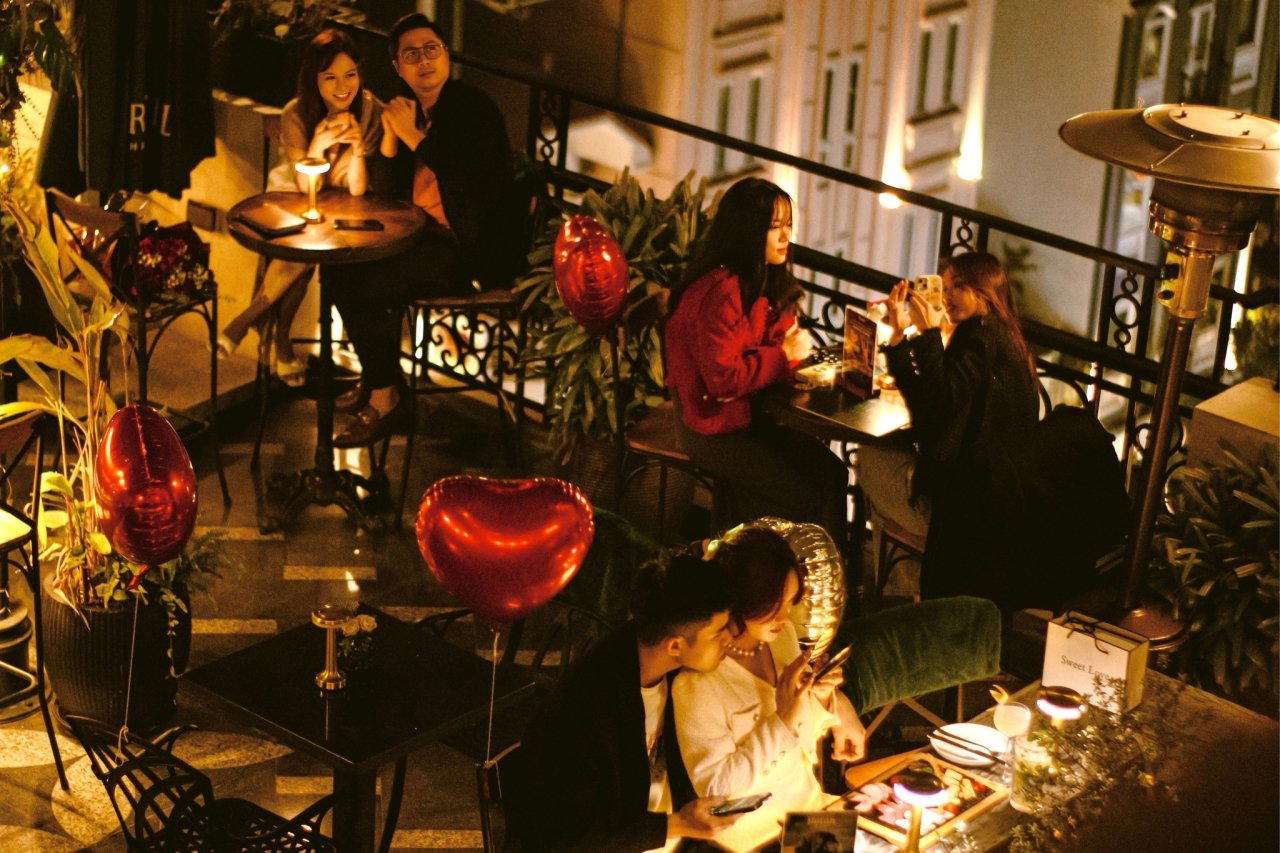
Upscale yet warm hotel-restaurant dining room with dark teal and burnt orange tones, floor-to-ceiling windows looking onto greenery, and a vintage China residential feel evoking 1960s Hong Kong.